REVIEW · OUDTSHOORN
Oudtshoorn: Half-Day Swartberg Pass Private Guided Tour
Book on GetYourGuide →Operated by True South Travel · Bookable on GetYourGuide
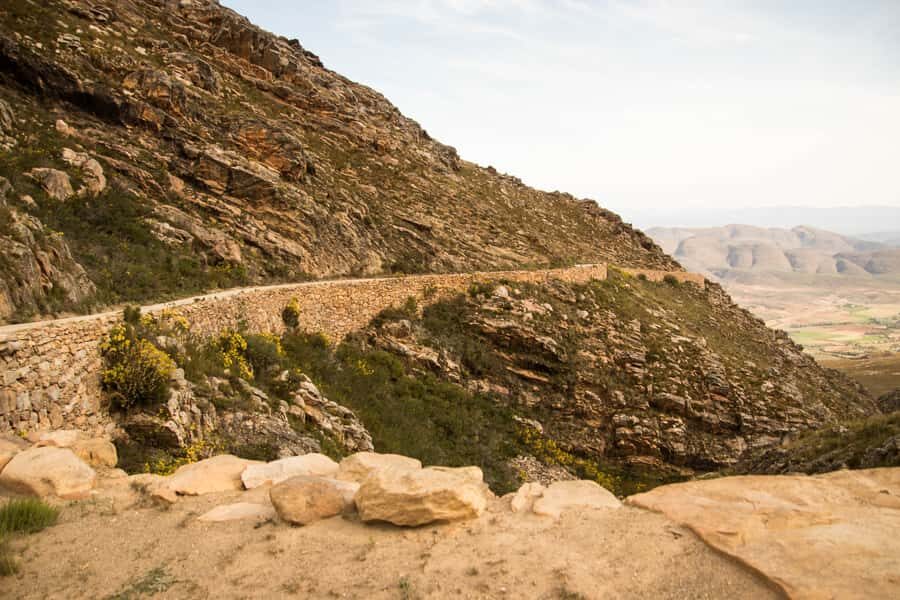
Swartberg Pass hits hard. This half-day private tour from Oudtshoorn pairs a 900-meter eco-walk with classic Swartberg Pass drama—big views, tough geology, and a guide who helps you see more than just the road. You’ll travel north to the Swartberg foothills, then climb the world-famous pass, which uses the old-school dry-stone craft that’s still holding strong.
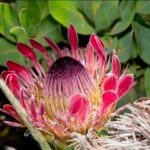
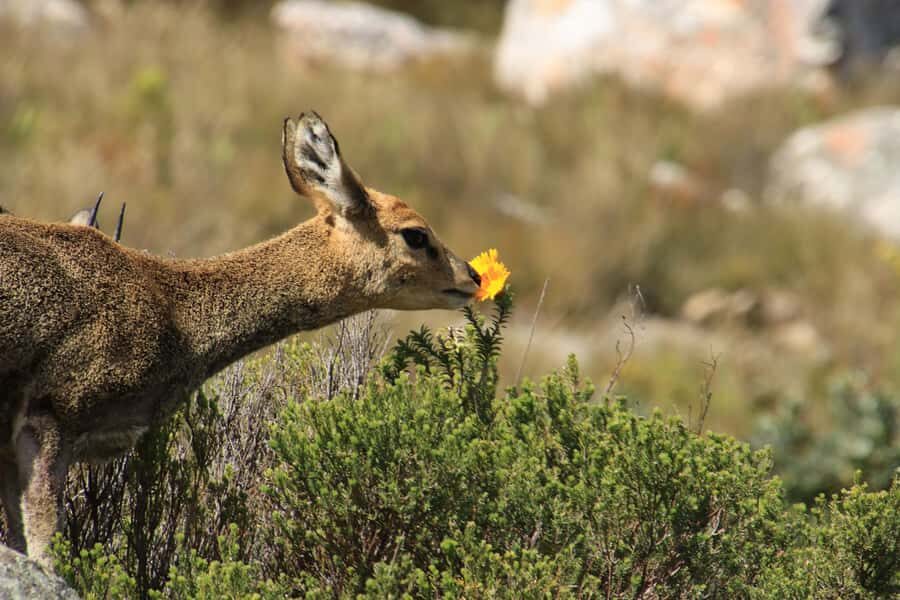
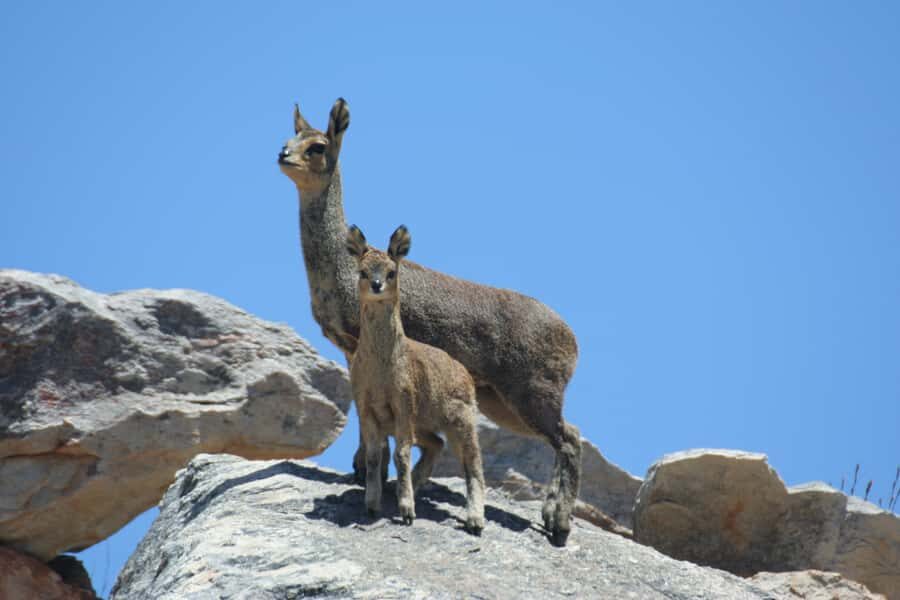
What I like most is the double payoff: first the panoramic views over the Klein and Great Karoo, and second the living detail you notice only when someone points it out. The Swartberg Mountain fynbos is the star—proteas, cone bush, pin cushions—and it’s paired with bird-spotting possibilities like Verreaux’s Eagle, Jackal Buzzard, sunbirds, and even the quick dart of Klipspringer on the rock.
One consideration: this is not a laid-back stroll for everyone. It includes walking on a gravel-surfaced pass and is not suitable for wheelchair users, so you’ll want comfortable sports shoes and the willingness to climb and descend.
In This Review
- Key Things That Make This Tour Worth Your Time
- From Oudtshoorn to the Swartberg Foothills: Why This Route Feels Efficient
- The Private Drive and Eco-Guide Rhythm (English or Afrikaans)
- Hiking the Swartberg Pass: What the 900-Meter Eco-Walk Really Means
- What to expect in practice
- A small but important detail
- Reaching Die Top: Panoramic Views Over Klein and Great Karoo
- Sandstone and Fynbos: How This Tour Makes the Geology Click
- Bird-spotting opportunities (and why you’ll want to pause)
- Light Lunch in Oudtshoorn: Don’t Waste the Timing
- Price and Value: Is $164 per Person Fair for a Half-Day?
- Who This Tour Fits (and Who Should Skip It)
- Not for everyone
- Practical Tips So You Enjoy It More
- Should You Book This Half-Day Swartberg Pass Tour?
- FAQ
- How long is the Swartberg Pass private guided tour?
- Where do you get picked up?
- How much walking is involved?
- Is the tour wheelchair accessible?
- What languages are available for the guide?
- What should I bring?
- What’s included in the price?
Key Things That Make This Tour Worth Your Time
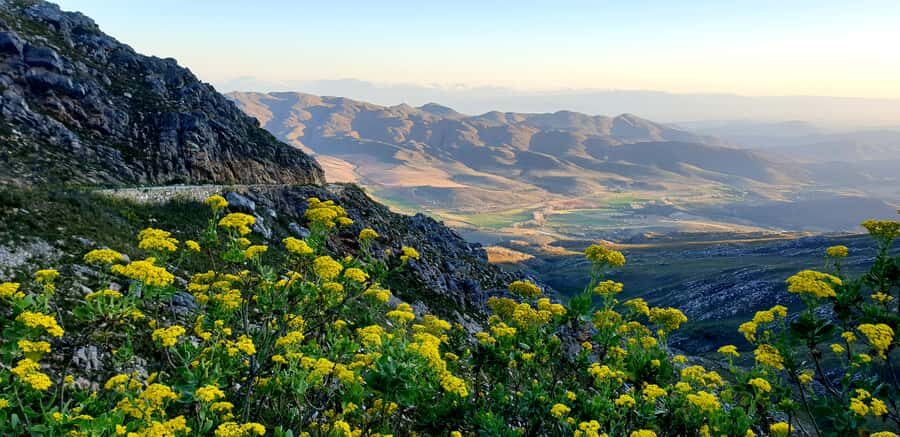
- World-renowned Swartberg Pass: Thomas Bain’s gravel road opened in 1888 and still feels like an engineering feat.
- 300-million-year sandstone formations: You’ll learn what you’re actually looking at, not just admire it.
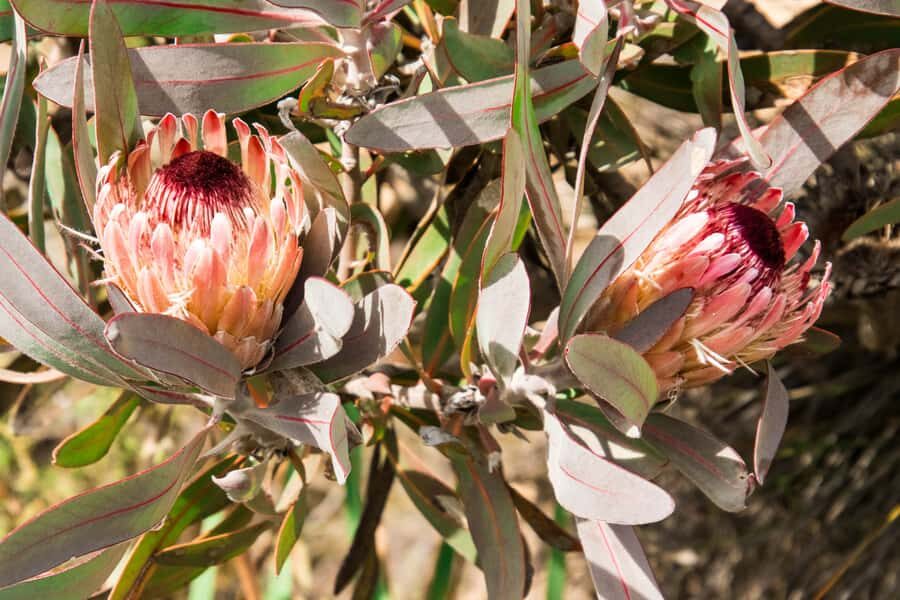
- Fynbos focus (with proteas): Expect a guided look at protea species and other local plants.
- Bird and small-mammal spotting: Opportunities for Verreaux’s Eagle, sunbirds, and Klipspringer.
- Panoramas from Die Top: Big-sky views over southern and northern Swartberg slopes.
- Private, pickup-to-return convenience: Transport from your Oudtshoorn accommodation plus a light lunch.
From Oudtshoorn to the Swartberg Foothills: Why This Route Feels Efficient
Oudtshoorn is a great base because it’s close to the Swartberg Mountains without feeling like you’re doing a full-day trip. This tour uses that advantage well. You start with pickup from your hotel or guest house, then head north to the southern foothills where the mountains start to look more serious.
The Swartberg Pass is part of a UNESCO World Heritage Site, so you’re not just driving to a viewpoint. You’re getting a guided experience inside a protected environment. And because it’s a private group, the pace can feel more natural—less waiting, more looking, and more time for questions.
You can also read our reviews of more guided tours in Oudtshoorn
The Private Drive and Eco-Guide Rhythm (English or Afrikaans)
The guide is the difference between seeing rocks and understanding why they matter. You get a live guide who can work in English or Afrikaans, and the group stays private, meaning you’re not stuck timing your questions to someone else’s pace.
You’ll also notice how the tour handles the mountain setting: the road and terrain are part of the story. Several guides associated with this experience are praised for calm, safe driving on challenging sections, so you’re not just clinging to the seat while the scenery flashes by.
This is also where you should set your expectations. You’re not rushing through random stops. The tour builds toward the climb, then holds time for views and a guided walk.
Hiking the Swartberg Pass: What the 900-Meter Eco-Walk Really Means
The core experience is a scenic eco-tour up the Swartberg Pass. The distance given is a 900-meter scenic climb from the foothills up toward the summit area. That’s enough to get your heart rate up, but it’s designed as a guided nature walk rather than a technical hike.
The pass itself has a gravel surface, and it was built with dry-stone technique requiring extreme manual labor. The tour doesn’t treat that as trivia. It’s useful context, because once you understand the way the pass was constructed, you start noticing how solid it still looks—and how that connects to the region’s long relationship with horses, wagons, and harsh mountain travel.
What to expect in practice
You’ll be out in open terrain at a protected mountain site. The practical checklist matters: bring warm clothing, a hat, sunscreen, water, and sports shoes. Even when conditions seem mild, mountain weather can swing fast, and the walk is long enough that comfort is not optional.
A small but important detail
There’s an optional scenic walk on the pass with the eco guide. That’s not something you want to rush. This is when you’ll learn what you’re looking at—sandstone layers, fynbos growth patterns, and conservation reasons that feel real because you can actually see the habitat.
You can also read our reviews of more private tours in Oudtshoorn
Reaching Die Top: Panoramic Views Over Klein and Great Karoo
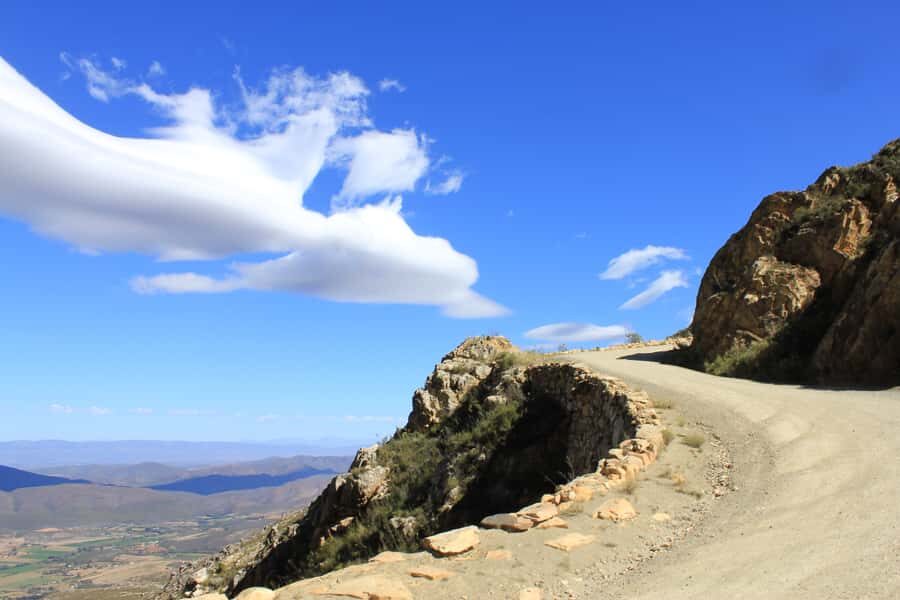
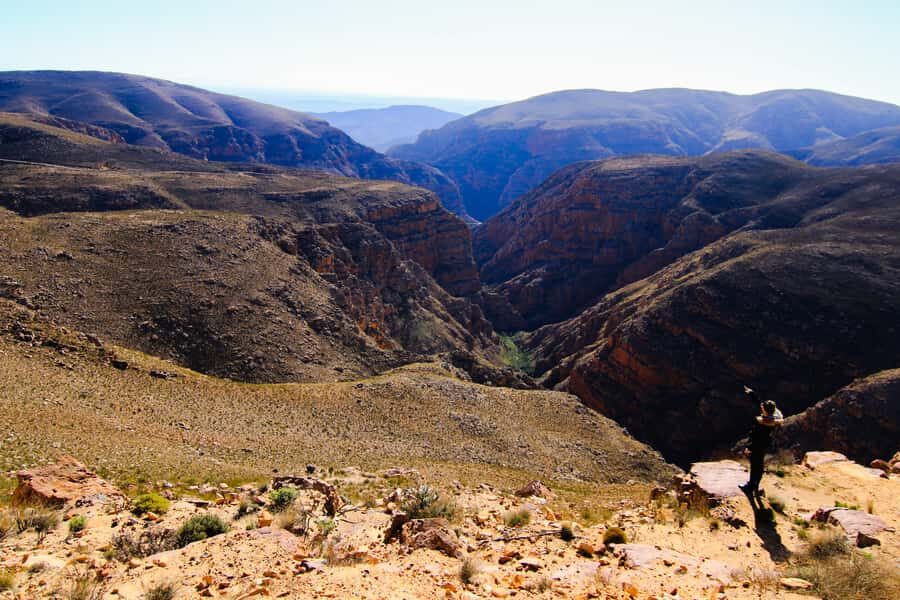
At the top of the Swartberg Pass—often referred to as Die Top—you get the payoff shots. The information provided mentions the summit around 1,350 meters (with the pass reaching roughly 1,580 meters), so think of it as a high point with serious altitude for photography and wind.
From there, your reward is a picture-perfect panoramic view over the Klein- and Great Karoo. This is where the day stops feeling like transport and starts feeling like a place—dry, huge, and full of detail if you slow down.
You’ll also descend down the Swartberg Pass toward a well-known viewpoint called Tee Berg. That stop matters because it breaks up the “up, look, back down” pattern. Instead, you keep moving through the pass environment and have more chance to see fynbos and bird life along the way.
Sandstone and Fynbos: How This Tour Makes the Geology Click
The Swartberg Pass region is famous for its Cape Fold belt mountain formations. The tour highlights sandstone formations dating back more than 300 million years. If you’ve ever looked at a rock face and thought, So what?—this is the kind of guided story that makes those layers feel relevant.
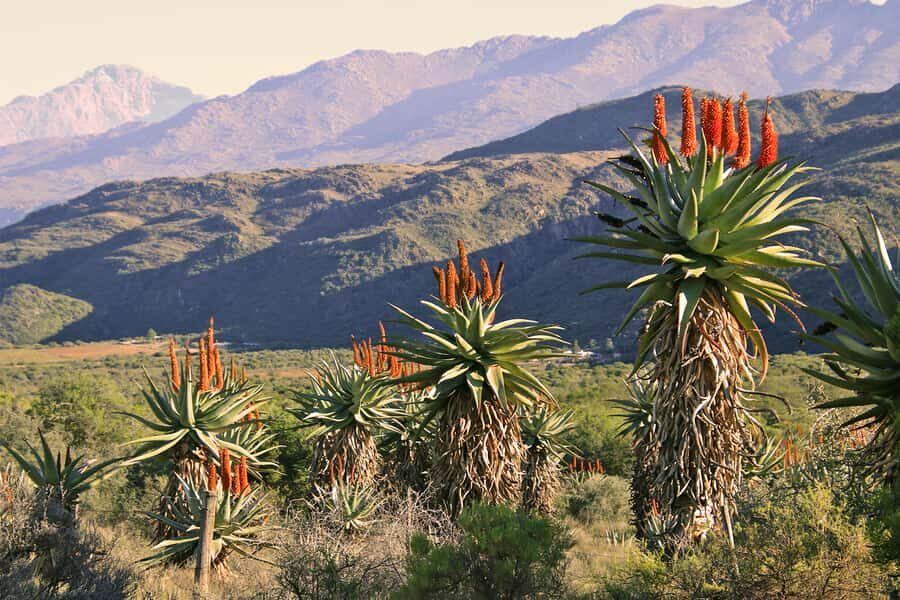
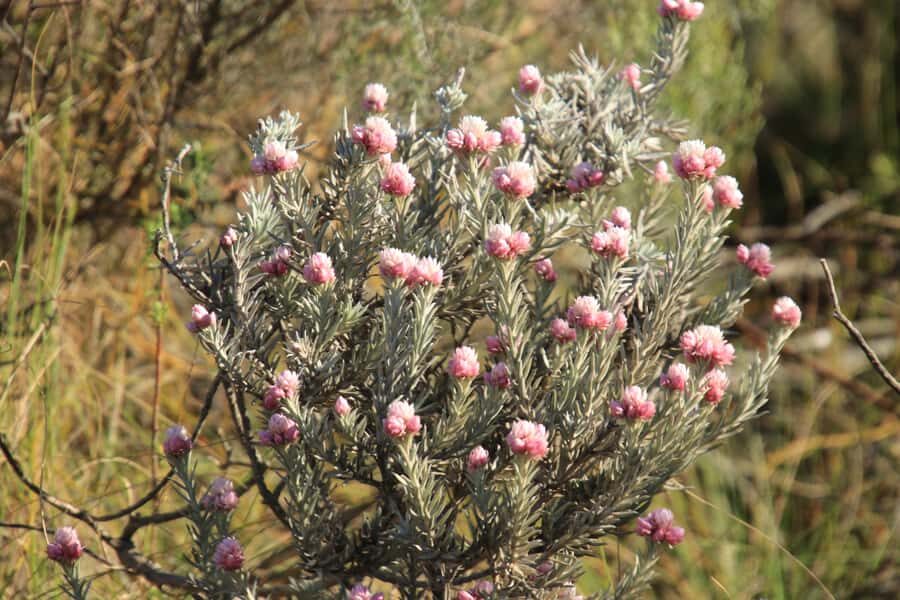
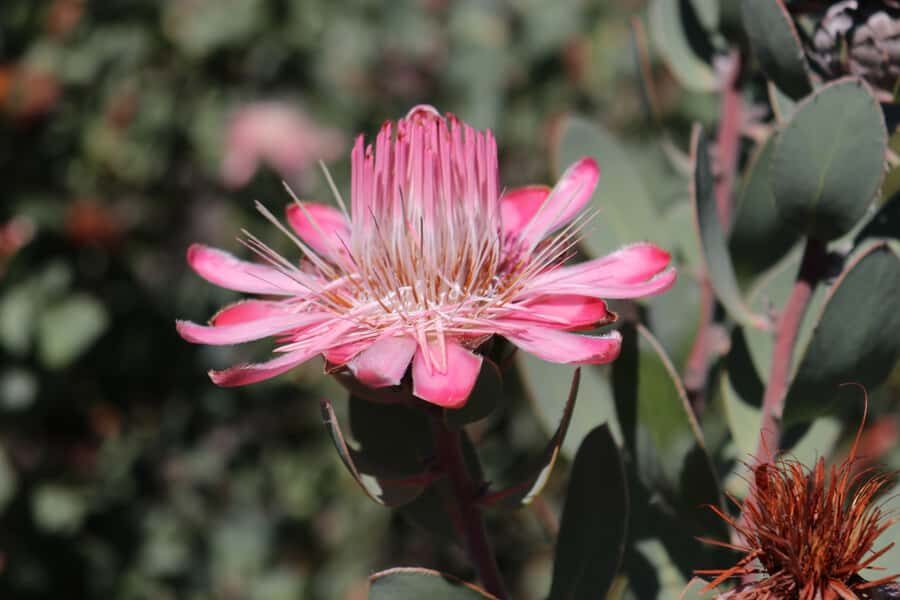
The guide also focuses on Swartberg Mountain fynbos, including proteas plus plants like cone bush and pin cushions. Why that matters: fynbos isn’t just decoration. It’s an ecosystem with specific survival strategies, and it’s tied to conservation and habitat protection. When you see the plants up close, conservation stops being an abstract word.
Bird-spotting opportunities (and why you’ll want to pause)
The tour includes a real chance of spotting wildlife, including Verreaux’s Eagle, Jackal Buzzard, and sunbirds feeding on nectar from proteas. You might also catch Klipspringer—a small antelope known for climbing and clinging to rugged sandstone.
The tour’s timing and walking style help you here. You’re not sprinting between viewpoints. You’re on the pass with a guide who can point out what to look for—flight patterns, nectar-rich plants, and where animals tend to move across rocks.
Also, the guides associated with this experience are repeatedly praised for strong environmental and wildlife focus, with examples like Lynette and Christiaan, plus other guides such as Colin and Jan who are noted for making frequent stops to explain plants and conservation. That style fits this pass perfectly: you’ll get more from the same view because you’re seeing it in context.
Light Lunch in Oudtshoorn: Don’t Waste the Timing
After the pass excursion, you’ll enjoy a light lunch in Oudtshoorn before heading back to your accommodation. It’s scheduled to keep the day balanced—enough food to recharge, but not so long that you lose the momentum of your mountain time.
This is a good moment to cool down and plan the rest of your day in Oudtshoorn. If you’re staying multiple days, this half-day format lets you mix geology and birds with other local interests without overloading yourself.
Price and Value: Is $164 per Person Fair for a Half-Day?
At $164 per person for about 4 hours, this tour isn’t cheap—but it also isn’t a bare-minimum “drive-by.” What you’re paying for is the package:
- Pickup and transport to and from the Swartberg Pass area
- A qualified mountain guide
- A conservation fee included
- Private group format
- Guided eco-walk time, plus a light lunch
If you care about the explanations behind what you see—300-million-year sandstone, protected fynbos, and wildlife context—then $164 makes more sense than it looks on paper. If you’re only chasing the broadest possible photos and you’re comfortable navigating yourself on a gravel pass, the value drops. But if you want the pass to feel like a guided outdoor classroom, the guide-driven format is where the money goes.
Who This Tour Fits (and Who Should Skip It)
This experience is ideal if you like:
- Big views paired with guided interpretation
- Nature-focused walking on a famous pass
- Bird and fynbos spotting
- A structured half-day that doesn’t eat your whole trip
You should also feel comfortable with outdoor conditions. Bring layers, expect some wind, and wear shoes that can handle uneven ground.
Not for everyone
It’s not suitable for wheelchair users, and because there’s walking involved on the gravel pass, it’s best for people who can handle a moderate climb and a decent amount of time outdoors.
Practical Tips So You Enjoy It More
- Wear sports shoes you trust on uneven, gravelly ground.
- Pack warm clothing even if Oudtshoorn feels mild—mountain weather can change.
- Bring a hat, sunscreen, and water. You’ll be outside enough for this to matter.
- Expect it to be more than quick photos. The guided stops are part of the value.
- If you care about wildlife sightings, keep a curious pace. You’ll see more when you pause to look.
Should You Book This Half-Day Swartberg Pass Tour?
I’d book it if you want a tight, high-value nature day without wasting time. The Swartberg Pass is a real piece of South African engineering (Thomas Bain’s 1888 construction) and the guided focus on fynbos, sandstone, and wildlife makes it feel like you’re getting the point—not just the view.
Skip it if you need wheelchair access, or if you’re looking for something that’s mostly sitting and scenic driving with minimal walking.
If your idea of a great half-day is: climb a famous pass, learn what you’re seeing, and end with lunch back in Oudtshoorn—you’ll be right at home here.
FAQ
How long is the Swartberg Pass private guided tour?
It lasts about 4 hours, including the guided time on the Swartberg Pass and time for a light lunch in Oudtshoorn.
Where do you get picked up?
Pickup is from your hotel or guest house in Oudtshoorn, with transport included to the Swartberg Pass area.
How much walking is involved?
The experience includes a 900-meter scenic eco-tour up the Swartberg Pass, plus an optional scenic walk at the summit area.
Is the tour wheelchair accessible?
No. It is not suitable for wheelchair users.
What languages are available for the guide?
The live guide works in English and Afrikaans.
What should I bring?
Bring warm clothing, a hat, sunscreen, water, comfortable clothes, and sports shoes.
What’s included in the price?
Transport from Oudtshoorn, a qualified mountain guide, and the conservation fee are included, plus a light lunch after the pass excursion.