REVIEW · CAPE TOWN
Platteklip Guide Hike + Cable Car Down | With Hotel Pick-up
Book on GetYourGuide →Operated by Climb Table Mountain · Bookable on GetYourGuide
Table Mountain starts with a steep first step. This guided Platteklip Gorge hike gives you a direct, well-trodden way up for big views, plus the comfort of a plan from start to cable car. I also love the small, practical touches like snacks and water along the way, and how the guide keeps the pace workable with quick breaks.
What really makes it shine is the way the hike is handled like a team effort: a safety introduction at the trail start, then steady ascent, then a relaxed descent by cable car when you’re ready. Guides such as Kai and Elodye Davids bring strong local knowledge (fauna and flora talk comes up naturally), and they’re attentive to your questions. One consideration: it is a mountain climb, so it is not easy, and it may not be a fit if you have medical limitations or you’re looking for something flat and casual.
In This Review
- Key things to know before you go
- Conquering Table Mountain via Platteklip Gorge without the guesswork
- The start: pickup, meeting point, and that early safety briefing
- Climbing Platteklip Gorge: steep, well-defined, and surprisingly doable
- Views along the way: why the stops are more than a break
- Reaching the summit area and regrouping
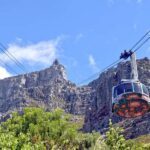
- Cable car down: save your knees and keep the day fun
- What’s included, what’s not, and what the $63 buys you
- What to bring (and what to skip) for a smooth climb
- Who this hike suits best (and who should reconsider)
- Languages, meeting rhythm, and group-friendly pacing
- The wind factor: flexibility is part of a safe plan
- Quick reality check: what to expect on the day
- Should you book this Table Mountain hike with cable car down?
- FAQ
- What’s included in the tour price?
- Are cable car tickets included?
- Where does the hike start?
- What happens at the beginning of the hike?
- How hard is the Platteklip Gorge hike?
- Do I need to bring anything?
- What footwear and clothing are not allowed?
- Is the tour suitable for beginners?
- What languages are the guides?
- What’s the cancellation window?
- Can I reserve and pay later?
Key things to know before you go
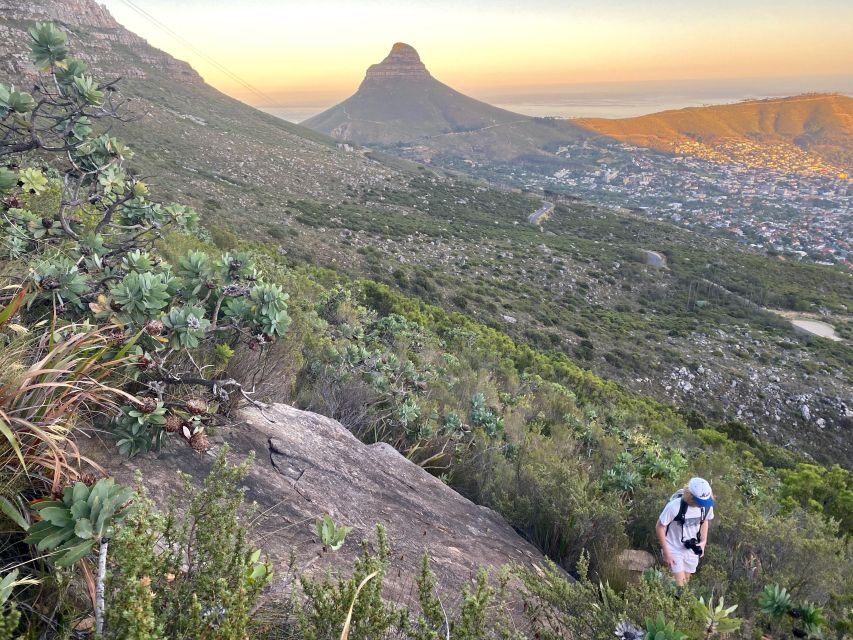
- Platteklip Gorge is steep but straightforward, and the route is well-defined for an efficient summit push
- Hotel pickup and a guided start help you begin with less stress and more confidence
- Snacks, water, and pacing breaks make a big difference on a tough uphill day
- Cable car down is your reward, and it lets you take the descent at your own speed
- Your guide adapts to conditions, including wind, so plans can shift if needed
- Dress and footwear rules matter, with jeans, high heels, and flip-flops specifically not allowed
Conquering Table Mountain via Platteklip Gorge without the guesswork
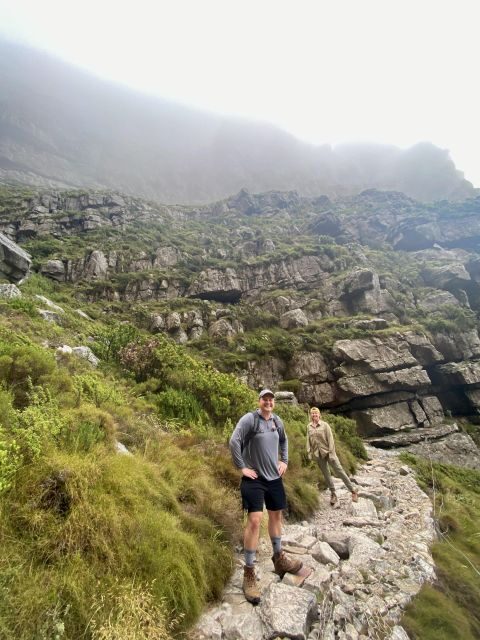
If Cape Town is on your list, Table Mountain usually is too. The hard part is choosing how to do it: hike it on your own and worry about route and timing, or go with a guide and focus on the climb and the views. This Platteklip Gorge experience is built for the second option, with hotel pickup, a guided ascent, and a cable car descent so you’re not stuck figuring out the return.
I like the way the experience keeps things practical. You meet at the trail start, you get a short trail introduction and safety briefing, then you start walking. There’s no wandering in circles looking for the right path—this route is popular and well-trodden, and that matters when your legs are already working hard.
The guide part is not just “be there.” In real-life terms, it means you get pacing help and a steady rhythm. One of the strongest highlights from the guide-led approach is that Kai (and also Elodye Davids) makes regular stops, including time to catch your breath and grab snacks. That small structure turns a brutal uphill into something you can actually finish feeling proud rather than wrecked.
You can also read our reviews of more guided tours in Cape Town
The start: pickup, meeting point, and that early safety briefing
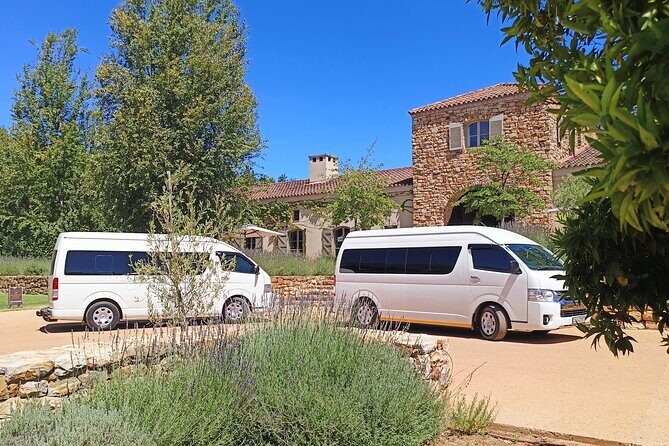
The day begins with hotel pickup and drop-off, which is a big value add in Cape Town. Getting to the start of a hike smoothly lets you arrive calmer, with less time spent negotiating transport on your own.
When you arrive, the guide meets you at the start of the trail and runs a trail introduction and safety briefing. For me, that’s not “extra.” On a steep climb, knowing what to expect reduces mental fatigue. You learn how the hike will unfold, how to handle the uphill sections, and what the guide needs from the group so everyone can move safely.
The hike is offered with guides speaking English and French, so you’re less likely to feel stuck if your group is mixed or your French/English skills are uneven. In short: you get the information you need early, when it still matters most.
Climbing Platteklip Gorge: steep, well-defined, and surprisingly doable
Let’s talk about the climb itself, because that’s the heart of the day. You start at the lower cableway station, then head onto the Platteklip Gorge trail. This route is steep, but it’s also well-defined and heavily used, which helps you follow the path without constant route-reading.
You’ll be walking up along a steep incline through the gorge, and the path is clear enough that the main work is your legs, not navigation. The guide keeps you moving along a direct line toward the summit, with scenic pauses built into the rhythm.
This is the part where the “for all hikers” marketing needs one reality check: it is accessible, but it is still a mountain hike. You should plan for real exertion. If your fitness is fair and you understand that conditions can change, a guided route like this can feel very manageable because you’re not going it alone.
One of the reasons I’d recommend a guided pace is that you don’t have to fight your own momentum. In the experience, the guide makes intervals for breath and snacks. That’s a smart way to avoid the common mistake of sprinting early and paying for it later.
Views along the way: why the stops are more than a break
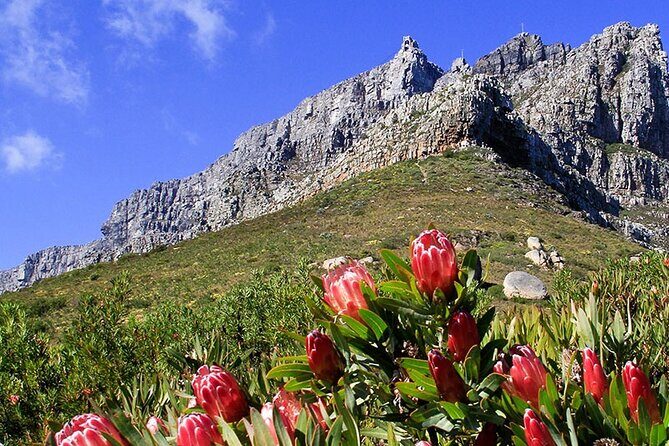
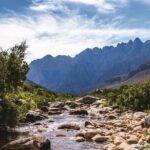
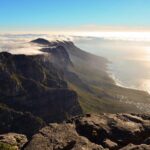
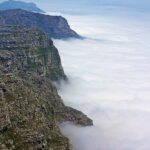
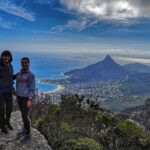
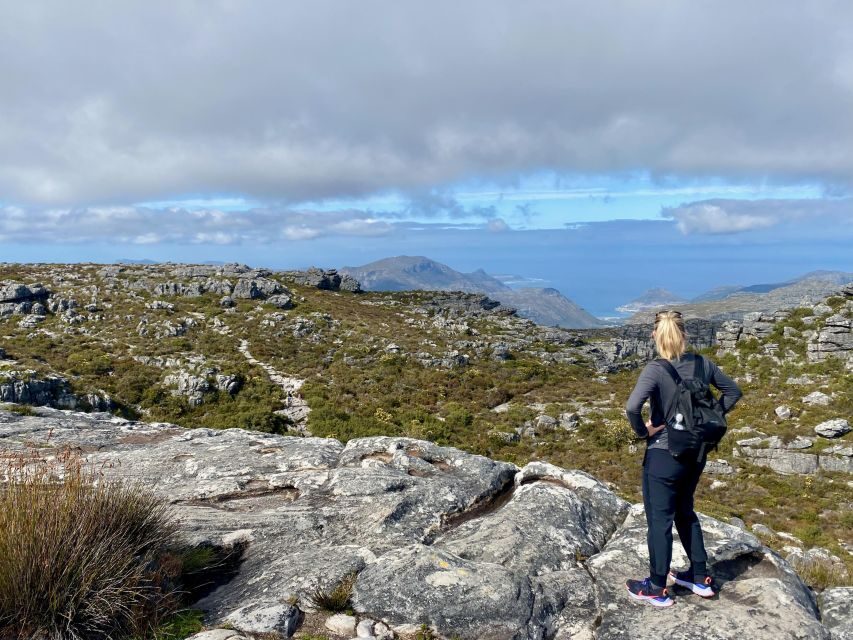
You don’t just climb; you also look. The route offers breathtaking views of the surrounding area as you go, and the guide’s stop points are designed so you can take them in without falling behind.
In particular, guides like Kai also add context during the pauses—fauna and flora show up in the conversation, and it makes the time on the trail feel richer than pure cardio. Even if you’re not a “plant person,” those short explanations help you see the mountain as more than a wall of rock you have to conquer.
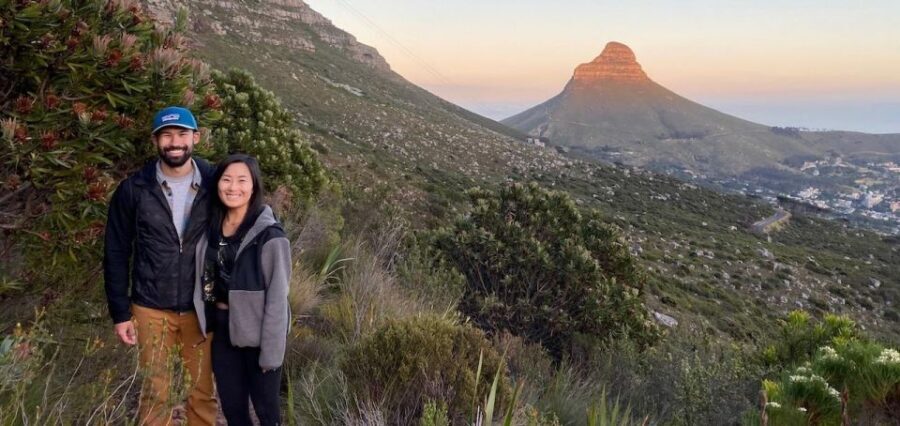
A small note about wind and weather: one example from the experience shows that strong wind can change plans. In that case, the guide and the group decided not to do the Platteklip hike and instead guided the group to a different option (Lion’s Head). That tells you something important: the day isn’t rigid to the point of ignoring safety and comfort.
Reaching the summit area and regrouping
Once you make the final ascent, the experience shifts into a more flexible mode. You typically arrive at the cable car station area, where you sort out cable car tickets and then prepare for descent.
At the top, you’re not rushed out in a line. The experience allows time for you to move around at your own pace, wander the walks, and take in views around you. One of the biggest practical wins is that you get to enjoy the summit environment without feeling like you must stay glued to the guide’s elbow.
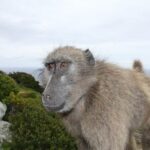
If you like watching wildlife or just spotting movement in the distance, this is also the kind of setting where it can happen. The nature conversation from the guide makes you more likely to notice what’s going on rather than staring only at your next step.
You can also read our reviews of more hiking tours in Cape Town


Cable car down: save your knees and keep the day fun
The descent is by cable car, and that part is worth calling out. Hiking down is harder on your joints than many people expect. Using the cable car for the down part helps you protect your legs so you can still enjoy the rest of your day in Cape Town.
Here’s the important detail: cable car tickets aren’t included. Even so, the guide helps you handle what you need at the cable car station for your descent. So you get the “down” logistics without having to stand there guessing where to buy tickets and when.
The tone at this stage is calmer. You can take your time, get your bearings, and enjoy the mountain from below instead of surviving the last mile of steep steps.
What’s included, what’s not, and what the $63 buys you
At $63 per person, the value mostly comes from removing stress. You’re paying for a guide, snacks and water, plus pickup and drop-off. Those three things tend to cost you extra if you cobble the day together on your own, especially transportation and the “how do I start safely?” piece.
What’s not included is the cable car ticket. That’s common on this kind of experience, and it’s why you should budget a little extra for the descent.
So the trade-off is simple:
- You pay for guidance and support (included)
- You still pay for the cable car descent (not included)
If your priority is enjoying Table Mountain with less decision fatigue, that structure usually feels like a fair deal.
What to bring (and what to skip) for a smooth climb
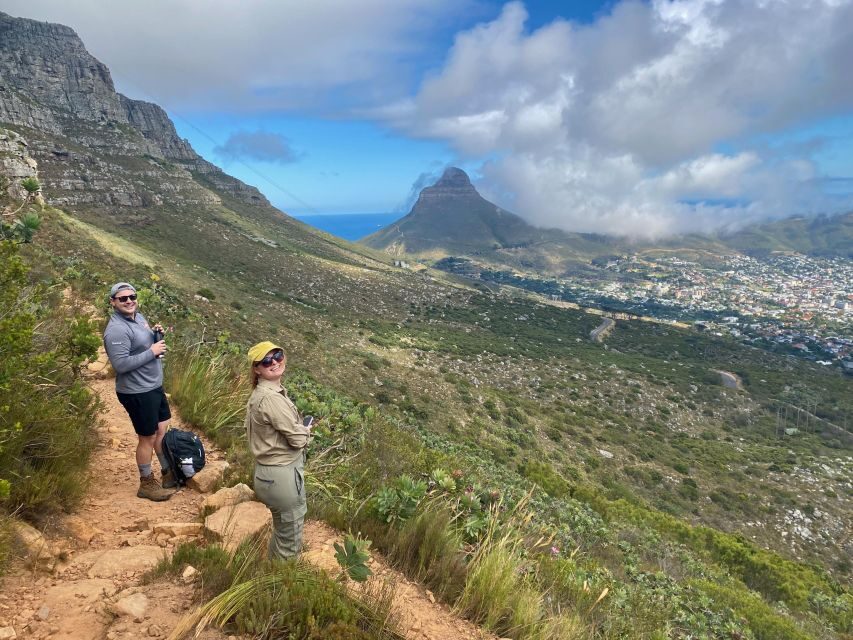
This hike is strict about gear, and that’s for a reason. The mountain is rough on the wrong shoes and unforgiving if your clothing isn’t right for scrambling and steep sections.
Bring:
- Passport or ID card
- Sunscreen
- Personal medication
- A daypack
- A hat
Not allowed:
- Jeans
- High-heeled shoes
- Drones
- Littering
- Sandals or flip-flops
Practical tip: pack like you’ll sweat. Even if it starts cool, the climb tends to warm you up. A daypack with essentials helps you stay organized, and sunscreen and a hat keep you comfortable so you can focus on the trail.
Also, if you have medication, make sure it’s within easy reach. You don’t want to dig through a bag while you’re already breathing hard.
Who this hike suits best (and who should reconsider)
This is a good fit if you want a guided Table Mountain hike without the stress of route-finding, and if you’re comfortable with a steep climb. The experience is described as suitable for beginners and solo adventurers, and the guides add structure through pacing and safety talk.
I’d especially recommend it if:
- you’re visiting Cape Town for a short time and want one high-impact activity
- you like nature explanations while walking
- you want a manageable path up and an easier descent
On the other hand, it is not suitable for:
- pregnant women
- people with heart problems
- people who are visually impaired
- people with pre-existing medical conditions
- people with mobility impairments
If any of those apply, don’t force it. Table Mountain is gorgeous, but it’s still a real mountain environment with real physical demands.
Languages, meeting rhythm, and group-friendly pacing
A detail that matters more than people think: English and French are supported. That’s a quality-of-life advantage if your group includes multiple languages or you want clear safety communication.
The day’s rhythm also stays group-friendly. You start with a briefing, then you ascend steadily, pausing at intervals for breath and snacks. That approach makes it easier to stay with the group even if you’re not the fastest hiker.
If you tend to ask questions, you’ll likely appreciate how much the guides engage. One example highlighted that Kai happily answered a lot of extra questions along the route. That sort of open conversation turns “I’m just hiking” into “I’m learning while I hike.”
The wind factor: flexibility is part of a safe plan
Mountains create their own rules, especially wind. One instance in the experience shows that due to strong wind, the group decided together not to do Platteklip and instead went with an alternative like Lion’s Head, guided with patience.
That’s a useful thing to keep in mind for your expectations. Even if you’re booked specifically for Platteklip, understand that conditions can change, and the guide’s job is to make the safest and best call for everyone in the party.
Quick reality check: what to expect on the day
Here’s the honest picture:
- you’ll meet at the start of the trail and get a safety briefing
- you’ll hike uphill on a steep, well-defined route through Platteklip Gorge
- you’ll stop for views and snacks along the way
- once you reach the cable car station, you’ll handle cable car tickets and descend
- the guide keeps the experience structured so you can focus on the climb
The main “work” is the ascent. The reward is the summit experience and the cable car return that saves your legs.
Should you book this Table Mountain hike with cable car down?
Book it if you want a guided Platteklip Gorge climb with hotel pickup, practical support, and a calmer descent. It’s a strong choice for first-time Table Mountain visitors who want structure, pacing help, and nature context from guides like Kai or Elodye Davids.
Skip or reconsider if you have medical limitations listed by the operator, or if you’re searching for something easy and flat. And plan your comfort around a steep climb: this is not a stroll, even with the guidance.
If you pack the right gear, bring sunscreen and a hat, and listen to the guide’s pacing advice, you’ll likely walk away with the kind of Cape Town memory that feels earned.
FAQ
What’s included in the tour price?
The tour includes a guide, snacks and water, and hotel pick-up and drop-off.
Are cable car tickets included?
No. Cable car tickets are not included, so you’ll need to arrange them for the descent.
Where does the hike start?
You start at the lower cableway station, then hike up the Platteklip Gorge trail.
What happens at the beginning of the hike?
You meet at the start of the trail and receive a trail introduction and safety briefing before you begin the ascent.
How hard is the Platteklip Gorge hike?
It’s a mountain hike and not easy. A fair level of physical fitness is needed, and conditions can change, so the guide may make decisions for the group.
Do I need to bring anything?
Bring your passport or ID card, sunscreen, personal medication if needed, a daypack, and a hat.
What footwear and clothing are not allowed?
Jeans are not allowed, and high-heeled shoes are not allowed. Sandals or flip-flops are also not allowed.
Is the tour suitable for beginners?
It’s positioned as safe for beginners and solo adventures, but you still need to be prepared for a steep mountain climb.
What languages are the guides?
The tour is offered with languages including English and French.
What’s the cancellation window?
You can cancel up to 24 hours in advance for a full refund.
Can I reserve and pay later?
Yes. You can reserve your spot and pay later.