REVIEW · GARDEN ROUTE
Plettenberg Bay: Wild Cat and Wildlife Guided Tour
Book on GetYourGuide →Operated by Tenikwa Wildlife Rehabilitation Center · Bookable on GetYourGuide
Watching wild cats up close feels unreal. This 1-hour guided walk at Tenikwa in Plettenberg Bay pairs close-up animal viewing with real-world wildlife rehabilitation stories—and yes, you get time for great photos. I especially like the hands-on way the guide moves through habitats to help you actually spot the cats, and I love that the center explains why these animals are here, including the fact that some rescued cats can’t be returned to the wild. One thing to consider: it’s a walking tour, and you’ll be limited to viewing from walkways—no touching or feeding.
The guides are the heart of the experience. I’ve seen that firsthand through the center’s reputation for careful, patient explanations (and you’ll hear this style no matter which guide you get—names like Wazi, Bongiwe, Daniel, and Davidson show up in past tours). You’re not just seeing animals; you’re learning how rescue, care, and long-term rehabilitation work at a place that focuses on animal welfare.
If you’re expecting a theme-park roar or endless action, you might feel a little impatient. Cats and birds don’t always pose on schedule. On the plus side, you’ll get a focused hour with a safety briefing, a photo-focused viewing style, and a guide who keeps working the route to help you see what’s out and active.
In This Review
- Key Highlights You’ll Notice Fast
- Tenikwa Wildlife Rehabilitation Centre: What You’re Really Paying For
- Getting There and Meeting at Tenikwa (Simple, But Don’t Ignore Signs)
- Safety Briefing First: Why It Matters Even If You’re Just a Visitor
- The Guided 1-Hour Walk: How the Tour Actually Feels
- Photo Stop and First Looks
- Walkways and Close-Range Viewing
- Which Cats You’ll Likely See (And What to Notice)
- Not Just Cats: Blue Crane and Other Wildlife Stops
- Guides Who Actually Teach: What Past Tours Suggest About the Experience
- Timing and the On-Site Shop and Food Break
- What to Bring (So You Don’t Get Frustrated Mid-Tour)
- Weather Reality Check: Plan for Nature, Not a Perfect Forecast
- Who This Tour Is Best For
- Price and Value: Is $27 Worth It?
- Should You Book the Tenikwa Wild Cat and Wildlife Guided Tour?
- FAQ
- How long is the wild cat and wildlife guided tour?
- What’s included in the price?
- Where do I meet the tour?
- Can I touch or feed the animals?
- Are selfie sticks allowed?
- What should I bring, and is there a cancellation option?
Key Highlights You’ll Notice Fast
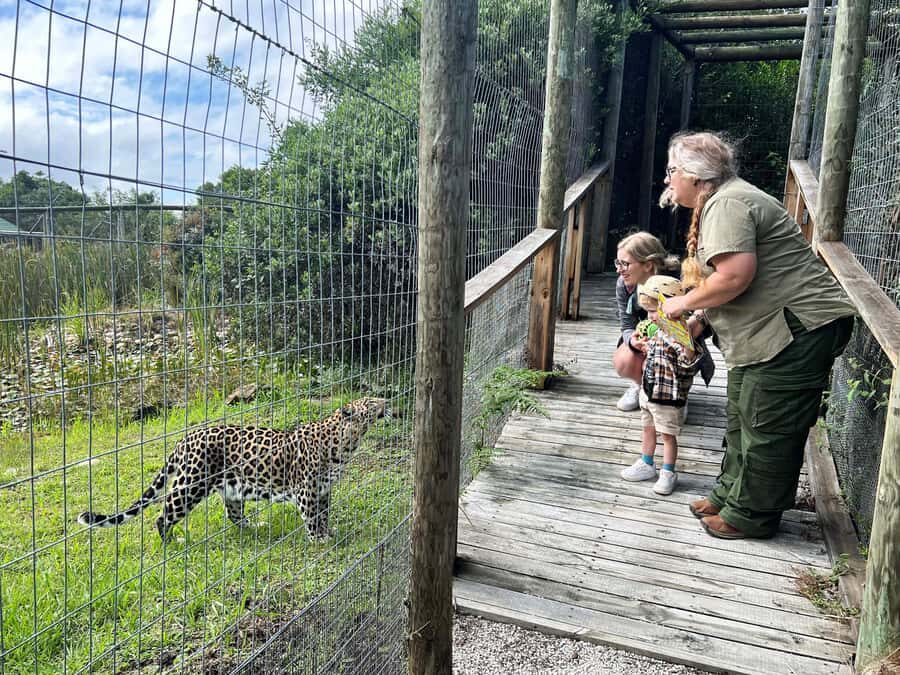
- Close-range viewing from walkways for cats like servals, caracals, and cheetahs
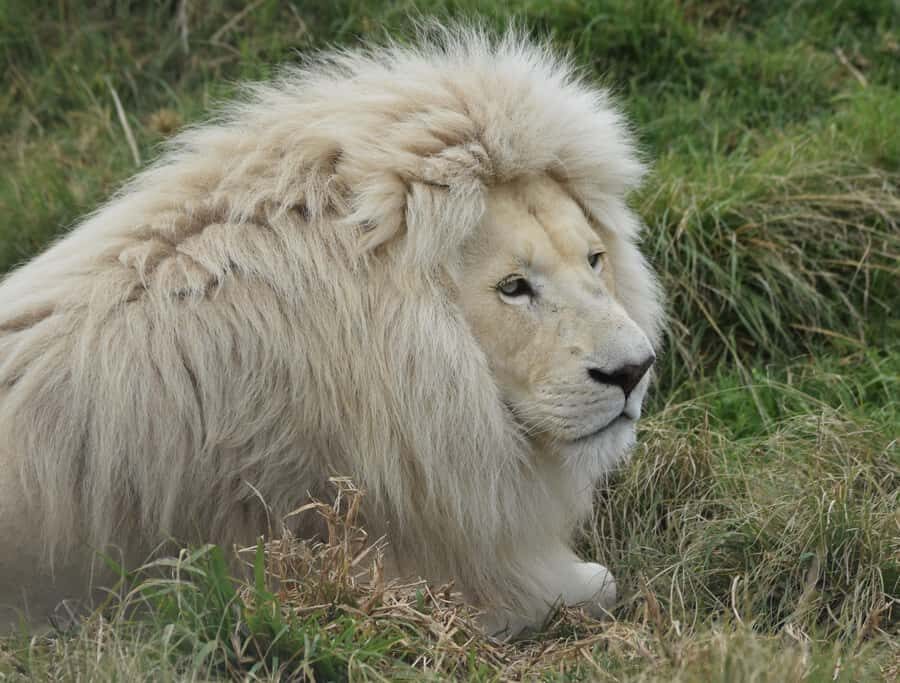
- White lion photography time with a guide focused on helping you get the shot
- Rescue-and-rehabilitation context so the visit feels purposeful, not just scenic
- More than cats: look out for meerkats, marabou storks, and the Blue Crane
- Real animal care emphasis, with rules that protect both you and the animals
- Short but structured visit: safety briefing, guided tour, then time for shop and snacks
Tenikwa Wildlife Rehabilitation Centre: What You’re Really Paying For
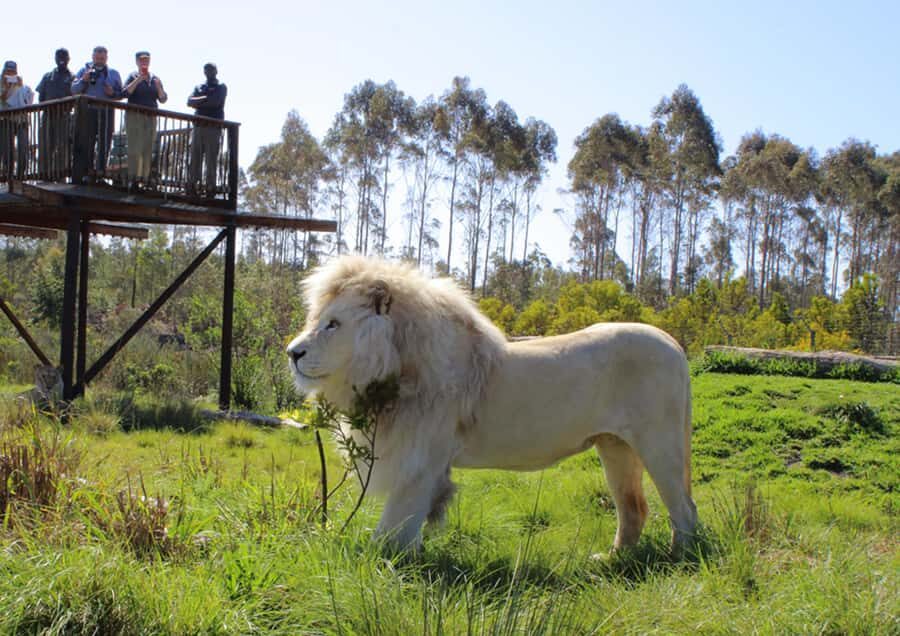
Tenikwa Wildlife Rehabilitation & Awareness Centre isn’t trying to be fancy or loud. It’s doing something much more important: caring for animals that can’t live like wild animals anymore. That’s why the tour feels different from a standard zoo-style experience. Your $27 goes toward a guided walk that’s built around animal welfare, education, and getting you to observe behavior respectfully.
The big value here is time. One hour is long enough to get a real introduction—cats plus key other local wildlife—without turning your day into a half-marathon. And because it’s a guided tour, you’re not left wandering around trying to spot animals that are already there. The guide helps you move through the habitats where cats are most likely to be seen.
The second value point is clarity. You’ll get rules up front (think: safety and animal protection), then you’ll get facts you can use. The experience leans educational: not just names of species, but why conservation work matters and how rehabilitation changes an animal’s future.
You can also read our reviews of more tours and experiences in Garden Route.
Getting There and Meeting at Tenikwa (Simple, But Don’t Ignore Signs)
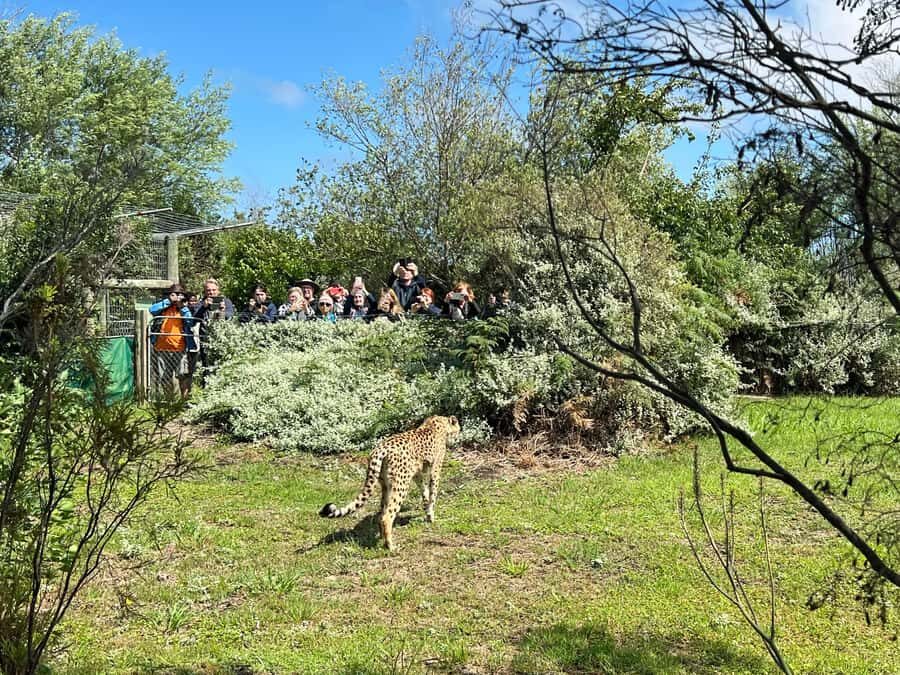
You meet at Tenikwa Wildlife Rehabilitation & Awareness Centre at reception. If you’re driving, the directions are straightforward but very sign-based, so it’s worth staying alert.
Here’s the practical route logic:
- Take the turnoff from the N2 signposted Tenikwa/Monkeyland/Elephant Sanctuary
- At Animal Alley, keep left for Tenikwa
- Drive past Kurland Village
- At the fork, keep right to the Tenikwa signposted entrance
- Check in at Reception
A small tip: plan to arrive a bit early so you can settle in before the 5-minute safety briefing. Even if the tour runs smoothly, the center uses that brief start to set expectations for how close you’ll be, where you’ll walk, and what you should not do with cameras or movement around the animals.
Safety Briefing First: Why It Matters Even If You’re Just a Visitor
Before anyone goes searching for cats, there’s a short safety briefing. That’s not just bureaucracy. The center runs a system where visitors must stay on paths/walkways and keep a respectful distance.
Two rules to keep in mind:
- You can’t touch or feed the animals
- Selfie sticks are not allowed
These policies protect the animals and also help everyone keep their balance and attention. On a wildlife walking tour, it’s easy to get distracted—especially when something finally shows up. Keeping limits on movement and gear makes the whole experience safer and calmer.
If you’re the kind of person who likes close-up photos, you’ll still get that “wow” feeling here—but you’ll do it from a position the center has designed for both viewing and animal comfort.
The Guided 1-Hour Walk: How the Tour Actually Feels
The core experience is one hour of guided walking and wildlife viewing, with an emphasis on spotting the cats and learning what you’re seeing. The pace is built for attention. You’re not sprinting from stop to stop; you’re following your guide and getting context along the way.
Photo Stop and First Looks
At the center, you’ll start with a photo stop and then shift into guided viewing. Even when the animals are visible, a guide matters because sightings can be brief. A good guide helps you understand what you’re looking at and where to aim your camera without crowding the viewing space.
Walkways and Close-Range Viewing
You’ll see wild cats at close range from within a walkway. That’s a key detail. It’s close enough to feel thrilling, but the setup prevents the common problems that come with people trying to reach for animals.
If you like photography, this is where you’ll feel it. From the walkway, you can focus on:
- posture and facial features
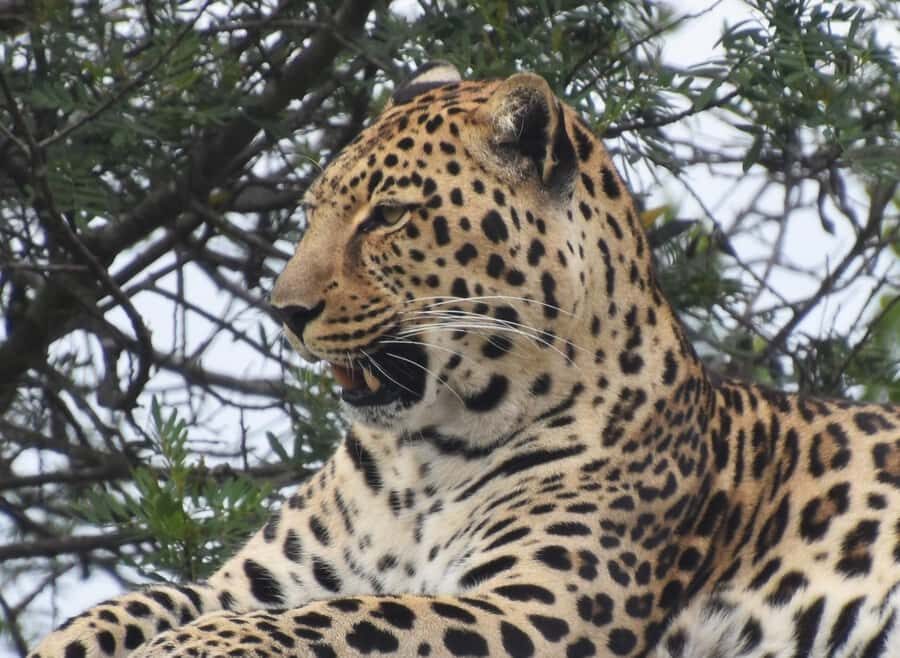
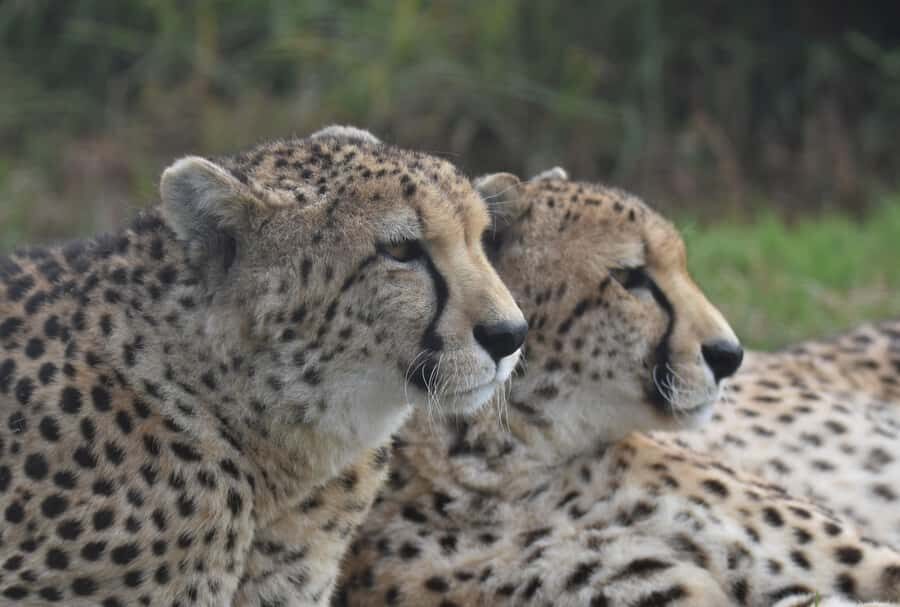
- fur patterns and coloration
- the difference in body shape and movement between species
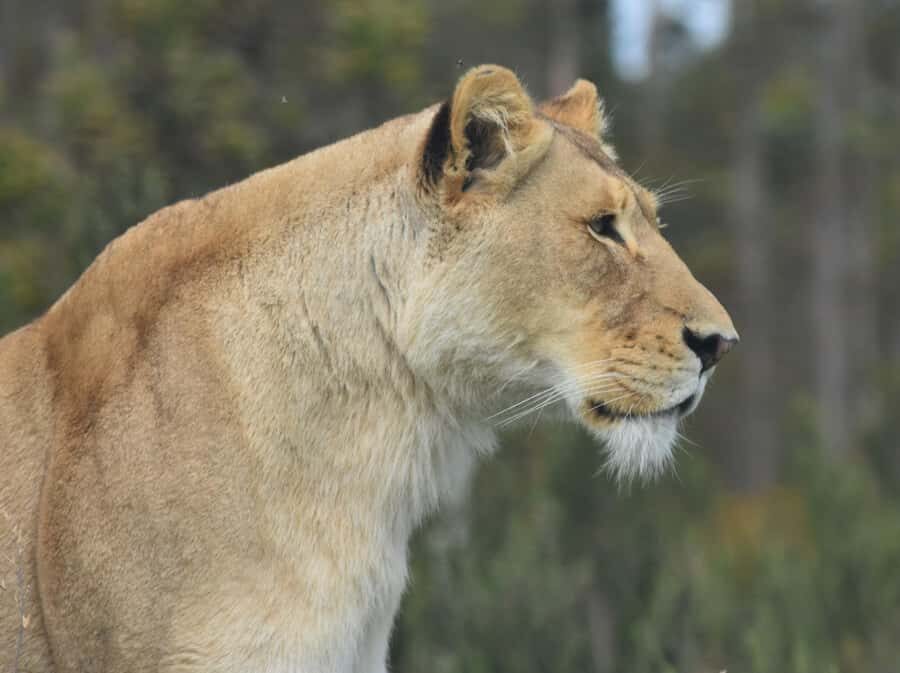
And if you’re hoping for the white lion, don’t just count on luck. This is where your guide’s job shows: they’ll work to help you view and photograph what’s possible during your time window.
Which Cats You’ll Likely See (And What to Notice)
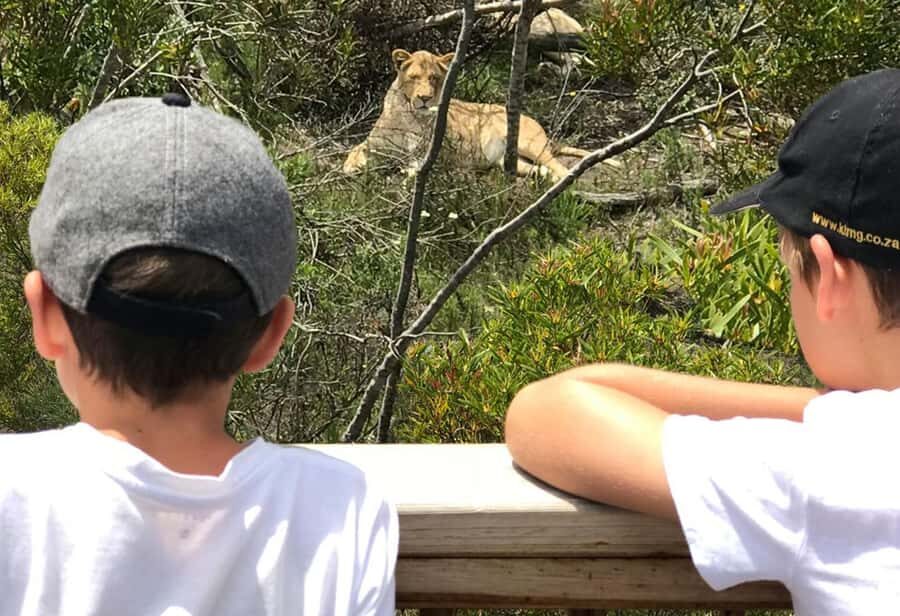
This tour is built around indigenous wild cats of South Africa. You’ll be guided through areas where different cats can be spotted, and you’ll hear facts tied to each species.
From the experience details, expect to look for:
- Lions
- Leopards
- Cheetahs
- Servals
- Caracals
And one of the standout mentions is the magnificent white lion—the kind of animal that makes people stop talking for a second because it just looks so different in person.
Here’s what I’d encourage you to notice, because it makes the viewing feel more “real” than just ticking off species:
- Body language: cats communicate with posture and pacing, even in rehabilitation settings
- Size perception: walkway viewing can distort distance at first; your guide helps you read it
- Behavior changes: some cats may be more active at certain moments, so staying attentive beats waiting for a perfect pose
The guides also explain how these cats live in rehabilitation conditions and why they’re not released back into the wild in many cases. In past tours, the center has emphasized that some rescued animals can’t survive on their own after being rescued from various places—so your visit becomes part education, part support.
Not Just Cats: Blue Crane and Other Wildlife Stops
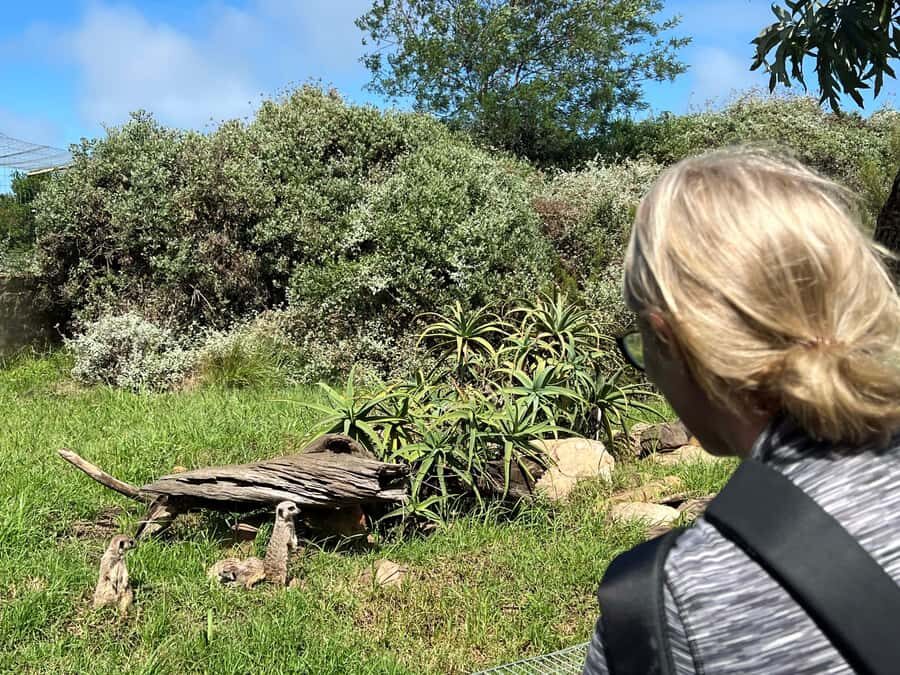
A smart thing about this tour is that it doesn’t limit you to mammals only. While the cats are the headline, you’ll also get a chance to spot other wildlife, including:
- Meerkats
- Marabou storks
- The Blue Crane, South Africa’s national bird
The Blue Crane is a great example of why the tour feels like a wildlife experience rather than a single-species attraction. Even if you’re primarily there for wild cats, seeing birds and smaller mammals makes the habitats feel alive. It also helps you understand that conservation isn’t just about one animal—it’s about entire ecosystems and the protection of species that share the landscape.
Guides Who Actually Teach: What Past Tours Suggest About the Experience
The best part of this tour is that you don’t feel like you’re being rushed through an exhibit. The guides tend to spend time answering questions and adjusting their route based on what’s visible.
In the data you provided, guides such as Wazi, Bongiwe, Daniel, and Davidson are specifically mentioned, and the common theme is clear: guides who care about the animals, know how the rehabilitation program works, and take time to help you see what’s there.
That “take time” detail matters. Wild cats can be unpredictable. If a cat doesn’t appear right away, a guide who’s actively watching and repositioning the group makes a difference.
Timing and the On-Site Shop and Food Break
The tour is one hour, but your full block of time at Tenikwa usually feels like a half-day slice because there’s also time for other on-site stops:
- Shopping time (10 minutes)
- Coffee/snacks and a food break (30 minutes)
One important practical note: food and drinks aren’t included. The center gives you time to get something, but you’ll pay separately.
So plan your money accordingly. If you’re visiting midday, that café/snack break can be a convenient reset—especially because wildlife walks can make you thirsty faster than you’d expect.
Also, the experience is wheelchair accessible, which is a big plus if you’re traveling with mobility needs. You’ll still want comfortable footwear because it’s a walk on paths, but the access level is clearly listed.
What to Bring (So You Don’t Get Frustrated Mid-Tour)
You only need a few basics, but they’re important:
- Comfortable shoes (you’ll walk during the tour)
And leave these at home:
- Selfie sticks (not allowed)
For cameras, bring whatever you normally use. The walkway setup is designed for viewing and photos, but you’ll want to keep your hands free and movement controlled so you don’t block anyone else’s sightline.
Weather Reality Check: Plan for Nature, Not a Perfect Forecast
South Africa weather can be unpredictable, and at least one past tour noted steady rain. That means you should expect that you’ll still do the walking portion even if conditions aren’t ideal.
Practical approach:
- bring a light rain layer if the forecast looks shaky
- wear shoes that handle wet ground comfortably
A little damp air doesn’t ruin this tour. The structure does the heavy lifting: briefing first, guided viewing second, then you warm up with a break afterward.
Who This Tour Is Best For
This is a strong fit if:
- you want a guided wildlife experience instead of wandering
- you care about rehabilitation and animal welfare, not just entertainment
- you’re a photographer who likes wildlife in realistic, respectful viewing conditions
- you want to cover cats plus birds like the Blue Crane in a single outing
It’s also a good choice for families and mixed groups, since the pacing is short and the guide does the storytelling. If you’re traveling with kids who get restless, the one-hour length helps.
Price and Value: Is $27 Worth It?
At $27 per person for a 1-hour guided tour, this can be excellent value—especially because you’re not paying just for a view. You’re paying for:
- a live English guide
- safety framing and structured viewing
- explanation of the species you’re seeing
- time at a center that supports rehabilitation work
If you’re comparing it to spending the same hour on a guided activity that’s mostly scenic, Tenikwa adds purpose. The short duration also keeps it realistic on a travel day: you get a meaningful experience without losing half your daylight.
Should You Book the Tenikwa Wild Cat and Wildlife Guided Tour?
I’d book it if you want close wild-cat viewing with a conservation backbone and a guide who helps you actually see what’s possible in the time you have. The white lion mention alone is a solid hook, but the real reason to go is the rehabilitation context and the way your visit stays focused on animal welfare.
Skip it only if you need nonstop action for the entire hour. Cats and birds don’t perform on demand. If you’re okay with patience, quiet attention, and a guide who works the route, you’ll have a memorable time.
FAQ
How long is the wild cat and wildlife guided tour?
The tour lasts 1 hour. You’ll also have additional time for shopping and a break on-site.
What’s included in the price?
The listed inclusions are a 1-hour tour and a guide. Food and drinks are not included.
Where do I meet the tour?
You meet at Tenikwa Wildlife Rehabilitation & Awareness Centre. Check in at Reception after following the signposted directions from the N2.
Can I touch or feed the animals?
No. You’re not allowed to touch or feed the animals, even though you view them from close range within walkways.
Are selfie sticks allowed?
No. Selfie sticks are not allowed during the experience.
What should I bring, and is there a cancellation option?
Bring comfortable shoes. There is free cancellation up to 24 hours in advance for a full refund.