REVIEW · CAPE TOWN
Private Cape Point Penguins Tour-Exploring the Cape Peninsula F/D
Book on Viator →Operated by Raw African Safaris · Bookable on Viator
Eight hours, one Cape Peninsula loop. You’ll roll from the Bo-Kaap viewpoint world into the beaches, then up the dramatic coast to Cape Point penguins at the end of the day. It’s a tight route that packs big scenery with real local culture and history, and it’s built for comfort in a private setup.
I especially like the air-conditioned vehicle for a full day of driving, plus the way the itinerary is paced with breaks and photo stops. And the guide name you’ll hear a lot in the feedback is Remmy, praised for being friendly, timely, and willing to answer questions all day.
One thing to plan for: you’ll likely pay extra entry fees at the nature reserves and for optional add-ons like the funicular, Seal Island boat ride, or Boulders Beach penguin access.
In This Review
- Key highlights at a glance
- Private Cape Peninsula Sightseeing: What This Day Really Feels Like
- Bo-Kaap: Color Houses, the Old Mosque, and Table Mountain Views
- Camp’s Bay and Llandudno: Blue Flag Beaches and Celebrity Photo Energy
- Hout Bay: Coffee Break, Art Browsing, and Seal Island Options
- Chapman’s Peak Drive: The 114-Curve Photo Highway
- Cape Point Nature Reserve: Wildlife, Two Lighthouses, and Portuguese Origins
- Cape of Good Hope: The South-West Tip and Photo Boards Worth Crossing
- Simon’s Town and Boulders Beach: Penguins at the End of the Route
- Muizenberg Beach: Local Surf Culture, Jellyfish, and Shark Spotters
- Price and Value: What You’re Getting for About $138.52
- Who This Tour Fits Best (and Who Might Want Another Option)
- Should You Book This Private Cape Point Penguins Tour?
- FAQ
- How long is the tour?
- Where does the tour start?
- Is hotel pickup and drop-off included?
- Is the vehicle air-conditioned?
- Are entry fees to Cape Point and Cape of Good Hope included?
- Is there an optional Seal Island boat ride?
- Do I have to use the funicular at Cape Point?
- Is the penguin viewing at Boulders Beach included?
- What if the weather is poor?
Key highlights at a glance
- Door-to-door comfort with hotel or cruise pickup and drop-off
- Chapman’s Peak Drive with multiple photo pull-offs and a 114-curve route
- Cape Point nature reserve for wind, lighthouses, and wildlife sightings like baboons
- Simon’s Town and Boulders Beach for African penguins visible year-round
- Hout Bay arts and craft browsing plus an optional Seal Island boat trip
Private Cape Peninsula Sightseeing: What This Day Really Feels Like
This tour is basically a best-of “South Africa in one coastline” day: neighborhoods, beaches, coastal roads, and wildlife areas—all with a guide steering the story. Because it’s private, you’re not stuck with the wrong pace for your group, and you get the chance to ask questions as you go.
Expect a long but well-planned day rather than a rushed sprint. You’ll make frequent stops for photos and viewpoints, then spend time at the key attractions where you can actually look around. Reviews highlight guides who keep the day fun and on track, with photo stops and time to enjoy places instead of hovering at the edge of the parking lot.
The trade-off is that this is an all-day route. If you get motion-sick easily or hate driving windows down-for-photo moments, you’ll want to sit comfortably, drink water, and keep your plans flexible when you’re in traffic around the city.
You can also read our reviews of more private tours in Cape Town

Bo-Kaap: Color Houses, the Old Mosque, and Table Mountain Views
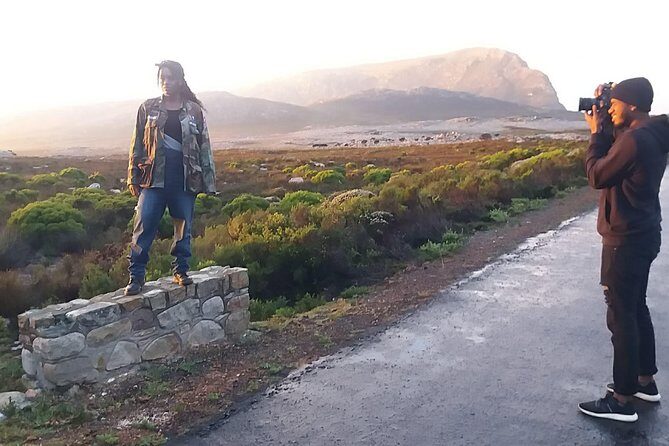
Bo-Kaap is the kind of place where you immediately get why it’s famous. You’ll see brightly colored houses packed along the hillside, and the guide will steer you toward the main things worth seeing: the Bo-Kaap Museum area and the older parts of the Malay Quarter.
You’ll also get a sense of how the neighborhood formed and how community life shaped it over time. The tour includes a museum visit, and the guide explains the story of the area and the arrival of enslaved people linked to the community’s history.
There’s a practical side to this stop too. After wandering the streets and snapping selfies against the colorful backdrops, you’ll climb/drive toward viewpoint angles where Table Mountain and Cape Town spread out below. Even if you’ve seen Cape Town photos online, this viewpoint gives you a better sense of how the city sits against the mountain.
You’ll finish the Bo-Kaap stretch with an eye on the area’s oldest mosque in South Africa, which adds context to what you’re seeing in the streets.
Camp’s Bay and Llandudno: Blue Flag Beaches and Celebrity Photo Energy
Camp’s Bay is a classic coastal break—sun, sea wind, and the kind of beach scene that makes you stop even if you’re not a beach person. The tour includes a photo stop for Camp’s Bay Beach, a Blue Flag beach known for its popularity.
Then you’ll get another quick stop for the kind of detail that makes your photos look like you know what you’re doing. The guide shares why international celebrities have been drawn to this part of the coast, and you’ll have a short window to frame the beach with Little Lion’s Head in the background.
This is one of those segments where you’ll benefit from simple planning: wear sunscreen, bring something windproof for your hair or hat, and keep your camera ready. The time is limited, so if you want beach wandering instead of photos, say so early.
Hout Bay: Coffee Break, Art Browsing, and Seal Island Options
Hout Bay is a welcome breather after city streets and before you head into the more intense coastal viewing. The plan here is structured like a real pause: you’ll stop for a coffee break and stretching, plus time to browse arts and craft shops.
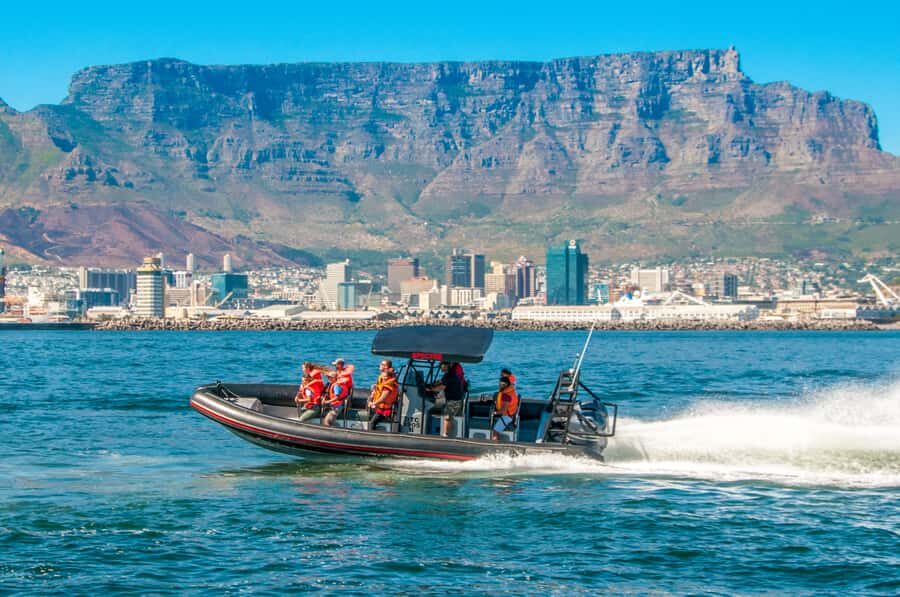
If you want an optional add-on, this is where it fits. You can choose to take a 45-minute to 1-hour boat ride to Seal Island, or you can stay in the harbor area to see seals closer up for photos. That choice matters because it changes how active your day feels.
I like this stop because it’s not only scenic; it’s also human-scale. You can shop, watch local harbor life, and pick the level of water time you want.
Practical tip: if you’re prone to seasickness, decide early whether you’ll do Seal Island by boat. The harbor alternative still gives you seal viewing opportunities.
Chapman’s Peak Drive: The 114-Curve Photo Highway
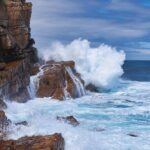
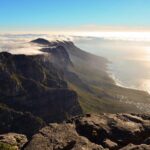
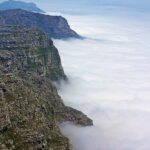
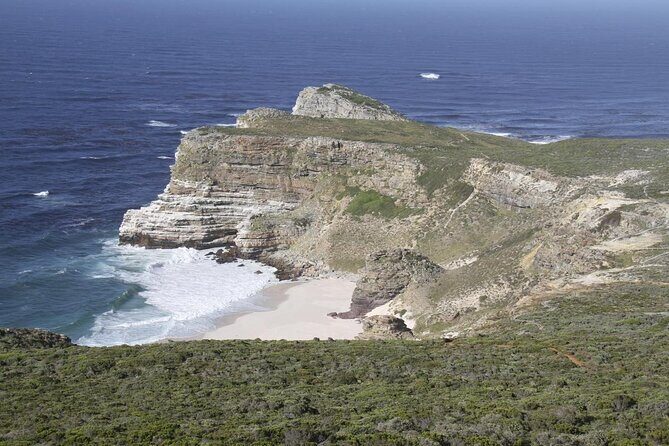
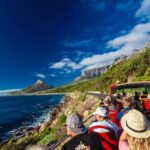
Chapman’s Peak Drive is one of those roads that feels like the scenery is doing the talking. It’s a roughly 10 km stretch with 114 curves, where dramatic mountain forms and ocean views keep appearing in new angles.
You’ll move through the drive with the guide, and there are planned photo stops. One of the key reasons this portion works well is that it’s not just driving past viewpoints—you’ll stop at pull-offs for panorama views, including a look across the bay toward Kommetjie.
This is also where the day starts feeling like it’s about memory-making. If you like photography, you’ll probably think this is too short. If you don’t, you’ll still appreciate that each stop gives you a cleaner sense of what you’re looking at—rather than random glimpses from a moving car.
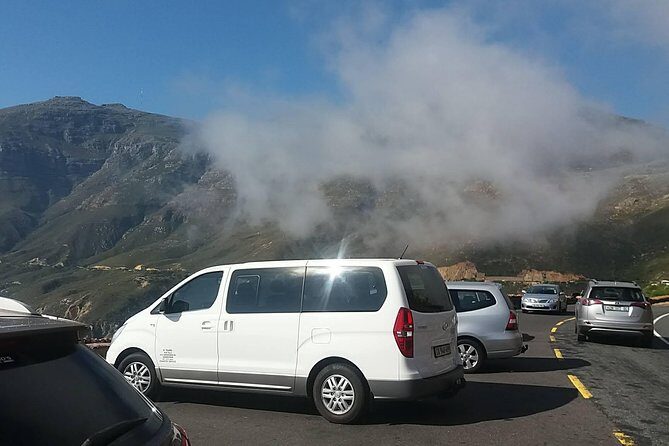
Because it’s a scenic drive carved into the mountain, weather matters. If visibility drops, just keep expectations flexible and focus on what you can see in the moment.

Cape Point Nature Reserve: Wildlife, Two Lighthouses, and Portuguese Origins
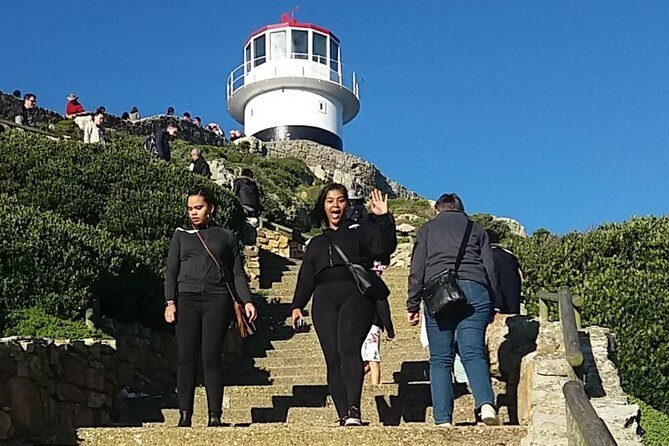
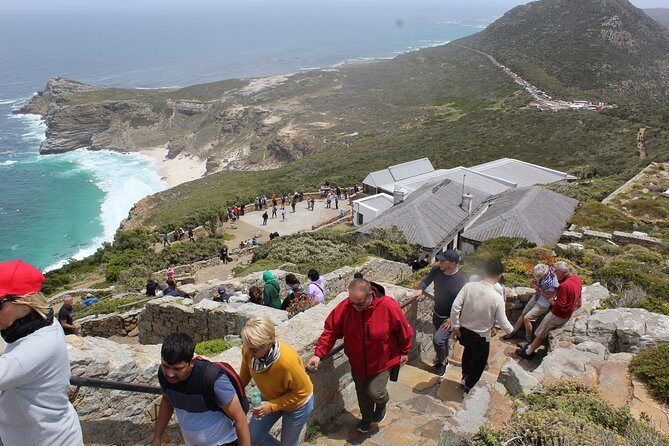
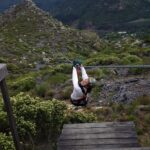
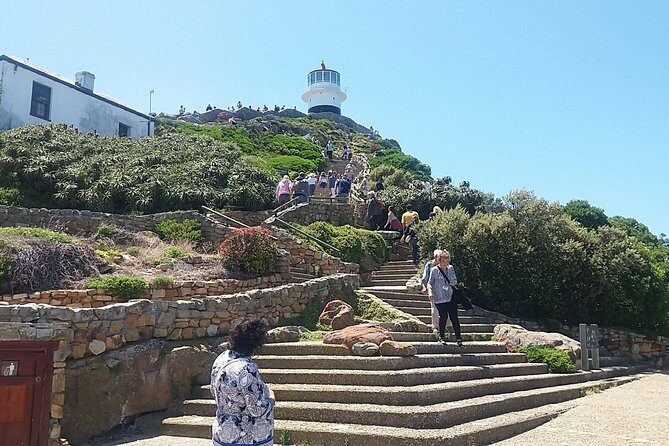
Cape Point is the big outdoor centerpiece, and the tour treats it like more than a quick stop. You’ll enter the nature reserve, described as a World Heritage site with rich biodiversity, and you’ll have around two hours to move through the area with your guide.
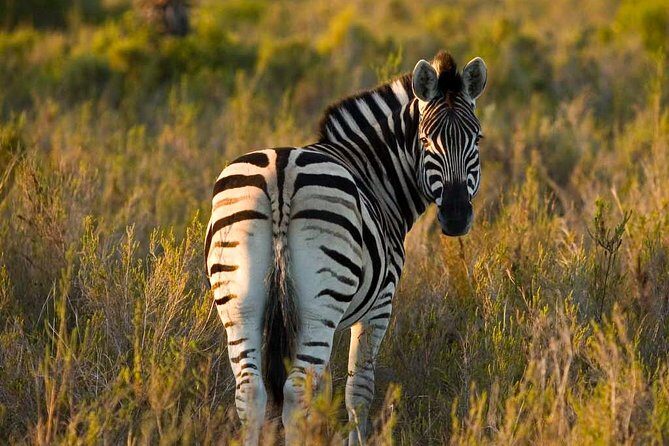
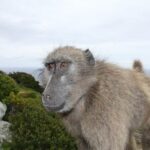
The wildlife element is part of what makes this section memorable. You might spot African or chacma baboons, plus animals like wildebeasts, bonteboks, zebras, and ostriches. Wildlife sightings are never guaranteed, but the guide’s explanations help you notice what’s around you.
History is built into the walk and viewpoints. The guide covers the Portuguese sailor Bartolomeu Dias and the 1488 discovery era, plus the story of the two lighthouses at Cape Point. You’ll also hear how the site played a role in World War II, including references connected to shipwrecks and the idea of the meeting point of the two oceans.
Here’s the practical caution that comes up in real feedback: baboons can be bold. Keep bags closed, don’t leave snacks dangling, and treat your stuff like it has to survive a very curious audience. One person shared an amusing moment where a baboon snatched a handbag, and while it’s funny as a story, the main lesson is simple—secure your items and you’ll enjoy the wildlife part more.
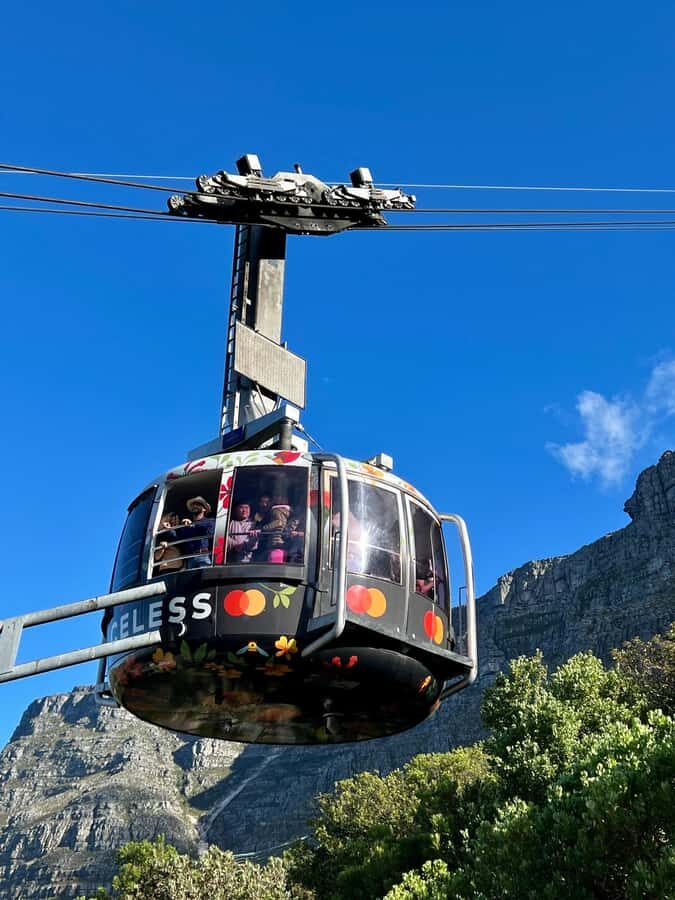
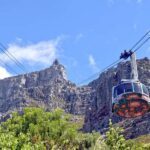
If you want extra options, the funicular at Cape Point is not included; you can choose whether it fits your energy level.
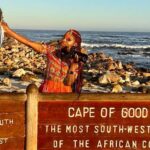
Cape of Good Hope: The South-West Tip and Photo Boards Worth Crossing
After Cape Point, you head to Cape of Good Hope, where the tone shifts from dramatic cliffs to a more historical “route origins” feeling. Your guide explains how this area mattered for establishing a sea route to India from Europe and why it’s often treated as the most south-western tip of the African continent.
You’ll also get a sense of the marine life connected with the location. And you’ll hear the guide’s interpretation of rock formations that resemble beliefs associated with the Koi San peoples.
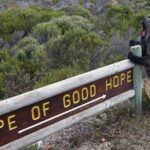
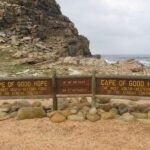
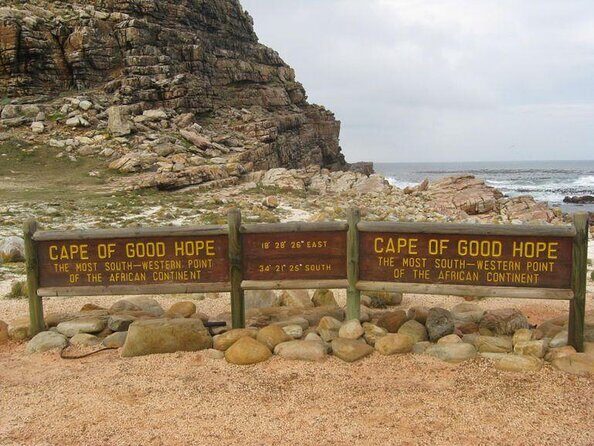
One of the more straightforward photo moments is built in: there are boards inscribed Cape of Good Hope that mark the spot. Even if you don’t care about stamps and signs, these photo markers are a quick way to prove to yourself you really went there.
This stop is also where you may spot wildlife such as zebras, depending on what the day brings. When animals show up, the guide can point out details that you’d miss if you were walking on autopilot.
Simon’s Town and Boulders Beach: Penguins at the End of the Route
By the time you reach Simon’s Town, you’ve already seen the coast in several moods: city beaches, windy headlands, and reserve walks. This portion ties history and nature together.
Simon’s Town is old-settlement territory, and the guide covers how it became shaped by Dutch and British wars, plus the town’s national-heritage feeling along the main road. You’ll also hear about the South African Navy based there, which gives the town a more official, structured vibe than you might expect.
Expect a mix of facts and local flavor: museums, an art and craft market, and the fishing industry element. And yes, you’ll hear about Just Nuisance, the Royal Navy dog statue—one of those details that sticks because it’s so specific.
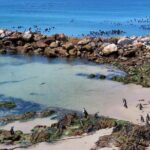
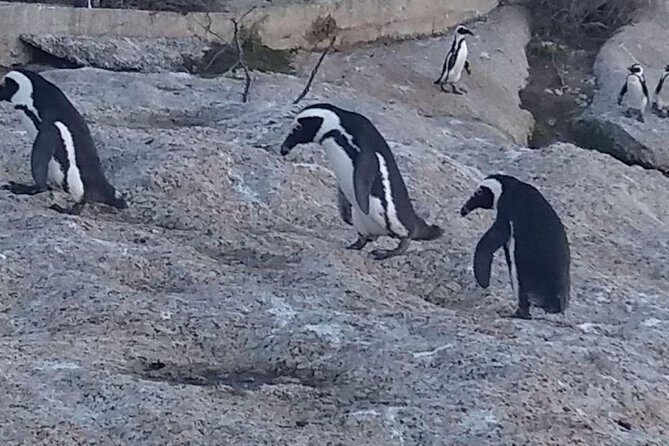
Then it’s the reason many people choose this tour: African penguins at Boulders Beach. The birds are said to be present year-round, and this stop is designed for you to get close enough to feel the penguins are real neighbors, not background actors. The penguin portion may have optional access or fees depending on what you choose, so it’s smart to budget for that if penguin time matters most to you.
Muizenberg Beach: Local Surf Culture, Jellyfish, and Shark Spotters
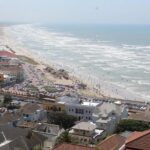
Muizenberg is where the day becomes more local and less postcard-only. This is another Blue Flag beach, and the tour includes a walk along the sand with time to take in the colorful beachfront houses.
You’ll also notice a different energy here: the guide explains how volunteers, tourists, and interns help kids from formerly disadvantaged communities learn to surf. That adds meaning beyond photos, because you’re seeing a place connected to education and sport rather than only tourism.
The guide points out practical beach details too. You may see jellyfish in the water or near shore, and you’ll notice shark spotter boards—signs that warn beachgoers about whether sharks have been spotted and when swimming might not be wise due to poor visibility.
This is also a good spot to enjoy the “small moments.” If you’ve spent the whole day chasing wildlife and viewpoints, Muizenberg gives you a calmer, everyday view of coastal life in Cape Town.
Price and Value: What You’re Getting for About $138.52
At around $138.52 per person for a private full-day route, the value is less about one single attraction and more about the whole package. You’re paying for door-to-door pickup and drop-off, an air-conditioned vehicle, bottled water, and a registered guide who helps you understand what you’re seeing at each stop.
This matters because the Cape Peninsula is spread out. If you tried to stitch it together on your own, you’d lose time figuring out transport and you’d likely miss context for the history and wildlife.
Where the budget can shift is in the add-on fees. Nature reserve entry for Cape Point and Cape of Good Hope can be up to R400 for adults and R200 for children. You may also choose optional costs like the funicular at Cape Point (up to R85 return), the Seal Island boat ride (up to R120 adult / R60 child), and penguin viewing fees at Boulders Beach (up to R195 adult / R95 children).
There’s also a chance of a complimentary visit to the Diamond Works Museum time permitting. It’s small compared to the outdoors, but it can add variety if timing works out.
My advice: if penguins and wildlife are your top priorities, budget for reserve entries first, then decide which optional experiences you’ll want based on your energy and comfort with boats and stairs.
Who This Tour Fits Best (and Who Might Want Another Option)
This private tour makes a lot of sense if you want a structured day with minimal stress. I’d especially recommend it for:
- Families who want clear pacing, safe transitions, and a guide to handle route decisions
- First-timers to Cape Town who want the Cape Peninsula highlights in one shot
- People who care about history explanations as much as they care about views
If you’re the type who hates long car time or you only want one or two specific places, this could feel like a lot. Also, if you’re very price-sensitive, remember that the nature reserve entry and some attraction access are not included.
The upside is that it’s private. You can often match the pace to your group better than with group tours, especially around the photo stops.
Should You Book This Private Cape Point Penguins Tour?
Book it if you want the Cape Peninsula in one day with a guide who can tie together beaches, viewpoints, wildlife, and history. The strong points are private pacing, Chapman’s Peak photo stops, and the combination of Cape Point nature reserve plus year-round penguin viewing at Boulders Beach.
Hold off or plan carefully if you dislike extra paid entries, boats, or you’re sensitive to long driving days. In that case, you might prefer a shorter route with fewer stops.
Either way, pack like a pro: sunscreen, a hat, a light layer for wind, and keep your hands on your bag around baboons. When you do that, the day turns into a real Cape Town story.
FAQ
How long is the tour?
The tour runs for about 8 hours.
Where does the tour start?
It starts at the Silo Hotel, Silo Square, Victoria & Alfred Waterfront, Cape Town, South Africa.
Is hotel pickup and drop-off included?
Yes. Pickup from your hotel (or the cruise port) and drop-off after the tour are included.
Is the vehicle air-conditioned?
Yes. You’ll travel in an air-conditioned vehicle, and bottled water is provided.
Are entry fees to Cape Point and Cape of Good Hope included?
No. Entry fees to Cape Point Nature reserve and Cape of Good Hope are not included (up to R400/adult and R200/child).
Is there an optional Seal Island boat ride?
Yes. You can choose an optional 45-minute to 1-hour boat ride to Seal Island (fees not included).
Do I have to use the funicular at Cape Point?
No. Funicular fees are listed as optional (up to R85 return ticket).
Is the penguin viewing at Boulders Beach included?
The tour includes visiting Boulders Beach for penguins, but penguin activity fees are listed as optional (up to R195/adult and R95/children).
What if the weather is poor?
This experience requires good weather. If it’s canceled due to poor weather, you’ll be offered a different date or a full refund.