REVIEW · CAPE TOWN
Table Mountain: Platteklip Gorge Hike
Book on GetYourGuide →Operated by OTC Adventures · Bookable on GetYourGuide
Oldest route, big views, solid coaching.
This Platteklip Gorge hike is one of the simplest ways up Table Mountain, with hardly any exposure to heights and stunning city panoramas. I also like that the route is short enough to feel doable, yet still challenging in a good way, and your guide helps you read the mountain by pointing out landmarks like Lion’s Head and Signal Hill. The one caution: it’s described as the easiest route, but it’s still a strenuous climb, so plan on effort (especially if your knees or lungs aren’t happy with hills).
You’ll get picked up in the Cape Town City Bowl/CBD area and taken to the start, then hike for about 2–3 hours depending on the group. At the top, you’ll have time to take in sweeping views and connect the dots on what you’re seeing, then go back down by Table Mountain Cableway to finish the experience.
In This Review
- Key points to know before you hike
- Platteklip Gorge: the shortest, oldest way up Table Mountain
- Meeting point and the City Bowl pickup routine
- The climb itself: pace, effort, and what your legs will feel
- Landmark spotting on the trail: your personal view map
- At the top: viewpoints, quick breaks, and the reward window
- Cableway down: finish strong, and what if it’s closed
- Price and value: what you’re paying for (and what you’ll spend extra)
- Gear checklist for a steeper-than-it-looks climb
- Who should book Platteklip Gorge, and who should think twice
- Should you book this Table Mountain hike?
- FAQ
- How long is the hike on Platteklip Gorge?
- Is the route safe if I’m worried about heights?
- Do I need to buy the Table Mountain cableway ticket?
- What happens if the cableway is not running?
- What is included in the tour price?
- Where do you pick people up from?
- What language is the guide?
- What should I bring for the hike?
- What if I need to cancel last minute?
Key points to know before you hike
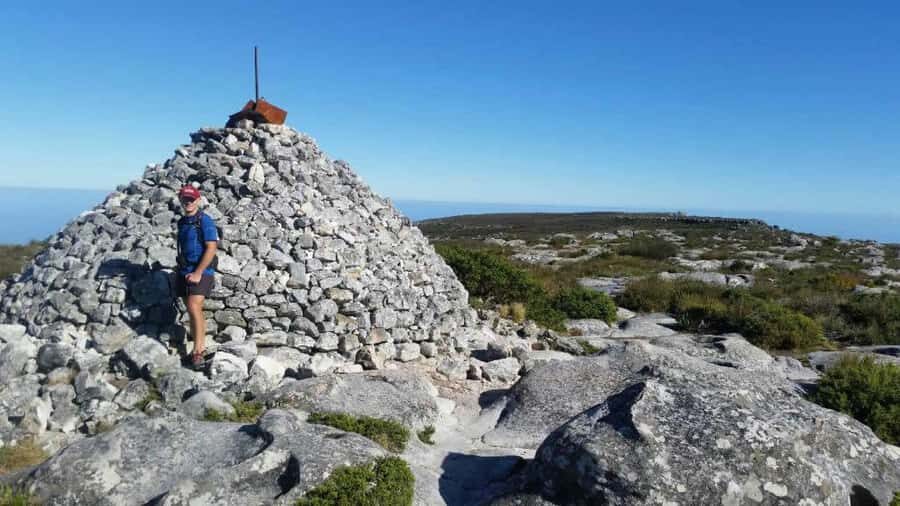
- Platteklip Gorge is the oldest, shortest ascent, with minimal exposure to sheer drops
- Two to three hours uphill (paced by your guide), then cableway descent planned for the finish
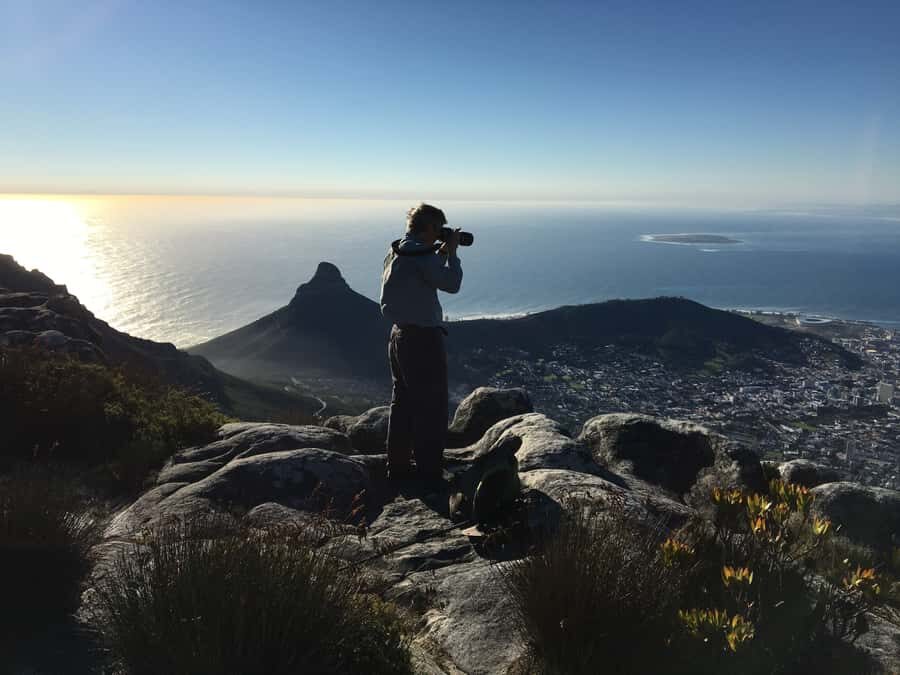
- Landmark spotting is part of the fun: Lion’s Head, Signal Hill (Noon Gun), Devil’s Peak, and views toward Robben Island
- Small group size capped at 10 helps keep the pace human
- Cableway matters: the down ticket isn’t included, and if it’s closed, you may walk down for extra cost
- Your guide’s pacing makes a difference (you’ll see examples like Lynette, Nick, Barry, Paula, and Cliff being praised for it)
Platteklip Gorge: the shortest, oldest way up Table Mountain
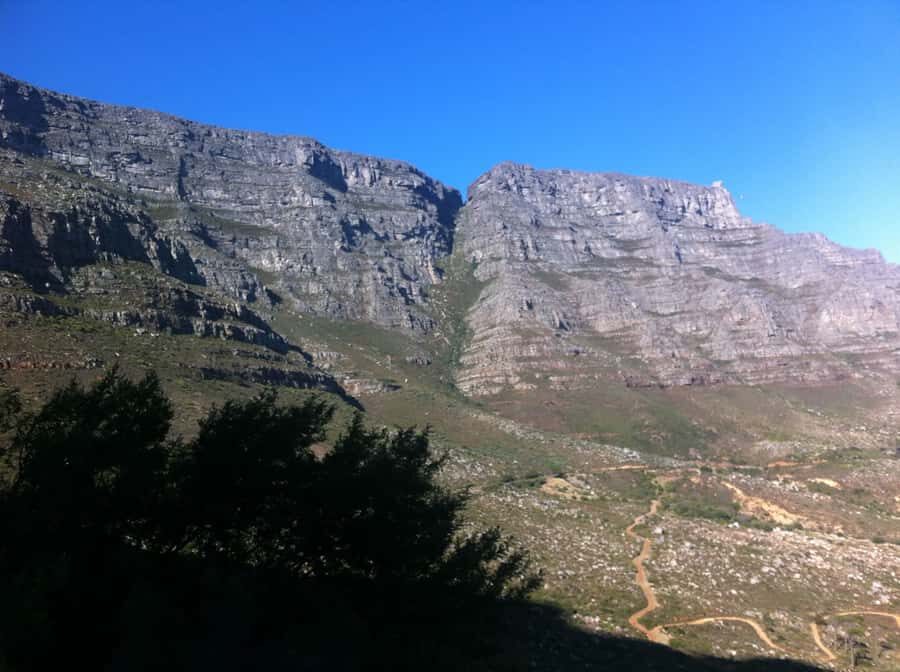
Platteklip Gorge is famous because it’s direct. This route is the oldest ascent to the summit and one of the shortest, which matters when you’re trying to balance a classic Cape Town bucket list with a realistic schedule. It’s also the kind of trail where the climb feels steep, but the route is described as very safe, with hardly any exposure to heights.
That mix is why this hike works so well for first-timers. You get the full payoff—big views over Cape Town and the surrounding peninsula—without needing rock-climbing skills or a tolerance for scary ledges. One review even notes the climb as about 600m height over roughly 3km, so it’s not “flat walking.” Think of it as a steep workout with a dramatic reward.
And if you’ve been hoping for nature time rather than just a viewpoint photo, you’ll notice the mountain’s own rhythm: the texture of the trail underfoot, the changing plant life as you gain altitude, and the mental reset that comes from focusing on steps for a couple of hours.
You can also read our reviews of more hiking tours in Cape Town


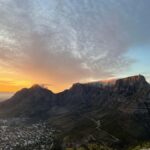
Meeting point and the City Bowl pickup routine
This trip is built for convenience once you’re staying in the right area. You’ll be picked up from your accommodation in the Cape Town City Bowl/CBD and immediate surroundings, then driven to the trail start. That saves you from the “how do we get there on time?” headache.
You also get something practical from the small group format: the guide can keep an eye on everyone’s pace without turning the hike into a race. The group is limited to 10 participants, and that tends to mean less waiting at turns and more time to actually talk about what you’re seeing.
Timing is the quiet hero here. An early start helped one group watch the sun rise as they ascended, and another comment stressed that the hike was busier on the way down. So if you can handle an early departure, do it—cooler temperatures make a steep hike more comfortable, and it can help you dodge crowds during the most exhausting part.
The climb itself: pace, effort, and what your legs will feel
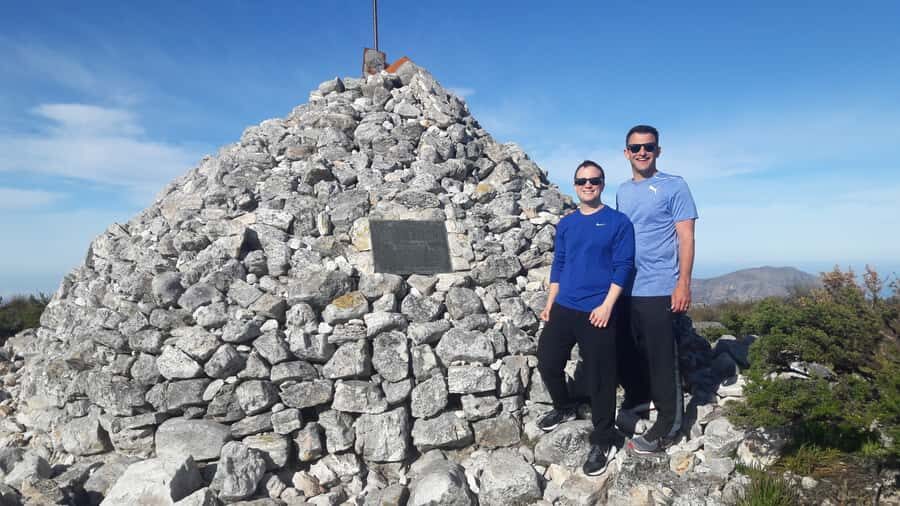
The hike up Platteklip Gorge takes about 2 hours, but it can stretch to 3 depending on fitness levels. The activity timing is listed as 3 hours total, but the entire experience can run about 4 hours. That difference usually comes down to time for the cableway, breaks, and time at the top.
On this trail, you’ll likely feel the effort early. Multiple past experiences describe it as challenging—even when it’s marketed as the easier way up. In plain terms: you’re climbing steep terrain. If you go out strong, you’ll pay for it in the middle. If you go out controlled, you’ll still have energy for the views.
This is where the guide coaching matters. People specifically praise guides like Lynette, Nick, Barry, Paula, Cliff, and Leisl for matching pace to the group. Expect your guide to keep you moving steadily, not sprinting, and to encourage you without making you feel rushed.
Bring a daypack mindset. You’ll want your basics within reach and you’ll appreciate not having to fumble for items mid-climb. Also plan for wind changes—Table Mountain can shift fast even on clear days—so a windbreaker is smart, not optional.
Landmark spotting on the trail: your personal view map
The best part of hiking up a mountain isn’t just reaching the top—it’s understanding what’s around you while you’re earning it. This route turns into a moving “panorama lesson,” because your guide points out major landmarks as you go.
Here’s what you can expect your guide to help you notice:
- Lion’s Head: a recognizable profile near the city, often used as a visual anchor for the coastline and Cape Town’s layout
- Signal Hill: known for the Noon Gun salute run by the South African Navy, which gives the mountain a living, local connection
- Devil’s Peak: another key ridge you’ll hear mentioned because it frames the broader mountain belt
- Robben Island: on clear days, you may be able to see it in the distance, tied to Nelson Mandela’s maximum-security imprisonment for 18 years
You don’t need to be a geography nerd to enjoy this. The landmarks are close enough to the story of Cape Town that they make the views feel earned and specific, not generic. It also helps you photograph smarter: instead of snapping at the first pretty angle, you’ll have a “what am I looking at?” mental label.
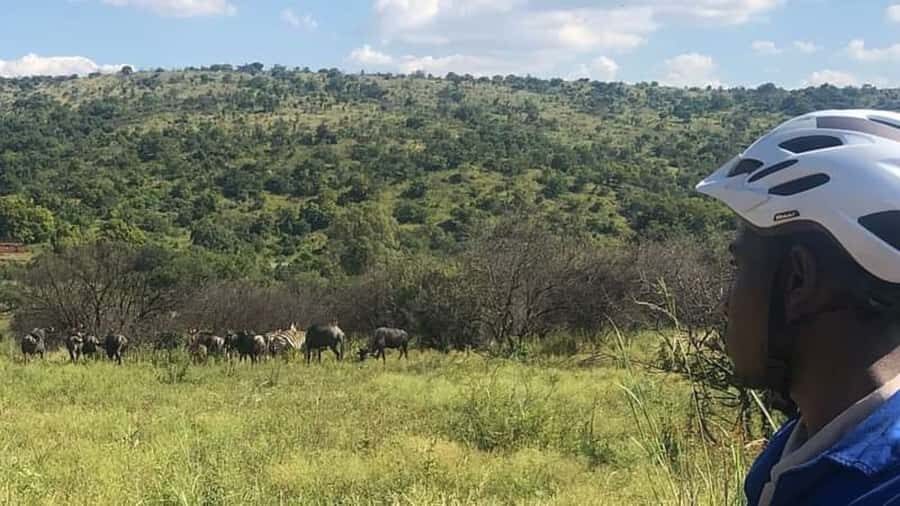
And if you’re the type who loves wildlife or plants, a guide like Lynette has been credited for explaining fauna and animals on the mountain. You’ll likely get little moments like that along the way, which can break up the burn in your calves.
At the top: viewpoints, quick breaks, and the reward window
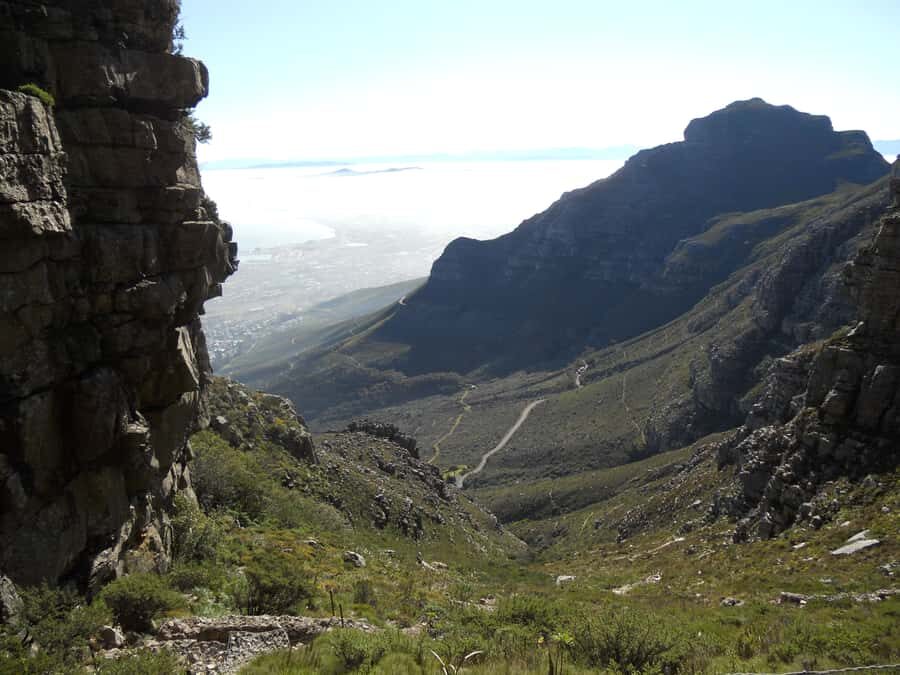
Reaching the summit is the obvious highlight, but don’t treat the top like a photo stop only. You’ll usually get time to walk around and take in multiple viewpoints. One group described having time up top to stroll between lookouts and even stop at the gift shop before taking the cable car down.
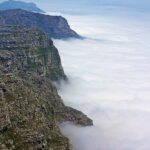
That time is valuable for two reasons. First, clouds can slide in and out. If you’re lucky with weather, staying up a bit lets you catch clearer sightlines. Second, your brain needs a minute to decompress. A steep hike builds tension. The views release it.
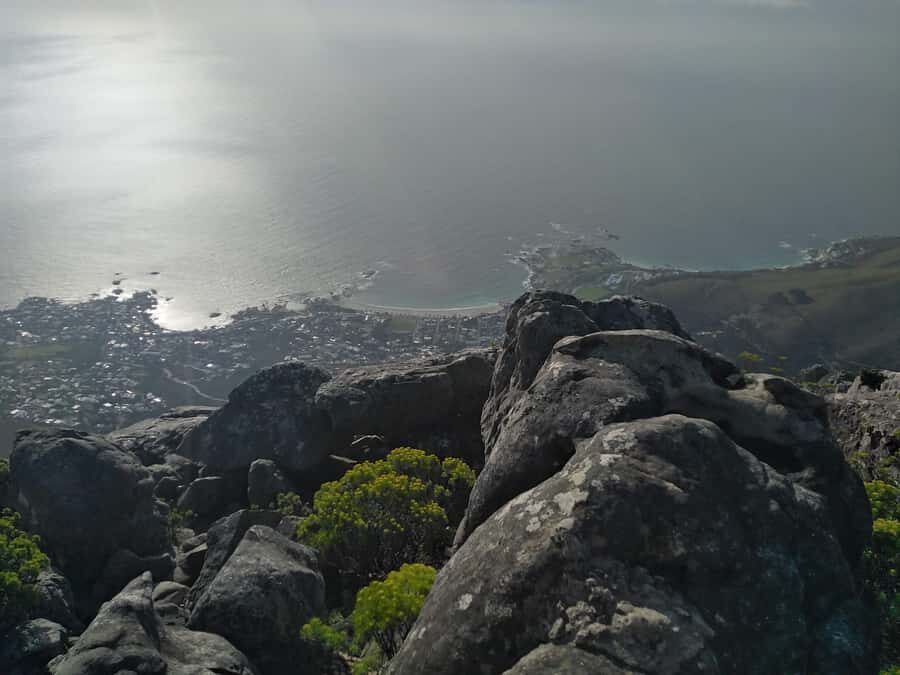
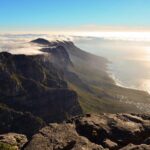
From here, you get the big Cape Town picture: the city bowl, the surrounding hills, and the coastline feel like a map you can finally read in real life. If you’re traveling with someone who gets stressed on heights, this route’s low exposure helps you feel more comfortable while still delivering that huge “wow, we’re high up” feeling.
If the day is calm and clear, this is when you’ll notice how the peninsula wraps around the city. If the weather isn’t cooperating, your guide can help you focus on what’s still visible rather than chasing ideal conditions you might not get.


Cableway down: finish strong, and what if it’s closed
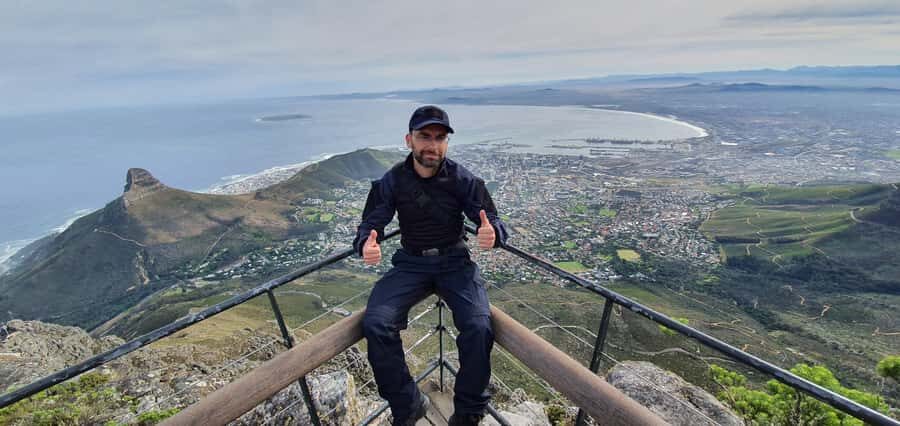
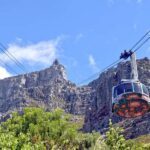
The plan is to hike up Platteklip Gorge and then ride down by the Table Mountain Cableway. That’s a smart pairing: your legs earn the ascent, and the cable car saves them for the rest of your day.
One important catch: the one-way ticket down is not included. So you should budget for the cableway ride separately.
Even more important: if the cableway isn’t running due to weather or maintenance, your guide will walk you down again. That turns the day into a longer hike—about 2 extra hours—and there’s an additional R500 per person, paid to the guide in cash.
In practice, that means you should treat the cableway as a bonus, not a guarantee. If you’re planning a tight schedule the same day (dinner reservations, long drives, another tour), build in flexibility.
Price and value: what you’re paying for (and what you’ll spend extra)
The price is $93 per person, and it’s easiest to judge value by what’s actually included. You get:
- Pickup and drop-off in the Cape Town City Bowl/CBD and nearby areas
- A qualified mountain guide
- Water
- A snack
That’s not just “a guide stands there.” The route has real effort, and having someone who manages pace and safety is a big part of why this hike works so well. The small group cap at 10 also supports a more personal experience, which usually improves how comfortable people feel on a steep climb.
What’s not included:
- Food and drinks you buy at the Table Mountain restaurant
- The cableway ticket down
And if the cableway is closed, you might also pay the extra R500 per person for the walk-down replacement.
So here’s my take: this isn’t a “cheap activity,” but it’s a fair price for guided effort plus transport plus basic hydration and fuel. If you’ll otherwise spend time figuring out routes and transport on your own, the structure is what you’re really buying.
Gear checklist for a steeper-than-it-looks climb
You don’t need technical gear, but you do need comfort. The trail can be intense, and conditions can shift quickly on the mountain.
Bring:
- Windbreaker (weather changes happen fast)
- Hiking shoes with solid grip
- Sunscreen (sun at altitude can sneak up)
- Water (and use the water provided)
- Snacks (you’ll also get one, but bring more if you know you’ll want it)
- Daypack for carry and layers
A small but smart tip: keep your essentials accessible. On a climb, stopping to dig for items slows your rhythm. A daypack helps you manage that.
Also, if you’re prone to slipping or you’re not used to uneven trails, choose shoes you trust. This hike is known as safe with minimal exposure, but it’s still on a mountain trail where footing matters.
Who should book Platteklip Gorge, and who should think twice
This hike is a great fit if you want:
- A classic Table Mountain ascent with serious payoff
- A route that’s described as safe and low on exposure
- A guided experience that teaches you what you’re seeing
It’s also a good match for people who like to keep moving and enjoy a challenge. The pace is adjustable, and guides have been praised for working with different group abilities.
But take the effort seriously. It’s described as strenuous, and one comment flat-out notes it may not suit people with knee, heart, and lung problems. If you have any of those concerns, you should get medical advice before attempting a steep mountain hike.
If you’re generally healthy and you’re honest about your fitness level, you’ll likely enjoy it even if you feel winded. The best outcomes come when you go slower than your ego wants and let the guide set a workable rhythm.
Should you book this Table Mountain hike?
Book it if you want an iconic Cape Town summit day without complicated logistics. The pickup from the City Bowl/CBD, the small group size, and the fact that you get water and a snack make this feel like a thoughtfully run morning outing—not a random trail scramble.
You should also book it if you care about learning what you’re looking at. Guides on this route have a track record of pointing out landmarks like Lion’s Head and Signal Hill, plus distance features like Robben Island when conditions allow. That turns the view into a story you can repeat later.
Skip or rethink it if you’re sensitive to steep effort. Even with minimal exposure, it’s still a mountain climb, and the itinerary can get longer if the cableway can’t run.
If you can handle a strenuous hike with sensible pacing, this one is a high-value way to get both the climb and the Cape Town payoff.
FAQ
How long is the hike on Platteklip Gorge?
The hike itself takes about 2 hours, and can take 2 to 3 hours depending on the group’s fitness level. The full activity can last around 4 hours.
Is the route safe if I’m worried about heights?
Platteklip Gorge is described as very safe with hardly any exposure to heights.
Do I need to buy the Table Mountain cableway ticket?
Yes. The cableway ride down is part of the plan, but the one-way ticket down is not included in the price.
What happens if the cableway is not running?
If the cableway isn’t running due to weather or maintenance, your guide will walk you down again. This adds about 2 extra hours and an additional R500 per person, paid to the guide in cash.
What is included in the tour price?
Pickup and drop-off (Cape Town City Bowl/CBD and immediate surroundings), a qualified mountain guide, water, and a snack are included.
Where do you pick people up from?
Pickup is included from accommodations in the Cape Town City Bowl/CBD area or immediate surroundings.
What language is the guide?
The live tour guide is English.
What should I bring for the hike?
Bring a windbreaker, hiking shoes, sunscreen, water, snacks, and a daypack.
What if I need to cancel last minute?
Free cancellation is available up to 24 hours in advance for a full refund.