REVIEW · CAPE TOWN
Taste of Africa
Book on Viator →Operated by Santacruise Tours · Bookable on Viator
Cape Town tastes like the continent. Taste of Africa is a 4-hour food-focused outing that runs through South Africa’s flavors, from pap and stews to a proper Xhosa braai meat moment, with pickup by Santacruise Tours. You start at 12:00 pm, and you’ll stay together as a private group, so the experience feels relaxed instead of rushed.
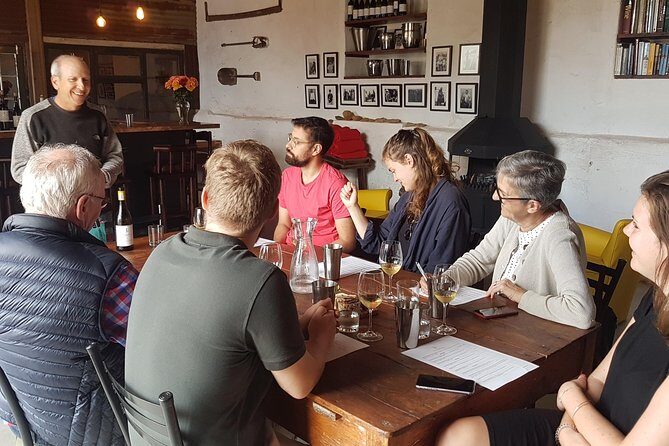
What I like most is how the menu spreads across different South African cultures in one sitting, not just one restaurant-style plate. You’ll also get high-touch attention from Tingo and the team, including help picking what to order and a friendly, family-style vibe that makes the meal easier to enjoy.
One consideration: this is not a light snack tour. You’ll be tasting multiple mains (served with pap, rice, or chapati), plus sides, so if you’re a picky eater or need strict dietary controls, you should think ahead and ask questions before you go.
In This Review
- Key highlights you’ll care about
- Why a Taste Tour Works So Well in Cape Town
- What Happens During the 4 Hours (and How to Prepare)
- Starter Choices: Chapati or Mandasi
- Stews and Braai Meat: Pap, Rice, or Chapati With Real Sides
- Cape Malay Lamb Curry and the Basmati Connection
- Cape Murray Beans Curry: Butter Beans in a Curry Mood
- Cape Murray Chicken Curry With Rice
- Tingo and the Santacruise Tours Touch
- Price and Value: What $230.87 Covers
- Who Should Book This Tour (and Who Should Consider Alternatives)
- Should You Book Taste of Africa?
- FAQ
- What time does the Taste of Africa tour start?
- How long does the tour last?
- Is pickup included?
- Is this tour private?
- What food is included?
- Is there a mobile ticket?
- What’s the price per person?
- What’s the cancellation policy?
- Do most travelers be able to participate?
Key highlights you’ll care about
- A multi-style South African menu in one session: chapati or mandasi, stews, braai meat, lamb curry, beans curry, chicken curry
- Food comes with familiar bases: dishes are served with pap, rice, or chapati so you won’t be guessing what to pair
- Sides show up more than once: sugar beans and fried kale/cabbage accompany key meals
- Coffee or rooibos tea is part of the finish: no extra deciding at the end
- Pickup + private group: easier start time at 12:00 pm and only your group participates
- Service that helps you pick: Tingo and the servers focus on getting your choices right and keeping things comfortable
Why a Taste Tour Works So Well in Cape Town
If you only have a short time in Cape Town, food tours can be one of the fastest ways to understand a place without needing a big history lecture. Taste of Africa is built around that idea: you’re eating through South African regional influences, where different communities put their stamp on bread, stews, curries, braai meat, and sides.
This matters because South Africa is more than one flavor. Even within one meal, you can taste how people cook with what’s available: starch staples like pap and rice, warming spices in curries, and braai-style meat that leans into smoky, grill-forward comfort. You’re not just filling your stomach, either. The order of the courses helps you notice patterns, like how sweetness shows up in sides (sugar beans) and how stews and curries each bring their own weight.
I also like the pacing. At around four hours, you get a real meal experience without turning your day into a 10-hour marathon. With pickup and a private-group setup, you also reduce the stress of figuring out transport and where to go first.
The biggest value is simple: you leave with a sense of South Africa’s variety that you can’t get from one random restaurant dinner.
You can also read our reviews of more tours and experiences in Cape Town.



What Happens During the 4 Hours (and How to Prepare)
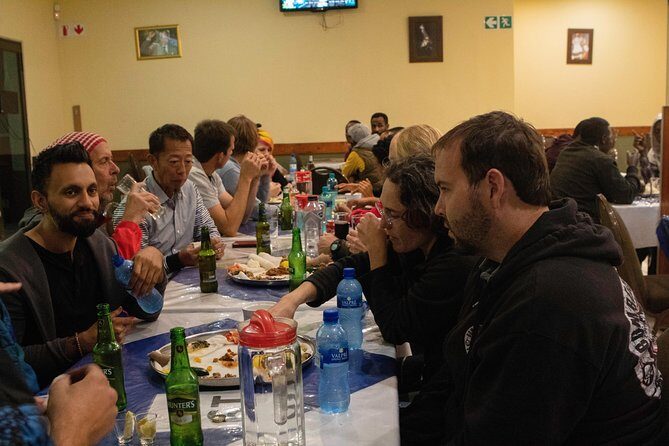
Start time is 12:00 pm, and the whole experience runs about 4 hours. You’ll be picked up, and because it’s private, you’re not sharing your attention span with a crowd. That’s a big deal on food tours. It’s easier to ask questions, get recommendations, and move through courses at a comfortable rhythm.
You should plan to arrive hungry, but not “bottomless pit” hungry. The menu includes a starter, multiple mains, and then a dessert with a hot drink. Even though each course is part of a tasting flow, the total volume adds up. If you pace yourself early (small bites at first, then commit when you find your favorite dish), you’ll enjoy everything instead of feeling like you’re rushing to finish.
Most travelers can participate, but private doesn’t mean automatic. If you have food allergies, strict dietary needs, or strong preferences about meat or fish, treat this as an advance-planning tour. The information you’re given is specific about dishes, so you can plan what to say before the meal begins.
One practical detail that helps: you’ll use a mobile ticket, and confirmation happens at booking. That reduces the friction when you’re busy sightseeing all morning.
Starter Choices: Chapati or Mandasi
The meal starts with a starter choice: chapati or mandasi. This is a smart opener because it sets the rhythm for the rest of the tasting. Bread-based starters matter on a food tour because they help you understand how a cuisine handles texture and balance—soft, warm, and perfect for pairing with stews and sauces.
Here’s what to think about before you decide:
- Chapati usually gives you a mild, flexible base that pairs smoothly with heavier dishes.
- Mandasi (a fried bread option) tends to bring more crunch and richness to the first bite.
Either way, it’s a welcome start that doesn’t feel like a random snack. It prepares your palate for what comes next: stews and braai meat where you’ll want something to scoop, wrap, or break up with each course.
Stews and Braai Meat: Pap, Rice, or Chapati With Real Sides
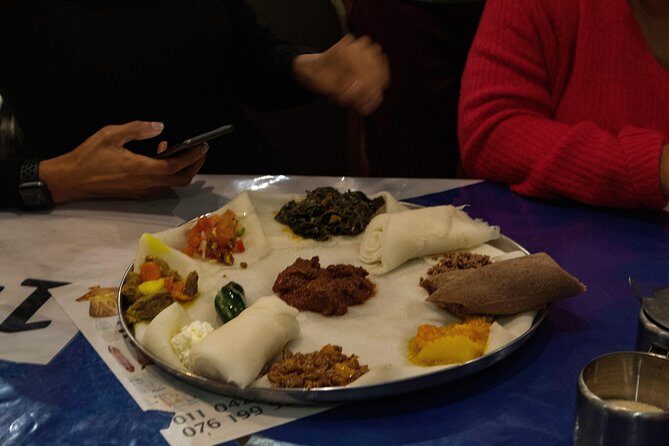
The heart of the experience is the run of savory mains. Several key dishes can be served with pap, rice, or chapati, so you can expect consistency in how your plate is built even as the flavor changes.
First up is a beef stew served with pap/rice/chapati. Alongside it, you get complementary sugar beans and fried kale/cabbage. That pairing is worth paying attention to. The beans add a gentle sweetness, while the fried greens bring a savory bite that cuts through rich stew flavors. It’s not just extra food; it’s a balance strategy.
Then you’ll try an East Africa fish stew served with pap/rice/chapati, again paired with sugar beans and fried kale/cabbage. Fish stew can easily go one of two ways on a menu: either it’s light and forgettable, or it’s bold and satisfying. The presence of the same sides is also helpful. It lets you compare how the stew base changes while the “supporting cast” stays consistent.
After that comes the Xhosa braai meat experience, again served with pap/rice/chapati and the same complementary sides of sugar beans and fried kale/cabbage. Braai-style meat shifts the whole vibe. Instead of a stew-and-scoop flow, you get grilled, meat-forward comfort. If you’ve been wondering what makes South African dining feel distinct, braai meat is one of the clearest answers you’ll taste.
A practical tip: pace yourself between courses. When you switch between stew and braai meat, your stomach needs a reset. Small bites at first help you keep enjoying, not just surviving the tasting.
Cape Malay Lamb Curry and the Basmati Connection
Next comes a Cape Malay lamb curry experience served with basmati rice. This is a different culinary lane from pap-and-stew meals. Curries tend to feel warmer and more spiced, and basmati rice helps bring a clean, fragrant base that makes the curry easier to enjoy bite by bite.
Cape Malay cooking has a reputation for strong flavor, and lamb curry is a great way to feel that. Lamb carries depth well, so you’re not stuck with a mild curry. The combo with basmati also helps you notice how rice changes the mouthfeel compared with pap.
If you’re the kind of eater who needs one “main event” dish to remember later, this lamb curry is the kind of course that usually earns that spot.



Cape Murray Beans Curry: Butter Beans in a Curry Mood

After lamb, you’ll taste a Cape Murray beans curry, including butter bean curry. This course is valuable because it shows that the “main” doesn’t always have to be meat. Beans are filling, comforting, and usually carry flavor even when they’re cooked patiently with spices.
Butter beans are a good pick for a tasting format because they tend to stay tender without turning mushy, so you get texture. Combined with curry sauce, they also show you a different side of how South Africans build hearty meals that work even without meat as the centerpiece.
If you want to reduce the chance of overdoing rich meats, this beans course is a nice mid-to-late reset.
Cape Murray Chicken Curry With Rice
The final savory curry on the list is Cape Murray chicken curry, served with rice. Chicken curry is a crowd-pleaser for a reason: it’s versatile, it absorbs sauce flavors well, and it keeps things comforting without feeling as heavy as some braai-and-stew combinations.
In a multi-course tasting, chicken curry often becomes your “I could eat this again tomorrow” plate. It’s also a good finishing point because rice helps you close out the meal with a steady, filling base that isn’t as intense as braai meat.
Tingo and the Santacruise Tours Touch
Service makes a food tour feel either like a stop-and-go feeding line or like a real cultural welcome. With Santacruise Tours, the standout theme in customer write-ups is Tingo as a warm, upbeat presence who helps set the mood from pickup onward.
You can expect:
- Friendly, welcoming servers who help you land on the right choices
- A guide who adds context while you eat, not just after you finish
- Extra attention to making sure the experience feels personal to your group
- A habit of capturing moments on his phone, which means you may end up with photos that actually look good without you having to disappear mid-meal
That last point sounds small, but it changes the vibe. When someone else is handling the picture moment, you can stay in the experience instead of constantly watching your camera app.
Also, going private helps. You can ask for explanations, request pacing changes, or simply enjoy the meal without feeling like you’re sharing a timeline with strangers.
Price and Value: What $230.87 Covers
At $230.87 per person, this tour isn’t the cheapest way to eat in Cape Town. But you’re not paying for a single dish at one restaurant either. You’re paying for a guided tasting format that stacks multiple courses into one guided session.
Here’s what helps the value make sense:
- Multiple courses: starter, several savory mains (stews, braai meat, curries), plus dessert and a hot drink
- Consistent meal structure: many dishes come with pap/rice/chapati, so you get variety without confusion
- Pickup offered: you’re saving the “how do we get there” headache
- Private group setup: less waiting, more attention, better control over your pace
- Group discounts: if you’re traveling with friends or family, the per-person value can improve
One more signal: it’s often booked well ahead (about 102 days on average). That’s a hint that dates fill up. If you’re set on a certain week, don’t wait until the last minute.
If you compare this to buying separate dinners and trying to stitch them together yourself, you’re effectively paying for convenience plus guided cultural context plus an organized multi-course flow.
Who Should Book This Tour (and Who Should Consider Alternatives)
This is a great fit if you:
- Want to eat your way through South Africa’s regional flavors in a few hours
- Enjoy trying new foods, especially stews, curries, and braai-style meat
- Prefer guided service that helps you decide what to eat
- Appreciate a private, friendly group setup starting at 12:00 pm
You might want to think twice if:
- You have strict allergies or food restrictions and don’t want to ask questions during the meal
- You dislike beans or greens, since sugar beans and fried kale/cabbage accompany multiple savory courses
- You hate big multi-course meals and prefer one simple dinner
If you’re somewhere in the middle (curious but cautious), go in with a plan: tell the team what you want to avoid, and use the helper role of Tingo and the servers to guide you.
Should You Book Taste of Africa?
If your goal is a real Cape Town flavor snapshot without spending hours hopping between restaurants, I’d say book it. The combination of stews, braai meat, and Cape Malay/Cape Murray curries gives you range, not just repetition. And with pickup plus a private-group feel, the experience stays easy.
I’d only skip it if you’re not into trying multiple dishes in one sitting. Otherwise, this is the kind of tour that gives you edible memories, not just photos.
If you do book, bring an open mind, arrive hungry but not reckless, and expect a guide who keeps things friendly while the food does the teaching.
FAQ
What time does the Taste of Africa tour start?
The start time is 12:00 pm.
How long does the tour last?
It runs for about 4 hours.
Is pickup included?
Yes, pickup is offered.
Is this tour private?
Yes. It’s a private tour/activity, and only your group will participate.
What food is included?
You’ll have a starter (chapati or mandasi), multiple savory dishes such as beef stew, East Africa fish stew, Xhosa braai meat, Cape Malay lamb curry, and Cape Murray beans and chicken curries. Dessert includes coffee or rooibos tea.
Is there a mobile ticket?
Yes, a mobile ticket is included.
What’s the price per person?
The price is $230.87 per person.
What’s the cancellation policy?
Free cancellation is available. You can cancel up to 24 hours in advance for a full refund; canceling less than 24 hours before the experience start time won’t be refunded.
Do most travelers be able to participate?
Yes, most travelers can participate.