REVIEW · DURBAN
Zulu Cultural Experience: Zulu Village + Tribal Markets + Traditional Zulu Food
Book on Viator →Operated by Wild Routes Africa · Bookable on Viator
Zulu culture hits you fast, then keeps going. This 8-hour experience in Durban weaves together Phansi Museum, a living Zulu village visit, and the Markets of Warwick so you get context, not just sightseeing. The pacing matters: art and food first, daily life next, then the marketplace world where culture shows up in everyday objects.
I love the way the day starts with indigenous art and crafts at Phansi Museum, then adds Pan African Cuisine so you’re tasting ideas, not only looking at them. I also like the village component led by a local resident, because learning happens on foot, in real spaces, with real answers. One consideration: the outing depends on good weather, and the last stop around Muthi Bridge / Sangoma Central can feel intense if you prefer less confrontational culture.
In This Review
- Key highlights worth your attention
- Phansi Museum: why an art-and-food start changes the whole day
- iSithumba Adventures: learning village life on foot with a local resident
- Traditional Zulu food: what the day’s tastings are really for
- Markets of Warwick: meeting the craft-making elders face to face
- Muthi Bridge / Sangoma Central: handling the culture-shock moment respectfully
- Timing, pickup, and how to plan the 8-hour flow in Durban
- Price and logistics: does $168 deliver real value?
- Who this Zulu cultural experience fits best
- Should you book it?
- FAQ
- FAQ
- What is the duration of the Zulu Cultural Experience?
- Where does this experience take place?
- How much does it cost?
- What time does the tour start?
- Is pickup included?
- What’s included in the ticket price?
- Is there a limit on group size?
- What is the cancellation policy?
- What happens if the weather is poor?
Key highlights worth your attention
- Phansi Museum’s art-first start sets up the day so the village and markets make more sense
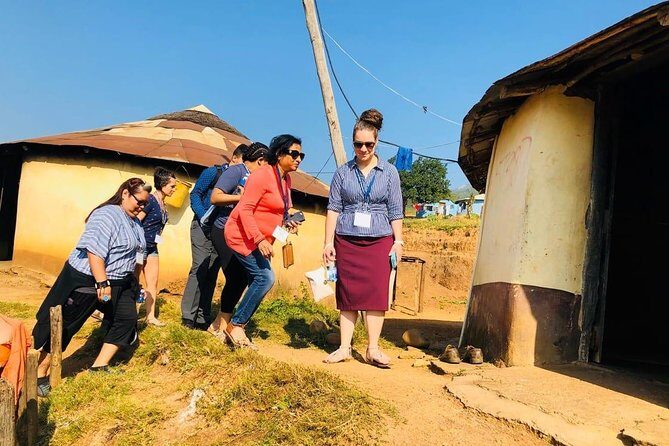
- Up-close village walking with a local resident guide, focused on how life works day to day
- A chance for deeper conversations if the village chief or spiritual healer is available
- Warwick Market craft-making you can watch up close, not just buy at the end
- Lime and Imphepho Gogos (female elders) leading the craft side of the market
- Muthi Bridge / Sangoma Central framed as a culture-shock moment, so go prepared for strong impressions
Phansi Museum: why an art-and-food start changes the whole day
If your goal is to understand Zulu culture in Durban, starting with Phansi Museum is a smart move. The tour begins with a dancing curator who introduces a collection of indigenous art and crafts, then moves you into Pan African Cuisine sampling. That order is key. It gives you names, meanings, and visuals first—then the rest of the day stops feeling like random stops on a schedule.
The museum time is about 1 hour 30 minutes, and admission is included. You’re not stuck reading a wall of text. You’re guided through objects and craft traditions in a way that helps you recognize details later during the village and market portions. In practical terms: when you finally see items being made in Warwick’s market, you’re more likely to understand what you’re looking at and why it matters.
And then there’s the food component. Even without going full “food tour,” sampling Pan African Cuisine early gives you a human anchor. Culture is not only what people practice; it’s also what they cook, share, and serve. It’s a gentler entry point than jumping straight to village life or market bustle.
A good tip here is simple: keep your questions for later. During the museum portion, listen for terms and themes you hear. By the time you’re at the village and markets, you’ll have better questions—ones that show you’re paying attention.
You can also read our reviews of more tours and experiences in Durban.



iSithumba Adventures: learning village life on foot with a local resident
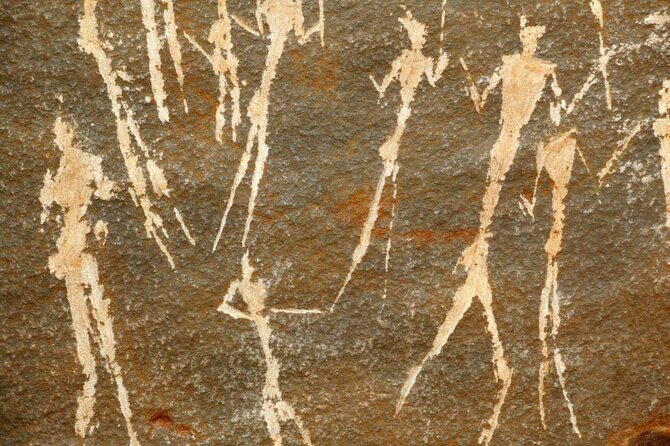
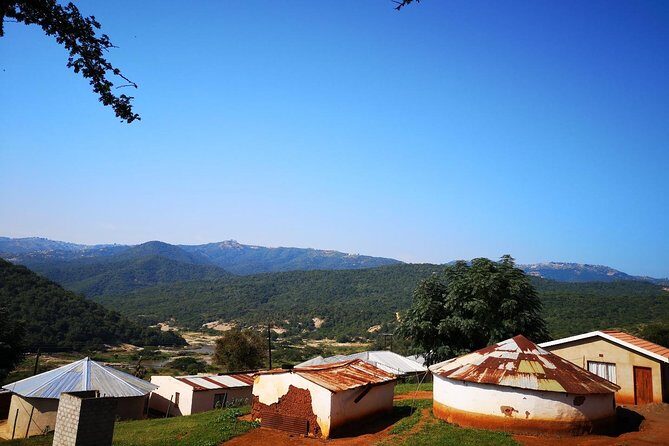
Next comes the living part: iSithumba Adventures, a Zulu cultural village visit. This is where you trade indoor context for walking-time learning. The village segment lasts about 2 hours, with admission included, and it’s led by a local resident who helps you explore on foot.
That local guide role matters. You’re not hearing a lecture from a distance. You’re moving through the spaces and hearing how daily life is described from inside the community. On a practical level, this format helps you notice small things: how areas are used, how people organize routines, and how “culture” shows up as normal life rather than a performance for visitors.
The tour also notes that you may meet the village chief or a local spiritual healer if the ancestors are kind. That wording signals something important: you’re not guaranteed a formal encounter, but there is potential for a more personal exchange. If it happens, treat it with respect and patience. If it doesn’t, the resident guide still gives you the main value—interpretation of daily life.
In at least one past experience, the guide also handled lots of questions and provided clear answers, which is exactly what you want from a village visit. Ask what you honestly want to know, but keep it grounded: how people live, how traditions work, and what things mean in everyday terms.
Traditional Zulu food: what the day’s tastings are really for
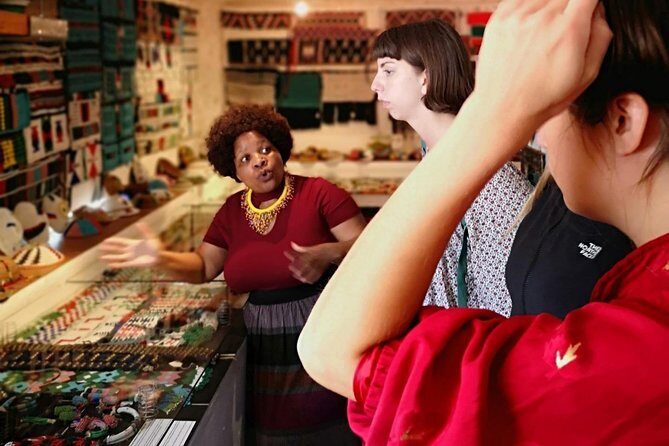
Food can be a quick add-on—or it can be part of how you understand culture. Here it’s positioned as context. You start with Pan African Cuisine sampling at Phansi Museum, and the broader flow of the day makes food feel connected to what you’re seeing rather than tacked on at the end.
You should think of the food here as a way to slow down. When you’re tasting something, you’re not just collecting information. You’re engaging with the culture’s routines, flavors, and hospitality. That changes how you notice the village and the markets afterward.
Also, based on how the day has played out for others, there may be an eating moment in the village setting. One review specifically referenced lunch at a village supervisor’s house. I can’t promise that every day is identical, but it’s a strong sign that meals aren’t treated as random refreshments. They’re part of the social fabric of the visit.
If you have dietary needs, double-check details when booking. The tour data confirms Pan African Cuisine sampling is part of the experience, but it doesn’t spell out menu specifics.
Markets of Warwick: meeting the craft-making elders face to face
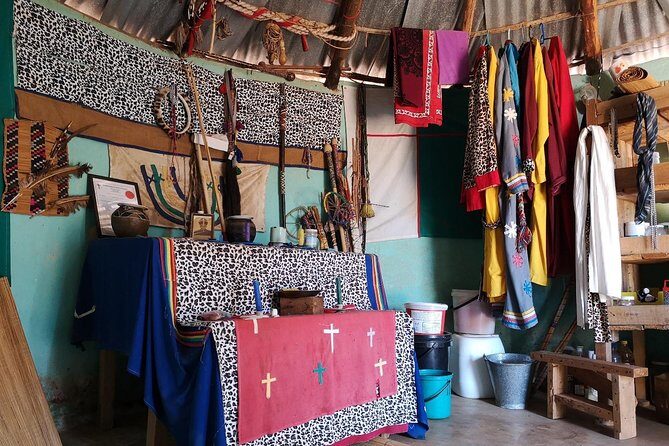
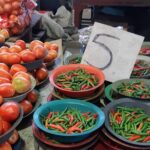
The final stop shifts from learning to observation you can interact with. The Markets of Warwick is described as the beating heart of indigenous culture—and in a day like this, that makes sense. After the museum and village, the market feels less like a “shopping stop” and more like a practical place where culture becomes visible in physical form.
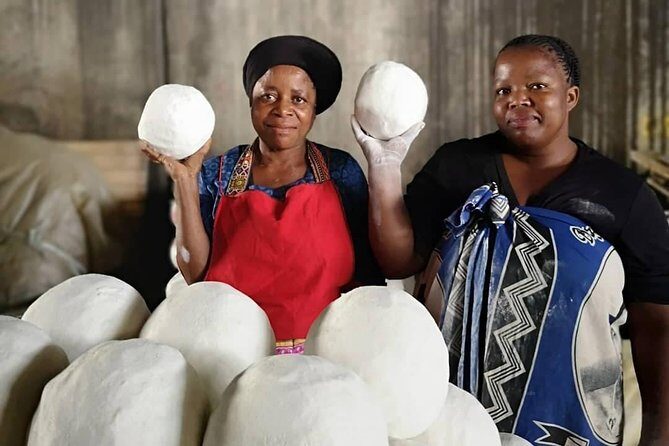
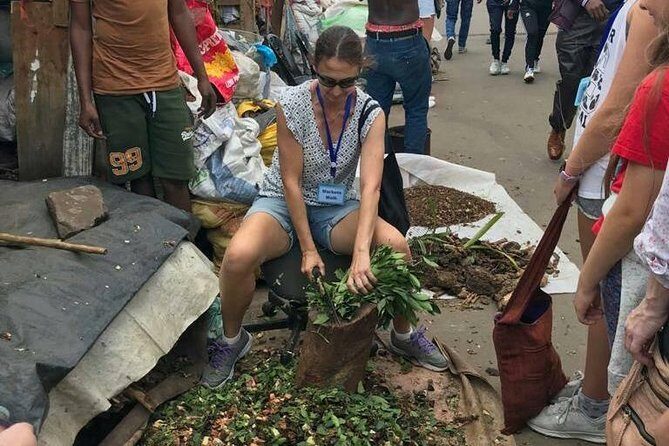
You’ll spend about 1 hour 30 minutes here, with admission included. The tour highlights meeting the Lime and Imphepho Gogos, female elders who create goods. That’s more meaningful than just watching people sell items. Gogos represent continuity—how knowledge is passed through generations and expressed through craft.
Watching them create goods while you’re there can change what buying means. Instead of grabbing a souvenir quickly, you’re more likely to see the effort and the purpose behind items. You might also notice how traditions show up in everyday production: materials, methods, and the way makers explain what they’re doing.
A practical way to get more value at the market: ask about what you’re seeing as you see it. Where does the material come from? Why is that design used? How long does a piece take? Questions like that turn the time into learning, not just consumption.
Also, because this segment is part of a culture-focused itinerary, it’s worth setting a respectful tone. Markets can get lively fast, but your job is to watch carefully and treat makers as people first.
Muthi Bridge / Sangoma Central: handling the culture-shock moment respectfully
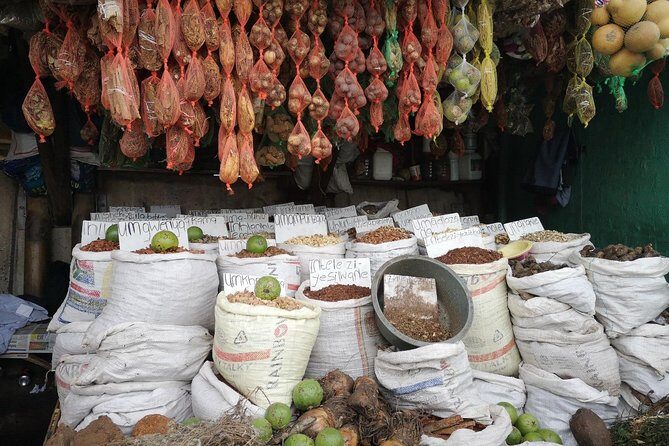
The tour calls out a specific label for the area around Muthi Bridge: “Sangoma Central,” and it’s framed as a culture shock moment. That’s honest, and you should take it seriously.
Even without extra technical details provided, the key point is this: this part of the experience deals with traditional medicine and related beliefs in a highly visible way. If you’re sensitive to topics like that, or if you prefer only “safe” cultural sightseeing, this stop might feel uncomfortable.
Here’s how to handle it well. Go in with respect and don’t try to treat it like a spectacle. If you’re curious, ask questions in a calm way and let the local guides steer you toward what’s appropriate to learn. If you’re overwhelmed, it’s okay to observe quietly rather than push for explanations on the spot.
Also, remember that the day is guided and timed. You’re not expected to figure everything out alone. The value comes from understanding how people make sense of health, healing, and tradition in their own frameworks.




Timing, pickup, and how to plan the 8-hour flow in Durban

This day starts at 8:00 am and runs about 8 hours total. Pickup is offered, and you’ll use a mobile ticket, which helps streamline arrival. Admission tickets for the stops are included, so you’re not juggling entry lines while the day is moving.
Because the experience is built around visiting outdoor and open-air spaces, timing isn’t just about convenience—it affects how much you can enjoy each segment. Start early, be ready to walk, and keep your energy steady for museum, village walking, and a market finish.
Weather matters too. The experience requires good weather, and if it’s canceled due to poor conditions, you’ll be offered a different date or a full refund. That’s important: if you’re planning around a tight Durban schedule, have flexibility or treat this as your “culture day” rather than something that must land on a single evening.
Price and logistics: does $168 deliver real value?
At $168 per person, this is not a budget-only outing, but it also isn’t priced like a private, high-end custom tour. The value angle here comes from what’s included and the pacing.
You get:
- museum time with guided introduction by a dancing curator
- village time with a local resident guide and walking exploration
- market time with access to elder craft makers (Lime and Imphepho Gogos)
- admissions included for each stop
- pickup offered and a small maximum group size of 6 travelers
Small-group size matters more than people think. With up to 6 travelers, you’re less likely to get lost in a crowd and more likely to ask real questions, especially at the village and museum portions where context matters.
Also, the booking pattern shows this tour is popular enough that it’s commonly reserved about 41 days in advance on average. That doesn’t guarantee availability, but it suggests you should plan ahead if Durban is a fixed part of your trip.
Who this Zulu cultural experience fits best
This tour fits best if you want understanding, not just photos. You’ll likely enjoy it most if you:
- like learning through guided storytelling and walking through real places
- are interested in indigenous art, craft-making, and how culture is practiced day to day
- want a food component that connects to cultural context
- enjoy markets when they come with explanation, not just browsing
It may be less ideal if you prefer only light, low-stress activities, or if you strongly dislike the idea of a culture-shock stop around Muthi Bridge / Sangoma Central. Respect goes a long way here, but the subject matter is clearly part of what the tour is designed to show.
If you’re in Durban for a short time and want one day that covers art, daily village life, and craft markets, this is the kind of single “culture sweep” that can make the rest of your trip feel more coherent.
Should you book it?
Yes, if you want a guided, context-heavy Zulu cultural day that connects art, food, daily life, and craft-making in a small group. The structure makes sense: start with Phansi Museum to build your understanding, walk through village life with a resident guide, then end at Warwick Market where you can watch elders making goods you can actually see being produced.
Skip it or choose another option if you have zero tolerance for cultural topics that might feel intense, especially around Muthi Bridge / Sangoma Central. Also, if your schedule can’t flex around weather, don’t treat this as a perfect “set-and-forget” date since the day depends on good conditions.
FAQ
FAQ
What is the duration of the Zulu Cultural Experience?
The tour runs for about 8 hours (approx.).
Where does this experience take place?
It takes place in Durban, South Africa.
How much does it cost?
The price is $168.00 per person.
What time does the tour start?
The start time is 8:00 am.
Is pickup included?
Pickup is offered.
What’s included in the ticket price?
Admission tickets are included for Phansi Museum, iSithumba Adventures, and the Markets of Warwick.
Is there a limit on group size?
Yes. The maximum group size is 6 travelers.
What is the cancellation policy?
Cancellation is free. You can cancel up to 24 hours in advance for a full refund.
What happens if the weather is poor?
The experience requires good weather. If it’s canceled due to poor weather, you’ll be offered a different date or a full refund.