REVIEW · CAPE TOWN
African Township And Cultural Tour – Langa from Cape Town Half Day
Book on Viator →Operated by Remigeous Tsuro · Bookable on Viator
Langa makes Cape Town feel real. This half-day tour takes you through Langa with a small group and a local guide, so you can spend your energy learning instead of guessing what is open and what is safe. You’ll also get hands-on culture, from African drum practice to pottery and local arts you can actually take home.
What I like most is how practical the format is: round-trip pickup, bottled water, and air-conditioned transport for a smooth start and finish. The other big win is the human part, including time to meet locals and ask questions at the pace your guide sets, and in at least one recent tour the guide Remi was praised for being patient. One consideration: this tour touches on apartheid-era history and daily life realities, so it may feel heavy for some people.
In This Review
- Key Things to Know Before You Go
- Langa Township: A Reality Check That Still Feels Human
- Getting There from the Silo Hotel Without the Guesswork
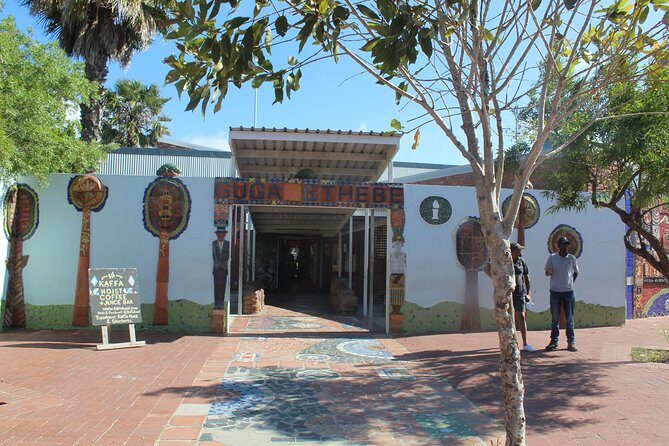
- Stop 1: Guga S’thebe and the Craft-Workshop Energy
- SAPS Langa Police Station Area: Containers Turned Into Shops and Homes
- Local Beer Brewing and the Social Side of Community Life
- Hostels, Sports-School Walk-By Stops, and Apartheid-Era Context
- Township Food Moments: Head of Sheep and Chisa Nyama Vibes
- Traditional Healer Stop: A Chance to Ask Big Questions
- Guides and the Pace That Makes You Feel Safe to Ask Questions
- Price and Value for a 4-Hour Langa Half Day
- Who This Tour Fits Best (and Who Might Skip)
- Should You Book This Langa Tour?
- FAQ
- How long is the African Township and Cultural Tour – Langa?
- Where does the tour start?
- Is hotel pickup included?
- What group size should I expect?
- What’s included besides the tour guide?
- Is lunch included?
- Are tickets required for the stops?
- Do I need good weather?
- What is the cancellation policy?
Key Things to Know Before You Go
- Small-group cap of 15 travelers keeps the tone respectful and easier for questions.
- Guga S’thebe culture stop includes performing arts plus drum teaching and pottery-making in one place.
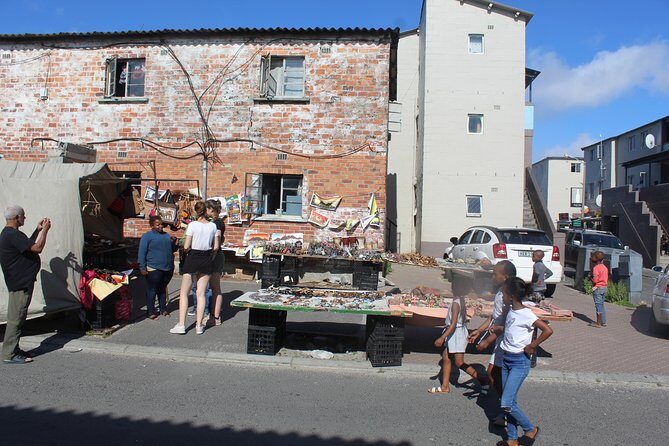
- SAPS Langa police station area walk shows how shipping containers became businesses and homes.
- Local beer tasting is built into the schedule, giving you a taste of what keeps the community social.
- Township food cues include chisa nyama-style food and a head of sheep delicacy, cooked by local ladies.
Langa Township: A Reality Check That Still Feels Human
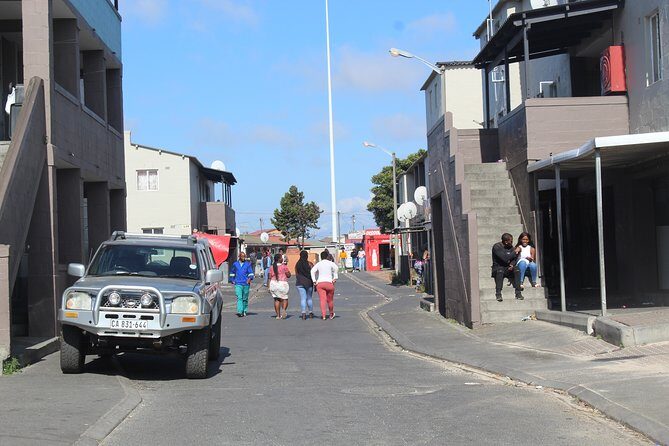
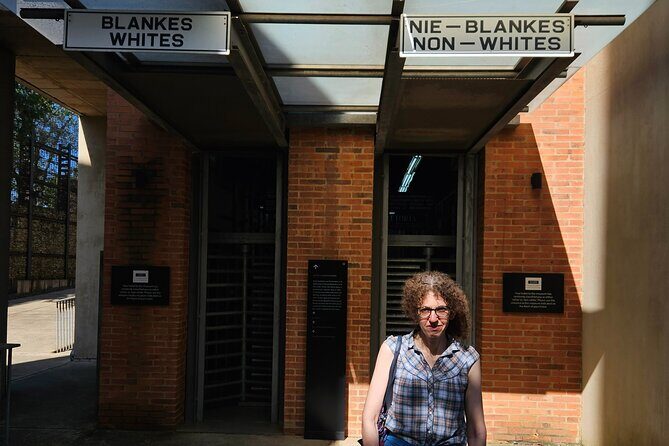
If Cape Town is on your list, it’s easy to focus on views, beaches, and postcard streets. Langa is a different kind of education. It’s not about performing for visitors. It’s about showing how people live, work, create, and solve daily problems in an older township with deep roots in the apartheid system.
The best part is the structure. You’re not dropped off with vague instructions. You’re guided through specific cultural spaces like Guga S’thebe, then into the areas around SAPS Langa Police Station and older hostel sites. That means you get context without having to do homework first.
The tone matters here. The tour is designed for an honest look at life, including history tied to apartheid-era migrant worker hostels. At the same time, the itinerary makes space for creativity and entrepreneurship—drumming, crafts for sale, container businesses, and a beer brewing facility where you can taste local beer.
You can also read our reviews of more historical tours in Cape Town


Getting There from the Silo Hotel Without the Guesswork
This tour starts at 8:30am at the Silo Hotel area in the Victoria & Alfred Waterfront neighborhood. If you’re staying near the waterfront, that’s convenient. If you’re elsewhere, you’ll be thankful for the pickup and drop-off included with the tour.
Transport is also part of the value. You ride in an air-conditioned vehicle, which matters in Cape Town’s warmer spells or if weather turns unpredictable. You also get bottled water, so you don’t start the cultural walk already rationing what you have.
Group size is capped at 15 travelers, which keeps things manageable. In real life, small-group tours are easier to control. They also make it more likely your guide can pause for questions or adjust the pace when you want a slower look at a craft table or a container shop.
Stop 1: Guga S’thebe and the Craft-Workshop Energy
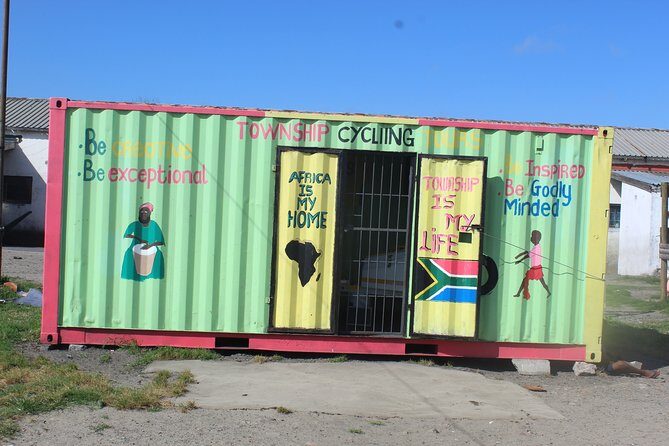
Guga S’thebe is where the tour shifts from “watching” to “doing.” You’ll spend about 30 minutes here, and admission is included. This is a local art and craft centre and also a community meeting place—so it’s not just a stage set. It’s a working cultural space.
Here’s what you can expect:
- Performing arts demonstrations tied to everyday community life
- Pottery-making, with an explanation of what’s involved
- Drum instruction, including learning how to play an African drum
This stop is a good fit if you like culture that you can touch. Instead of only seeing craft objects behind glass, you get a sense of the skills behind them. You also see how art becomes income—there’s a variety of locally made art and craft available for sale. If you’re looking for souvenirs with meaning (not just mass-produced trinkets), this is the part of the tour where your money feels directly connected to local work.
Potential drawback to keep in mind: craft centres are popular, and the time is limited. If you’re the type who wants to linger and browse every booth, the 30-minute window may feel short. Still, the demo-and-learning format is the point.
SAPS Langa Police Station Area: Containers Turned Into Shops and Homes
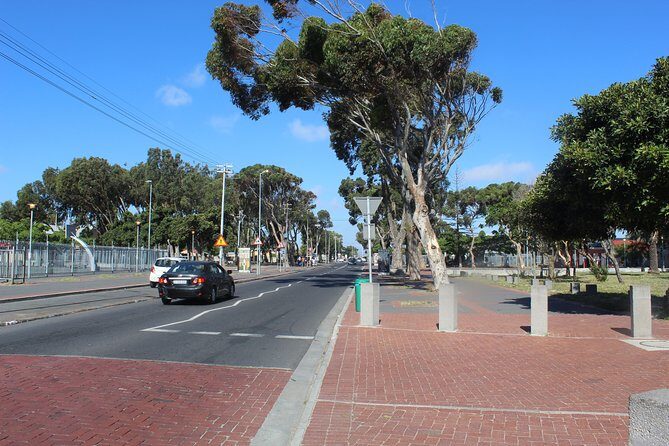
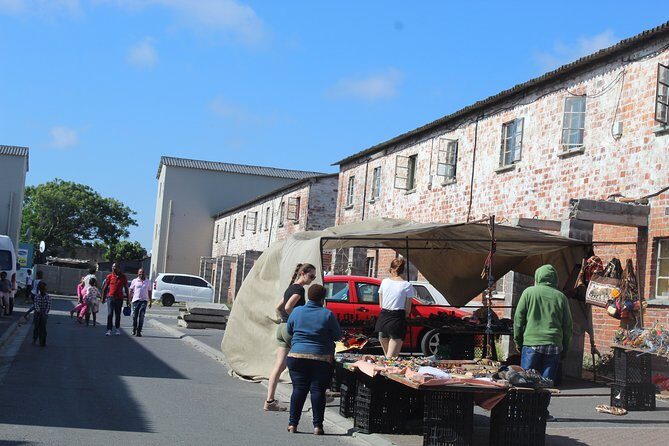
The itinerary’s next major stop is the area by SAPS Langa Police Station. You’ll spend about 1 hour walking through the neighborhood with the context your guide provides, and admission here is free.
This is where you learn the practical history behind what you’re seeing. The police station serves the local community, and the tour frames it in relation to the history of Langa as one of the oldest townships in Cape Town. Then the guide points out what happened in more modern times: shipping containers have been repurposed into businesses.
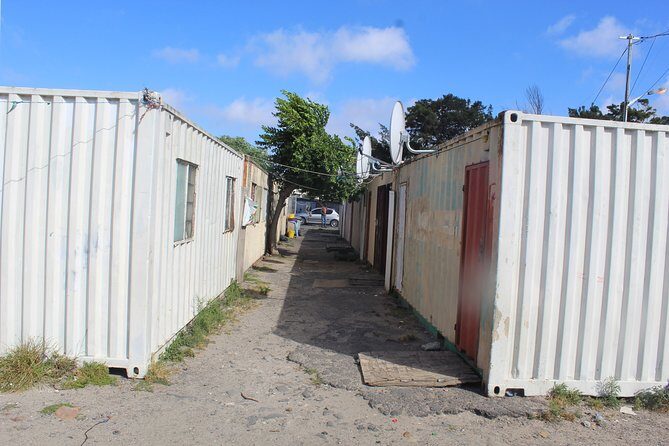
In plain terms, this is a “how people adapt” lesson. Container buildings show up as hair salons, barber shops, and even family houses. It’s not a glossy transformation; it’s a response to space and economic need. It also helps you understand that a township is not only residential. It’s a working community with services, trade, and home life all mixed together.
One more reason this area stop matters: it helps you read the neighborhood instead of treating it like a single-view attraction. By the end of this segment, you’re less likely to only see a patchwork of buildings and more likely to notice the patterns of everyday activity.
Local Beer Brewing and the Social Side of Community Life
A key part of the tour is a visit to a beer brewing facility where you can taste local beer. The schedule builds this into the walk after you’ve spent time looking around the SAPS Langa area and the container businesses.
This is more than a snack stop. Beer tasting gives you a window into social rhythm—something that keeps people connected and helps businesses stay busy. Even if you’re not a big beer person, it’s one of those experiences that turns the tour from “information” into “shared moment.”
If you drink alcohol, this can be a fun highlight in a day that also covers serious topics. If you don’t drink, you’ll still be around the brewing process and local hospitality, which can be interesting in its own right. Just know that the itinerary explicitly includes tasting.





Hostels, Sports-School Walk-By Stops, and Apartheid-Era Context
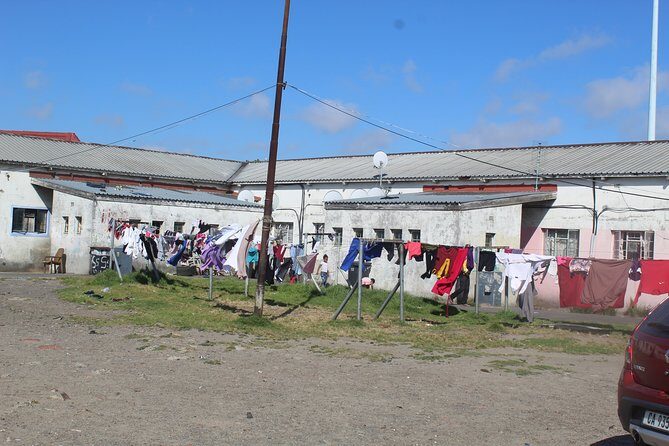
The tour also passes by sites connected to apartheid-era policies. You’ll have time to walk past hostels that were originally meant for male migrant workers under the apartheid government, and you’ll see nearby areas where locals live.
This portion can be tough, because the context is about enforced separation and unequal planning. But the tour isn’t only about sadness. It ties history to present-day life quality questions—how much the government has delivered on promises before independence.
There’s also a walk past a school known for producing national sportsmen. This is a good counterbalance. You’re reminded that talent, work ethic, and opportunity still exist, even when the surrounding systems were designed to limit people.
I like that the tour connects the history to daily life instead of stopping at a plaque or a lecture. It helps you understand why certain buildings and routines exist, and why community spaces keep evolving.
Township Food Moments: Head of Sheep and Chisa Nyama Vibes
Food is where many township tours become memorable, and this one includes chances to spot local delicacy and township-style dining. Look out for chisa nyama places, and keep an eye out for the head of sheep—a local delicacy prepared and cooked by local ladies.
You might be tempted to think food is just extra. Here, it’s actually a cultural bridge. When you see dishes made in a specific way and learn the basic story behind them, you start understanding the everyday economy of the area: cooking, serving, and gathering.
One practical note: lunch is not included, so don’t plan this tour as your whole meal plan. If you’re hungry, eat before you go, or plan to have a meal soon after the tour ends back where you started.
Traditional Healer Stop: A Chance to Ask Big Questions
The itinerary also includes a visit to an African traditional healer. You may be able to obtain a love portion, and the healer can tell you about your past, your future, and your love life.
This is one of those culturally sensitive parts of the tour. The best way to handle it is with respect and clear boundaries. If you’re uncomfortable with belief-based practices, you can choose how much you want to participate. If you’re curious, ask questions that focus on meaning and practice rather than treating it like a trick.
Even if you don’t believe in the outcomes, hearing how people explain luck, relationships, and life choices is often where you learn the most about local thinking and values.
Guides and the Pace That Makes You Feel Safe to Ask Questions
A standout theme in the available feedback is how much people appreciated the guide’s patience and explanations. Remi, in particular, is praised for sharing a lot of information about township everyday life and for allowing time to ask residents questions.
That matters more than people realize. Township tours can feel awkward if you’re moving too fast or only being shown surfaces. A guide who helps you slow down and communicate better changes the tone completely. It turns the trip into learning, not just sightseeing.
The tour also includes a registered and accredited tourist guide plus a native township guide. That dual approach is useful: you get both practical explanation and local grounding.
I also appreciate that the tour is capped small and includes bottled water. Those details sound minor until you’re walking, listening, and trying to stay focused for a few hours.
Price and Value for a 4-Hour Langa Half Day
At $64.07 per person for about 4 hours, the price is not a bargain. But it’s also not inflated if you look at what’s included.
You get:
- Round-trip pickup and drop-off
- An air-conditioned vehicle
- A registered/accredited guide plus a native township guide
- Bottled water
- Admission included at Guga S’thebe
- A chance to visit a typical township restaurant and taste African food
That combination is the value. You’re paying for access, context, and a guided flow between stops. If you tried to do it alone without a local guide, you’d spend time figuring out what’s open, what to visit, and how to navigate respectfully. This tour solves that upfront.
One cost reality: lunch isn’t included, so budget for a meal after. And because it’s a short half-day, you also want to be mentally ready for a packed schedule rather than a leisurely day.
Who This Tour Fits Best (and Who Might Skip)
This tour is a strong match if you:
- Are in Cape Town for a short time and want more than the headline attractions
- Care about arts, crafts, and music and like hands-on cultural stops
- Want to see the area through local context and ask questions
It may be less ideal if you:
- Prefer light, scenic activities only
- Want a long, slow pace with lots of browsing time
Also note that the experience requires good weather. If Cape Town weather turns, the tour may be rescheduled or refunded. Good day planning helps.
Should You Book This Langa Tour?
I’d book it if you want your Cape Town trip to include real context, not only scenery. The itinerary covers craft (Guga S’thebe), neighborhood adaptation (container businesses), daily life history (hostels and apartheid-era context), food moments (chisa nyama-style experiences and head of sheep), and a traditional healer segment for cultural curiosity. That’s a lot for one half day.
If you’re the kind of traveler who likes structured tours but still wants authenticity, the small group size and guided pace are your friends. And if your top priority is getting a practical handle on what’s meaningful and what you should pay attention to, the guide support is a big reason to choose this option.
FAQ
How long is the African Township and Cultural Tour – Langa?
It runs for about 4 hours.
Where does the tour start?
The meeting point is the Silo Hotel at Silo Square, Victoria & Alfred Waterfront, Cape Town.
Is hotel pickup included?
Yes, pickup from your hotel and drop-off after the tour are included.
What group size should I expect?
The experience is capped at a maximum of 15 travelers.
What’s included besides the tour guide?
You get bottled water, an air-conditioned vehicle, and a registered/accredited tourist guide plus a native township guide. There’s also an opportunity to taste African food at a typical township restaurant.
Is lunch included?
No, lunch is not included.
Are tickets required for the stops?
At Guga S’thebe, admission is included. The SAPS Langa Police Station walk is listed as free.
Do I need good weather?
Yes, the experience requires good weather.
What is the cancellation policy?
You can cancel for a full refund up to 24 hours before the start time. If you cancel less than 24 hours before, the amount paid isn’t refunded.