REVIEW · JOHANNESBURG
Soweto, Mandela House, Apartheid Musem, Constitutional Court
Book on Viator →Operated by Shane Gouldie · Bookable on Viator
Four stops. One focused story.
This private Johannesburg outing strings together Soweto and the biggest symbols of South Africa’s Apartheid story, with guided time at Mandela-era landmarks and a smooth car ride between them. I like that you’re not guessing logistics—your day has built-in stops, plus an air-conditioned vehicle with Wi‑Fi so you can recharge while you travel. You’ll also get a guide (Shane Gouldie) who can explain what you’re seeing in plain, human terms as you go.
The one catch to plan around: admission fees are extra, and the Apartheid Museum only runs Wed–Sun. That said, most of your money goes toward transport, timing, and interpretation—exactly what you want for sites this heavy. Expect a half-day feel (roughly 3 to 6 hours), not a never-ending marathon.
In This Review
- Key things that make this tour worth your time
- From Johannesburg to Soweto: what you’re really buying
- Vilakazi Street drive-by: setting the stage before Mandela House
- Mandela House: guided time where history meets a living neighborhood
- The Apartheid Museum: when it’s open and why time limits help
- Constitution Hill Human Rights Precinct: prison history and the modern constitutional story
- What you see while driving: CBD views, gold mine dumps, and fast context
- Comfort and control: Wi‑Fi, A/C, translation, and the guide’s role
- Price and value: $75.03 plus entry fees, and what that buys
- How long should you plan for?
- Who this tour is best for
- Should you book this Soweto and Apartheid-era day?
- FAQ
- What stops are included in this Johannesburg private tour?
- Is this tour private or shared?
- How long is the tour?
- What’s included in the price?
- Are admission fees included?
- When is the Apartheid Museum open?
- Does the tour include guided time at the sites?
- What is the cancellation policy?
- Can the guide adjust the pace?
Key things that make this tour worth your time
- Private, air-conditioned transport with Wi‑Fi so you can move fast and stay comfortable
- Guide-led visits at Mandela House, the Apartheid Museum, and Constitution Hill
- Vilakazi Street orientation to help you understand Soweto before you step inside sites
- Planned pacing with a max time allotment at the museum (up to 3 hours)
- Optional extra moments: in real-world practice, Shane has added meaningful detours when timing allows
From Johannesburg to Soweto: what you’re really buying

You’re paying for more than driving. You’re buying a day that makes sense when you’re short on time and you don’t want to wrestle with buses, transfers, and “wait for the right minibus” energy. This is a private tour, so it’s just you and your group in the vehicle—not a cattle-call setup.
The route also helps you read the city as you move through it. You’ll do a drive-by look at Johannesburg’s central business district area, big corporate offices, and the gold mine dumps that shape the landscape around the city. That background matters because it gives context for what changed after Apartheid, and why Johannesburg still carries deep economic scars.
Practical note: pickup is offered, and the experience is described as near public transportation, which can make it easier to coordinate if you’re staying somewhere with transit nearby.
You can also read our reviews of more tours and experiences in Johannesburg.


Vilakazi Street drive-by: setting the stage before Mandela House
Before you step into Mandela House, you get an orientation while cruising through Soweto on Vilakazi Street—the street associated with both Nelson Mandela and Bishop Desmond Tutu. You’ll pass by the neighborhood feel and also get a sense of daily life, including the presence of restaurants and activity around the area.
This short “get your bearings” moment is valuable because it stops the day from turning into a series of disconnected stops. When you later hear the stories connected to Mandela House, it lands better because you already understand you’re looking at a real community, not a museum set.
Your guide will also talk through general township history and details like security—the kinds of realities that shape how life works on the ground. It’s not just facts for facts’ sake; it’s context so you can interpret what you’re seeing with the right mindset.
Mandela House: guided time where history meets a living neighborhood
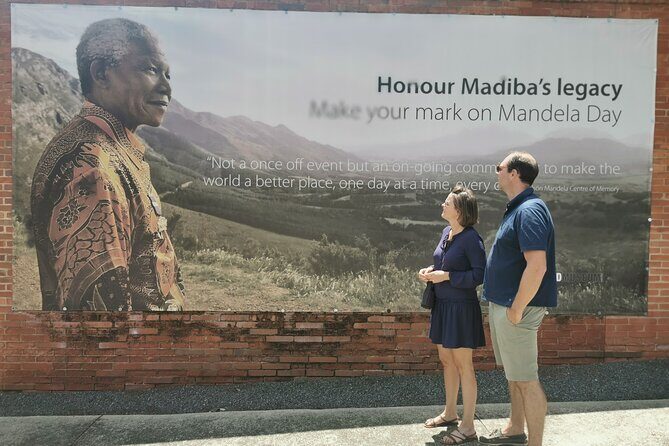
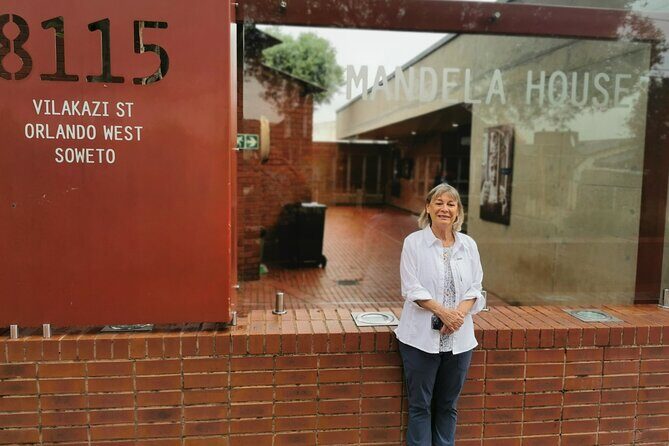
Your first main stop is Mandela House. After being dropped off, you handle the entry fee on-site and then join a guide for the visit. The cost listed for the Mandela House tour portion is R 100, and admission is not included in the price of the tour.
What I like about this setup is that it avoids a common mistake: arriving cold at a major site with no introduction. You’ve already gotten township context on the drive, so you know what questions to ask. And once you’re on location, the visit is guided, which helps you connect the physical spaces—rooms, layout, and artifacts—with the bigger story of Mandela’s life and influence.
Time-wise, you’ll spend about 30 minutes here, including the stop itself. In real terms, it’s enough time to see the key parts without feeling rushed across everything.
The Apartheid Museum: when it’s open and why time limits help
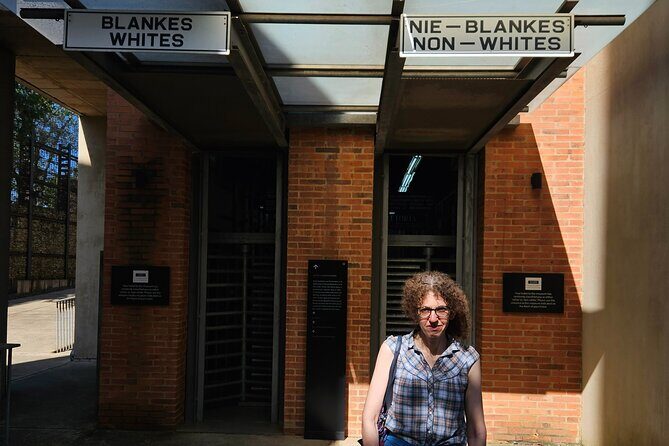
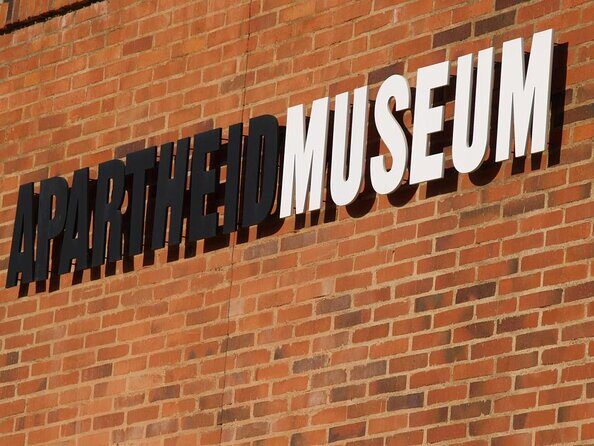
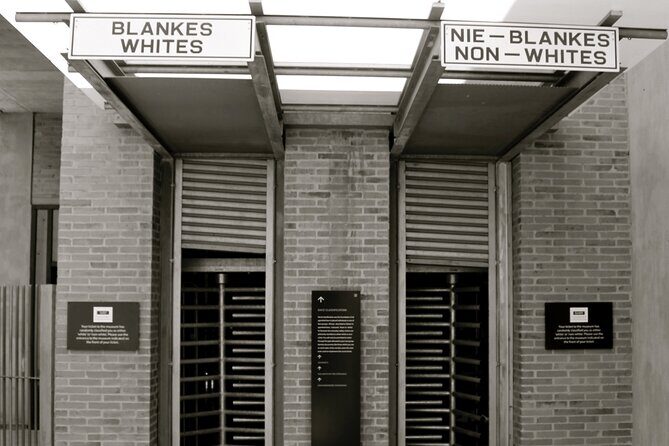
Next up is the Apartheid Museum, widely regarded as the big Johannesburg stop for understanding the machinery of Apartheid. The day is planned around your museum window: you’ll have up to 3 hours to walk through and take it in, and the museum admission is not included (listed as R 150).
There’s one timing rule you must respect: the museum is only open Wednesday to Sunday. If your travel dates fall on Monday or Tuesday, this is the moment where your whole day needs adjusting. So if you’re booking, check your calendar first—don’t assume Johannesburg museums run every day.
Why does the max 3-hour limit matter? Because it helps prevent the “lose your whole afternoon” trap. The museum content is intense, and it’s easy to keep going until you’re mentally exhausted. A structured time block keeps the visit productive: you get a meaningful experience, but you still have energy left for Constitution Hill later.
Also, this is where interpretation counts. You’ll get a run-down on what to expect during the ride, so you can focus while you’re inside—less wondering, more understanding.
Constitution Hill Human Rights Precinct: prison history and the modern constitutional story
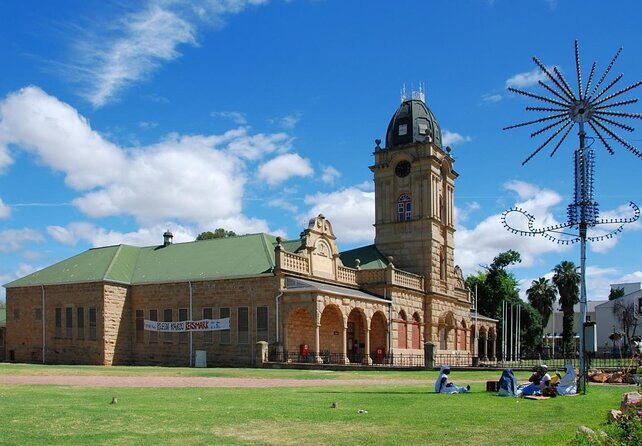
After Soweto and the museum, the day turns toward legal rights at Constitution Hill Human Rights Precinct. This is one of my favorite kinds of sites: a place where you can physically see how incarceration shaped politics—and then contrast that with the hopeful promise of a new constitution.
You’ll visit the prison sites where famous politicians including Mandela and Gandhi spent jail time. The visit also includes viewing the Old Fort and Ladies Prison, plus the newer Constitutional Court. The cost listed for this portion is R 90 per person, and admission is not included.
This stop is scheduled for about 1 hour on the tour. That might sound short, but for a precinct with multiple sections and emotional weight, one hour is often the sweet spot. It keeps the day from dragging while still giving you the key spaces that define the site’s message.
As you move through, don’t try to “solve” the whole history in one visit. Instead, let the contrast guide you: old systems of control on one side, and the stated intent of constitutional rights on the other. It’s the kind of reflection that sticks longer than a checklist of dates.


What you see while driving: CBD views, gold mine dumps, and fast context
Between the anchor sites, you’ll also get extra context from passing viewpoints around Johannesburg’s central business district and corporate areas. The route includes a pass by stock market and major corporate head offices, plus huge gold mine dumps and Anglo American Gold-related offices.
You might not stop to walk here (the tour is built around the timed admissions), but these drive-by moments matter. Johannesburg’s economy has always been tied to mining, and that influence is part of the broader story of why Apartheid policies were so deeply rooted in labor and power. Even a quick look helps you connect the dots when someone explains the bigger system behind the scenes.
If you want your day to feel efficient without feeling shallow, this kind of context is the difference.
Comfort and control: Wi‑Fi, A/C, translation, and the guide’s role

Here’s what makes this feel like a high-value private tour: you don’t lose energy negotiating transport. You ride in an air-conditioned vehicle with Wi‑Fi on board, which is a relief in South Africa’s heat and sun.
Then there’s the communication side. The tour includes a guide and says translation into any language, which is a big deal if you want to actually understand what you’re being told rather than rely on a quick audio guide that you can’t pause and ask questions about.
From the experiences shared with this tour, one consistent theme is that Shane balances knowledge with real conversation. He’s described as patient and fun as he works at your pace, and he adjusts when the group needs flexibility. In at least one instance, he also helped with a participant who had walking challenges, showing that the plan can bend when it needs to.
And in another real-world example, Shane added a detour to a soccer stadium and made a quick stop in Chinatown. Those aren’t guaranteed parts of the core lineup, but they fit the broader pattern: if time allows and it’s safe and appropriate, he’ll look for meaningful extras rather than keeping you locked into a rigid checklist.
Price and value: $75.03 plus entry fees, and what that buys
The tour price is listed as $75.03 per person. That covers the parts you’d struggle to DIY efficiently: private transportation, a guide, Wi‑Fi, air-conditioning, and translation.
What it does not cover is admissions. You should budget for the on-site costs listed for:
- Mandela House: R 100
- Apartheid Museum: R 150
- Constitution Hill: R 90
So you’re really paying for a guided, timed “story day,” not just a car. When you total the admissions listed, you’re looking at R 340 in entry fees for the main sites. The value question is simple: if you want guided interpretation and a structured day, this is usually a good trade. If you’re trying to do it independently, you’ll spend more time figuring out transport and timing between these exact points.
Also worth noting: the experience is described as often booked about 73 days in advance on average. That tells me it’s popular and time slots can fill—especially around museum access days. If you have fixed travel dates, don’t procrastinate.
How long should you plan for?
The tour is listed at 3 to 6 hours (approx.). The itinerary hints at why: 30 minutes at Mandela House, up to 3 hours inside the Apartheid Museum, and about 1 hour at Constitution Hill, with driving and orientation filling in the rest.
In plain terms, plan for a half-day or early-to-midday outing. If you have a flight or a strict return deadline, build in a buffer. Even when the plan is solid, museum pacing and emotional heaviness can affect how long you want to linger.
Who this tour is best for
This fits best if you:
- Want a safe, efficient way to see Soweto and the major Apartheid-era landmarks in one day
- Prefer guided explanation over reading everything alone
- Are short on time and don’t want to stitch together multiple taxi rides and bus transfers
- Want your day to feel organized while still allowing some flexibility
It may feel like a lot if you’re easily overwhelmed by heavy political content. But if you’re ready for that reality—and you want to understand it in context—this is one of the most logical ways to do it in Johannesburg.
If you’re traveling with friends or family who have different interests (history, politics, human rights, architecture of institutions), the mix of Mandela House, the Apartheid Museum, and Constitution Hill gives something for everyone.
Should you book this Soweto and Apartheid-era day?
I’d book it if your goal is a focused Johannesburg day with minimal logistics stress. The transport + guide combo is the key advantage. You get a clear arc: Soweto context, Mandela House, the Apartheid Museum’s explanation of the system, and then Constitution Hill’s legal human-rights message.
Skip it or reconsider only if:
- Your dates include a day when the Apartheid Museum is closed (it’s only open Wed–Sun), or
- You hate touring with set time limits and want total freedom to wander for as long as you want inside each site.
If those don’t apply, you’ll likely appreciate the way the day is structured around understanding, not just checking boxes—especially with a guide like Shane Gouldie who brings both information and a sense of respect to the experience.
FAQ
What stops are included in this Johannesburg private tour?
The main stops are a drive and orientation through Vilakazi Street (including the Mandela and Tutu area), Mandela House, the Apartheid Museum, and Constitution Hill Human Rights Precinct. The route also includes drive-passes through parts of Johannesburg’s central business district and gold mine dump areas.
Is this tour private or shared?
This is a private tour/activity. Only your group participates.
How long is the tour?
It’s listed as about 3 to 6 hours total.
What’s included in the price?
Included items are Wi‑Fi on board, an air-conditioned vehicle, a guide, and translation into any language. Pickup is offered as well.
Are admission fees included?
No. Admission fees for Mandela House, the Apartheid Museum, and Constitution Hill are not included in the tour price, and you pay them separately.
When is the Apartheid Museum open?
The Apartheid Museum is open Wednesday to Sunday.
Does the tour include guided time at the sites?
Yes. You have guided tours at the stops, including Mandela House and the other major precinct/site visits, with time set aside for each location.
What is the cancellation policy?
Cancellation is free up to 24 hours in advance of the experience’s start time for a full refund.
Can the guide adjust the pace?
The tour is designed to be guided and flexible in how you spend time at the stops. For example, Mandela House and the museum time are time-set, but the experience is described as going at your group’s pace.