REVIEW · PORT ELIZABETH
Cape Recife, Lighthouse and 4×4 Grysbok Reserve – HD14
Book on Viator →Operated by Alan Tours · Bookable on Viator
Cape Recife feels like the edge of the map, but in a good way. This half-day tour blends lighthouse access with coastal nature and local stories at Algoa Bay’s entrance. I love how the day is built around real places, not just scenic stops.
Two things I really like: you get a guided tour with the entrance and conservation fees handled, and you’re taken to the Cape Recife area where the views can be dramatic. I also like the small-group feel (up to 8 people), so you’re not just herded from point to point.
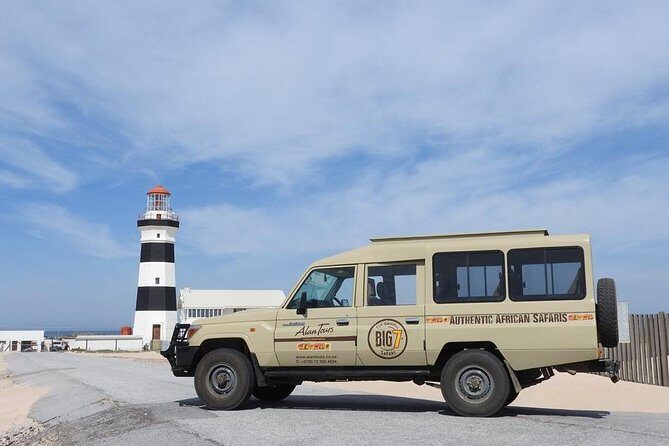
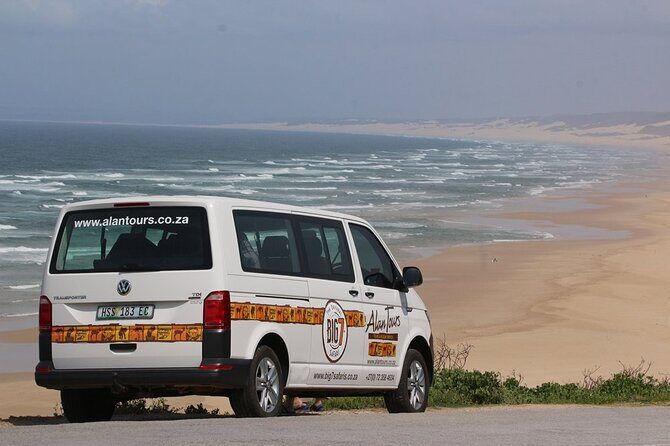
One thing to consider is that the vehicle type can’t be guaranteed. They try to allocate 4×4 Landcruisers, but you might end up in another vehicle if 4×4 seats fill first.
In This Review
- Key highlights at a glance
- Why Cape Recife Lighthouse access is the whole point
- The 4-hour plan: a tight route with real variety
- Stop 1: Cape Recife Lighthouse Villa and what you should pay attention to
- The Grysbok Reserve 4×4 segment: the point where the day turns fun
- Conservation and local context: why the guide style matters
- Views, whales, and ocean mood: how the coast can steal the show
- Price and value: is $93.68 a good deal?
- Pickup, timing, and the small-group feel that keeps it pleasant
- Who should book this tour?
- Who might want to think twice?
- Quick FAQ for Cape Recife Lighthouse and Grysbok Reserve
- FAQ
- Is pickup included?
- How long is the tour?
- Do I get to go inside the Cape Recife Lighthouse?
- What’s included in the price?
- Will I definitely be in a 4×4 vehicle?
- Can I get a refund if plans change?
- Should you book Cape Recife Lighthouse and Grysbok Reserve?
Key highlights at a glance
- Inside access to Cape Recife Lighthouse with a guide, not just an outside photo stop
- Up to 8 travelers, so you get more attention and questions answered
- 4×4 time near Grysbok Reserve, designed for getting off the main paths
- Small dose of wildlife and ocean scenery, with big sky and wind off Algoa Bay
- Guides that connect nature to local history, with conservation kept practical
Why Cape Recife Lighthouse access is the whole point

Most coastal lighthouse stops are basically a viewpoint and a photo. This tour is different because the experience is designed to get you inside the Cape Recife Lighthouse with a guide.
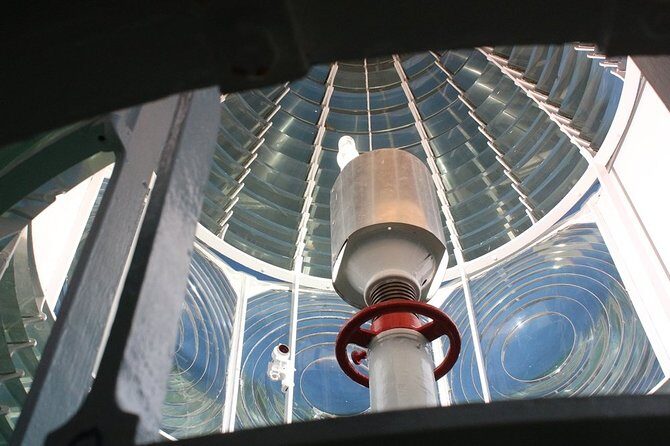
That matters because lighthouses aren’t just “towers near the sea.” They’re technology, work, and coastal safety—plus a slice of local maritime history. With guided access, you’ll spend less time guessing what you’re looking at and more time understanding why the lighthouse is there, how it fits the coastline, and what makes the Cape Recife area special.
The other reason I like this lighthouse-focused approach is the timing. Starting in the morning usually gives you better light for looking out over Algoa Bay and the surrounding coastline, where weather can shift quickly along the shore.
You can also read our reviews of more tours and experiences in Port Elizabeth.


The 4-hour plan: a tight route with real variety
This is an about-4-hour excursion (starting at 9:00 am) that mixes three ingredients: a lighthouse visit, coastal viewpoints, and a 4×4 nature-leaning segment at Grysbok Reserve. The route is short enough to feel efficient, but varied enough that you don’t end up repeating the same kind of scenery for hours.
You’re also not stuck with a huge crowd. With a maximum of 8 travelers, it stays easy to hear explanations and keep your attention on what’s around you—especially when the driver-guide is describing how the land and sea connect.
It’s worth knowing that the tour uses an air-conditioned vehicle, and bottled water is included. That’s not glamorous, but in South Africa’s coastal conditions it helps you stay comfortable so you can actually enjoy the stops.
Stop 1: Cape Recife Lighthouse Villa and what you should pay attention to
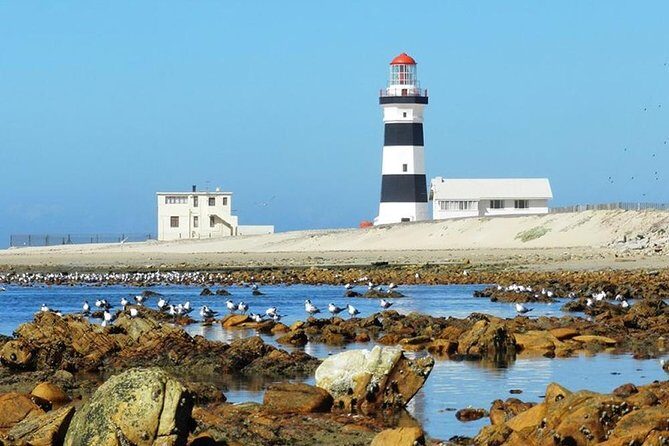
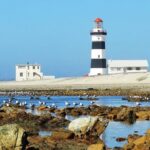
Your first stop is Cape Recife Lighthouse Villa, and this is where the “only guide that gets you inside” promise becomes real. If you care about lighthouses, maritime infrastructure, or simply want a stronger story than what you can read from a distance, this is the core moment.
What you should focus on during the visit:
- How the lighthouse operates as part of the coastline (why it’s positioned where it is and what it’s meant to help with)
- What the surrounding area looks like from the interior and viewing points, because the coast reads very differently from up close
- The guide’s historical context, which helps the structure feel connected to Port Elizabeth and Algoa Bay instead of isolated
There’s also a practical upside: once you’ve started with the lighthouse, the rest of the tour feels like it’s “supplementing” the main idea rather than competing with it. You’re primed to look for how the ocean, cliffs, and winds shape the whole Cape Recife feel.
From the reviews, people highlight how the views from the lighthouse can be spectacular, and that’s exactly why the interior access is worth it. You’re not only seeing the structure—you’re getting a better handle on the seascape it watches.
The Grysbok Reserve 4×4 segment: the point where the day turns fun
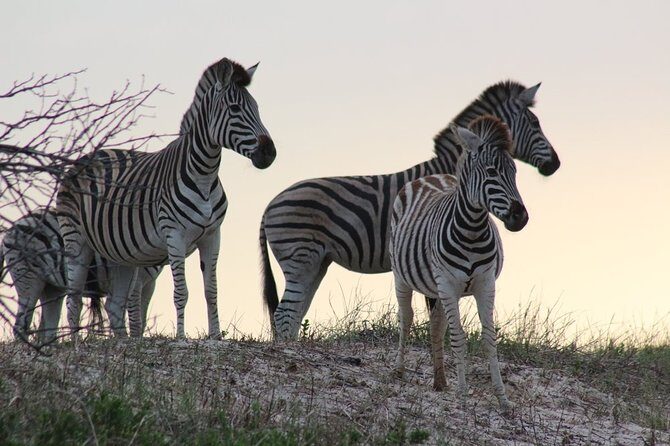
After the lighthouse stop, the tour shifts to the 4×4 experience connected with Grysbok Reserve. This is where you trade smooth-road scenery for a more “out there” feeling—more texture, more tracks, and a sense of moving through habitat instead of just driving past it.
Here’s what you can realistically expect from a nature reserve 4×4 component:
- A higher chance of spotting wildlife activity or signs than you’d get on a paved viewpoint
- More uneven terrain, meaning the ride can feel a bit more “adventure” than standard city driving
- More time spent listening to your guide, because they’ll help you interpret what you’re seeing
The tour’s own note matters here: they attempt to allocate 4×4 Landcruisers to these tours as soon as possible, but it’s not guaranteed. If you’re traveling specifically for the 4×4 angle, that’s the one detail you should double-check when you book.
Still, even if you don’t get the exact vehicle you hoped for, the reserve focus and guide-led interpretation are the heart of the segment.
Conservation and local context: why the guide style matters
One review theme shows up again and again: people appreciate guides who connect the scenery to conservation. That’s not just a feel-good add-on. In a coastal reserve area, conservation knowledge helps you understand why certain areas are protected and what the ecosystem needs.
A named guide you may encounter is Graemel (spelled that way in one review). The comments describe him as communicative and strong on explanation, and that fits the tour’s format: small group, short day, and multiple stops that need guiding to make sense.
What you’ll likely gain from the way these tours are led:
- A clearer sense of how humans and wildlife share the Cape Recife/Algoa Bay space
- A better understanding of the historical background that shaped the lighthouse and coastal use
- Practical conservation framing that feels connected to what you’re seeing, not just a lecture
If you’re the type of traveler who likes to leave with something you can repeat—facts, stories, context—this is the tour format that supports that.



Views, whales, and ocean mood: how the coast can steal the show
Even though this is not marketed as a wildlife guarantee, Port Elizabeth’s coastline has a habit of producing surprise moments. One review mentions seeing humpback whales breaching in the distance from the lighthouse area.
That’s not something you can schedule, but it does tell you something important about the setting: when conditions are right, the sea is active, and you’re positioned to notice it.
For your planning, the takeaway is simple:
- Dress for wind and changing light.
- Bring a camera even if you think you’re not a camera person.
- Be ready to pause and look, because the best moments at coastal stops often come when you stop rushing.
This is the type of tour where the ocean has a personality. The sky can shift fast, and the guide’s job includes helping you spot what’s worth watching.
Price and value: is $93.68 a good deal?
At $93.68 per person for an around-4-hour guided outing, the value mostly comes from three things: guided access, entrance/conservation fees included, and the small group size.
If you tried to do a lighthouse stop on your own, you’d still likely need a guide or transport planning to get the same level of storytelling. Here, that work is bundled.
You also get:
- A professional guided experience
- An air-conditioned vehicle
- Entrance/conservation fee covered
- Bottled water included
And the group size cap (maximum of 8) helps you feel like it’s less of a public bus tour and more of a guided morning out.
The one value-risk is the vehicle uncertainty for the 4×4 part. If you’re set on the Landcruiser experience, that’s the only “could be different” factor you should keep in mind when deciding.
Pickup, timing, and the small-group feel that keeps it pleasant
Pickup is offered, and the tour starts at 9:00 am. Morning departures tend to help you avoid late-day fog or crowds, and they also make the day feel like a clean, single block.
You’ll also enjoy the max-8 setup more than you might expect. When the group is small, it’s easier to:
- hear explanations without straining
- stop for quick questions
- move through each stop without long delays
One more practical note: the tour requires a minimum of 2 persons, and single travelers are welcome but face a single supplement. If you’re traveling solo and this is a must-do, it can still be a good fit—you just want to factor that added cost into your budget.
Who should book this tour?
This is a strong choice if you want a guided, coastal-focused half-day that includes an actual “special access” element. I’d especially recommend it if you:
- care about lighthouses and want more than a viewpoint
- like nature reserves but don’t want a full-day hike
- enjoy guides who tie the scenery to conservation and local history
- want a small-group experience out of Port Elizabeth
It’s also a good option if you’re short on time. Four hours can be the perfect slot to cover lighthouse + nature without turning your whole trip into driving.
Who might want to think twice?
This tour may not be ideal if:
- You’re primarily chasing the idea of a specific vehicle model. The 4×4 Landcruiser is attempted but not guaranteed.
- You need a long, unhurried wildlife experience. This is short and stop-based, so you’ll enjoy moments rather than spend the day searching.
- You’re very sensitive to coastal weather changes. The area can be windy and bright, so layers help.
In other words: the route is balanced and efficient, but it’s not built as a day-long safari.
Quick FAQ for Cape Recife Lighthouse and Grysbok Reserve
FAQ
Is pickup included?
Pickup is offered, but you’ll want to confirm the exact pickup details when you book.
How long is the tour?
It’s about 4 hours.
Do I get to go inside the Cape Recife Lighthouse?
Yes. This tour is specifically described as being the only guided option that gets you inside the Cape Recife lighthouse.
What’s included in the price?
The price includes a professional guided tour, an air-conditioned vehicle, the entrance/conservation fee, and bottled water.
Will I definitely be in a 4×4 vehicle?
No. The 4×4 Landcruisers are allocated as soon as possible, but the vehicle type can’t be guaranteed since seats are allocated on a first come, first served basis.
Can I get a refund if plans change?
No. This experience is non-refundable and cannot be changed for any reason.
Should you book Cape Recife Lighthouse and Grysbok Reserve?
If lighthouse access is on your “must” list, I’d book this. The combination of inside lighthouse time, guided interpretation, and a 4×4-style nature component makes it feel like you’re getting more than a basic coastal drive.
The main thing to weigh is the vehicle uncertainty. If getting the exact Landcruiser ride is crucial for you, consider that while deciding. If you’re flexible about that and you mainly want the lighthouse plus a guided nature outing, this looks like a very solid morning in Port Elizabeth.