REVIEW · CAPE TOWN
Cape Town: Garden Route and Addo Elephant Park 6-Day Safari
Book on GetYourGuide →Operated by Earthstompers Adventures · Bookable on GetYourGuide
Whales, elephants, and adventure in one week. This 6-day Garden Route and Addo trip is a friendly mix of active nature time and big wildlife moments, all starting from Cape Town and ending with an Addo safari. You’ll move through classic stops like Hermanus, Knysna, Tsitsikamma, and Mossel Bay, with accommodation, transport, and most meals handled along the way.
I especially love the hands-on Wilderness National Park canoe + waterfall hike, and the long stretch of time inside Addo Elephant National Park where you actually get to watch animals, not just pass by them. The guides also seem to matter a lot here; names like Gareth, Marc, Christine, Mark, and Cindy pop up again and again, often described as energetic, funny, and helpful with local tips.
One thing to consider: this is a moving tour with frequent get-in/get-out moments, hiking, and a fair amount of driving, so it’s not the right choice if you want slow sightseeing or minimal walking.
In This Review
- Key things that make this trip work
- Garden Route and Addo in 6 days: the big picture
- Day 1: Hermanus penguins, then Cape Agulhas’ ocean meeting point
- Day 2: Route 62 wine tasting, then Oudtshoorn’s ostrich world
- Day 3: Wilderness National Park canoeing and a boardwalk to waterfalls
- Day 4: Knysna Heads views, Bloukrans bungee, and Tsitsikamma forests by the sea
- Tsitsikamma hiking: suspension bridge and ocean air
- Day 5: Addo safari morning, then back to Wilderness or Sedgefield
- Day 6: Mossel Bay beach time and the Cape St. Blaize cliff walk
- Price and value: what you’re really buying
- Accommodation reality: backpackers, guesthouses, and why the mix can be a plus
- Guides and group energy: why names keep coming up
- Optional adrenaline add-ons: choose your level
- Who this tour fits best (and who should pass)
- Should you book this Garden Route and Addo trip?
- FAQ
- How often does the tour depart?
- How many people are in the group?
- Where does pickup happen?
- What’s included in the price?
- Are lunches included?
- What optional activities can I add?
- If I book the shark cage option, what changes?
- What meals are included?
- Is it suitable for families or kids?
- Is there free cancellation?
Key things that make this trip work
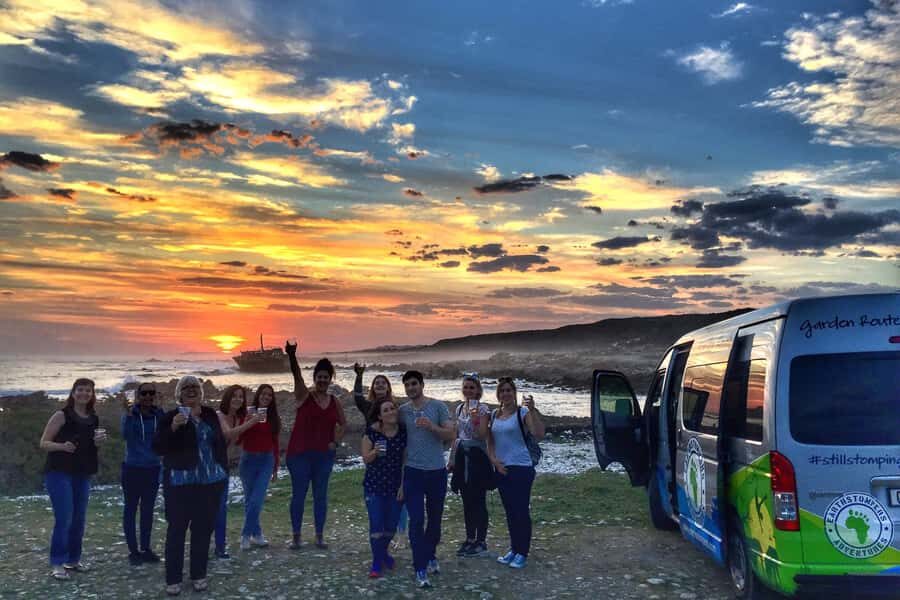
- Wilderness canoeing on the Touw River, then a short boardwalk hike to a waterfall and rock pools
- Addo safari time focused on wildlife spotting in a huge reserve (about 28,000 hectares)
- Classic Garden Route stops that cover whales (seasonal), forests, ocean views, caves, and beaches
- Adrenaline add-ons you can choose, like bungy or a tandem parachute jump
- Small group size (max 12) with a mix of backpacker and guesthouse stays so you get variety without chaos
Garden Route and Addo in 6 days: the big picture
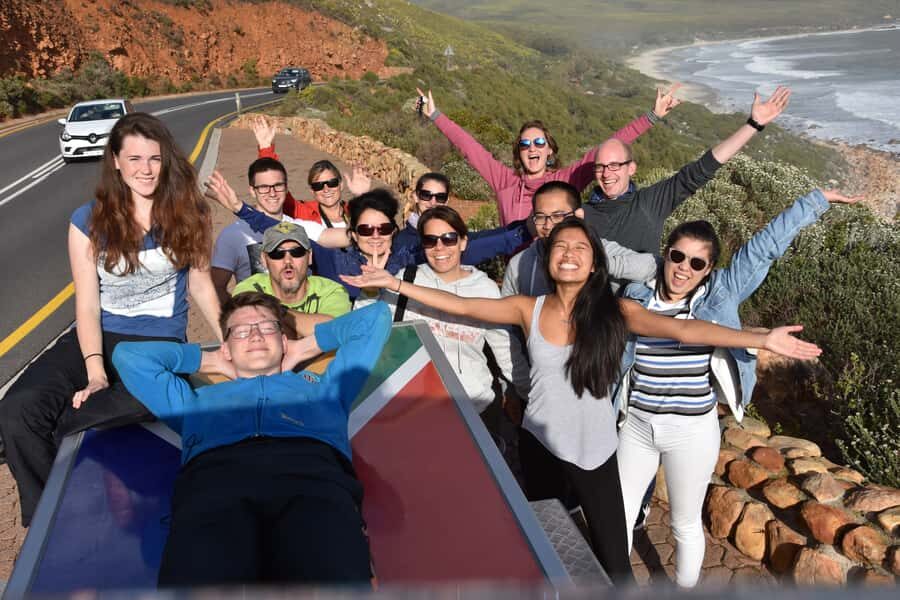
This is built for people who like to keep moving, but not in a frantic way. You’re covering a wide slice of the Western Cape and then shifting gears into the “Big Five” style game-country feel of Addo. If you want one trip that gives you both coast-and-forest days and serious safari time, this format is hard to beat.
The balance here is the point. One day might be penguins and whale-season history at Hermanus. Another day gives you a working-game-farm ostrich tour in the Little Karoo. Then you’re back to hiking, suspension bridges, and beach walks before Addo pulls everything into wildlife mode.
A few more Cape Town tours and experiences worth a look

Day 1: Hermanus penguins, then Cape Agulhas’ ocean meeting point
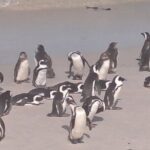
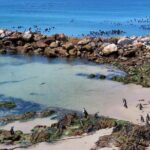
Your week starts along the coast toward Hermanus, with a key stop at Betty’s Bay for a colony of African penguins. It’s a great warm-up because you get wildlife early, and you’re not stuck staring at a bus window all day.
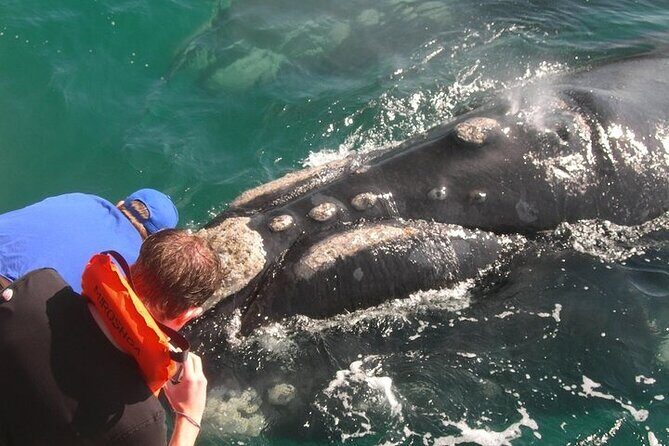
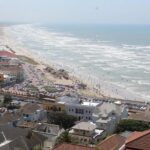
Then you land in Hermanus, famous for southern right whales from July to November. Even if you aren’t there in whale season, the seaside setting and the town’s whale reputation make the stop feel purposeful rather than random.
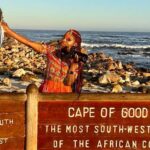
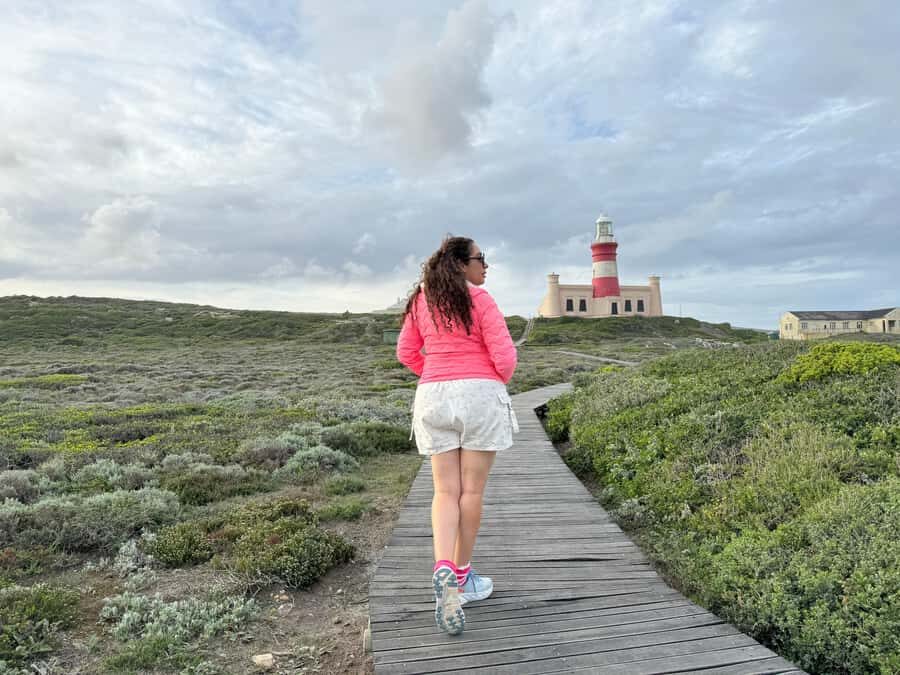
From there, you roll toward Cape Agulhas, the southernmost tip of Africa where the Indian and Atlantic oceans meet. This is one of those geography moments that makes the rest of the trip feel more “real,” because you understand you’re traveling along the edge of continents, not just hopping towns.
Day 2: Route 62 wine tasting, then Oudtshoorn’s ostrich world
Day two is about switching landscapes from coastline to the Little Karoo. The drive along Route 62 matters because it’s framed as South Africa’s longest wine route, which turns the journey itself into part of the experience.
You’ll stop for lunch and a local wine tasting before checking into accommodation on a working game farm. That working-farm detail is important. It’s not just a viewing stop; it’s tied to how the area produces and manages wildlife and food.
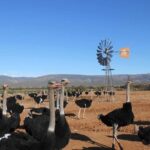
At sunset, you join an ostrich-farm tour, with views of the Outeniqua and Swartberg mountain ranges in the background. It’s also a good contrast to Addo later in the week: one place where animals are managed for people to learn, and another place where animals are wild and you’re the visitor.
Day 3: Wilderness National Park canoeing and a boardwalk to waterfalls
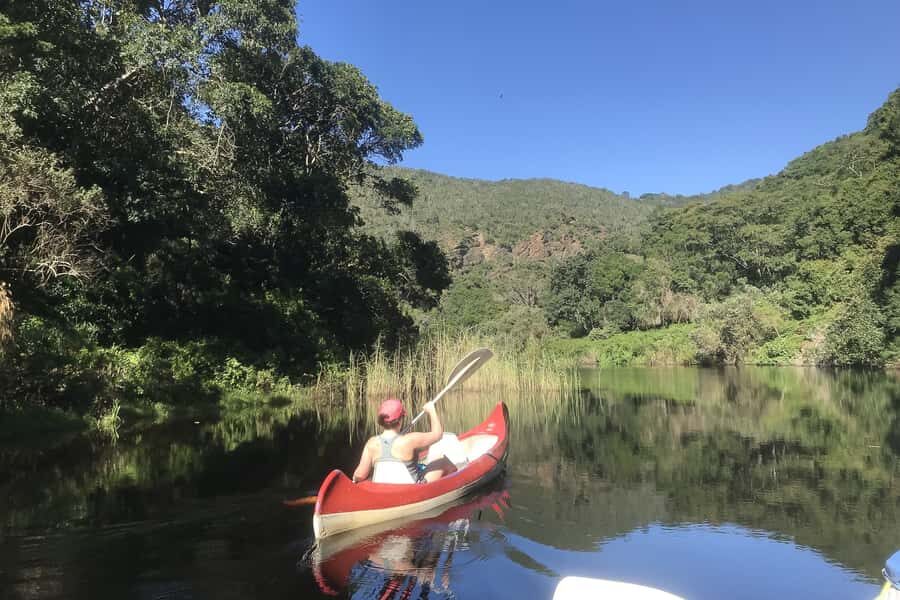
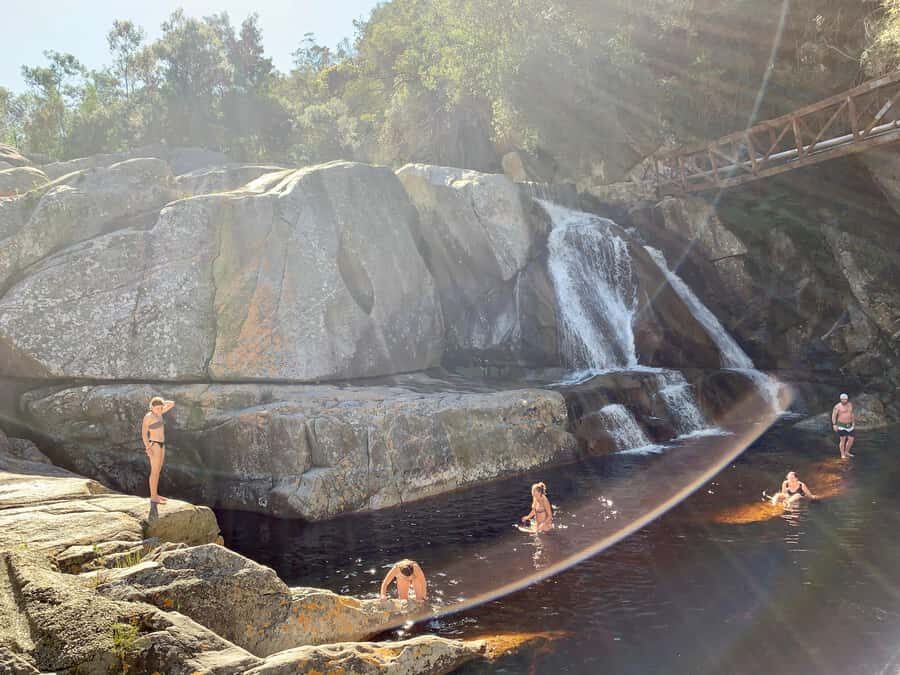
This is one of the most praised parts for a reason. You start with canoeing in Wilderness National Park up the Touw River through indigenous forest, with lots of bird life along the way.
The timing is built around a good pace: about 40 minutes paddling, then you switch from canoe to feet. After that, there’s a 2 km boardwalk hike to a waterfall with rock pools. That combination keeps the day from feeling like a single long activity. You get water time, then a land-walk reward.
By late afternoon you’re in Sedgefield, which gives you breathing room with views and beaches. After a morning of moving your body, this is the kind of town stop that lets you cool down and reset without feeling like you wasted the day.
Day 4: Knysna Heads views, Bloukrans bungee, and Tsitsikamma forests by the sea
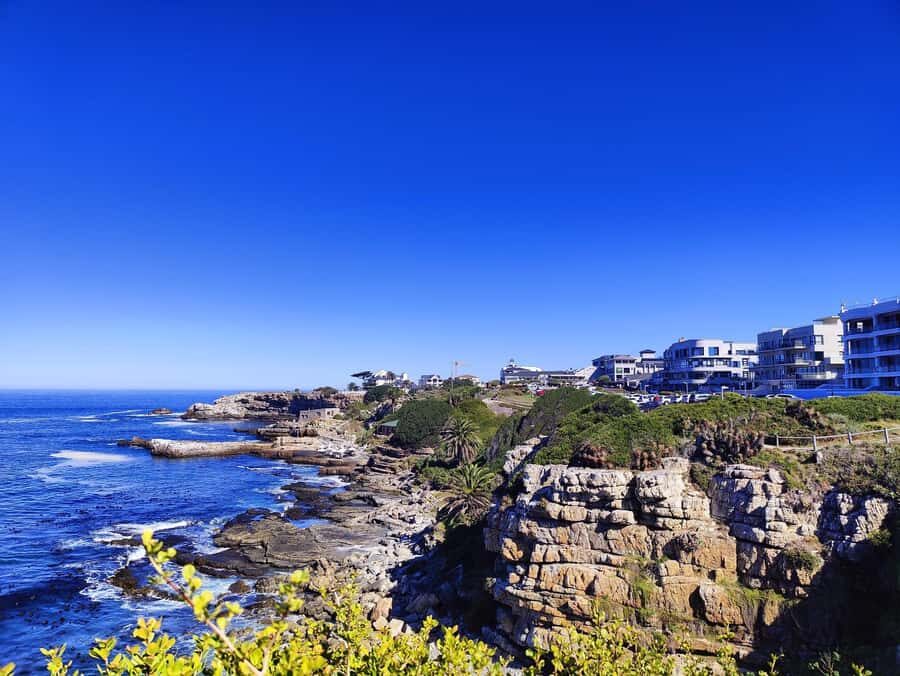
Day four is a strong “Garden Route icons” day. You head to Knysna via the area known as the Lake District of the Garden Route, then stop at Knysna Heads Viewpoint for sweeping ocean-and-river perspectives.
Then comes Bloukrans Bridge, famous for the world’s highest bungy-jump bridge. You can watch, and you can choose the adrenaline option if that’s your style. Either way, the stop adds energy to the day and keeps you thinking beyond just scenic overlooks.
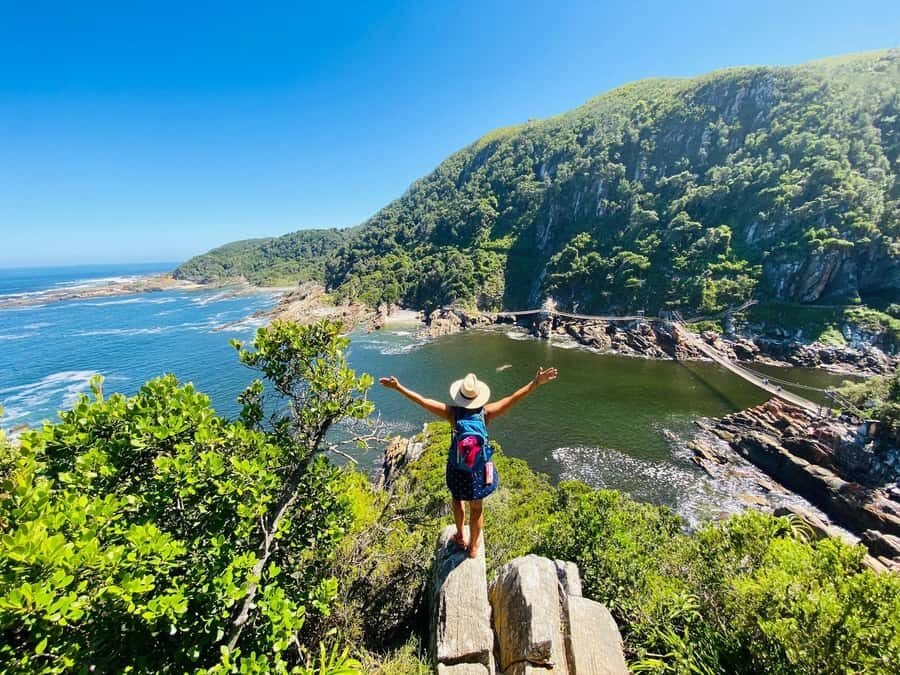
After lunch you get to Tsitsikamma National Park. This park is where the coast turns dramatic: indigenous forest meets Indian Ocean coastline. You’ll have options like hiking, crossing a suspension bridge, and even swimming, depending on conditions.
Then you leave the Garden Route behind and start moving into Addo country. That handoff matters. It helps you avoid the “too many similar coast stops” problem, because your final days pivot to safari life.
A few more Cape Town tours and experiences worth a look
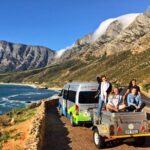
Tsitsikamma hiking: suspension bridge and ocean air
Tsitsikamma is the kind of place where the “effort to reward” ratio works well. You’re not just walking in a park; you’re moving through forest with ocean nearby, and the suspension-bridge crossing makes you feel like you’re earning your views.
What I like about this segment is that it gives choices. If you want a steady hike, you can do that. If you want more action, there’s swimming and bridge time. Either way, it keeps the day flexible, which helps if weather shifts or energy levels change.
Day 5: Addo safari morning, then back to Wilderness or Sedgefield
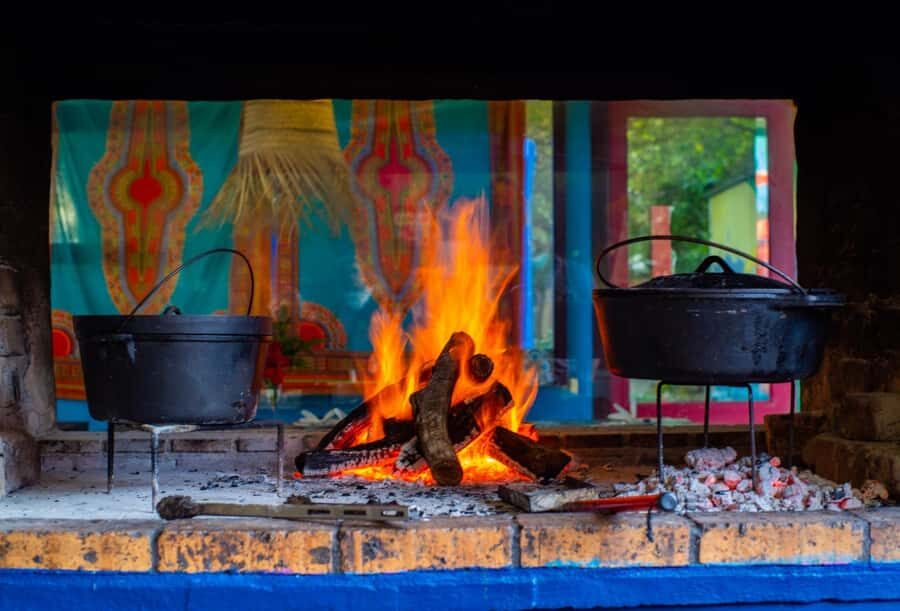
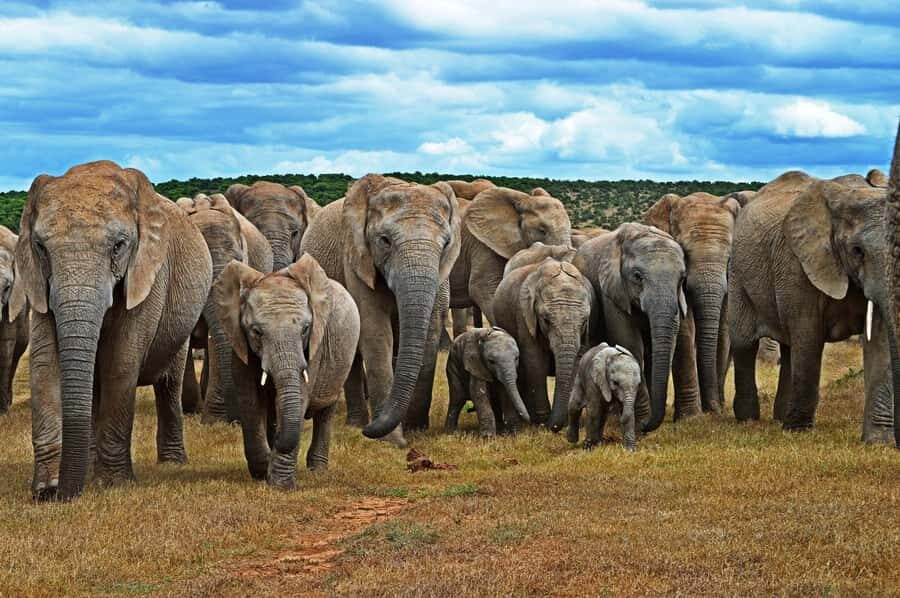
This is the big wildlife day, and it’s structured so you don’t feel rushed. You get up to 2–3 hours in Addo Elephant National Park, which covers about 28,000 hectares. The park is home to roughly 600 elephants, and your job is to watch carefully and stay patient for the animals to come close.
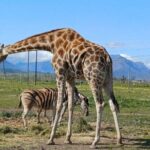
This is where the tour’s value shows. A lot of South Africa experiences are either “drive through scenic places” or “very short safari.” Here you get a proper block of time inside Addo, and the wildlife list is the real promise: elephants, plus buffalo, lions, rhinos, warthogs, and more.
After the morning game drive, you head back to the Garden Route area for overnight in Wilderness or Sedgefield. That matters because it keeps the rhythm from turning into a full-on safari-only trip. You get the contrast: animal intensity in the morning, then coastal decompression at night.
Day 6: Mossel Bay beach time and the Cape St. Blaize cliff walk
The final day starts gently with Mossel Bay. You get some beach time, which is a smart move after a safari day. It helps your legs recover and gives you a normal travel-feeling finish.
Then you hike Cape St. Blaize along the seaside cliffs. Even if you’re not chasing “hardcore hiking,” that cliff-path style walk is a good way to end with ocean views and a sense of motion that fits the week.
You’ll also visit the Diaz Museum complex, tied to first known European exploration around the tip of Africa. It’s not just a “look at a building” stop. The museum helps explain why this part of the coast matters historically, which adds context to the geography you saw earlier at Cape Agulhas.
For people who want one last burst of adrenaline, there are optional activities like a 10,000-foot tandem parachute jump or sandboarding on the longest dune in South Africa. If you do these, build in time and keep expectations realistic. You’ll want to stay practical about your body and energy for the flight and the landing day.
Price and value: what you’re really buying
At around $852 per person for 6 days, the best way to judge value is by what’s included and how tightly it’s packed. You’re getting:
- Transport in an air-conditioned vehicle
- 5 nights accommodation, with backpacker and guesthouse options
- 4 breakfasts and 4 dinners
- Several high-impact activities: canoeing and hiking in Wilderness, wine tasting, guided cave touring, ostrich farm tour, Tsitsikamma hiking, and Addo safari time
- Entrance to major highlights like the southernmost tip of Africa and Cango Caves
- A community support contribution to local charitable projects
In other words, it’s not just scenery with extra ticket lines. A lot of the cost covers guided activities and getting you to places you’d be slow to arrange on your own—especially the combination of Garden Route stops plus Addo.
One more value point: the group size is capped at 12, which tends to make stops feel more organized than big-bus tours. It also makes it easier to keep track of timing for hikes, meals, and animal-spotting windows.
Accommodation reality: backpackers, guesthouses, and why the mix can be a plus
Accommodation is where this trip can feel surprisingly flexible. You can choose backpackers or guesthouses, and the price varies by your selection.
From the feedback I’d take seriously, backpacker stays often sound better run than many people expect. Some guests specifically liked the standard of their single rooms with bathroom access in backpacker settings. Guesthouse nights also get positive notes for location and views, including beach-adjacent stays.
So if you’re price sensitive, this isn’t just “cheapest bed wins.” It’s a structured way to keep your budget under control while still sleeping in places that don’t feel like punishment after a long day.
Guides and group energy: why names keep coming up
A tour like this lives or dies by the guide’s rhythm. The pattern in the feedback is clear: people give high marks to guides for energy, humor, and smooth problem-solving.
Names that show up include Gareth, Marc, Christine, Mark, Cindy, Ferne, Rochelle, and Pieter. One common theme: guides helped people enjoy both the major highlights and the smaller in-between moments, like good breaks during long drives and practical local advice.
If you like a tour where someone explains what you’re seeing and keeps everyone moving on time, this style should suit you. If you want total silence and self-guided wandering, you may find the schedule more structured than you’d like.
Optional adrenaline add-ons: choose your level
The trip includes a set of included activities, but it also leaves room for you to add extra thrills. Optional choices can include:
- Bungy jumping
- A tandem parachute jump (not included)
- Sandboarding
- Seasonal whale and dolphin watching (optional)
- A shark cage experience (optional)
There’s also an important trade-off for the shark cage option: if you book it, you’ll be picked up very early on day 1 by the diving operator and you’ll miss the first half of day 1. If you hate losing mornings, skip that add-on.
Who this tour fits best (and who should pass)
This tour suits people who enjoy active days, don’t mind moving between towns, and are comfortable with frequent get-in/get-out steps. It’s described as best for those who can comfortably walk, carry luggage, and handle short hikes and boardwalk segments.
It’s not suitable for children under 18, and it’s not for people with mobility impairments. For age, one section says people over 65 aren’t suitable, while another says guests up to 65 may be accepted if they’re fit and healthy enough. If you’re on that edge, confirm fit and ask what walking and boarding logistics look like for you.
If you’re traveling solo, this is often a good bet too, because the max 12 group size makes it easier to form a real connection without feeling locked in with strangers all week.
Should you book this Garden Route and Addo trip?
I’d book it if you want a one-week “Greatest Hits” route that still includes real adventure: canoeing and hiking in Wilderness, a serious Addo Elephant National Park wildlife block, and coastal highlights from Hermanus to Mossel Bay. The value comes from included guided activities and the fact that the trip mixes nature, culture/geography stops, and safari without making any single part feel like a checkbox.
I’d skip it if you’re searching for a calm, slow vacation with minimal walking and lots of free time. The week is active and schedule-driven, and long drives are part of the deal when you’re covering this many iconic spots.
If you’re the kind of traveler who likes to trade a little comfort for more places and more stories, this is a strong match.
FAQ
How often does the tour depart?
It departs every Monday, all year round.
How many people are in the group?
The group is limited to 12 participants.
Where does pickup happen?
Pickup is possible from your chosen location in the Cape Town area (central business district, Camps Bay, Sea Point, Green Point, Observatory, and Rondebosch). A specific address and time are confirmed the weekend before.
What’s included in the price?
Air-conditioned transportation, 5 nights accommodation, 4 breakfasts and 4 dinners, guided activities like wine tasting, canoeing/hiking in Wilderness, Cango Caves tour, an ostrich farm tour, Tsitsikamma hiking, and a Wilderness viewing safari in Addo. It also includes a community support contribution.
Are lunches included?
No. Lunches and snacks are not included.
What optional activities can I add?
Optional activities can include bungy jumping, tandem skydiving (parachute jump), sandboarding, seasonal whale and dolphin watching, shark cage diving (shark cage experience), and an open vehicle Addo tour.
If I book the shark cage option, what changes?
If you choose the shark cage diving option, you’ll be picked up very early on day 1 and you’ll miss the first half of day 1.
What meals are included?
You get 4 breakfasts and 4 dinners included.
Is it suitable for families or kids?
No. Children under 18 are not suitable.
Is there free cancellation?
Yes. You can cancel up to 24 hours in advance for a full refund.