REVIEW · CAPE TOWN
Cape Town: Inspiring sustainable change through Street Art
Book on GetYourGuide →Operated by CURIOCITY Travel Experiences · Bookable on GetYourGuide
Cape Town’s walls speak. This Street Art walking tour in Woodstock and Salt River lets you read the city through murals and local creative sub-cultures, with a local expert guiding you through what each piece is saying. I especially like the way the walk blends art talk with real neighborhood context. One thing to consider: it is a genuine walking tour, so plan on moving for the full 150 minutes and wear shoes you trust.
After pickup from reception, you’ll head out on foot and work your way through street-level murals and art spaces that lean gallery-style. Guides such as Dauriq are highlighted for staying both caring and clear while walking you through the Woodstock pieces, which helps if you want art history without the textbook vibe. You’ll also hear about artists and the techniques they use to communicate.
For $48 per person, you’re paying for the guided experience plus transfer, not food or drinks. Bring a camera and biodegradable sunscreen, and remember to ask before taking photos of people you encounter on the street.
In This Review
- Key things I’d focus on before you go
- Why Woodstock and Salt River are the right streets for street art
- Meeting point, transfer, and how the 150-minute walk feels in practice
- What your guide will actually teach: messages and techniques
- Street art as sustainable change, explained in human terms
- Murals, galleries, and what changes when you step away from the street
- Practical tips that make the difference (and save you stress)
- Price and value: is $48 a good deal for 150 minutes?
- Who this tour suits best (and who should think twice)
- Should you book this Cape Town street art walk?
- FAQ
- How long is the street art tour?
- Where does the tour take place?
- Is pickup included?
- What language is the live guide?
- Is the tour wheelchair accessible?
- What should I bring?
- What is included and what is not included?
- Can I cancel or pay later?
Key things I’d focus on before you go
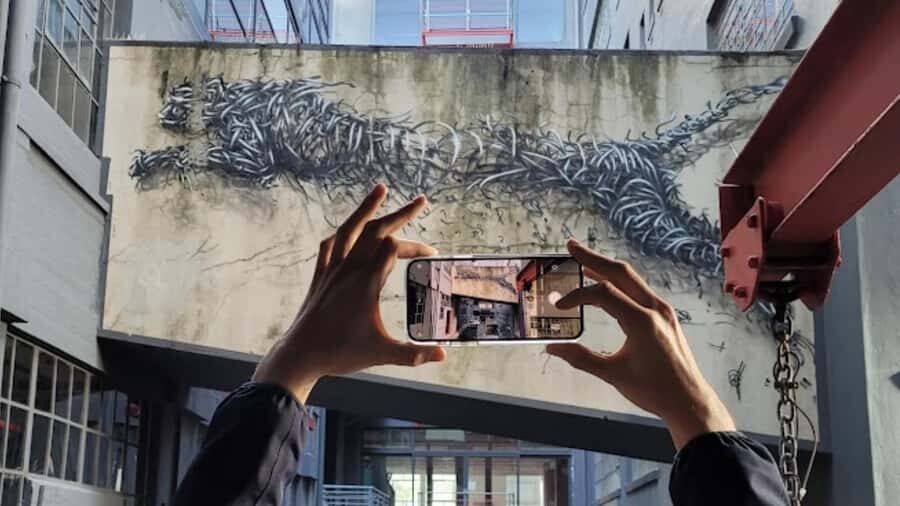
- Woodstock and Salt River street art on foot: a neighborhood walk designed around murals, messages, and visible creative culture.
- Learn the “why,” not just the “what”: your guide explains the messages and techniques behind pieces you see.
- Community connections: you’ll meet locals and get a feel for the creative sub-cultures that shape the area.
- Street walls and gallery-style stops: expect a mix, since the tour is built around street art, murals, and galleries.
- English-speaking guidance: helpful for understanding artist intent and local context without guessing.
- Pickup included: meet at reception, and you’ll be transferred for the start of the walk.
Why Woodstock and Salt River are the right streets for street art
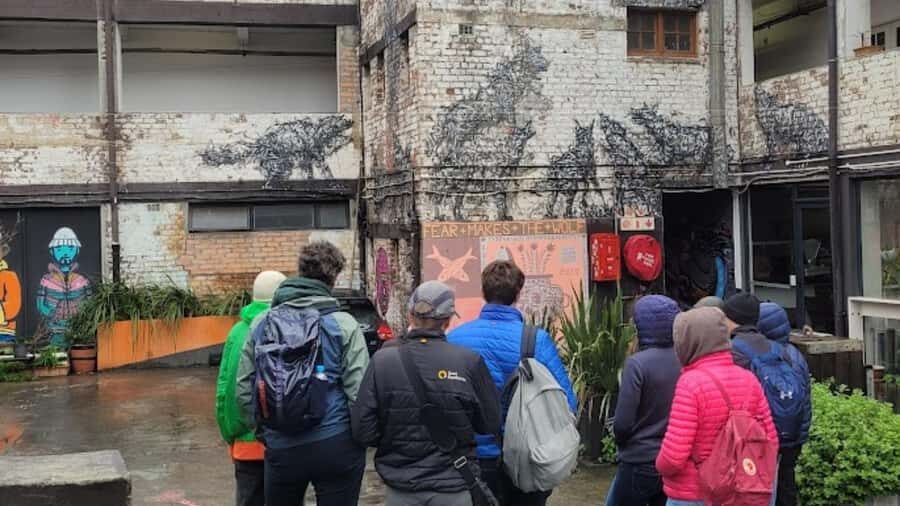
Woodstock and Salt River have the kind of art scene that feels made for walking. You’re not just looking at a mural from a distance like it’s a photo backdrop. You’re seeing how pieces sit in everyday life—on walls you pass by, on corners that feel connected to the people who live and work nearby.
What I like here is that the tour’s promise isn’t just photo ops. The focus is on how street art influences and transforms local communities, which matches the theme of inspiring sustainable change through art. That matters because it changes the way you look. Instead of asking, Is it pretty? you start asking, What is the artist trying to say, and why put this message here?
A few more Cape Town tours and experiences worth a look

Meeting point, transfer, and how the 150-minute walk feels in practice
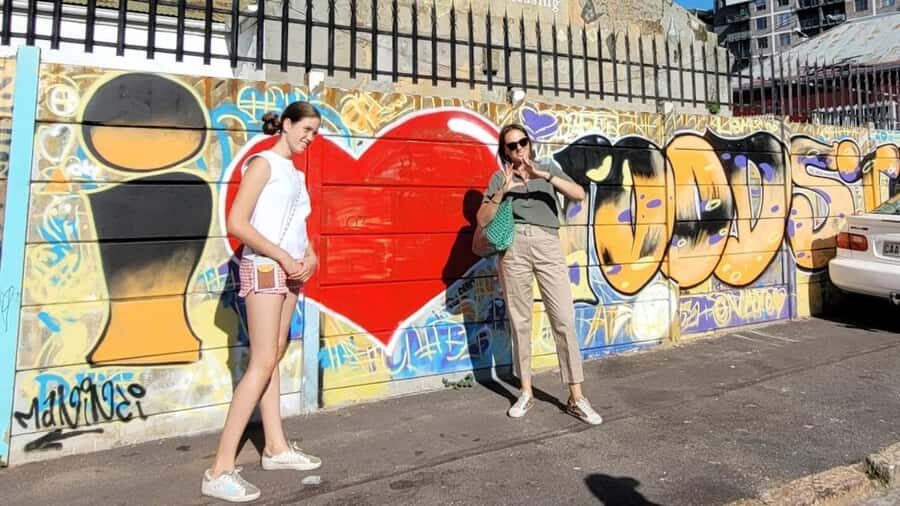
This experience runs for 150 minutes, which is long enough to feel like you really see a neighborhood, but short enough that you can still keep your day moving. You’ll get transfer and you’ll meet at reception, so you’re not left figuring out where to start.
Because it’s a walking tour in local streets, you should assume you’ll spend most of your time on sidewalks and around buildings. That means your schedule is tied to the walk, not to long museum-style indoor time. If you’re the type who likes to pause, take notes, and re-check details, you’ll probably enjoy it. If you want lots of seating breaks and indoor comfort, you might find the pace a bit more active than you expected.
What your guide will actually teach: messages and techniques
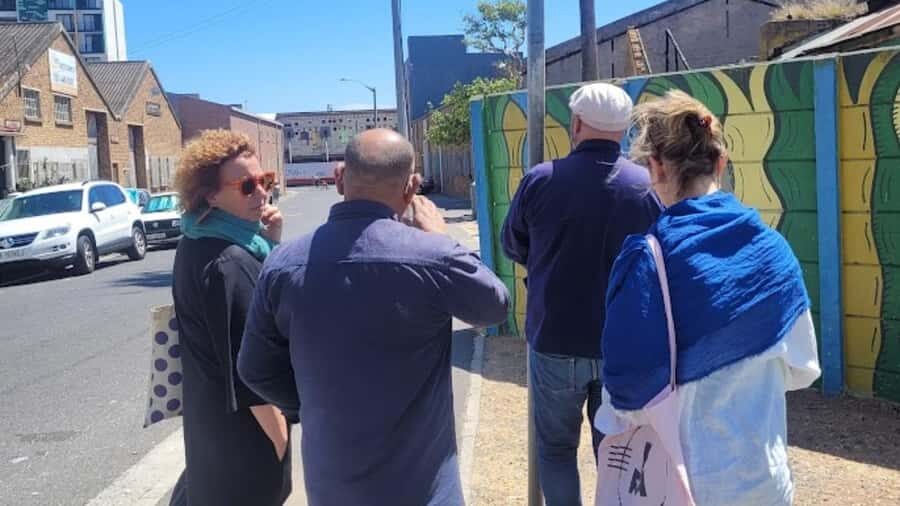
The core value is the guide. This is built around an expert local who knows the pieces you’ll explore, including what the artists are communicating and how they made it. That turns the tour from sightseeing into learning.
Here’s what you can expect the guide to bring to the route:
- Explanations of the artwork’s messages: the point of the mural or piece, and how it connects to life in the neighborhood.
- Discussion of the techniques: how street artists build impact with color, style, lettering, layering, or composition.
- Background on artists: who they are in the broader creative scene and why their work matters in this context.
- Practical street-level context: how the work interacts with the space around it, not just the artwork itself.
What makes this worth it is that you leave with a better “reading ability.” The next mural you see in Cape Town won’t just be a color wall. You’ll notice choices: symbolism, placement, and what the artist is pushing you to think about.
Street art as sustainable change, explained in human terms
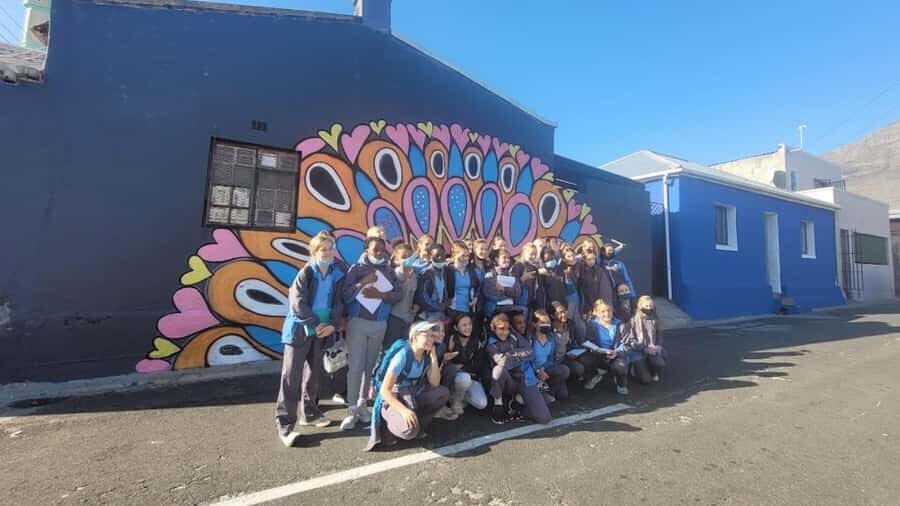
The tour isn’t framed as a lecture about politics. It’s framed as how art shifts conversations and attention. That’s where the sustainable-change angle comes in. When you understand the messages, you realize street art can work like a public bulletin: it can call out problems, celebrate identity, or show community pride where people might not otherwise have a platform.
You’ll also get a sense of why this matters to the people living there. The tour includes meeting locals and exploring creative sub-cultures, so the art isn’t presented as something outside the community. It’s presented as part of it.
Even if you’re not an art expert, you can still appreciate the practical outcome: street art can change what people notice, how they talk, and how they feel about their shared spaces.
Murals, galleries, and what changes when you step away from the street
Because the experience includes street art, murals, and galleries, you’ll likely switch between open-air walls and indoor or gallery-style viewing. That contrast is useful. Outside, you see how art lives in public space—visible from the street and connected to daily movement. Inside, you often get a calmer environment where details can land differently.
I like tours like this because they help you compare. You can see how the same creative mindset operates in different settings. Street art tends to be loud and immediate. Gallery spaces tend to slow you down and emphasize interpretation. The balance here is practical: you get both the street energy and the more reflective art-viewing approach.
If you’re the kind of person who enjoys art but also needs structure, this mix helps. It gives variety without making the day feel like a random hop between unrelated spots.






Practical tips that make the difference (and save you stress)
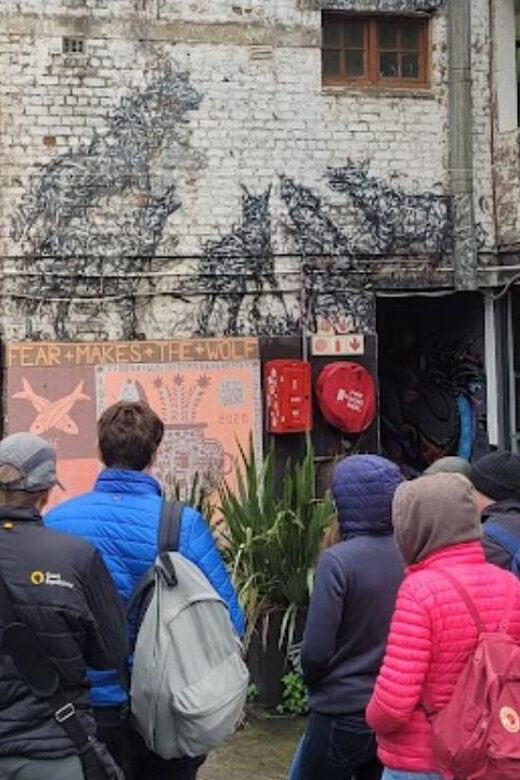
This is one of those tours where preparation pays off fast.
Bring:
- Comfortable shoes (you’ll want grip and support)
- Camera (for the art itself)
- Biodegradable sunscreen (Cape Town sun can be serious)
- Comfortable clothes
One small but important street rule: you’re encouraged to ask before taking photos of people. It’s respectful, and it can also make the moment smoother if someone hesitates.
If you’re thinking about timing: plan this earlier in your Cape Town trip if you can. Once you understand how the city’s street art language works, it’s easier to notice more later—on your own, not just on the tour.
Price and value: is $48 a good deal for 150 minutes?
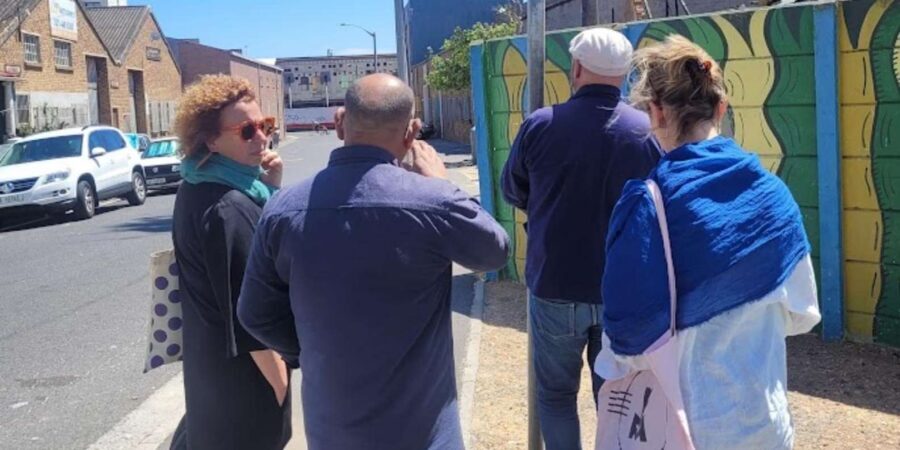
At $48 per person for 150 minutes, you’re paying for three things: a local guided walking experience, transfer, and an English-speaking guide. Drinks, food, souvenirs, and anything personal are not included.
Is it good value? I think yes, if your goal is understanding. You could do street art sightseeing on your own for less, but you’d be missing the artist messages, the technique explanations, and the local context. The guide is the product here.
Also, the format matters. 150 minutes is long enough that the guide can build a narrative—how you see the art changes as you walk through the neighborhood. Short tours often feel like you only scratch the surface. This one gives time to connect the dots.
Where it might feel less worth it: if you mainly want quick photos and don’t care why the work exists. In that case, you may not use the guide’s strengths.
Who this tour suits best (and who should think twice)
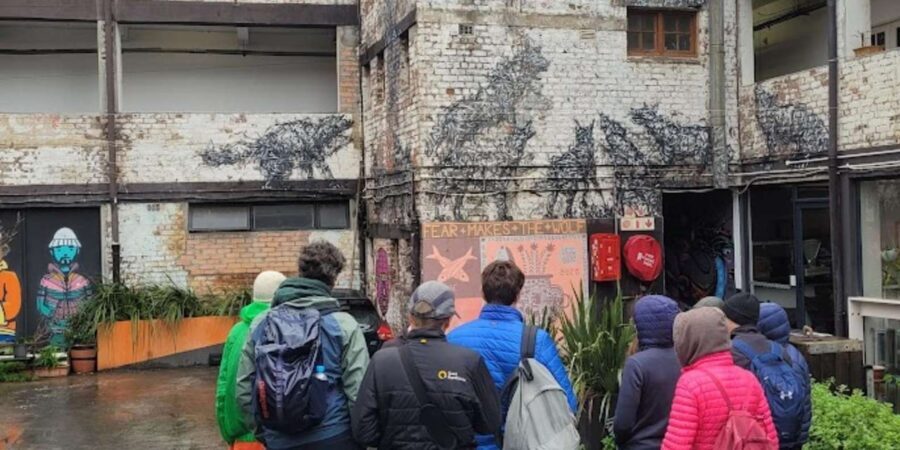
This works especially well for:
- People who love street art but want real explanation, not just a route
- Travelers interested in creative sub-cultures and local community context
- First-timers in Cape Town who want a focused, guided introduction to Woodstock and Salt River
It might not be ideal if:
- You dislike walking and want mostly indoor time
- You’re sensitive to sun or uneven pavement and don’t plan with shoes and sunscreen
- You strongly prefer tours that include food or drinks, since those aren’t included
Should you book this Cape Town street art walk?
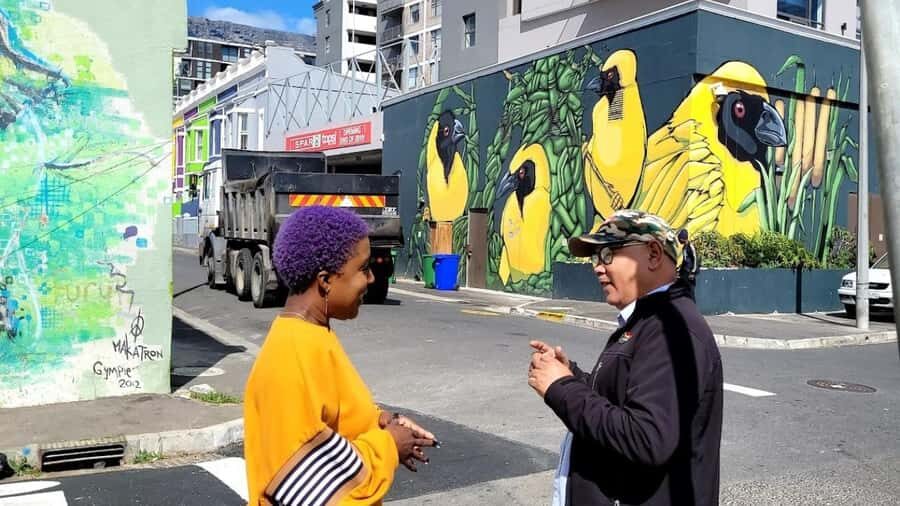
If you want Cape Town through its creative lens, I’d book it. The price-to-time ratio is solid, and the best part is the guidance: you’ll understand the messages and techniques behind the art, plus how street art connects to the community.
Book it if you like learning by looking closely. Skip it if you want a low-effort photo stroll or if you need lots of indoor downtime.
Either way, go in ready to walk, ready to ask permission for photos, and ready to think about the art as something made for the public—because that’s what it is.
FAQ
How long is the street art tour?
The tour lasts 150 minutes.
Where does the tour take place?
It takes place in Cape Town’s Western Cape area, focusing on the Woodstock and Salt River neighborhoods.
Is pickup included?
Yes. Pickup is included, and you meet at the reception.
What language is the live guide?
The tour guide is live and the tour is in English.
Is the tour wheelchair accessible?
Yes, the tour is wheelchair accessible.
What should I bring?
Bring comfortable shoes, a camera, biodegradable sunscreen, and comfortable clothes. Also, remember to ask before taking photos of people.
What is included and what is not included?
Included: transfer and a guided walking tour. Not included: drinks, food, souvenirs, and anything of personal nature.
Can I cancel or pay later?
There is free cancellation up to 24 hours in advance for a full refund. You can also reserve now and pay later.