
REVIEW · CAPE TOWN
Cape Town: Local street food tour
Book on GetYourGuide →Operated by seemore tours · Bookable on GetYourGuide
Spicy street stalls in Langa tell stories fast. I love the real local food you actually eat, and I also like how local guides turn each bite into context about Langa’s community and everyday life. You’ll see a lot in 3 hours, but it’s still a walking tour, so wear shoes you can keep comfortable.
If you don’t eat much spice, plan ahead and go slow with the curries and relishes. It’s not a quiet museum-style visit; it’s a food-forward neighborhood experience.
In This Review
- Key highlights you should know
- From Guga S’thebe to Langa streets: the best way to start
- How the guide experience shapes what you learn
- The food tasting portion: what you’ll actually eat
- Bunny chow: the curry in the bread bowl
- Boerewors rolls: grilled sausage with attitude
- Vetkoek: the fried comfort classic
- Samosas: quick, spiced, and snackable
- The classic plates: pap, chakalaka, and street braai moments
- Pap and chakalaka: maize porridge meets spicy relish
- Street braai: the social side of grilling
- Ginger beer juice and biltong: balancing heat with sweet and salty
- Ginger beer juice: cold, sweet, and refreshing
- Biltong: chewy snack, big flavor
- Price and value: what $87 buys you in real life
- Timing and pacing: 3 hours without feeling rushed
- Who this tour is best for
- Should you book the Cape Town: Local street food tour?
- FAQ
- Where does the tour start?
- How long is the Cape Town local street food tour?
- What language is the live tour guide?
- Is water included?
- What foods will I taste?
- What if I need to cancel?
- Do I need to tip the guide?
Key highlights you should know
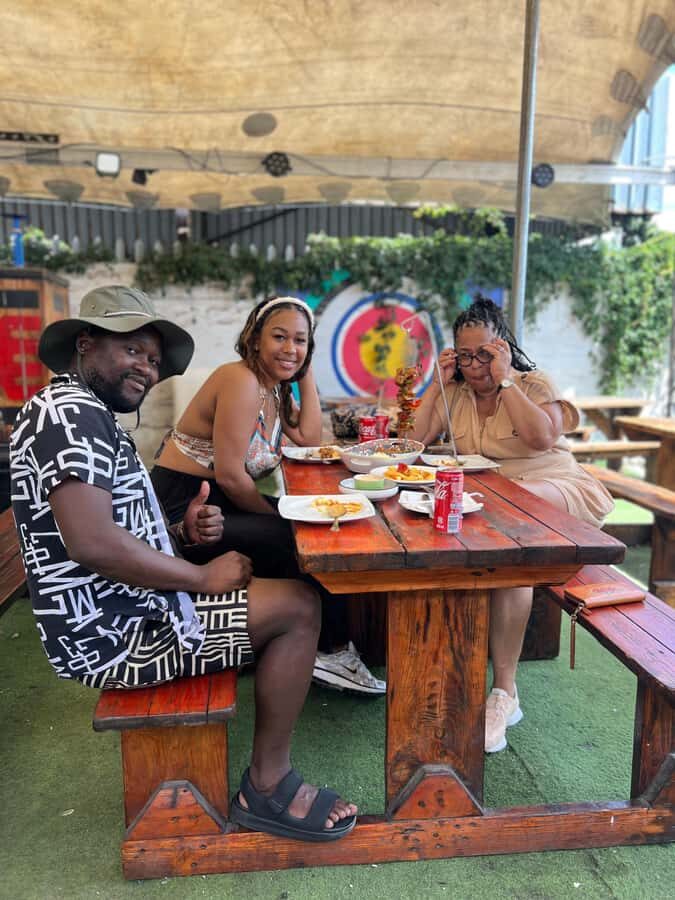
- Guga S’thebe Cultural Centre start sets the tone before you head into Langa
- Meet locals up close through conversation at food stops
- Township history lessons that connect directly to what’s on your plate
- Bunny chow + boerewors rolls are more than snacks; they’re cultural favorites
- Street braai energy brings the social side of eating into focus
From Guga S’thebe to Langa streets: the best way to start
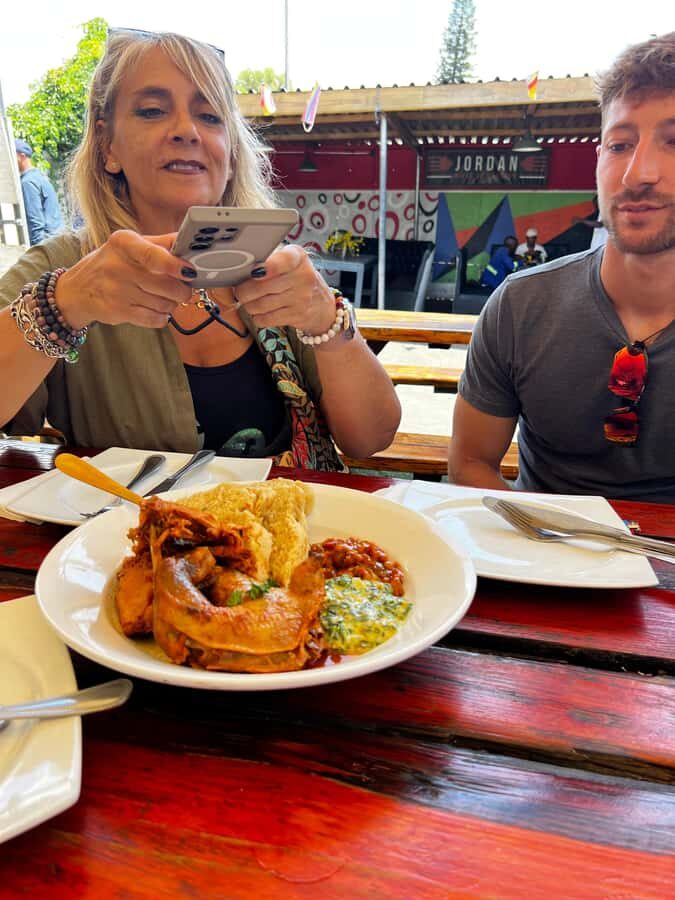
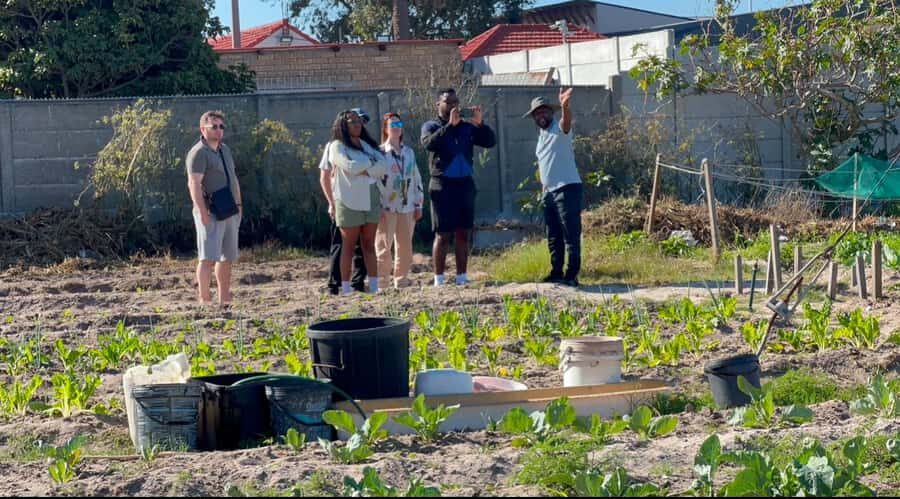
The tour kicks off at Guga S’thebe cultural center, which is a smart starting point because it gives you grounding before you’re dropped into the neighborhood. You’re there for a guided intro (about 105 minutes), and that time matters. Instead of just seeing buildings and street corners, you learn how the township came to be and what people’s lives look like day to day.
I like that the guide keeps it human. You’re not just hearing facts; you’re getting explanations that help you read what you see. That early stage also helps you feel more confident when you start walking, especially if you’re visiting for the first time.
You might get a guide like Thando or Mzukisi. Both come through strongly in the way they communicate—Thando with enthusiasm and ambition, and Mzukisi as a Langa born and bred guide who made the information feel personal and grounded.
You can also read our reviews of more food & drink experiences in Cape Town


How the guide experience shapes what you learn
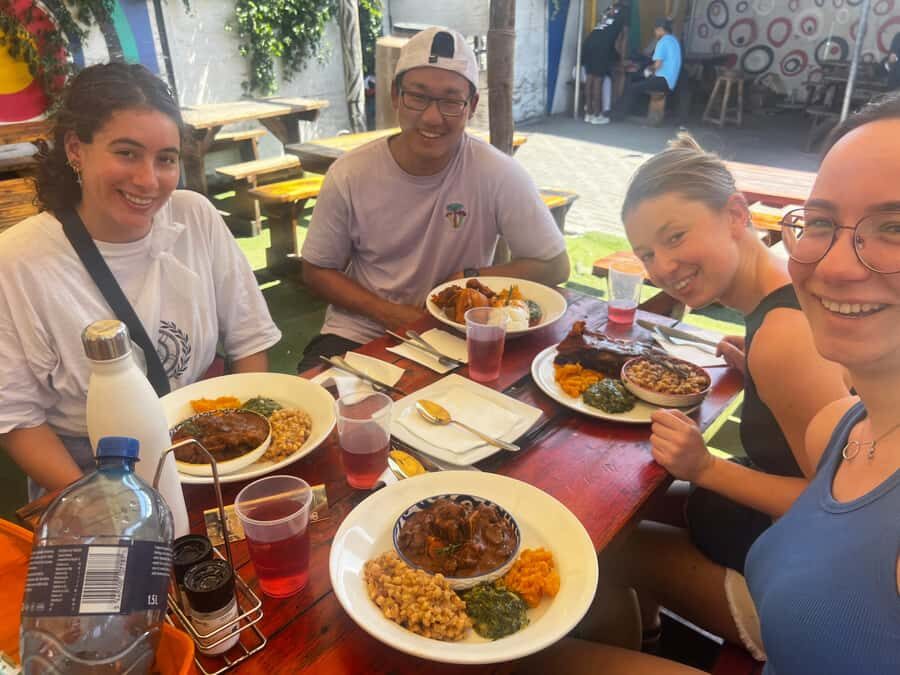
This tour works because it’s built around conversation with a local guide, not a one-way lecture. In the time you spend walking and listening, you get the feeling that food is part of identity in Langa, not just something people eat quickly between errands.
A big part of the value is that the guide can connect themes. You’ll hear about community life, history, and the future, and those topics show up again when you taste. That’s why the tour doesn’t feel like a random list of dishes—it feels like a guided story told through meals.
Safety is also part of the experience, and it’s not something you should ignore. Several people highlight that walking through the township with the guide felt safe. I’d still treat that as common sense: stick with the group, follow instructions, and keep your phone and bag management simple and practical.
The food tasting portion: what you’ll actually eat
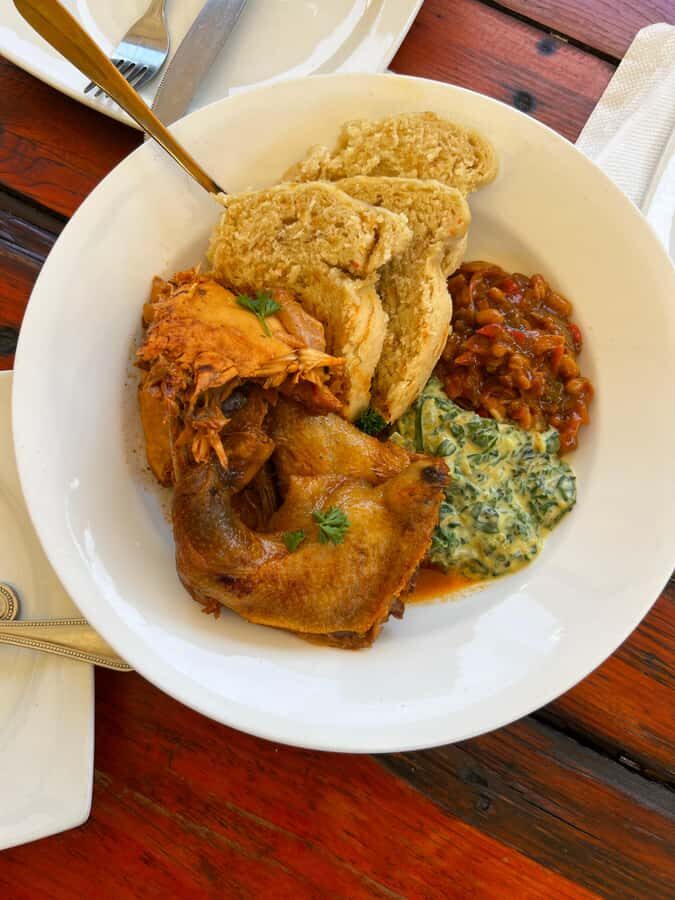
After the intro, you shift into the best part: food tasting for around 70 minutes. This is where the tour becomes very real. You’re not just being shown pictures of street food; you’re standing in the food zone and tasting what people order.
Expect a mix of savory and spicy. The menu varies by stop, but the tour is built around classic South African street favorites you can find in places like Langa. Here’s what you should plan to taste.
Bunny chow: the curry in the bread bowl
You’ll likely start with bunny chow, the iconic hollowed bread filled with curry. The bread acts like a handle and a vessel, which makes it perfect for eating on the move. It’s typically made with lamb, chicken, or vegetables.
What I appreciate is the backstory. Bunny chow traces its roots to Indian cuisine, and seeing that kind of cross-cultural influence in a township street setting is one of the quickest ways to understand how food travels and adapts. One bite tells you a lot about history and migration patterns without turning it into a lecture.
Practical tip: if you’re sensitive to spice, take smaller bites first. Curry heat can creep up, especially once you add tangy sides or relish.
Boerewors rolls: grilled sausage with attitude
Next up is boerewors rolls—grilled boerewors sausage tucked into a soft roll, often topped with chutney or tomato sauce. This is a filling street meal, not a dainty snack.
Boerewors is a South African grilling staple, and the roll format makes it feel like the local version of fast food—just with flavor that goes all-in. If you like smoky meat and tangy toppings, this stop is usually a highlight.
A few more Cape Town tours and experiences worth a look




Vetkoek: the fried comfort classic
You may also taste vetkoek, which are deep-fried dough balls. They’re often filled with savory ingredients like minced meat, though you might see other variations depending on the vendor.
What makes vetkoek especially enjoyable on a street food tour is the texture. It’s crisp outside, soft inside, and it’s the kind of food that makes you stop walking for a second and pay attention. It’s also an easy “hang with it” food if you want something less spicy than curry.
Samosas: quick, spiced, and snackable
Samosas show up as a go-to street snack. You’ll typically find spiced fillings like potatoes and peas, or sometimes meat.
The best part is that samosas are portable. They’re great when you want a smaller taste between heavier dishes. And since they’re fry-and-filling fast, they fit the pace of a walking tour without forcing you to eat a full meal every stop.
The classic plates: pap, chakalaka, and street braai moments
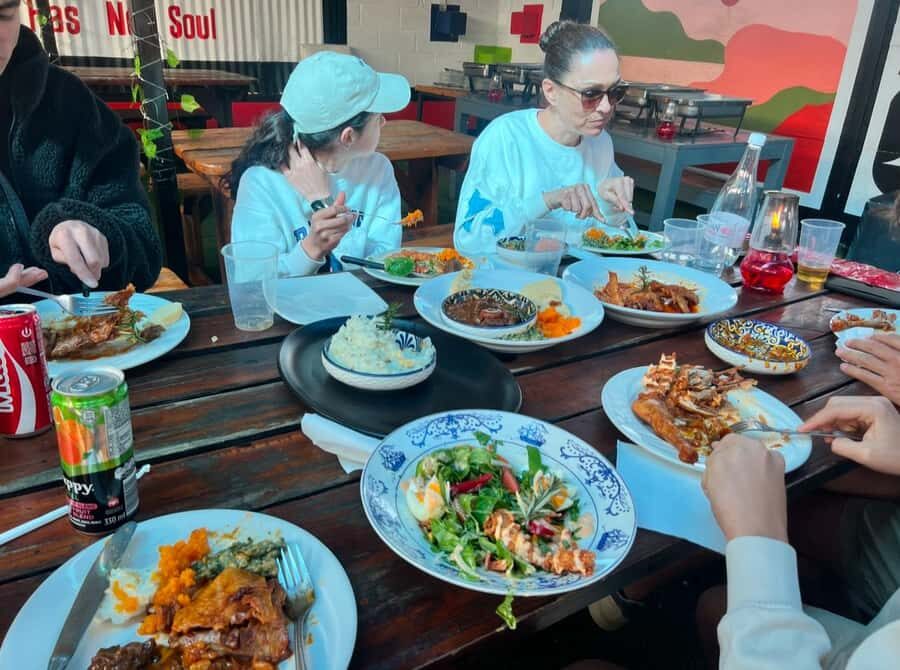
The tour doesn’t stop at pastry and sandwiches. You may also taste traditional staples that show up in South African households, including pap and chakalaka.
Pap and chakalaka: maize porridge meets spicy relish
Pap is maize porridge, often served alongside chakalaka, a spicy vegetable relish. The combination works because pap is comforting and filling, while chakalaka adds bite and brightness.
This is one of the most meaningful tasting stops because it’s not just “street food.” It’s food tied to everyday life—something people recognize as a staple, not a novelty. It also helps you understand why certain flavors show up again and again: hearty base, then spice and vegetables to wake everything up.
Street braai: the social side of grilling
A standout for many people is the chance to experience street braai, the communal grilling vibe. You might see meats such as chicken, lamb, and beef grilled over open flames.
Here’s why this matters: street braai isn’t only about the food. It’s about the atmosphere—how people gather, talk, and eat together. Even if you’re a bit shy, the setting makes it easier to participate because the focus stays on sharing and tasting.
If you’re thinking of South Africa as only “restaurants and safaris,” this portion nudges you toward the truth: a lot of culture happens at everyday food fires.
Ginger beer juice and biltong: balancing heat with sweet and salty
A street food tour is better when it includes something to reset your taste buds. This tour includes two classic options.
Ginger beer juice: cold, sweet, and refreshing
You’ll have access to ginger beer juice, a sweet drink sold by street vendors. It’s a nice counterpoint to spice because it adds sweetness and a gentle kick from ginger without being too heavy.
This is the kind of drink you’ll appreciate midway through the tasting, when your mouth feels ready for a break but your stomach still wants more.
Biltong: chewy snack, big flavor
Finally, you may taste biltong, which is cured, dried meat cut into strips. It often comes in different flavors, including spicy and sweet.
Biltong works as a late-stage snack because it doesn’t require a whole plate or utensils. You can keep moving, and you get that concentrated meat flavor that stays with you after the tour ends.
If you’re a “save my favorite for last” eater, biltong is a good candidate. It’s easy to like, even if you’re not a huge meat fan, because the flavor is intense and straightforward.
Price and value: what $87 buys you in real life
At $87 per person for about 3 hours, this isn’t a bargain snack crawl. But it can be strong value if you care about two things: food and context.
You get a qualified tour guide, meals to taste, and a bottle of water. That means the cost isn’t only for walking and storytelling. You’re also paying for access—time with a local guide, plus the chance to eat a range of dishes instead of just one.
The other value is the pacing. You don’t have to figure out where to go or what to order. The guide brings you to the food and explains what it is, why it’s important, and how it fits into local life. That saves you effort and guesswork, especially if you don’t know the food names or spice levels in advance.
One more practical point: the tour notes that you should skip the ticket line. Even if you’re not sure how that applies at your start point, it’s a sign that they’re trying to reduce wasted time so you spend more of your day eating and learning.
Timing and pacing: 3 hours without feeling rushed
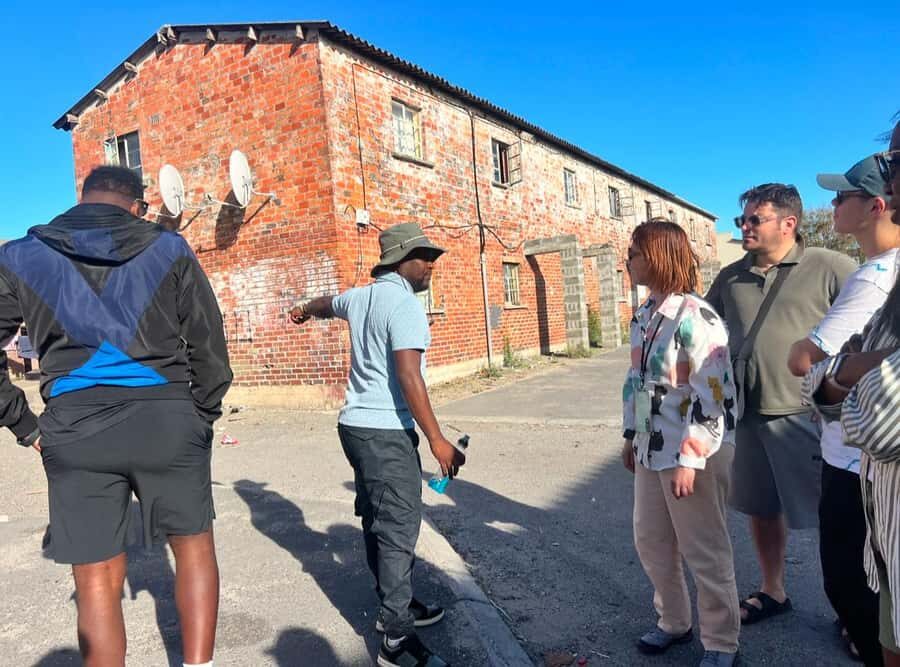
The structure is straightforward. You start with the guided walk and history portion (around 105 minutes), then transition into tasting (around 70 minutes), and finish back at Guga S’thebe.
In practice, that pacing feels good because you’re not bouncing from dish to dish immediately. You learn the setting first, and then the food makes more sense. The tasting window is long enough that you can try multiple items without feeling like you swallowed a checklist.
For your comfort, think about heat and spice. Street food can be intense. If you know you react to spicy food, tell the guide early so you can adjust what you eat. It’s also smart to go in hydrated—water is included, but you’ll still want to sip slowly as you go.
Who this tour is best for
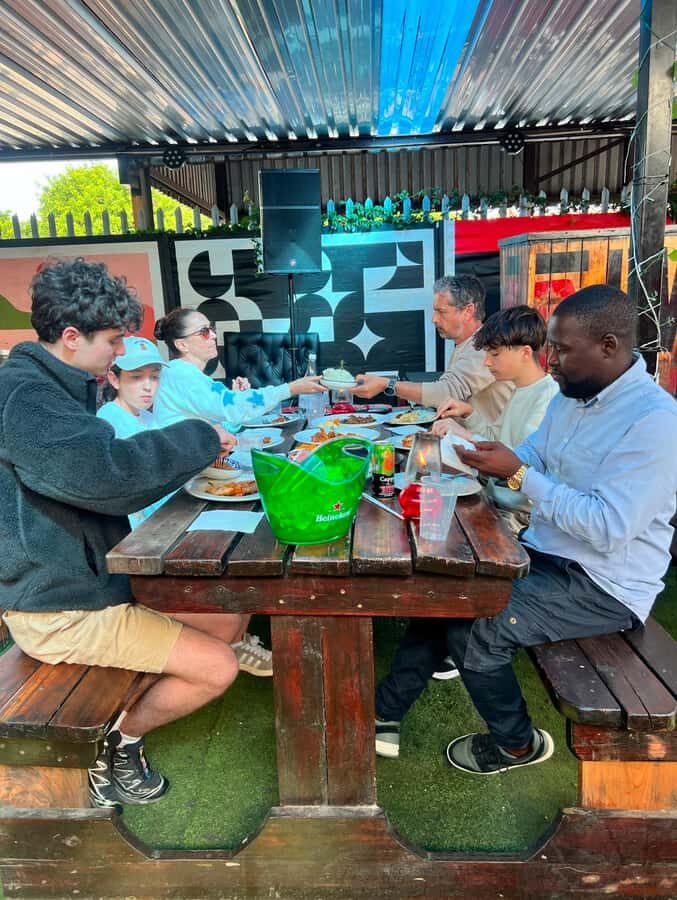
I think this tour suits you if you want more than food photography. You’ll enjoy it most if you like learning through everyday details—how people eat, what they consider familiar, and how culture shows up in the simplest meals.
It also makes sense for couples and small groups who like guided walking experiences. The guides’ ability to talk about Langa’s people, history, and future is a key part of why people give the tour high marks.
If you’re expecting a long sit-down meal with waitstaff and fancy plating, this isn’t that. It’s a street food experience with real conversation and real flavor.
Should you book the Cape Town: Local street food tour?
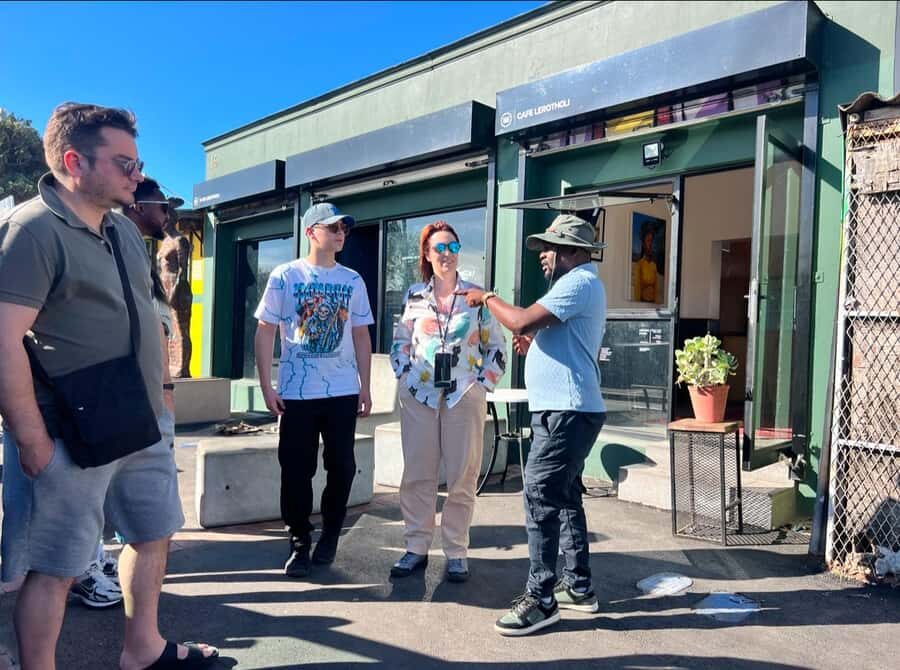
Book it if you want a short, focused way to taste Langa street food and understand the context behind what you’re eating. The combination of local guides and a menu that covers curry, grilled sausage, fried dough, porridge with relish, ginger drinks, and cured meat makes it feel like a proper introduction, not a random stop-and-sample.
Skip it if spice is a dealbreaker for you or if you can’t handle walking in a neighborhood setting. Also consider your eating habits. This tour is built around tasting multiple items, so come with a willingness to try.
If you do book, bring comfortable shoes, keep your pace with the group, and don’t be shy about asking the guide how spicy things are. That single habit helps you turn a good meal into a great one.
FAQ
Where does the tour start?
The meeting point is at Guga S’thebe Cultural Centre.
How long is the Cape Town local street food tour?
The tour lasts 3 hours total.
What language is the live tour guide?
The live tour guide speaks English.
Is water included?
Yes, a bottle of water is included.
What foods will I taste?
You can expect to taste foods such as bunny chow, boerewors rolls, vetkoek, samosas, pap and chakalaka, street braai items, ginger beer juice, and biltong.
What if I need to cancel?
You can cancel up to 24 hours in advance for a full refund.
Do I need to tip the guide?
Yes—tipping the guide is mentioned as something you should please don’t forget to do.