REVIEW · CAPE TOWN
The Cape Town Essentials Food Tour
Book on Viator →Operated by Cape Town Culinary Tours · Bookable on Viator
Four hours, serious Cape Town flavor. This half-day walking tour strings together Bo-Kaap, Bree Street, De Waterkant, and the Foreshore, so you taste Cape Town while a guide explains how the city’s food culture fits into its neighborhoods.
I like the small group size (no more than 10, max 12) because it keeps things relaxed and lets you ask questions. I also love that food and drink tastings are included, plus snacks, coffee or tea, and a history tour of the areas you’re walking through.
One thing to consider: the tour is outside in changing Cape Town weather and includes a moderate walk (~2 km). If you have allergies or you want to skip meat, carbs, or alcohol, your guide can do their best, but the tasting experience may shift.
In This Review
- Key Things You Should Know Before You Go
- Why This 4-Hour Walking Tour Feels Like the Fast Lane to Cape Town Flavor
- Bo-Kaap: Cape Malay Culture and Tastes You’ll Miss on Your Own
- Bree Street and Heritage Square: South African Classics in a Courtyard Setting
- De Waterkant: Waterfront-Style Shopping Streets and Global Eateries
- Foreshore Finale in an Old Sports Bar: Eat Like a Local, Not a Tourist
- What You’ll Eat and Drink (And Why the Portions Feel Smart)
- Olivia’s Tour Style: Friendly, Specific, and Easy to Follow
- Dietary Needs and Allergies: What’s Supported, What Changes the Experience
- Getting There, Parking, and Walking Comfort in Cape Town Weather
- Who This Tour Fits Best (And Who Might Want Another Option)
- Should You Book the Cape Town Essentials Food Tour?
- FAQ
- Where does the tour start?
- How long is the Cape Town Essentials Food Tour?
- How many stops are included?
- What’s the maximum group size?
- Is alcohol included?
- Can the tour accommodate dietary restrictions?
- Can you guarantee allergen-free tastings?
- How much walking is involved?
- Where does the tour end?
- What should I wear or bring for the tour?
Key Things You Should Know Before You Go
- Small-group feel with no more than 10 participants (and a max of 12)
- Four stops in about 4 hours, built for walking and frequent tasting breaks
- Alcohol is included, with alternative beverages available if you don’t drink
- Dietary accommodations are possible, including vegetarian and gluten friendly options, but allergens can’t be guaranteed
- Two km of walking that’s doable for most people with comfortable shoes
- Ends in a different location, with a different finish point on Mondays
Why This 4-Hour Walking Tour Feels Like the Fast Lane to Cape Town Flavor
If you’re only in Cape Town for a few days, this is the kind of tour that helps you get your bearings fast. You’ll be moving on foot between distinct parts of the city—Bo-Kaap, the city center restaurant zone around Bree Street, De Waterkant, and then the Foreshore—so you’re not just eating, you’re also seeing how different areas show their personality.
The value here comes from what’s included. You’re paying one set price that covers a local professional guide, food and drink tastings, alcoholic beverages (or alternatives), snacks, and coffee or tea, plus commentary on the history of the places you stop. Transportation isn’t included, but the route is designed for walking, which is a big part of why this tour works as a first-day activity.
You can also read our reviews of more food & drink experiences in Cape Town



Bo-Kaap: Cape Malay Culture and Tastes You’ll Miss on Your Own
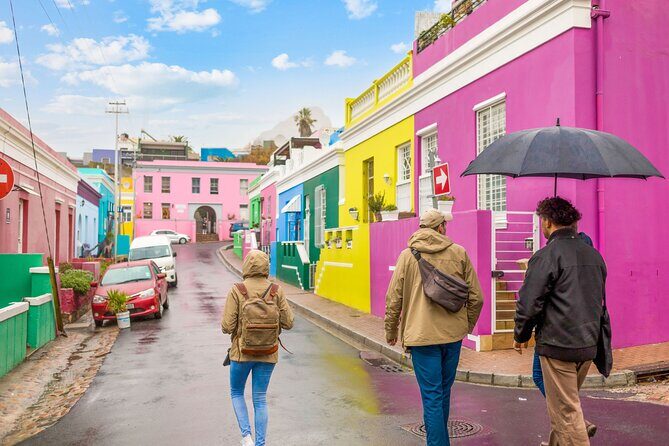
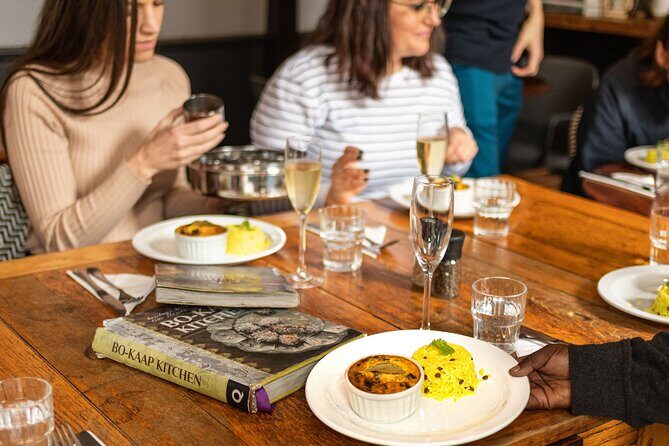
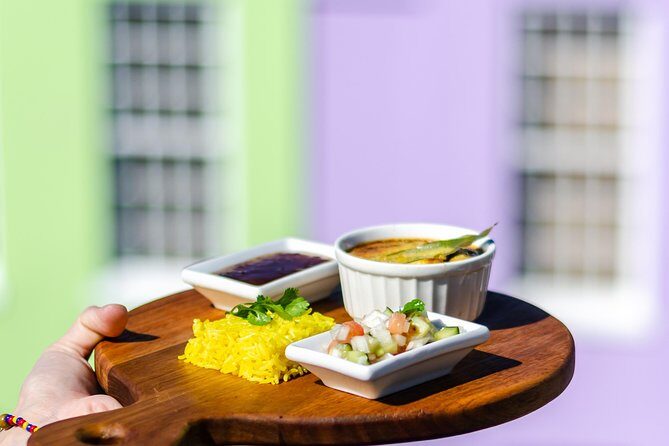
The tour starts at Bokaap Deli, 114 Church St, Bokaap. From there, you head into Bo-Kaap, where Cape Malay culture takes center stage. This first stop is all about setting the tone: you’ll taste foods connected to the neighborhood and learn about the local culture and history as you explore.
Why this stop matters: Bo-Kaap is the kind of place that’s instantly recognizable once you’re there—colorful streets and a distinct cultural identity. The tour approach makes it more than a photo stop because you’re tasting and learning, not just walking through.
What to watch for: you’ll be outside, and Cape Town weather changes quickly. Even though this tour runs rain or shine, plan for wind, quick showers, or cooler moments so you stay comfortable during the walking segments.
Bree Street and Heritage Square: South African Classics in a Courtyard Setting
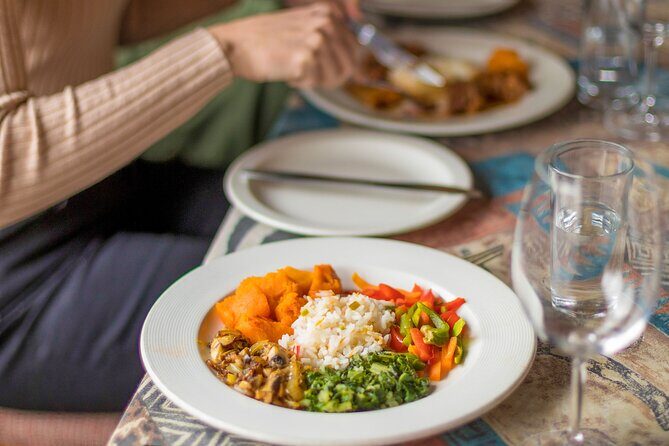
Next you wander toward Bree Street in the city centre, where the restaurant scene is concentrated. The tour also highlights Heritage Square, described as a beautiful courtyard—so you get a “city energy” feel rather than only browsing menus through the window.
At this stop, you’ll indulge in South African classics under the vines in one of Cape Town’s most beautiful courtyards. That line matters, because it signals what the guide is doing: pairing food with place. You’re tasting dishes that feel grounded in South African identity, while the setting helps you slow down and actually enjoy the stop instead of rushing to the next location.
A practical consideration: this is still part of a 4-hour walking itinerary, so keep an eye on how much you’re drinking and eating. One of the more helpful review takeaways is that the food amounts aren’t so overwhelming that you have to skip breakfast—so you can eat normally and just show up with a good appetite.
De Waterkant: Waterfront-Style Shopping Streets and Global Eateries

After the city-centre restaurant zone, you head to De Waterkant, the waterfront area in Afrikaans. This neighborhood is described as chic, centered around the Cape Quarter Lifestyle Village, with fashion boutiques, commercial art galleries, and global eateries.
On this stop, the tour focuses on why this area is popular for dining—then you walk through leafy streets lined with brightly coloured cottages that house craft coffee bars, stylish gift shops, and guesthouses. Even if you’re not buying anything, it’s a useful kind of stroll because you start to understand where people actually spend time: walking routes, coffee stops, and the restaurant cluster that makes this area a food-lovers’ magnet.
What you’re likely to appreciate most: the tour mixes “food talk” with “city talk.” You’re learning how the area fits into Cape Town’s food scene, not only what to order.
One small caution: De Waterkant is the kind of place where you might be tempted to add extra stops on your own afterward. The tour is only four hours, so consider this the sampler. If you want more, you’ll know where to return.
Foreshore Finale in an Old Sports Bar: Eat Like a Local, Not a Tourist
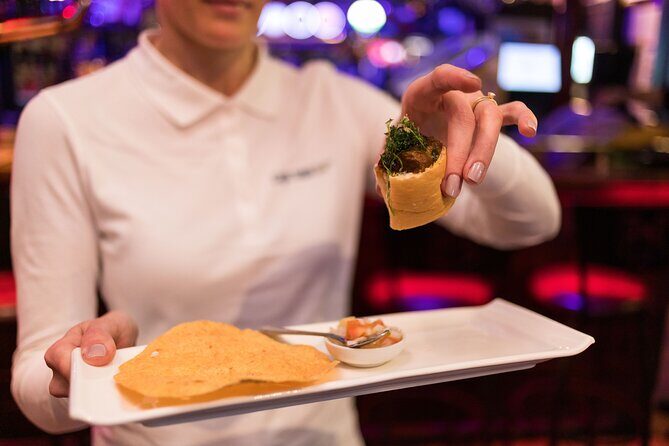
The last stop ends at one of Cape Town’s oldest sports bars at the Foreshore. The atmosphere here is described as serious South African patriotism in a very busy watering-hole setting. The point of the finale is simple: you finish with food and energy that feels more local and less formal than earlier stops.
You’ll be eating like a local while soaking up the vibe of one of Cape Town’s busiest areas. It’s a good wrap because it changes the tone after walking and restaurant-style tastings. If you’ve spent the earlier parts of the day mostly observing architecture and courtyards, this is your shift into a more social, “people are here for a reason” environment.
Monday note: the tour ends in a different location on Mondays—specifically, in the city centre, a few hundred meters from the usual finish point. If you’re planning a tight schedule that day, you’ll want to build in a little buffer.
A few more Cape Town tours and experiences worth a look






What You’ll Eat and Drink (And Why the Portions Feel Smart)

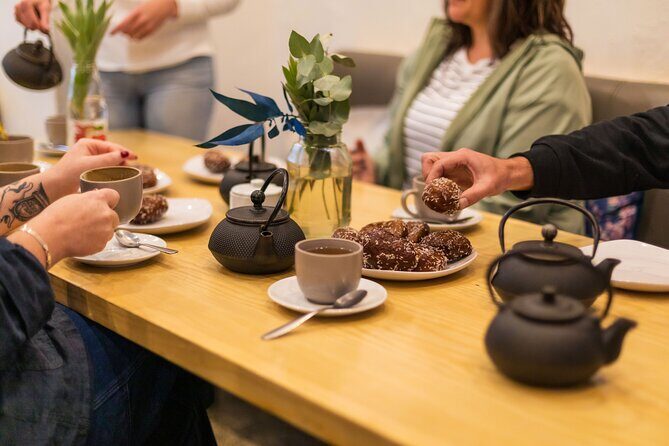
This tour is built around tastings, not an all-you-can-eat scheme. Alcoholic beverages are included, and the tour also provides alternative beverages for anyone who doesn’t consume alcohol. You’ll also get snacks, plus coffee and/or tea.
In plain terms, this is the kind of food tour where you should arrive hungry, but you don’t need to starve yourself. One of the most consistent review themes is that the portions aren’t so big that you feel crushed by the end. That pacing matters because it keeps the tour fun. When food is too heavy, the last hour becomes a slog. Here, the goal is to keep you walking, learning, and tasting without losing your appetite for the final stop.
If you’re doing this on your first day, it’s also a handy way to understand the range of flavors you’ll want to chase later. If you find a dish you love on the route, you’ll have a starting point for ordering it again when you eat on your own.
Olivia’s Tour Style: Friendly, Specific, and Easy to Follow
Across the reviews, the guide name Olivia pops up again and again, and it’s not just generic praise. People highlight her passion for South African food culture and the way she keeps conversation flowing while also keeping the group together. That combination is rare: it’s both structured and warm.
This matters for you because a food tour lives or dies on guidance. When you’re walking between neighborhoods and tasting different dishes and drinks, you need someone who can explain what you’re eating in a way that makes it stick. Olivia seems to do that—mixing culinary details with cultural context so the food doesn’t feel random.
A quick practical takeaway: since you’re in a small group, you’ll get more out of it if you’re comfortable asking questions. Bring curiosity—what’s in the dish, what makes it South African, how the neighborhood shaped the menu choices—and your guide will likely run with it.
Dietary Needs and Allergies: What’s Supported, What Changes the Experience
The tour does accommodate dietary restrictions. The information provided says vegetarian and gluten friendly diets are possible, and requests for restrictions related to seafood, shellfish, and pork can be arranged in advance.
That said, there are two important realities:
- The tour can’t guarantee that any tasting is 100% free of allergens.
- Removing meat, carbs, or alcohol will alter the experience, even if the guide does their best to accommodate your preferences.
So how do you make this work for you? When booking, note dietary restrictions or allergies clearly. If your needs are complicated, consider writing it out in detail so the guide can coordinate food in advance. And if your diet requires strict allergen avoidance, you may want to think through how much risk you’re comfortable with, since a 100% guarantee isn’t offered.
Also: under 18, the tour serves alternate drinks where alcohol would have otherwise been offered. That’s useful if you’re bringing teens who still want to join the tasting experience.
Getting There, Parking, and Walking Comfort in Cape Town Weather
The tour includes a moderate walk of about 2 km. That’s not long, but it does mean you should wear comfortable walking shoes. Cape Town weather changes quickly, and the tour runs rain or shine, so dressing in layers helps you stay comfortable whether the day turns warm or cool.
Transportation to and from the tour isn’t included. The guidance recommends using Uber or hotel provided services, and it notes that paid street parking is available. That recommendation makes sense if you’re staying in town because paid parking can be expensive and time-consuming.
One more logistics detail: you’re issued a mobile ticket, and you’ll be near public transportation at the start. The finish is in a different location, which is great for keeping the day moving, but it also means you’ll likely need transport planning after you eat.
Who This Tour Fits Best (And Who Might Want Another Option)
This tour is a strong fit if you want:
- A first-day activity that helps you understand Cape Town quickly
- A guided food route across multiple neighborhoods without building your own itinerary
- A small-group walking style (max 12, no more than 10 participants)
- Included drinks, plus coffee or tea, without needing to research each stop
It might be less ideal if:
- You want a strictly non-alcoholic experience and dislike that the tour is structured around tastings that include alcohol
- You need strict allergen-free service (because the tour can’t guarantee 100% allergen absence)
- You’re looking for minimal walking on a day you’re already tired
Also, one review note suggests that the stops include a wine bar and a bar/restaurant feel. If you’re traveling with kids, that atmosphere may not match what you want—though under 18 guests do get alternate drinks.
Should You Book the Cape Town Essentials Food Tour?
I’d book this tour if you like the idea of getting food, drinks, and neighborhood context in one compact 4-hour block. The price becomes easier to justify when you look at what’s included: guide time, tastings, snacks, coffee or tea, and history commentary. You’re not just paying for food—you’re paying for someone to connect it to where you are and help you taste widely enough to learn what you like.
I would hesitate only if your dietary needs are highly strict or you strongly prefer a fully alcohol-free route. Otherwise, this is a smart, low-stress way to get Cape Town flavor on day one, with enough walking to feel like you’re seeing the city and enough tastings to feel genuinely fed.
FAQ
Where does the tour start?
The tour starts at Bokaap Deli, 114 Church St, Bokaap, Cape Town, 8001, South Africa.
How long is the Cape Town Essentials Food Tour?
It runs about 4 hours.
How many stops are included?
There are four stops: Bo-Kaap, the city centre around Bree Street/Heritage Square, De Waterkant, and the Foreshore (old sports bar).
What’s the maximum group size?
The tour has a maximum of 12 travelers, with no more than 10 participants.
Is alcohol included?
Yes. Alcoholic beverages are included, and alternative beverages are provided for those who do not consume alcohol.
Can the tour accommodate dietary restrictions?
Yes. Vegetarian and gluten friendly diets can be accommodated, along with restrictions for seafood, shellfish, and pork. You should share dietary restrictions or allergies when booking.
Can you guarantee allergen-free tastings?
No. The tour cannot guarantee that any tasting will be 100% free of allergens.
How much walking is involved?
Expect a moderate walk of approximately 2 km.
Where does the tour end?
It ends in a different location. On Mondays, it ends in the city centre, a few hundred meters from the usual location.
What should I wear or bring for the tour?
Wear comfortable walking shoes. The tour is outside and weather changes fast in Cape Town, so dress for quick changes in conditions.