REVIEW · CAPE TOWN
African Food and Storytelling Tour Cape Town City Centre
Book on Viator →Operated by African Food & Storytelling Tour · Bookable on Viator
Eight stops, three meals, and city stories on foot. This African Food and Storytelling Tour connects Cape Town’s food with the places that shaped it, from public squares to working community spaces, with shared meals and snacks along the way. I particularly like how the tour delivers a Somali warm shared meal plus spiced tea, and then threads that food learning into the bigger picture at stops like the Mandela balcony on City Hall. One thing to plan for: it’s a walking route in the city center, and it’s designed so you’ll likely finish full—so don’t lock in a big dinner right after.
This is more than a food schedule. You’re also walking through layers of colonial and political space, then ending with everyday community life at a place tied to activism and social justice. Guides such as Dennis, Tawanda, and Sifiso are noted for storytelling that keeps you engaged with questions, plus guidance that connects what you’re eating to what’s happening around you—especially how small businesses keep their traditions alive amid change.
Logistics are fairly simple. Expect about 2 to 3 hours, a maximum of 10 people, and a mobile ticket you can keep on your phone. Good weather matters, and you’ll want moderate fitness because it’s inner-city walking with short stops.
In This Review
- Key takeaways before you go
- Church Square Meeting Point: Jan Hendrik Hofmeyr and the quick navigation check
- Somali Food Culture: a shared warm meal plus spiced tea
- Old Post Office at Golden Acre: Cape Malay/Creole snacks, plus second-hand books
- Grand Parade and Mandela Balcony: where political space meets street vendors
- Adderley Street Flower Market: greet vendors in one of the oldest open-air markets
- Greenmarket Square and West African community: textiles, trading, and a second warm meal
- Methodist Mission: tea or coffee, a treat, and a pause with activism stories
- Is $92.02 worth it? Counting the value of eight stops and three food moments
- The walking route and timing: what makes the pace work
- Who should book this tour, and who might want a different style
- Booking smart: practical tips before you meet at Church Square
- Should you book African Food and Storytelling Tour Cape Town City Centre?
- FAQ
- How long is the African Food and Storytelling Tour in Cape Town?
- How much does it cost?
- Where does the tour start and end?
- How many stops are included?
- What food is included during the tour?
- Do I need to print anything, or is there a mobile ticket?
- What is the maximum group size?
- Is the tour mostly walking?
- What happens if the weather is bad?
- Is free cancellation available?
Key takeaways before you go
- Eight stops, three real food moments: two warm shared meals and one snack tasting with warm and cold beverages
- Food tied to place: squares, markets, and community spaces—not just restaurant names
- City-center walking route that starts at Church Square and ends at Greenmarket Square
- Small business encounters with vendors and owners who explain their food and daily work
- Mandela balcony and public-square storytelling that adds context to street food life
- A West African focus (including Mali) paired with East African Somali traditions for range
Church Square Meeting Point: Jan Hendrik Hofmeyr and the quick navigation check
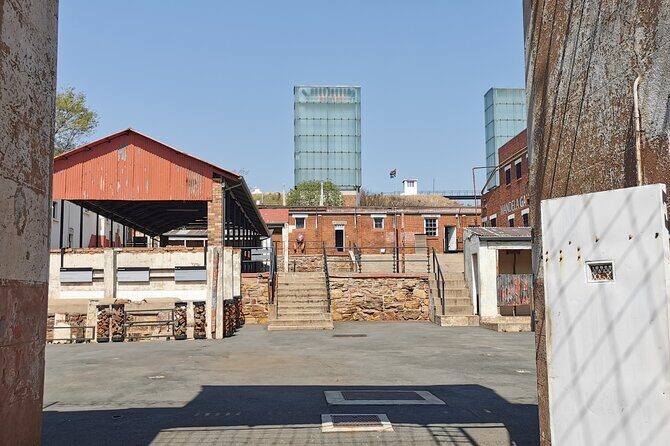
The tour kicks off at Church Square, in the heart of Cape Town’s city center—at the statue of Jan Hendrik Hofmeyr. Look for the group across from McDonald’s, where Parliament and Spin Street meet, then double-check you’re at Church Square in the city center (not Woodstock).
This is a smart start for two reasons. First, Church Square is easy to orient yourself around, so you’re not stressed looking for a hidden back street before you’ve even eaten. Second, the tour frames the day as a walk through key public spaces, and this square is the kind of place where daily life, politics, and informal trade all overlap.
You can also read our reviews of more food & drink experiences in Cape Town



Somali Food Culture: a shared warm meal plus spiced tea
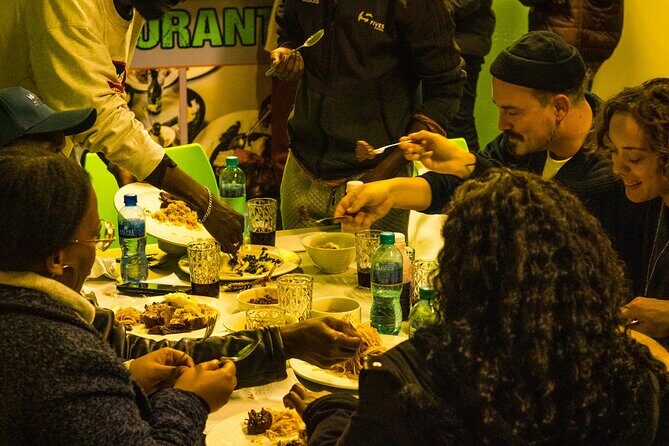
At the next stop, you’ll eat a shared warm East African meal centered on Somali food culture. The experience is designed to be social—meals are shared, and the guide uses the flavors as a way to explain what makes Somali cuisine distinctive.
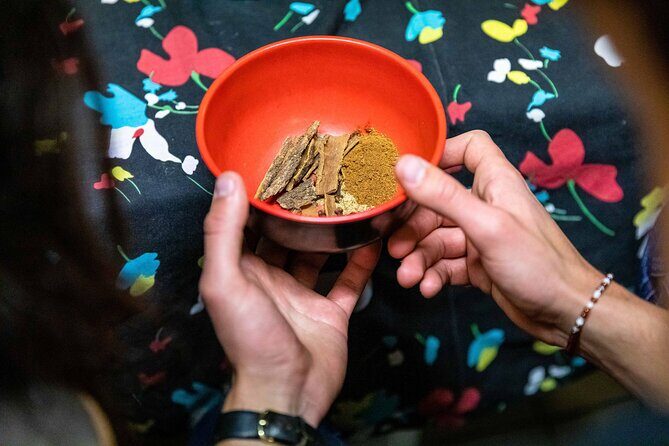
You’ll also get spiced tea as part of this first warm moment. That matters because tea in many African food traditions isn’t just a drink—it’s part of how you slow down, talk, and learn at the table. If you like tours where food and story come as one package, this opening meal sets the tone.
Old Post Office at Golden Acre: Cape Malay/Creole snacks, plus second-hand books
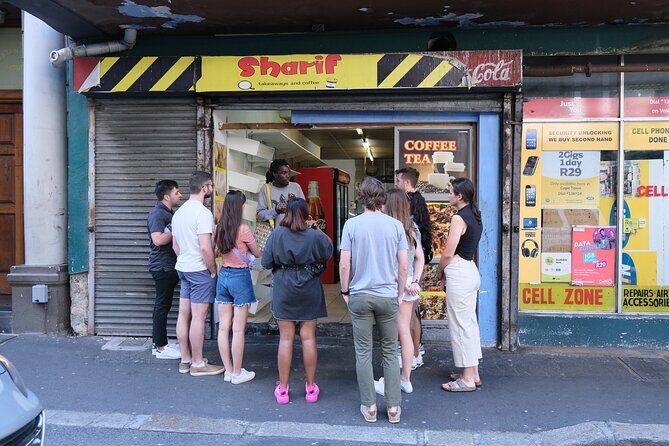
One of the more interesting stops is the Old Post Office area at Golden Acre Shopping Centre. Here, you get a snack tasting tied to Cape Malay and Creole bites, along with a chance to browse second-hand books.
This stop also adds a historical lens. The tour points to the way colonial-era spaces keep changing roles over time, and how public places still shape what people sell and what people eat. Practically speaking, snack tastings are great mid-tour because they keep your energy up without replacing a full meal you’ll get later.
You’ll want a little curiosity here. Second-hand books and food vendors don’t feel like a “checklist” stop—you’ll get more out of it if you’re willing to look around and ask questions.
Grand Parade and Mandela Balcony: where political space meets street vendors
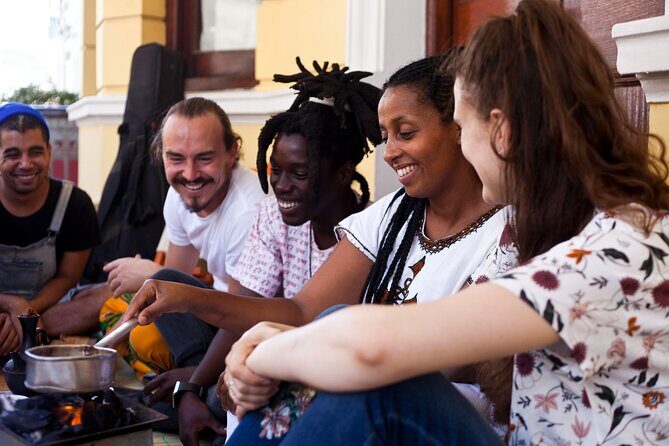
You’ll pause at Grand Parade, described as South Africa’s oldest public square, and then stop at the iconic Mandela balcony at City Hall. This is tied to a specific moment: Nelson Mandela delivered his first public address after his release from prison from this balcony.
What’s useful for you is how the tour connects that big political marker to everyday economic life. As you move through the square, the guide shares stories about the informal food vendors who trade there daily—so you’re not treating history like a museum piece. You’re seeing how public spaces still function as stages for work, food, and negotiation.
Timing-wise, this is a short stop, but the value is in the contrast: one minute you’re hearing about a major national turning point, and the next you’re talking about what people do each day to earn a living.
Adderley Street Flower Market: greet vendors in one of the oldest open-air markets
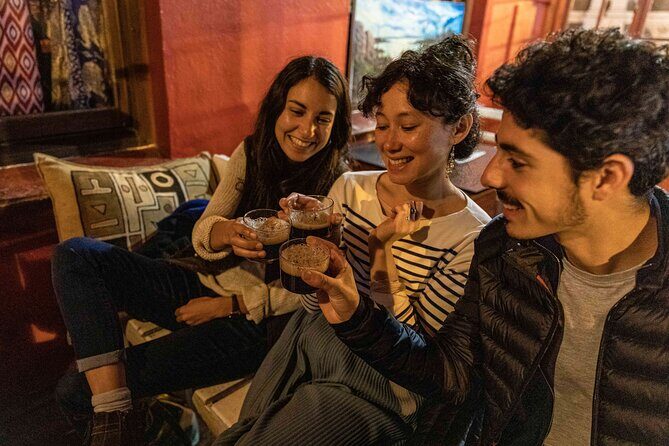
Next, you head to Adderley Street to visit the flower market—one of South Africa’s oldest open-air markets. The tour moves at a “walk-and-look” pace, so you can actually take in the rhythm of the market instead of rushing through it.
This is also one of those stops that makes the tour feel grounded. Markets are loud, human, and practical. You’ll greet vendors and get a sense of how commerce works in the city center, beyond the restaurants that visitors usually find.
If you like travel days with texture—sounds, smells, and real people doing real work—this is where you’ll feel it most.
A few more Cape Town tours and experiences worth a look





Greenmarket Square and West African community: textiles, trading, and a second warm meal

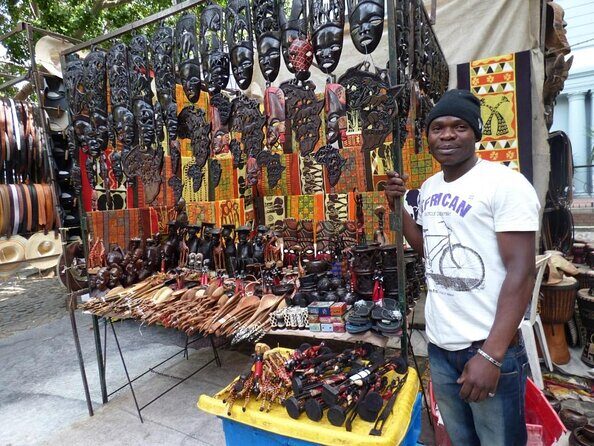
Greenmarket Square is where the tour turns more strongly toward West African community life. It’s described as Cape Town’s third oldest public square and a major hub for informal African traders and entrepreneurs, with vendors arriving from across the continent.
Here’s where the tour gets especially fun if you enjoy crafts and culture beyond food. If you’re interested in fabrics, you’ll pass by a favorite Senegalese tailor known for African textiles. Even if you don’t plan to buy, it’s a great stop to see how style, identity, and trade show up in daily city life.
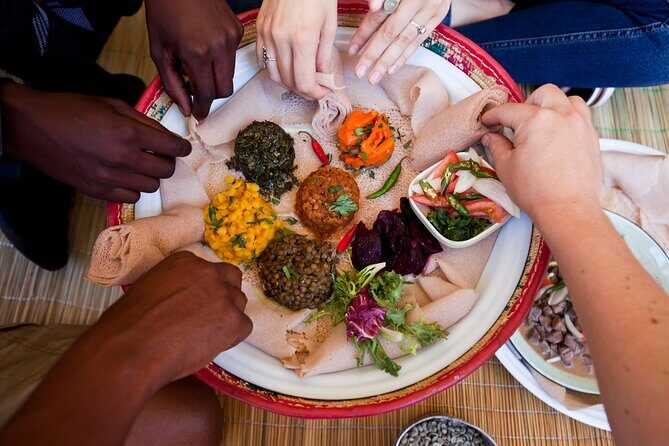
Then comes the second warm meal: an introduction to West African cuisine, including Mali, with conversation about how African cuisines can unite people. This second meal matters because it’s not just “another lunch.” It’s a chance to compare how different food traditions use spice, texture, and sharing in their own ways—East African Somali first, then West African Mali and related influences.
Methodist Mission: tea or coffee, a treat, and a pause with activism stories
The final food-and-story moment is at the Methodist Mission, a community space where people from all walks of life gather daily. The tour frames the mission as a beating heart of Cape Town’s inner city, tied to community activism and social justice history.
Practically, this stop works as a mental reset. After a few hours of walking and eating, tea or coffee and a treat give you a place to sit, breathe, and let the stories land. If you like tours that don’t rush the ending, this is a good finish before you walk to Greenmarket Square.
Is $92.02 worth it? Counting the value of eight stops and three food moments
At about $92.02 per person, you’re paying for more than food. You’re paying for a curated route through meaningful public spaces, plus three eating moments: two warm shared meals and one snack tasting with warm and cold beverages.
That price starts looking reasonable when you think about what else is included: time with small food businesses, a storytelling guide who ties flavors to architecture and history, and access to places that most people wouldn’t choose on their own. The tour also includes additional extras you may appreciate on the way, like time to browse used books and the chance to pick up spices or other vendor items where available.
The main “value trade-off” is time. It’s only 2 to 3 hours, and you’re moving quickly between stops. If you want long sit-down meals or slow museum-style pacing, this won’t match that style. But if you like a focused city walk that ends with you full and better informed, it’s a strong deal.
The walking route and timing: what makes the pace work

This is a city-center walking tour with short stops spread across eight stops. The total duration is about 2 to 3 hours, and the tour is capped at 10 people, which usually keeps the group from turning into a slow-moving pack.
Because there are two warm meals plus a snack tasting, your schedule for the day matters. Plan to treat this as your main food event. Many people like starting earlier so they can keep exploring and have lighter food later.
Also, good weather matters. If it’s canceled due to poor weather, you’ll be offered a different date or a full refund—so it’s smart to check forecasts before you commit to plans around it.
At the end, you’ll finish on foot at Greenmarket Square. Parking can be limited in the city center, so using Uber after the tour is a practical call.
Who should book this tour, and who might want a different style
This tour is a great fit if you want food travel with context. You’ll enjoy it most if you like learning how street-level food connects to public space, politics, and entrepreneurship—not just learning what to order.
It’s also ideal for small groups. A max group size of 10 means more chances to ask questions and actually hear your guide’s stories without shouting over a crowd.
This may be less ideal if you want a food tour that focuses only on restaurant menus and recipes with lots of optional pairings. The food is central, but the experience is designed to be story-led and space-led too.
Booking smart: practical tips before you meet at Church Square
Here are a few things I’d do to make the day smooth:
- Wear comfortable walking shoes; you’ll be on your feet for the inner-city route.
- Bring a layer. Even short pauses in public squares can feel cooler or warmer than you expect.
- Eat lightly earlier in the day. With two warm shared meals, you’re likely to skip dinner.
- Double-check your meeting spot. Church Square is in the city center—make sure you’re not heading to the Woodstock area with the same name.
- If you love shopping for gifts, save energy for Greenmarket Square and vendor areas; the route is built around encounters like fabrics and books.
And one gentle planning note: since the experience requires good weather, try not to schedule anything tight right after the tour start time in case you need to adjust.
Should you book African Food and Storytelling Tour Cape Town City Centre?
Yes—if your idea of a great food day includes more than eating. I’d book it if you want a guided walk through Cape Town’s oldest squares and markets, with Somali and West African meals that come with real context about people, work, and how city life shifts.
I’d also book it early in your trip. The route naturally gives you ideas for where to return and what kinds of food to look for later. The mix of history moments (like the Mandela balcony) and everyday commerce (markets and informal vendor trading) helps the city make sense fast.
If you hate walking, need long sit-down meals, or you’re not interested in learning how food connects to space and entrepreneurship, you might feel rushed. But for most people looking for a meaningful city-center experience, this one has the right balance of eating, storytelling, and local business energy.
FAQ
How long is the African Food and Storytelling Tour in Cape Town?
The tour lasts about 2 to 3 hours.
How much does it cost?
The price is $92.02 per person.
Where does the tour start and end?
It starts at Church Square in Cape Town city centre and ends at Greenmarket Square.
How many stops are included?
The tour includes eight stops.
What food is included during the tour?
There are three food experiences: two warm shared meals and one snack tasting. You’ll also have warm and cold beverages during the snack tasting.
Do I need to print anything, or is there a mobile ticket?
A mobile ticket is included.
What is the maximum group size?
The tour has a maximum of 10 travelers.
Is the tour mostly walking?
Yes. It is a walking tour, and you end on foot at Greenmarket Square.
What happens if the weather is bad?
The experience requires good weather. If it’s canceled due to poor weather, you’ll be offered a different date or a full refund.
Is free cancellation available?
Yes. You can cancel up to 24 hours in advance for a full refund.