REVIEW · CAPE TOWN
Cape Town: Penguins & Cape of Good Hope Half-Day Tour
Book on GetYourGuide →Operated by Mathew transport and tours · Bookable on GetYourGuide
Penguins and cliffs in one tight half-day drive. You’ll mix seaside photo stops with a real wildlife moment at Boulders Beach, then end with dramatic views at Cape of Good Hope and the Cape Point Lighthouse. It’s a fast route along False Bay that packs big Cape Peninsula energy into just 4 hours.
I love seeing African penguins up close at Boulders Penguin Colony, with about 3,000 birds using the waters and granite boulders. I also like the storytelling side: your guide connects the coastline to famous seafaring names like Bartholomew Dias and Vasco da Gama, plus the beacons you’ll spot around Cape Point.
One thing to plan for: entrance fees are not included, and Cape of Good Hope and Boulders can add up quickly on top of the tour price. If you want smooth budgeting, check the ticket costs before you go.
In This Review
- Key highlights worth waking up for
- Why this half-day route makes sense for Cape Town
- Muizenberg and False Bay: the morning color show
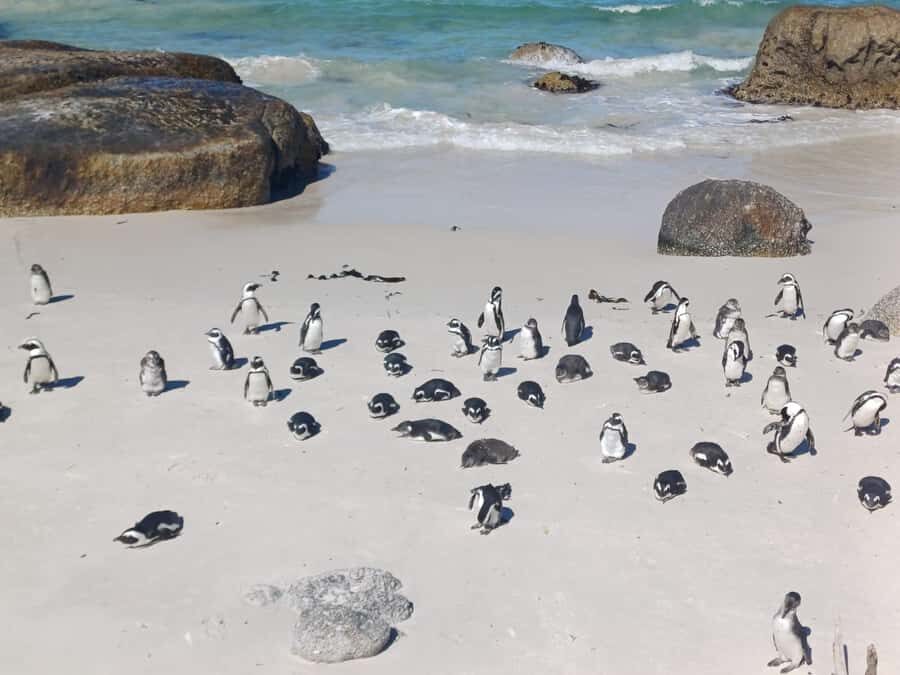
- Boulders Penguin Colony: where you actually notice the penguins
- Cape of Good Hope Nature Reserve: the beacons and the plant life
- Cape Point Lighthouse: the view is the payoff
- Price and logistics: what $33 really means
- Practical tips so you get the full experience
- Who should book this tour, and who should skip it
- Should you book Cape Town: Penguins & Cape of Good Hope?
- FAQ
- How long is the Cape Town Penguins & Cape of Good Hope half-day tour?
- What’s included in the tour price?
- Are entrance fees included?
- Where can I be picked up and dropped off?
- What languages is the live guide available in?
- Is the tour wheelchair accessible?
Key highlights worth waking up for
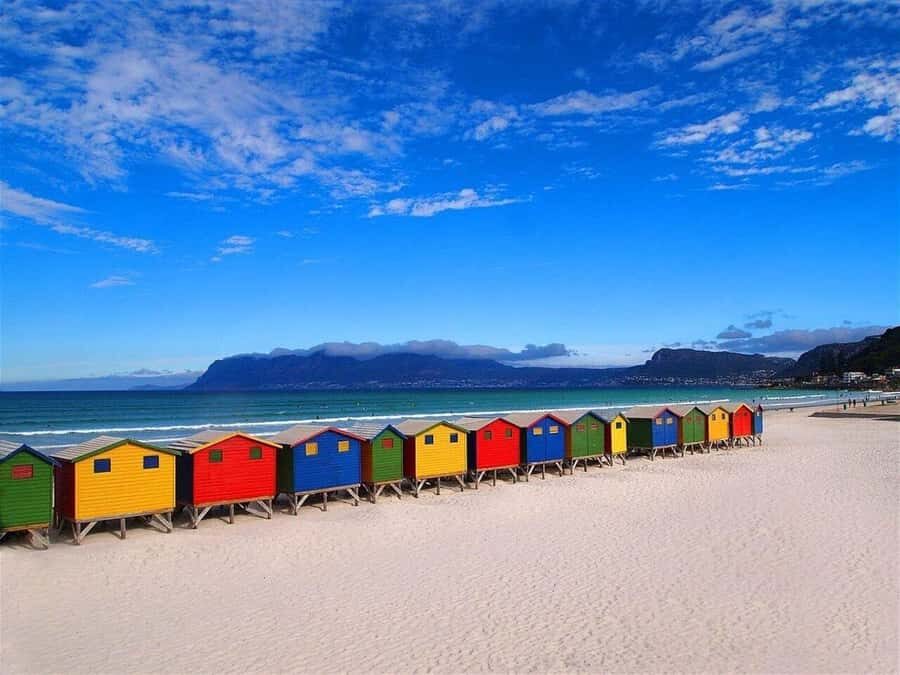
- Muizenberg beach hut photo stops at St. James Beach, plus extra color along False Bay
- Boulders boardwalk access for close viewing of penguins in their habitat
- Cape of Good Hope Nature Reserve with fynbos and big bird-spotting potential
- Cape Point Lighthouse views plus time on the Old Cape Road coastal drive back
- Guide-led history and photo help, with guides like Yannick, Isidore, Leon, and Elda getting praised often
- Pacing that’s designed for a half-day (so you can still have the afternoon in Cape Town)
Why this half-day route makes sense for Cape Town
Cape Town can eat your whole day if you let it. This tour keeps things realistic. You’re not trying to crisscross the entire peninsula on your own. Instead, you follow one logical line: city coast visuals, then penguins, then the Cape of Good Hope and Cape Point.
The value here is the mix of views and context. You get postcard scenes like colorful beach huts and white-sand coves. But you also get an explanation for what you’re seeing—why these headlands matter, how early explorers navigated them, and what the reserve protects.
Also, the time pressure is actually helpful. You’ll see the best “hits” without having to decide between them. And because the tour is built as a half-day (4 hours), you can still plan dinner afterward without rushing.
A few more Cape Town tours and experiences worth a look


Muizenberg and False Bay: the morning color show
The day starts with pickup from your area in Cape Town, with options including Sea Point, Victoria & Alfred Hotel, Green Point, The Westin Cape Town, or Cape Town City Centre. Once you’re in the car, the route quickly swaps street noise for ocean air.
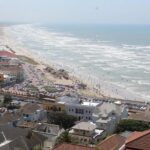
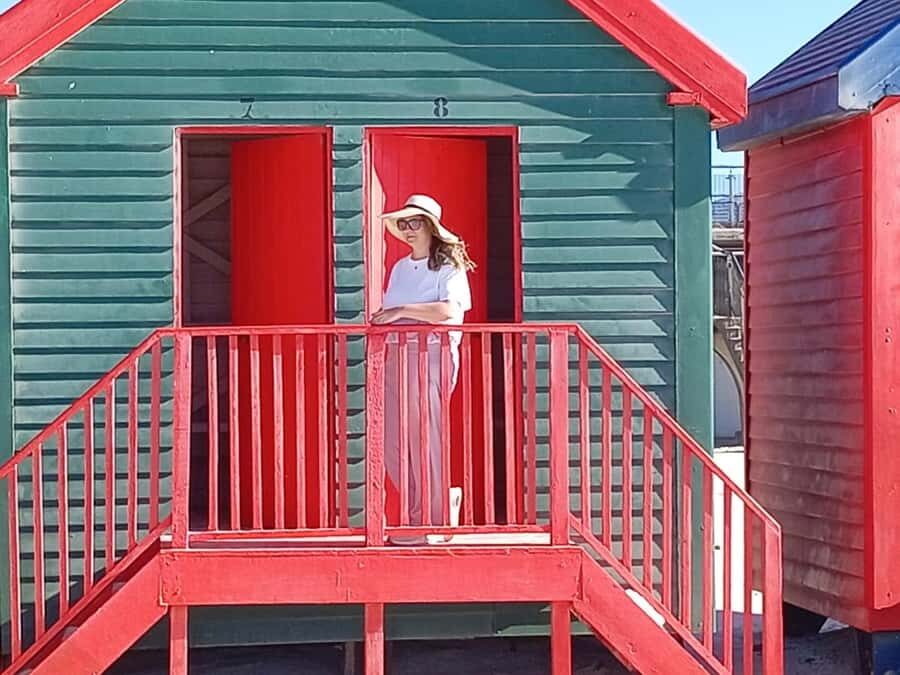
Muizenberg is your first mood shift. You’ll pass the famous colored beach huts in the distance, then stop at St. James Beach for a short photo break. This is the kind of stop that sounds simple, but it really works. Those huts aren’t just cute. They’re part of how South Africans live with the sea, and that adds character to the photos beyond the “pretty postcard” look.
From there, you keep moving along False Bay. The tour includes driving past Kalk Bay, Fish Hoek, and Simon’s Town beaches. Depending on traffic and conditions, you may also get a quick scenic photo stop near Chapmans Peak Drive, which some departures include as a few minutes of viewpoint time.
What I like most about these drive-by and quick-stop segments is how they set expectations for the coastline ahead. You start noticing the shape of the cliffs, the way beaches appear and disappear, and how False Bay’s water color shifts with light. You’re basically getting a visual pre-game before the big nature stops.
Possible snag: these are short stops by design. If you want a long beach walk, this won’t be your day. Think photos, quick breaths of sea air, and then back into the car.
Boulders Penguin Colony: where you actually notice the penguins
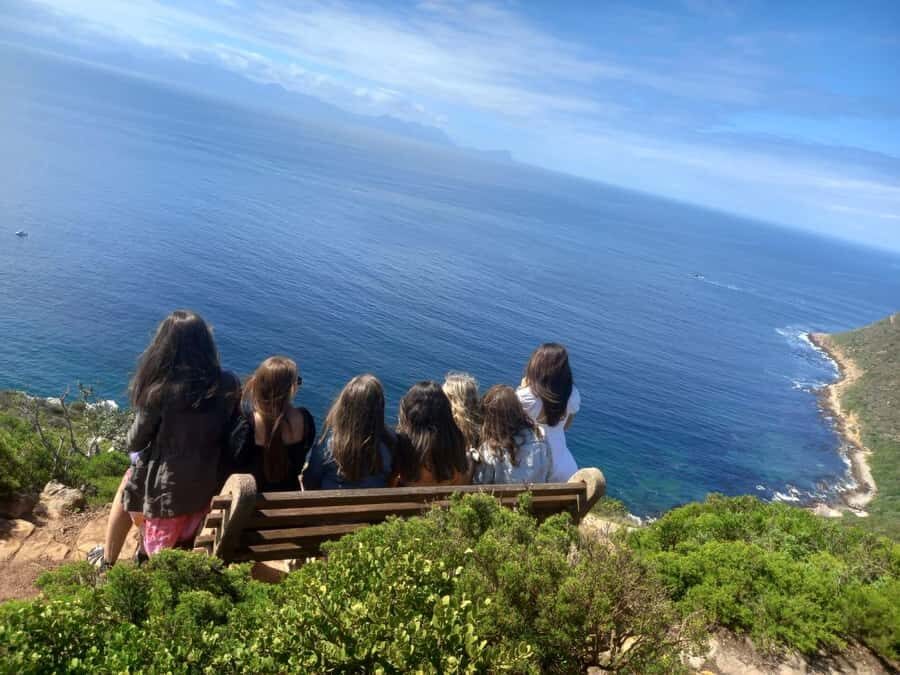
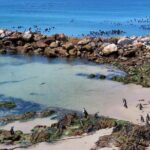
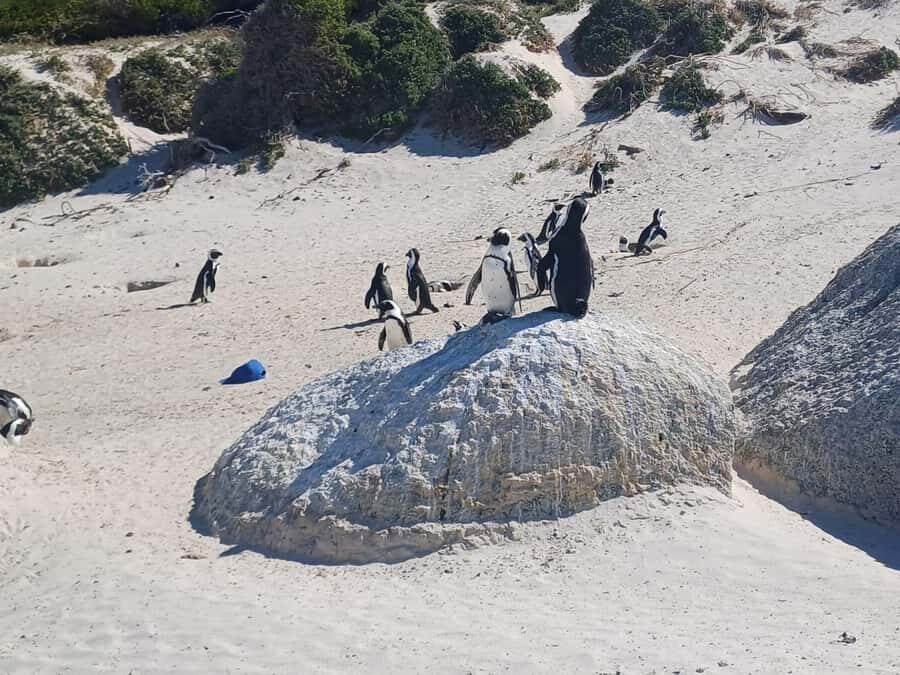
Your penguin stop is Boulders Beach, specifically the Boulders Penguin Colony. This isn’t a distant viewing. You walk the boardwalk and get close to where the penguins live—using the water and the granite boulders along the shoreline.
The colony is described as home to around 3,000 penguins. That number matters. When you arrive, it’s not just “a few birds.” It’s a whole busy little neighborhood. You’ll see them swaying through the sand dunes and moving around in a steady rhythm—some heading toward the sea, others parading across rocks like they own the place.
You’ll also get about an hour of time here, including free time. That hour is long enough to do two things well:
- Pause for the main viewing areas on the boardwalk.
- Step back from the crowd and watch how the penguins behave in waves: water activity, shore pauses, and then the next group filtering through.
A practical note: there’s walking involved (the penguin section includes a walk time), so wear shoes you’re comfortable with on uneven boardwalk edges and sandy paths nearby. If you’re traveling with someone with mobility limits, plan to go slow and use the viewing spots rather than constantly moving.
The entrance fee for Boulders Penguin Colony is not included (R176 per adult; R85 per child). I’d treat that as part of the real cost of the day, not a surprise at the last minute.
Cape of Good Hope Nature Reserve: the beacons and the plant life
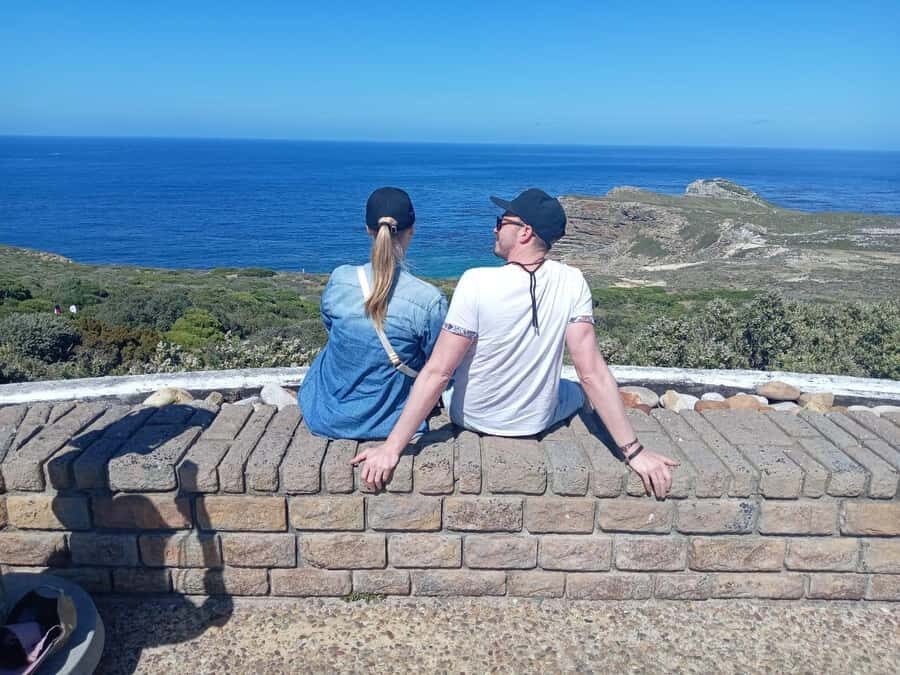
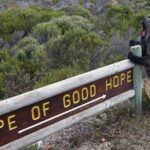
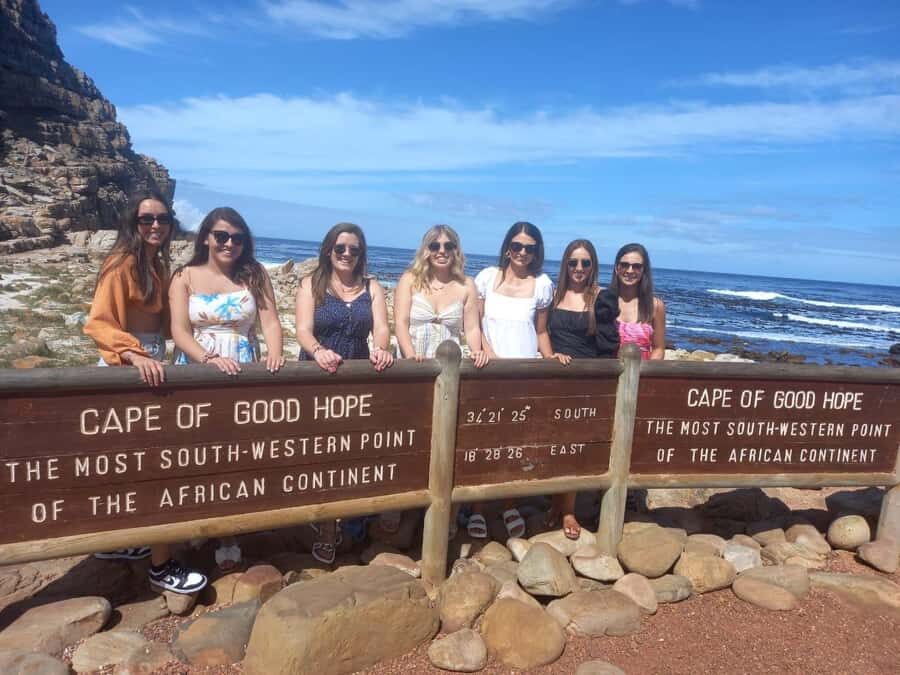
After penguins, the tour pivots from wildlife comedy to “this place is big” views. Cape of Good Hope and Cape Point are both inside the Cape Peninsula Nature Reserve area, and you’ll spend guided time around Cape of Good Hope before heading to Cape Point Lighthouse.
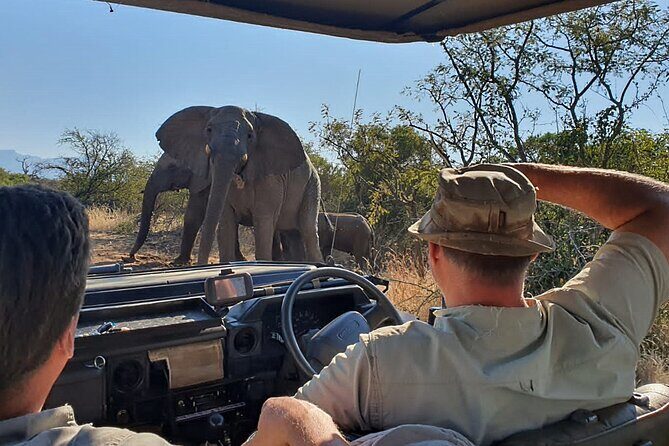
One key difference from the penguin stop: you’re not guaranteed animals on cue. Instead, you’re in an ecosystem where you can spot signs of life—birds overhead, fynbos along the slopes, and sometimes larger animals at overlooks.
Here’s what the tour is set up to help you notice:
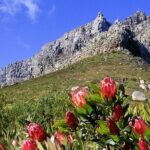
- Fynbos, the fine bush that’s a signature of the Cape Floral Region
- Over 250 species of birds, with a chance to see birds like ostriches when conditions line up
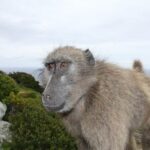
- Possible sightings of buck, baboons, and Cape mountain zebra
That list is exciting, but it’s also honest: sightings can vary. The real value is that your guide helps you look. You don’t just stare at cliffs. You’re scanning for movement, listening for birds, and learning how the reserve is shaped for survival in a harsh coastal environment.
There’s also a stop described as including coffee tasting during the Cape of Good Hope portion. In plain terms, it’s your chance to reset your energy. Even if the coffee isn’t a life-changing experience, the break is useful. By this point you’ve walked at Boulders and you’ve been in the car for hours. A warm drink helps you keep your attention on the viewpoints instead of checking out mentally.
If you’re a history nut, this is where the guide’s stories really click. You’ll hear about early navigation and the coastline’s role in routes shaped by names like Bartholomew Dias and Vasco da Gama, plus the beacons you’ll later see near Cape Point.
Cape Point Lighthouse: the view is the payoff
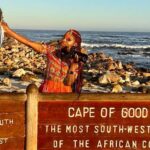
The final big hit is Cape Point Lighthouse. You’ll stop at the New Cape Point Lighthouse for break time and photo stops, then get guided time and scenic viewing along the way.
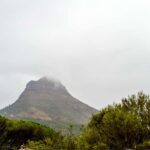
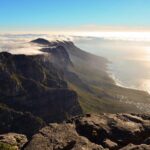
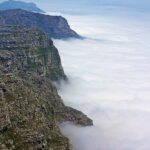
Cape Point is where the “Cape” feeling becomes dramatic. The cliffs and headlands can look unreal in Cape Town light, especially when fog doesn’t fully roll in. Even when visibility is only fair, the coastline still gives you scale.
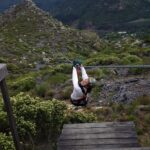
One thing to expect: this stop involves more walking than the penguin portion for many people. Some guides and departures include an uphill walk from where you park, and it’s described as the most walking in the day. Keep that in mind if you or your group has limited stamina. Bring comfortable shoes and take your time on the slope.
Also, this is where you’ll likely understand why people chase Cape Peninsula views so hard. The lighthouse isn’t just a “photo spot.” It’s a viewpoint over ocean space and rocky coast in a way that makes the earlier drive sections feel like setup.
Then, after Cape Point, the tour follows the coastal Old Cape Road back toward Cape Town. This return drive matters more than it sounds. It’s the easiest time to relax and take photos without the pressure of a “must see this next” schedule.


Price and logistics: what $33 really means
The listed price is $33 per person, and that’s the honest hook. For that amount, you’re mostly buying transport, guidance, and convenience: pickup/drop-off, a guide/driver, and bottled water.
But the tours’ headline locations have separate ticket costs. From the provided details, entrance fees not included include:
- Cape of Good Hope: R367 per adult; R180 per child
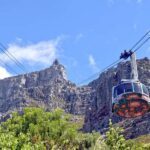
- Flying Dutchman Funicular: R85 per adult; R45 per child
- Boulders Penguin Colony: R176 per adult; R85 per child
So yes, the penguins and the Cape reserve are the expensive part. If you’re budgeting, treat $33 as the foundation. The entrance fees are the house.
That said, this route is still a solid value for the time you get. Two of Cape Town’s biggest attractions in one half-day is the main win. If you tried to do it solo, you’d still spend time on logistics, driving, and ticket lines.
One more practical detail: many guides handle timing to help you avoid heavy queues. Multiple guides have been praised for getting people tickets quickly and arriving in a way that makes the stops feel efficient. Still, opening hours can change, so your best move is to keep your day flexible.
Finally, some days run as smoothly as clockwork. Other small frustrations show up in the real world, like unclear meeting points or a driver-only situation when a guide isn’t part of the team. The overall rating is strong, but I’d still show up early, confirm your exact pickup location, and double-check your timing.
Practical tips so you get the full experience
Here’s how to make the day feel easy instead of rushed.
First, prepare for photos. The stops are built for quick scenic moments, so have your camera ready and keep your phone charged. The beach hut stop at St. James Beach and the viewpoint time around Cape Point are where you’ll want shots fast.
Second, expect short walking segments and plan footwear accordingly. Boulders includes boardwalk walking. Cape Point often includes the most uphill movement in the day, so comfortable shoes matter more than style.
Third, be ready for entrance fees as separate payments. It’s not just one ticket. The day has more than one paid site, so bring enough cash or whatever payment method is accepted on-site. One past passenger even ran into confusion about whether cash was needed versus whether cards worked, which is exactly the kind of headache you can avoid by arriving prepared.
Fourth, keep an eye on your pickup confirmation. Several people note that WhatsApp messages confirm timing on the day. If you’re traveling internationally, make sure you can access WhatsApp (or at least check messages) before the tour starts.
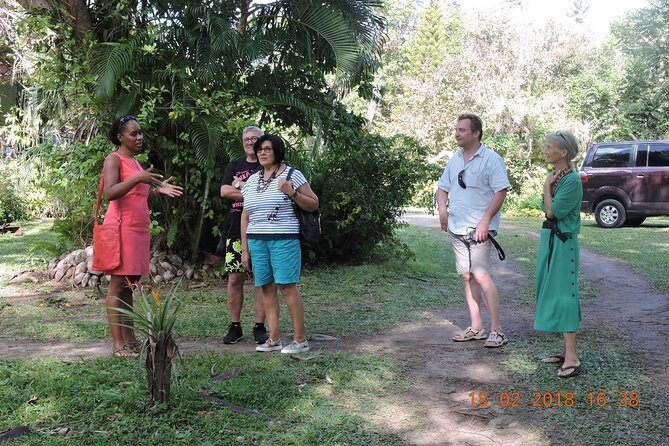
Lastly, lean into the guide. Guides like Yannick, Isidore, Leon, Luca, and Elda were repeatedly praised for turning the drive into something you actually remember. If your guide offers a stop to point out birds, or helps you position for photos, say yes. It’s the small guidance that turns “we saw stuff” into “we understood what we saw.”
Who should book this tour, and who should skip it
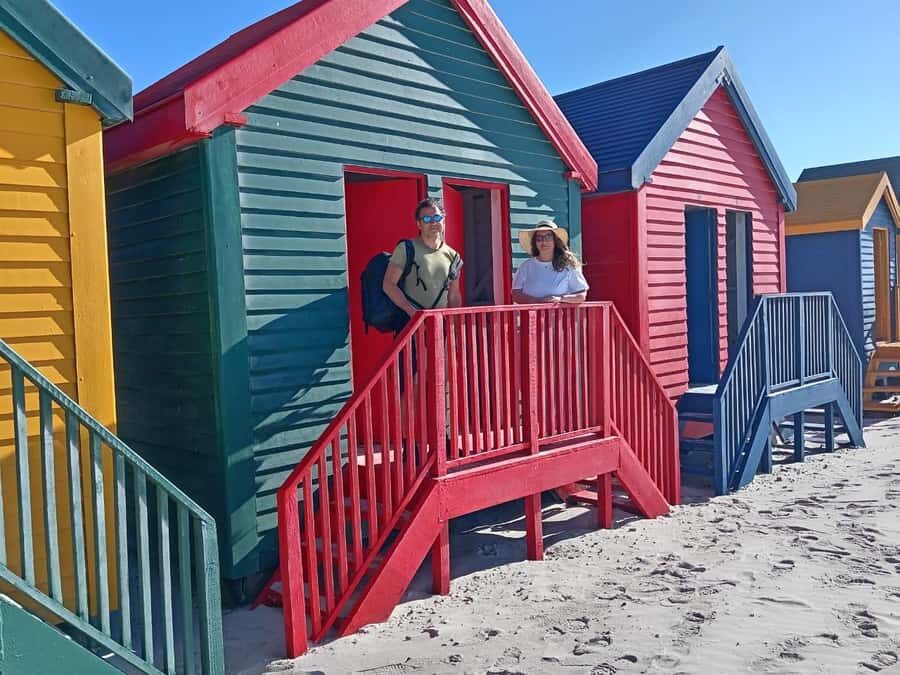
This is a great pick if you want a high-impact Cape Peninsula day without committing to a full day. You’ll enjoy it most if you like mixing iconic sights (beach huts, penguins, lighthouse views) with light wildlife spotting in the reserve.
It also suits families. The Boulders and lighthouse stops are popular across ages, and it’s structured as a manageable half-day. If someone in your group hates walking, you’ll need to make smart choices—use the viewing points, go slow on slopes, and don’t treat Cape Point like a casual stroll.
If you want a deep, slow nature hike, this probably won’t feel like enough time. The reserve time is guided and paced for seeing many things, not for long trails. In that case, consider a longer nature-focused trip instead.
Should you book Cape Town: Penguins & Cape of Good Hope?
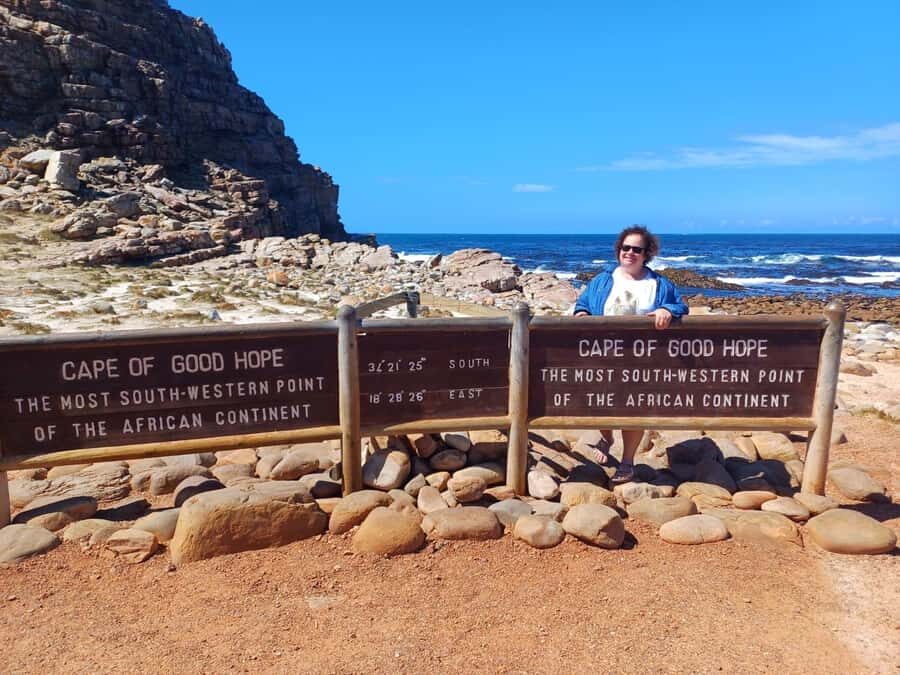
I’d book it if you fit the sweet spot: you want penguins plus the Cape’s best-known viewpoints in one afternoon, you’re okay paying separate entrance fees, and you appreciate a guide who explains what you’re looking at.
If your budget is tight, do your math first. Entrance tickets at Cape of Good Hope and Boulders Penguin Colony are the real cost drivers. Still, the half-day structure is what makes it workable. You’ll get two major attractions and a scenic drive without burning a whole day.
If you care about comfort, go in ready: wear shoes for walking, bring snacks or plan to use the coffee break, and confirm your pickup timing. Do those basics, and this tour delivers exactly what its name promises—penguins now, Cape Point views later, with a satisfying amount of story along the way.
FAQ
How long is the Cape Town Penguins & Cape of Good Hope half-day tour?
The tour duration is 4 hours, though you should check available starting times for the exact schedule.
What’s included in the tour price?
The tour includes a guide/driver, roundtrip transportation by car, and bottled water.
Are entrance fees included?
No. Entrance fees are listed as separate for Cape of Good Hope (R367 per adult; R180 per child) and Boulders Penguin Colony (R176 per adult; R85 per child). Flying Dutchman Funicular fees (R85 per adult; R45 per child) are also listed as not included.
Where can I be picked up and dropped off?
Pickup and drop-off options include Sea Point, Victoria & Alfred Hotel, Green Point, The Westin Cape Town, and Cape Town City Centre.
What languages is the live guide available in?
The live tour guide is available in English and French.
Is the tour wheelchair accessible?
The activity is marked wheelchair accessible, but the day includes walking segments such as the penguins boardwalk and the lighthouse area.