REVIEW · CAPE TOWN
Half-Day Tour Through Cape Town’s Townships
Book on GetYourGuide →Operated by Camissa Travel and Marketing · Bookable on GetYourGuide
Walking Langa felt like meeting real Cape Town. This half-day tour is built around the idea that you’re a guest, not a voyeur, with a personal guide (often Camissa) helping you understand daily life at walking pace. I love how it starts with District Six, using real local context to explain why the city was torn apart.
My second favorite part is the way the tour connects history to places you can stand in—especially the stops tied to Gugulethu Seven Memorial and the Amy Bichel Memorial. You hear what happened, then you see how memory is kept alive in a space designed to make the story hit harder.
One heads-up: there’s no lunch, and you can’t bring luggage or large bags. I’d also plan on carrying small change for donations and for buying small crafts, because that comes up during the day.
In This Review
- Key Highlights Worth Your Attention
- Townships on Foot: Why This Tour Feels Different
- District Six: The Starting Point That Makes the Day Make Sense
- The Drive Through Langa: Oldest Township, Real Encounters
- Bonteheuwel and the Names That Carry History
- Langa Walking Tour: What You Actually Do and See
- Gugulethu Seven Memorial: Memory Built Into the Light
- Amy Bichel Memorial: Violence, Struggle, and Why It’s Included
- Price and Time: Is $58 for 3–4 Hours Good Value?
- Getting Picked Up and Staying Mobile Without Luggage
- How to Handle Photos, Donations, and Respect
- Who This Tour Fits Best
- Should You Book the Half-Day Township Tour?
Key Highlights Worth Your Attention

- District Six context first so Langa and beyond make sense, not just sightseeing
- Walking tour in Langa where you meet residents and ask questions on foot
- Bonteheuwel and Gugulethu driving chapters that connect communities and names
- Gugulethu Seven Memorial with a powerful light effect meant to bring stories back to life
- Amy Bichel Memorial stop focused on the nation’s struggle against violence
- A “guest” approach that aims for respect, safety, and real conversation
Townships on Foot: Why This Tour Feels Different
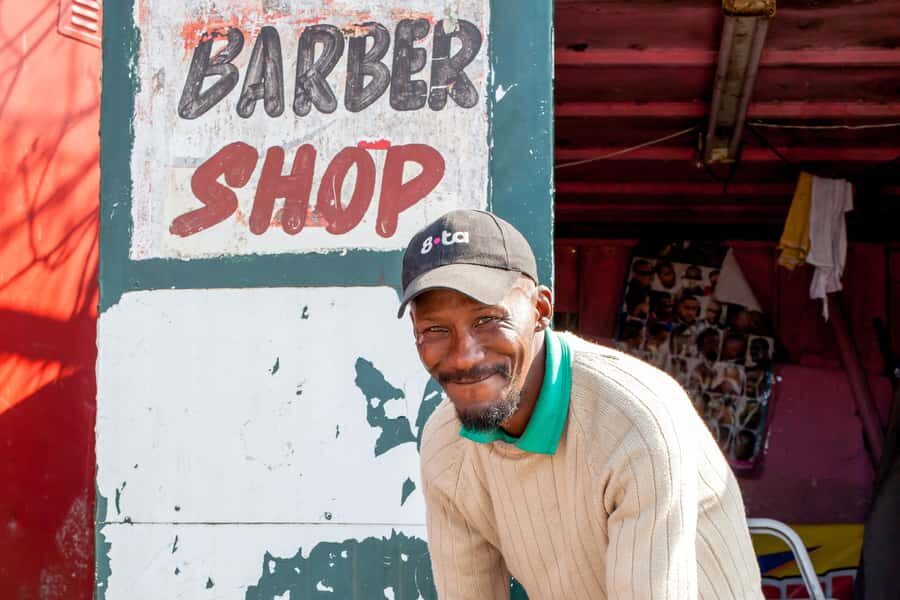
If your Cape Town trip is all beaches, sunsets, and vineyards, this is the day that gives you the full picture. The experience is designed as a half-day route through multiple communities, but the real difference is the tone: your guide isn’t there to sell you a view. They’re there to help you understand the lives around you and to answer questions in a way that feels human, not performative.
I like that this tour does not treat townships like a museum piece. You spend time in real neighborhoods, with walking time planned in Langa. And you’re explicitly positioned as a guest—someone who’s welcomed to look and listen, with your guide translating both history and everyday realities.
You’ll also notice that many guides for this kind of work are from the communities themselves. People like Godfrey and Lebo show up in the stories that visitors share after the tour, along with Jerry and Sakhe/Simosakhe. That local connection matters because it changes what you’re able to ask and how the answers land.
A few more Cape Town tours and experiences worth a look



District Six: The Starting Point That Makes the Day Make Sense
The half-day journey begins with District Six, and it’s a smart move. It’s also emotionally heavy, because District Six is one of Cape Town’s clearest examples of how apartheid reshaped the city with forced removals.
You’ll learn that in the 1970s, more than 60,000 inhabitants were removed from this inner-city residential area. Then you’re shown what has happened since—especially the shift that started after 2003, when new momentum brought life back to the area through efforts connected to Nelson Mandela. District Six isn’t just a history stop; it’s the story that helps you understand why the townships exist in their current form and why the past still shapes the present.
What makes this part work is the pacing. You’re not speed-running facts from a plaque. Your guide uses the walk-and-chat approach to connect the removal story to the way people live now. That’s what keeps the day from turning into a simple checklist of places.
The Drive Through Langa: Oldest Township, Real Encounters

After District Six, you head to Langa. This is described as the oldest township in Cape Town, and the tour uses that fact to set expectations: you’re not just going to one neighborhood, you’re visiting a place with long continuity.
From there, the plan shifts into human scale. You drive through related areas (including Bonteheuwel) and then you spend walking time in Langa itself. This is where the tour earns its reputation for being practical. You’re not stuck looking out a car window; you’re moving on foot with your guide, talking to people, and seeing how homes, streets, and community spaces work as a lived-in system.
Many of the best comments about this tour focus on feeling safe and respected. People describe how they didn’t feel like an outsider watching from behind glass. That aligns with the guide strategy: your host is there to set expectations, manage interactions, and keep the visit grounded.
Bonteheuwel and the Names That Carry History

Between Langa and Gugulethu, you’ll do some driving time, including a pass through Bonteheuwel. Bonteheuwel is described as a township that grew out of residents from District Six who were classified as “coloured.” That matters because it shows how apartheid categories weren’t just paperwork—they were real geography, real displacement, and real long-term consequences.
Then the tour keeps moving, and you get another historical link: you’ll see Gugulethu, with about 300,000 residents today. The meaning of its name is part of the tour’s teaching. Gugulethu comes from Xhosa words meaning our pride—igugu lethu. It’s a simple translation, but the tour uses it as a theme: you’ll look for how communities carry identity, organize daily life, and create momentum even after harsh beginnings.
Langa Walking Tour: What You Actually Do and See
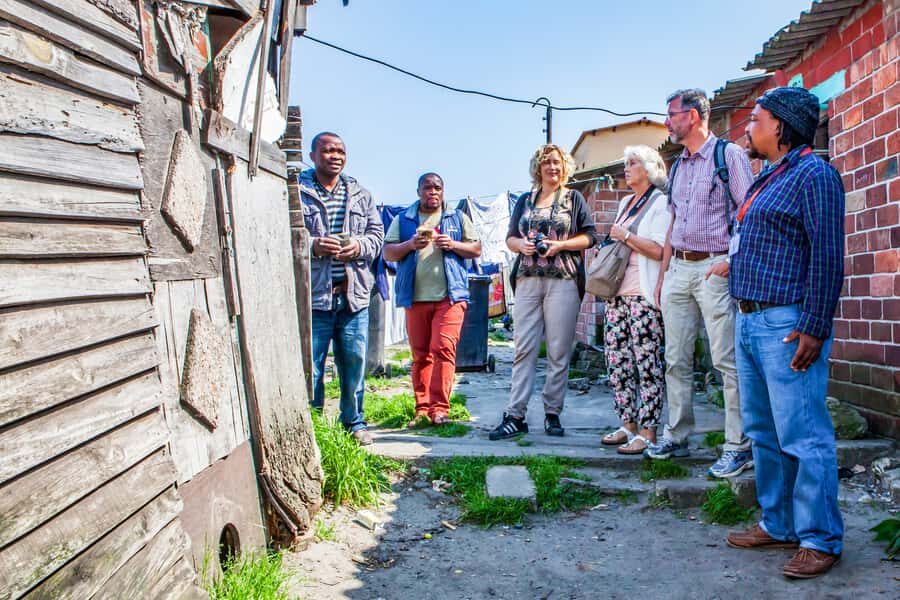
This is the moment most visitors are hoping for: walking in a township and speaking to people along the way. Here’s what that typically looks like on this half-day structure.
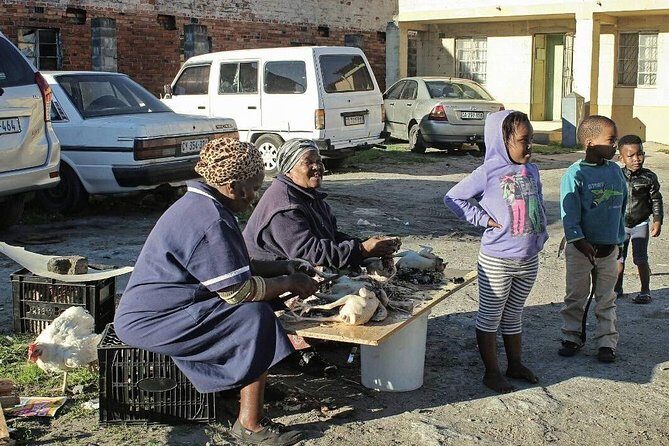
You start with your walking guide and their stories about life in Langa, including what housing can look like across different parts of the community. You’ll also pass by spaces tied to everyday routines—places where people gather, work, and raise families. Some visitors describe the experience as a reality check, because it makes inequality visible without turning the day into spectacle.
Several comments mention that guides were open to questions. People specifically liked that the answers were direct and that the guides didn’t dodge uncomfortable topics. And because you’re on foot, your guide can pause the group when something deserves attention—so you don’t lose context while trying to keep up with a fast pace.
One practical detail: you can expect time inside or near a kindergarten/creche setting midweek. Even if your visit is not on a day with school activities, the tour’s structure is still framed around those community spaces. That’s part of why it feels more than just a drive-through.





Gugulethu Seven Memorial: Memory Built Into the Light
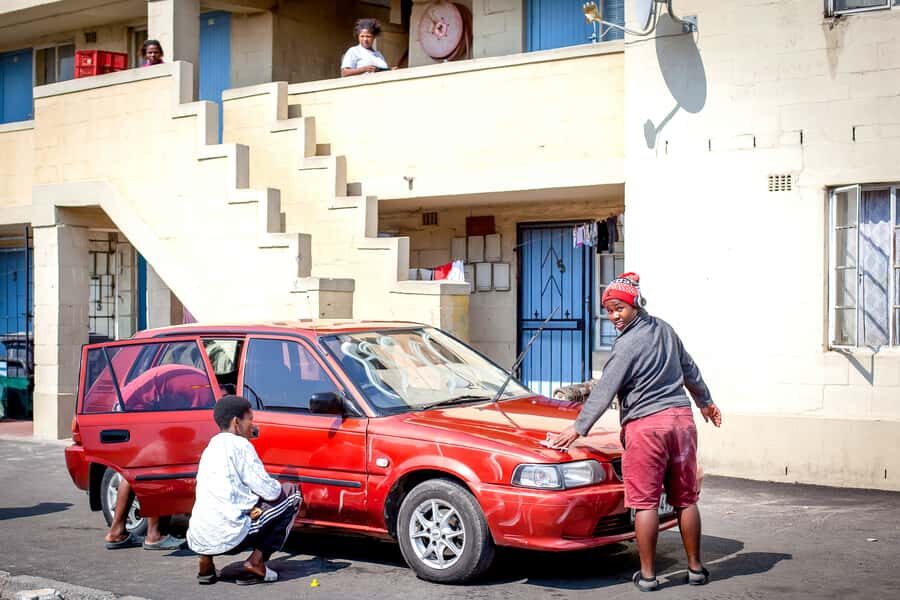
The day’s emotional peak comes at the Gugulethu Seven Memorial. You’ll hear the story of seven youths who were fighting against apartheid and later died. Then you’ll experience the memorial as more than a name list.
The tour explains a key design element: the light shines through empty space, and the effect is described as bringing those who died back to life in a powerful way. Whether you find it subtle or overwhelming, it’s clearly intended to make the viewer slow down and pay attention.
This stop is valuable because it connects the political history to something you can feel in your body—quiet, stillness, and reflection. And it also helps you understand why memorial culture in South Africa can be so intentional. It’s not just about remembering the past; it’s about carrying lessons into the present.
Amy Bichel Memorial: Violence, Struggle, and Why It’s Included

After the Gugulethu Seven stop, the tour continues with a visit to the Amy Bichel Memorial. This memorial is described as a way to honor the nation’s struggles against violence.
That topic can feel broad until your guide puts it into perspective with the rest of the day. When you’ve just learned about displacement and resistance, the memorial’s focus on violence lands differently. It frames how communities survive, how they protect children and families, and how remembrance is part of the fight for safer futures.
If you’re the type who likes to understand the “why” behind a tour route, this is a strong inclusion. The memorial stops aren’t add-ons. They connect the themes you’ve been taught since District Six: identity, survival, and the fight for dignity.
Price and Time: Is $58 for 3–4 Hours Good Value?
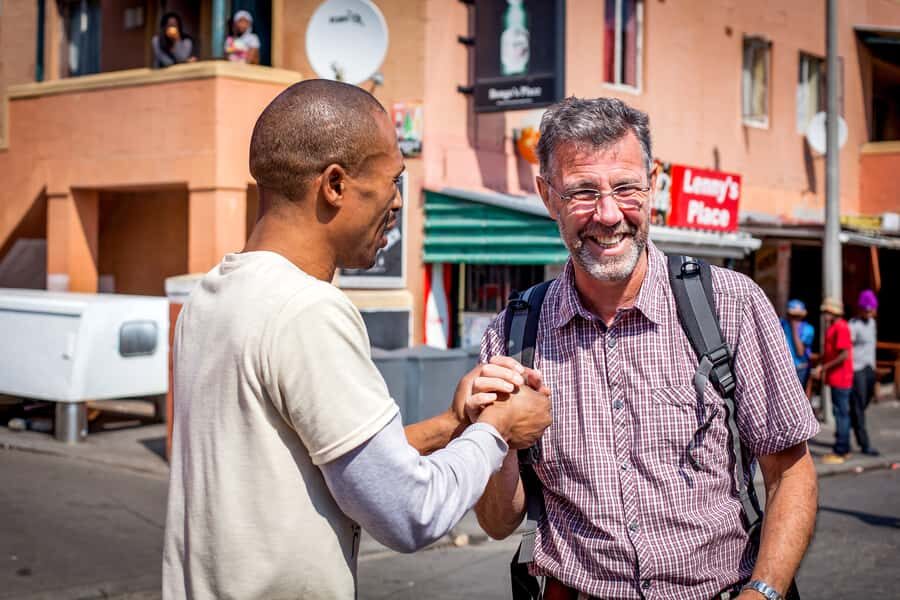
At $58 per person for 3 to 4 hours, this tour isn’t cheap, but it also isn’t inflated. The value comes from what’s included: transport with a vehicle and driver guide, entrance fees, and fuel plus passenger liability insurance coverage.
A typical “short tour” like this can easily become a pricey taxi with a generic commentary. This one is different because the guide is there for conversation—walking time in Langa, plus organized stops with clear historical and memorial context. When you consider that you’re getting both a driving chapter and a walking chapter, plus multiple points with entrance fees, the price starts to make sense.
The other time factor is key. You don’t have to give up your whole day. A half-day is long enough to build a story, but short enough to combine with other Cape Town must-dos the same trip.
Getting Picked Up and Staying Mobile Without Luggage
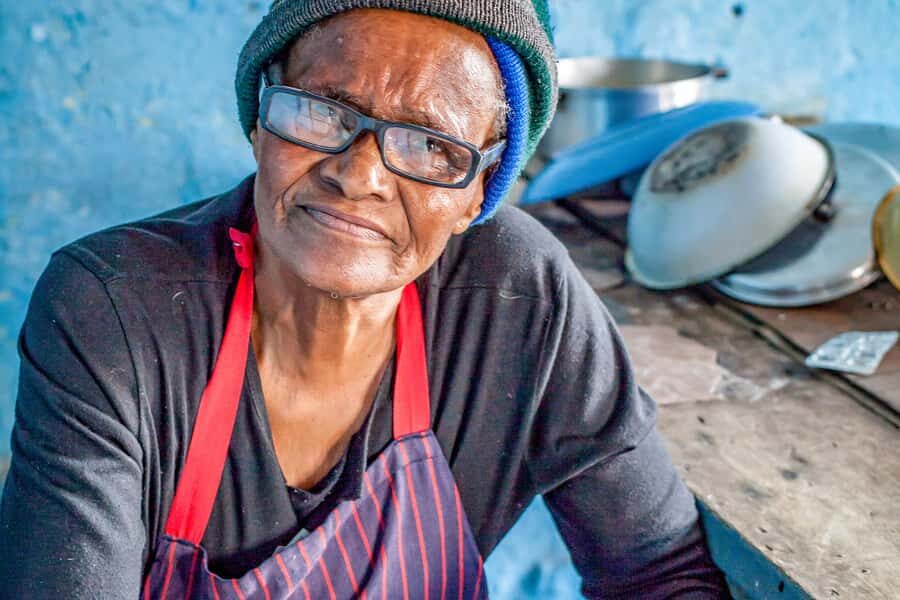
Pickup is available from hotels in Cape Town city center waterfront and areas on the Atlantic seaboard, including Camps Bay. That makes the start simple, especially if you’re staying in the tourist-friendly parts of town.
One logistics note you should take seriously: luggage or large bags aren’t allowed. This matters more than it sounds. If you’re used to arriving with a big daypack and spare bags, rethink what you bring. Pack light and keep essentials easy to access—water, a phone for photos, and small cash for donations or crafts.
How to Handle Photos, Donations, and Respect
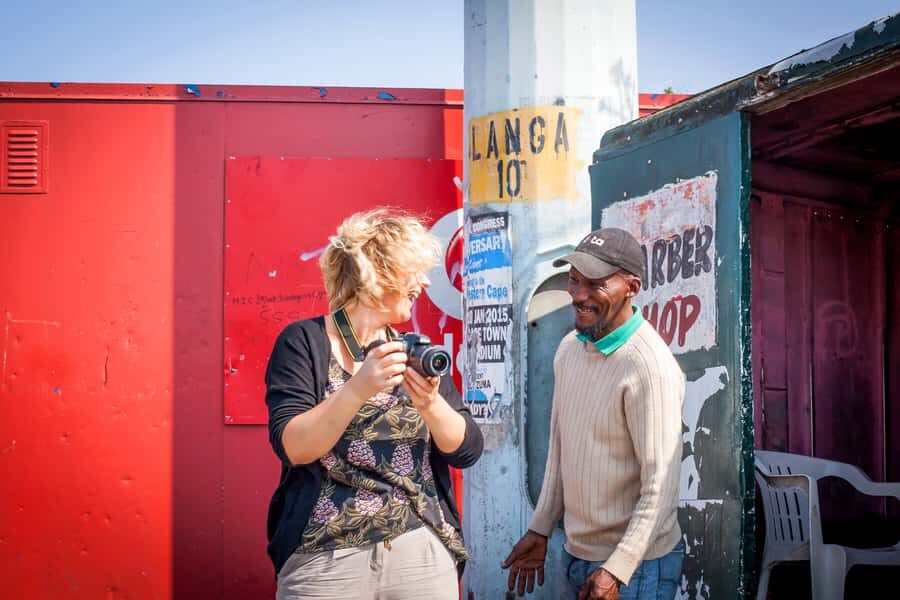
This tour’s biggest strength is also the thing that requires your cooperation: it depends on respectful engagement. The guidance is practical—bring small change for donations if you plan to take photos of people, and for purchasing small arts and crafts that support small businesses.
In other words, don’t show up holding a camera like you’re collecting trophies. Let your guide set the tone, ask before photographing where it’s appropriate, and treat any donations or purchases as part of the relationship, not a tip jar situation.
If you’re nervous about safety, take comfort in how repeatedly visitors describe feeling safe and taken care of. One of the recurring themes is that the guides, including those from Langa, help you feel at ease—not because everything is perfect, but because they manage the visit and keep interactions respectful.
Who This Tour Fits Best
This is a great fit if you want more than “Cape Town postcard” tourism. It’s also a strong choice if you like history but don’t want museum-only learning. The walking component and the memorial stops make the history feel close.
It’s especially well-suited for:
- Couples, small groups, and solo travelers who want a guided, respectful route
- People who ask questions and like dialogue rather than lectures
- Visitors staying near Camps Bay or the waterfront who want a half-day plan that doesn’t derail the rest of their trip
One note: this experience can work for families too. A few comments mention bringing children, including a 5-year-old who enjoyed visiting schools. If you’re traveling with kids, you’ll still want to match expectations. This is not a playground stop—it’s a meaningful day that will include serious topics and real community life.
Should You Book the Half-Day Township Tour?
Yes, if you want to understand Cape Town as a whole place, not just the famous parts. This tour earns trust by doing two things well: it starts with District Six so you’re not lost in context, and it keeps the tone respectful by treating you as a guest with a personal guide.
I’d only hesitate if you’re looking for a relaxed, casual photo safari. This route includes heavy history and memorial visits, and you’ll be more aware of time and space than you would on a purely scenic tour. Also, remember the basics: no lunch, and no large luggage.
If you go in with the right attitude—listen, ask questions, follow your guide’s lead—you’ll come away with a clearer sense of South Africa’s story and what everyday life looks like on the ground.