REVIEW · CAPE TOWN
Cape Town Waterfront and Bay: Sailing Trip
Book on GetYourGuide →Operated by Waterfront Charters · Bookable on GetYourGuide
One hour, and Table Bay feels brand new. I love the city-and-mountain views from the sea and the crew’s hands-on help that turns you into a beam reach in training. The only catch: depending on wind, you may not sail the whole time, and on some days the trip runs under engine or even on a different catamaran.
This is a short outing that actually feels like the ocean—waves, wind, and proper sailing techniques on the water. I also like the flexibility: if sailing conditions get rough, the operator can pivot to a Cape Town Harbor cruise (day or lights), and in extreme conditions the skipper may keep everyone dockside for safety.
Plan for Cape Town’s weather and keep your day simple. You’ll meet at Shop 5 at Quay 5, Waterfront Charters at the V&A Waterfront, and you’ll want to bring a jacket, sunscreen, and sunglasses—luggage and pets are out.
In This Review
- Key things I’d prioritize on this sailing hour
- From the V&A Waterfront to Table Bay in just 1 hour
- Table Bay routes: summer sailing toward Milnerton, winter headings near Robben Island
- When you’re not fully sailing: engine days and harbor-light magic
- Meeting point at the V&A Waterfront: where to find Waterfront Charters
- Onboard vibe: crew energy, real seamanship, and the cash bar option
- Wildlife spotting in Table Bay: seals, dolphins, and surprising sea-life
- What to bring for windy Cape Town, plus comfort tips that matter
- Price and value: why $25 for a Bay sailing hour can be a smart deal
- Who should book this sailing trip (and who might skip it)
- Should you book Waterfront Charters’ Cape Town Bay sailing hour?
- FAQ
- How long is the Cape Town Waterfront and Bay sailing trip?
- Where do I meet the tour for this trip?
- What happens if the wind is too strong or seas are rough?
- Do you always sail, or is there an engine?
- What should I bring and what should I avoid?
- Is an English audio guide included?
Key things I’d prioritize on this sailing hour
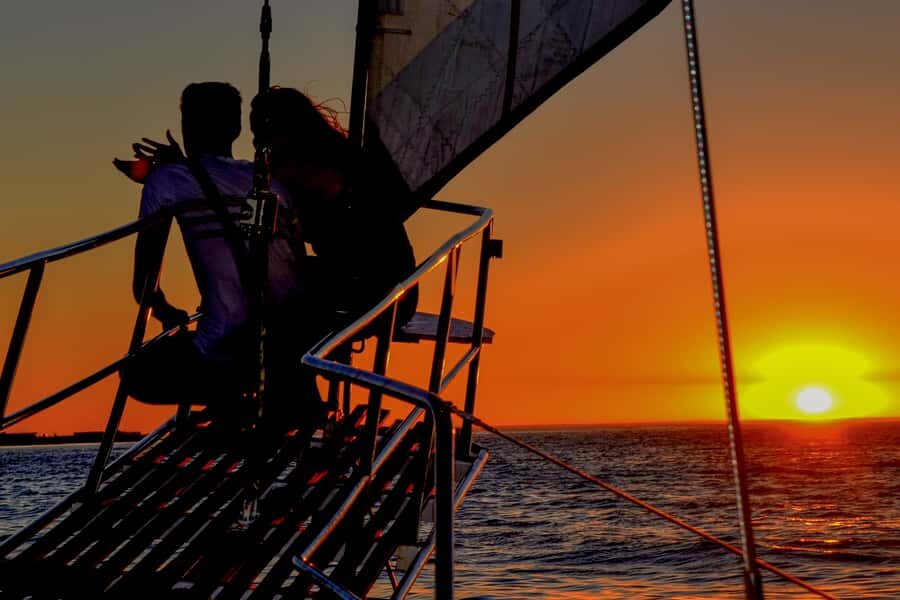
- Wind decides the route: Table Bay sailing in summer winds, with Robben Island heading options in winter winds
- Real sailing skills up close: sails raised and worked by a crew that’s happy to explain
- Quick turn, big payoff: you get sea views of the Waterfront and city without burning half a day
- Working-boats energy: you’re not stuck staring at a screen; you’re watching how boats actually move
- Safety-first backups: when seas or wind are uncomfortable, the plan can shift to harbor cruises
- Sea-life chances: you may spot seals, dolphins, and other ocean wildlife depending on the day
From the V&A Waterfront to Table Bay in just 1 hour
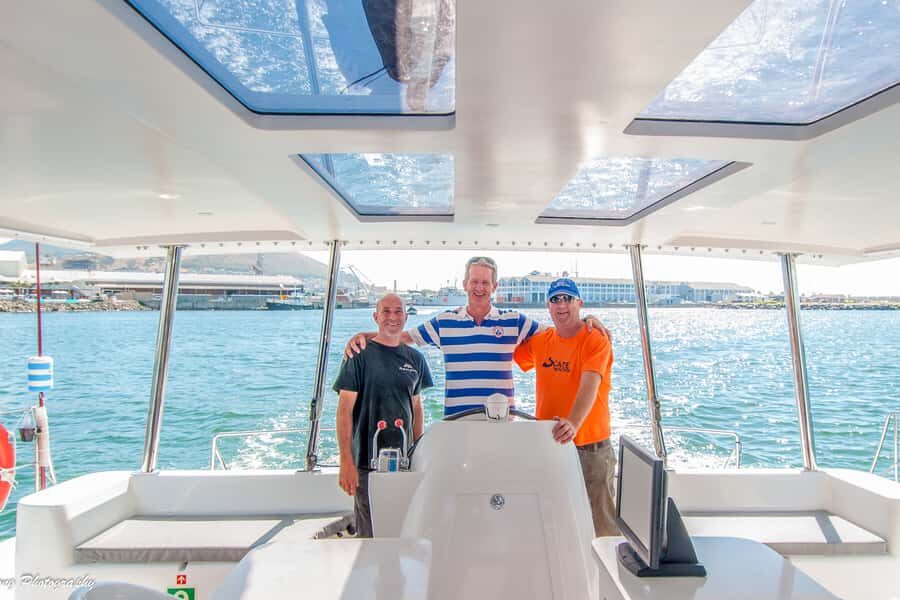
This is the kind of trip I recommend when you want the Cape Town coastline experience without committing to a long day. You start at the V&A Waterfront and head out onto Table Bay, where the city suddenly stops being “something you’re visiting” and becomes “something you’re sailing past.” In about an hour, you go from quayside buildings to open water, with that unmistakable sense of salt air and wind in your face.
Even though it’s short, it’s not a dead, sightseeing-only cruise. The crew usually sets sails when conditions allow, and that changes the whole vibe. Under sail, the boat’s motion feels different, slower in the best way, more connected to the weather. And if you’ve never been on a working sailboat-style outing, the learning is part of the fun.
Two practical notes matter here. First, this is Cape Town—wind is not a theory. Second, you’re on the water for the full experience, so pack smart: sun protection, but also something for cooler breezes. If you’re traveling with kids, this duration is a sweet spot: long enough to feel like an adventure, short enough that you don’t need to negotiate boredom.
You can also read our reviews of more boat tours in Cape Town

Table Bay routes: summer sailing toward Milnerton, winter headings near Robben Island
What makes this sailing trip feel “local” is that the route depends on the wind on the day. The operator chooses what’s comfortable and safe, and that means your hour can take one of two common directions.
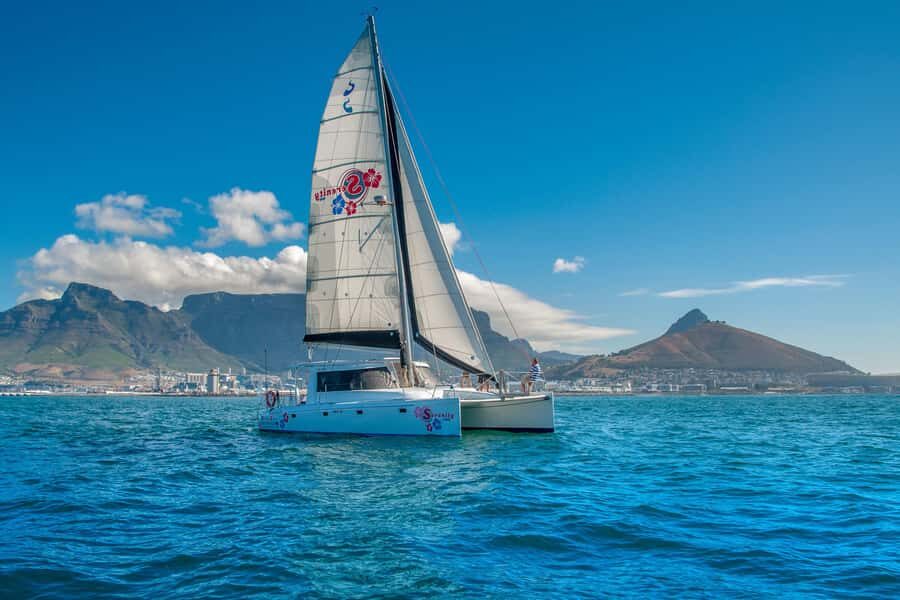
On one wind pattern (described as a summer wind), the cruise typically sails across Table Bay toward Milnerton Lighthouse and returns back to the Waterfront. This gives you a classic Bay feel: open water in front of you, the coastline and city behind you, and the sensation of being carried by wind rather than dragged by a schedule.
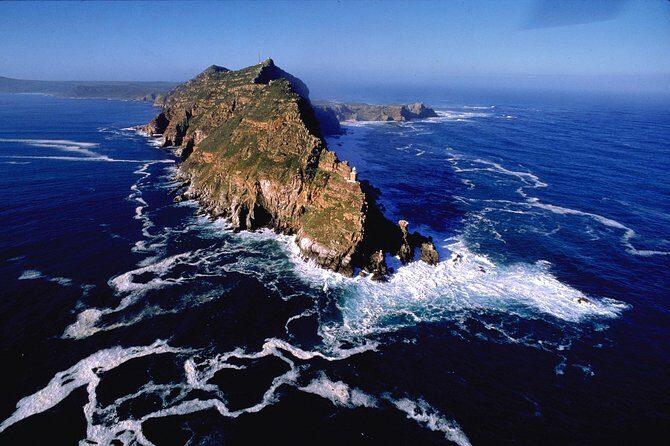
On the other wind pattern (described as a winter wind), the boat may head north east toward Robben Island before returning. That route is ideal if you want a sense of Cape Town’s geography beyond the Waterfront promenade. Even without getting off the boat, seeing the island direction from the bay is a memorable “we’re really out here” moment.
You don’t need to know sailing terms to enjoy it, but the crew will often explain what’s happening. If you’re curious, this is where you learn fast. You might hear the crew talk about a beam reach, which is one of those sailing angles that creates steady progress without the boat getting slammed. If you don’t know what that means, the crew is the kind that will help you understand it during the sailing.
When you’re not fully sailing: engine days and harbor-light magic
Here’s the honest reality: sailing isn’t always about wanting sail. It’s about wind direction, speed, and comfort. The operator explicitly uses an engine when it isn’t possible to proceed safely and comfortably in the direction they need.
So if the wind isn’t cooperating, you’ll still go out and still get the Cape Town Bay experience. The boat may motor part of the way while the crew watches conditions. Then, when the sailing window opens, sails can be raised again (when safe and comfortable).
And the biggest “plan B” is even better than it sounds. When seas run too high or wind is unpleasantly strong for sailing into Table Bay, the destination can shift to Cape Town Harbor for either a harbor day cruise or a harbor lights cruise. That’s a smart backup because you’re not stuck with disappointment—you trade big open-bay sailing for a close-in view that can be genuinely magical, especially in the evening when the harbor lights come on and Table Mountain sits in the background.
In extreme conditions, the skipper may even stay dockside to protect passengers. That’s not the outcome you hope for, but it is exactly the kind of safety choice I respect. When the goal is a good time, safety is still the first rule.
Meeting point at the V&A Waterfront: where to find Waterfront Charters
This trip starts at the V&A Waterfront, and you’ll want to show up with just a little extra time buffer. The meeting point is very specific: Shop 5 on Quay 5.
Look for the signs for Waterfront Charters next to the Sevruga Restaurant. You’ll be located on the water’s edge below the large flagpole in front of the shopping center. Boarding passes are issued at Shop 5.
Why this matters: a fast hour on the water means you don’t want to be sprinting at the last minute. If you’re coordinating with a group, decide early who’s handling the meeting point so no one gets stuck looking for the right shop.
Also, keep it light. Pets aren’t allowed, smoking isn’t allowed, and luggage or large bags aren’t allowed. If you’re coming straight from a hotel, pack like you’re going to the beach and a little bit of wind exposure too.
Onboard vibe: crew energy, real seamanship, and the cash bar option
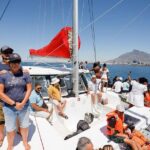
If you’re expecting a stiff, silent cruise, adjust your expectations. This outing is built around interaction. The crew is often described as friendly and capable, with guides willing to teach you what’s going on. You might be learning terms like beam reach while you’re actually watching the sails work, not just reading a brochure.
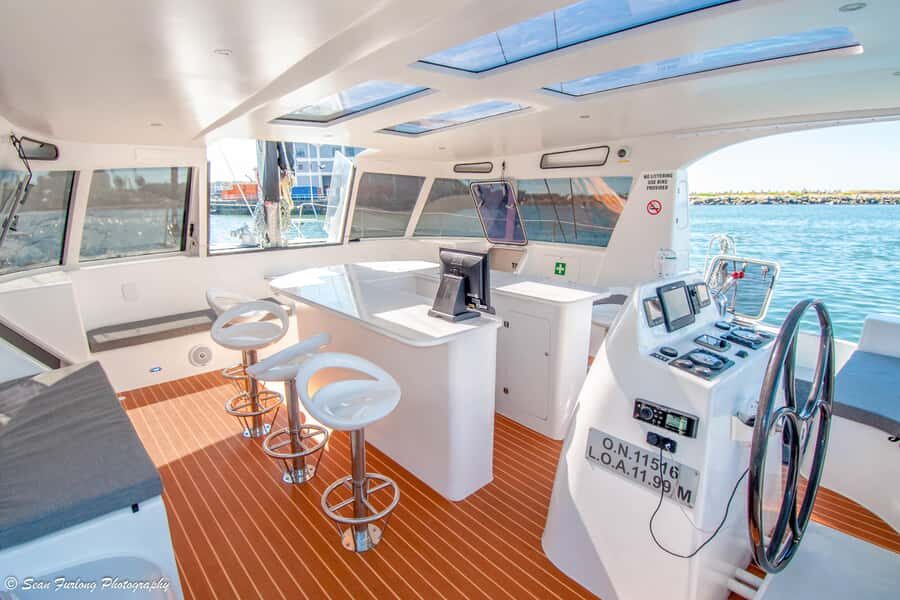
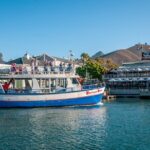
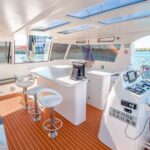
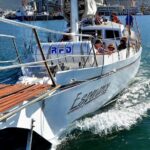
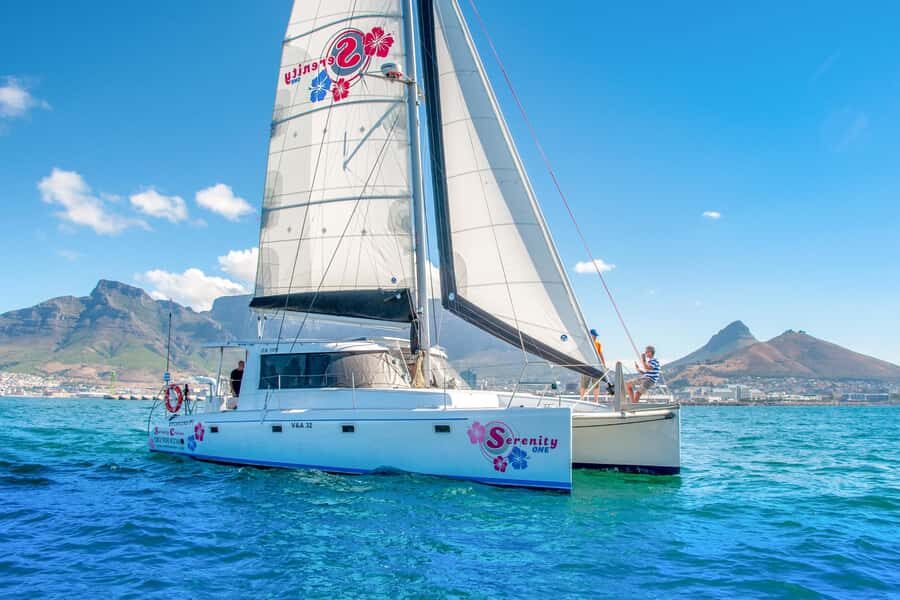
Boat type can vary depending on conditions. The sailing experience is described as possible on a luxury catamaran called Serenity One, depending on wind. In wind-free or unsuitable conditions, people have reported being taken on a modern motor catamaran alternative instead. The important part: you still get a 1-hour bay outing and a professional crew.
Onboard, you’ll likely find music that keeps the mood relaxed and fun. And there’s a cash bar onboard. Some departures include the option to buy items like champagne, though you should treat anything beyond standard drinks as day-dependent.
If you’re traveling with kids, this kind of crew-led education tends to land well. The best part isn’t that you’ll learn sailing theory; it’s that the crew makes the movement of the boat feel like part of the entertainment.
You can also read our reviews of more sailing experiences in Cape Town

Wildlife spotting in Table Bay: seals, dolphins, and surprising sea-life
This is one of the reasons I like short cruises like this. You don’t have to plan a full day of searching; you just go where wildlife tends to show up and keep your eyes open.
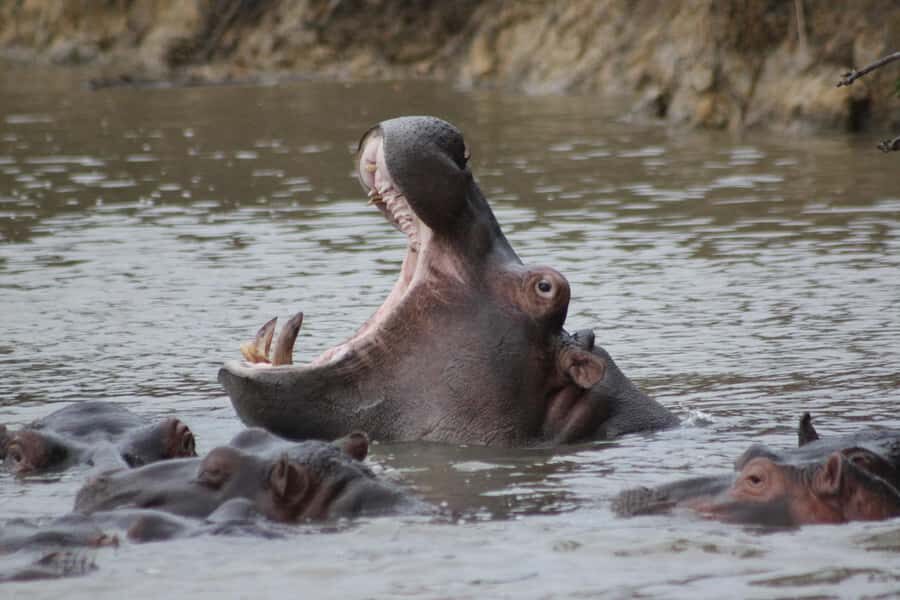
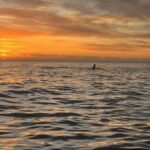
Across multiple trips, seals are a common highlight. And dolphins are a big one too—some sailings have even included encounters with pods of dolphins feeding. On the ocean side of Cape Town, that can happen quickly, so the crew’s attention matters. When the captain has spotted activity, the boat often adjusts the approach to give passengers a chance to see it.
You might also see other sea life depending on the day. One account mentioned pancake sharks during a sailing experience, which is the kind of sight that makes you feel like you got lucky with timing and conditions. You can’t count on any specific animal, but you can count on the crew watching for opportunities.
Pack your “look up often” mindset. When you’re focused on the coastline, it’s easy to miss what’s happening on the waterline. If you keep alternating between skyline views and what’s happening in front of the bow, your odds go way up.
What to bring for windy Cape Town, plus comfort tips that matter
Cape Town’s wind is famous for a reason. This tour specifically tells you to bring sunglasses and sunscreen, plus a sun hat. They also warn that a jacket is smart because it can be windy even when the sun is out.
Here’s the practical packing list I’d follow:
- Sunglasses (wind + glare can be brutal)
- Sun hat (more protection than you’d think)
- Sunscreen (reapply if you’re out in direct sun)
- A light jacket or windbreaker (even if it feels warm at the start)
If you’re prone to getting a bit seasick, consider bringing what works for you on boat days. The good news is this is a 1-hour outing, not a long offshore slog.
Also, plan for the fact that you might get wet. One trip noted getting a bit wet, and that makes sense on windy bay days. Bring something that can handle a splash, like a quick-dry outer layer.
And keep the bag situation simple. Since luggage or large bags aren’t allowed, travel light so you’re not juggling belongings during sailing maneuvers.
Price and value: why $25 for a Bay sailing hour can be a smart deal
At around $25 per person for a 1-hour cruise, this is priced as an accessible Cape Town add-on. The value comes from three things.
First, you’re getting a real marine experience—sailing when conditions allow, plus a crew that helps you understand what’s going on. That’s different from a passive boat ride where you mostly hold a phone and hope for a dolphin.
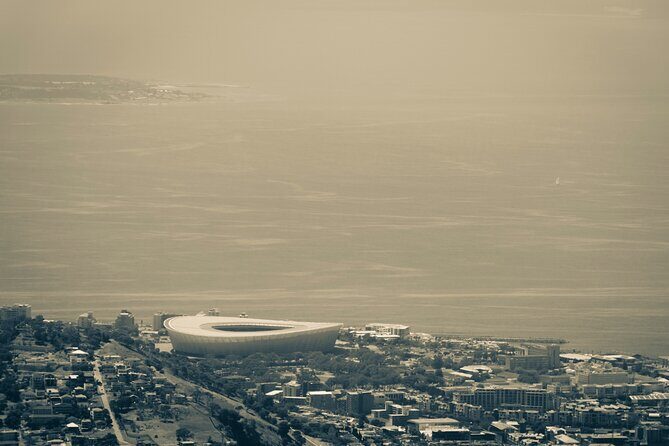
Second, you get sea views of Cape Town’s waterfront and Table Mountain context. From land, you see landmarks. From the water, you understand how the city sits against the bay. Even in a motor segment, that perspective still hits.
Third, the safety and comfort logic reduces the chances of a frustrating trip. Instead of pushing into uncomfortable conditions, the plan can shift to harbor day or harbor lights, depending on weather. That flexibility is part of what you’re paying for, even if you don’t notice it until the conditions change.
So the deal isn’t only the price. It’s the probability that you’ll still get a good experience even if the wind doesn’t cooperate exactly as hoped.
Who should book this sailing trip (and who might skip it)
This outing is ideal if you:
- Want a short, high-reward way to see Table Bay
- Like learning on the go, especially about how sailing works
- Are bringing kids and want an adventure that stays manageable
- Want skyline views without a full-day boat commitment
You might think twice if you:
- Hate wind and cold breezes and don’t want to dress for them
- Need a guaranteed sail-only route with no engine segments (because the route and propulsion depend on conditions)
If you’re the type who loves “best possible conditions today” travel, this fits your style. Cape Town is weather-driven, and this cruise leans into that truth rather than pretending conditions never change.
Should you book Waterfront Charters’ Cape Town Bay sailing hour?
Yes—if you’re flexible and want a practical, fun taste of the water right from the V&A Waterfront. For the price, the combination of real seamanship when conditions allow, strong crew energy, and the chance of seals and dolphins makes this a good call for most visitors.
Book it especially if you have only a day (or half a day) to spare and you still want the sea perspective. Just pack for wind, arrive on time at Shop 5 on Quay 5, and go in with the mindset that the captain is choosing the safest and most comfortable route for that particular hour.
FAQ
How long is the Cape Town Waterfront and Bay sailing trip?
The duration is 1 hour.
Where do I meet the tour for this trip?
Meet at Shop 5 on Quay 5, Victoria & Alfred Waterfront. Look for Waterfront Charters signs next to Sevruga Restaurant, on the water’s edge below the large flagpole.
What happens if the wind is too strong or seas are rough?
If sailing into Table Bay isn’t comfortable or safe, the destination may switch to Cape Town Harbor for a harbor day cruise or a harbor lights cruise. In extreme conditions, the skipper may keep the boat dockside for safety.
Do you always sail, or is there an engine?
Depending on wind and comfort, you may sail with the sails up. If it isn’t possible to proceed comfortably and safely in the needed direction, the operator will use the engine.
What should I bring and what should I avoid?
Bring sunglasses, a sun hat, and sunscreen. Pets are not allowed, smoking is not allowed, and luggage or large bags are not allowed.
Is an English audio guide included?
No. An audio guide in English is not included.