REVIEW · CAPE TOWN
Culinary explorations: Flavors on a 3-Hour Food and Drink Tour.
Book on Viator →Operated by Giraffe Horizons · Bookable on Viator
Food in Cape Town hits different. This private tour strings together classic neighborhoods and real tastings.
I like the focus on Cape Malay comfort foods like bobotie and tomato bredie, and I like how the route also lands at V&A Market for bites such as artisanal cheese and biltong. You’ll get a mix of street-eats energy and sit-down neighborhood flavor without it feeling like a random sampling spree.
One possible drawback: expectations around volume can be tricky at this price. Alcohol isn’t included, and the tour can feel more like tastings than a full feast, so if you want lots of big portions and lots of drinks, plan to add some extra spend along the way.
In This Review
- Key Highlights You Can Plan Around
- Cape Town Food and Drink in a Tight 3-Hour Window
- How the Tour Builds Your Cape Town Food Map
- Bo-Kaap: Where Cape Malay Flavor Shows Up Fast
- Bree Street Cafe Culture and the Street-Food Rhythm
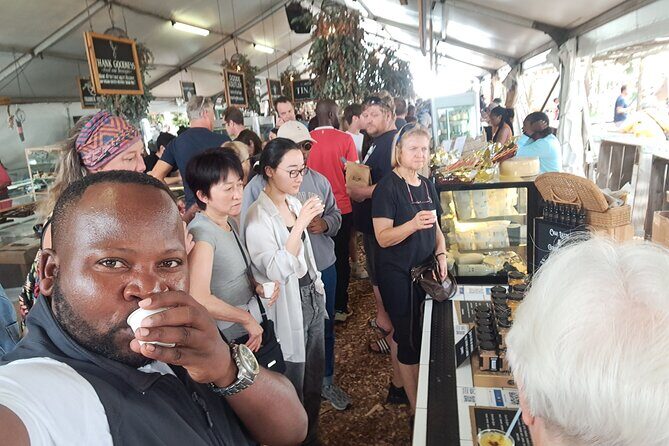
- V&A Market: Cheese, Biltong, and Regional Specialty Shopping
- What You Actually Taste (and Why Alcohol Is Separate)
- Price and Value: How to Judge If It’s Worth It
- Pickup, Walking Time, and How to Dress for It
- Best Fit: Who Will Like This Tour Most
- Tour Guides and the Human Side of Tasting
- Should You Book Culinary Explorations in Cape Town?
- FAQ
- How long is the Culinary Explorations tour?
- Is pickup included?
- What food and dishes should I expect to sample?
- Are alcoholic beverages included?
- Will children be able to taste alcohol?
- Is this a private tour?
- What extra costs should I plan for?
- Is there free cancellation?
Key Highlights You Can Plan Around
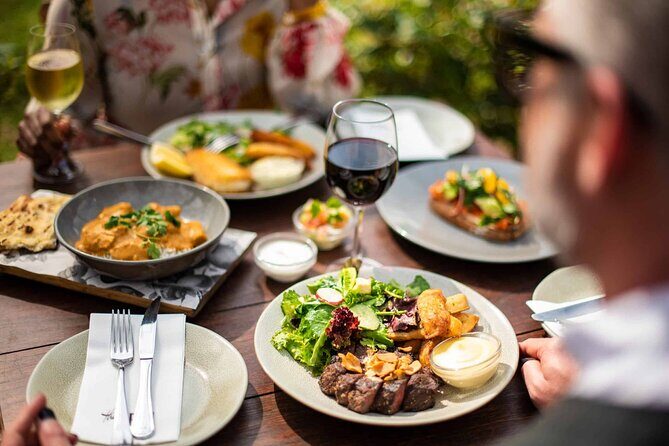
- Bo-Kaap first-stop energy with Cape Malay classics like samoosa, bobotie, and curries
- Xhosa staples in the mix, including pap and hearty options like oxtail stew (depending on what’s being served that day)
- Bree Street cafe culture for casual bites and coffee-style stops (some starts may include Truth for coffee)
- V&A Market sampling with regional favorites such as artisanal cheese and biltong
- Private, group-only pacing with pickup and an air-conditioned vehicle to keep things comfortable
- Alcohol costs extra, with a note that beverage prices can vary (and kids have tasting limits)
Cape Town Food and Drink in a Tight 3-Hour Window

This tour is listed at about 3 hours, but the description also talks about spending time with your host in a way that suggests a slightly longer-feeling pace. Either way, you’re not wandering for a full day. You’re covering three food-heavy zones where Cape Town’s eating culture is easy to read right on the street.
The biggest value is not just the name of the foods. It’s that you’re moving between neighborhoods that each have their own culinary personality. Bo-Kaap is where Cape Malay dishes carry history and spice. Bree Street is where you see modern cafe life and casual food culture. V&A Market is where regional specialties show up in a more shop-and-sample format.
It’s also private, meaning only your group participates. That matters because food tours live or die by pace. If your group wants more time at a stall or a table, you’re more likely to get that flexibility than on a big shared group format.
You can also read our reviews of more food & drink experiences in Cape Town


How the Tour Builds Your Cape Town Food Map
Instead of doing one big meal and calling it a day, this experience is set up like a food route: a string of stops where you can try multiple styles of eating. Based on what’s described, you should expect a mix of:
- Cape Malay dishes: samoosa, tomato bredie, bobotie, and Cape Malay curries
- Xhosa dishes: pap (ground maize porridge) and possibly oxtail stew
- South African braai favorites: boerewors (sausage)
- Market-style snacks: items like biltong and artisanal cheese
- Cafe and street-eat style moments throughout the walk
That variety is the point. Cape Town eating isn’t one thing. It’s a set of cuisines that grew up together through migration, trade, and family kitchens. A good food-and-drink tour helps you see those overlaps without making you memorize menus.
Bo-Kaap: Where Cape Malay Flavor Shows Up Fast
Bo-Kaap is the loudest signal of Cape Town’s food identity. It’s where you’re most likely to taste the Cape Malay dishes that people associate with the city: rich curries, spiced comfort food, and classics that feel both everyday and ceremonial.
On this tour, you’re looking at stops built around dishes like:
- Bobotie, often described as a savory-sweet spiced bake with a comforting, homestyle feel
- Tomato bredie, a slow-cooked tomato-based stew style
- Samoosa, the kind you often see sold as street snacks
- Cape Malay curries, where the spice profile is usually the main event
This is also where the cultural explanation can matter. Food isn’t just flavor; it’s how families and communities eat. You’ll likely hear how these dishes fit local life, and you’ll see that the spices and sauces aren’t just for show.
One practical tip: go with an open mind about spice and sweetness. Some Cape Malay classics lean sweet-savory. If you only expect purely spicy heat, you might be surprised in a good way.
Bree Street Cafe Culture and the Street-Food Rhythm
After Bo-Kaap, the route shifts into Bree Street territory, where the vibe tends to be more cafe-forward. This isn’t about going from one museum-style stop to another. It’s about watching how food fits into everyday social life.
Here’s what the tour description points toward in this area:
- A chance for coffee and breakfast-style time at a cafe stop
- Street cuisine-style snacks that are made for walking and nibbling
- A broader view of Cape Town’s cafe culture, where sitting down and meeting friends is part of the rhythm
One review detail that stands out is that some tours start at a coffee location called Truth. Even if your start time differs, the takeaway is the same: expect an early food moment, not just a late snack.
This part of the route is also where you can set your group’s mood. If your group wants to linger, your host can often adjust the pace. And if your group wants to move briskly, you can use that energy to keep the tasting momentum.
V&A Market: Cheese, Biltong, and Regional Specialty Shopping
V&A Market is where the tasting experience gains a more market-shopping feel. You’ll likely sample a range of regional specialties, including:
- Artisanal cheese
- Biltong
This is a smart stop for a food tour because it gives you a flavor souvenir you can actually repeat at home. Cheese and biltong are easier to remember than an exact curry recipe. Even if you can’t recreate the dish perfectly, you can recreate the taste style.
It’s also a great place to ask questions. Market food is often explained by how it’s made, how it’s cured, and why certain cuts or flavors are popular in South Africa.
One caution: V&A is a shopping environment. If you’re not careful, you can end up spending extra money beyond what the tour includes. The tour notes that additional expenses for items beyond what’s allocated are on you, and drink pricing can vary by place.
A few more Cape Town tours and experiences worth a look




What You Actually Taste (and Why Alcohol Is Separate)
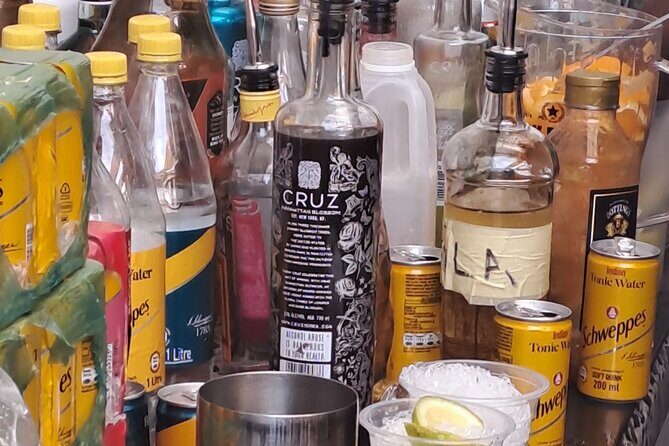
Food tours often oversell the idea of included everything. This one is clearer than many: alcoholic beverages are not included. Beverage prices are noted as ranging from R45 to R120 at places you visit, and alcoholic options aren’t part of the included cost.
So what does that mean for your planning?
- If you want wine or a beer pairing, budget extra.
- If you’re coming for Cape Town flavors first and drinks second, you’ll probably feel satisfied.
- If your expectations are built around wine tastings and big drink pours, you may end up disappointed.
There’s also an additional add-on mentioned: for an extra R45 more, people can opt for a sunset cruise with champagne. Since that’s separate from this tour, treat it as a separate decision rather than an expectation.
A real-world value question: $115 per person buys you the guided route, walking time, pickup (when offered), and that 20% of the fees go to the food and drink experience. What’s not guaranteed is unlimited tasting quantity or included alcohol. That’s not a bad deal if you want a guided sampling route. It’s just important that you don’t plan like it’s an all-you-can-eat situation.
Price and Value: How to Judge If It’s Worth It
At $115 per person for about 3 hours, this tour sits in the mid-to-higher price tier. The value comes from four areas:
- Private format: you’re not splitting your host attention with a large crowd.
- Neighborhood variety: Bo-Kaap + Bree Street + V&A Market is a good mix of cuisine styles and settings.
- Host tailoring: your host is described as tailoring the experience to your expectations at the start. Names that show up in guides include Tefadhadli, Fils, and Tafa N Lubungo, and multiple reviews highlight thoughtful pacing and adjustments.
- Included food-and-drink budget slice: 20% of fees goes to the experience itself.
Where value can wobble is when your personal definition of food tour equals lots of bites in lots of places, or when you want alcohol included. One mismatch you might want to avoid is arriving with the mindset of multiple tiny tastings everywhere. This setup can also feel like a small set of meaningful tastings across a route rather than dozens of separate bites.
If you want to get the most for your money, do two things:
- Tell your host what you want to prioritize at the start (spice level, meat vs veggie, alcohol or no alcohol).
- Plan for the fact that extra drinks or add-on items may cost extra.
Pickup, Walking Time, and How to Dress for It
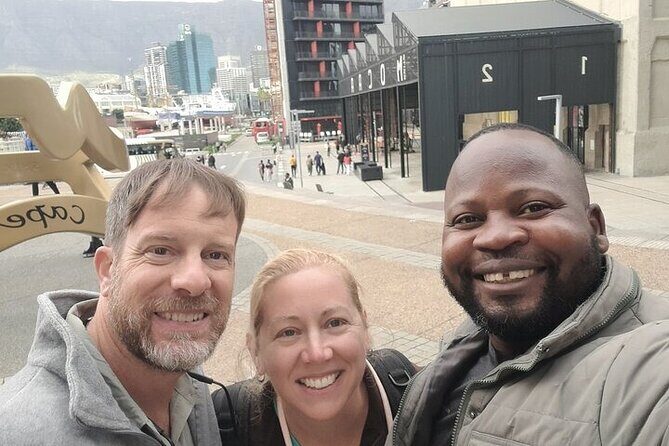
You’ll have walking and an air-conditioned vehicle, plus pickup is offered. That combination usually means you’ll spend a fair bit of time on your feet, but you’ll also get breaks between zones.
The tour is designed for most travelers, and it’s a private activity so you’re not coordinating with strangers. Service animals are allowed, which is helpful for many people.
For clothing, keep it simple:
- Wear comfortable shoes for walking on sidewalks and market areas.
- Bring a light layer. Cape Town weather can shift through the day.
- If you’re sensitive to sun, use sunscreen because you’ll be outside in multiple neighborhoods.
Best Fit: Who Will Like This Tour Most
This is a strong match if you:
- Want a food-focused route through Cape Town’s key culinary zones
- Like learning about dish types like Cape Malay, Xhosa, and braai staples
- Enjoy walking with a host who can explain what you’re eating and adjust pacing
- Prefer a private setup where your group can move together
This might be less ideal if you:
- Expect alcohol to be included
- Want a large amount of food equivalent to a full meal in every stop
- Prefer a very high number of tiny tastings rather than a smaller set of standout samples
Tour Guides and the Human Side of Tasting
One thing I really like about how this experience is presented: it credits the host role. Different guide names come up strongly, and the theme is consistent—guides aim to tailor the route to your expectations.
That matters because food tours are emotional. If you’re excited by curry and stew, the tour should steer that direction. If your group wants more street-eat energy, your host can often shift. If you’re food-curious but cautious about spice, that’s also something you can flag early.
Based on the information here, guide examples include Tefadhadli, Fils, and Tafa N Lubungo, and they’re specifically linked to thoughtful pacing and a mix of food plus city flavor.
Should You Book Culinary Explorations in Cape Town?
Book it if you want a guided way to taste Cape Town across Bo-Kaap, Bree Street, and V&A Market, and you’re happy with a tasting-style experience where some items are included and alcohol costs extra. The private format plus the range of dishes listed makes it a good choice for first-time visitors who want a fast food map without doing it alone.
Skip or rethink it if your definition of a food tour is heavy on included drinks, huge portion sizes at multiple stops, or dozens of micro-tastings across many venues. At this price, it’s worth confirming your expectations around quantity and drink inclusion before you go.
If you do book, send a clear note at the start about what you want most: Cape Malay classics, Xhosa staples like pap, braai-style favorites like boerewors, or more of a cafe-and-market flow. That’s the best way to make sure the tour fits your appetite.
FAQ
How long is the Culinary Explorations tour?
It’s listed as approximately 3 hours.
Is pickup included?
Pickup is offered, and the tour includes an air-conditioned vehicle.
What food and dishes should I expect to sample?
The tour description mentions Cape Malay foods like samoosa, tomato bredie, and bobotie, plus curries, Xhosa dishes such as pap and oxtail stew, and braai favorites like boerewors. It also references market samples such as artisanal cheese and biltong.
Are alcoholic beverages included?
No. Alcoholic beverages are not included, and beverage prices can vary by location.
Will children be able to taste alcohol?
Children under 18 are limited to food and non-alcoholic beverages. Specifically, children age 3 to 10 and youth age 11 to 17 are not allowed to taste alcoholic beverages.
Is this a private tour?
Yes. It’s a private tour/activity, and only your group participates.
What extra costs should I plan for?
The tour notes that additional expenses beyond the included 20% allocated to the food and drink experience are on the client. Alcoholic beverages are not included, and beverage prices differ by place (noted as R45 to 120).
Is there free cancellation?
Yes. You can cancel up to 24 hours in advance for a full refund. If you cancel less than 24 hours before the start time, the amount paid is not refunded.