REVIEW · DURBAN
Drakensberg Kamberg Rock Art & Mandela Capture Site Day Tour from Durban
Book on Viator →Operated by 1st Zulu Safaris · Bookable on Viator
A day that starts with Drakensberg rock art. You get San rock paintings in Kamberg and then pivot to Nelson Mandela history at the capture site and Apartheid Museum, all in one long morning-to-evening swing. I especially like how the day mixes big-picture South African history with hands-on nature time, plus you get a guided approach so you’re not just passing places in a car.
My other favorite part is the human one: guides can make the stops click. In past departures, I’ve seen praise for guides like Thami, as well as drivers such as Fortune and Bafana, with people highlighting clear explanations and patient pacing on the hike.
One consideration: this is a long day with an uphill walk to the cave paintings (about 90 minutes total), so you’ll want moderate fitness and good shoes.
In This Review
- Key points to know before you go
- A long day from Durban: 6:30am, then four very different stops
- Pietermaritzburg City Hall and the Gandhi statue: a quick orientation stop
- Kamberg Nature Reserve and the San rock art hike: the heart of the day
- Mandela Capture Site statue: a sculpture you have to view correctly
- Howick Falls: end your day with real height and fresh air
- Price and value: what you’re paying for (and what you still have to plan)
- What to pack: simple gear that makes the hike easier
- Who this tour is for (and who should skip it)
- Guides and pacing: why it matters on the cave-art walk
- Should you book Drakensberg Kamberg Rock Art and Mandela Capture Site?
- FAQ
- How long is the Drakensberg Kamberg Rock Art and Mandela Capture Site day tour?
- What time does the tour start from Durban?
- Is hotel pickup included?
- What is the walking difficulty level?
- What will I see at Kamberg Nature Reserve?
- How long do I spend at the Mandela Capture Site and Apartheid Museum?
- How long do I spend at Howick Falls?
- Is food and drinks included?
- Are tickets and admissions included?
- Is the tour affected by weather?
Key points to know before you go
- A 6:30am departure means you start early, but you’ll beat the day’s heat and crowds.
- Kamberg cave paintings are the main event, and the walk is real hiking time, not a stroll.
- Mandela Capture Site + Apartheid Museum give context beyond the statue photo.
- Howick Falls adds a cooling break at the end of a big day.
- Group size up to 99 can feel lively, so go with the flow.
A long day from Durban: 6:30am, then four very different stops
This is a full-day outing built to cover a lot of KwaZulu-Natal without you doing the planning. You’re picked up in the Durban area and then you’ll spend the day moving between Pietermaritzburg, the Drakensberg region (Kamberg), Howick, and the Falls.
The timing matters. The start is 6:30am, and the whole tour runs about 12 hours. That early kick-off is the tradeoff for seeing multiple meaningful stops in one go, and it works best if you’re comfortable with a packed schedule.
The group travels together with a local guide, and admission is handled for many sights. That means less fiddling on your own and more time learning what you’re actually looking at.
You can also read our reviews of more tours and experiences in Durban.
Pietermaritzburg City Hall and the Gandhi statue: a quick orientation stop
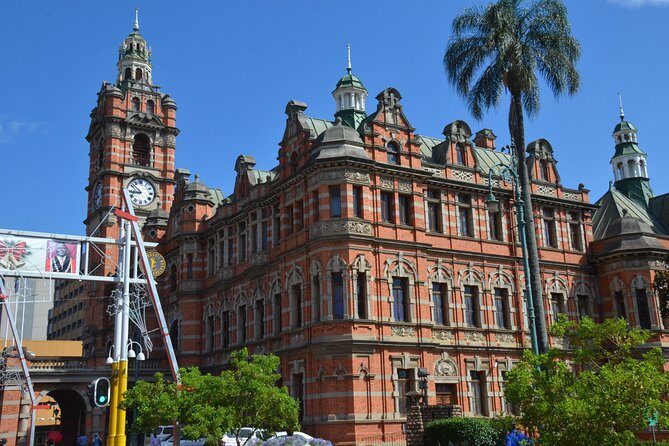
Before you head toward the mountains, you stop in Pietermaritzburg at City Hall for about 20 minutes. The building is known for being the largest brick building in the southern hemisphere, which makes it a useful first landmark: you get a sense of the region’s scale and architecture right away.
You’ll also see a Gandhi statue during this initial stretch. It’s not a long stop, so think of it as a cultural warm-up, not a deep dive. The value here is mental setup: the day later shifts into Mandela and apartheid history, and this early stop helps you keep the story in mind.
Admission at this stop is free, and the short timing keeps the day from dragging before the hike.
Kamberg Nature Reserve and the San rock art hike: the heart of the day
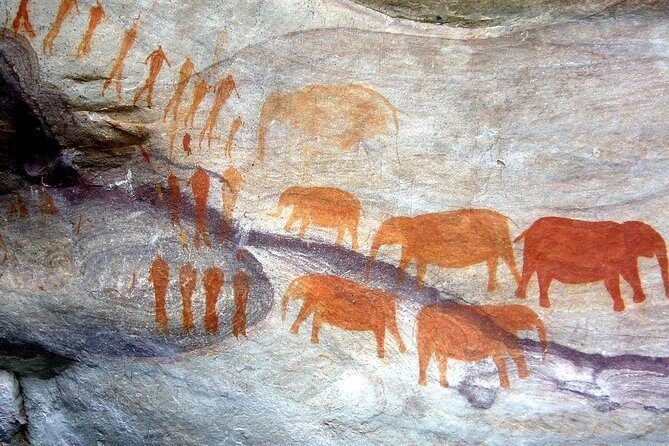
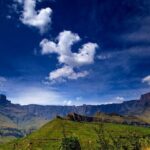
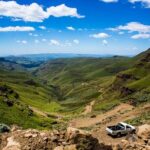
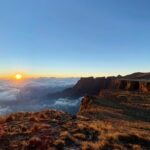
Kamberg Nature Reserve is where the experience turns from “driving tour” into “real experience.” This area is part of the Drakensberg mountain region and is tied to long-running natural and cultural history. The reserve was created in 1951 because of its natural beauty, wildlife, and historical cave sites.
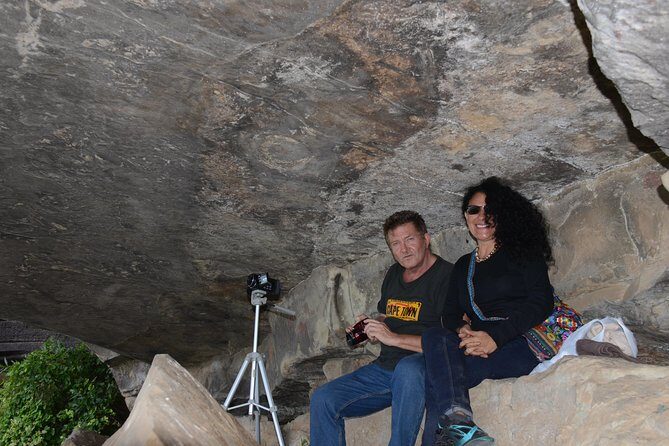
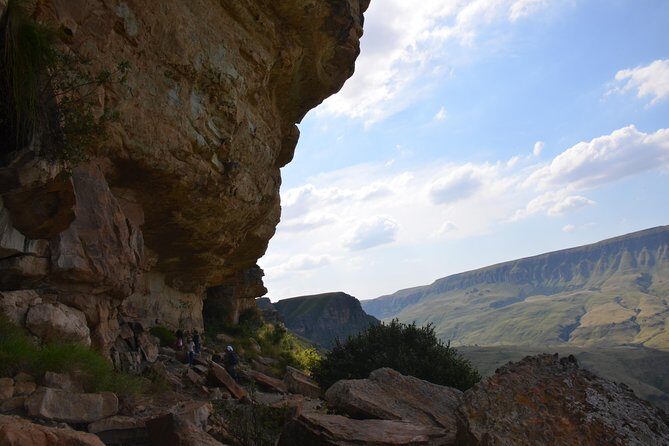
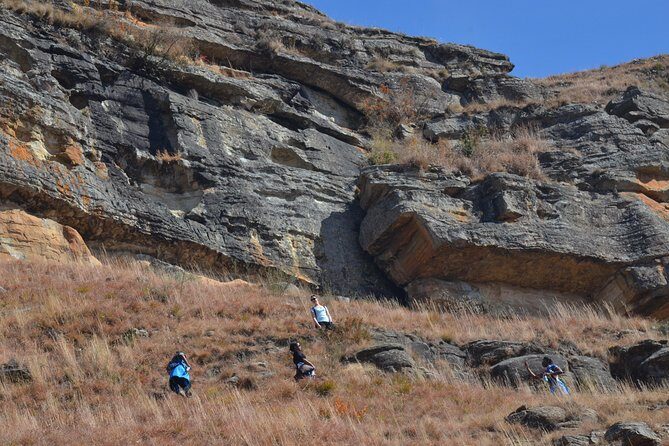
The key activity is the walk to the rock art site. Plan for about 90 minutes of hiking total (the route is described as over an hour from the camp to the caves), and the tour notes you’ll want average fitness. People who take the hike at their pace usually find it manageable, but it’s not a flat, casual walk.
What you’re going for is the San rock paintings in rock shelters. These paintings are said to have been made over at least 4,000 years, representing spiritual life of the San people, who no longer live in the region. The guide’s explanations really matter here, because the paintings can feel like just “art on stone” until someone helps you connect what you’re seeing to meaning and context.
A practical note: the scenery changes through seasons. In winter, the valley can look browner, while summer brings more green and flowers. You’ll still get the view-and-meaning combo, but your photo results will follow the season.
This stop runs about 4 hours, and admission for the site is included. That gives you time not just to reach the cave area, but to slow down and actually look.
Mandela Capture Site statue: a sculpture you have to view correctly
After the mountain hike, you shift from ancient art to modern history with a major stop: the Nelson Mandela Capture Site plus the Apartheid Museum.
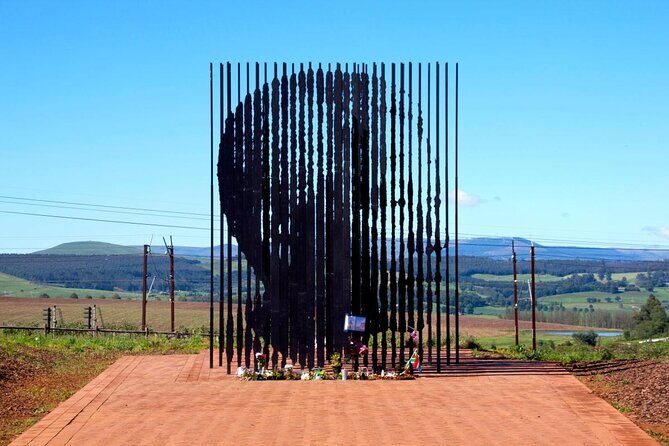
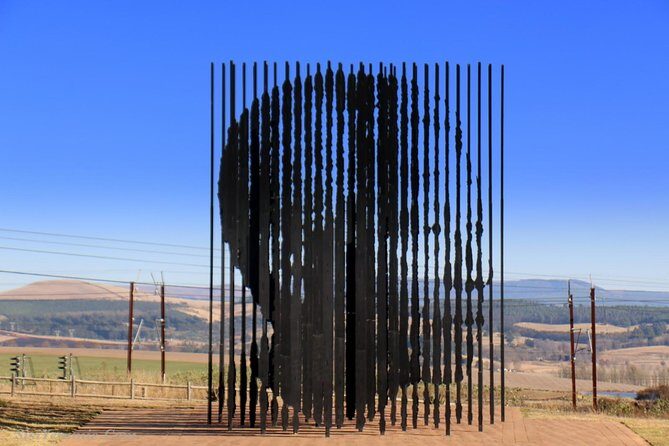
At the capture site, the star is a large Mandela sculpture made from multiple steel columns, standing roughly 6 to 9 meters tall. But here’s the detail that people miss if they’re rushing: you’re expected to stand about 35 meters away so the sculpture comes into clear focus. It’s a reminder that this isn’t just a photo spot—you’re meant to see it as designed.
The sculpture also faces west, which affects how the surrounding area lines up visually with the local community. The effect is less about your camera and more about the way the whole setting works with the monument.
Time for this portion is about 1 hour, with museum entry included. The museum focuses on Mandela’s life and his struggle against the apartheid government, which helps you connect the statue to the broader narrative rather than treating it as an isolated landmark.
Howick Falls: end your day with real height and fresh air
Once you’re done with the Mandela stop, the day ends on a different note: nature with scale.
You’ll go to Howick Falls (also known as KwaNogqaza). It drops about 95 meters from the Umgeni River. The Zulu name references its height, and the falls are surrounded by an older section of Howick where you can find small museums and antique shops—perfect for a short wander if your legs still have a bit of energy.
This stop is about 45 minutes. That’s long enough to enjoy the falls and get a couple of good vantage points, but short enough that you won’t feel like you’ve returned to “hiking mode” after the earlier climb.
Admission here is free, so you’re not adding extra costs on top of an already full day.

Price and value: what you’re paying for (and what you still have to plan)
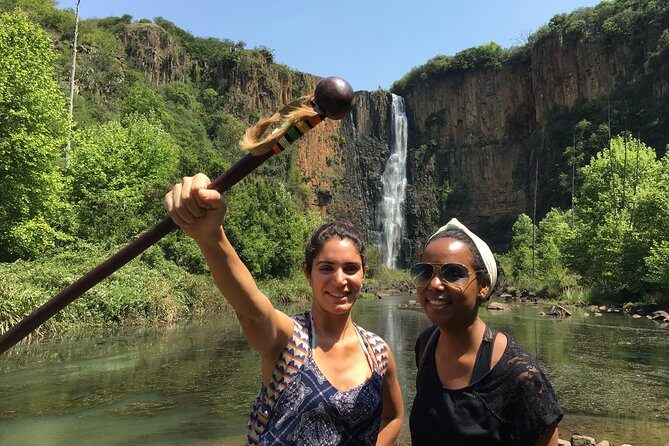
At $200.10 per person, you’re paying for a full-day package that includes a local guide, transportation pick-up and drop-off in the Durban area, and key admissions. The tour also lists that it operates with a maximum group size of up to 99 travelers, which can keep costs down while still letting you experience the stops together.
Here’s the value logic I like:
- You’re not doing the driving logistics yourself between Pietermaritzburg, Kamberg, and Howick.
- You get guided interpretation, which matters a lot for rock art and for understanding what the Mandela site is trying to communicate.
- Admissions for multiple stops are handled in the schedule, so you avoid line-by-line scrambling.
What isn’t included is important: food and drinks are on you, plus personal expenses. Also, if your pick-up location is more than 10km from the Tropicana Hotel area, there may be a transfer fee. So budget for at least one meal and plan a sensible day-food strategy.
What to pack: simple gear that makes the hike easier
This tour’s clothing list is practical for a reason. For the day, you’ll want:
- Walking shoes (non-negotiable on a cave-art walk)
- A hat and sunscreen
- A jacket, since mountain weather can be unpredictable
- Comfortable clothing that can handle a few hours outdoors
Even if the hike is self-paced, you’ll move for long stretches. If you’re hoping to “power through in sneakers,” you can, but you’ll enjoy it more with proper support.
Who this tour is for (and who should skip it)
This works best if you want cultural + scenic in one day. If you’re excited by indigenous history (San rock paintings), Mandela-related education, and a proper waterfall at the end, you’ll get a lot out of it.
It’s also a good fit if you don’t want to spend your day on logistics. The pickup and drop-off help, and the guided format keeps everything organized.
Skip or reconsider if:
- You don’t handle walking well. The tour lists a moderate physicality level of 7/10 and notes around 90 minutes of hiking.
- You want a leisurely day with lots of free time. This is structured, so you’ll follow the route rather than wander for hours.
Guides and pacing: why it matters on the cave-art walk
A hike to rock art can be tiring, but it doesn’t have to feel rushed. Past experiences associated with this tour highlight the role of the guide in keeping things understandable and calm—people noted how the pace is adjustable and how explanations show up at each stop.
When guides are strong, you get more than a checklist. You understand what you’re seeing at Kamberg, and that turns the rock shelters and paintings into something that feels intentional instead of random.
If you end up with guides like Promise, Thami, or Frederick (names that have shown up in feedback), you’re likely to get the same key ingredients: early, organized start; clear directions; and patient answers—especially on the part of the day that involves climbing your way to the paintings.
Should you book Drakensberg Kamberg Rock Art and Mandela Capture Site?
I’d book this if you want a one-day sampler of KwaZulu-Natal that actually teaches you something. The mix of San rock art, Mandela history, and Howick Falls is a smart use of time, especially if you’re staying in Durban and don’t want to manage long drives and tickets alone.
I wouldn’t book it if the cave-art hike sounds like a stressor. This tour is long, and the hike is part of the core experience. If moderate walking feels like too much, look for a shorter option focused only on the falls or only on the city/history stops.
If you’re okay with an early start and you pack proper shoes, this is the kind of day trip that sticks in your head for the right reasons: ancient art, modern history, and a waterfall that you can feel in the air.
FAQ
How long is the Drakensberg Kamberg Rock Art and Mandela Capture Site day tour?
The tour runs about 12 hours.
What time does the tour start from Durban?
Start time is 6:30am.
Is hotel pickup included?
Yes, pickup is offered within a 5km radius of Tropicana Hotel in Durban. Beyond 10km, a transfer fee may apply.
What is the walking difficulty level?
The physicality is rated 7/10, and the cave paintings walk is about 90 minutes total.
What will I see at Kamberg Nature Reserve?
You’ll walk to a caves rock art site to view San rock paintings, set in rock shelters in the Drakensberg region.
How long do I spend at the Mandela Capture Site and Apartheid Museum?
The Mandela Capture Site and museum portion is about 1 hour, with admission included.
How long do I spend at Howick Falls?
You have about 45 minutes at Howick Falls.
Is food and drinks included?
No. Food and drinks are not included, so you’ll need to plan meals.
Are tickets and admissions included?
Admissions are included for the main paid stops (including the rock art site and the Apartheid Museum). Some stops like City Hall and Howick Falls are free.
Is the tour affected by weather?
Yes. It requires good weather, and if it’s canceled due to poor weather, you’ll be offered another date or a full refund.