REVIEW · DURBAN
Durban: Local Markets and Culture Guided Walking Tour
Book on GetYourGuide →Operated by Spot on Safaris and Tours · Bookable on GetYourGuide
Durban tastes better with shoes on. On this walk with guide Johnny, you move through real neighborhoods, hop on local minibus taxis, and finish with Bunny Chow on the North Beach promenade. It’s a smart way to understand Durban beyond the roadside photo stops, while still getting time to shop for spices and souvenirs.
I really like the market mix: you’ll walk through the early market, the bridge market, the Indian markets, the African medicine (muti) market, and the African stalls—then wrap up at the Victoria Street Market. I also love that the lunch isn’t an afterthought; you end with Durban’s speciality Bunny Chow as a proper beachfront meal.
The main drawback is physical: you’re looking at about 8,000 steps at a slow pace. If you’re not comfortable walking long stretches (or if weather turns), that’s the part to plan for.
In This Review
- Key things I’d watch for on this Durban tour
- Durban Market Morning: What Johnny Focuses On
- From 169 Ninth Ave to the Viewpoint: Getting Your Bearings Fast
- Warwick Markets and the First Guided Walk: Where the Day Starts
- Indian Markets, the Bridge Market, and Victoria Street: Your Shopping Route
- Muti and Traditional Medicine Stalls: What to Expect and How to Handle It
- The African Market Stops: Culture You Can See in Plain Sight
- Local Minibus Taxis (Combi): The Best Part for First-Time Durbanites
- Bunny Chow on North Beach: The Lunch That Ends the Day Right
- Price and Value: Why $68 Makes Sense Here
- What to Bring (So You Don’t Hate the Day)
- Who This Durban Tour Suits Best
- Should You Book This Durban Markets Tour?
- FAQ
- How long is the Durban local markets and culture walking tour?
- What’s included in the price?
- What lunch do you get and where is it served?
- Do I need to bring money?
- How much walking should I expect?
- Where do I meet the guide?
Key things I’d watch for on this Durban tour
- Johnny’s local connections in the markets make shopping feel easier and safer
- Minibus taxi (combi) rides show how people actually commute in Durban
- A stop-by-stop market route includes Indian markets, muti medicine stalls, and Victoria Street Market
- Cash-friendly shopping is part of the experience, so come prepared with a budget
- North Beach lunch anchors the tour with Bunny Chow and beachfront views
- Slow-pace walking still adds up, so good shoes matter more than you think
Durban Market Morning: What Johnny Focuses On
This tour works because it doesn’t treat markets like a museum exhibit. You start with Durban’s background, then you transition straight into the real pace of the city. You’ll be introduced to how neighborhoods and communities shape what you see—especially when you’re surrounded by vendors, bargaining, and everyday buying.
Johnny is the kind of guide who asks you to look closer. In the markets, that means you’re not only spotting spices and crafts—you’re learning what people use these items for and how different cultures sit side-by-side in Durban. It also means questions come up naturally. Expect to get straight answers, not scripted ones.
One practical point: this tour uses local transport. That changes the whole feel. Instead of hopping from one pre-selected viewpoint to another, you’re experiencing how Durban moves.
You can also read our reviews of more walking tours in Durban


From 169 Ninth Ave to the Viewpoint: Getting Your Bearings Fast
Meeting is at Tekweni Backpackers (169 Ninth Avenue, just off Florida Road in Morningside). The guide waits inside the premises, and there’s safe parking available if you’re driving yourself.
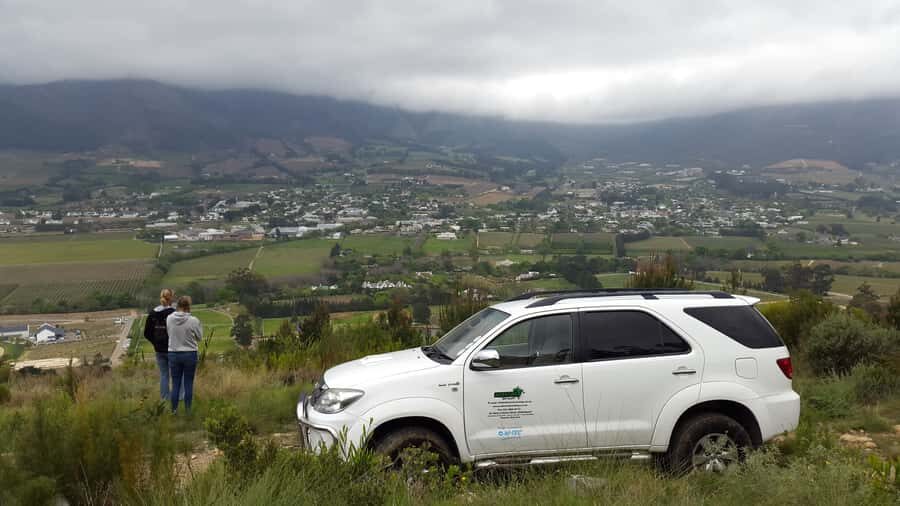
Before you reach the first market, you get a photo stop viewpoint. It sounds small, but it helps. Durban can feel spread out, and a quick high-level look makes the rest of the day click—especially once you start zig-zagging through market lanes and crossing into different market zones.
Then you’ll take a short public transport segment (about 15 minutes). This matters because Durban’s markets aren’t all concentrated on one street. The transport piece keeps the day efficient while still keeping it local.
Warwick Markets and the First Guided Walk: Where the Day Starts
The first market block is in Warwick, with a guided walk through what’s happening early. This is when you see the market at full “working rhythm,” with vendors already set up and shoppers moving with purpose.
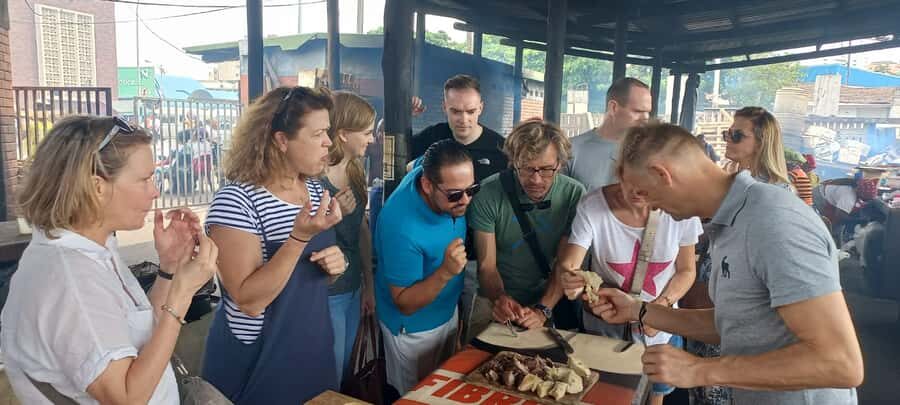
What I like about starting here is that you learn how to shop like a local early in the day. You get a sense of price range, what’s worth comparing, and how vendors describe their products. You’re also walking while you’re still fresh, which helps because later stops can be crowded and a bit chaotic in the best way.
Even if you’re not planning to buy much, this section gives you context. Markets are where people survive and connect—so you’ll get a better feel for the city when you understand what’s for sale and what’s personal or cultural about it.
Indian Markets, the Bridge Market, and Victoria Street: Your Shopping Route

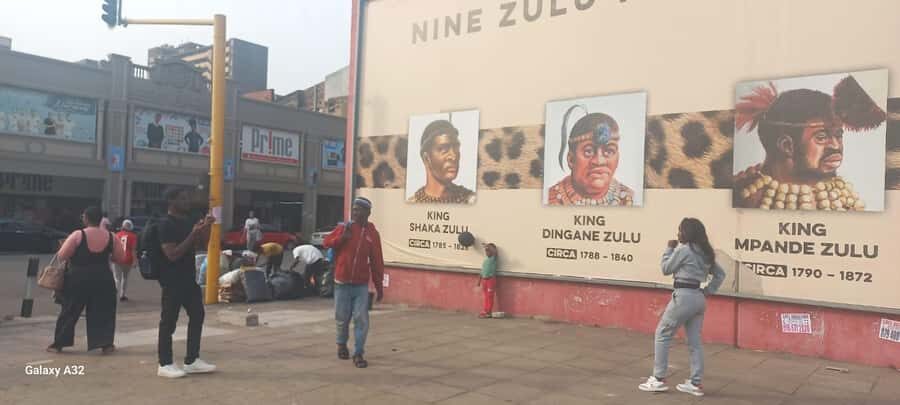
After the Warwick segment, you’ll move by local transport again (another short ride). Then you’re into several market areas: the Indian markets, the bridge market, and later Victoria Street Market.
Here’s why this sequence is valuable. You don’t just see one style of market. Durban’s identity shows up in the variety:
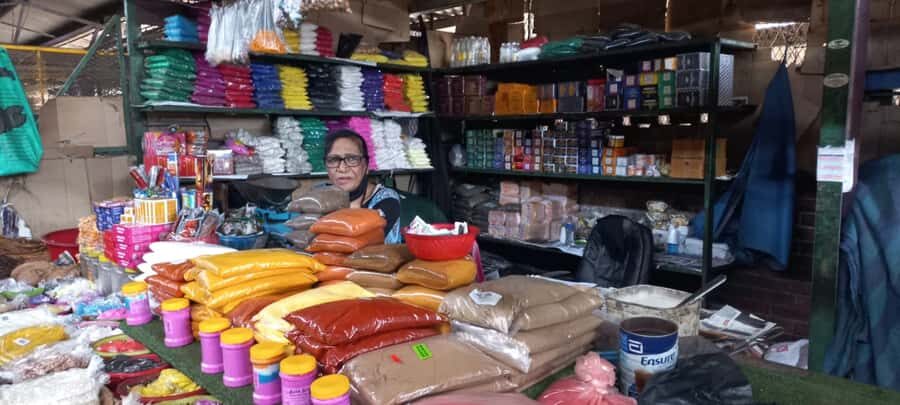
- Indian markets often mean different spice mixes, food items, and household goods.
- The bridge market feels more tightly packed and quick-moving, so you learn how to navigate without getting flustered.
- Victoria Street Market is known as a major stop for souvenirs and everyday shopping, so it’s where you can compare what you’ve already seen and decide what to bring home.
Shopping advice that helps: bring a plan. You’ll probably buy something you didn’t expect once you’re standing in front of the goods. It’s smart to set aside cash for the middle of the tour, not just the end—because that’s often when you realize what’s good value.
And yes, you should be ready to walk. Even at a slow pace, market aisles add up fast.
Muti and Traditional Medicine Stalls: What to Expect and How to Handle It
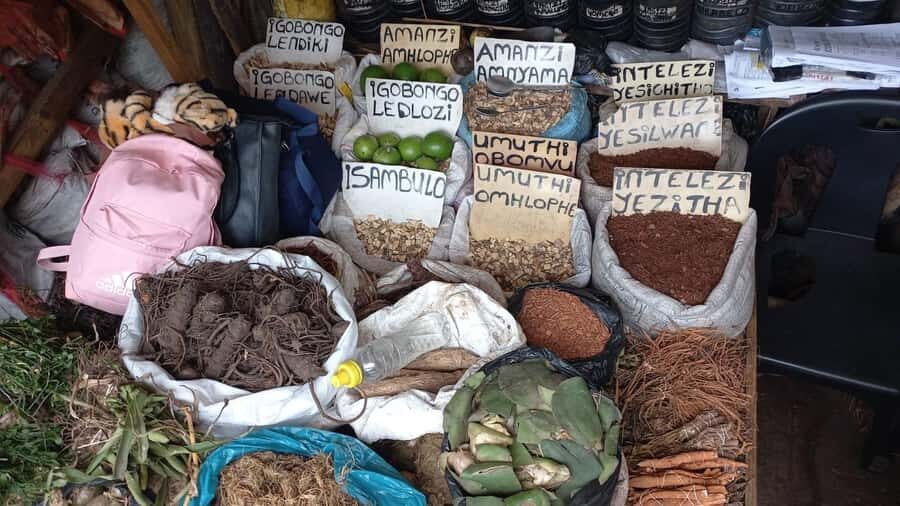
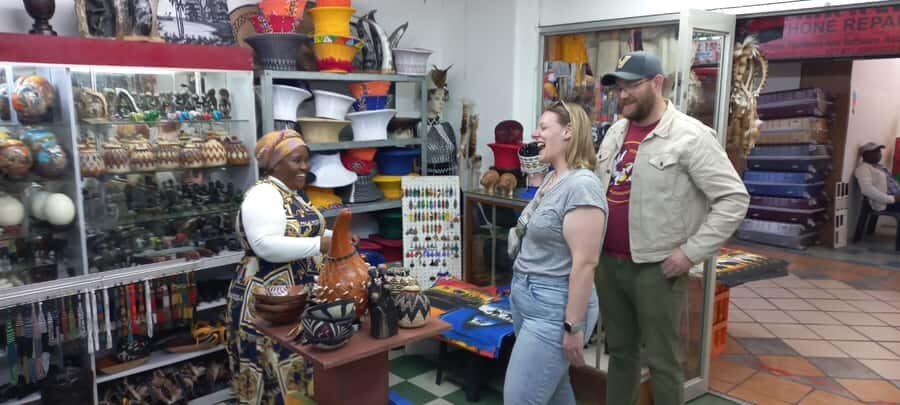
One of the most distinctive parts of the route is the African medicine (Muti) market. This is where you’ll see traditional medicines sold through African healing practices—think powders, oils, herbs, and other items associated with traditional healing.
This isn’t a “look, don’t touch” kind of place. It’s a working market. But it’s also one where respect matters. If you’re curious, ask questions in a calm way. Johnny’s role here is important: he can help you understand what you’re seeing and why it’s sold.
For me, this stop is the tour’s realism check. It forces you to remember that markets aren’t only for tourists. They’re for people with real needs and real traditions—often passed through generations and still used today.
Practical note: since this is a shopping environment, keep your eyes on your valuables and your belongings. You’ll be in busy areas, and it’s easy to lose track of things if you’re busy taking photos.
You can also read our reviews of more guided tours in Durban


The African Market Stops: Culture You Can See in Plain Sight
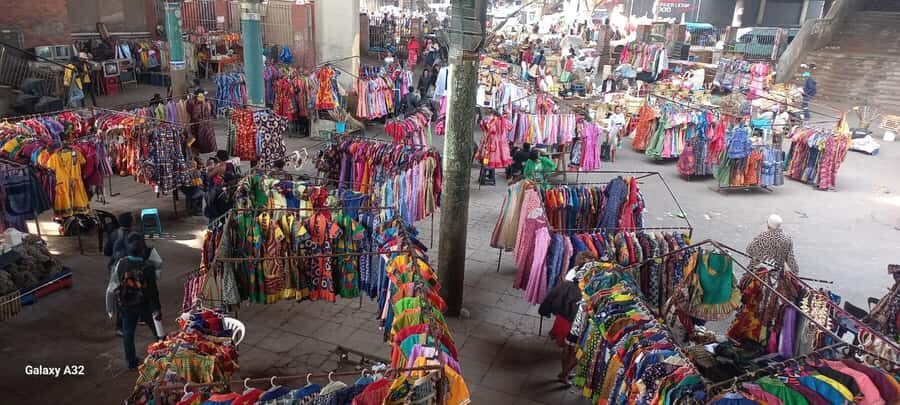
The route also includes additional African market areas beyond the muti stalls. This is where you’ll likely notice a different feel from the Indian market sections—more variety in how goods are displayed and how conversations start between vendors and buyers.
You’ll see everyday life in a direct way: people selling items to support their households, customers comparing options, and vendors who are used to visitors now but still treat the market as serious work.
This is one of those “you can’t Google this” experiences. Even if you read about Durban’s culture, standing in the middle of the market gives you a sensory understanding that photos never capture.
Again, Johnny’s local standing is part of what makes this section work. When you’re welcomed into a community space rather than just hovering on the outside, the experience changes.
Local Minibus Taxis (Combi): The Best Part for First-Time Durbanites
Transportation is not just a transfer on this tour. The minibus taxi (combi) rides are part of the show—because they teach you how Durban moves.
When you ride with the group and have a guide, you get the “how it works” explanation on the spot. You also see that commuting isn’t some special tourist thing. It’s normal, practical, and built into daily life.
This is a value add even if you don’t care about transit. It changes what you remember. Instead of only remembering market signage and goods, you remember movement—how neighborhoods connect, how people travel, and how quickly you can shift from one area to another.
One consideration: if you’re traveling on a day with rain, the timing can feel less comfortable. Some days you may wait around a bit for transport, depending on conditions.
Bunny Chow on North Beach: The Lunch That Ends the Day Right
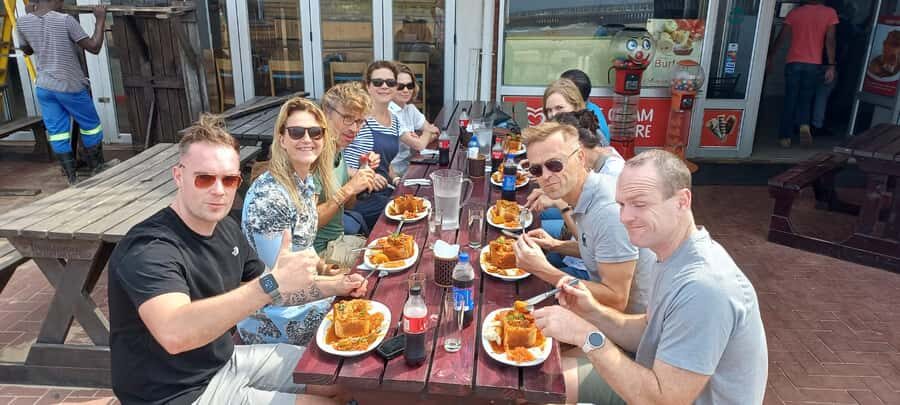
By the time you reach the beachfront for lunch, you’ll be ready to sit and refuel. Lunch is included, and it’s Durban’s speciality: Bunny Chow.
Bunny Chow is served in a bread portion filled with meat (simple, hearty, and very local). You’ll eat at the beachfront area on the promenade near North Beach, which makes the meal feel like a reward rather than just a box checked on a schedule.
Two practical notes so you’re not surprised:
- Beverages with lunch are not included, so plan to cover those yourself.
- Bring sunscreen and shade for the beach portion. Even if you shade up during the market walking, the coast sun can still be strong.
If you want a souvenir mindset shift, this lunch helps. You stop shopping for a moment and let the day settle in. Then you can decide what you bought while everything still feels fresh.
Price and Value: Why $68 Makes Sense Here

At $68 per person for roughly 4–5 hours, this tour can feel like a bargain—if you value local context over just being transported.
What you’re paying for that you often don’t get with cheaper options:
- A guided walk that connects markets to Durban history and culture
- Local minibus taxi rides included in the experience
- Lunch included (Bunny Chow at North Beach)
- Shopping time across multiple market zones, not just one stop
You still pay for personal purchases and beverages, and you should bring cash for shopping. But compared to doing Durban markets on your own without local guidance, the price feels fair. You’re buying time, access, and smoother navigation.
Also, the day can flex. Some situations (like weather or your interest level) can stretch it beyond the basic schedule. If you’re the type who likes to ask questions and shop slowly, that can be a good thing.
What to Bring (So You Don’t Hate the Day)
This is a walking-focused tour with a target of about 8,000 steps at a slow pace. That means your “small choices” matter.
Bring:
- Comfortable shoes (non-negotiable)
- Water
- Sunglasses and a sun hat
- Sunscreen and comfortable clothes
- Cash (you’ll want it)
- A bag you’re comfortable carrying (shopping happens)
If you’re hoping to buy spices and souvenirs, consider bringing extra room in your bag. Once you see prices and options up close, you may want to take more home than you planned.
Who This Durban Tour Suits Best
This is best for you if:
- You enjoy street-level culture and shopping with local context
- You’re comfortable with a long walk and busy market environments
- You want a guide who can translate what you see (and answer questions honestly)
It’s not ideal if:
- You use a wheelchair (not suitable)
- You’re over 95 years old (not suitable)
Also, if you hate crowded places or you’re the type who needs lots of guaranteed seating, you may find parts of the market day stressful. The upside is that the guide’s presence tends to keep the experience organized.
Should You Book This Durban Markets Tour?
If your goal is to understand Durban through its daily life, I’d book it. This tour gives you three things in one motion: history framing, hands-on market time, and the comfort of eating a local meal on the beach afterward. Johnny’s role matters because he’s not just pointing out stalls—he helps you interact with the city more respectfully and with less guesswork.
Skip it only if you’re unwilling to walk about 8,000 steps or you prefer restaurants and landmarks over markets. Otherwise, this is a strong way to spend a morning and early afternoon in Durban that still leaves you with a full sense of the city by the time you’re eating Bunny Chow at North Beach.
FAQ
How long is the Durban local markets and culture walking tour?
The duration is about 330 minutes (roughly 4 to 5 hours). The schedule can vary depending on what you want to do during the day.
What’s included in the price?
Your tour includes the guide, a walking tour, public transportation from the meeting point to the markets (using local minibus combi), public transportation from the markets to the beachfront, and lunch.
What lunch do you get and where is it served?
Lunch is included and features Durban’s speciality Bunny Chow. You’ll have it at North Beach on the beach promenade.
Do I need to bring money?
Yes. Bring cash for personal shopping expenses. Beverages with lunch are not included, so you’ll also want extra money for drinks.
How much walking should I expect?
The walk is about 8,000 steps at a slow pace. Comfortable shoes and water help a lot.
Where do I meet the guide?
Meet at Tekweni Backpackers, 169 Ninth Avenue (just off Florida Road in Morningside). The guide waits inside the premises.