REVIEW · DURBAN
From Durban: Isandlwana Rorkes Drift Battlefields Day Trip
Book on GetYourGuide →Operated by 1st Zulu Safaris C.C · Bookable on GetYourGuide
Two battlefields, one connected story. This day trip from Durban takes you into northern KwaZulu-Natal for the Anglo–Zulu War sites that still feel close to the events of January 1879. Isandlwana sets the stage, and the museum stops help you understand what you’re seeing instead of just scanning plaques. I also like that the tour covers more than one moment in time, including Rorke’s Drift and later memorials. One possible drawback: it’s a long drive, so you’ll want to be comfortable and ready for a full day.
I like experiences that explain cause and effect, and this one does. You’ll learn how a huge Zulu force overwhelmed a British column segment, and then how the mission station defense at Rorke’s Drift unfolded right after the defeat.
If you’re expecting a quick sightseeing loop, this may feel heavy. If you want context, then pacing works in your favor.
In This Review
- Key things to know before you go
- Why Isandlwana and Rorke’s Drift Belong on Your KwaZulu-Natal Map
- The 14-Hour Schedule: What a Long Day From Durban Really Means
- Isandlwana Battlefield and Museum: The First Major Clash (22 January 1879)
- Rorke’s Drift (Defence of Rorke’s Drift): When the Story Shifts
- Fugitives Drift and the Queens Colours Memorial: Aftermath You Can Walk Through
- Guides Make the Difference: Thani, Bafana, and Aaron
- Price and Value: What You’re Paying For (And What You’re Not)
- What to Bring and How to Prep for Battlefield Heat
- Should You Book This Isandlwana and Rorke’s Drift Day Trip?
- FAQ
- How long is the Isandlwana and Rorke’s Drift day trip from Durban?
- What’s included in the tour price?
- Is lunch included?
- Where are pickup options in Durban?
- What languages are offered for the live guide?
- Is the Isandlwana fee included?
Key things to know before you go
- Isandlwana is the first big clash of the Anglo–Zulu War, and the day is built around it
- Rorke’s Drift follows immediately after defeat, so the story keeps moving forward
- Museums and memorials do the heavy lifting for understanding what you’re looking at
- You’ll ride for a long time between Durban and the battlefield sites
- Guides matter here; names you may meet include Thani, Bafana, and Aaron
- Lunch and drinks aren’t included, so plan around food and hydration
Why Isandlwana and Rorke’s Drift Belong on Your KwaZulu-Natal Map
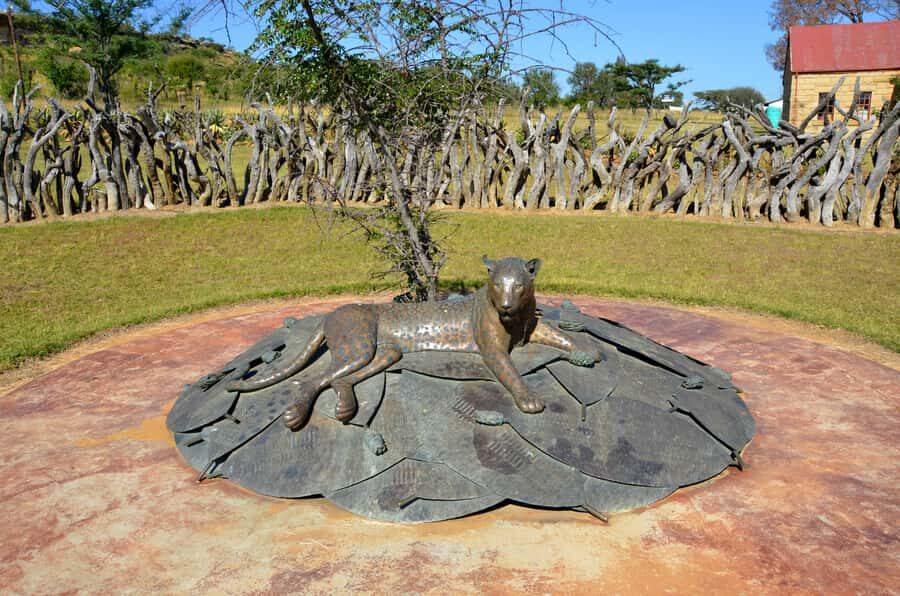
Isandlwana and Rorke’s Drift aren’t just famous names. Together, they show how fast momentum can swing in war—and how different kinds of decisions play out on the ground. Isandlwana (22 January 1879) is often treated as the start of a major turning point in the Anglo–Zulu War, when the British Empire’s invasion met an organized Zulu force in open battle.
Then, about eleven days after the invasion began, you reach the moment that matters just as much for the overall story: Rorke’s Drift. The defense of the mission station happened right after the British defeat at Isandlwana and continued into the next day. You’re not bouncing between unrelated stops. You’re watching one larger sequence take shape—defeat, regrouping, and a desperate defense under pressure.
That connection is why this day trip works. You’re not just visiting a battlefield and moving on. You’re learning the “what happened next” part, which is where the history stops being abstract.
A few more Durban tours and experiences worth a look

The 14-Hour Schedule: What a Long Day From Durban Really Means
This is a 14-hour day trip, which is typical for battlefield routes that reach beyond the Durban area. The tour includes transport with a professional guide, so you don’t have to worry about navigation or arranging separate cars for each stop. That’s a real value for a history-focused day: your attention stays on the sites instead of logistics.
But the tradeoff is time. One review-style theme you’ll feel in real life is that it’s a long day and the drive takes up a good chunk of it. The good news: when you’re traveling through KwaZulu-Natal countryside, the road time doesn’t have to feel dead. Still, I’d treat it like a long excursion—bring water, wear comfortable clothes, and don’t plan anything that requires energy right before or after.
Pickup is included from hotels within a 5 kilometer radius of the local supplier’s Durban office at Gooderson Tropicana Hotel (85 O R Tambo Parade, South Beach), and there’s also pickup possible from the Harbour passenger terminal. So the day begins with a relatively simple start, not a complicated meeting point hunt.
Isandlwana Battlefield and Museum: The First Major Clash (22 January 1879)
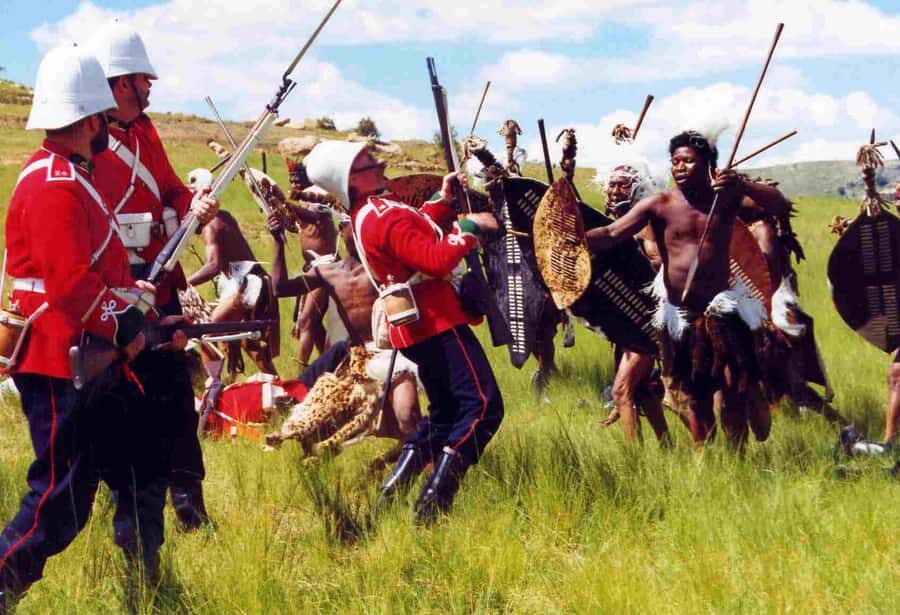
Your day begins at Isandlwana, the first major encounter in the Anglo–Zulu War between the British Empire and the Zulu Kingdom. The historical details matter here because they explain why the battle is remembered so intensely. On 22 January 1879, a Zulu force of roughly 20,000 warriors attacked a portion of the British main column: about 1,800 British, colonial, and native troops, with perhaps 400 civilians in the mix.
One of the most important “why this matters” takeaways is the weapons gap. The Zulus relied mainly on assegai iron spears and cow-hide shields, with only a few muskets and old rifles—and they weren’t formally trained in using firearms. Yet they still overwhelmed the British forces due to leadership and deployment failures on the British side. That combination is a lesson you don’t get from a vague plaque. It’s a reminder that technology doesn’t automatically win if tactics and command fall apart.
At the Isandlwana battlefield and museum, you’ll get the chance to connect the ground to the story. Museums work best when they’re not competing with the scenery. Here, the museum helps you interpret what you’re standing near, rather than treating the field as just an empty backdrop.
One practical note: the fee for Isandlwana is not included in the ticket. So budget a little extra on arrival rather than assuming everything is fully covered.
Rorke’s Drift (Defence of Rorke’s Drift): When the Story Shifts
After Isandlwana, the tour moves to Rorke’s Drift, also known as the Defence of Rorke’s Drift. This is where the timeline tightens. The defense of the mission station happened immediately following the defeat at Isandlwana, and the fighting continued into the following day.
What I like about this stop is that it changes how you feel about the earlier battle. Isandlwana can be hard to wrap your head around because it shows a large, dramatic clash and a major reversal. Rorke’s Drift, by contrast, pushes the focus toward a smaller, intensely pressured position—how people hold out, how decisions happen under stress, and how a campaign’s mood shifts from one moment to the next.
On the ground, you’ll be dealing with the same battlefield reality you’ve already seen at Isandlwana: the land matters. But this time, the “why it mattered” is about defense and survival. If you’re the type of person who likes history to make sense as a chain of events, this is the hinge of the day.
Fugitives Drift and the Queens Colours Memorial: Aftermath You Can Walk Through
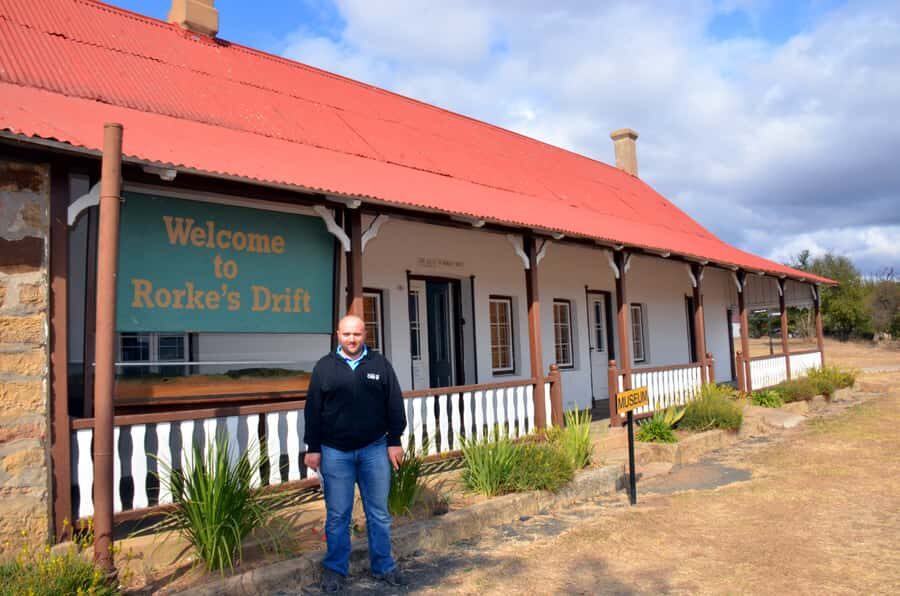
The last stretch includes Fugitives Drift and the Queens Colours memorial before the drive back to Durban. These stops help close the loop, because they don’t only focus on the peak violence. They point to what happens after a battle—what gets remembered, what gets marked, and how names and symbols survive when the moment is over.
Fugitives Drift, in particular, adds texture. It nudges you to think about movement, escape, and the chaos that follows a major confrontation. Then the Queens Colours memorial brings in a different kind of meaning. Memorials can sometimes feel like they belong in books, but here they land in real space, and that’s what makes it stick.
Even if you’re not a “memorial person,” these final stops keep you from leaving with only one emotional peak. You get a sense of the broader arc: fight, consequences, and remembrance.



Guides Make the Difference: Thani, Bafana, and Aaron
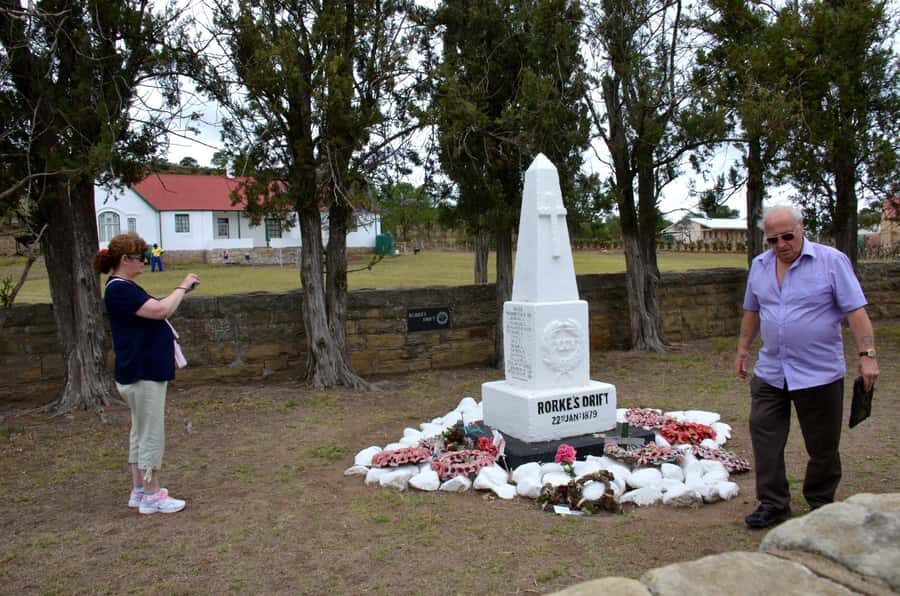
On a history day trip like this, the guide is the difference between reading facts and actually understanding them. The tour includes a live guide (English, Greek, Portuguese, French), and that matters because the sites are connected through time. If you only skim, you’ll miss the pattern.
You may meet guides such as Thani, who is described as excellent and informative, making the day feel interesting rather than just long. You might also ride with Bafana or Aaron, both highlighted as very knowledgeable and helpful during a long day. That kind of guide attitude matters on battlefield days, because the questions come fast: Why did things unfold this way? What was the British thinking? What did the Zulu forces do differently? Good guiding helps you keep your footing in the story.
I also like that the tour is framed around museums, memorials, and fields dedicated to the Anglo–Zulu wars. That’s a learning plan, not random stops. If you want history that’s more than a list of dates, this format does the work for you.
If you want even more depth, there’s an option for a qualified historian on request for an extra fee. That could be worth it if you’re truly invested in the Anglo–Zulu War details and want a more tailored explanation.
Price and Value: What You’re Paying For (And What You’re Not)
At $198 per person, this isn’t a budget half-day activity. But it’s also not a pricey tour for what it delivers. You’re paying for a 14-hour logistics package: transport from Durban, professional guidance, and the structured battlefield route.
Here’s the cost/value math that matters:
- Included: entry fees and transport with a professional guide
- Not included: lunch and drinks, and a specialized historian (optional)
- Important nuance: the Isandlwana fee is not included in the ticket
So the real question is not just the sticker price. It’s whether the day’s structure saves you time, reduces hassle, and gets you interpretation at each site. If you’re doing this independently, you’d have to handle transportation, navigation, and your own learning curve for multiple battlefield locations. Paying for a guide can be worth it fast if you’re trying to make sense of events like the Isandlwana clash—where numbers, equipment, and command decisions all interact.
I’d also factor in personal comfort. Because it’s a long day, having the ride handled is a major quality-of-life improvement.
What to Bring and How to Prep for Battlefield Heat
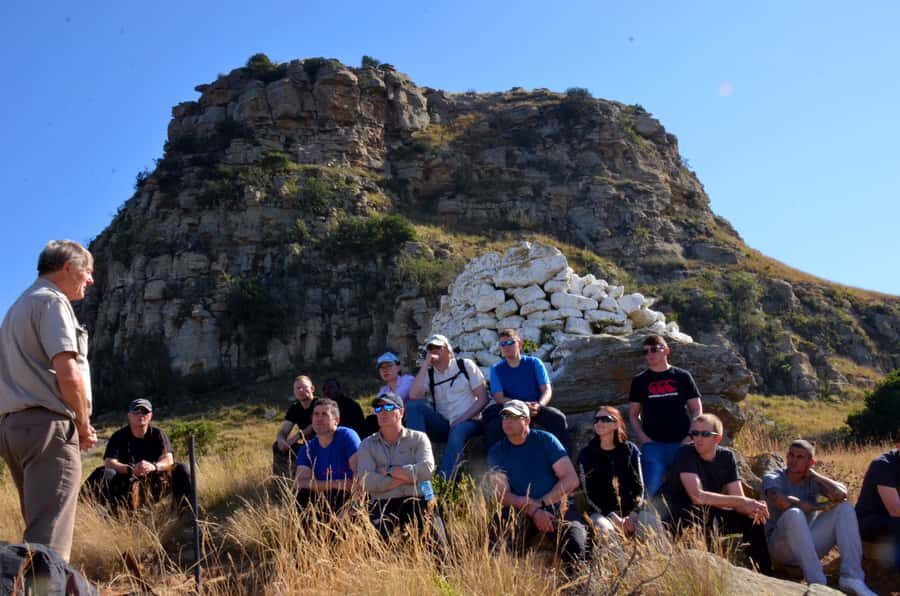
This tour is outdoors for significant stretches, so go practical. Bring:
- Comfortable shoes
- Sunscreen
- Comfortable clothes
Also think hydration. Lunch and drinks aren’t included, so plan your own food strategy. Even if you’re not a heavy snacker, you’ll want water on hand during a long day—battlefield days can run emotionally intense, not just physically tiring.
If you’re sensitive to heat, wear breathable layers. If you need shade breaks, you’ll want to be ready for that reality with simple sun management.
And if you’re planning around language: the live guide can be English, Greek, Portuguese, or French, and German and Polish can be requested. That flexibility helps if you’re more comfortable thinking in your own language.
Wheelchair access is supported, and if you’re a wheelchair user, you should inform the local partner before the start of the tour.
Should You Book This Isandlwana and Rorke’s Drift Day Trip?
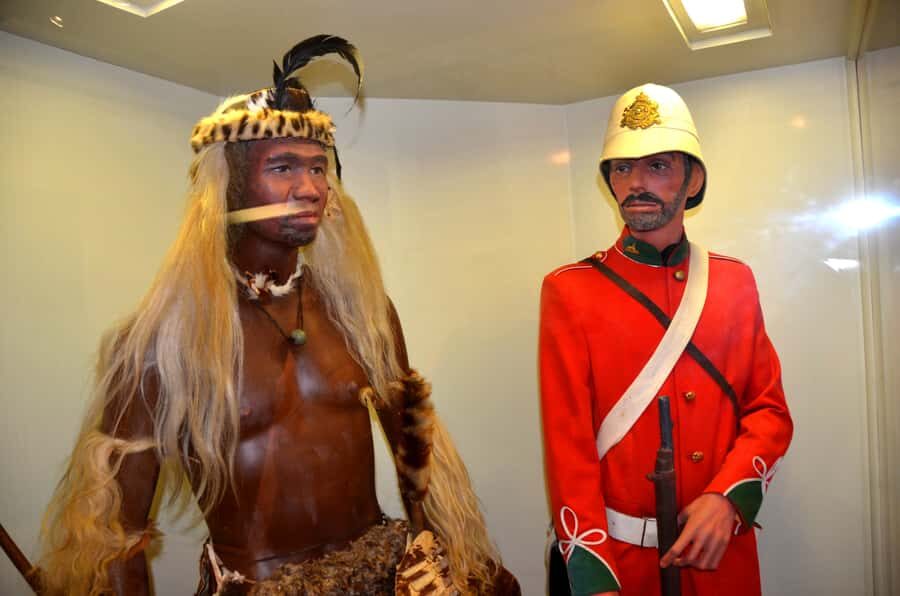
Book it if you want your Anglo–Zulu War history in the right order, with context at each stop. The pairing of Isandlwana and Rorke’s Drift gives you a coherent timeline, and the presence of museums and memorials means you’re not left guessing what you’re seeing.
Don’t book it if you hate long drives or if you’re looking for a light, casual outing. This is a full day built around serious history, and it asks you to stay focused.
If you do book, I’d be strategic: wear comfortable shoes, pack sunscreen, plan for lunch and drinks yourself, and consider whether an optional specialist historian is worth it for your level of interest. You’ll get the most from the day when you treat it like a story you’re tracking from battlefield to battlefield.
FAQ
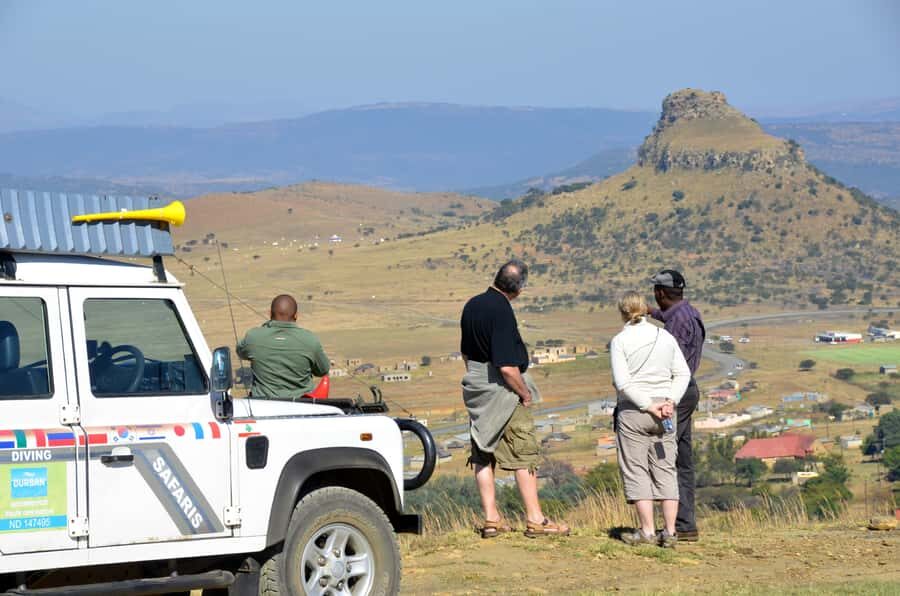
How long is the Isandlwana and Rorke’s Drift day trip from Durban?
The trip lasts 14 hours.
What’s included in the tour price?
It includes all entry fees and transport with a professional tour guide.
Is lunch included?
No, lunch and drinks are not included.
Where are pickup options in Durban?
Pickup is included from hotels/accommodations within a 5 kilometer radius of Gooderson Tropicana Hotel, 85 O R Tambo Parade, South Beach, and pickup is also available from the Harbour passenger terminal.
What languages are offered for the live guide?
The live guide is available in English, Greek, Portuguese, and French, and German and Polish can be requested.
Is the Isandlwana fee included?
The fee for Isandlwana is not included in the ticket.