REVIEW · DURBAN
St Lucia Isimangaliso Boat Safari Day Tour from Durban
Book on Viator →Operated by 1st Zulu Safaris · Bookable on Viator
Hippos from a boat beat any zoo day. This Durban-to-St Lucia trip pairs the 2-hour estuary cruise with a knowledgeable guide who explains how the iSimangaliso wetlands work, and you do get great chances at seeing wildlife up close. One trade-off: crocodiles can be hit-or-miss on hot days, so don’t expect guaranteed sightings.
You’ll leave Durban at 8:00 am and spend most of the day on the move, but the payoff is a UNESCO-listed wilderness and a slower pace out on the water. The group size tops out at 99, and pickup is handled in an air-conditioned vehicle (from selected hotels), which helps when you’re doing a long day.
After the boat ride, you get lunch time in St Lucia and a short walk near the river mouth before heading back down to Durban. If you love wildlife that’s real and a bit unpredictable, this is a strong option.
In This Review
- Key things I’d zero in on
- Leaving Durban for iSimangaliso: why this day trip works
- The long coastal ride north: Durban logistics in plain terms
- iSimangaliso Wetland Park: what you’re trying to spot (and what to expect)
- The 2-hour guided boat safari: hippos, crocodiles, and birding from the water
- After the boat: lunch in St Lucia and a river-mouth walk
- Price and value: what your $199.36 is really buying
- Who this day trip suits best
- Tips that improve your odds (without pretending you control wildlife)
- Potential hassles: long drive and the one money caution
- Should you book the St Lucia iSimangaliso Boat Safari from Durban?
- FAQ
- What time does the St Lucia boat safari from Durban start?
- How long is the tour?
- Does the tour include hotel pickup and drop-off?
- What’s included in the price?
- What wildlife will I likely see on the boat?
- How long is the boat ride?
- Is lunch included?
- Are food and drinks included?
- Can the guide provide German or Polish?
- Is free cancellation available?
Key things I’d zero in on
- UNESCO World Heritage wetlands: South Africa’s first UNESCO natural site, iSimangaliso Wetland Park
- A guided 2-hour estuary boat ride where you can actually scan the water and shorelines
- Hippos are the main event, with crocodiles and lots of birds as the bonus
- St Lucia time after the cruise for lunch and a river-mouth walk
- Pickup + AC transport from Durban to take the strain off a long day
Leaving Durban for iSimangaliso: why this day trip works
This is the kind of outing that makes you feel like you switched channels. Durban stays busy, but you’re heading north into iSimangaliso Wetland Park, a huge protected area that was South Africa’s first UNESCO World Heritage Site (natural). In other words, you’re not just going somewhere scenic—you’re going to a system the world recognized as globally important.
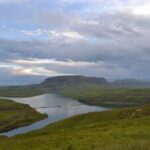
The park is massive: 328,000 hectares of protected wetland and near-pristine coastline (about 280 km). And on the day you’re doing the safari, you focus on one key slice of it: the estuary area around St Lucia, where animals gather and where the birdlife is active.
If you’re the type who likes nature with a guide—someone who can point out what you’re looking at—this trip fits well. The pace is built around a big “wildlife time” block on the water, not a rushed photo stop parade.
You can also read our reviews of more boat tours in Durban
The long coastal ride north: Durban logistics in plain terms
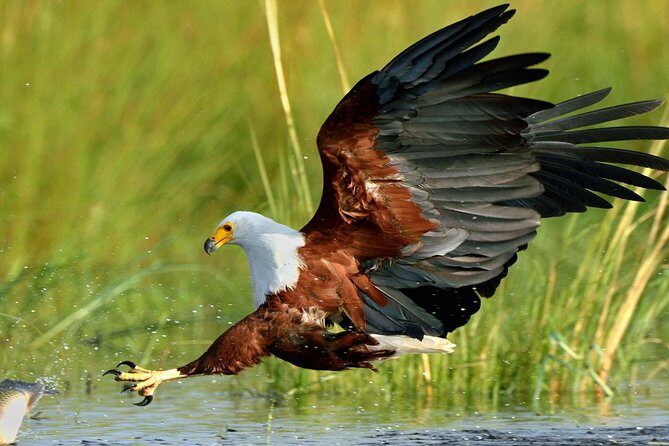
The tour starts in Durban at 8:00 am, then you drive north along the coast toward northern KwaZulu-Natal and into the St Lucia area. The boat portion is about two hours, but your full day is about 8 hours total, so the time in the vehicle matters.
One important reality check: this is not a short hop. If you dislike long road time, plan for it. Bring what makes sitting comfortable (water, sun protection, and anything you need for a car ride). And if you’re easy to get carsick, be ready—this is still a coastal day trip with a lot of hours.
The upside is that transport is handled in an air-conditioned vehicle, and pickup/drop-off is offered for selected hotels. That reduces hassle in Durban, where figuring out meet points can eat into your morning.
Also worth noting: the tour caps at 99 people. That usually means a bigger group, but it also suggests you’re not on a tiny private boat where the guide has time for a full one-on-one. The best experience comes when you’re willing to scan and follow instructions as the guide calls out wildlife.
iSimangaliso Wetland Park: what you’re trying to spot (and what to expect)
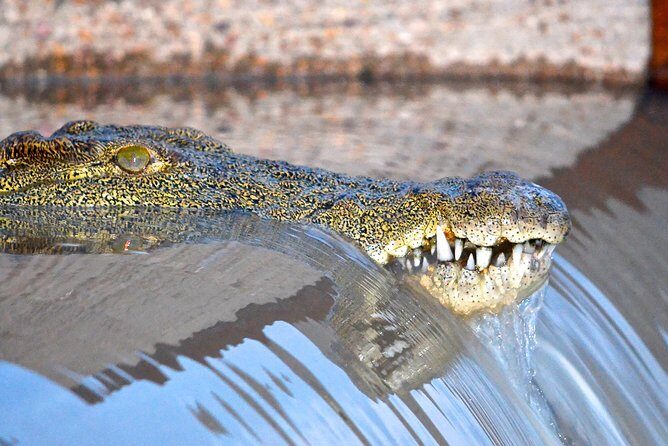
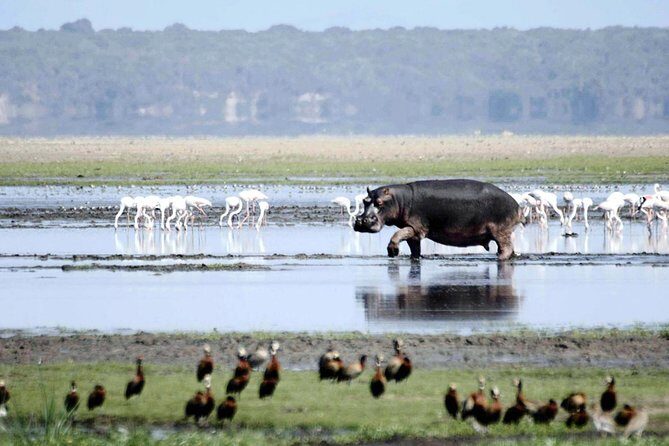
iSimangaliso is famous for biodiversity, and it’s easy to see why once you’re in the estuary zone. This protected wetlands system is home to a large population of hippos, with estimates around 1,000 crocodiles in the broader area. On the bird side, you may see species like flamingos, kingfishers, eagles, and many more that take advantage of feeding zones along the water.
One of the most practical ways to think about the wildlife: the boat ride gives you access to where animals already show up. Hippos tend to be visible in the estuary environment when conditions allow, and birds are often obvious once you know what shoreline edges and water channels to watch.
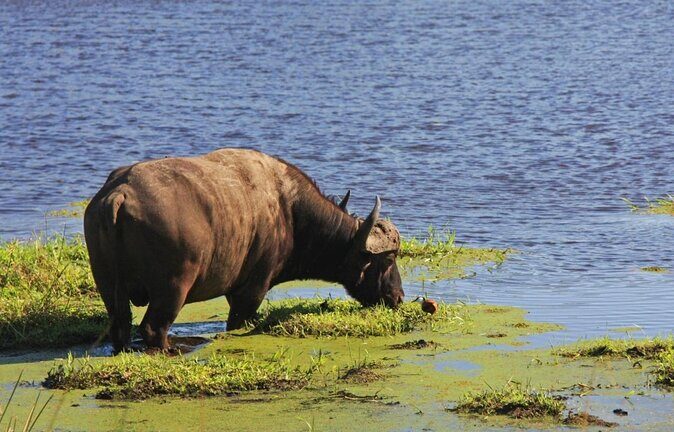
It also helps to know the park includes far more than what you’ll see from a boat. The protected area is linked to bigger wildlife populations across the region, including species like elephant, rhino, buffalo, and even big cats in the larger ecosystem. But on a day trip like this, your most realistic “targets” are the animals and birds connected directly to the estuary.
So, keep your expectations grounded:
- You’re hunting hippos and birds as your core experience.
- Crocodiles are possible, but spotting them can depend on conditions like the heat and how animals are positioned in the water.
That last point isn’t a scare tactic—it’s just how wildlife viewing works.
The 2-hour guided boat safari: hippos, crocodiles, and birding from the water
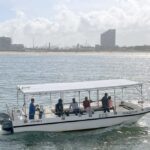
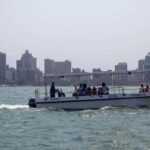
This is the heart of the day. In St Lucia, you board a river boat for a two-hour guided tour through the estuary. The guide talks you through the wetlands and how the reserve operates, and they also help you interpret what you’re seeing—where the animals feed, why the birds hang around certain water edges, and how the environment shapes animal behavior.
The best part here is simple: you’re not standing on land trying to guess where wildlife might be. You’re on the water, drifting through the same routes animals use. That gives you a more “natural” viewing angle, especially for big, slow-moving animals like hippos.
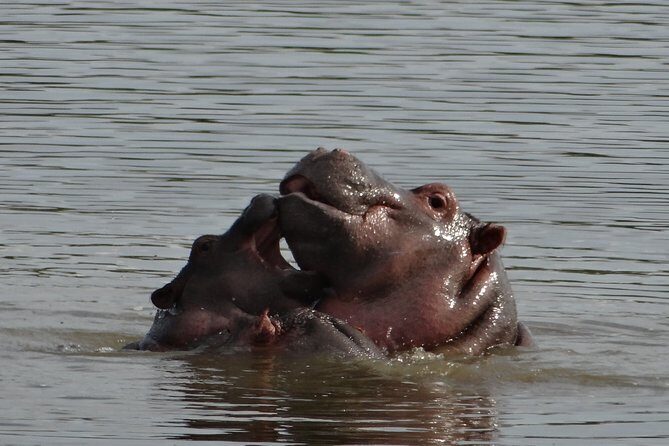
Hippos tend to steal the show. They can be close enough to make your brain go quiet for a second—this is real wildlife, not a curated exhibit. If you’re hoping for that classic “I can’t believe I’m seeing this” moment, the estuary cruise is your ticket.
Birdlife is another strong reason to pick this tour. The estuary is active, and you can get multiple bird sightings during the cruise—some obvious, some subtle until the guide points them out.
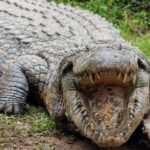
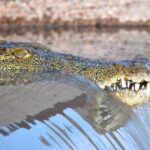
Crocodiles can be the wildcard. On some days, you may see them easily. On other days, you might not. Hot conditions can make crocodile spotting harder, and you may end up with an experience that’s more hippos and birds than crocs. The upside is that even when crocodiles are quiet, the scenery and wildlife density in the estuary still deliver.
After the boat: lunch in St Lucia and a river-mouth walk
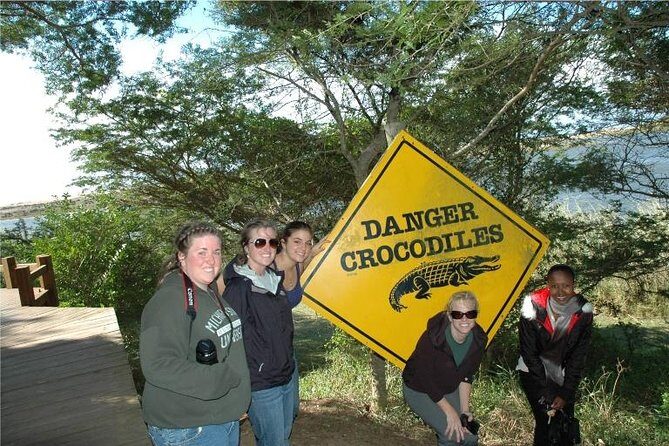
Once the cruise wraps up, you get time for lunch in the town of St Lucia. This matters more than you’d think: it breaks up the day so you’re not just transferring from boat to another vehicle with no decompression time. You’ll have time to reset, grab a meal at local restaurants, and stretch your legs.
After lunch, your guide takes you toward the river mouth for a walk before you head back to Durban.
That short walk is where you’ll likely notice the difference between “animal viewing from the water” and “spotting from shore.” Birds and signs of animal movement can look totally different when you’re on land. It’s a good chance to shoot photos at a different angle and to keep your eyes open for movement near the waterline.
A few more Durban tours and experiences worth a look
Price and value: what your $199.36 is really buying
At $199.36 per person, the price isn’t just paying for a boat. You’re also covering:
- National park fees
- A local guide
- Hotel/port pickup and drop-off (selected hotels)
- Air-conditioned transport from Durban
- Entrance fees
- Lunch time
- The guided estuary experience, which is the main wildlife viewing component
What’s not included is food and drinks beyond what’s covered in the lunch plan, plus personal expenses. In real terms, that means you should budget a little extra for whatever you want to drink during the day, and any snacks you like.
Is it good value? For many people, yes—especially if you’d otherwise have to plan your own transport and figure out park logistics. The guide’s role is also part of the “value equation,” because wildlife viewing gets easier when you understand what you’re looking at and when someone can adjust based on what’s visible that day.
Where value can drop is if you’re only going for crocodiles. Since crocodile sightings aren’t guaranteed, you’ll want to be flexible and genuinely enjoy hippos, birds, and the wetlands environment as the main payoff.
Who this day trip suits best
This works best for you if:
- You love nature and wildlife but prefer guided viewing over DIY guesswork
- You’re especially into birds and wetland ecosystems
- You’re okay with a full-day schedule and want a break from city time
- You want a “big day” from Durban without needing overnight planning
It can also fit well if you’ve already done other safari styles (like a land safari) and want a different angle. Switching from 4×4 viewing to a boat cruise changes what you notice. On the water, you start thinking in terms of waterways, shoreline edges, and animal routes.
If you’re a hardcore crocodile hunter who needs certainty, you may feel frustrated. This tour can deliver plenty of wildlife, but it’s not a factory line. The wildlife has its own schedule.
Tips that improve your odds (without pretending you control wildlife)
These are the practical things that help on a safari day like this:
- Dress for heat: crocodile visibility can change in hot conditions, and you’ll spend time outdoors for the river-mouth area.
- Bring sun protection: hat, sunglasses, sunscreen. You’re out in open areas before and after the boat.
- Use your eyes early: wildlife spotting gets easier once you’re warmed up and scanning in the right places. Let the guide’s cues get into your rhythm.
- Ask where to look: guides aren’t just narrators. They help you point your attention where it matters.
- Have a flexible mindset about crocs: if they’re quiet that day, you’ll still get hippos and birdlife, and the wetlands setting itself is worth the trip.
If you want the most comfortable day, also plan for the long drive. Keep water handy, and consider something for car comfort if you’re sensitive to travel time.
Potential hassles: long drive and the one money caution
Two honest things can affect your experience.
First, the drive from Durban is a real chunk of the day. One person found it too long even though they loved the boat and wildlife viewing. If you know you’re impatient in transit, take that seriously.
Second, with any tour booked through a third-party platform, payment confusion can happen. One visitor reported a billing problem (charged twice) and the operator’s response pointed out that the charge issue was tied to the booking/payment side rather than the tour provider directly. The practical takeaway: keep your confirmation details, receipts, and cancellation emails, and double-check what you’re actually being charged by the service you used.
Should you book the St Lucia iSimangaliso Boat Safari from Durban?
I’d book this if you want a guided day that combines a UNESCO wetlands setting with a real estuary boat cruise and a good chance at seeing hippos and lots of birds. It’s also a smart choice if you’d rather have transport and park logistics handled for you.
I’d skip or reconsider if:
- You’re determined to see crocodiles no matter what (this day can be more hippos and birds than crocs)
- You strongly dislike long road time from Durban
- You’re traveling with tight timing and can’t spare a full day
If your goal is to experience iSimangaliso’s wetland life at a pace that still leaves room to enjoy it, this tour is a solid, value-minded way to do it.
FAQ
What time does the St Lucia boat safari from Durban start?
It starts at 8:00 am.
How long is the tour?
The duration is about 8 hours.
Does the tour include hotel pickup and drop-off?
Pickup and drop-off are offered for selected hotels in Durban.
What’s included in the price?
It includes national park fees, a local guide, and entrance fees to attractions, plus hotel/port pickup and drop-off (selected hotels). Lunch is included as part of the day.
What wildlife will I likely see on the boat?
You’ll be on the estuary and can look out for hippos and crocodiles, plus many birds such as flamingos, kingfishers, and eagles.
How long is the boat ride?
The guided estuary boat tour lasts about 2 hours.
Is lunch included?
Yes, lunch time in St Lucia is included in the tour.
Are food and drinks included?
Food and drinks are not fully included; personal food and drink choices are on you beyond what’s covered for lunch.
Can the guide provide German or Polish?
German and Polish language requests can be made on request.
Is free cancellation available?
Yes. You can cancel up to 24 hours before the experience for a full refund.