REVIEW · DURBAN
Durban: Durban: Whale and Dolphin Watching Boat Tour
Book on GetYourGuide →Operated by Isle of Capri Cruises Whale watching · Bookable on GetYourGuide
Whales feel shockingly close in Durban. You get a 2-hour run out onto the Indian Ocean to hunt for humpbacks with a real onboard guide and front-facing viewing.
I especially like the way the skipper and guides focus on position and animal behavior, not chasing. I also like that the boat setup keeps you close enough for meaningful photos, and guides like skipper Bennie aim to put you where the action happens.
The main thing to plan around is that sightings depend on season and weather, since the route can change and whales are not present year-round.
In This Review
- Key things I’d lock in before you go
- Durban whale watching in 2 hours: the practical thrill
- Getting to Wilson’s Wharf and timing your check-in
- What “open ocean sailing” means once you’re out
- How humpback whale watching works in the Durban winter
- Dolphins, turtles, sharks, and what else you should watch for
- The guide experience: learning fast and watching better
- Boat size, comfort, and what to do if the sea gets rough
- Price and value: what you’re paying for at $102
- Best odds: pick the right season and respect the ocean
- Should you book this Durban whale and dolphin watching tour?
- FAQ
- Where does the tour start?
- How long is the whale and dolphin watching trip?
- What’s the best time of year to see humpback whales?
- Are dolphins included in the experience?
- What wildlife besides whales and dolphins might you see?
- How many people are on the boat?
- Is a specific boat guaranteed?
- What’s included in the price?
- Are food and drinks included?
- Can you swim with the animals?
- What’s the cancellation policy?
Key things I’d lock in before you go
- A permit-backed whale watch setup: the vessel category is registered for whale and dolphin watching, and Durban has limited permits.
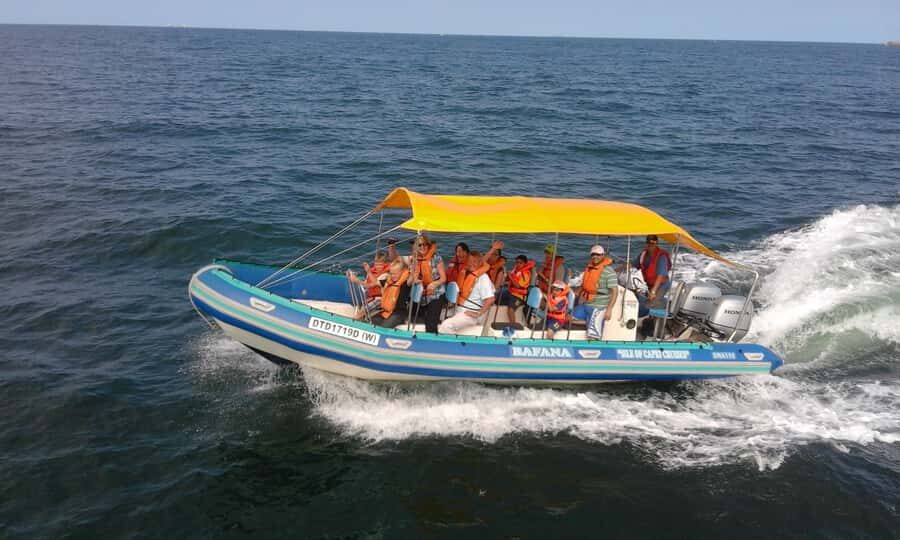
- Small boat feel (11 passengers): easier viewing than larger group boats when you’re scanning the water.
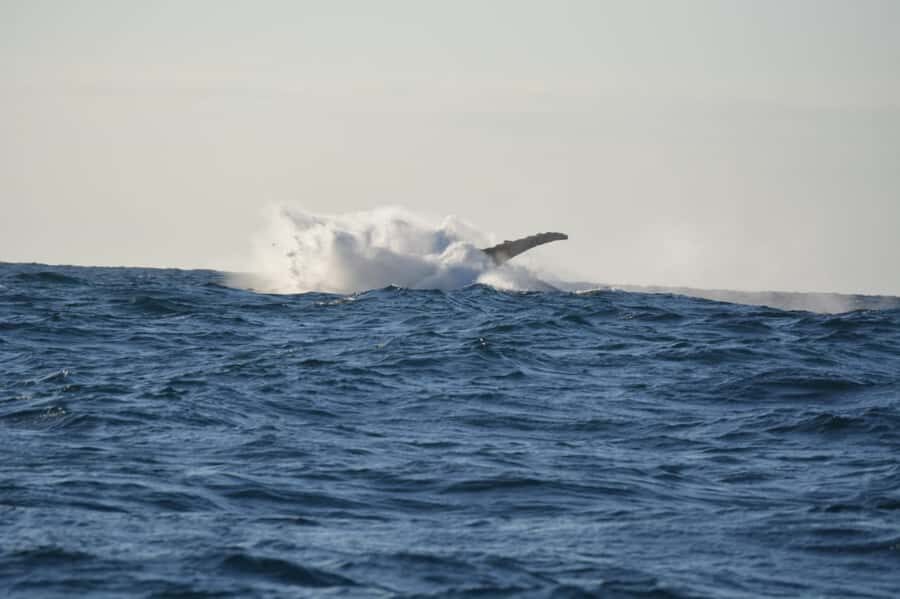
- Seasonal whale odds (May to November): winter is peak time for migratory humpbacks in the Durban area.
- Respect-first guiding: you’re directed to watch without getting reckless about distance.
- You’re not only chasing whales: dolphins, turtles, birds, fish, and sometimes sharks or orcas can show up.
- No guarantee on a specific boat: you may use a different vessel from the pool if weather or scheduling shifts.
Durban whale watching in 2 hours: the practical thrill
This is the kind of tour that makes sense if you want a big experience without eating your whole day. Two hours on open water means you’ll spend more time actually out in the search zone than on long back-and-forth sightseeing.
What makes it feel special is the mix of scale and intimacy. Humpback whales can be around 15 meters (49 feet) and roughly 30 tons, yet the boat carries just 11 passengers, so the experience doesn’t feel like you’re buried under a crowd. And because the crew sits behind the passengers, you’re basically pointed outward from the start—ready to scan.
You’ll also get a guide who explains what you’re seeing. That matters. Watching a breach is cool, but knowing what triggers it, what calves are doing, and how dolphins travel makes your photos and memories feel less random.
You can also read our reviews of more boat tours in Durban
Getting to Wilson’s Wharf and timing your check-in
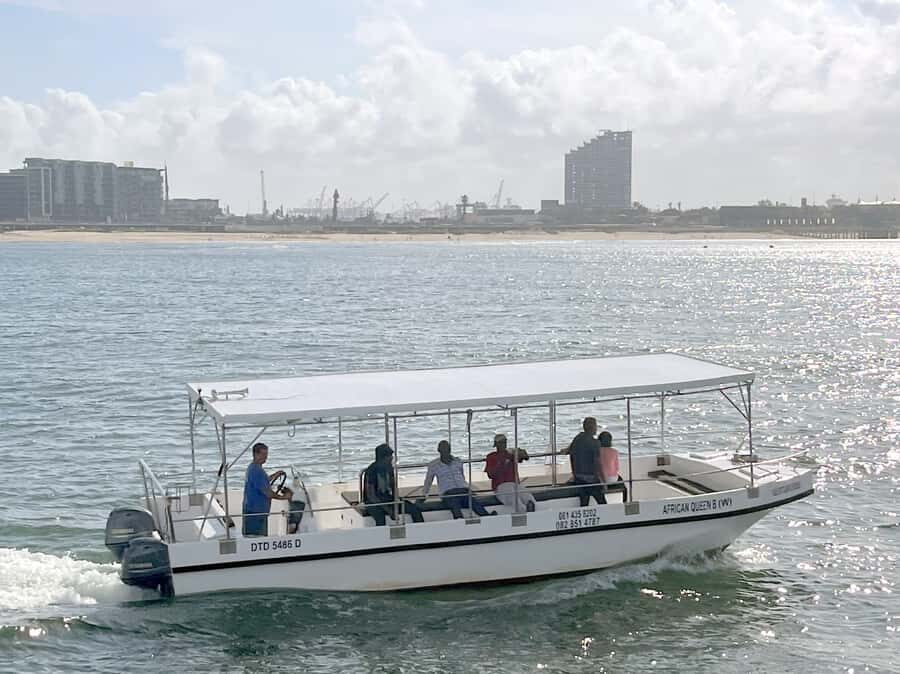
Your ticket needs to be shown at the Isle of Capri Cruises office at Wilson’s Wharf Marina, next to the Casadena Spur end of the complex. Plan to arrive 30 minutes before departure so you’re not rushing through the last-minute rush.
Bring the basics that keep a short ocean trip enjoyable:
- hat and sunscreen
- water
- camera
- weather-appropriate layers (even in warm months)
- a scarf if it gets breezy
Food and drinks aren’t included, so if you tend to get thirsty, pack a bottle or plan to buy before you go. This trip is only two hours, so going light is fine—just don’t show up under-hydrated.
What “open ocean sailing” means once you’re out
After you depart, you’ll move away from the marina into deeper water. The plan is to navigate toward the Mozambican current—a detail that’s useful because it signals how Durban’s marine life shows up. Currents shape food availability, and that’s what brings predators and big migrators into view.
Seating is set up with front-facing seats for passengers and the skipper and crew positioned behind you. That arrangement helps you watch without constantly turning your head or getting blocked by someone higher up. It also keeps the boat workflow smooth when the crew spots wildlife and you need everyone’s eyes in the same direction.
The route isn’t fixed. The cruise route can shift with conditions, which is a common reality on the Indian Ocean. The good news: even if the boat you sail on changes (the operator uses a pool of available vessels), the experience is meant to stay the same.
How humpback whale watching works in the Durban winter
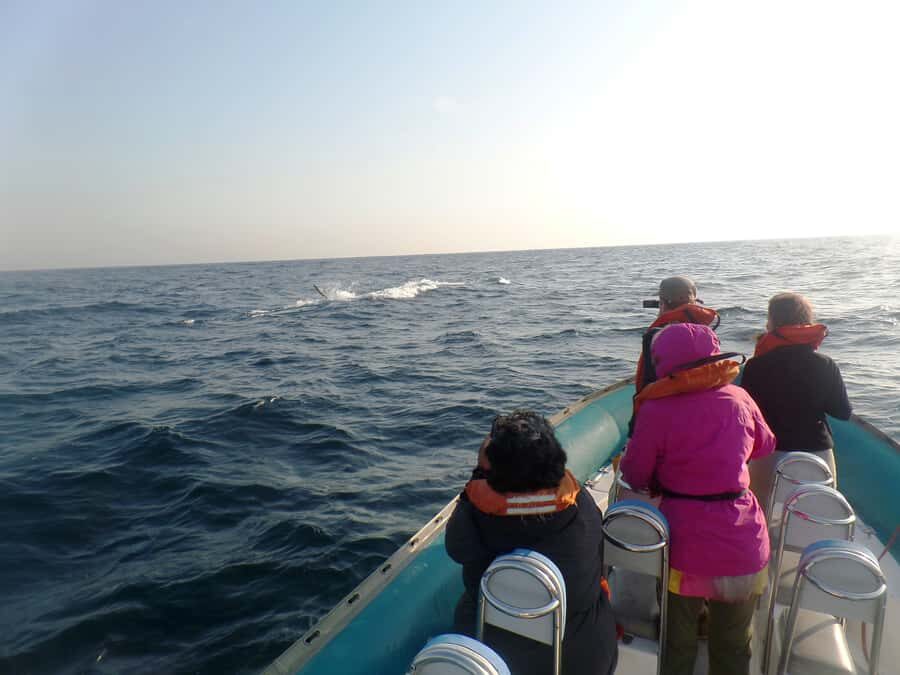
The timing is your biggest lever. Humpback whales pass Durban from May to November, with the strongest chance between June and November. During that stretch, you’re watching migratory whales moving between colder feeding waters and warmer tropical areas for mating and giving birth.
So you’re not just looking for a random splash. You’re watching a serious life cycle event.
On a good day, you can catch:
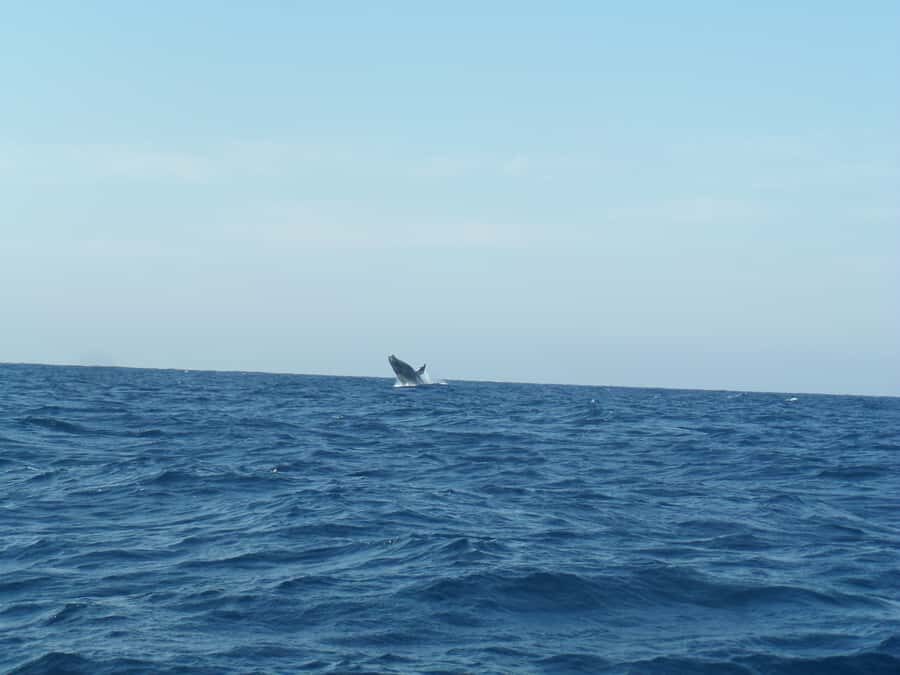
- breaches (whales slapping up out of the water)
- tail slaps
- partial breaches
- close, calm moments like mother-and-calf interactions
And the scale is hard to overstate. When a creature built for open-ocean travel rises near the surface, it looks almost unreal. The best sightings tend to come when the sea is calm enough for you to see behavior clearly, not just the top of a fin.
One helpful tip from real-world conditions: a windless day with small swells tends to improve viewing and comfort. Even if you can’t control weather, you can control your expectations. If the day is choppy, your odds of spotting clean surface action drop, even though the crew will still do their best.
Dolphins, turtles, sharks, and what else you should watch for
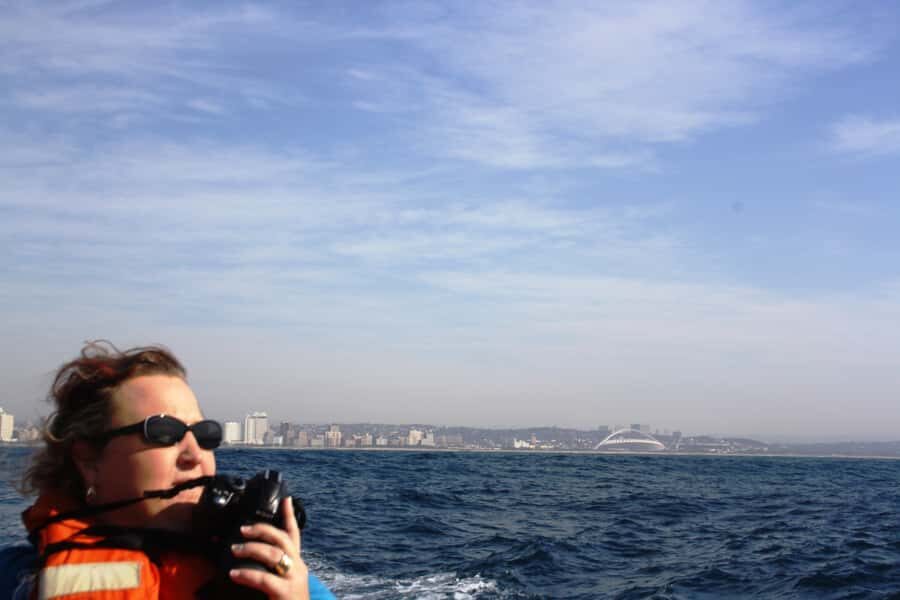
Even though humpbacks are the headline, this tour is also built around the idea that you might get multiple species in one outing.
Here’s what you may see:
- Dolphins (sighted seasonally and also throughout the year, depending on what’s moving through)
- Turtles on occasion, surfacing to feed
- birds and fish
- and, sometimes, larger “bonus” encounters like orcas, manta rays, and killer sharks
That last group is why scanning stays important even after you spot whales. The crew and guide are watching the whole picture, not just one moment.
Dolphins can also be a confidence booster if whale activity is slower. Some trips line up so that you spot dolphins while you’re waiting for whales to come close to the boat’s path, and you don’t leave feeling like you only watched a horizon.
Also note what the trip doesn’t promise: it’s contingent on time of year and the day’s conditions. In the summer months, whales migrate elsewhere, so you’ll generally shift into dolphin watching and other sea creature sightings instead.




The guide experience: learning fast and watching better
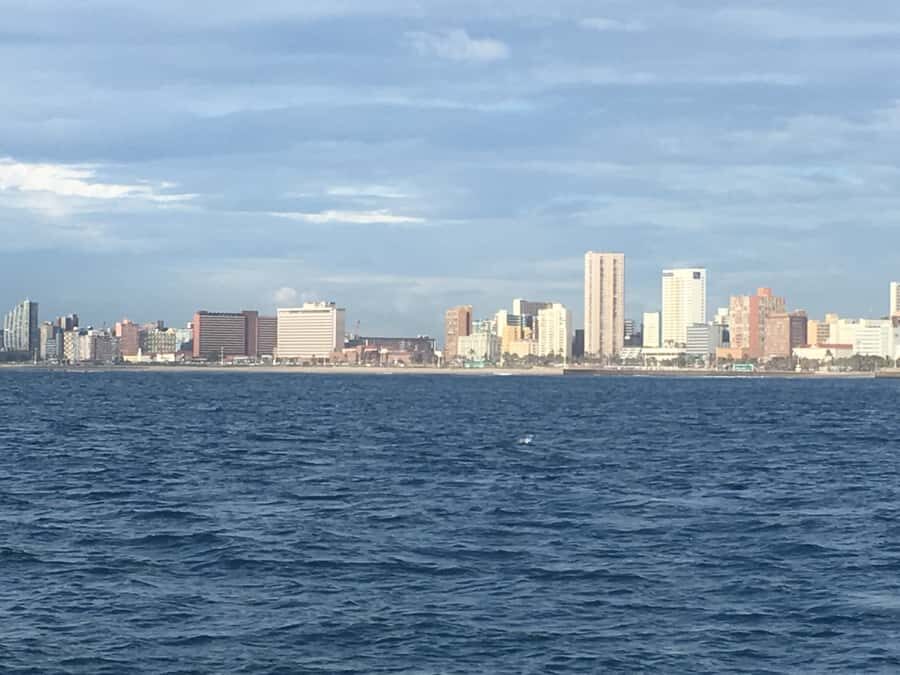
A whale tour is more fun when someone explains what you’re seeing in plain language. This one includes both an English guide and a Zulu guide, and the live guide support is designed to help you interpret whale behavior while you’re still on the water.
One guide name you’ll often hear is skipper Bennie. The vibe from his style is consistent: he’s enthusiastic, pays attention to the sea state, and tries to keep the viewing experience respectful and productive.
There are two practical reasons that guiding style matters:
- Positioning: the guide works to place the boat so you get the best angle without pressuring the animals.
- Reading behavior: you’ll understand what counts as a “good sign” that the whales are about to surface again, rather than guessing.
On calmer days, you might even catch subtle details like hearing whales breathe. That’s one of those moments you can’t fake or recreate later—it comes from the sea being quiet enough for the sounds to carry.
And if you’re hoping for a better photo outcome, expect the crew to help you aim. Good boat watching is as much about angles as it is about spotting.
Boat size, comfort, and what to do if the sea gets rough
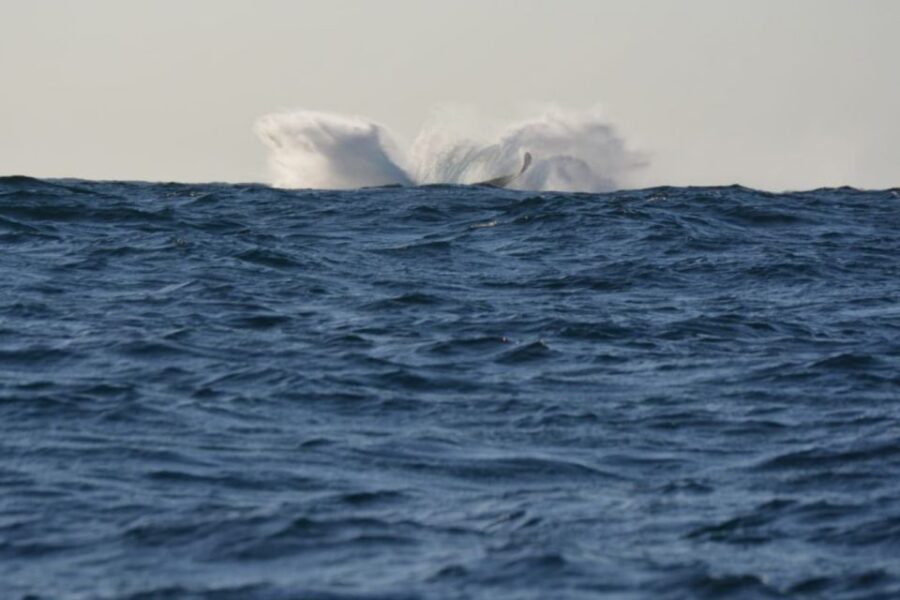
With an 11-passenger boat, you get a more personal viewing experience, but that also means there’s less room to stretch out. Wear comfortable clothes and dress for wind and salt air, not just temperature.
A few practical notes based on how these tours work:
- You’ll be outside and exposed, so hat + sunscreen really matter.
- Bring a warm layer even in cooler months because open water can feel colder fast.
- This activity is not wheelchair-friendly, and it’s also not recommended for toddlers, since parental responsibility is required.
It isn’t suitable for people who are pregnant or have back problems or mobility impairments, so be honest about whether your body handles boat movement well. Two hours is short, but it’s still open water.
And one strict rule: swimming isn’t allowed. You’ll enjoy the wildlife from the boat.
Price and value: what you’re paying for at $102
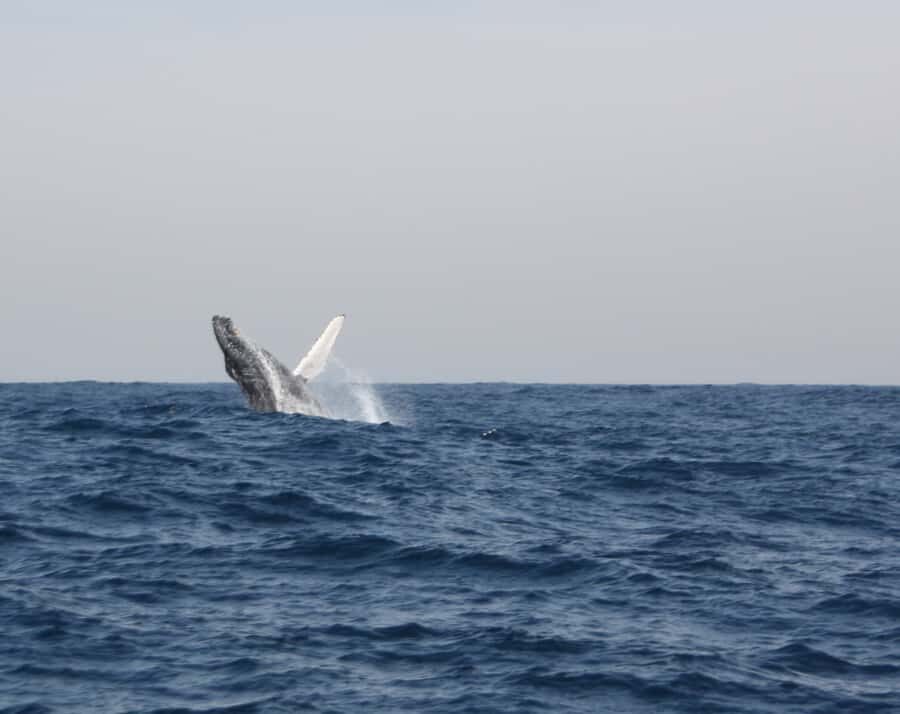
At about $102 per person for a 2-hour trip, this isn’t the budget end of Durban activities. But the value comes from three things you can’t easily replicate on your own: a permitted whale-watching operation, a small boat, and guided interpretation.
Also, you’re not just paying for a checklist of wildlife. You’re paying for:
- open-ocean sailing toward a current where marine life is more likely to show up
- a knowledgeable onboard guide and crew focused on positioning
- the chance for close viewing when animals surface nearby
Food and drinks are not included, so factor in what you’ll spend on water or snacks. If you already carry water and keep expectations right, that cost stays manageable.
To me, the best argument for the price is timing. Two hours is just long enough to find the right conditions, see something meaningful, and still feel fresh afterward—especially if you’re pairing this with other Durban plans the same day.
Best odds: pick the right season and respect the ocean
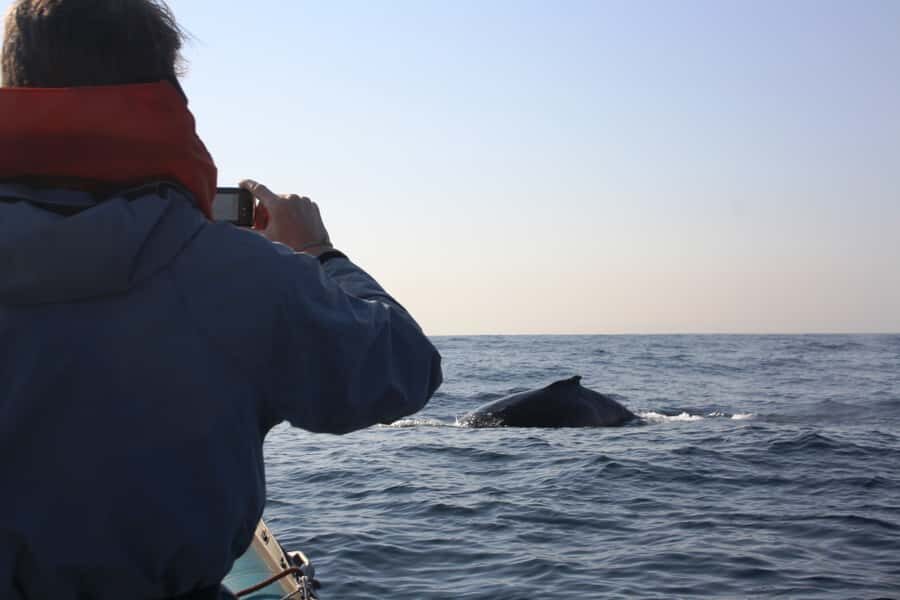
If you want humpbacks, go in the June to November window. Whales can pass Durban any time May to November, but June through November lines up better with migratory behavior and more consistent sightings.
If you’re traveling in warmer months, don’t treat the tour like a failed whale trip. It becomes a dolphin and sea-creature outing instead. That’s a perfectly valid goal, especially for people who want marine life more than a specific species.
For the day itself:
- Aim for conditions with small swells if you can.
- Expect the crew to adjust route as weather changes.
- Keep your camera ready, but don’t lock your eyes into the viewfinder. Scan, then shoot.
This tour’s flexibility is part of the deal. Cruises depend on what the sea is doing, and the route can shift.
Should you book this Durban whale and dolphin watching tour?
Yes, I’d book it if your top goal is a high-odds shot at humpback whales in winter plus the comfort of a guide who helps you watch smarter. It’s also a strong pick if you value a smaller boat size and clear viewing angles.
I’d think twice if you need guaranteed access due to mobility needs, or if you’re planning for whale sightings outside the May to November window. In summer, you should expect dolphins and other marine life instead of guaranteed humpbacks.
If you want the most rewarding session, treat this as a sea-day experience: dress for wind and sun, bring water, and let the crew work the conditions. When the whales are in the area and the sea is calm, this kind of tour can deliver moments that stick for a long time.
FAQ
Where does the tour start?
You meet at the Isle of Capri Cruises office on Wilson’s Wharf Marina, next to the Casadena Spur end of the complex. Your ticket must be presented 30 minutes before departure.
How long is the whale and dolphin watching trip?
The duration is 2 hours.
What’s the best time of year to see humpback whales?
Whales pass Durban from May to November, with the highlights most likely between June and November. During warmer months, whales migrate elsewhere and the trip focuses more on dolphin watching and other sea creatures.
Are dolphins included in the experience?
Dolphins are part of what you can see, and sightings are possible all year round depending on conditions.
What wildlife besides whales and dolphins might you see?
You may also spot turtles (on occasion), birds, fish, and sometimes larger marine life such as orcas, manta rays, and killer sharks.
How many people are on the boat?
The boat described is an 11-passenger vessel. The operator uses a selection of available vessels if needed, and two boats may depart at overlapping times.
Is a specific boat guaranteed?
No. Cruises may not have a dedicated boat and can use a pool of available vessels based on weather, seasonal passenger numbers, and maintenance. You won’t be guaranteed a specific boat, but you should still get the same type of cruise experience on another vessel.
What’s included in the price?
Included are the whale-watching boat trip, an English guide, a Zulu guide, and open-ocean sailing.
Are food and drinks included?
No. Food and drinks are not included.
Can you swim with the animals?
No. Swimming is not allowed.
What’s the cancellation policy?
Free cancellation is available up to 24 hours in advance for a full refund.