REVIEW · HAZYVIEW
From Hazyview : Big 5 Kruger National Park Day Safari
Book on GetYourGuide →Operated by Africa Moja Tours & Safaris · Bookable on GetYourGuide
Big Five sightings start before sunrise. This Kruger day safari from Hazyview is built around the hours when predators are most active, so your wildlife day has real momentum from the first turn into the park.
What I like most is the combination of early game viewing plus targeted stops for mammals at different times of day. Another big plus: you’ll be in a 4×4 game viewing jeep with an experienced ranger who helps you read the landscape and set up for better viewing. One drawback to plan for: sightings are never guaranteed, and some animals (like leopard or buffalo) can be far off or harder to confirm depending on where the action is that day.
In This Review
- Key highlights to care about
- Kruger timing: why an early start actually matters
- The ride from Hazyview to Kruger: quick, then into the action
- Entering Kruger at Phabeni Gate and starting the first drive
- The most important meal breaks: breakfast timing and lunch in camp
- Waterholes and the “small but smart” sightings strategy
- The Big Five reality check: odds, not promises
- Afternoon drive: grazing time, predator possibility
- What’s included (and what you should budget for)
- Group size and ranger quality: how it affects your viewing
- What to bring for comfort and better wildlife viewing
- Who this safari is best for
- Should you book this Kruger day safari from Hazyview?
- FAQ
- What time does the safari depart?
- Where does the safari enter Kruger National Park?
- How long is the safari?
- How big is the group?
- What’s included in the price?
- What’s not included?
- Are drones allowed?
- What should I bring?
- Is it suitable for everyone?
Key highlights to care about
- Phabeni Gate entry with conservation fees handled for you, so you get moving quickly inside Kruger
- 4×4 jeep positioning for close viewing where the terrain allows
- Waterhole wildlife viewing that can bring in multiple species in one spot
- Two different drive windows (morning and afternoon) for better odds across feeding and hunting times
- Small group of up to 10 for a more personal, easier-to-hear ranger experience
- Ranger-led spotting skills, including one guide named Gwen who’s known for putting the jeep in the right place
Kruger timing: why an early start actually matters
Kruger is not a theme park. Animals don’t show up on a schedule, and that’s exactly why the timing on this safari is the whole point.
You depart Hazyview at 5:30 am, and you’ll enter through the Phabeni Gate after paying conservation fees. That early start matters because mornings are when carnivores often feel most active—moving, hunting, and checking territory. If you’re hoping to see predator behavior, you want those first hours, not a late start.
The day also has a second viewing push later, when lots of herbivores are grazing and predators may still be on the move. In other words, this is designed to cover more than one “wildlife mood” instead of just crisscrossing the park randomly.
A few more Hazyview tours and experiences worth a look
The ride from Hazyview to Kruger: quick, then into the action
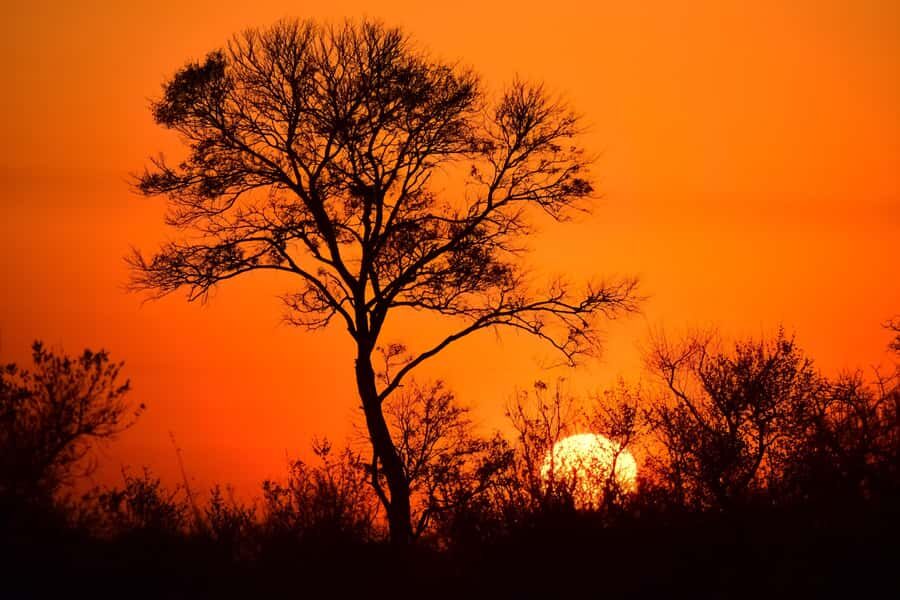
You’ll be picked up from your accommodation area in Hazyview and then transferred by Jeep / SUV. The drive time is short enough that you’re not spending your morning stuck in transit, but long enough to get you ready for the park.
Once you reach the gate, the ranger takes over. Conservation fees are included, so you don’t have to handle anything at the entrance. Then the jeep shifts into game-drive mode—slow enough for spotting, attentive enough for quick repositioning when something shows up.
Practical tip: this is an outdoor day, and you’ll likely feel the early morning chill and then warm up fast. That’s why a sun hat and sunscreen matter even if it feels cool at pickup time.
Entering Kruger at Phabeni Gate and starting the first drive
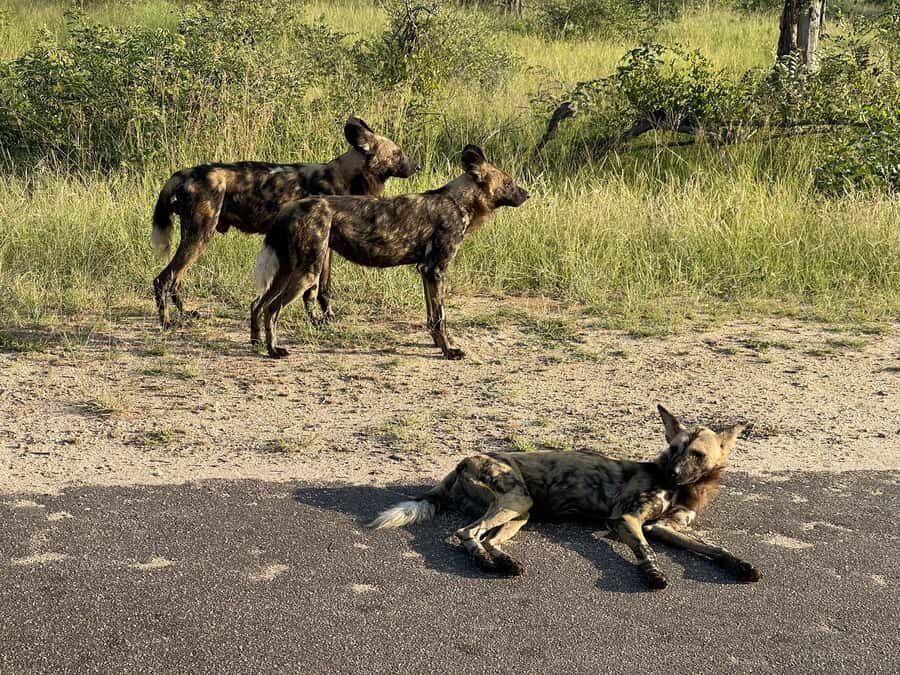
After entering through Phabeni Gate, you’ll have your morning drive when expectations are highest. This first stretch is where rangers tend to focus on areas where carnivores are more likely to be visible—because they’re active, and because their movement creates sign and opportunity.
This is also when you’ll start noticing the rhythm of Kruger: tracks, calls, and body language. You’re not just hoping for a sighting; you’re learning how the landscape signals what’s happening.
A realistic note: roads and access can be limited, and that can influence how close your jeep can get to wildlife or how good your photo angle is. Even when you see the animal, the best “photo distance” may not always happen. That’s normal in Kruger, and your ranger will usually work with what the terrain allows.
The most important meal breaks: breakfast timing and lunch in camp
Midday in Kruger has a different pace. The sun climbs, animals spread out to feed, and you’ll often see more grazing than action—though “less action” doesn’t mean “no sightings.”
The day includes a break at a camp area and a meal stop. There’s mention of a pre-packed breakfast before you keep exploring, and then a lunch stop later. Food itself may not be included in the tour price (the pricing info lists breakfast and lunch as not included), so I’d plan your budget accordingly while still expecting that the day is built around those meal intervals.
Why this matters: the safari isn’t just driving. The breaks help you stay alert for the next viewing window, and they give the ranger time to reposition strategy based on what’s happening in the park right now.
Waterholes and the “small but smart” sightings strategy
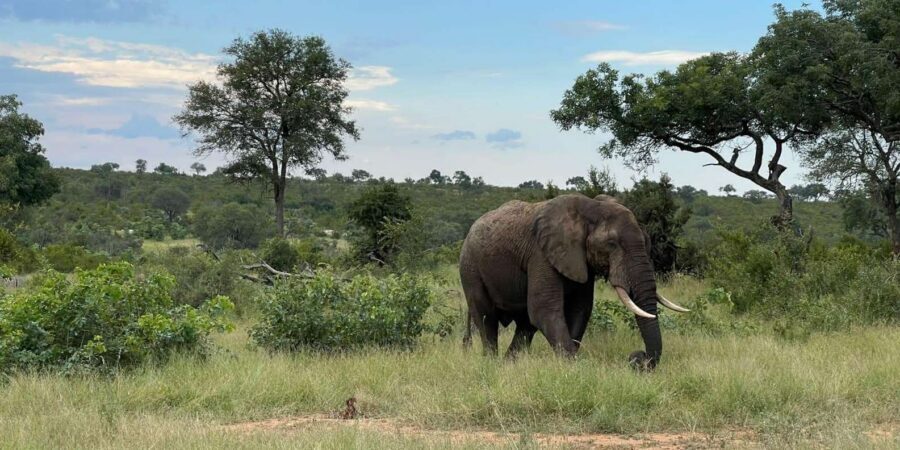
One of the best parts of a Kruger day safari is that it’s not only about the Big Five. The highlights include waterhole wildlife viewing and small five animals, which is a fun reminder that Kruger’s value goes way beyond the famous checklist.
Waterholes can concentrate activity: multiple species may come in around the same time, and you can rack up several sightings with less driving. If the ranger finds a good spot, you can watch animal behavior unfold instead of only seeing a quick pass.
Also, don’t treat the “Small Five” list as an obligation. Think of it as a bonus theme for the day. Sometimes the best moments are the ones you didn’t plan for—like a bird perched perfectly for your eye line or a lesser-known animal moving with purpose through the scrub.
The Big Five reality check: odds, not promises
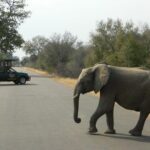
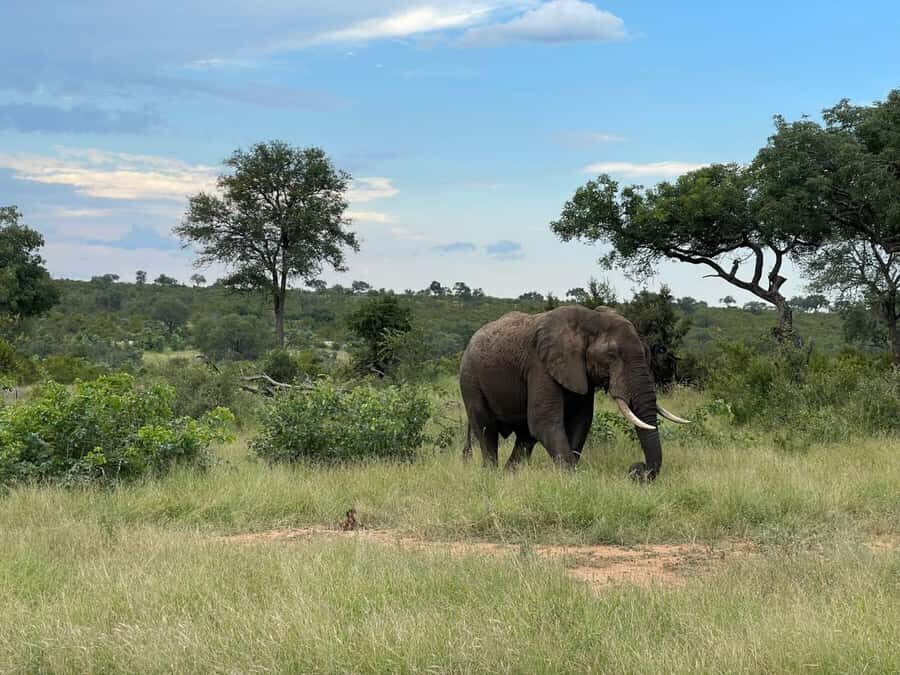
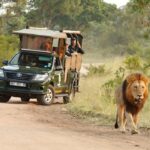
The safari is designed for Big Five searching: lion, leopard, elephant, rhino, and buffalo. On a day like this, your best odds come from covering the right areas at the right times and letting the ranger guide where to look.
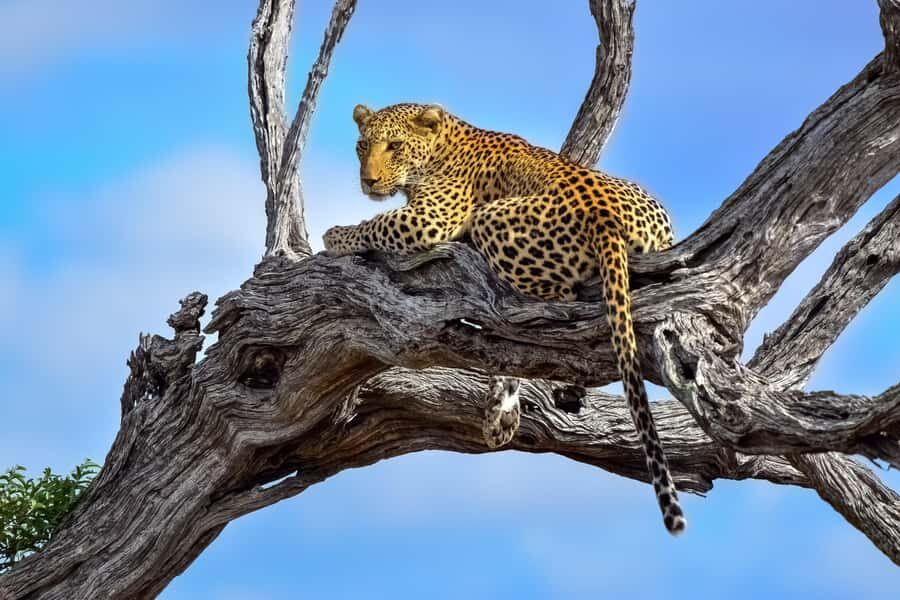
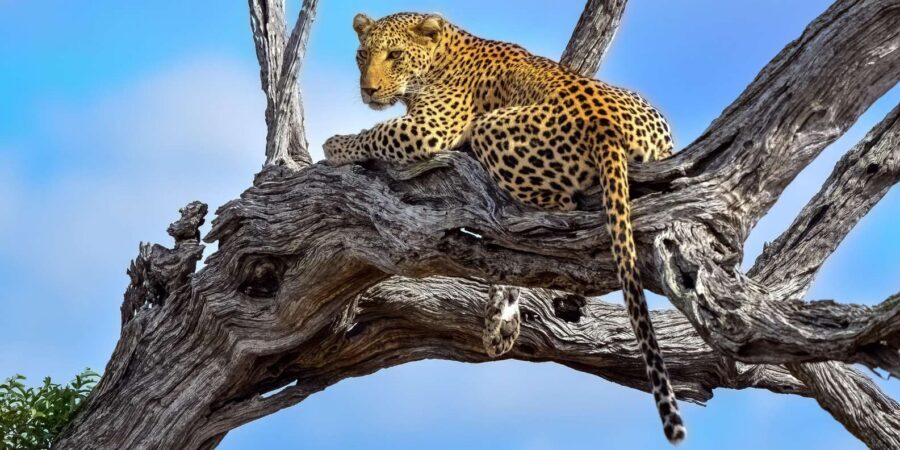
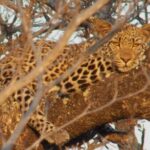
Still, you should go in with the right mindset. Even with strong ranger skills, you might not see all five in one trip. One published experience from this safari mentioned seeing four of the five Big Five but missing buffalo, while another experience noted a leopard sighting that was real but too far for a good photo because it was high up in a tree.
So how should you plan?
- If you care about seeing the animal, you’ll usually have a good day.
- If you care about photos, you’ll need patience and flexible expectations. Some sightings are distant by nature, not because the ranger isn’t trying.
Either way, seeing any Big Five animal—then watching it without rushing—is why this day safari is worth doing.
Afternoon drive: grazing time, predator possibility
After lunch, you’ll head back into the park for another viewing stretch and then start the return loop to Hazyview around mid-afternoon.
This part of the day shifts. You’ll often see herbivores grazing and moving through open areas, while predators might still be active—sometimes hunting, sometimes conserving energy, sometimes just being there when you least expect it.
If you’ve ever wondered why safaris feel different across the day, this is why. Morning can be about movement and pursuit. Afternoon can be about observation: how animals share space, how they react to warnings, and how quickly the whole area can change when something larger moves through.
What’s included (and what you should budget for)
This safari price is listed at about $121 per person. For that, you get a lot of the “hard parts” already covered:
Included:
- Entrance / conservation fees
- Bottled water
- Pick up and drop off from Hazyview
- Experienced game ranger
- 4×4 game viewing jeep
Not included:
- Breakfast
- Lunch
- Drinks
Value-wise, the big win here is that your entrance and transport are handled, and you’re not left to figure out Kruger logistics on your own. That saves both money and stress—especially on a day where you want to start early.
My advice: treat the meal stops as part of the day’s structure, but plan to pay for food and drinks separately. Bring extra water only if you know your preference; bottled water is already included.
Group size and ranger quality: how it affects your viewing
You’re in a small group limited to 10 participants, which matters more than it sounds. Fewer people usually means:
- easier movement when the ranger stops quickly
- better ability to hear instructions
- less crowding at viewpoints and waterholes
Your ranger is the difference-maker. In one set of experiences tied to this safari, a guide named Gwen was praised for positioning the jeep in the right spot each time, improving viewing angles.
Even without that specific name, the ranger role is clear: they’re scanning, interpreting signs, and choosing where to go next. This is not just sightseeing driving. It’s guided wildlife searching.
What to bring for comfort and better wildlife viewing
This day is long, outdoors, and driven by sun and dust. Bring practical stuff, not just cameras.
You should bring:
- Sun hat
- Sunscreen
And I strongly suggest also bringing:
- layers for the early morning chill
- something comfortable for sitting for long periods
- binoculars if you have them (not listed, but it helps when animals are farther than you want)
Drones aren’t allowed, so don’t pack them expecting to use them.
Who this safari is best for
This tour fits best if you:
- want a Big Five-focused day without handling park logistics yourself
- like structured wildlife time slots (morning + afternoon) instead of random wandering
- prefer a small group and a ranger-led plan
- enjoy waterhole viewing and not only the top-five checklist
It may not be ideal if you have mobility limits or if you fall into the “not suitable” category. The tour is listed as not suitable for pregnant women.
Should you book this Kruger day safari from Hazyview?
If your goal is a guided, Big Five–oriented Kruger day with early timing and small-group access, I think this is a solid choice. The included entrance fees, ranger, and 4×4 jeep make it good value versus trying to DIY a full day with limited time.
Book it if:
- you can handle an early start
- you want the ranger to do the searching and positioning
- you’re okay with the reality that leopard, buffalo, and other hard-to-find animals can be distant or missing that day
Skip it if:
- you need guaranteed sightings of all Big Five animals (Kruger doesn’t work that way)
- you’re only interested in perfect photos from close range, because some animals are simply out of reach depending on access and their location
For most people, the combination of timing, ranger skill, and varied viewing windows is exactly what makes a day safari feel like more than a quick drive through the park.
FAQ
What time does the safari depart?
It departs at 5:30 am from your accommodation in Hazyview.
Where does the safari enter Kruger National Park?
It starts exploring Kruger from the Phabeni Gate.
How long is the safari?
The experience is listed as 9 hours. Check starting times for the exact schedule.
How big is the group?
The group is limited to 10 participants.
What’s included in the price?
Entrance or conservation fees, bottled water, pick up and drop off from Hazyview, an experienced game ranger, and a 4×4 game viewing jeep are included.
What’s not included?
Breakfast, lunch, and drinks are not included.
Are drones allowed?
No, drones are not allowed.
What should I bring?
Bring a sun hat and sunscreen.
Is it suitable for everyone?
The tour is listed as not suitable for pregnant women.