REVIEW · ST LUCIA
Hands on Sailing Tour in Rodney Bay St Lucia
Book on Viator →Operated by First4Sail · Bookable on Viator
Small-boat lessons beat guesswork at sea. This half-day sail in Rodney Bay puts you on a 40-foot racing yacht and teaches you real skills, from hoisting the main to flying the jib. I especially like that you can choose your level: you can help with the maneuvers, or you can relax and take in the coastline from the deck. One thing to consider: you should have a strong physical fitness level, and there is no hotel pickup, so you’ll want to plan your own way to Rodney Bay Marina.
What makes this tour feel practical is the flow. You get a clear safety rundown, you’re shown the gear, and then you practice while the crew keeps things steady. The small size also matters, with a maximum of 8 people, which means more time actually learning, not waiting.
If you’re mainly chasing views, you still get a good payoff. If you’re hoping for a true sailing introduction, this is one of the better ways to get your hands on the controls without feeling rushed.
In This Review
- Key things to know before you step aboard the Papagayo
- Why Rodney Bay makes a great first sailing lesson
- The Papagayo experience: comfort on a boat built for speed
- A 3-hour plan: from safety briefing to hoisting and trimming
- 1) Board at Rodney Bay Marina and get set up
- 2) Learn the equipment: main sail, jib, winching, and trimming
- 3) Practice as a team, then try on your own
- 4) Optional: take the helm
- How the crew keeps it fun and not stressful
- What you’ll see: Pigeon Island and St Lucia from the water
- Water, drinks, and the little comfort wins
- Price and value: what $150 buys you in real time
- Who this Rodney Bay sailing tour is best for
- Timing: morning vs afternoon departures
- Should you book this Rodney Bay sailing lesson?
- FAQ
- How long is the sailing tour?
- Where does the tour start and end?
- What boat will we sail on?
- Is this a small group?
- What should I bring?
- What is included in the price?
- Is hotel pickup included?
- What are the age requirements?
- Do I need to cancel in advance?
- Do I need special fitness or mobility?
Key things to know before you step aboard the Papagayo
- A real 40-foot racing yacht (Papagayo), not a tiny starter boat
- Flying the jib and hoisting the main are the stars of the lesson
- Small group size (up to 8) means you get coached, not ignored
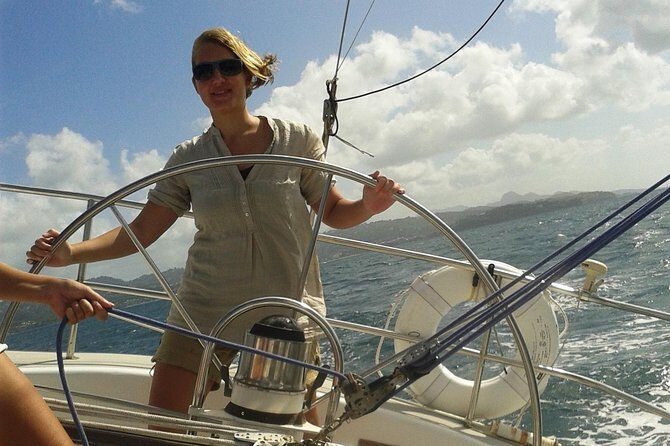
- You can take the wheel, or you can watch from the best seat on board
- Rodney Bay and Pigeon Island views come with your practice time
- Water and soft drinks are included, so you can focus on the sailing
Why Rodney Bay makes a great first sailing lesson
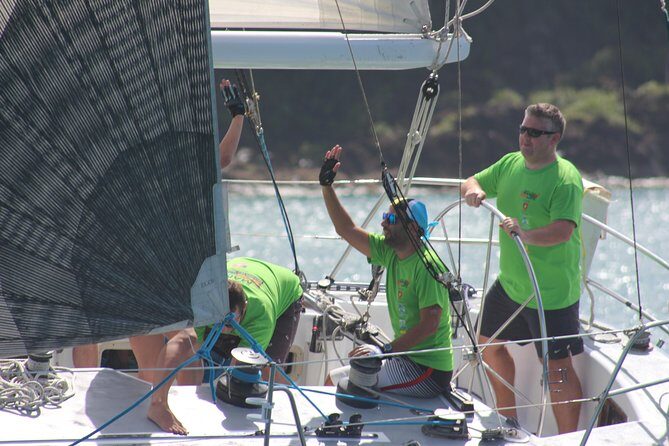
Rodney Bay is built for an easygoing introduction to sailing. It is open enough to feel like you are out on the Caribbean, but it is also calm and controlled compared with rougher stretches of coast. That balance is exactly what you want when you are learning basic maneuvers like sail trimming and jib handling.
The big value here is that the tour is hands-on in a way that works for first-timers. You do not just stand around and listen. You learn what terms mean, you see how lines and sails work, and then you practice in a setting that makes mistakes less stressful. If you have ever watched sailboats and wondered what all the moving parts actually do, this is the practical translation.
I also like that the crew keeps participation flexible. You can take part as much or as little as you like. That matters because some days you want to work, and other days you want to sit in the sun, feel the sea breeze, and still come home with a few useful sailing terms you can actually use.
You can also read our reviews of more boat tours in St Lucia

The Papagayo experience: comfort on a boat built for speed
You board the Papagayo, a sleek 40-foot racing yacht. Even though it is a racing design, it is also built for comfort and space, so you can move around without feeling wedged in. For a first lesson, that combination helps you focus on technique instead of fighting the boat.
Expect the crew to start with the boat and safety basics right away. You will get a rundown of safety features and procedures, plus an introduction to the sailing equipment you will use during the lesson. That prep is not just formality. It sets you up to understand why certain actions happen in a certain order, especially when you are handling sails and lines.
One practical detail: you will be learning “what the terms mean,” not just hearing them. So when you hear things like flying the jib, you are not left to guess. You can connect the word to what you physically see and do aboard.
And yes, you should bring your own sun protection. You are on the water for about three hours, and the Caribbean sun does not negotiate.
A 3-hour plan: from safety briefing to hoisting and trimming
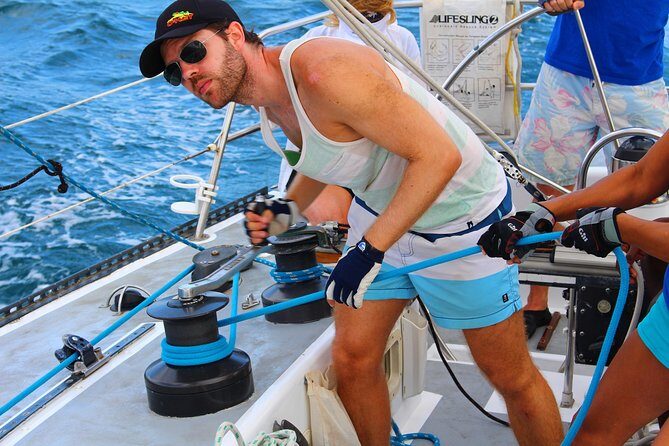
This is a straightforward half-day sail, about three hours long. The most important part is the pacing. You start with safety, then learn the systems, then move into practice. That structure keeps it from feeling like a lecture with a snack break.
Here is how the flow typically feels once you step aboard:
1) Board at Rodney Bay Marina and get set up
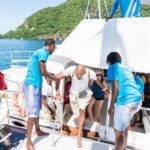
You meet at Rodney Bay Marina in St Lucia, and the tour ends back at the same meeting point. You will get a safety and sailing introduction before you head out far.
This is where the “real sailing” part begins. You are not just on a scenic cruise. The crew explains how the boat works and how everyone stays safe while sails and lines move.
2) Learn the equipment: main sail, jib, winching, and trimming
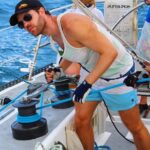
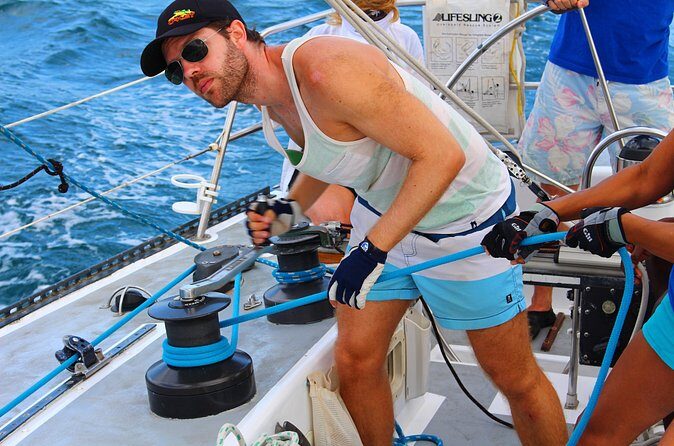
The crew introduces the sailing equipment and the core skills: hoisting the main sail, trimming the sails, winching, and flying the jib.
If you are new, the best outcome is clarity. You learn which control does what, and you start to understand why sail handling changes the boat’s feel. You also get comfortable with the vocabulary, so you can follow what is happening around you.
You can also read our reviews of more sailing experiences in St Lucia


3) Practice as a team, then try on your own
Once you are sailing across Rodney Bay and past Pigeon Island, you practice the skills you want to try. The crew works with the group, so it stays coordinated. At the same time, you get opportunities to take part directly rather than just observing.
You can help with maneuvers, or you can sit back. The tour is designed to let you choose. That is a big deal when you want a calm experience but still hope to learn something meaningful.
4) Optional: take the helm
One of the most fun parts is the chance to take the helm. If you have ever wanted to steer a sailboat, this is your moment. The crew is there in charge of overall safety and boat handling, so you are not left alone with a daunting task.
Even if you choose not to steer, you still benefit from seeing how the crew communicates and makes adjustments in real time.
How the crew keeps it fun and not stressful
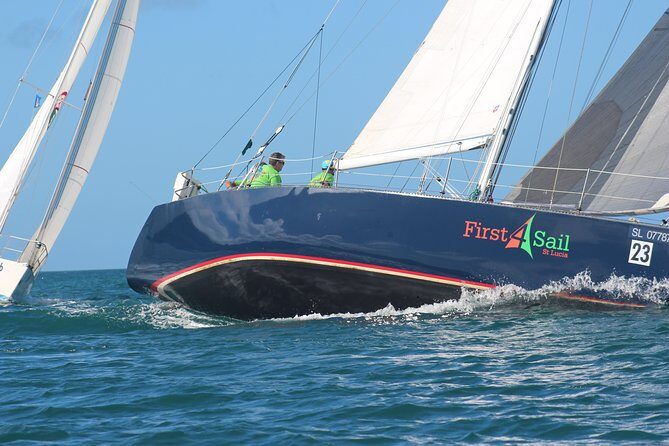
I care a lot about tour crews, because good coaching turns nerves into confidence. This one is built around instruction plus supervised practice.
You get a safety rundown at the start, and then the crew guides you through each sailing step. That makes a difference when you are dealing with moving sails, lines, and the boat’s changing direction. The crew’s role is to keep everyone comfortable while still giving you a genuine hands-on experience.
The small group size (maximum 8 travelers) also reduces pressure. On a larger boat, you might watch most of the time. Here, you are more likely to be called in for tasks, and you get quicker answers when you have questions about what you are seeing.
I also like that the boat is a true sailing platform. Learning on a real racing yacht means your experience is more than a theme-park version of sailing. You get a sense of how a sail-driven vessel actually behaves, even when the conditions are friendly.
What you’ll see: Pigeon Island and St Lucia from the water
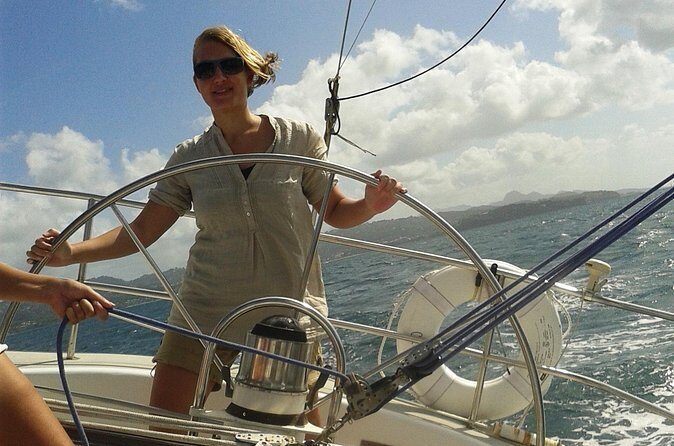
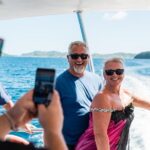
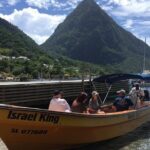
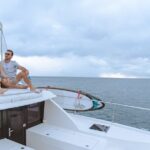
The scenery is not an afterthought here. Sailing across Rodney Bay includes gorgeous views of Pigeon Island and St Lucia’s coastline, with turquoise water and mountainous shapes along the shore.
Why that matters: you are learning from a moving deck, in real sea conditions, with changing angles to the coast. It is one of the best ways to see the island because you catch it from a different perspective than roads and lookouts.
As you practice, you will still spend time appreciating the coastline. And if you prefer a more relaxed trip, you can simply position yourself for the best sightlines and let the crew handle the heavy lifting.
This is the kind of outing that works for both photo lovers and people who just want to feel the sea air. You also get enough time on the water that the views feel like a proper outing, not a quick pass-by.
Water, drinks, and the little comfort wins
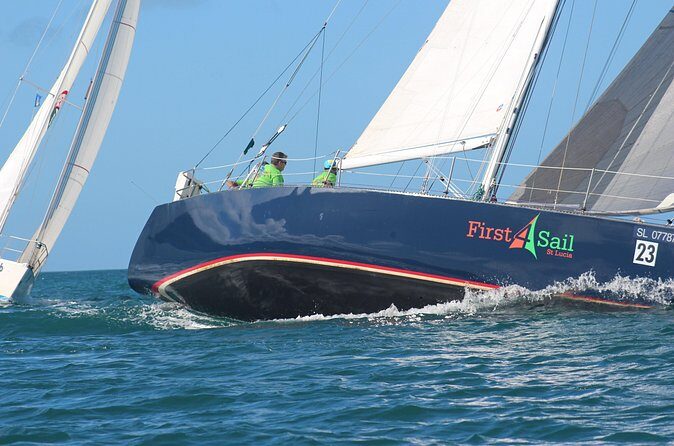
Even on a sailing tour, small comforts affect your day. Water and soft drinks are included, so you do not need to hunt for a drink mid-session. You can also focus on the lesson instead of rationing snacks.
Other practical comfort tip: wear sun-safe clothing and secure footwear if you like moving around the deck. The tour is about three hours, and you will likely shift positions as you watch or participate. When your footing is stable, the whole experience feels calmer.
Because hotel pickup is not included, plan to arrive at Rodney Bay Marina with enough time to settle in before you board. Nearby public transportation can help, but you will still want to manage your own timing so you do not feel rushed.
Price and value: what $150 buys you in real time
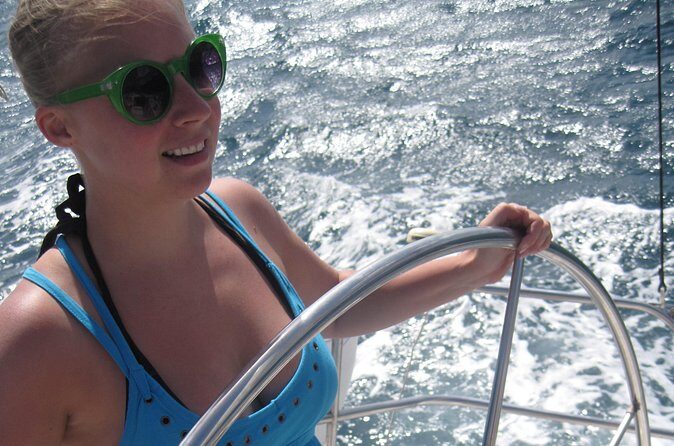
At $150 per person, this is not a bargain cruise. But it also is not just a boat ride with a safety speech.
You are paying for:
- a hands-on sailing lesson on a 40-foot Papagayo
- guided practice with core skills like main hoist and flying the jib
- a professional crew focused on instruction and safety
- included water and soft drinks
- a small-group experience capped at 8 travelers
For many people, the value is in the coaching. A generic tour gives you views. This tour gives you skills you can carry forward. Even if you only pick up one or two techniques—like understanding sail trim or what jib flying changes—you leave with something practical, not just memories.
Also, because you can participate as much or as little as you like, you do not feel trapped. That flexibility makes the price easier to justify if you are traveling with mixed interests in your group.
Who this Rodney Bay sailing tour is best for
This tour fits best if you want a real sailing introduction without overcommitting your day. It also works well if your travel style includes learning-by-doing.
It is a strong match for:
- first-timers who want guided practice, not just observation
- couples or small groups who like a personalized feel (maximum 8)
- travelers who want both skills and scenery—Rodney Bay and Pigeon Island
- people who enjoy being on the water for a short but meaningful stretch
It may not be the best fit if:
- you strongly prefer guided activities with no physical element at all (there is a stated strong physical fitness level requirement)
- you cannot easily get to Rodney Bay Marina on your own (no hotel pickup)
Minimum age is 12, so it can work well for older teens with a good baseline comfort on boats.
Timing: morning vs afternoon departures
The tour offers both morning and afternoon departures. Either works, but think about what you want from the light.
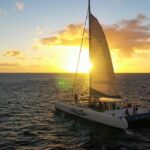
Morning can feel fresher and calmer for some people, and afternoon can be great for that late-day sun glow on the water. Since the duration is about three hours either way, choose based on your day plan in St Lucia rather than trying to hunt for one “correct” departure time.
Should you book this Rodney Bay sailing lesson?
If you want an outing that blends coaching, real boat handling, and a scenic sail past Pigeon Island, I’d book it. The biggest win is that you get to practice core sailing actions—hoisting, trimming, and flying the jib—on a proper 40-foot yacht with a crew that focuses on safety and instruction.
I’d recommend booking if you like hands-on travel and you can get to Rodney Bay Marina without needing pickup. The maximum 8 travelers also makes it feel more personal, which is exactly what you want when you are learning something new.
If you’re unsure, treat it like a skill session with a view. You can always choose to sit back more during the sail, but you’ll still come away understanding the basics of what makes a sailboat move.
FAQ
How long is the sailing tour?
The tour lasts about 3 hours.
Where does the tour start and end?
It starts at Rodney Bay Marina, St Lucia, and ends back at the same meeting point.
What boat will we sail on?
You will sail aboard the 40-foot Papagayo racing yacht.
Is this a small group?
Yes. The maximum group size is 8 travelers.
What should I bring?
Bring your own sun protection.
What is included in the price?
The professional crew, safety and sailing instruction, and water and soft drinks are included.
Is hotel pickup included?
No. Hotel pickup and drop-off are not included.
What are the age requirements?
The minimum age is 12 years.
Do I need to cancel in advance?
Free cancellation is available up to 24 hours before the experience starts for a full refund.
Do I need special fitness or mobility?
The tour notes that travelers should have a strong physical fitness level.