REVIEW · HAZYVIEW
Kruger National Park sunrise Morning Private safari
Book on Viator →Operated by Kurt Safari Company · Bookable on Viator
Sunrise in Kruger is a cheat code. This morning private safari gets you into the park at first light, then you ride in an open vehicle with an expert guide hunting for the Big Five and a huge mix of mammals and birds. I love the early start because it lines up with the animals that move most at dawn, and I love that you’re not just chasing one species. The main drawback is simple: it’s a long morning and food isn’t included, so you’ll want to plan for it.
Because it’s private, your group only goes with your safari vehicle and guide, and pickup plus drop-off from Hazyview lodges or nearby gates keeps the whole thing low-stress. You’ll get bottled water, and you’re in the park during the quiet hours when the bush can feel very close. Do keep in mind that wildlife is wildlife. Even with great guiding, sightings are never guaranteed.
In This Review
- Key highlights worth planning around
- Why Kruger’s sunrise safari from Hazyview works
- The timing: what 6.5 hours at dawn really means
- Pickup and the drive into Kruger: simple logistics, big payoff
- How the guide turns sightings into a real experience
- What you can realistically see on a morning drive
- A closer look at the safari day flow
- Stop 1: Hazyview and entry right after gates open
- Admission and fees reality
- Open vehicle basics: comfort, sound, and the right expectations
- Price and value: what $131.13 gets you
- Who this safari suits best (and who might rethink it)
- Tips that make your morning drive better
- Weather and what happens if the day can’t run
- Should you book this sunrise private safari?
- FAQ
- What time does the Kruger sunrise safari start?
- How long is the safari?
- Where is the pickup, and is drop-off included?
- Is this a private safari?
- What vehicle will you ride in?
- What is included in the price?
- What is not included?
- What if the safari is canceled due to weather?
- Can most travelers participate?
Key highlights worth planning around
- 5:30am start for first-light sightings right after the gates open
- Big Five focus plus chances at cheetah and even wild dogs, depending on where the day leads
- Open safari vehicle with your guide (and bottled water) to keep it comfortable
- Birding built in with a strong chance to rack up species, not just mammals
- Private group experience with pickup and drop-off from Hazyview areas
Why Kruger’s sunrise safari from Hazyview works
Kruger has a way of rewarding early mornings. You feel it the moment you roll in while the light is still changing fast. This safari is built around that sweet spot, starting at 5:30am, so you’re not stuck waiting until the sun is high and animals have decided to nap.
What I like most for your experience is the mix of targets. Yes, you’re on a morning drive with Big Five on the radar. But the real win is the variety of what you can see in a few hours: elephants moving through, buffalo herds, zebra and giraffe browsing, plus the smaller stuff that often goes unnoticed when people rush. And birds are not an afterthought. This is one of those safaris where you’ll probably spend part of the drive listening as much as looking.
The other thing I appreciate is the private setup. Even when you’re with just your group, the guide is still reading the bush like they’re responsible for the whole game drive, not just a checkbox list. One person I’ve seen praised for this approach is Abraham N, especially for how he works sightings into a logical story instead of random spotting.
You can also read our reviews of more private tours in Hazyview
The timing: what 6.5 hours at dawn really means
On paper, the tour is about 6 hours 30 minutes. In practice, what matters is how that time gets used. You’re not just driving. You’re entering the park once the gates open, then you’re spending the early daylight hours where animal activity is often strongest. Morning drives also tend to be less stressful for your eyes because you’re not dealing with harsh glare for hours.
You’ll start at 5:30am, and the day’s tone is set quickly. Expect the first stretch to feel focused and a bit quiet, like everyone is waiting for the bush to speak. That’s where a good guide earns their coffee. They’re watching tracks, listening for calls, and interpreting behavior you might not notice on your own.
One more practical note: the tour is long enough that you’ll want to be physically ready. This isn’t a sit-and-stare show with quick snacks. It’s a moving morning, and if you’re prone to getting cold before sunrise, plan for it.
Pickup and the drive into Kruger: simple logistics, big payoff
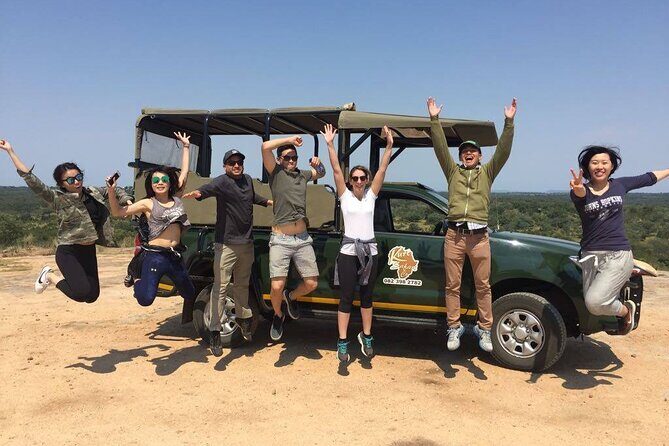
The safari includes pickup from Hazyview lodges or nearby park gates, and you’ll finish back where you started. That matters more than people think. In Kruger area travel, the cost of time is often the main hidden expense. Here, you remove a chunk of that hassle.
Because pickup is included, you can spend your pre-departure time doing real-world things: grabbing a layer you actually need, using the restroom before you leave, and getting ready to sit in an open vehicle without fussing with anything later.
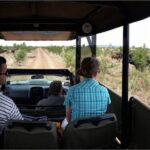
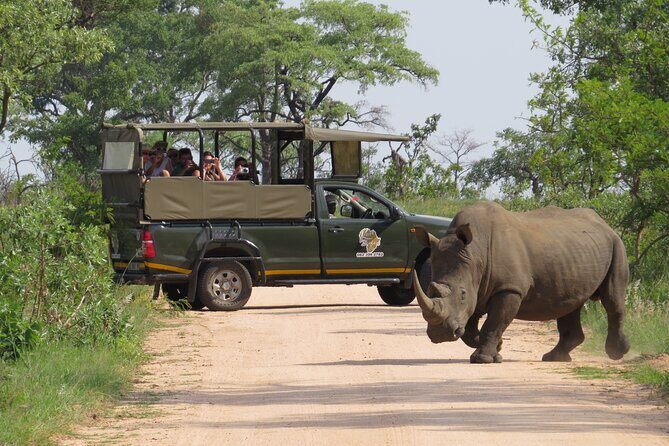
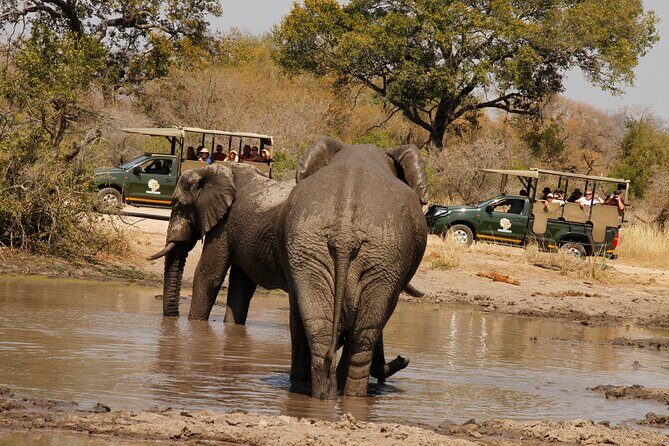
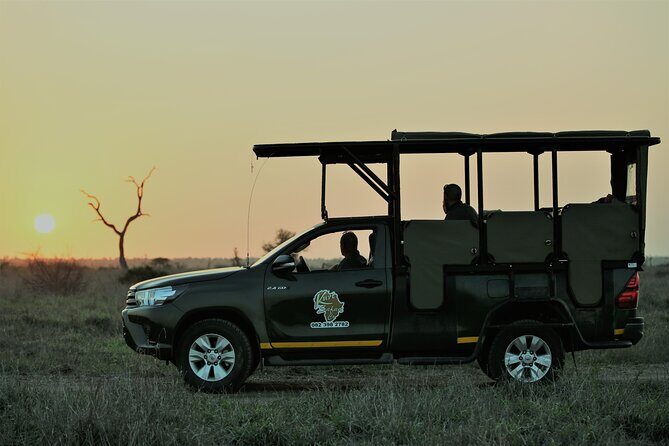
You’ll be using an open safari vehicle, which is one of the reasons the sunrise experience feels so different from watching wildlife through a window. You’ll hear more. You’ll also notice how the air changes when you stop. If you’ve ever seen elephants from a distance and thought they looked calm, you’ll get a better sense of their presence up close.
How the guide turns sightings into a real experience
The guide’s job on this kind of safari is not only finding animals. It’s explaining what you’re seeing in a way that makes the next sighting easier to understand.
In Kruger, behavior is a clue. Where animals are positioned often tells you something about feeding, shade, water, or safety. The better the guide, the more you start looking for the reasons behind what you see, not just the animals themselves.
Guides praised for this style include Patrick, who’s noted for explaining everything from big animals down to smaller creatures. Another mentioned name is Kurt Safari guide Kurt (in one highlight), credited with helping people find all the Big Five. That kind of success doesn’t come from luck alone. It comes from knowing how to scan quickly, when to move, and when to wait.
What you should expect from your own guide:
- Frequent stops when there’s sign in the area
- Clear pointers for where to look next
- A focus on both mammals and birds, including things like hornbills and eagles
- Honest pacing, so you’re not rushed past the best moments
And sometimes, you get a bonus feeling: your group might be placed in a spot where you can watch quietly for a minute or two. One safari experience described getting to the point where they were basically on their own with the sighting, which is exactly what you want from Kruger.
What you can realistically see on a morning drive
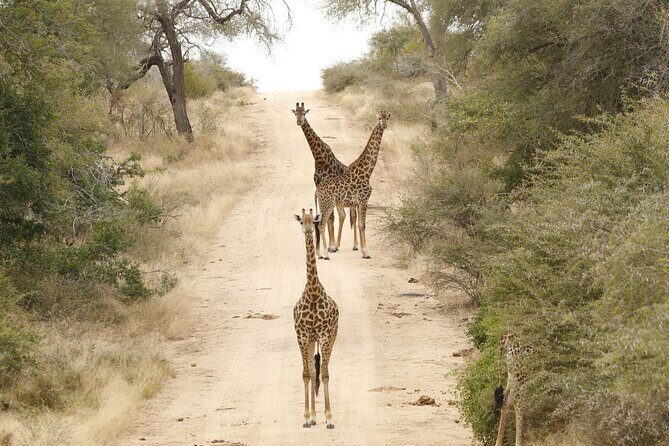
Let’s talk about the headline targets first. This safari is aimed at chances for:
- Big Five sightings (lion, leopard, rhino, elephant, buffalo)
- cheetah (depending on where the day opens up)
- wild dogs (again, where conditions and sightings line up)
It also sets you up for broad viewing: over a long list of mammals and a serious count of bird species. The supplied overview mentions over 140 mammal and 500 bird species in the park as a whole, and your guide will steer your attention so you actually notice what’s around you.
Here’s what that can look like in real time:
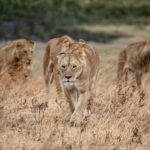
- Lions might be spotted around the early quiet hours, often in or near resting spots.
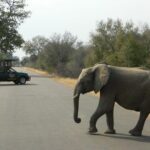
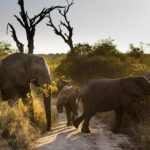
- Elephants can appear as herds moving steadily, or as individuals in shaded areas.
- Leopards can be harder in daylight, but when you see one lying in a tree, you get that classic Kruger moment.
- Rhinos are a big deal when they happen. Even a short viewing can feel like a highlight.
- Buffalo often show in groups, sometimes with a more “loud presence” than you expect.
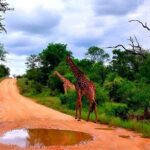
Then there’s the non-famous wildlife that makes the morning feel alive: hornbills, eagles, hippo at water edges (when you’re near the right areas), plus zebra and giraffe moving between feeding zones.
Important realism check: wildlife viewing is never guaranteed. That’s not a deal-breaker—it’s just how the park works. The value here is that you’re doing it with a guide, at the best time of day, in an open vehicle designed for spotting.
A few more Hazyview tours and experiences worth a look
A closer look at the safari day flow
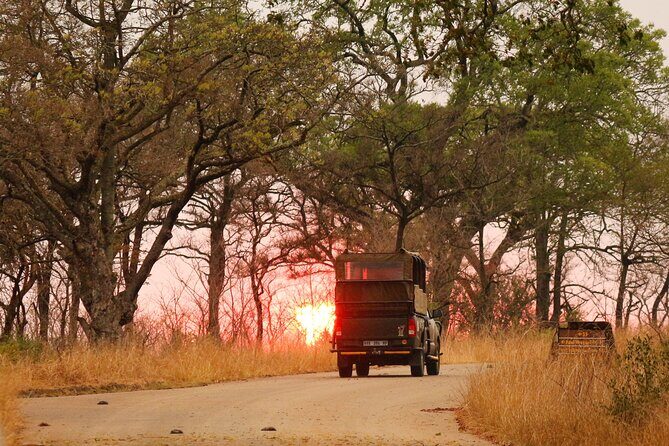
This safari is a single long morning drive built around getting into the park at dawn and spending time searching for sightings.
Stop 1: Hazyview and entry right after gates open
You’ll begin from the Hazyview area, then head into Kruger once access is open. From that point, it’s about slow scanning and smart positioning.
Your guide’s typical focus includes:
- Lions and big cats resting and patrolling
- elephants, often in groups or moving herds
- a chance of a solitary leopard in a shady tree
- rhino, if the day’s conditions line up
- buffalo herds and the broader grazing patterns
- birds and smaller mammals like impala and kudu
What makes this stop special is that it’s not treated like a quick drive-through. You’re in the park long enough to let sightings happen naturally. Early mornings can surprise you, especially with bird activity. You may start out thinking the day is all about mammals, and then you realize the air is full of birdsong and motion.
Admission and fees reality
One detail to understand: the itinerary notes admission ticket free, while the not-included section mentions entrance/conservation fees and conservation fees. That means your exact total on-the-day costs can depend on how the operator lists and collects park-related charges for your specific pickup area or date. If you want zero surprises, it’s worth checking what your voucher covers when you receive confirmation.
Open vehicle basics: comfort, sound, and the right expectations
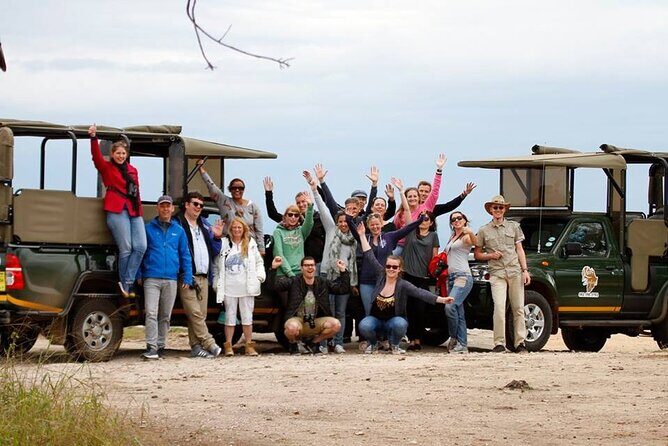
An open safari vehicle is part of the magic. You don’t just see wildlife—you hear it. You feel the slight changes in air and temperature as you move from open areas into bushy spots.
To make the ride easier:
- Dress in layers. Early mornings can feel chilly before the sun commits.
- Protect your eyes. Even with good driving, dust and glare happen.
- Bring a small bag for essentials so you’re not digging for items during stops.
The safari includes bottled water, which helps. Food and drinks are not included, so plan for your own breakfast needs before pickup or bring a simple snack for after the drive.
Price and value: what $131.13 gets you
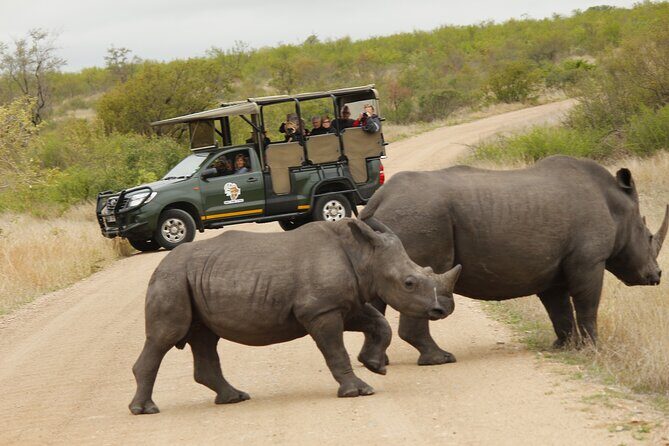
At $131.13 per person, this safari is priced as a guided experience with a vehicle designed for serious wildlife viewing. The key value pieces included are:
- Open safari vehicle
- Guide/fuel
- Bottled water
What’s not included:
- Food and drinks
- Gratuities
- Entrance/conservation-related fees (including conservation fees)
So the “value math” comes down to this: are you paying to buy time, a good guide, and the right window for sightings? That’s exactly what you’re doing here. If you tried to self-drive and coordinate your own early entry, you’d spend time figuring out routes, timing, and where to focus. This turns that chaos into a guided morning.
One more practical value angle: the tour is private, and it’s also booked on a steady schedule (average booking mentioned: 36 days in advance). That suggests people are planning this as a core safari activity, not an add-on. If you’re building a Kruger trip, a sunrise drive is one of the smartest ways to use your limited days.
Who this safari suits best (and who might rethink it)
This is a strong fit if:
- You want your best chance at morning wildlife without handling logistics.
- You care about the Big Five but also enjoy birds and lots of other sightings.
- You prefer a private group feel over sharing the experience with strangers.
- You’re okay with a long morning and bringing your own breakfast plan.
You might rethink it if:
- You want a relaxed, flexible schedule with no early start. This starts at 5:30am.
- You don’t like cooler temperatures in the first part of the day.
- You expect food included. It’s not.
Tips that make your morning drive better
These are simple things that help you enjoy Kruger more.
- Eat early or bring a snack. Since food isn’t included, keep your energy steady during the long drive.
- Bring a warm layer. If you’ve ever underestimated dawn chill, Kruger will correct you quickly.
- Have patience with the slow moments. The most memorable sightings often come right after a long scan.
- Listen for birds. This safari is good for birds, and birds can show you something is happening before you spot it.
- Stay quiet during sightings. The bush hears everything, and it’s often best when your group isn’t blasting conversation.
Weather and what happens if the day can’t run
The experience depends on good weather. If it’s canceled due to poor weather, you’ll be offered a different date or a full refund. That’s important for sunrise safaris, because heavy rain or unsafe conditions can ruin visibility and comfort.
In other words: even when your heart is set on dawn, Kruger’s safety and visibility rules matter.
Should you book this sunrise private safari?
I’d book it if you want a focused, early-morning Kruger experience with a guide guiding your attention, an open vehicle for real wildlife viewing, and pickup from the Hazyview area. The fact that guides are praised for finding major animals and explaining details—from Big Five pursuits to smaller wildlife cues—makes this a practical choice, not just a sightseeing checkbox.
I’d skip it only if you hate early starts or you need food included as part of the deal. Otherwise, this is one of those mornings that tends to pay you back fast: first light, quiet bush energy, and a real chance to see Kruger at its most active.
FAQ
What time does the Kruger sunrise safari start?
The start time is 5:30am.
How long is the safari?
It’s approximately 6 hours 30 minutes.
Where is the pickup, and is drop-off included?
Pickup is offered from Hazyview lodges or nearby park gates, and the activity ends back at the meeting point.
Is this a private safari?
Yes. It’s private, and only your group participates.
What vehicle will you ride in?
You ride in an open safari vehicle with the guide.
What is included in the price?
Included items are bottled water and the open safari vehicle/guide/fuel.
What is not included?
Food and drinks, gratuities, and entrance/conservation fees (including conservation fees) are not included.
What if the safari is canceled due to weather?
If it’s canceled due to poor weather, you’ll be offered a different date or a full refund.
Can most travelers participate?
The tour states that most travelers can participate.