REVIEW · HAZYVIEW
Kruger National Park half day
Book on GetYourGuide →Operated by Siyavaya Adventures (PTY) LTD · Bookable on GetYourGuide
Sunrise in Kruger feels like a live wildlife film. I like the expert-led game drive that helps you read the bush (not just see animals), and I also like the custom safari vehicles that keep things comfortable while you bounce along. One thing to watch: a small number of past bookings reported late pickup or missed meeting points, so it’s smart to confirm details the night before.
This 6-hour half-day is built around the best odds of spotting wildlife right after dawn, starting with pickup in the Hazyview area and a drive into the park via Phabeni Gate. You’ll get a morning wildlife stretch, a mid-morning breakfast stop (your cost), then a second push deeper into quieter areas for more elusive sightings, plus a return drop-off back in Hazyview.
In This Review
- Key things I think are worth your attention
- Morning Start at Phabeni Gate: Why the timing matters
- Getting to Kruger from Hazyview without the hassle
- The first safari stretch: what you’re hoping to see before the breakfast stop
- Mid-morning breakfast: a needed reset, but plan your budget
- Deeper into Kruger: the guide’s ecology talk that actually helps
- Lunch at the rest camp: eat when you can, then chase the rarer stuff
- The off-the-beaten-path advantage (and what to manage in your expectations)
- Price and value: what $44 gets you (and what it doesn’t)
- Comfort rules that keep everyone safe in the bush
- Small-group energy: what to love, and one caution to take seriously
- Should you book this Kruger half-day safari?
- FAQ
- FAQ
- Do I need to buy Kruger National Park entrance fees separately?
- How long is the Kruger National Park half-day experience?
- Where does the pickup happen?
- Is breakfast or lunch included?
- What vehicle will I ride in?
- What wildlife should I expect to see?
- What should I bring to the safari?
- What rules should I follow during the drive?
- Is the tour in English?
- Is the tour affected by weather?
- Is it suitable for young children?
Key things I think are worth your attention
- Early entry via Phabeni Gate for that first burst of daytime animal activity
- Expert guides who point out animals and tell you what you’re actually looking at
- Two breaks built in (breakfast and lunch at your own expense) so you’re not stuck hungry
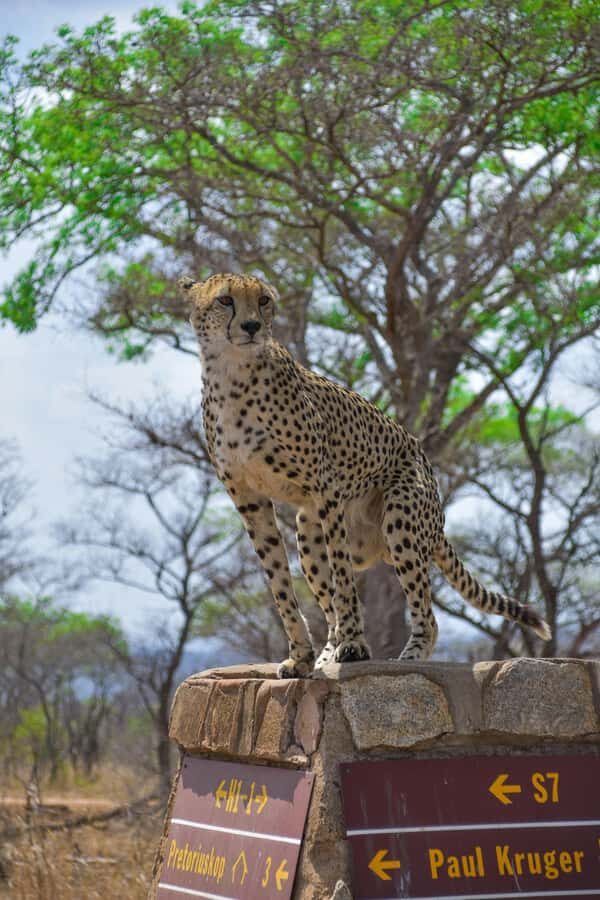
- Second half in less-traveled areas aiming for rarer species like cheetahs, wild dogs, and rhinos
- Custom vehicles + small-group feel that usually means less waiting and more spotting
Morning Start at Phabeni Gate: Why the timing matters
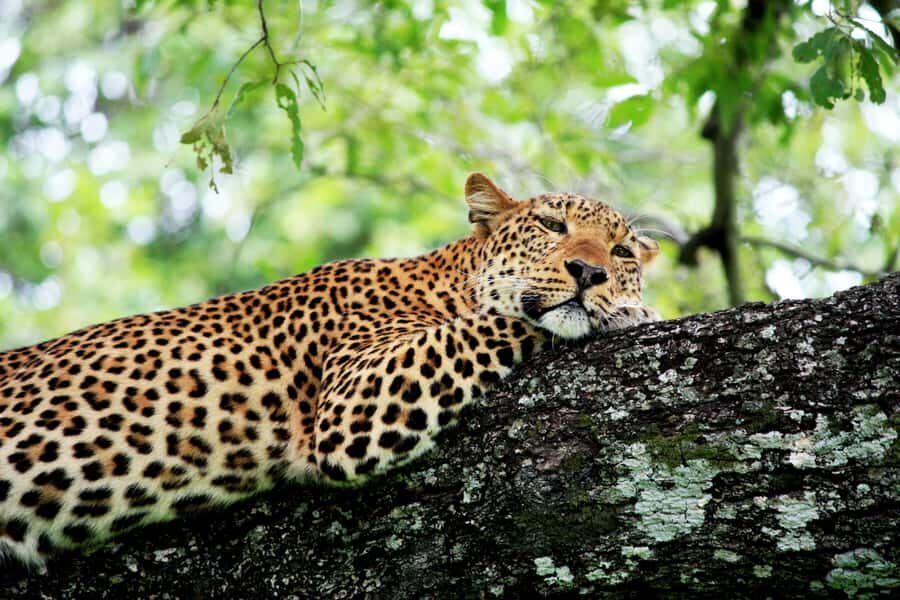
A Kruger half day lives or dies by timing. This trip starts early in the morning with pickup around Hazyview, then heads into the park soon after sunrise—when the air is cooler and animals tend to be more active. If you’ve ever done safari in the heat of the day, you know how quickly the scene can go quiet. The early hours are where you often get that first flurry: movement in the grass, birds getting loud, and animals doing the things they do before the day warms up.
You’ll enter through Phabeni Gate, which is a scenic entrance route into the park. The practical value is simple: you’re not wasting your short safari on late departures or slow starts. You’re getting out there when wildlife sighting odds are at their best.
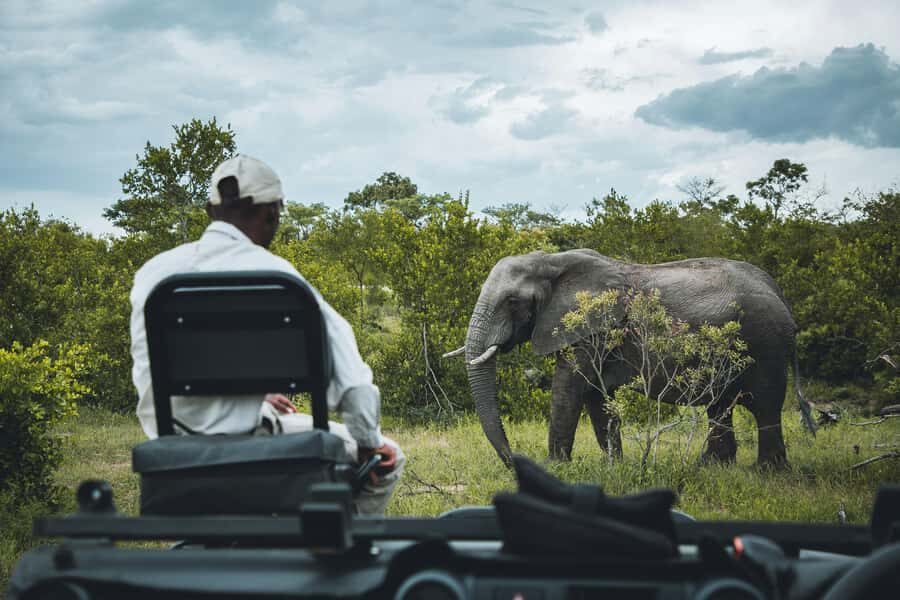
Also, it’s not a “park bus tour.” You’re on a safari-style vehicle, positioned to spot animals from the right angles and at the right pace. That pace is important—Kruger isn’t a zoo. Animals choose where they are, and your guide’s job is to recognize the clues and get you to the places where animals are likely to be seen.
You can also read our reviews of more tours and experiences in Hazyview.
Getting to Kruger from Hazyview without the hassle
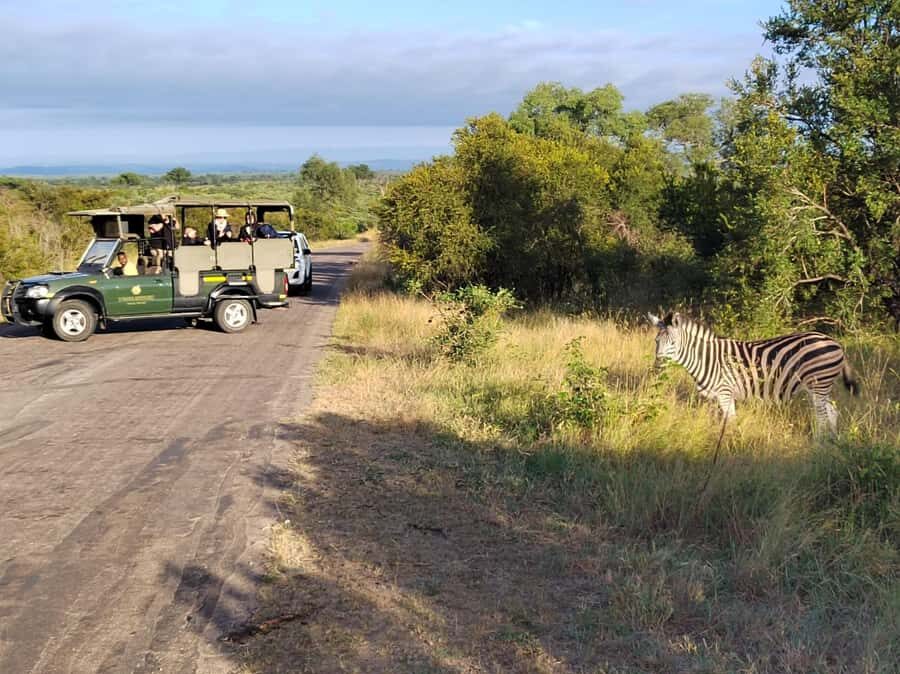
The pickup and drop-off are handled in and around Hazyview, using a set of designated meeting points. That’s a big plus for a half-day safari, because you don’t want to burn your limited time figuring out logistics. The plan is straightforward: you get picked up, then you ride into Kruger and back again at the end of the day.
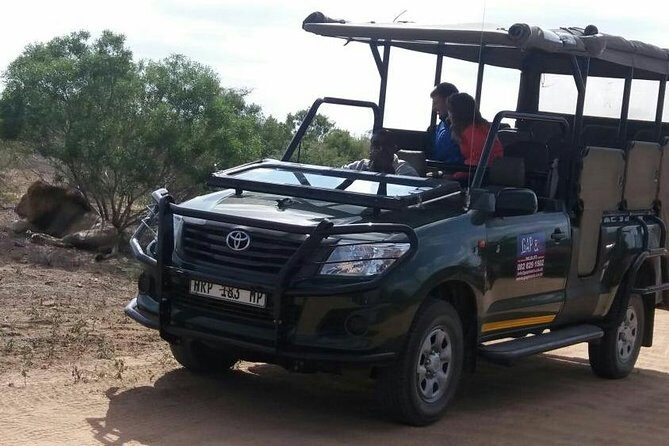
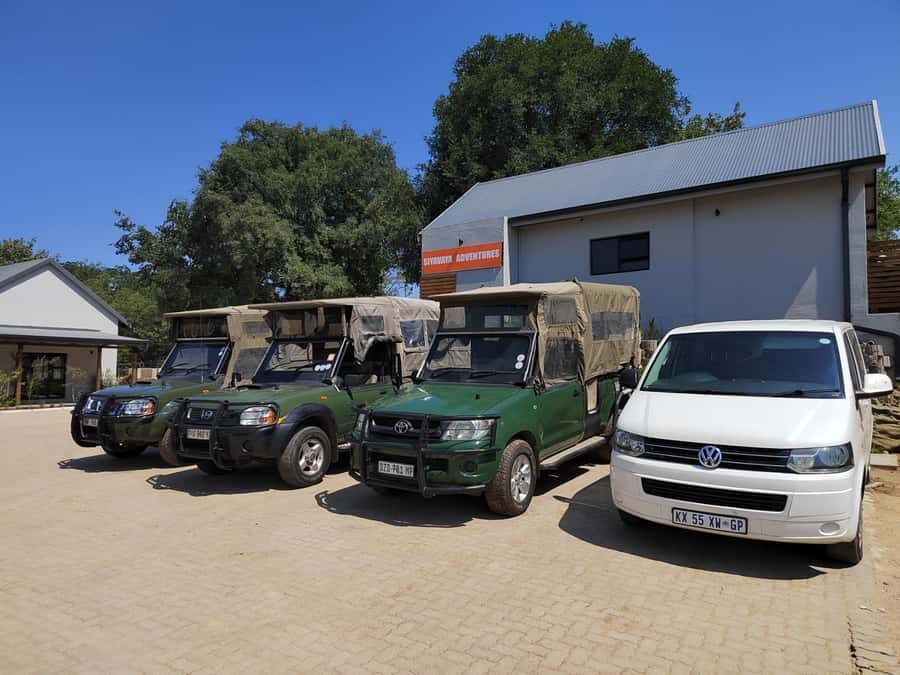
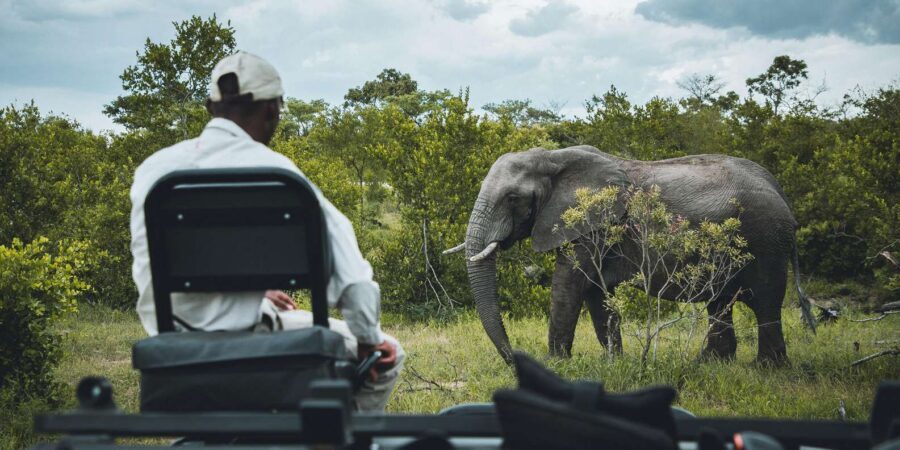
The vehicle itself is a key part of the comfort. This tour uses custom safari vehicles designed for game driving—open-air style for spotting, while still keeping you comfortable enough to stay focused for the full session. In one positive experience, a 4×4 vehicle was described as comfortable, which matches what you want for a morning that starts early and includes bumpy roads.
One practical note: the vehicle is described as distinctive and easy to spot at pickup (with vibrant colors and company logos). That matters because a couple of unhappy experiences centered on missed meeting points. If you’re booking, I’d treat pickup like airport boarding: arrive at the meeting point on time, keep your phone ready, and watch for the correct vehicle.
The first safari stretch: what you’re hoping to see before the breakfast stop
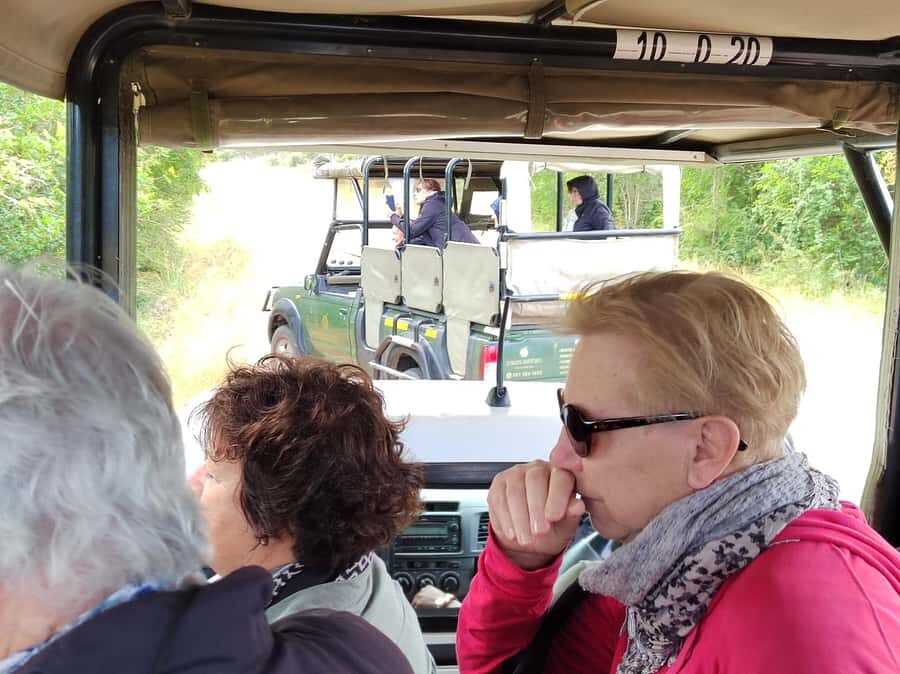
Once you’re inside the park, the goal is simple: build momentum fast. You’ll spend roughly 5.5 hours on the game drive overall, but the day is structured so the first half concentrates on the most active period after sunrise.
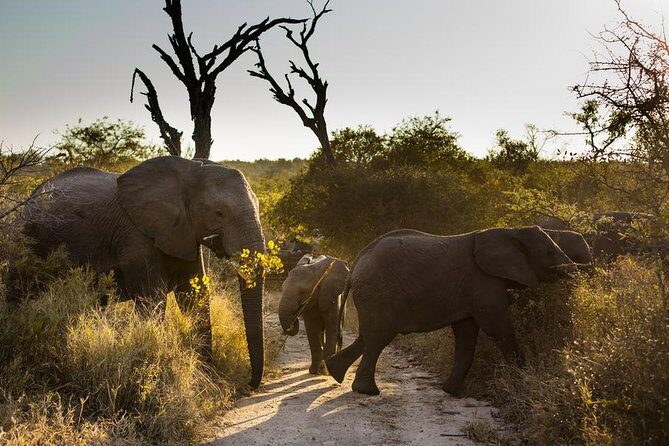
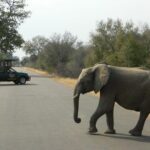
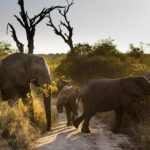
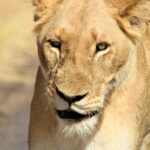
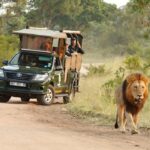
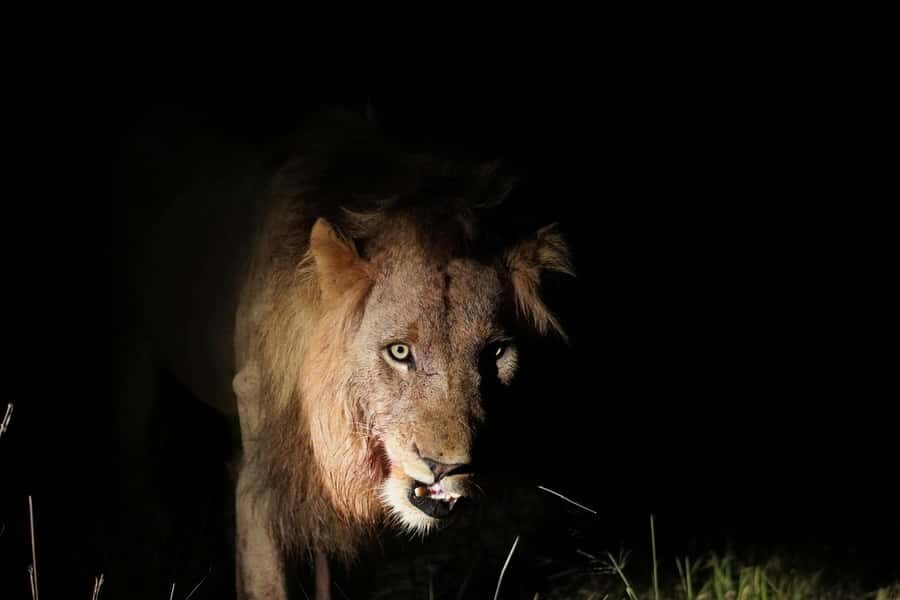
Your guide will be scanning constantly for wildlife, and you can expect sightings of animals like:
- elephants
- lions
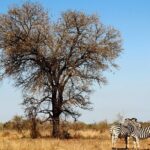
- zebra
- wildebeest
- kudus and impalas
That list is a realistic snapshot of what you might encounter, not a guarantee. Still, the early-morning approach is exactly how you maximize your odds in Kruger during a short visit.
Here’s why the guide matters so much on this kind of safari: many animals aren’t obvious. They blend into the bush, they move only briefly, and they often show up after you’ve learned what to watch for—tracks, fresh feeding areas, distant calls, and body posture. A strong guide doesn’t just point; they help you notice. One guide named Roger was praised for vast knowledge about the animals, and that kind of experience is what you should look for when the tour is marketed as expert-led.
And yes—you might go quiet at times. That’s normal. Kruger is wild. But if your guide is sharp, the quiet moments are still productive, because they often lead to the next “there it is” sighting.
Mid-morning breakfast: a needed reset, but plan your budget
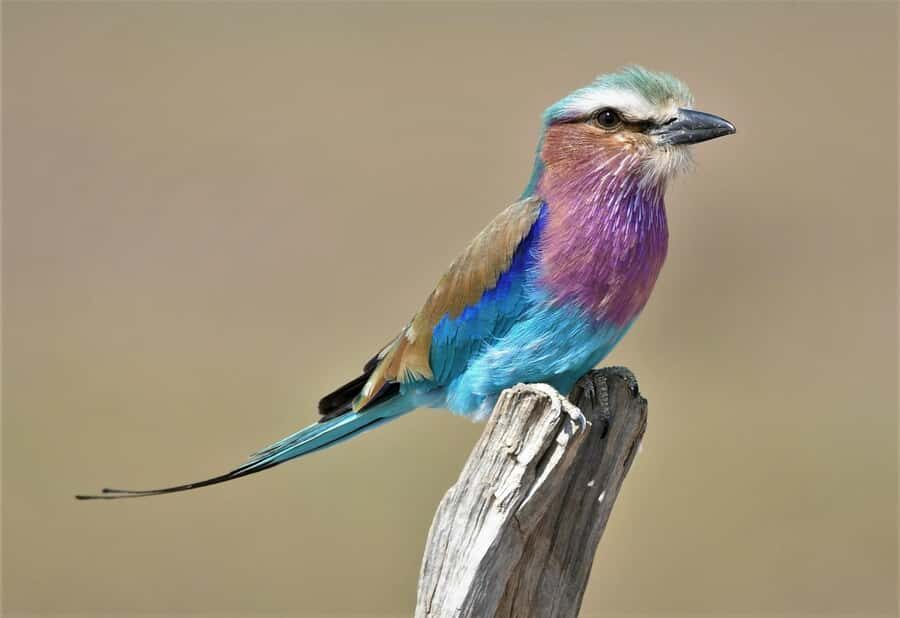
Mid-morning, you’ll take a break for breakfast. This is a real reset: you’ll get about an hour in the wider break window to stretch your legs, relax, and recharge. The important detail is that meals aren’t included. You’ll pay for your breakfast and later for your lunch separately.
This is one of those travel math moments. You’re paying for a guide-led safari experience and transport, while food is handled at stops. That can be perfectly fine—especially if you pick up a simple meal and keep moving—but it’s worth factoring into your total day cost.
What I like about this structure is that it prevents the classic half-day safari problem: skipping breaks and then rushing the second half while everyone’s tired. With a breakfast pause, you’re more likely to stay engaged during the later, quieter-area search for harder-to-find animals.
Deeper into Kruger: the guide’s ecology talk that actually helps
After the morning break, you’ll continue deeper into the park. This is where your guide’s experience can change the day from random spotting into meaningful sighting.
You should expect your guide to share insights about ecology and history—plus to use a trained eye to point out wildlife that many people miss. Even if you’re not a wildlife expert, this kind of commentary helps you understand what’s happening around you. You start noticing why animals are where they are, not just that they’re present.
On a practical level, this also improves how you photograph. When you understand animal behavior—where they feed, how they travel, and what positions they hold—you know when to adjust your camera and when to hold still. That’s valuable when you don’t have a full day to wander.
And because it’s a small group setup, you’re less likely to get stuck waiting for the slowest person—or to feel like you’re part of a crowded tour that can’t stop often. The smoother the group flow, the more time your guide can spend scanning and deciding where to go next.
Lunch at the rest camp: eat when you can, then chase the rarer stuff
Around lunchtime, there’s another break at one of Kruger’s rest camps. This is where you can eat at your own expense and take a breather.
Again, food is not included, and you’re likely to find it easiest to keep it simple. The big benefit of the lunch break isn’t just eating—it’s getting everyone back with enough energy to do the second half properly.
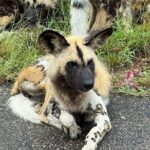
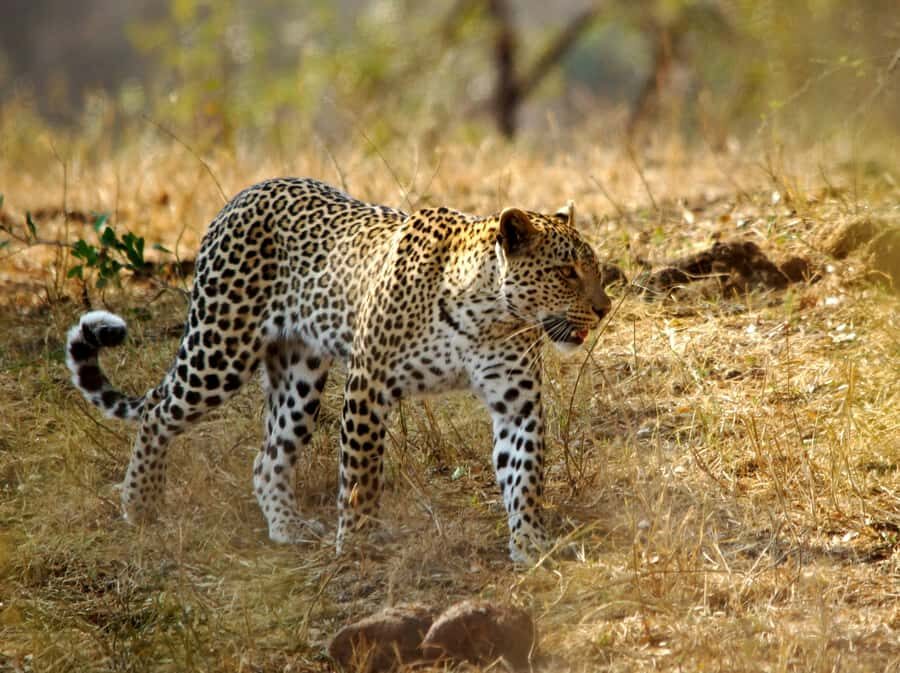
After lunch, the plan shifts: you’ll go off the more frequently traveled routes, aiming for more elusive species, which can include:
- cheetahs
- African wild dogs
- rhinos
This isn’t just marketing. In Kruger, the “busy roads” can produce common sightings consistently, but the “quieter” areas sometimes give you a shot at rarer ones. With only a half day, your guide is trying to balance your odds—known animals in the morning, and potentially special sightings later.
The off-the-beaten-path advantage (and what to manage in your expectations)
If you want cheetahs, wild dogs, or rhinos, you usually need a strategy. That’s what the later routing is trying to do—use the hours when animals may be more active in different habitats, and use the road choices that less-frequent traffic can make possible.
But here’s the expectation-setting truth: sightings can’t be guaranteed. Animals roam freely, and sometimes the best-laid plan still ends with fewer sightings than you dreamed about. The upside is that an experienced guide increases your chances, and the early start plus quieter routing is a solid combination for a short day.
Also, keep in mind the tour runs rain or shine. Kruger weather can flip fast—warm mornings can turn into overcast afternoons. So dress like the forecast might change its mind. Long pants matter, and layers help you stay comfortable during stops and drives.
Price and value: what $44 gets you (and what it doesn’t)
At $44 per person for about 6 hours, this is positioned as an affordable way to experience Kruger with guidance and transport. The big “value” here is that you’re paying for:
- a guided game drive experience
- transportation in a safari vehicle
- pickup and drop-off around Hazyview
- eco-conscious practices and support for conservation efforts
What’s not included is equally important: park entrance fees and your personal expenses. That means your real total cost depends on those fees and how you handle meals at breakfast and lunch.
Even with that, the half-day structure can be a good fit for travelers who:
- only have a short time in the area
- want an expert guide without booking a full day
- prefer a simpler, guided “get in and get sightings” approach
If you’re the type who loves independent driving, you can sometimes do Kruger on your own. But you lose the expert scanning and interpretation that guides bring—especially for spotting animals that don’t announce themselves.
Comfort rules that keep everyone safe in the bush
This tour has clear rules, and they’re worth following. No smoking in the vehicle. No alcohol or drugs, and no alcoholic drinks in the vehicle. You also shouldn’t touch animals and you should keep noise down.
Those rules aren’t just for safety—they help you and the animals. If wildlife hears constant noise or sees people acting unpredictably, behavior changes fast. If you want the day to feel smooth and professional, play your part.
Also, bring what you actually need for a safari day: sunglasses and a sun hat, a camera, comfortable clothes, and long pants. You’ll also want an ID or passport on hand.
Small-group energy: what to love, and one caution to take seriously
The small-group angle is one of the best parts of a half-day. It can mean less time herding people around and more time with your guide searching and stopping when something appears. That “focus” tends to show up as a better viewing experience.
The caution is pickup reliability. A small number of recent bookings described serious issues: guides not showing up at the meeting point and phone contacts that didn’t work, which led to missed safari time. Another report mentioned the guide arriving about 20 minutes late and the vehicle feeling old, with a driver appearing rushed.
So here’s my practical advice: confirm the pickup location and time the night before. Double-check the meeting point landmark. Bring a charged phone. And if you don’t see the distinctive safari vehicle right at pickup time, don’t hang around hoping—it’s better to get clarity quickly.
Should you book this Kruger half-day safari?
I’d book it if you want a guided Kruger introduction with a smart early start and you value expert spotting over DIY searching. The combination of early entry, a guide-led game drive, and a second push into quieter areas is a good formula for a short visit.
I’d pause before booking if you’re very time-sensitive, have tight schedules, or hate the idea of dealing with day-of pickup confusion. In that case, take extra steps to confirm details in advance, and plan a little buffer in your Hazyview day.
FAQ
FAQ
Do I need to buy Kruger National Park entrance fees separately?
Yes. Park entrance fees are not included, so you should budget for them.
How long is the Kruger National Park half-day experience?
The duration is 6 hours.
Where does the pickup happen?
Pickup is available from designated meeting points and accommodations around Hazyview, including options like ANEW Resort Hazyview Kruger Park and other listed nearby locations.
Is breakfast or lunch included?
Break time meals are not included. You’ll have time to eat at your own expense during the morning and lunch stops.
What vehicle will I ride in?
You’ll travel in custom safari vehicles designed for game driving, and the safari vehicle is described as distinctive and easy to spot at pickup.
What wildlife should I expect to see?
You may see elephants, lions, zebra, wildebeest, kudus, impalas, and possibly other species depending on conditions. Sightings cannot be guaranteed.
What should I bring to the safari?
Bring an ID or passport, sunglasses, sun hat, camera, credit card, comfortable clothes, and long pants.
What rules should I follow during the drive?
Don’t smoke in the vehicle, don’t bring alcohol or drugs, don’t touch animals, and keep noise down.
Is the tour in English?
Yes, the live tour guide speaks English.
Is the tour affected by weather?
It runs rain or shine, so dress for changing conditions.
Is it suitable for young children?
It’s not suitable for children under 5 years.