REVIEW · PILANESBERG NATURE RESERVE
From Johannesburg: Pilanesberg Wildlife Safari
Book on GetYourGuide →Operated by Deeprift Ventours · Bookable on GetYourGuide
Pilanesberg delivers wild-life time without a complicated trip. I like the air-conditioned pickup from Johannesburg, and I also love the chance to ride in an open jeep for close, photo-friendly animal views. The one thing to weigh: open-vehicle safaris are shared with other guests, so you won’t have a fully private setup.
This is built as a smooth, day-long circuit. You’ll get a small-group feel (limited to 13), a live guide in English or Afrikaans, and a lunch stop inside the reserve—so you spend less time in transit and more time looking for elephants, giraffes, antelope, and yes, lions.
In This Review
- Key things that make this safari worth your time
- How Pilanesberg Fits Into a 12-Hour Day From Johannesburg
- Road Trip Comfort: Pickup Options and the Magaliesberg Route
- Switch to an Open Jeep: How the Best Viewing Usually Happens
- Game Drive Timing: Two Sessions Plus a Lunch Reset
- Lunch in the Reserve: Simple Fuel Without Pulling You Off Course
- Why the Extinct-Volcano Terrain Changes What You See
- Big Five Expectations: What You Can Aim For (and How to Keep It Real)
- Photography: How to Get Better Shots From an Open Jeep
- Who This Safari Works For (and Who Should Skip It)
- Price and Value: Is About $263 Fair for What You Get?
- Should You Book This Johannesburg-to-Pilanesberg Safari?
- FAQ
- How long is the Pilanesberg safari day?
- Do I get to choose between an open and a closed vehicle?
- Is lunch included?
- What animal viewing should I expect?
- Where are pick-ups available?
- What language is the guide?
- What should I bring?
- FAQ
- Can I cancel and get a full refund?
- Is water provided?
Key things that make this safari worth your time
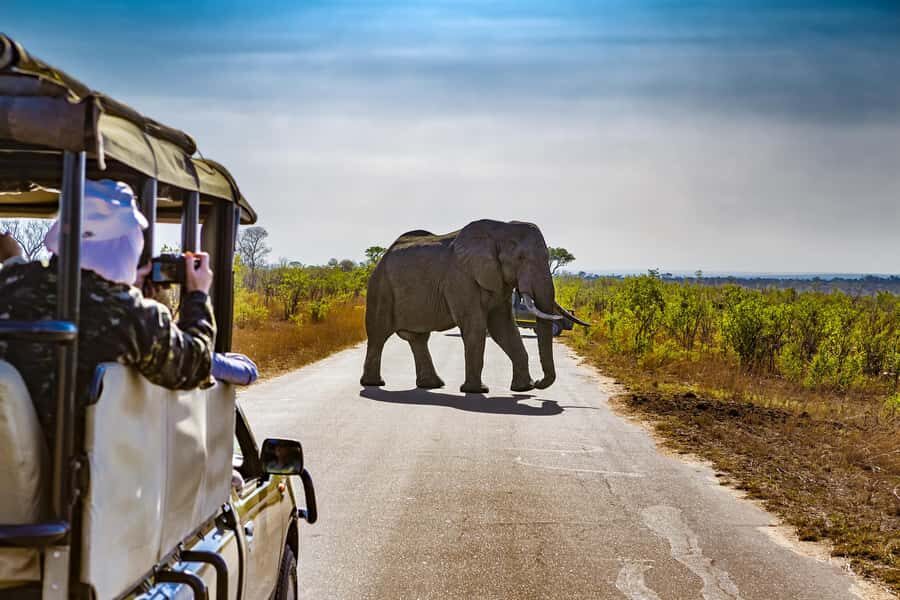
- Open-jeep viewing from the back for stronger animal sightlines and better photos
- Air-conditioned round-trip transport from Johannesburg and Pretoria-area hotels
- Two game drives plus lunch inside Pilanesberg Nature Reserve
- Game drives in an extinct-volcano landscape, which can change how wildlife moves
- Malaria-free climate and strong opportunities to spot animals on foot and in the road
How Pilanesberg Fits Into a 12-Hour Day From Johannesburg
If you want safari time but can’t spare several days, Pilanesberg is one of the most practical choices from Johannesburg. The whole plan is built around a long but managed day: you’re picked up early, driven out in comfort, then guided through the reserve in two focused game-drive sessions with lunch in between.
This tour also keeps the “safari experience” front and center. You don’t just get dumped at a gate and told to explore. You’re with a driver/guide who’s responsible for where you go next and what you should watch for as the light changes.
And the park itself is easy to read from a passenger perspective. Wildlife tends to cross paths in visible ways—like animals walking freely near the track, or groups that hang around areas where water and shade are nearby. That’s the kind of viewing that helps even if you’re not an expert tracker.
A few more Pilanesberg Nature Reserve tours and experiences worth a look
Road Trip Comfort: Pickup Options and the Magaliesberg Route
The day starts with hotel pickup across a wide slice of the Johannesburg and Pretoria area, with multiple options that include areas like Sandton, Rosebank, Midrand, Kempton Park, Fourways, Centurion, Bryanston, Krugersdorp, Roodepoort, and even O.R. Tambo International Airport.
Why that matters: it reduces the hassle of meeting at a faraway departure point. If you’re staying in the city, it can be the difference between a relaxed start and a stressful one.
Once you’re on the road, the drive passes Hartebeestpoortdam and the Magaliesberg Mountains. It’s not just scenery filler. This route gives you an early “set-up” for the day so that when you reach Pilanesberg, you’re already in the right headspace. You’re also riding in a vehicle meant for comfort on a longer transfer.
The transfer time listed is about 2.5 hours each way. That’s long enough that air-conditioning and smooth driving really matter. In the feedback I’ve seen for this experience, punctual and attentive drivers come up often—names like Jason and Peter are mentioned for being careful on the route and keeping things calm.
Switch to an Open Jeep: How the Best Viewing Usually Happens
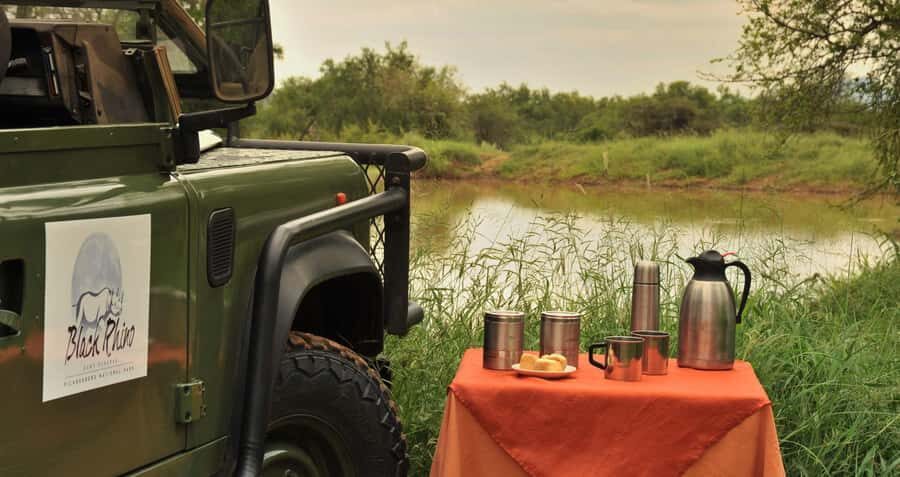
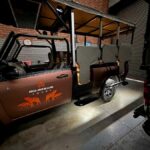
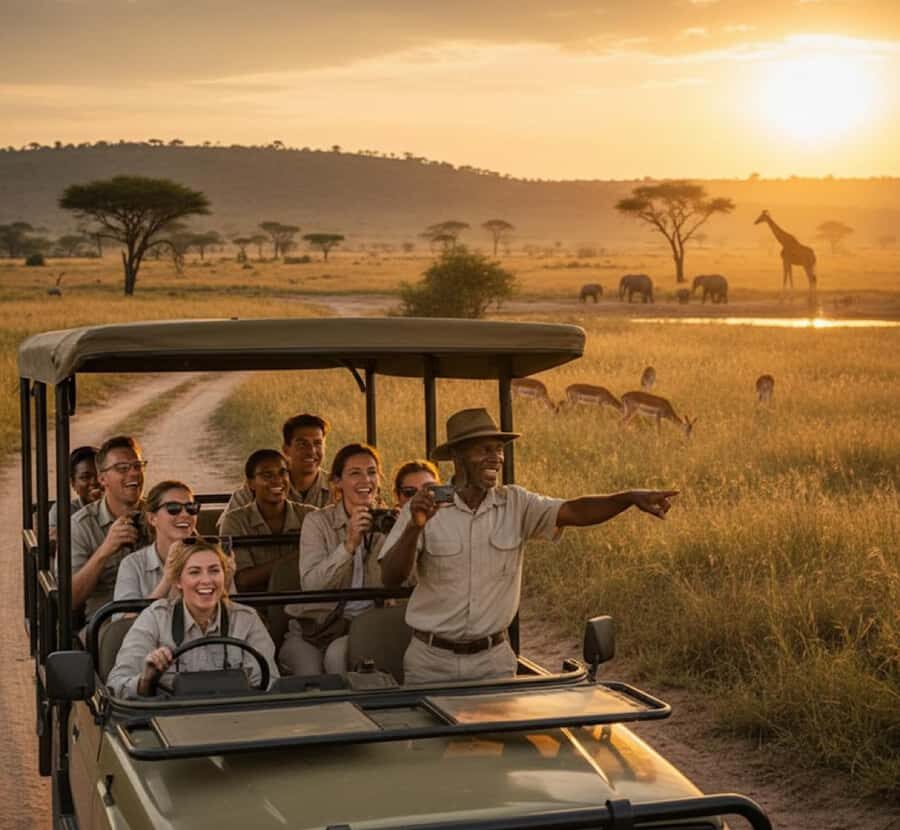
At Pilanesberg, you switch from your transport vehicle into a safari vehicle for the game drives. If you choose the open-jeep option, you’ll ride in a setup designed for wildlife viewing—especially from the back—so you’re not stuck with limited angles.
Here’s what that means in real terms:
- You get better sightlines for animals that appear suddenly along the track.
- You can photograph without fighting for positions behind window frames.
- You’re more connected to what the guide spots first.
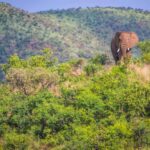
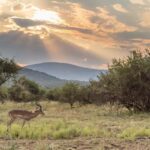
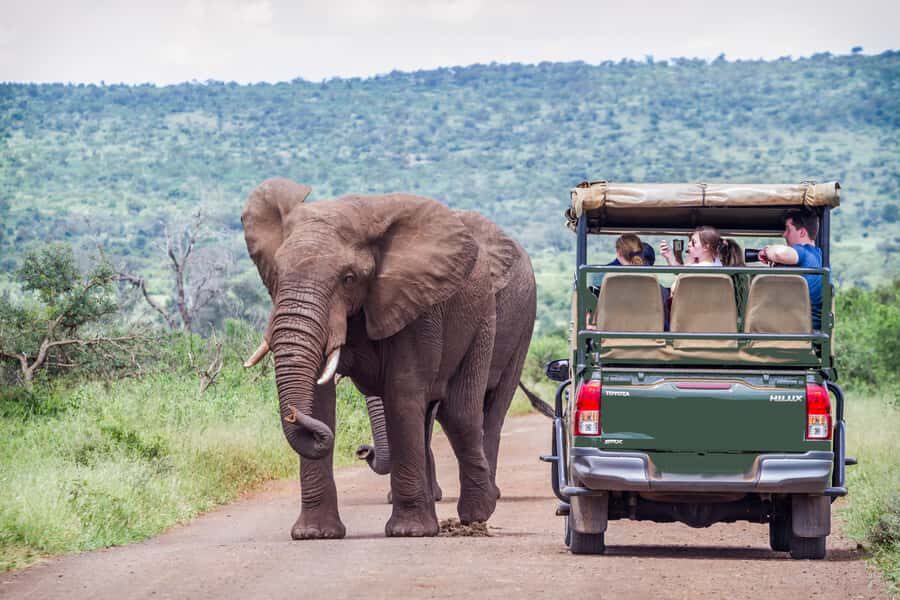
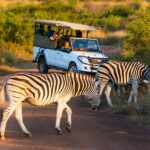
This is also where you’ll feel the “nature reserve” difference. The guide drives through the reserve and points out what’s around you—like antelopes moving through open areas, elephants crossing close enough to feel present, and the constant search for the big cats.
And even when you don’t see a specific animal, the experience stays active. The guide keeps you focused on changes: where tracks look fresh, where groups are lingering, and what direction wildlife seems to be moving. That’s more useful than simply driving slowly and hoping.
Game Drive Timing: Two Sessions Plus a Lunch Reset
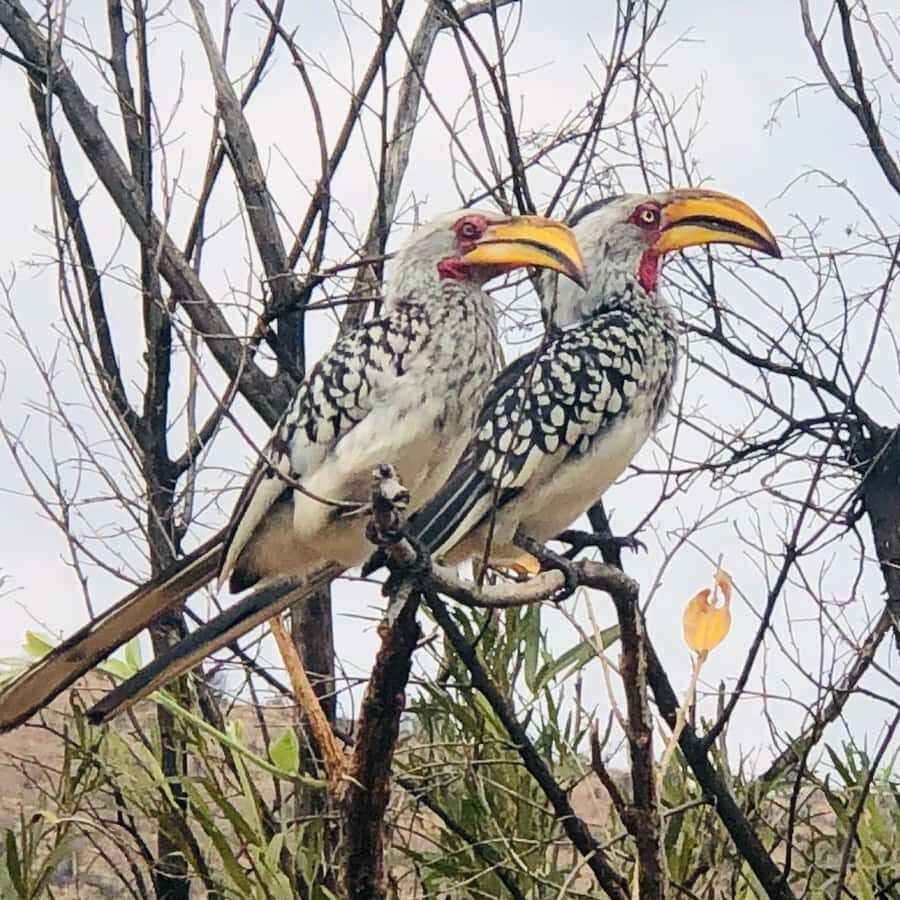
This tour runs on a simple rhythm: game drive, lunch, then another game drive. The reserve time is broken into a longer initial spotting session, a lunch stop, and then a final push for additional sightings.
The first game-drive block is about 3 hours. That’s a good length for building momentum. Early in a safari day, animals often move more noticeably, and guides can scout patterns while the light is still favorable for scanning the landscape.
Then you get lunch inside the reserve area for about an hour. This break is more than a meal. It resets your attention and your comfort level so you don’t end the day half-faded and not fully seeing what’s in front of you. You’re also provided water on board, which helps you keep a steady pace even when you’re out looking for animals for long stretches.
The second game drive is about 2 hours. Shorter by design, but still enough to catch sightings you might miss earlier—especially animals that appear later in the day or move differently as temperatures shift.
After that, you switch back into the closed transport vehicle for the ride home.
Lunch in the Reserve: Simple Fuel Without Pulling You Off Course
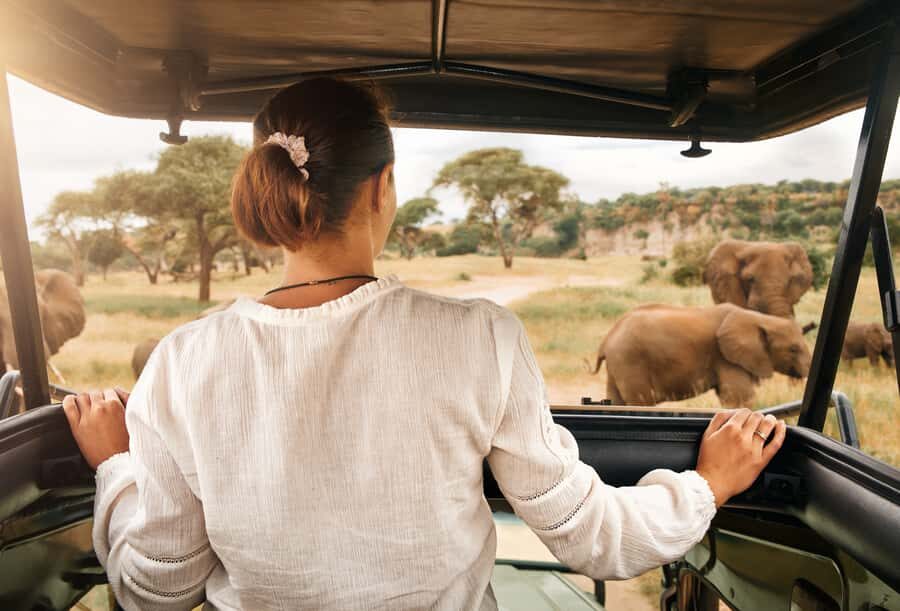
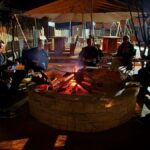
Lunch is included, and it happens during the day while you’re still in the reserve zone. That’s a key value point. A lot of safari-style day trips try to make the schedule work by pushing you outside the park for food. You lose time, you lose the rhythm, and you return to the animals with less energy.
Here, the tour keeps you in the wildlife moment. You eat, you hydrate, and you get back out with the same guide-led focus.
The practical tip: treat lunch like the “middle marker” for the day’s animals. After a break, you’ll usually see a shift in movement—different groups might come out, and guides can adjust their scanning based on what they spotted earlier.
Why the Extinct-Volcano Terrain Changes What You See
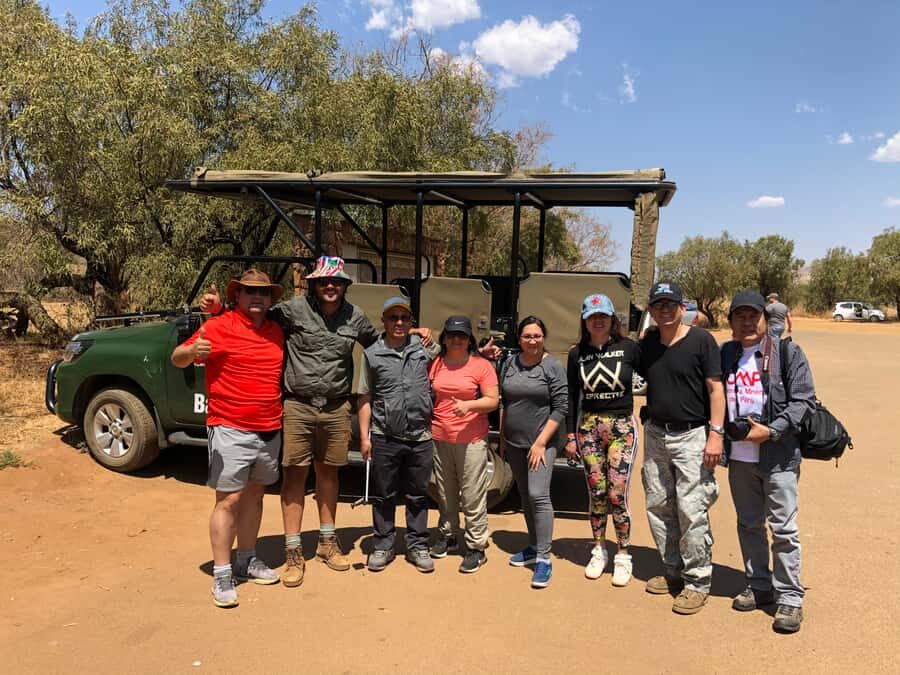
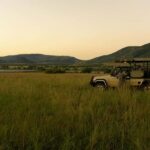
Pilanesberg is known for geological variety, including driving around an extinct volcano. You don’t need a geology degree to benefit from this.
Terrain shape affects wildlife behavior. Even without exact specifics provided here, you can think of it this way: changes in elevation and natural features can create funnels, vantage points, and resting areas. When wildlife moves, it often chooses routes that make sense for cover and access to resources like water and shade.
That’s why the guide’s route decisions matter. A good driver isn’t just “going around”; they’re positioning the vehicle to maximize sightings. On an open jeep, those terrain-driven route choices can feel extra rewarding because you’re more directly exposed to the action.
Big Five Expectations: What You Can Aim For (and How to Keep It Real)
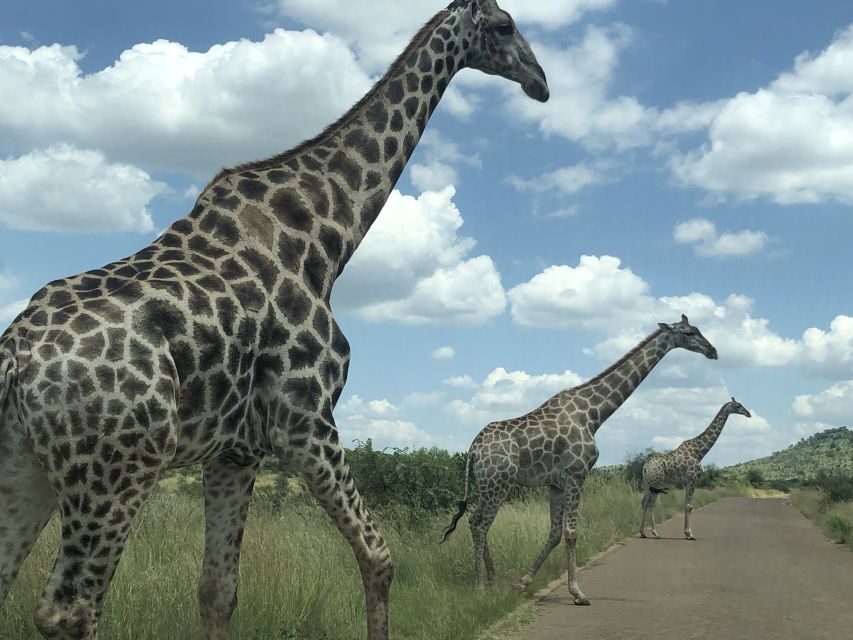
The tour is marketed around the Big Five idea, and that’s a strong headline. In practice, though, big cats and the less-common sightings can be unpredictable. What you can count on is that you’re in a place designed for game viewing, and you have structured time with a guide to find animals.
So here’s the balanced way to think about it:
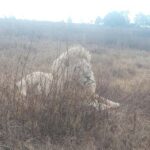
- If you’re chasing a specific animal like lion, your best chance is to arrive with realistic patience and trust the guide’s scouting.
- If you don’t get the full Big Five in one day, you can still have a major safari day through repeated close wildlife encounters and plenty of variety.
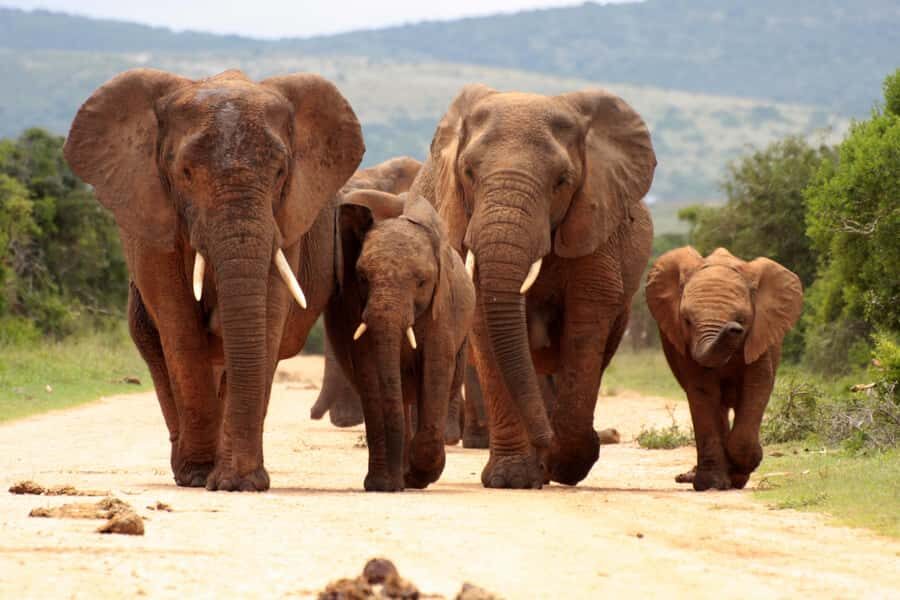
From the experiences shared for this tour, moments like elephants moving along the road very close to the vehicle and giraffes showing dramatic behavior can happen. Those aren’t guaranteed, but they’re exactly the kind of “this is happening right now” experiences that make safari days memorable.
Photography: How to Get Better Shots From an Open Jeep
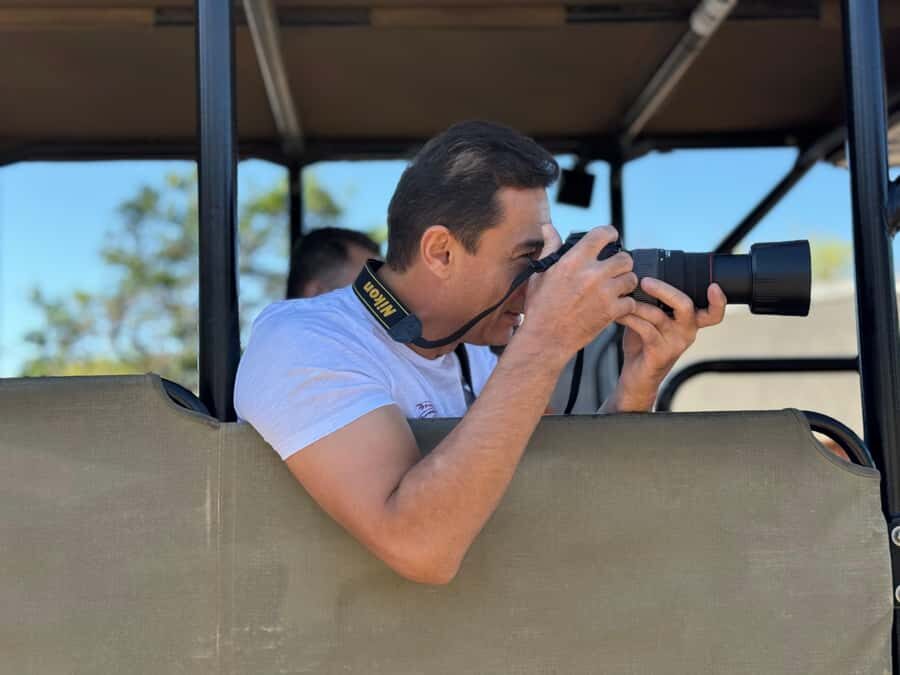
If you care about photos, this tour is set up to help. Riding on an open safari vehicle means you’re often closer and with fewer visual barriers. That matters for:
- framing animals as they appear along the track
- capturing motion when animals cross or pause
- getting clearer shots from a stable position behind the vehicle, instead of shooting around windows
A few smart habits will help you get more keepers:
- Keep your camera/phone ready during active scanning, not only when you think you see something.
- Expect animals to appear quickly along the road, then disappear just as fast—so don’t wait for the “perfect moment.”
- Use your guide’s attention as a cue. When the driver slows or angles the vehicle, the important moment is often seconds away.
Also, the day is long and the sun can be strong. Bring sunscreen. Even if the vehicle ride is comfortable, you’ll likely spend enough time outdoors that sun protection matters.
Who This Safari Works For (and Who Should Skip It)
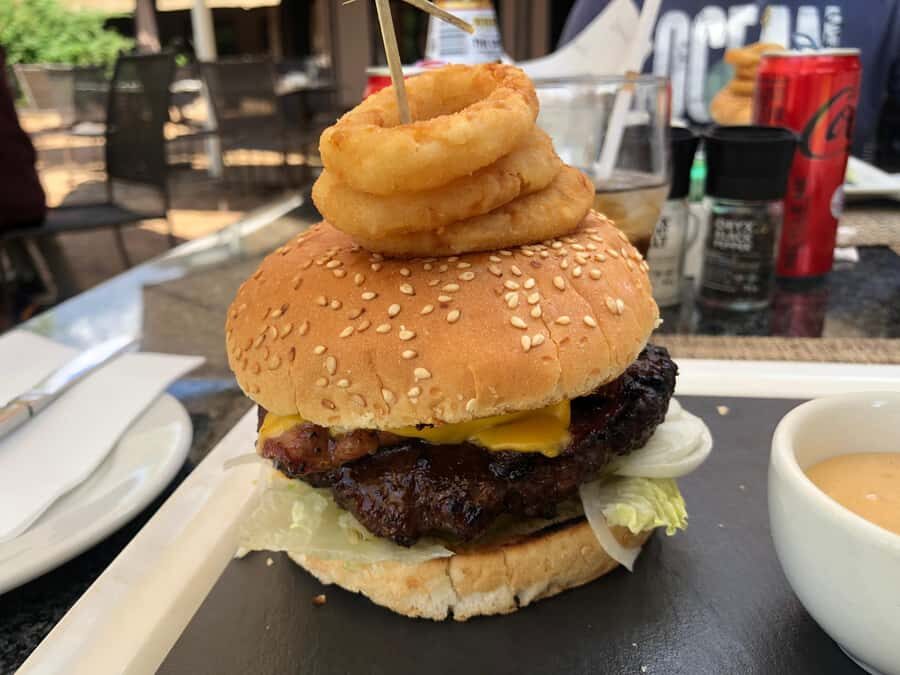
This is a solid fit if you want a guided safari day from the city and you don’t want to handle park navigation yourself.
It’s not suitable for:
- children under 6
- pregnant women
- people with back problems
Why the restrictions make sense: safari roads can be bumpy, and open-vehicle riding means more jostling than a smooth city transfer. If you’re prone to discomfort or mobility issues, the safer choice is to skip this style of safari day.
It’s also a good pick for photography-minded travelers and for anyone who likes wildlife viewing that’s guided and focused, not just self-drive wandering.
Price and Value: Is About $263 Fair for What You Get?
At around $263 per person for a 12-hour full-day outing, the value depends on what’s included—and here, a lot of the “hard parts” are covered.
You’re paying for:
- round-trip transportation from Johannesburg and return
- entry fees, including a R748.00 Conservation Fee
- a live driver/guide
- a lunch stop
- water on board
- a safari vehicle experience (open or closed based on option)
The small group size (limited to 13) is also part of the value equation. Larger groups can make it harder to see clearly or to keep the vehicle positioned well. In this case, you’re more likely to feel part of the game-drive flow instead of stuck on the edges.
One more value note: choosing an open-jeep safari is usually the best “bang for your photo time.” If your priority is seeing animals clearly and shooting comfortably, it’s the option that aligns with that goal.
Should You Book This Johannesburg-to-Pilanesberg Safari?
I’d book this if you want a safari day that’s organized, guide-led, and built for real wildlife viewing time—without the hassle of planning the full trip yourself. It’s especially worth it if you like the idea of open-jeep angles and you want a day that includes both driving time and two separate game-drive sessions.
Skip it if you fall into the listed non-suitable categories, or if you’re expecting a private safari. This is shared, and that’s normal. It’s also normal that the exact Big Five outcome isn’t something you can control.
If you’re flexible and you care about animal sightings, you’ll likely find the day feels full: a scenic route in, guided viewing with a lunch reset, and a comfortable return when you’re done scanning the landscape.
FAQ
How long is the Pilanesberg safari day?
The duration is listed as 12 hours total.
Do I get to choose between an open and a closed vehicle?
Yes. You can select an open safari vehicle option or a closed minibus option for the reserve viewing.
Is lunch included?
Yes. Lunch is included during the day inside the reserve area.
What animal viewing should I expect?
The tour focuses on game viewing in Pilanesberg Nature Reserve, with the opportunity to see animals such as elephants, antelopes, and lions. You’ll also be in a malaria-free climate for wildlife viewing.
Where are pick-ups available?
Pickup is available from multiple Johannesburg and Pretoria-area locations, including areas like Sandton, Rosebank, Centurion, Pretoria, Kempton Park, Fourways, and more, as listed. You’ll wait in the hotel lobby at your pick-up time.
What language is the guide?
The live tour guide speaks English and Afrikaans.
What should I bring?
Bring sunscreen and a passport (a copy is accepted).
FAQ
Can I cancel and get a full refund?
Yes. Free cancellation is offered up to 24 hours in advance for a full refund.
Is water provided?
Water is provided on board the vehicle.