REVIEW · PILANESBERG NATURE RESERVE
From Sun City: Pilanesberg National Park 3-Hour Game Drive
Book on GetYourGuide →Operated by Mankwe GAMETRACKERS · Bookable on GetYourGuide
Big cats aren’t guaranteed, but the chase is. What makes this Pilanesberg game drive stand out is the extinct volcanic-crater setting and the way the guide helps you find wildlife up close from the road. I also love the open safari vehicle setup, which keeps the action feeling immediate instead of distant. The one catch to plan for: the drive can be bumpy thanks to road conditions.
You’ll book a straight 3-hour game drive from Sun City, usually twice daily, with seasonal changes to departure times. Bring warm clothing even if the day looks mild, because open-vehicle rides can feel cold fast. Also note: food and drinks aren’t included, and Sun City entry fees aren’t part of the package.
In This Review
- Quick hits before you go
- Pilanesberg’s volcanic crater: why this park feels different
- Sun City check-in and the start-to-finish rhythm
- The open safari vehicle: what the 25-seater setup changes
- The game drive itself: how the 3 hours usually unfold
- Why your sightings may vary
- Wildlife odds: the Big Five target and the reality check
- Guides make the difference: BY, Jeremy, Peter, MK, and Mr Ponto
- Road conditions and comfort: the downside you should plan for
- What to pack for a 25-seater open-vehicle drive
- Price value: is $49 a fair deal?
- Best for whom: who should book this
- Should you book the 3-hour Pilanesberg game drive?
- FAQ
- Where is the meeting point for the Sun City to Pilanesberg game drive?
- How long is the Pilanesberg game drive?
- What time do tours depart?
- What vehicle will we ride in during the safari?
- Is hotel pickup included?
- Are Sun City entrance fees included?
- Is food and drinks included during the tour?
- What should I bring for the drive?
- Can I cancel and get a full refund?
Quick hits before you go
- Extinct volcanic crater setting: Pilanesberg’s geography helps create strong wildlife viewing.
- Open 25-seater safari vehicle: more sightlines, more photo angles, and a closer feel to sightings.
- Big Five is the target: you’ll scan for lions, elephants, buffalo, rhinos, and leopards, plus other mammals.
- Guides do the heavy lifting: guides focus on finding animals and answering questions (some even talk anti-poaching measures).
- Twice-daily departures: go early for cooler conditions when possible.
- Cold-weather reality: warm layers matter, especially on early drives.
Pilanesberg’s volcanic crater: why this park feels different
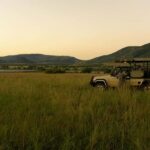
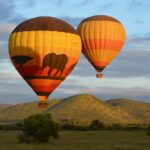
Pilanesberg National Park sits inside an extinct volcanic crater. That matters, because it shapes how wildlife moves and how you get views across varied ground. In practice, it often means you’re not stuck only looking at far-off horizons. You can find stretches where animals use the roads, clearings, and water points as part of daily life.
It also helps explain why people love the “up-close” feeling. You’re in a safari area designed to keep viewing active rather than waiting in one tiny spot forever. Your guide’s job is to keep the drive rolling—scanning, repositioning, and choosing where the next sighting might pop up.
One more smart point: sightings can shift a lot between the morning and afternoon. Cooler conditions often help animals move more, which can make wildlife spotting feel easier. You don’t control animal behavior, but you can control your timing choice.
You can also read our reviews of more city tours in Pilanesberg Nature Reserve
Sun City check-in and the start-to-finish rhythm
The meeting point is the local partner’s desk in the Welcome Center at Sun City Resort, at 1 Sun Village Road. You’ll start there and return to the same place when the activity ends. No hotel pickup is included, so you’ll want to budget time to get yourself to the resort and on-site.
Tours run twice daily, with departure times changing by season. That’s useful because you can pick the departure that best matches your comfort level. If you’re trying to beat the heat, choose the earlier slot. If you prefer a relaxed start, the later option might fit better—but you may trade a bit of wildlife luck for convenience.
And yes, there’s a fee to enter Sun City resort. The tour doesn’t include the day visitor entrance fee to Sun City or the Valley of the Waves. So when you’re thinking about overall cost, include those resort fees in your budget.
The open safari vehicle: what the 25-seater setup changes
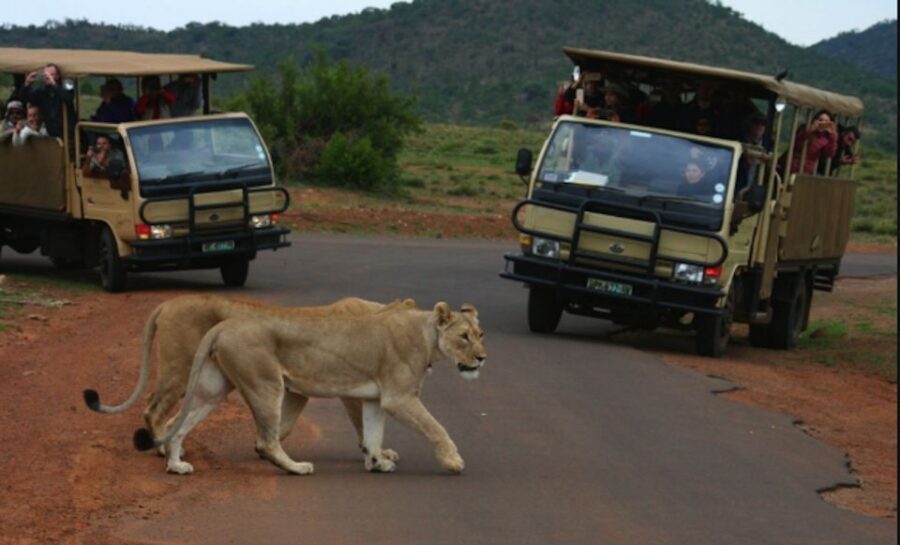
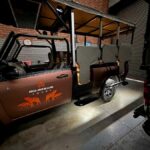
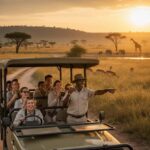
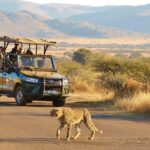
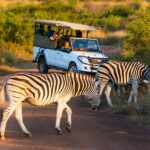
This isn’t a closed bus tour where you peer through tiny windows. You’re in a 25-seater open safari vehicle, which changes the whole viewing experience. You get better angles for photos, and you’re closer to the “why is that animal suddenly here?” moments.
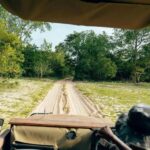
There’s also a practical side. Open vehicles mean wind, dust, and cooler air. That’s why warm layers are such a big deal, even when the day seems fine. One review specifically called out how cold it can get early in the morning and suggested extra blankets on the shuttle—so if you run cold, plan to over-pack warmth.
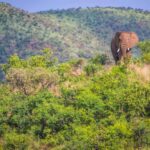
The vehicle format is also why the drive can feel intense in a good way. When an elephant herd passes near the vehicle, it feels like you’re part of the scene instead of just watching a documentary. When animals are far away, you’ll still have the wide field of view—though you can’t force predators to move closer.
The game drive itself: how the 3 hours usually unfold
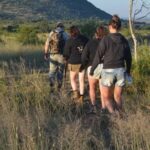
You’re scheduled for a 3-hour game drive, so the entire point is time in the park rather than long stops. Your registered field guide keeps you moving through the best viewing areas they can reach, based on what they’re seeing and what animals are doing.
A good guide matters because scanning wildlife isn’t the same as “seeing wildlife.” One review praised a guide named BY for being skilled at finding animals that seemed hidden. Another highlighted guides like Jeremy and MK for giving detailed animal info and making the time fly by.
What I like about this structure is that you don’t spend the day waiting. You’re on a clock, and that forces smart decisions—where to go next, when to slow down, and how long to sit before repositioning.
Why your sightings may vary
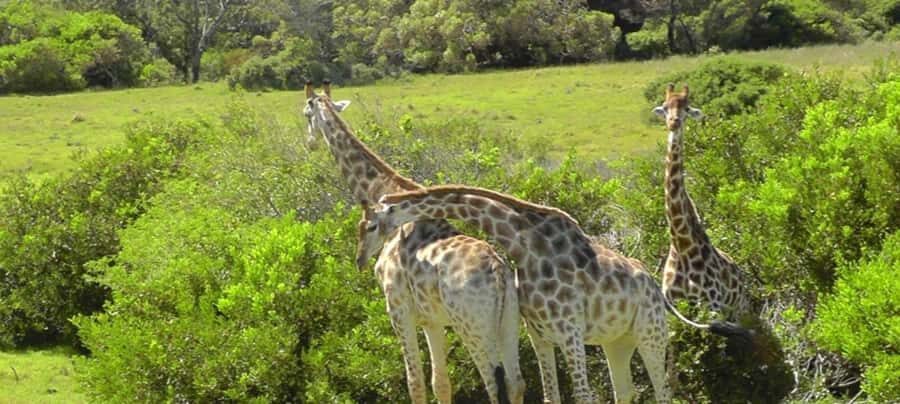
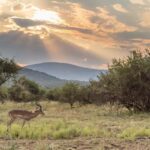
Even when everything runs well, you might not see all of the Big Five. Some drives come up with stronger predator luck and others don’t. A few experiences mentioned seeing rhinos, lions, elephants, crocodiles, and strong mammal variety. Others noted missing lions or leopards, and a couple said certain species like hippos or giraffes didn’t show up.
That’s not a failure on your part, and it’s not something you can fully control. Predators tend to be harder to spot than grazers, and animal movement changes throughout the day. Your guide can work the odds, but wildlife runs its own schedule.
A few more Pilanesberg Nature Reserve tours and experiences worth a look
Wildlife odds: the Big Five target and the reality check
The tour highlights the chance to look out for the Big Five. That’s a big promise, but the honest value is this: you’re driving through a park where those animals can exist in the same general ecosystem. You’re not going to a themed zoo-style route where every stop is guaranteed.
Here’s how to think about it as a buyer:
- If you want one “real safari” session with a shot at major species, this fits.
- If you need certainty—like I must see lion and leopard—then no drive can promise that.
Some reviews point to what works best. Going earlier or when it’s cooler can increase your chances because animals may be more active. Also, patience helps. Even when you do see the animals, they might be spread out, and sometimes your best view is a quick window between bushes, trees, and distance.
You’ll also pick up plenty of “not just the Big Five” sightings. One drive was described as including rhinos plus crocodile and lions, and another noted watching elephant behavior at a dam. Even if you miss a particular headline species, the smaller moments often make the day.
Guides make the difference: BY, Jeremy, Peter, MK, and Mr Ponto
If you take one thing seriously for this tour, make it this: your guide’s skill affects your experience more than almost anything else.
I love how many guides in these experiences were described as interactive and proactive—asking you to look in certain directions, explaining what you’re seeing, and sharing background as the drive unfolds. Reviews mentioned guides like BY and Jeremy for spotting animals and sharing detailed info, with Peter also praised for managing a lot of animal sightings and getting the group into position for elephant activity.
MK stood out in comments about making the 3 hours feel fast and pairing driving with fun facts all the way through. Mr Ponto was mentioned for being friendly and for going out of his way to accommodate everyone.
One more detail worth noting: at least one guide discussed measures against poaching. That kind of conversation can make the park feel more grounded and real, not just like a wildlife slideshow.
In other words, even if you don’t check off every animal, a strong guide turns the drive into learning and attention—not just hoping.
Road conditions and comfort: the downside you should plan for
One common caution is the bumpy ride. A review called out poor road conditions that made the trip uncomfortable, even though the overall experience was still worth it.
So here’s the practical advice: wear comfortable clothes, bring something to sit in a stable way, and don’t assume the road will be perfectly smooth. If you have a sensitive back or get motion sick easily, this is a point to think about before you book.
The good news is that comfort issues didn’t stop people from rating the experience highly. But it did show up as a consistent “consider this” factor, so you’re not going in blind.
What to pack for a 25-seater open-vehicle drive
Based on what the tour asks you to bring, and what cold-weather reality can feel like, I’d pack like this:
- Warm clothing (layers beat one bulky item)
- Comfortable clothes for sitting and scanning
- Camera (the open vehicle is great for photos)
- Binoculars, if you have them (the park is best viewed with some distance help)
If you’re prone to cold, treat it as an open-vehicle ride in the morning, even if the day looks sunny. Wind chill is real when you’re exposed and moving. Also consider a hat and sunglasses for glare and a small cloth or towel if dust bothers you.
You won’t get an on-board restaurant stop from the tour details. Food and drinks aren’t included, so plan to cover yourself or keep snacks handy if you’re staying at Sun City for a while.
Price value: is $49 a fair deal?
At $49 per person, the price feels positioned for people who want a real safari experience without a huge price tag. You’re getting a registered field guide, transportation by open safari vehicle, and the full 3-hour game drive.
But value depends on your “all-in” budget. Sun City entrance fees are not included, and neither is the day visitor entrance fee to the Valley of the Waves. Food and drinks also aren’t included. So add those costs if you’re paying day-entry rather than staying onsite and getting access that’s already covered.
Still, even with those extras, the structure is solid. You’re paying for time in the park and a guide who can actually put you in position to see animals. Some of the best moments in safari come from animal placement, not just where you are. A good guide helps you maximize the time you’ve bought.
Also, the 25-seater open format is part of the value. Smaller vehicle rides usually cost more, and bigger vehicles can feel less personal. Here, you get open viewing without paying premium lodge prices.
Best for whom: who should book this
This tour is a good fit if:
- You want a classic “game drive” session with a registered guide
- You’re traveling from Sun City and want something worthwhile for a half-day
- You like wildlife spotting but don’t need a rigid itinerary of guaranteed animals
It’s especially appealing if you’re willing to adapt to animal behavior. If you show up expecting a chance to see Big Five and other mammals—and accept that predators may be missed depending on the day—you’ll enjoy it more.
If you’re traveling solo, you may feel comfortable too. One experience explicitly mentioned feeling safe and comfortable while on a solo trip.
Should you book the 3-hour Pilanesberg game drive?
Here’s my practical take: yes, if you want a strong safari chance without overthinking it. The combination of a 3-hour drive, a registered field guide, and an open 25-seater setup makes this feel like genuine time in the bush rather than a rushed checklist.
I’d book it if you’re flexible about which animals you’ll see. You might spot rhinos, elephants, lions, crocodiles, and plenty of other mammals. You might also miss one or two headline species like leopards or lions on certain drives. That’s normal in game viewing.
I’d think twice if you:
- Need guaranteed predator sightings
- Have low tolerance for bumpy road conditions
- Plan to rely on food and drinks being provided (they’re not included)
If you time it well and dress for cold wind, you’re set up for a day that feels alive. And even when the park doesn’t hand you every Big Five moment, it still offers plenty of wildlife drama worth paying for.
FAQ
Where is the meeting point for the Sun City to Pilanesberg game drive?
The tour meets at the local partner’s desk in the Welcome Center at Sun City Resort, 1 Sun Village Road, Sun City.
How long is the Pilanesberg game drive?
The game drive lasts 3 hours.
What time do tours depart?
Tours depart twice daily, and departure times change throughout the year based on the season.
What vehicle will we ride in during the safari?
You’ll travel in an open safari vehicle (a 25-seater setup).
Is hotel pickup included?
No, hotel pickup and drop-off are not included. You’ll start and end at the meeting point.
Are Sun City entrance fees included?
No. The day visitor entrance fee to Sun City (and the Valley of the Waves) is not included.
Is food and drinks included during the tour?
No. Food and drinks are listed as not included.
What should I bring for the drive?
Bring warm clothing, a camera, and comfortable clothes.
Can I cancel and get a full refund?
You can cancel up to 24 hours in advance for a full refund.