REVIEW · CAPE TOWN
Full Day visit to Cape Point Cape of Good Hope for Special needs from Cape Town
Book on Viator →Operated by Ordain Hove · Bookable on Viator
Cape Town by the sea, then straight into wild nature. This special needs tour is built for mobility challenges, and I like how it strings together big scenery with real wildlife moments. I’m also a fan of the smart pacing and ride helpers, like the funicular at Cape Point and the golf-cart tour at Kirstenbosch. One thing to keep in mind: it’s still a full day and is listed for moderate physical fitness, so you’ll want to plan for slopes and getting on/off vehicles.
If you care about comfort and clarity, this is the kind of trip you’ll appreciate from the start. Pickup and drop-off are included, and your guide—Ordain Hove—leads the day with a calm, organized style that keeps the route feeling manageable even when it’s action-packed. The reviews you’ll find emphasize safety and good communication, and that matches what this itinerary is aiming for: see a lot without feeling rushed.
Expect a classic Cape “big hits” route: Camp’s Bay sand and views, Hout Bay harbor and a seal island boat option, Cape Point and the Cape of Good Hope for fynbos and animals, an ostrich farm stop, then Boulders penguins, Simon’s Town, and finally Kirstenbosch Botanical Garden.
In This Review
- Key highlights in plain English
- A full-day Cape route that hits Cape Point, Good Hope, and penguins
- Camp’s Bay first: white sand views with a relaxed start
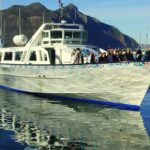
- Hout Bay harbor and the included Seal Island boat ride
- Cape Point Nature Reserve: funicular ride and cliffside drama
- Cape of Good Hope: fynbos, birds, and the closest big-animal moments
- Ostrich Farm stop: a calm break with hands-on feeding
- Boulders Beach penguins: boardwalk access and big photo time
- Simon’s Town and Kirstenbosch: old town charm meets plant obsession
- Groote Schuur Hospital drive-by: a quick, meaningful history stop
- Price and what you’re really getting for $341.10
- Who this tour suits best (and the one thing to plan for)
- Should you book this special needs Cape Point and Good Hope day?
- FAQ
- How long is the tour, and when does it start?
- Is pickup and drop-off included?
- Is lunch included?
- What’s included in the cost besides the guide?
- Will I see animals on this tour?
- Is this a private tour?
- What if weather is poor?
Key highlights in plain English
- Mobility-focused routing that helps reduce unnecessary walking
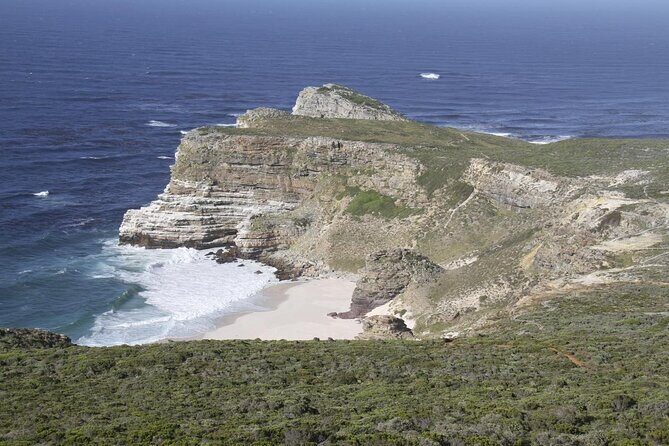
- Cape Point funicular + cliff viewpoints for dramatic coastal views
- Cape of Good Hope biodiversity with fynbos, birds, and big animal sightings
- Seal Island boat trip from Hout Bay (included) for wildlife at sea level
- Boulders Beach penguin colony with an easy boardwalk approach
- Kirstenbosch by golf cart plus time for coffee and photos
A full-day Cape route that hits Cape Point, Good Hope, and penguins
This is not a “drive-by and hope” kind of day. It’s an organized circuit that mixes ocean views, nature reserve stops, and iconic animal encounters—then tops it off with a botanical garden that’s famous for plant variety and a smooth visit by golf cart.
The best part for me is the balance. You get the famous scenery (Cape Point’s dramatic coastline and the Cape of Good Hope’s wild edge), but you also get hands-on animal time: seals on a boat trip, penguins at Boulders, and wildlife like chacma baboons and antelope types around the reserves depending on day movement.
It’s also priced like a private, guided experience rather than a group bus tour. That matters because you’re paying for a full day of route planning, guide support, and included entry fees—not just transport.
A few more Cape Town tours and experiences worth a look
Camp’s Bay first: white sand views with a relaxed start
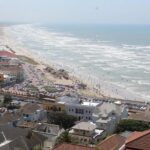
Most people hear Cape Town and think Table Mountain and beaches. This day starts with Camp’s Bay Beach—one of the city’s Blue Flag beaches, split into four sections for an easy walk-to-the-right spot kind of feel.
Camp’s Bay is popular for good reasons: the sand is bright, the beach umbrellas color the scene, and the peaks of the 12 Apostles plus Table Mountain give you a constantly changing backdrop. The area also has a “Cape Town celebrity spotting” vibe—this neighborhood is known for being home to notable international figures—though you can keep it simple and just enjoy the sea air and views.
Two practical notes. First, it’s a busy, scenic strip along the main road with lots of restaurants and shops nearby, so it can be lively even on a quiet morning. Second, the beach stops are photo-friendly, but you’ll still want to bring sunscreen and a hat because the sun on the Atlantic side doesn’t play nice.
Hout Bay harbor and the included Seal Island boat ride
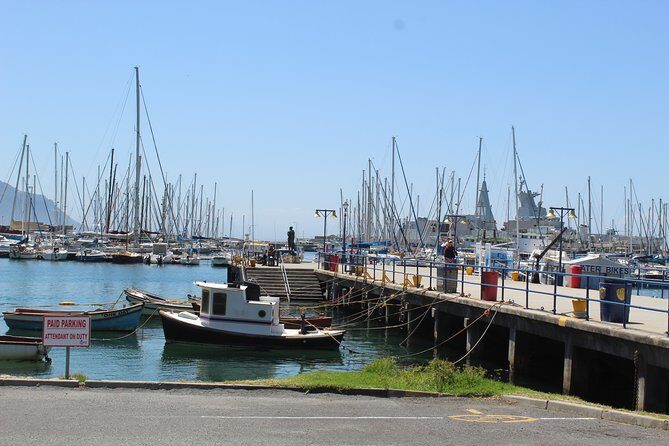
From Camp’s Bay you head to Hout Bay, a coastal village known for feeling more tranquil than the bigger-tourist areas. The harbor area is the heart of it—art and craft shops line the waterfront, and you can usually grab simple coastal food like fish and chips and coffee if you’d like.
What makes this stop special is the option for wildlife at sea level. There’s an included boat trip to Seal Island, and the timing is built to give you a real chance of seeing large numbers of seals at once.
Even better: the seals aren’t the only show. The description of the area points out that black-and-white birds seasonally share the space, so your “wildlife watching” becomes a nature scene rather than just one animal sighting. If you’re traveling with limited mobility, I like that the wildlife is viewed from the boat and not only from long shore walks.
Cape Point Nature Reserve: funicular ride and cliffside drama
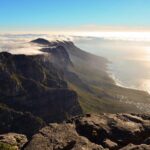
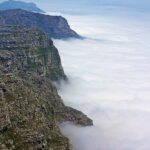
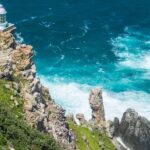
Then comes the star move: Cape Point Nature Reserve. This is where the coast turns dramatic, and you feel how the peninsula squeezes ocean views into every direction.
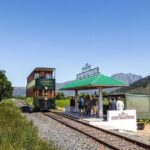
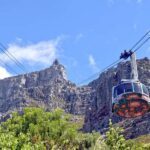
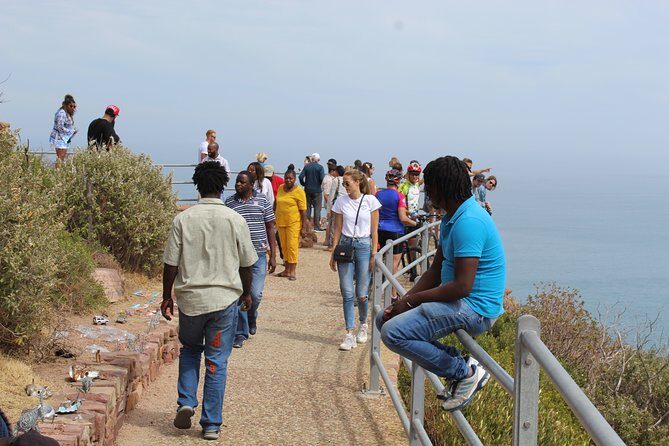
You’ll take the funicular up, which is exactly the kind of support that helps on a mobility-focused day. Once you’re up, you can use the lookouts to get close to the cliffs where you might spot red-winged birds, and in winter you may see whales gliding along the coast.
Cape Point also has built-in “story” points. You’ll see lighthouse references on the peninsula tip—one still operating—and you can view Bélows Rock, connected to the Lusitania shipwreck in 1911 and the later building of a second lighthouse. It’s the kind of detail your guide can tie together without making the day feel like a lecture.
One more nature cue I’d watch for here: the reserve is part of the Cape’s wind-and-sky system. Even when you don’t “do” anything athletic, you’ll still get the effect—fresh air, big horizon views, and a real sense of standing at the end of Africa’s familiar routes.
Cape of Good Hope: fynbos, birds, and the closest big-animal moments
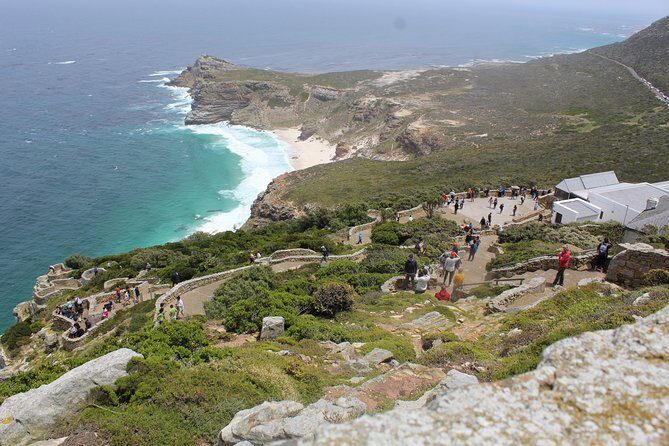
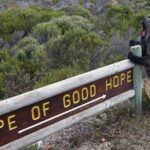
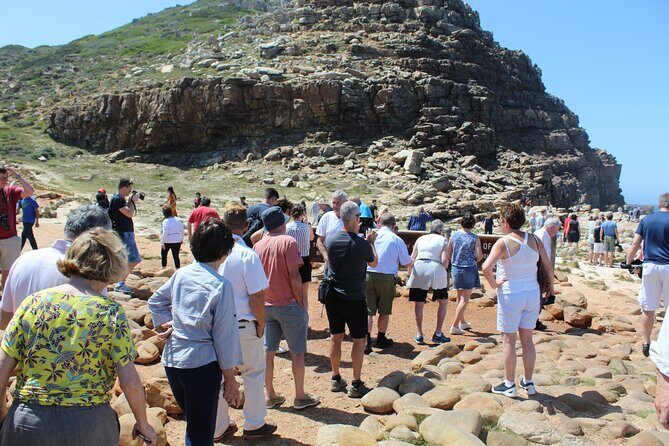
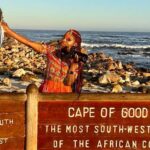
After Cape Point, you head to Cape of Good Hope, described as the most south-western tip of Africa. This is where the focus shifts from “wow views” to “this place is alive.”
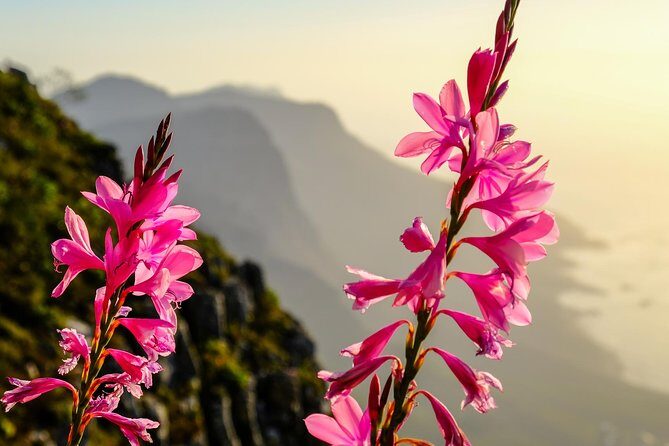
You’re guided through Cape Fynbos, and the area’s plant variety is a major part of the story. Protea is highlighted as South Africa’s national flower, and the fynbos ecosystem is known for being extremely diverse—hundreds of flowering plant species and thousands of fynbos species overall (the figures shared for this reserve are impressive).
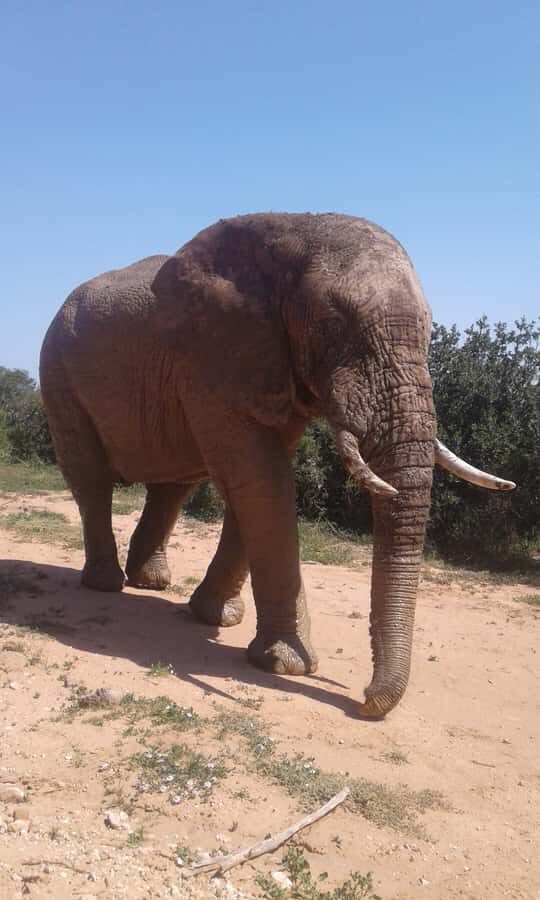
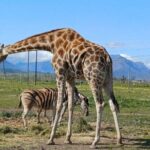
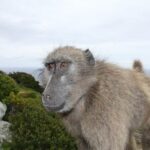
Then you add animals. Depending on the day’s movement, you may see eland and other wildlife types like zebra, bontebok, and chacma baboons. If you enjoy wildlife viewing, this is one of the most rewarding stops because it’s not only about one attraction—it’s about a whole ecosystem where animals and plants share the stage.
Birds also matter here. The reserve is described as having about 250 bird species, with around 70 breeding on-site. So even if you miss a bigger animal moment, you can still have a strong experience by watching fynbos edges, cliff areas, and movement in the shrubs.

Ostrich Farm stop: a calm break with hands-on feeding
Halfway through the wildlife-heavy portion, you visit Cape Point Ostrich Farm. This is a relief stop in a good way: it’s still nature-related, but it’s organized and easier to manage than “wandering a reserve.”
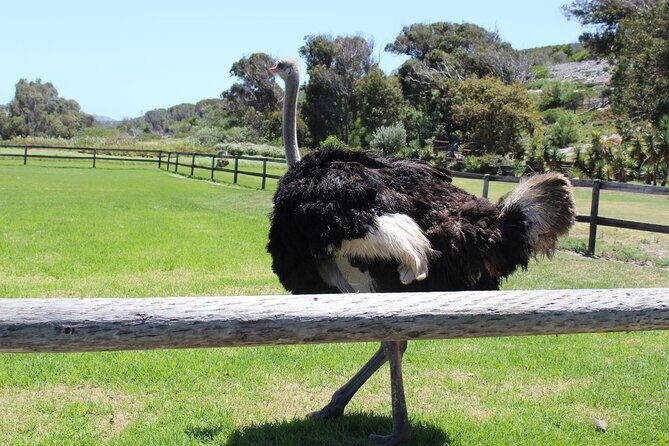
You’ll join a roughly 30-minute tour of the farm, learn about ostrich breeding, and also hear about other animals on-site like tortoises and snakes. The most fun practical moment is feeding—buy pellets, then get close to the large birds on the farm.
There’s also a shop with ostrich product items. The important part for you is not shopping—it’s that the stop gives you a break from open-air driving and long sightline waiting. If you’re working within mobility limits, this kind of controlled environment can make the day feel more doable.
Boulders Beach penguins: boardwalk access and big photo time
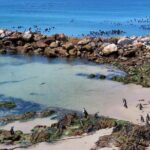
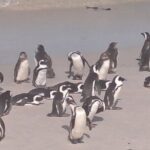
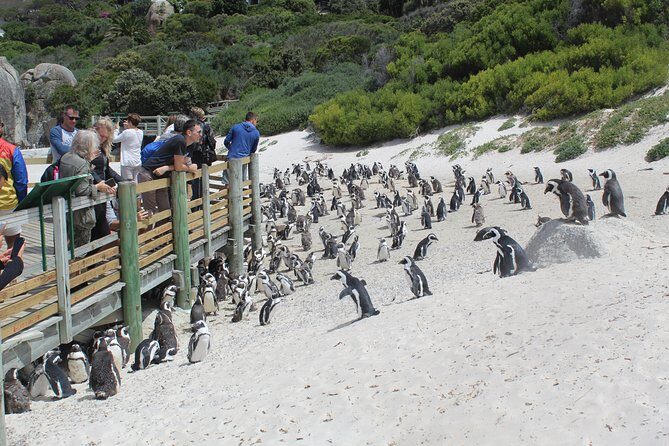
Next is Boulders Beach Penguin Colony in Simon’s Town, one of the best places to see African penguins up close. You walk a wooden boardwalk to Foxy Beach for a close view, and the day is timed for meaningful time at the colony rather than a quick peek.
The count you’ll hear for this spot is strong—often around 3,000+ penguins in the colony area. You can see their man-made housing structures and their guano areas, which gives you a clearer picture of how these flightless birds live day to day.
What I like about Boulders for a special needs or mobility-limited traveler is that the experience is organized around walking paths and viewpoints rather than steep, hard-to-navigate terrain. You can take selfies up close, and the scenery—penguins with sea and hills behind—keeps the photos from looking like generic zoo shots.
If you have time and energy, there’s mention of optional water activity, and penguins sharing the area with rock rabbits (dasy) is part of the shared “coastline wildlife” feeling here.
Simon’s Town and Kirstenbosch: old town charm meets plant obsession
You’ll also spend time in Simon’s Town, an older settlement known for colonial Dutch architecture and heritage status. The main road has antique shops, designer boutiques, bookstores, coffee shops, and curio stores. Even if you don’t shop, the area is worth slowing down in because the buildings and street rhythm make it feel different from central Cape Town.
Then you finish with Kirstenbosch National Botanical Garden, which is where the day turns gentler. It’s described as one of the smallest botanical gardens yet ranked among the top five for plant variety. The best practical part is the 30-minute golf cart tour, which lets you cover ground without exhausting walking—especially helpful after a day of coastal reserve stops.
You’ll see flower segments and are encouraged to look for the Mandela flower. There’s also time to check the canopy areas and grab coffee at Moyo, a popular spot inside the garden. If you want a low-key end to the day, a picnic or snack break here makes the whole experience feel complete rather than “just one more stop.”
Groote Schuur Hospital drive-by: a quick, meaningful history stop
One final cultural stop is included as a drive-by: Groote Schuur Hospital. It’s known for the first ever human heart transplant performed in December 1967, led by Dr Christian Barnard with a team of doctors.
The reason it fits into this tour is that it adds meaning beyond scenery. You’re reminded that Cape Town isn’t only about nature and coastline—it’s also a place where world-changing medicine happened. The tour notes that a portion of the hospital is now a museum and that the hospital remains functional, with some parts used by the University of Cape Town as a medical school.
Price and what you’re really getting for $341.10
Let’s talk value, because $341.10 per person is a real number. The price makes more sense when you look at what’s included for an eight-hour, single-day loop.
You get:
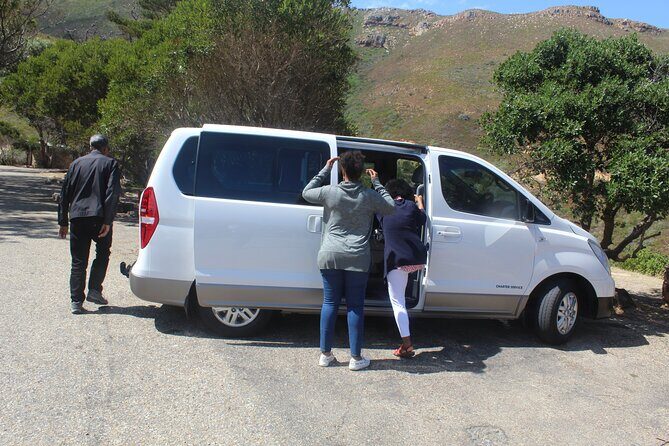
- Pickup from your hotel and drop-off after
- A registered and accredited guide (Ordain Hove is named in the experience details)
- Entry fees for the listed attractions
- A return boat trip to Seal Island
- Kirstenbosch Botanical Gardens tour by golf cart
- Bottled water
And you don’t get lunch, so you’ll want to budget time and money for food on your own.
So the value math is this: you’re paying for a guided itinerary with multiple paid entrances, one major boat segment, and transport that connects very distant areas efficiently. For someone who needs mobility support, the private format and guide attention usually matter more than saving a few dollars on a less structured tour.
Who this tour suits best (and the one thing to plan for)
This tour is built for people with mobility challenges and special needs, and it includes features that reduce strain—funicular access at Cape Point and a golf cart tour at Kirstenbosch are big ones. Reviews tied to the guide’s style also highlight minimizing unnecessary walking, which is exactly what you want when you’re trying to see Cape Town highlights in one day.
It’s also a fit if you like animals and ecosystems: baboons and other wildlife in reserves, penguins at Boulders, seals on Seal Island, plus the fynbos-and-birds focus at the Cape of Good Hope.
The main consideration is the day itself. Even with smart routing, you’re looking at a full 8 hours and it’s listed for moderate physical fitness. If you use a wheelchair or require very specific timing for rests, you should ask ahead how the day handles transfers and viewpoint access.
Should you book this special needs Cape Point and Good Hope day?
If you want the Cape’s big nature highlights without turning your trip into a marathon, I’d book it. The route hits the places that most people travel for—Cape Point, Cape of Good Hope, Boulders penguins, and Kirstenbosch—while also using access tools that make the day feel more workable.
I’d skip or adjust expectations if you hate long drives, quick stop-and-photo pacing, or if your mobility needs mean you can’t handle the general movement of a full day tour. In that case, ask lots of questions about what sections are easiest and where the walking is unavoidable.
In most cases, though, this is a strong choice for a one-day “best of Cape” experience—especially if comfortable, guided animal viewing and Cape scenery are your top priorities.
FAQ
How long is the tour, and when does it start?
It runs for about 8 hours and starts at 9:00am.
Is pickup and drop-off included?
Yes. Pickup from your hotel and drop-off after the tour are included.
Is lunch included?
No. Lunch is not included.
What’s included in the cost besides the guide?
Entry fees to all listed attractions are included, along with bottled water, the return boat trip to Seal Island, and the Kirstenbosch Botanical Gardens tour by golf cart.
Will I see animals on this tour?
Yes. The route includes wildlife viewing areas where you may see animals such as chacma baboons, zebra, and antelope types at the reserves, plus seals on Seal Island and African penguins at Boulders.
Is this a private tour?
Yes. It’s a private tour/activity, and only your group participates.
What if weather is poor?
The experience requires good weather. If it’s canceled due to poor weather, you’ll be offered a different date or a full refund.