REVIEW · MPUMALANGA
Kruger National Park: Morning Safari
Book on GetYourGuide →Operated by Kurt safari PTY LTD · Bookable on GetYourGuide
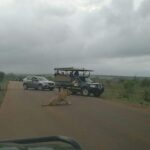
The morning in Kruger has a special feel. This private Kruger National Park safari runs for half a day, with a pro guide and a drive plan focused on wildlife sightings, including Big Five chances.
I especially like two things: the private vehicle setup (so you’re not squeezed into a crowd) and the way the guide actively works the routes to improve what you see and how you photograph it. On at least one recent run, guide Steven even used weather-protection tricks when wind and light rain came up.
One consideration: the advertised tour price does not include the park conservation fees. Those fees are different for South African citizens vs international visitors, and they must be paid by card for quick entry.
In This Review
- Key things that make this morning safari work
- Why a Kruger morning safari feels like the right time
- Entering the park: what the first part of the drive is really about
- The 200 km road plan: why it’s better than random driving
- Big Five chances and the rest of the animal checklist
- Weather and comfort: small details that prevent a miserable morning
- Breakfast options: how to handle meals without losing the morning
- Pickup, group size, and what “private” really means here
- Price and value: what $249 covers, and what you must budget for
- Who should book this morning safari (and who should skip it)
- What to bring for a smooth safari morning
- Should you book this Kruger morning safari?
- FAQ
- How long is the Kruger morning safari?
- Is this a private safari or shared group?
- What’s included in the price?
- Do I need to pay park fees?
- What about pickup?
- What documents should I bring?
- Who is this safari not suitable for?
Key things that make this morning safari work
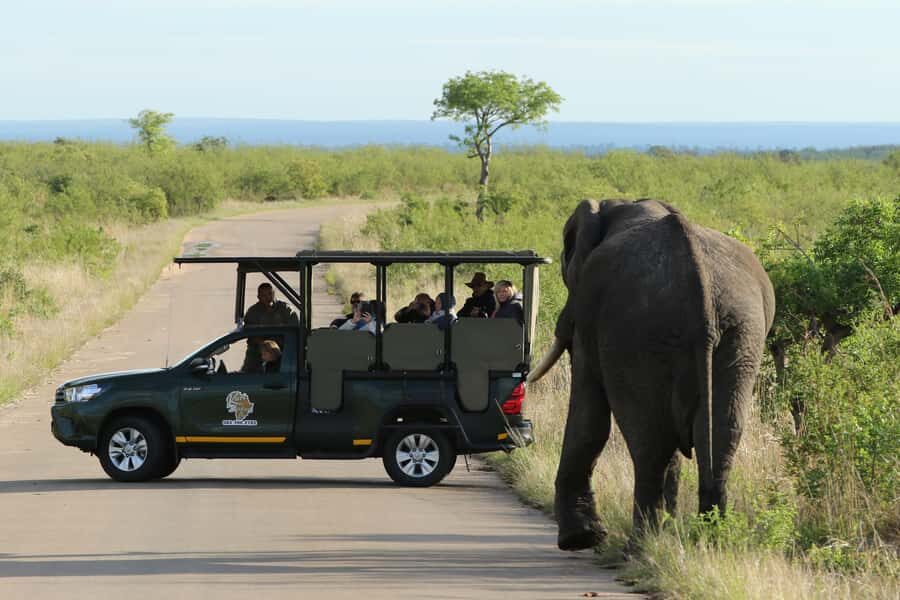
- Private vehicle for a more flexible safari rhythm (ideal when you want time at sightings)
- Road coverage across Kruger’s network with around 200 km of driving planned through the park
- Big Five focus, plus plenty of chances for other wildlife since Kruger holds 140+ mammal species
- Guide-led photo strategy, including smarter positioning and quick route adjustments (Steven was praised for this)
- Practical comfort touches like complimentary mineral water and weather-ready clothing guidance
- Breakfast is optional at rest camps, but meals are not included in the price
Why a Kruger morning safari feels like the right time
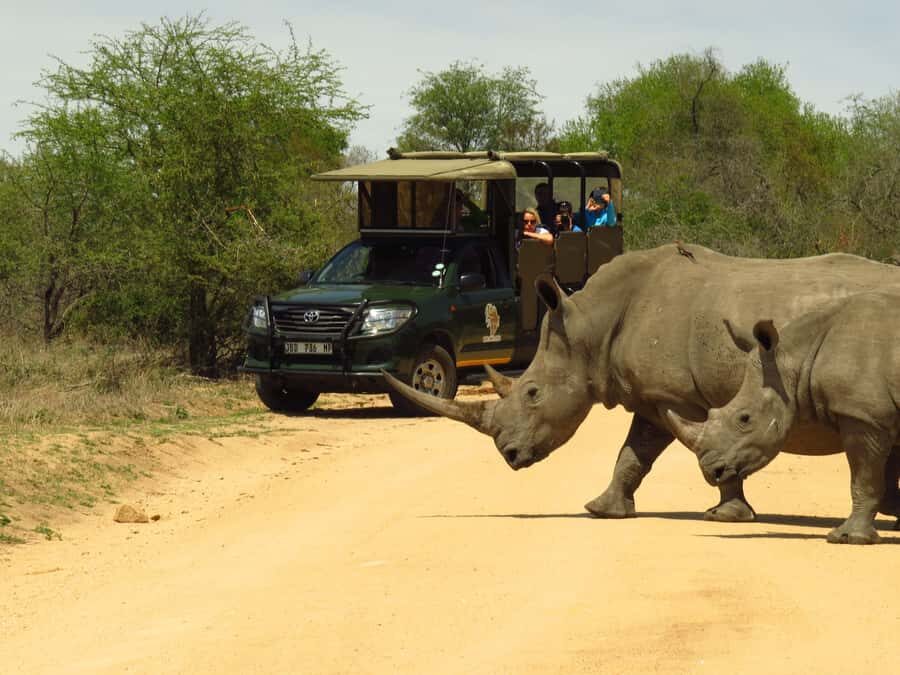
A 6-hour morning window in Kruger is a smart way to get “real safari time” without losing your whole day. The park is huge—about 2,000,000 hectares—so a guided half-day format matters. You’re not wandering; you’re driving the park’s 200 km road network with someone who can steer your day toward wildlife sightings that fit the season.
This tour also fits the way many people travel to South Africa: you want something memorable that’s logistically clean. Pickup is included from your accommodation or one of the park gates, so you spend less time coordinating and more time looking out for movement.
And because this is a private group safari, you can keep the pace comfortable. That matters in Kruger, where wildlife viewing often comes in bursts: a good sighting can make you want to slow down, while quiet stretches call for a confident route plan.
A few more Mpumalanga tours and experiences worth a look
Entering the park: what the first part of the drive is really about
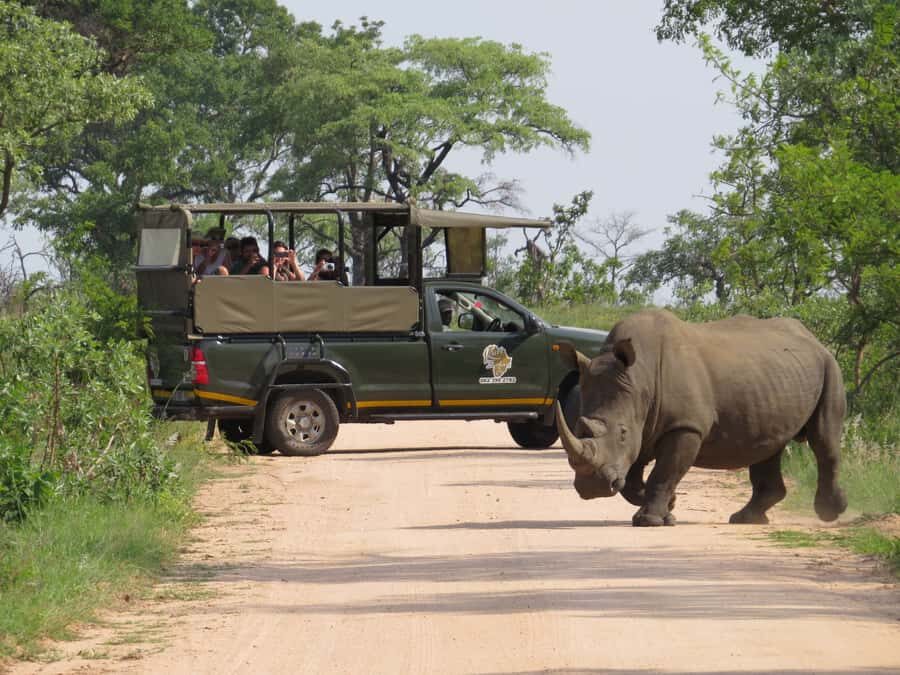
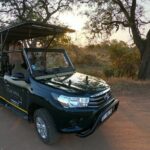
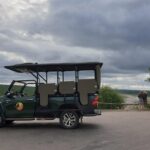
Your experience starts with pickup and a transfer into the park. From there, the core of your morning is straightforward: you’ll follow the roads that run through Kruger, guided by a professional driver-guide team using a safari vehicle designed for game viewing.
Here’s what I’d watch for early on: how the guide sets the tone. A strong guide doesn’t just drive; they read the situation and choose where to stop and for how long. You’re also benefiting from the tour’s promise that wildlife sightings are handled with quality in mind, no matter the season—the key idea being that you’re not relying on luck alone.
Also, you’ll have a small comfort advantage built in: complimentary mineral water. On safari, that simple detail helps you stay focused on what matters—eyes on the road ahead and spotting patterns—without worrying about basic hydration.
The 200 km road plan: why it’s better than random driving
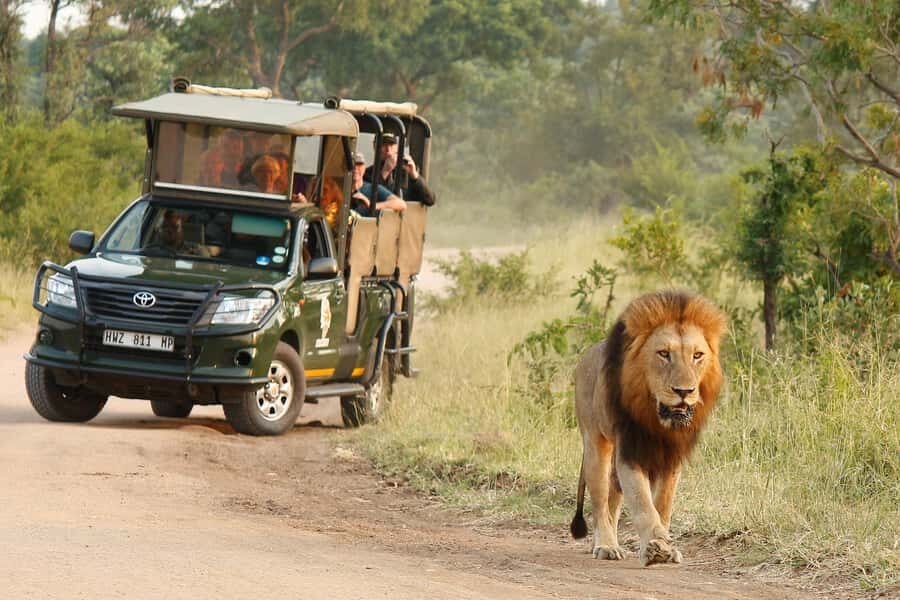
Kruger is built for road safaris, and this tour uses that reality. The route is based on the park’s road system (about 200 km), which gives your guide workable coverage rather than aimless looping.
That approach matters for two reasons.
First, you’re more likely to hit the kinds of areas where wildlife shows up, since the guide can repeatedly work the same network with different “legs” depending on what they spot. Second, you’ll spend your time where viewing is possible, not stuck in the wrong kind of terrain for vehicle viewing.
And yes, this safari is explicitly framed around Big Five viewing. Even if you don’t get every member of that group on one trip—which is normal in wildlife watching—the Big Five focus shapes the whole day. It encourages your guide to keep hunting for major sightings, not just any animal within reach.
Big Five chances and the rest of the animal checklist
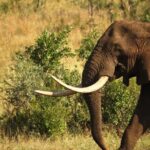
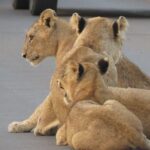
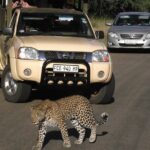
Kruger is famous for the Big Five, but this tour leans into the broader reality that the park holds 140+ mammal species. That’s useful for you because safari success isn’t only about one iconic animal. When one target doesn’t appear, your day can still become great through other mammals, changing tracks of behavior, and animals that show up close enough for good viewing.
The “morning glimpse” angle is part of the pitch, too. In practical terms, that means you’re starting earlier in the day, and your guide is working with the light and conditions they encounter. On one outing, Steven was praised for driving and parking strategically so the group could get strong animal photos. That’s the kind of operational detail that makes the difference between driving past and actually getting a useful sighting.
A note I like to keep honest: wildlife is unpredictable. This safari improves your odds by design, but it can’t force sightings. What you can control is your preparation and your mindset—show up ready to stop often, look often, and stay flexible with the route.
Weather and comfort: small details that prevent a miserable morning
Kruger mornings can change fast, and this tour takes that seriously. You’ll be outdoors on safari, so “dress for the weather” isn’t a suggestion—it’s the difference between enjoying the drive and spending the whole time thinking about goosebumps.
The guidance is specific:
- Winter: bring warm clothing
- Summer: cool clothing plus a hat and a rain jacket
One reason this matters: when wind and light rain hit, Steven was able to provide protective clothing so the group stayed warm and comfortable enough to keep viewing and photographing. The takeaway for you is practical: if you show up with layers and a rain shell, you’re set up for a smoother safari, even if the weather shifts.
Also, alcohol and drugs are not allowed. That keeps the safari atmosphere focused and makes sense for an early drive where everyone’s eyes need to be on the road and sightings.
A few more Mpumalanga tours and experiences worth a look
Breakfast options: how to handle meals without losing the morning
Meals are not included, but the tour includes a smart option: breakfast stops at Kruger rest camps where you can choose from different dishes.
This is valuable because it gives you flexibility without forcing you to pay for a full meal plan as part of the tour price. If you’re traveling with kids or you want fuel before more game driving, you can plan around a rest camp stop. If you’d rather keep the viewing window tight, you can simply skip the sit-down meal and focus on wildlife.
One caution: since breakfast costs aren’t included, you’ll want to budget for it separately. But because breakfast is optional and located where you can take a break, it feels more like a convenience than a forced expense.
Pickup, group size, and what “private” really means here
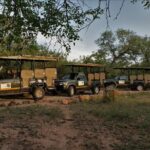
This safari is set up as a private group with a group size capacity up to 10 people per group, which keeps the experience manageable and personal. You’re not booking a crowded shared bus where you spend the whole time craning your neck.
Pickup is included, and you’ll coordinate the exact time and venue by contacting the provider a day before. There’s also an included English live tour guide, so you’re not stuck with translation apps or vague narration.
The provider behind this experience is Kurt safari PTY LTD. The overall vibe from the operation details is: clear communication, a guide who manages timing, and a focus on keeping you comfortable enough to see and photograph.
Price and value: what $249 covers, and what you must budget for
The base price is $249 per group up to 10 and the tour duration is 6 hours. For that price, you get:
- Professional guide
- Safari vehicle
- Mineral water
Now, the part that surprises some people: park conservation fees are not included. These fees depend on who you are:
- South African citizens with ID: R134 per adult, R67 per child (2–11)
- International visitors: R602 per adult, R300 per child (2–11)
And you’ll pay those by card to ensure speedy entry.
So is it good value? For many groups, yes, because the biggest cost drivers in safari days are usually vehicle and guiding time. Here, you’re effectively buying a private safari setup for a fixed group price, then adding conservation fees based on your status. The conservation fees can be a large share of the total cost for international visitors, so you should calculate your full budget before you book.
A practical way to think about value:
- If you want private vehicle time and guide-led wildlife searching, the $249 group price helps.
- If you were planning to do a shared safari anyway, this can feel cost-competitive—especially for families or small friend groups who can fill the vehicle.
- If you’re traveling solo, the per-person math depends on how the group capacity is handled, so check how your group size affects the effective cost.
Who should book this morning safari (and who should skip it)
This experience is described as a great match for families, couples, and photographers. The private setup and guide-led drive approach are exactly what photographers usually want: time to position, opportunities to stop, and guidance that keeps the hunt moving.
It’s also a solid fit if you prefer a half-day plan. A full-day safari is wonderful, but a 6-hour morning tour is often easier to fit into an itinerary—especially if you’re balancing other South African stops.
That said, it isn’t suitable for everyone:
- Children under 3 years
- Pregnant women
If either of those applies, you should look for an alternative Kruger experience designed for your situation.
What to bring for a smooth safari morning
Keep your packing simple and safari-ready:
- Passport or ID card (a copy is accepted)
- Clothing for the season:
- warm layers in winter
- hat and rain jacket in summer
- Something to stay comfortable during viewing stops (your layers do the heavy lifting)
And remember: alcohol and drugs are not allowed on this safari.
Should you book this Kruger morning safari?
I’d book it if you want a private, pro-guided Kruger experience that focuses on real wildlife time, not just scenic cruising. The strengths are clear: you’re getting a safari vehicle, a guide who actively manages sightings (and who has used smart weather and photo-positioning tactics), plus the convenience of pickup.
I’d think twice if you dislike paying extra once you arrive. The conservation fees are the wild card, and for international visitors they can noticeably change your total cost. If you’re comfortable budgeting those fees, the overall structure is strong.
Best-case fit: a family group, a couple, or a small circle of friends who can make use of a private vehicle and want a guided route that’s built around Big Five viewing chances.
FAQ
How long is the Kruger morning safari?
The tour runs for 6 hours.
Is this a private safari or shared group?
It’s a private group safari. The price is per group up to 10 people.
What’s included in the price?
The tour includes a professional guide, a safari vehicle, and mineral water. Meals are not included.
Do I need to pay park fees?
Yes. Conservation fees are not included in the tour price. The amounts differ for South African citizens with ID vs international visitors, and they must be paid by card.
What about pickup?
Pickup is included, either from your accommodation or from one of the park gates. You should contact the provider a day before to confirm the pickup time and venue.
What documents should I bring?
Bring your passport or ID card. A copy is accepted.
Who is this safari not suitable for?
It’s not suitable for children under 3 years and for pregnant women. Alcohol and drugs are also not allowed.