REVIEW · MPUMALANGA
Marloth Park: Kruger National Park Safari Game Drives
Book on GetYourGuide →Operated by Inn Africa Camp & Tours- Game drives · Bookable on GetYourGuide
5 a.m. and Kruger starts talking. This Marloth Park to Kruger National Park safari is built around early-day animal activity, with guided game drives that keep you focused on what you’re seeing from the first minutes. You’ll ride in an open safari vehicle, enjoy sunrise light, and work toward Big Five sightings with a guide calling out the details.
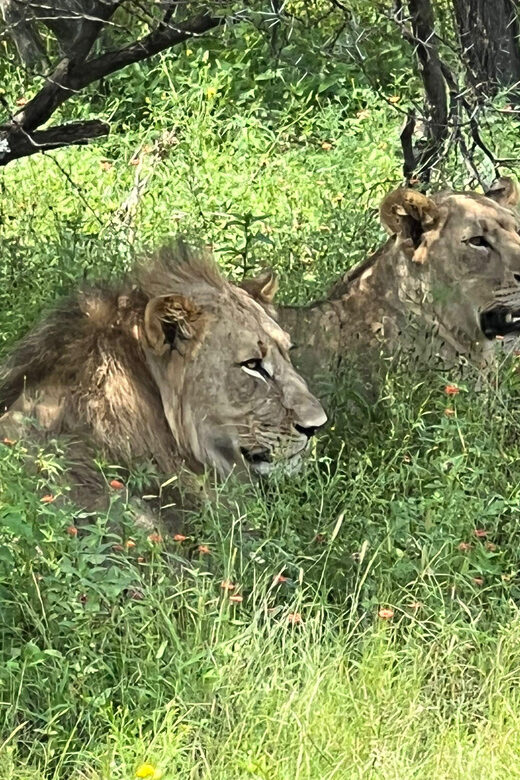
I especially love the fast action: impalas, wildebeest, and zebras can appear almost immediately once the drive gets going. I also love the way the morning concentrates on the cats and the big-hitters—early elephants and lions can even be sleeping along the road, and the drive keeps moving toward other water-and-predator areas where hippos and crocodiles show up.
One trade-off to plan for: the park entrance fee (440 ZAR, cash on arrival) and food aren’t included, so you’ll want to budget for both before you roll out.
In This Review
- Key things you’ll notice on this Kruger game drive
- Why Marloth Park sets you up for a great Kruger morning
- 5:00 sunrise start: what you might see in the first minutes
- The open safari vehicle: high seats, real visibility, and a cooler ride
- A guide who talks through every sighting (and why that matters)
- Crocodile Bridge gate and the cheetah factor
- Hippos and crocodiles: where the park turns serious
- Savanna woodlands and elephant impact: seeing the whole system
- Breakfast timing and how half-day vs full-day changes your odds
- Logistics you’ll feel on the day: timing, vehicle branding, and rules
- What you should pack for Kruger game drives (so you’re not stuck improvising)
- Price and value: $61 plus park entrance and food
- Who should book this Kruger game drive, and who should skip it
- Should you book this Marloth Park to Kruger Safari Game Drive?
- FAQ
- What time does the safari start in the morning?
- How long is the Marloth Park to Kruger game drive?
- Is the Kruger park entrance fee included in the price?
- Is food included on this safari?
- What should I bring for the game drive?
- Is alcohol allowed on the safari?
Key things you’ll notice on this Kruger game drive
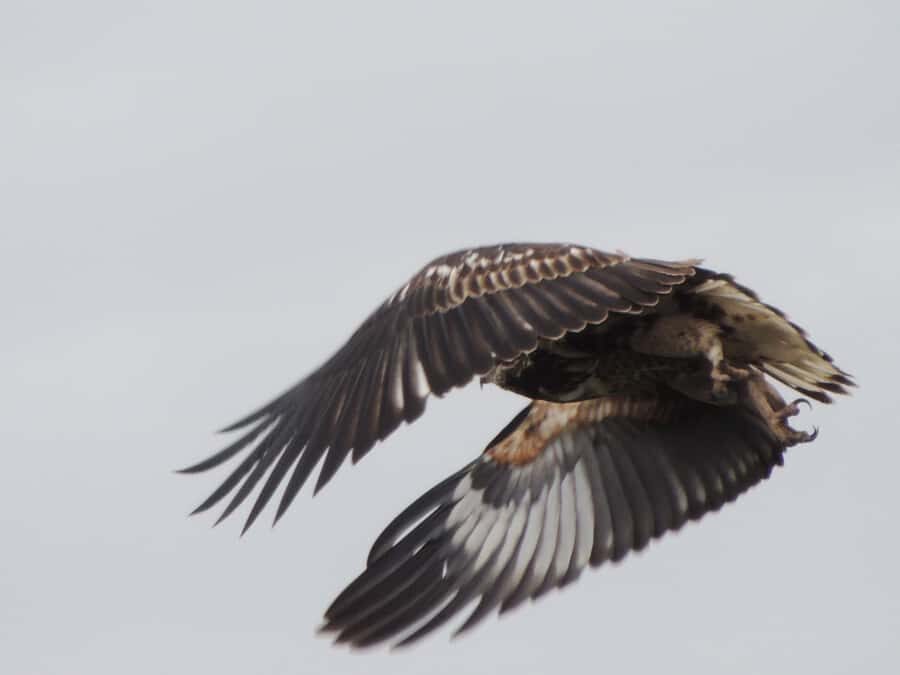
- First-minute sightings: You may spot impalas, wildebeest, and zebras right at the start.
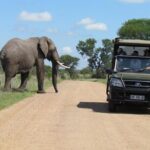
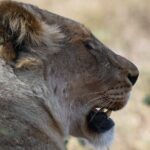
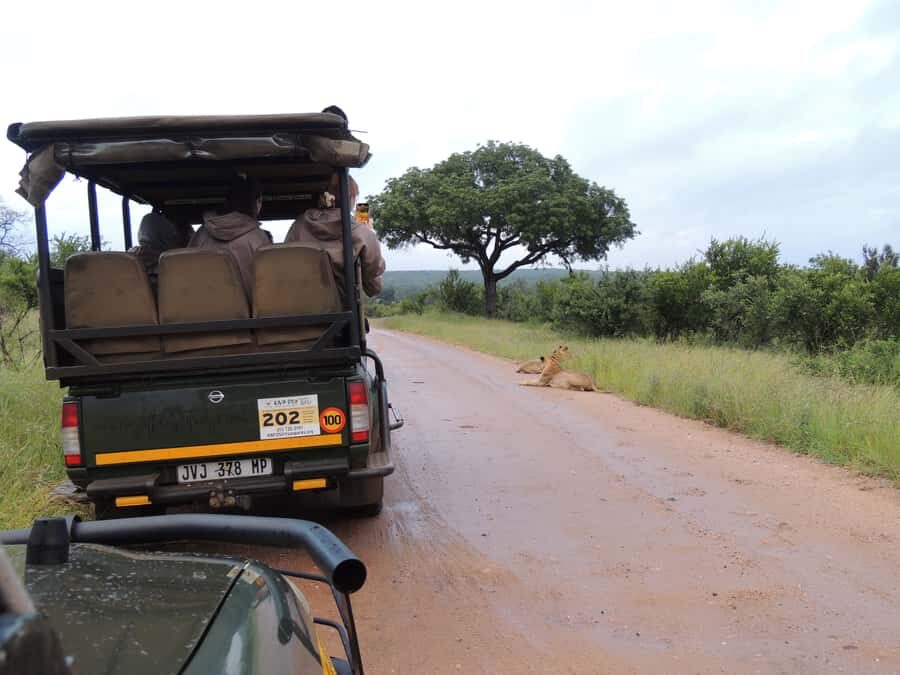
- Early-morning cat time: The timing favors cats, plus elephants and lions can be found resting along the road.
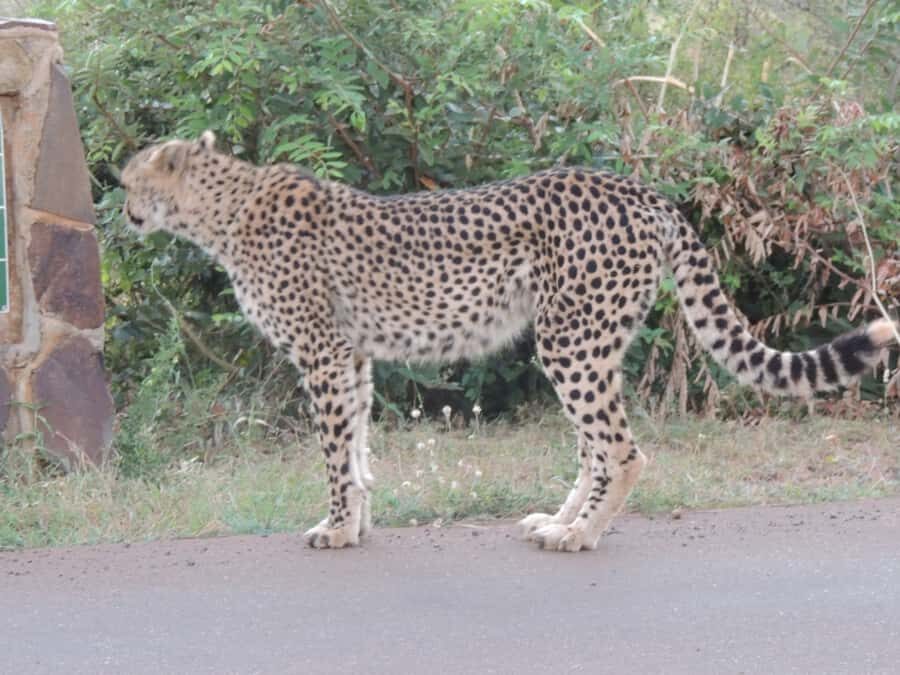
- Crocodile Bridge gate advantage: Cheetahs are noted as likely when entering Kruger through Crocodile Bridge gate.
- Water’s big draw: Hippos and crocodiles are part of the expected wildlife mix.
- Open-vehicle comfort: The vehicle is high and comfortable for visibility, and water is provided.
- Guides who read the bush: Well-regarded guides like Jerry, Lucky, Gloria, Advocate, Max, and Sibo are praised for animal-and-plant spotting and explanation.
Why Marloth Park sets you up for a great Kruger morning
Marloth Park is an easy springboard for Kruger, because you’re starting close enough that the day’s timing can actually matter. This safari leans into that: the morning departures start at 5:00, and the whole point is to be in position while the park is fresh and the animals are active.
I like that the drive isn’t sold as a “drive until something happens” day. It’s structured: you’ll ride in an open safari vehicle, you’ll have an English-speaking guide who interprets what you see, and the route is designed around likely sightings. Even if your day ends up being slower due to weather or animal moods, you’ll still come away with a better sense of how Kruger works day-to-day.
And you get that convenience factor: lodge pickup and drop-off are included, and you return to the same lodge at the end of the safari.
A few more Mpumalanga tours and experiences worth a look
5:00 sunrise start: what you might see in the first minutes
The early start is the heartbeat of this experience. When you enter Kruger in the morning, you’re not just chasing the famous animals—you’re catching the park in its most readable moments: movement patterns, feeding routes, and animals using cover before the heat pushes them into stillness.
The game drive is described as often producing sightings quickly. In some cases, impalas, wildebeest, and zebras can show up within the first minute of the drive. That’s a huge confidence boost early on, because it tells you the ecosystem is active and you’re not just waiting around.
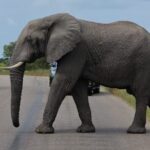
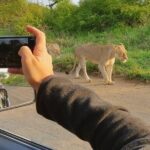
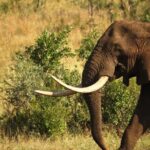
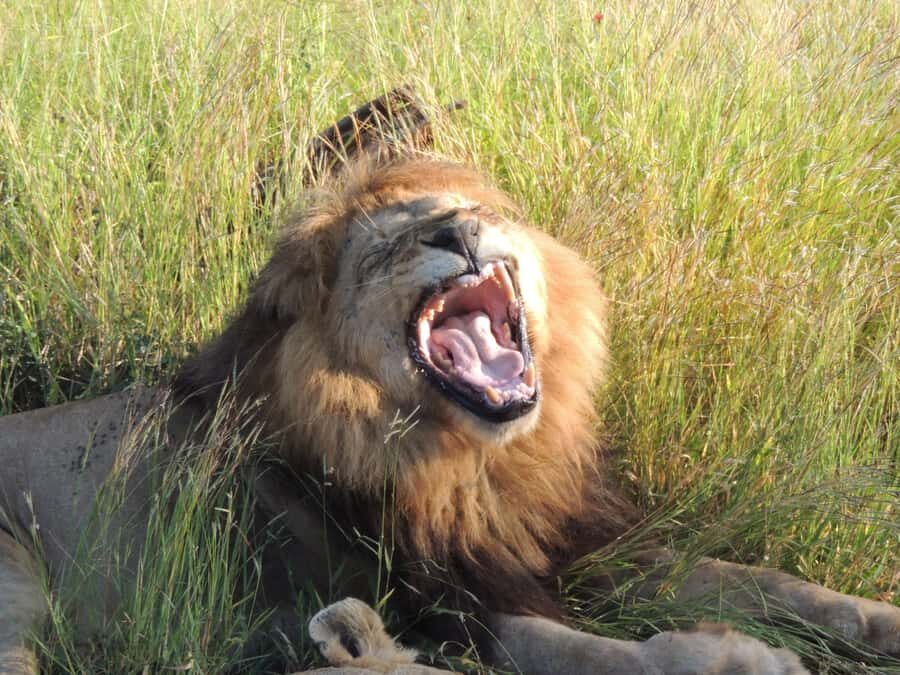
From there, the morning is also the time when you might see elephants and lions resting along the road. One reason this works is simple: animals don’t always flee immediately in the early hours. You may get a calmer view, which makes spotting and identification easier.
The open safari vehicle: high seats, real visibility, and a cooler ride
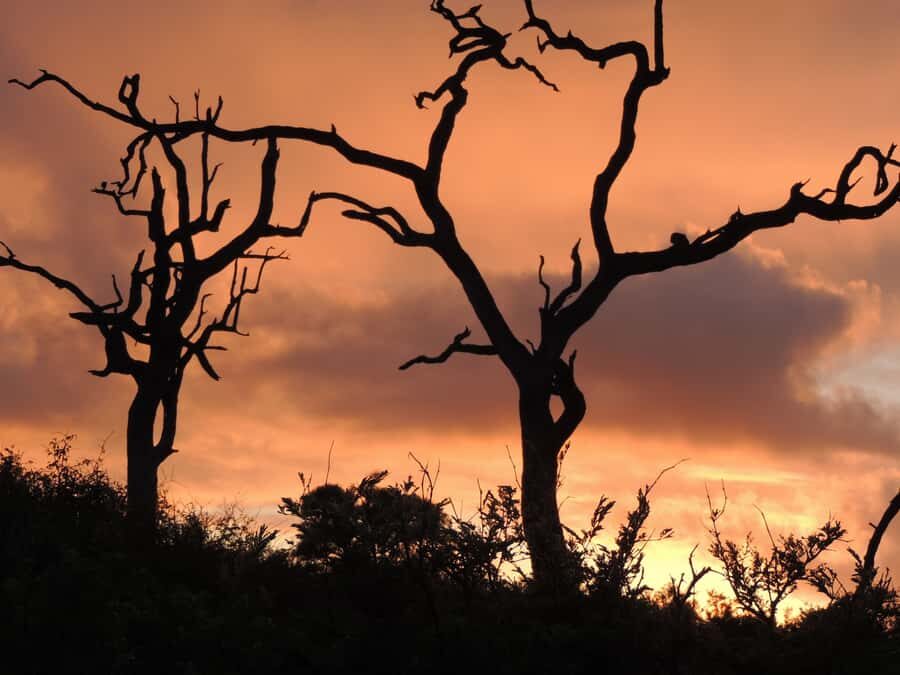
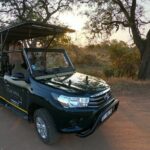
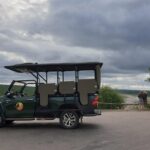
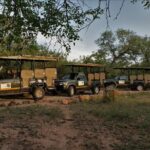
You’ll be transported in an open safari vehicle. It’s described as high and comfortable, which matters more than people think. From a lower seat, you lose animals behind grass and other vehicles. Higher seating improves your sightline, especially when animals pause on road edges or in open clearings.
You’re also provided with water, which is practical on a safari day. Kruger mornings can shift from cool to warm fast, and staying hydrated is one of those boring tips that becomes very non-boring once you’re out there.
Bring your own basics too. You’ll want sunglasses and a hat, and you should plan for early-morning temperature swings with a jacket. Binoculars help a lot if you’re trying to spot smaller details like birds or tracks, or if you’re trying to get a better look at animals when the guide says you’re close but not close enough for a perfect photo.
A guide who talks through every sighting (and why that matters)
This is not a silent “watch and hope” tour. A live tour guide interprets what’s happening throughout the drive in English, and the best part is that they’re not only naming animals—they’re connecting them to the environment.
That connection shows up in the kinds of things you might notice during the morning. The drive may include explanations around the savannah woodland areas and even how those woodlands can be impacted by elephants. If you’ve only ever thought of elephants as big and impressive, this kind of talk helps you understand their real role in shaping the habitat.
The guide style seems to vary by person, but there’s a consistent theme in the feedback: guides such as Jerry, Lucky, Advocate, Max, and Sibo get praised for making the drive feel organized without being scripted. People also mention guides keeping the group in good viewing spots, which is a practical skill. Spotting is only half the job; positioning is the other half.
Crocodile Bridge gate and the cheetah factor
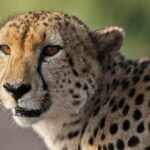
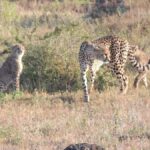
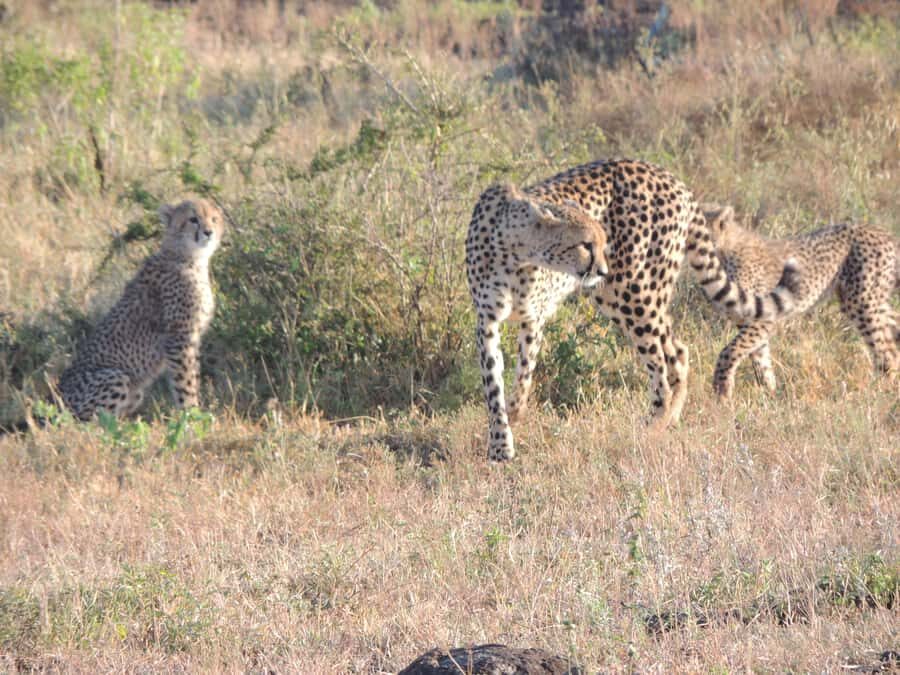
One of the most useful details in the tour description is the mention of Crocodile Bridge gate. Cheetahs are described as likely to be spotted when entering Kruger through this gate.
That matters because cheetah sightings are often about being in the right area at the right time. If you’re doing a Kruger day from Marloth Park, you don’t control every wildlife movement, but you can control whether your safari hits the areas where cheetahs tend to show up.
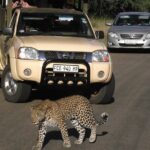
Even if you don’t see a cheetah that day, the drive’s focus on big cats early on means you’re at least working the right problem first: visibility and timing. And because the guide is calling out what you’re seeing—cats, elephants, lions, water animals—you’ll likely feel like you learned something even when a particular big cat doesn’t appear.
Hippos and crocodiles: where the park turns serious
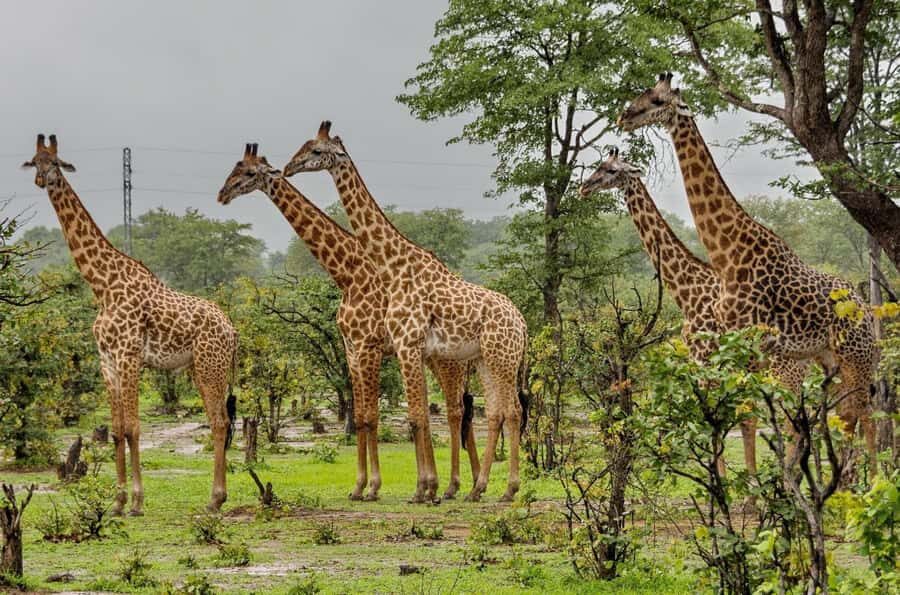
Kruger has animals that feel like they own the day—and water-heavy spots often deliver. Your drive includes the likelihood of seeing hippopotamus and crocodiles, which fits the idea that this tour aims beyond the classic “look left, look right” wildlife route.
Why water matters: hippos and crocodiles tend to be tied to specific areas, and once you’re near the right stretch of river, the park becomes easier to read. You’re not just hunting random sightings; you’re watching for concentration zones where animals share the same resources.
This is also where you get a different kind of safari moment. Lions and elephants can be dramatic, sure. But seeing hippos or crocodiles changes the feeling entirely because it’s tied to survival behavior—resting, waiting, and moving at times that aren’t always obvious from a distance.
Savanna woodlands and elephant impact: seeing the whole system
One subtle but powerful promise here is that you’ll see savannah woodland areas that have been destroyed by elephants. That sounds harsh, but it’s also educational.
For you, it means the drive can help you interpret why the park looks the way it does in certain patches. Elephant activity can open up areas, change understory growth, and influence where other animals move and feed. When your guide explains that connection in plain terms, the sights stop feeling random.
And honestly, it can make you slow down. Instead of rushing from one animal sighting to the next, you start noticing the environment as part of the story. That’s the difference between a good safari and a memorable safari: both can produce animals, but only one helps you understand what those animals are doing and why the terrain looks the way it does.
Breakfast timing and how half-day vs full-day changes your odds
Your drive includes time for food, but the schedule depends on whether you choose a half-day or full-day format.
You’ll spend about 3 hours in the morning before there’s time for breakfast. If you’re on a half-day drive, the safari continues after that and runs until around 12:00. On a full-day option, lunch is listed for 12:30, with about 1 hour for lunch, and then the tour ends at 16:00.
From a practical point of view: more time in Kruger generally means more chances to hit different zones and different wildlife rhythms. It also gives your guide room to work the sightings they’re already seeing. The half-day option can still be excellent if you like a focused morning push, but if you want more patience for animal movement patterns, the full-day structure is the better fit.
Either way, you should plan that food isn’t included in the price. You’ll need to sort meals for the day. Water is included, which helps.
Logistics you’ll feel on the day: timing, vehicle branding, and rules
Tours start in the morning at 5:00 and also offer an afternoon start at 14:30. The tour length is listed as 6 hours, and you’ll be dropped back to your lodge at the end. Pickup is included, and you should wait in the hotel lobby about 10 minutes before your scheduled pickup time.
You’ll be looking for a branded vehicle or a sign with the company logo. That’s a small detail, but it matters when you’re half-awake at dawn and trying not to miss the car.
Two “rules of the road” items are explicitly listed: no alcohol and no drugs. It’s also good to know for personal comfort that you’ll likely want layers. A jacket is recommended, and the early timing can mean fast temperature swings.
What you should pack for Kruger game drives (so you’re not stuck improvising)
Here’s what you’ll want to have ready based on the tour guidance:
- Passport or ID card
- Sunglasses
- Hat
- Jacket
- Binoculars
Binoculars are a big one for me. Not because you’ll be staring at faraway animals all day, but because Kruger is full of birds and smaller sightings that become more rewarding when you can actually pick them out. Even when the big animals are the main event, binoculars help you notice everything else the guide is pointing out.
If you’re sensitive to cold, plan for it at the 5:00 start. Early morning can catch people off guard. Even though the tour includes water, it doesn’t list warm blankets as guaranteed—so your best move is to dress for cool air and be ready to layer.
Price and value: $61 plus park entrance and food
The price is listed as $61 per person for a 6-hour experience, with lodge pickup and drop-off included and water provided.
What’s not included is important for value calculations:
- Food
- Park entrance fee: 440 ZAR, payable in cash on arrival
So the real cost isn’t just the ticket. You’re also budgeting for park access and meals. That said, the $61 still looks reasonable for a guided game drive where someone is doing the heavy lifting: finding animals, managing viewing time, and explaining the environment and animal behavior in English.
If you’re comparing options, think about what you’re buying. You’re not only buying the animals you might see; you’re buying the odds-improving work of a guide and the convenience of transport from Marloth Park. For many people, that convenience is the deciding factor, especially if you’re not planning to self-drive your way through Kruger.
Who should book this Kruger game drive, and who should skip it
This tour is a good fit if:
- You want a guided safari rather than self-driving
- You like early-morning viewing for cats and big animals
- You’re comfortable with long time in an open vehicle and the possibility of being chilly at first light
It may not be the best fit if:
- You’re looking for a relaxed “no rules” party vibe, since alcohol is not allowed
- You need food included in the price, because meals are not part of what’s listed
There’s also a clear note that it’s not suitable for people over 95 years. If that’s you or someone in your group, it’s worth asking for alternatives.
Wheelchair accessibility is listed as available, and that’s a meaningful detail when you’re choosing between safaris.
Should you book this Marloth Park to Kruger Safari Game Drive?
Yes, I’d book it if you want an early-start Kruger experience with guided explanations and real structure. The combination of 5:00 sunrise timing, open-vehicle comfort, and a guide who helps you interpret animals and habitat is exactly what turns a drive into a story you’ll remember.
Book the full-day option if you can, because ending at 16:00 gives more time for different zones and different animal rhythms. Choose the half-day if you prefer a focused morning push and you’re okay with the fact that Kruger sightings depend on timing, weather, and animal behavior that day.
Just plan your budget with the entrance fee and meals, pack your binoculars and jacket, and show up ready for early light and big-animal drama in the best way possible.
FAQ
What time does the safari start in the morning?
The tour starts in the morning at 5:00 and also has an afternoon start listed at 14:30.
How long is the Marloth Park to Kruger game drive?
The activity is listed as valid for 6 hours.
Is the Kruger park entrance fee included in the price?
No. Park entrance is 440 ZAR and is payable in cash upon arrival.
Is food included on this safari?
No. Food is not included.
What should I bring for the game drive?
Bring your passport or ID card, sunglasses, a hat, a jacket, and binoculars.
Is alcohol allowed on the safari?
No. Alcohol and drugs are not allowed.