REVIEW · CAPE TOWN
Great White Shark Diving experience.
Book on Viator →Operated by Africa Afrika Travel · Bookable on Viator
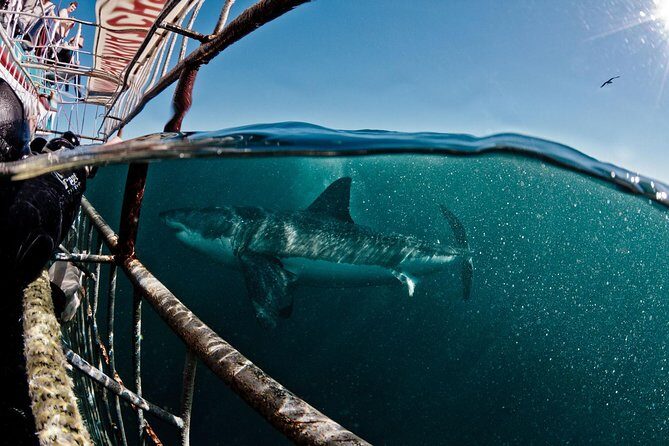
A Great White morning starts fast. This Cape Town experience takes you into the ocean in a protective cage for a face-to-face encounter, with False Bay as the key setting and two Western Cape spots to improve your odds. I like that it’s run as a private group outing, so you can ask questions and get clear guidance before you’re anywhere near the water.
My favorite part is the smooth day plan: breakfast is included before you go out, and your hotel pickup and drop-off mean you’re not wrestling with local transport at 5am. The main thing to consider is the ocean time—plan for choppy conditions and take sea-sickness seriously, because you’ll be out there for hours.
In This Review
- Key Highlights You’ll Feel Immediately
- False Bay, Two Encounter Sites, and the Odds You’re Actually Chasing
- The 5am Start: Cape Town Pickup, Private Transport, and a Real Plan for Your Time
- Breakfast, Suit-Up Time, and Instructor Q&A Before You Go In
- Inside the Ocean Session: What the Two-Spot Check Feels Like
- Photos, Waterproof Gear, and the Realistic Picture Plan
- Price and Value: What You Get for $427.11
- Sea Conditions, Sea-Sickness, and How to Prepare for the Hours Out There
- Weather Rules: Why Your Day Can Shift, and What Happens Then
- Who This Works Best For (and Who Might Reconsider)
- Should You Book This Great White Shark Cage Encounter?
- FAQ
- What time does the experience start?
- How long does the experience take?
- Where does the shark cage experience take place?
- What’s included in the price?
- What if I don’t bring a waterproof camera?
- Do I need passport details when booking?
Key Highlights You’ll Feel Immediately
- Private group setup means your instructor can focus on your questions, not crowd control
- Hotel pickup and drop-off keeps the early morning from turning into an adventure of its own
- Breakfast plus snacks helps you get through the waiting and preparation without feeling wiped out
- Two different shark-encounter sites in the Western Cape are used to maximize sightings
- Photo support if you don’t bring a waterproof camera (extra-cost option, but handled for you)
- Professional, early-morning service gets repeated praise, including from a guide named Andrew
False Bay, Two Encounter Sites, and the Odds You’re Actually Chasing
This isn’t just about one location—it’s about maximizing contact time with the conditions that can bring Great Whites close. The trip is set around False Bay and then adds two different shark encounter sites across the Western Cape, which helps break the day into “check one area, then move” rather than hoping everything clicks in one spot.
Here’s the key mindset: you’re not booking a guaranteed sighting show. You’re booking a structured, well-timed ocean session built around where sightings are more likely. When people have a great day, it’s usually because the ocean and animal activity cooperate with the route and timing.
You’ll also learn the practical side from your instructor—what to watch for, how the team reads the water, and why the site choices matter. That context is useful even if your experience is short on the day you go, because you’ll understand what happened and what could change on another run.
You can also read our reviews of more scuba diving tours in Cape Town
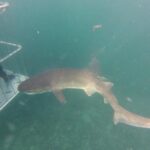
The 5am Start: Cape Town Pickup, Private Transport, and a Real Plan for Your Time
The schedule starts brutally early. The meeting time is listed as 5:00 am, and pickup is described as happening around 6am—so in practice, you should treat this as a pre-dawn day and confirm your exact pickup window in your booking details.
Once you’re collected, you’ll drive for about 2 hours to reach the ocean operation area. The trip includes transport by private vehicle and you’ll have a driver/guide with you, which matters more than you’d think. Early mornings are stressful enough; you want someone handling timing, directions, and coordination.
Duration is listed at about 5 hours total, while the time out at sea is described as around plus or minus 3 hours. That doesn’t mean you’ll be on the water for the whole time—there’s preparation, movement between areas, and the return—but it does tell you the “meat” of the day is the ocean session.
Also, this is rated as a private tour/activity for your group only. That usually feels calmer than shared tours where you’re squeezed into a group flow and can’t ask follow-ups.
Breakfast, Suit-Up Time, and Instructor Q&A Before You Go In
Before the ocean session begins, you’ll be fed. Breakfast is provided after you arrive, and that’s a smart inclusion for a morning that starts long before your body wants to function. There are also snacks and bottled water, so you’re not counting on finding food somewhere later.
You’ll be given well-looked-after ocean gear/costumes for the cage experience. That reduces what you need to bring and helps keep the setup consistent across participants.
This part is more important than it sounds. Most people don’t have a problem with the cage itself—they have a problem with the unknown. You’ll get time to prepare, and the tour format is designed so you can ask questions before you start your ocean time. You’ll also get guidance and top tips on where the best shark encounter conditions tend to occur in the Western Cape.
One small practical tip: if you’re prone to cold or motion sickness, think about what you’ll feel while waiting, not just while you’re in the cage.
Inside the Ocean Session: What the Two-Spot Check Feels Like
Your ocean time is planned to last about 3 hours, give or take. During that window, the operation visits two different shark encounter sites. In real terms, that means you’ll likely spend some of your time observing the water, waiting for conditions, and then moving to a new spot if the day isn’t cooperating.
Expect the atmosphere to be intense—but organized. The whole point of cage experiences is controlled access: you’re protected, supervised, and equipped so the team can focus on safety and on reading conditions.
What you’ll be doing most of the time is simply being ready. The cage experience hinges on timing and patience. When the Great Whites do appear, you’ll notice how fast attention switches from “preparation” to “presence.”
If you don’t bring your own waterproof camera, photos can be taken for you and sent later for an affordable price. That’s a meaningful perk because the photo moment is often what people care about most afterward. You don’t want to worry about losing a phone or fighting with camera settings while your nerves are already doing somersaults.
Photos, Waterproof Gear, and the Realistic Picture Plan
The tour includes an option for photos if you don’t have a waterproof camera. That matters because a lot of people arrive with a normal camera and hope for the best, then realize too late they can’t safely get the shot.
Here’s how to think about it: the cage experience is the main event, so don’t let camera stress steal your focus. If you want to capture the moment, go waterproof—or lean on the tour’s photo service.
Also, note what’s not included: a DVD is available to purchase, but it’s not part of the base price. Same for alcoholic drinks—you can buy them, but they’re not included.
If you’re the type who hates spending extra at the end, bring your own waterproof camera. If you prefer a low-effort approach, plan on using the photo option so you can concentrate on the encounter itself.

Price and Value: What You Get for $427.11
At $427.11 per person, this isn’t a budget activity. But for what’s included, it’s not just “a trip out to sea.” You’re paying for structured logistics and safety-focused operation: hotel pickup and drop-off, a driver/guide, private vehicle transport, breakfast, snacks, bottled water, and the cage setup with provided gear.
That’s the value calculation. Many shark-related tours either charge separately for transport or skimp on food, then hit you with add-ons later. Here, the day plan is built into the price, which makes it easier to budget and easier to stay comfortable for the long early start.
What adds to the cost: photos if you want them, and anything like alcohol or a DVD (both available to purchase). But those are clearly optional extras, not surprise requirements.
One more practical note: this kind of day gets booked early. The experience is listed as typically booked about 119 days in advance, which is a good sign the schedule fills up. If you’re going in peak season, book sooner rather than later so you can get a weather-friendly window that still fits your itinerary.
Sea Conditions, Sea-Sickness, and How to Prepare for the Hours Out There
One of the most direct bits of advice that shows up is the sea-sickness caution. People call out that you should be careful, and that’s sensible. Even with the best planning, the ocean can be choppy, and the cage experience keeps you exposed to movement for a long stretch of time.
So here’s what you should do before the day:
- Consider taking motion-sickness medication ahead of time (ask your pharmacist what fits you).
- Don’t overdo alcohol at the start of the day. It won’t help if you’re already nauseous.
- Dress for cold and wind, not just sun. Comfort affects how well you handle motion.
If you’re the type who starts feeling off quickly, tell your instructor early. The team can often help you adjust how you sit and focus so you don’t lose your head to dizziness.
And remember: breakfast and snacks are part of the plan for a reason. Eating helps stabilize you before the ocean time, and staying hydrated matters too.
Weather Rules: Why Your Day Can Shift, and What Happens Then
This experience is subject to favorable weather conditions. If the outing gets canceled due to poor weather, you’ll be given the option of an alternative date.
That’s not a small detail—it’s the reason you should keep some flexibility if your schedule is tight. Great White conditions depend on the ocean, and operators won’t take unnecessary risks.
So if you’re planning Cape Town tightly, treat this activity as a “flexible anchor.” Choose dates where you can shift plans if the weather forces a change.
Who This Works Best For (and Who Might Reconsider)
This trip is a strong fit if you:
- Want a controlled, safety-focused Great White encounter in a cage
- Prefer a private group feel where you can ask questions without being rushed
- Like the idea of structured logistics: pickup, food, gear, and transport handled for you
It may be less ideal if you:
- Know you get very sea-sick and have a hard time in open water
- Want a completely relaxed, no-stress schedule (this is an early-morning operation with hours at sea)
- Expect a guaranteed animal sighting regardless of ocean conditions
The good news is that most travelers can participate, and there’s an easy path for people who don’t want to bring extra equipment.
Should You Book This Great White Shark Cage Encounter?
I’d book it if you’re in Cape Town with an adventurous mindset and you can handle an early start. The private group format, the included breakfast and snacks, the clear plan for ocean time, and the practical photo option make it feel like you’re paying for more than just the moment—you’re paying for a smooth, guided operation.
If sea conditions are a big concern for you, take it seriously and plan accordingly. And if you’re hoping for a specific kind of photo-perfect Great White sighting every time, keep your expectations flexible. The experience is built around improving your odds, not controlling wildlife.
If that sounds like your style of travel—one where you show up early, follow the plan, and let nature do the rest—this is a memorable way to spend a Cape Town morning.
FAQ
What time does the experience start?
The meeting start time is listed as 5:00 am, and pickups are described as starting around 6:00 am. Confirm your exact pickup time with your booking details.
How long does the experience take?
The full experience is listed at about 5 hours. The time in the ocean is described as normally taking plus or minus 3 hours.
Where does the shark cage experience take place?
You’ll do the cage experience in False Bay, and the trip also visits two different shark encounter spots in the Western Cape.
What’s included in the price?
Included items are driver/guide, hotel pickup and drop-off, private vehicle transport, bottled water, snacks, and breakfast.
What if I don’t bring a waterproof camera?
If you don’t have a waterproof camera, photos can be taken for you and sent to you for an affordable price.
Do I need passport details when booking?
Yes. You’ll need to provide passport name, number, expiry date, and country for all participants at the time of booking.