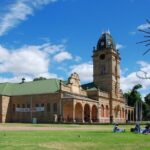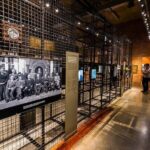
REVIEW · JOHANNESBURG
Johannesburg and Apartheid Museum and Soweto Guided Full-Day Tour
Book on Viator →Operated by Tourgy Tourz · Bookable on Viator
One day, two different Jozi worlds. What makes this tour stand out is the mix of major Johannesburg landmarks, Soweto’s street-level reality, and two key museums that explain the apartheid era with clarity. I especially like the small group cap (7 max), which keeps the pace human, and the way the guide experience can make heavy topics feel organized and understandable, like Emma does for many groups. The one thing to consider: the content is emotionally serious, and the day is full, so it’s not a slow sightseeing stroll.
You’re in an air-conditioned private vehicle with onboard Wi‑Fi and bottled water, and you get a guided route that hits both the headline sites and the everyday contrasts. It starts at 9:00am with pickup in Johannesburg, then runs about 8 hours, moving from Constitutional Hill to inner-city landmarks and into Soweto for photo stops, memorials, and time to eat.
In This Review
- Key Things That Make This Tour Worth Your Time
- How the Seven-Person Group Changes Johannesburg and Soweto
- Constitution Hill Human Rights Precinct: Where Apartheid Ends and Democracy Begins
- Braamfontein and Jozi Drive-By Stops You’ll Actually Remember
- The Quick Photo Stops That Tell the Soweto Story at Street Level
- Diepkloof and the Welcome to Soweto Sign
- The Beverly Hills of Soweto Look
- Baragwanath Hospital: A Landmark You See as Part of Daily Life
- Informal Settlements Detour: Showing the Good, Bad, and Ugly
- Orlando Towers: A Photo Stop With Real Energy
- Vilakazi Street and Mandela House: Two Nobel Peace Prize Stories in One Walk
- Mandela House
- Hector Pieterson Museum and Memorial: June 16, 1976 in Human Terms
- Sakhumzi Restaurant Stop: Where You Can Fuel Up Between Stops
- Price and What You’re Really Paying For ($180 per Person)
- When This Tour Works Best (and When It Doesn’t)
- Should You Book This Johannesburg, Soweto, and Apartheid Museum Tour?
- FAQ
- How much does the Johannesburg and Soweto Guided Full-Day Tour cost?
- How long is the tour?
- Is pickup included?
- What group size should I expect?
- Is Wi-Fi and air-conditioning included?
- Which entrance tickets are included?
- Are meals included?
- Are there museum closures I should know about?
- What is the cancellation policy?
- What if the weather is bad?
Key Things That Make This Tour Worth Your Time

- Seven travelers max keeps questions possible and the pace manageable for an 8-hour day
- Constitution Hill + Apartheid Museum give you the big political frame, then the human impact
- Soweto contrast stops include the Soweto sign area, Orlando Towers, Vilakazi Street, and more
- Mandela House + Hector Pieterson Museum anchor the day with real people and real dates
- Air-conditioning, Wi‑Fi, and bottled water make long drives feel easier
How the Seven-Person Group Changes Johannesburg and Soweto
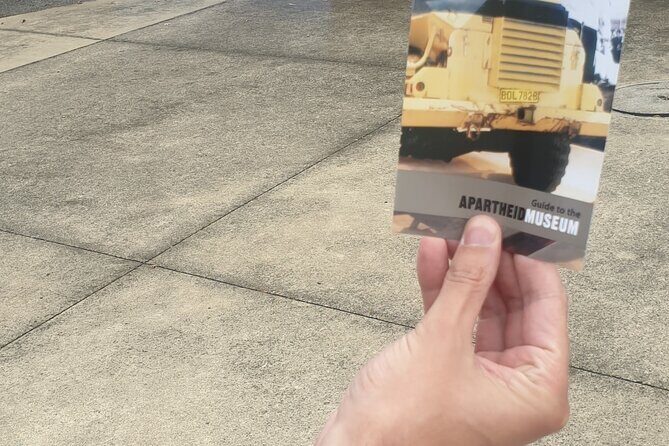
This is the kind of day where group size matters. When you’re spending hours moving between places like Constitution Hill, Soweto streets, and multiple museums, a larger bus can turn the experience into a blur. Here, the cap is 7 travelers, so you’re more likely to hear details clearly and get help adjusting your timing when something takes longer than expected.
I also like that the transport is built for comfort: a private, air-conditioned vehicle with Wi‑Fi and bottled water. Johannesburg traffic can be unpredictable, and having a comfortable ride helps you stay focused on what you came for: the stories, not the fatigue.
You can also read our reviews of more guided tours in Johannesburg


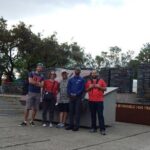
Constitution Hill Human Rights Precinct: Where Apartheid Ends and Democracy Begins
Your day starts at Constitution Hill Human Rights Precinct, and it sets the tone fast. You get about 1 hour 30 minutes at the site, with admission included.
What I like about this stop is the way it connects past and present in a single place. The old prison parts of the complex were demolished to make room for the Constitution Court, which is tied to protecting human rights in the new South Africa. So you’re not just looking at ruins or reading facts—you’re seeing how the country re-built what the prison represented.
If you’re trying to understand apartheid without getting lost in dates, this is a smart first step. It gives you a framework for why the later museum stops hit so hard.
Braamfontein and Jozi Drive-By Stops You’ll Actually Remember
After Constitution Hill, the tour rolls through Braamfontein and heads into inner Johannesburg. There’s about 1 hour here, and admission is free. You’ll pass the famous Nelson Mandela bridge and get a look at the inner-city vibe, including the mining district area that shaped Johannesburg’s nickname, Jozi.
Then there’s a brief stop at FNB Stadium. It lasts about 30 minutes and is free to visit as part of the route. The stadium is designed out of the shape of an African calabash, and it’s described as the biggest stadium in Africa. Even if you’re not a sports person, this stop helps you get your bearings for Johannesburg beyond the museum map.
These city segments are short, but they matter. They remind you that Johannesburg is more than history sites—it’s a working city where identity, economy, and culture all overlap.
The Quick Photo Stops That Tell the Soweto Story at Street Level

Soweto is big, and a guided day has to balance time. This tour does it with a series of brief stops that help you visualize what’s going on—literally block by block.
Diepkloof and the Welcome to Soweto Sign
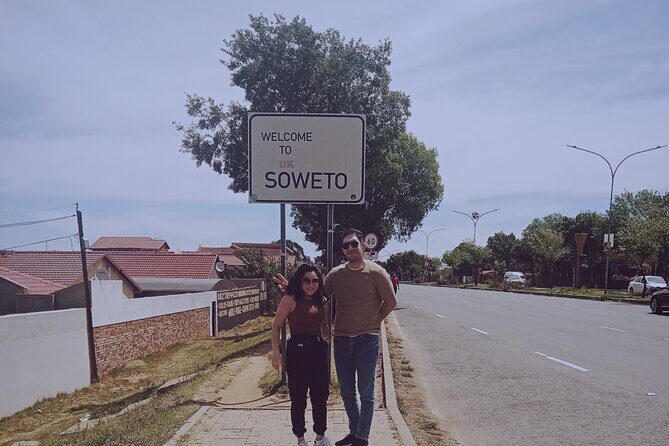
There’s a stop at Diepkloof for about 15 minutes, including time for pictures with the Welcome to Soweto sign. If you want one simple “I was here” marker, this is it—and it’s short enough that you won’t feel like you’re wasting time.
You can also read our reviews of more museum experiences in Johannesburg

The Beverly Hills of Soweto Look
As you drive through, you’ll notice a major housing contrast: small homes beside much larger, fancier ones. The tour description even calls one area the Beverly Hills of Soweto, which is a quick way of pointing out that Soweto isn’t one single story of life. It’s diverse, and income and lifestyle vary from place to place.
That contrast can feel uncomfortable at first. But it’s also part of what makes Soweto essential to see: it’s not a stage set. It’s a real neighborhood with real differences.
Baragwanath Hospital: A Landmark You See as Part of Daily Life
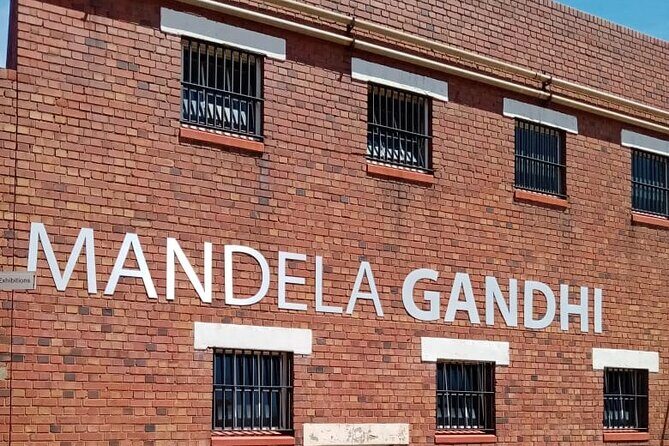
One of the more striking pass-by stops is Baragwanath hospital. You don’t just hear about it—you move past it as you travel deeper into Soweto.
The tour frames it as the biggest hospital in Africa. It was originally built as a military hospital, and today it’s a public hospital funded by the South African government. It’s described as not fancy, but with top specialists.
Why I think this stop is valuable: it shifts the conversation away from only politics and protests. Health care is part of the lived experience, and in places like this, institutions are woven into the rhythm of ordinary days.
Informal Settlements Detour: Showing the Good, Bad, and Ugly
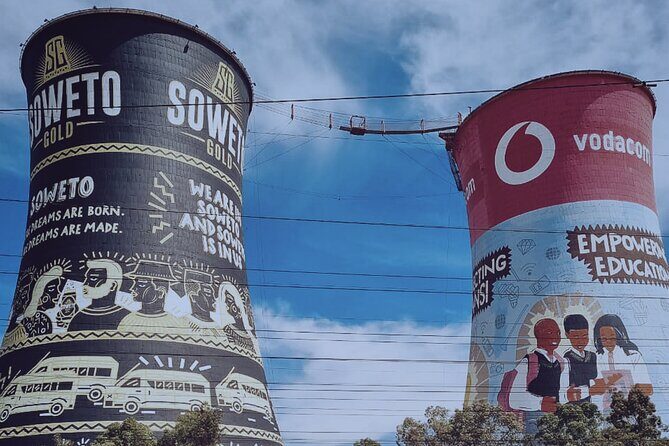
As you go further into Soweto, there’s a quick detour to informal settlements. The tour’s stated goal is to show the good, the bad, and the ugly of the township—because it’s not fair to see only one side.
The informal settlement experience is described as the worst living conditions in the township, but also as a place where you’ll see love in everyday moments, especially in the smiles of children. I appreciate how the tour sets this expectation ahead of time. If you come ready for contrast, you can pay attention instead of feeling shocked and shutting down.
Practical tip: keep your expectations grounded. This is a viewpoint and a learning experience, not a theme-park stop. If you’re the kind of traveler who needs to control your emotional intensity, bring a little extra mental space for this segment.
Orlando Towers: A Photo Stop With Real Energy
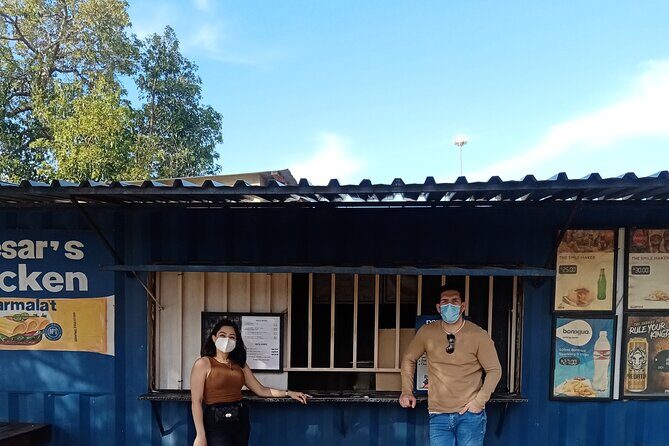
Orlando Towers is one of the most visually memorable stops in Soweto. You get about 30 minutes, and it’s free.
The towers are painted and act like a recognizable landmark, so you’ll have time for photos. There’s also an adrenaline option: bungee jumping is offered here if you want to turn the day’s emotions into action.
I like that this stop breaks up the heavier museum time. It’s not denial of hardship; it’s a reminder that people build culture and style into their environment. You’ll get a different kind of energy before heading toward Mandela’s story and the memorial sites.
Vilakazi Street and Mandela House: Two Nobel Peace Prize Stories in One Walk
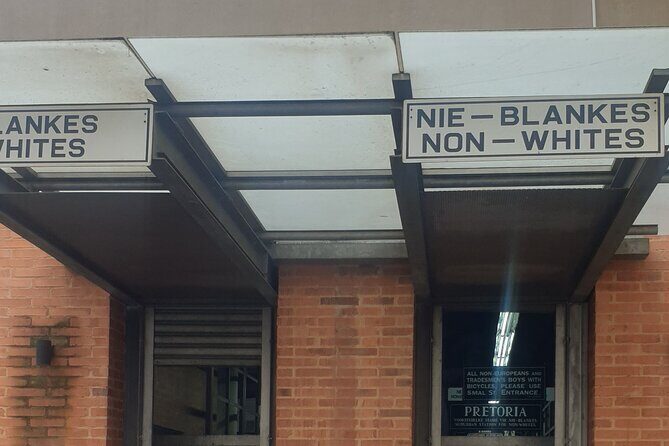
Then you hit Vilakazi Street, famous because it’s described as the only street in the world that had two Noble Prize Peace winners living there: Nelson Mandela and Bishop Desmond Tutu.
This isn’t just a trivia moment. It helps you understand why Vilakazi Street sits at the center of so many symbolic journeys in Johannesburg. The tour frames it as a place where global peace leadership and South African transformation aren’t distant concepts—they’re tied to real residences and real people.
Mandela House
Mandela House is next, with about 45 minutes and admission included. It’s the former home of Nelson Mandela, and the stop gives context for why he remains such a key figure for the country’s identity after apartheid.
If you’re feeling a bit museum-fatigued by this point, Mandela House can still land well because it’s specific. You’re not just learning about systems now—you’re connecting a system of oppression to one individual’s role in change.
Hector Pieterson Museum and Memorial: June 16, 1976 in Human Terms
By the time you reach Hector Pieterson Museum and Memorial, the day has already built a clear line from apartheid enforcement to resistance. This museum stop is about 45 minutes with admission included.
The tour specifically highlights June 16, 1976 and the school children who were part of it. That focus matters because apartheid history often gets taught at the level of law and leadership. Here, the emphasis is on the kids and the moment that shaped what came next.
After the main visit, you get extra time—about 30 minutes—to explore the street markets and curio shops. This is a practical bonus. It’s your chance to pick up small souvenirs and gifts without leaving the experience feeling rushed.
Sakhumzi Restaurant Stop: Where You Can Fuel Up Between Stops
At Sakhumzi Restaurant, you’ll have about 1 hour. The tour includes the stop, but meals themselves aren’t listed as included (lunch isn’t included), so plan to pay for what you choose.
Why this stop works: it gives you a scheduled break in the middle of a long day that mixes intense learning with city driving. If you want the most value, treat this as your meal block. Order something that fits your energy level, not just your curiosity.
Price and What You’re Really Paying For ($180 per Person)
At $180 per person for about 8 hours, this doesn’t look like a bargain tour. But the value story is stronger than the sticker price.
You’re paying for:
- a private air-conditioned vehicle with Wi‑Fi
- bottled water
- entrance fees included for key sites like Mandela House and the Apartheid Museum (and other museum-admission stops along the route)
- all fees and taxes
For me, the best part is the small group size. You’re not watching the day from the back row of a large bus. You’re more likely to get real guidance and a smoother flow between places that would be hard to coordinate alone in one day.
When This Tour Works Best (and When It Doesn’t)
This tour is a great match if you want:
- a structured day that covers Johannesburg highlights + Soweto + two major museums
- guided context, not just photos
- comfort during long drives (AC and Wi‑Fi help a lot)
It’s less ideal if:
- you prefer independent travel with lots of free time
- you’re sensitive to heavy themes and need slower pacing
- you’re traveling on days when museum hours don’t line up (the tour notes that the Apartheid Museum doesn’t open Monday and Tuesday, and Hector Pieterson Museum doesn’t open on a Monday)
Should You Book This Johannesburg, Soweto, and Apartheid Museum Tour?
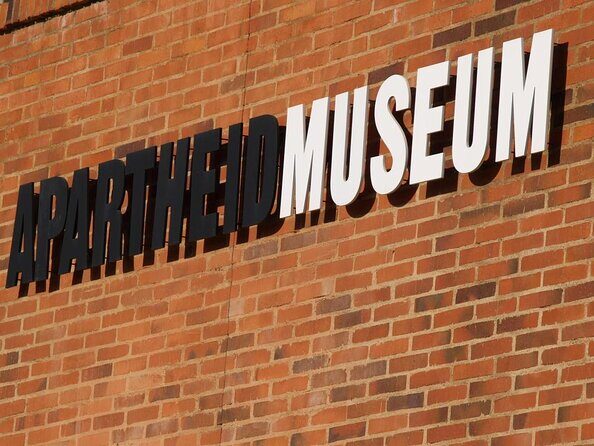
If you’re short on time but want the essential Johannesburg and Soweto storyline in one day, I’d book it. The combination of Constitution Hill, Mandela House, and the Hector Pieterson Museum, plus the Apartheid Museum, gives you the political frame and the human impact.
I’d especially lean yes if you like small-group guiding and want the day to feel organized instead of frantic. Just come ready for emotionally serious content, and plan to treat the day as learning plus a few well-timed breaks, not casual sightseeing.
FAQ
How much does the Johannesburg and Soweto Guided Full-Day Tour cost?
The tour costs $180.00 per person.
How long is the tour?
The duration is about 8 hours.
Is pickup included?
Yes, pickup is offered from Johannesburg.
What group size should I expect?
The tour has a maximum of 7 travelers.
Is Wi-Fi and air-conditioning included?
Yes. You travel in a private air-conditioned vehicle with Wi‑Fi on board.
Which entrance tickets are included?
Admission fees are included for key stops such as Mandela House and the Apartheid Museum (and the tour also lists admissions for other museum-related stops along the route).
Are meals included?
Lunch is not included. There is a stop at Sakhumzi Restaurant during the day, but you should plan to pay for what you order.
Are there museum closures I should know about?
Yes. The Apartheid Museum doesn’t open on Monday and Tuesday, and the Hector Pieterson Museum doesn’t open on a Monday.
What is the cancellation policy?
You can cancel for a full refund up to 24 hours before the experience starts. If you cancel less than 24 hours before, the amount paid isn’t refunded.
What if the weather is bad?
This experience requires good weather. If it’s canceled due to poor weather, you’ll be offered a different date or a full refund.