REVIEW · HERMANUS
Hermanus & Overberg Birding
Book on Viator →Operated by Dave de Beer - Hermanus Whales and Walks · Bookable on Viator
Birds love an early start. This 3-hour Hermanus & Overberg Birding outing is built around the Overberg’s mix of seabirds, shorebirds, coastal scrub birds, water birds, and mountain fynbos—with Dave de Beer (Hermanus Whales and Walks) guiding the walk and car stops. I especially like the way his knowledge and enthusiasm for birding and wildlife show up in every question, and how the pace stays welcoming for first-timers.
The main thing to plan around: this experience depends on good weather, and you’ll want your own binoculars and weather gear since those aren’t included.
If you’re booking the 6:30am departure, think of it as a morning field trip with a pro behind the scope. It’s also private (only your group), but there’s a minimum of 2 people for the 3-hour option—so solo plans can be tricky unless the tour meets its minimum.
In This Review
- Key Points You’ll Care About
- Why Hermanus Birding Starts at 6:30am
- Your Guide: Dave de Beer’s Bird-and-Wildlife Focus
- What the Overberg Habitat Mix Does to Your Sightings
- 3-Hour Route From Whale Museum: What Happens Along the Way
- 1) Getting going: early scanning near the start
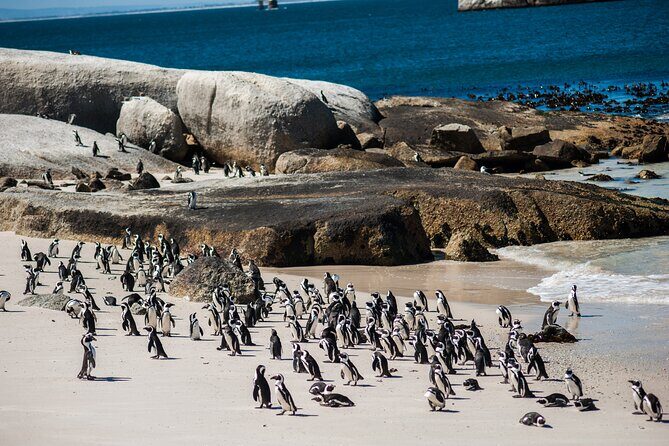
- 2) Coastal and shoreline time: seabirds and shorebirds
- 3) Water bird viewing: where behavior gives clues
- 4) Coastal scrub and mountain fynbos edges: variety in a short window
- Wrap-up back at Whale Museum
- Gear, Comfort, and Weather: Plan for Real Mornings
- Price and Value: Is This $113.92 Worth It?
- Private Tour, Pickup, and Group Discounts: Getting the Right Fit
- Should You Book Hermanus & Overberg Birding?
- FAQ
- What time does the 3-hour birding tour start?
- Where do I meet for Hermanus & Overberg Birding?
- How long is the tour?
- What is included in the price?
- What should I bring?
- Is pickup available?
- Is this tour private?
- Do I need to be an experienced birder?
- What if the weather is bad?
Key Points You’ll Care About
- Start time at 6:30am means you’re in the field while birds are most active
- Dave de Beer’s wildlife passion is a huge part of the value, and he’ll go the extra mile
- Overberg habitat mix (coast, scrub, fynbos) gives you variety in a short window
- Air-conditioned vehicle + bottled water keeps the travel part comfortable
- Private tour means you can move at your group’s pace instead of being rushed
Why Hermanus Birding Starts at 6:30am
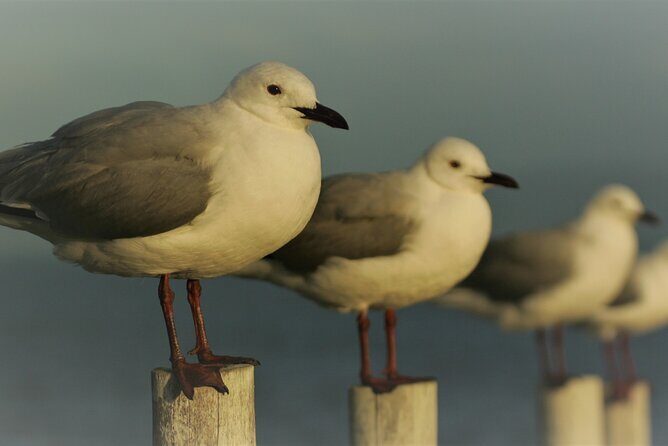
That 6:30am start isn’t random. In Hermanus and the Overberg, early light and cooler temperatures tend to make birds easier to spot and a bit easier to track. You also avoid the midday glare that can turn shoreline viewing into a squint-fest.
The best part for you: you’re not wasting your day hoping for a good wildlife window. You’re using it. Three hours goes by fast, so starting early helps you stack more chances—shore birds along the coast, coastal scrub birds around the edges, and water birds where the terrain holds moisture.
One small practical reality: this is outdoors plus vehicle time. Even with the comfort of an air-conditioned car, you’ll still want to dress for chilly mornings and quick weather changes. The tour runs when conditions are good, so don’t plan it as a guaranteed photo shoot on a perfect schedule—plan it as a best-luck-with-the-right-conditions kind of morning.
You can also read our reviews of more tours and experiences in Hermanus.
Your Guide: Dave de Beer’s Bird-and-Wildlife Focus
The biggest praised element here is the guide himself: Dave de Beer. With around 20 years based in Hermanus, he’s not just pointing at birds—he’s putting them into context. In birding tours, that matters. A flash of a wing is nice. Knowing what you’re seeing, why it’s there, and what to watch for next is way better.
From the reviews, one theme comes through clearly: his enthusiasm is intense and consistent. People mention that his knowledge and drive feel endless, and that he goes above and beyond. For you, that translates into a tour where questions don’t feel like interruptions. You can ask about ID cues, behavior, or general wildlife—and you’ll get real answers rather than a quick shrug.
Also, don’t assume you need to be an expert birder. The description makes it clear this works for beginners and nature lovers. That’s my kind of tour: you can enjoy it even if you only know a few species names. The guide can still teach you how to look—what shapes to notice, how to read movement and habitat, and where birds tend to show up.
What the Overberg Habitat Mix Does to Your Sightings
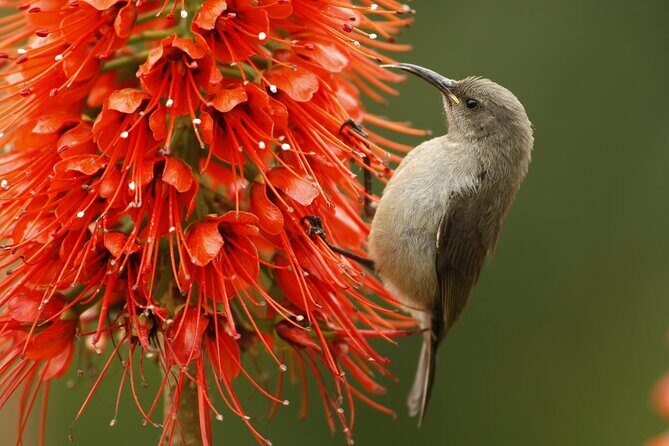
The Overberg isn’t one single type of scenery. It’s a bundle of habitats close together, and that’s why a short tour can feel like more than three hours.
Here’s how that habitat mix tends to play out for you:
- Seabirds: Think open water and coast-facing behavior. Even when you don’t catch a perfect look, you can often track patterns—where birds are cruising, wheeling, or pausing.
- Shorebirds: These often reward slow scanning. On beaches and shoreline edges, small shifts in sand and waterline conditions can change what shows up.
- Coastal scrub birds: When you get away from open water, you’re usually looking at birds that use thicker cover. This is where patience pays off, and where the guide’s habit of pointing out telltale signs helps.
- Water birds: Where water and damp areas influence food and movement, you get different species styles than pure coastal observers.
- Mountain fynbos: This is one of the neatest “reward” layers—fynbos isn’t only scenic. It also signals a different type of bird activity compared to bare shoreline.
The practical takeaway: you’re not doing a one-note bird walk. In a 3-hour window, you’re switching “bird neighborhoods,” which increases the odds you’ll see something new rather than just repeating the same view.
3-Hour Route From Whale Museum: What Happens Along the Way
You’ll meet at Whale Museum, 3 Market Square St, Hermanus, with a 6:30am start. The tour is designed to end back at the meeting point, so you don’t need to think about transport after the morning fieldwork—your morning closes where it begins.
While the exact micro-stops aren’t listed here, the experience is clearly structured around habitat hunting. Here’s the shape of the outing and what to expect in each stretch:
1) Getting going: early scanning near the start
Right off the bat, you’ll likely start with quick looks—people often underestimate how much birds move between minutes. Early in the morning, you can sometimes spot activity before you fully understand what’s going on. This is where having a guide who’s focused on bird behavior really helps.
If you’re bringing a camera, this is also where you can start building confidence with your settings before the action gets more varied.
2) Coastal and shoreline time: seabirds and shorebirds
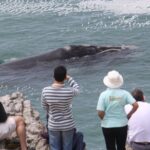
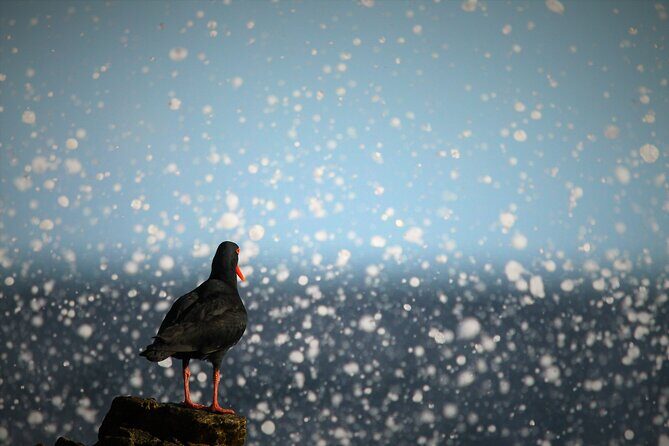
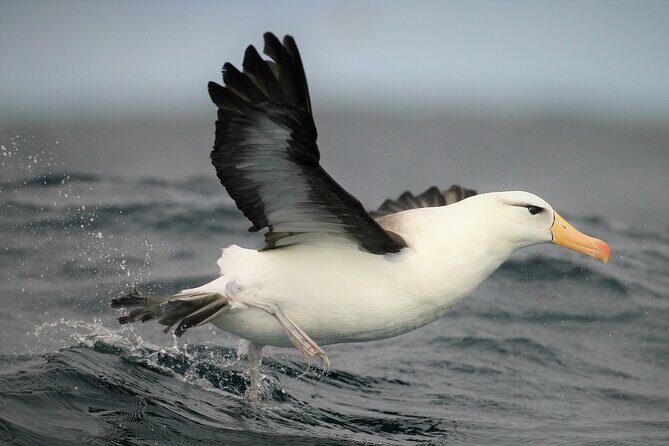
Next, you’ll spend time in and around coastal views aimed at seabirds and shorebirds. This is where your eyes do the work and your binoculars do the real ID. Shorelines can be tricky because birds are small against water and sand, and heat shimmer later in the morning can blur edges.
If you’re hoping for clear photos, aim to stay patient through the “almost” sightings. A guide can often help you get the better angle without moving too fast and spooking birds.
3) Water bird viewing: where behavior gives clues
Then you shift toward areas where water influences birdlife. Water birds often show up with more predictable movement—walking, feeding, or repeated flight patterns. This is usually prime time for learning “what to look for,” not just “what species names to memorize.”
Drawback to keep in mind: three hours is tight. If one area is slow, the guide can only adjust so much without cutting another habitat segment. The good news is the Overberg habitat mix is built into the plan, so you’re not stuck staring at only one type of scenery.
4) Coastal scrub and mountain fynbos edges: variety in a short window
Finally, you’ll shift toward coastal scrub and fynbos-type environments. These tend to produce smaller, more “covered” bird sightings, where the birds can be harder to spot but more interesting once you find them.
This is also a nice part for nature lovers who might not care about ticking off a checklist. Scrub and fynbos birding can feel more like observing wildlife in its real world rather than just collecting sightings.
Wrap-up back at Whale Museum
You finish back at the meeting point. Because the tour ends where it started, you can continue your day in Hermanus without extra planning.
Gear, Comfort, and Weather: Plan for Real Mornings
This tour includes an air-conditioned vehicle and bottled water, which is great for comfort. But birding still means getting outside and scanning—so don’t treat it like a fully indoor experience.
Not included: binoculars and camera equipment. That’s the #1 thing that can change your experience quality. If you don’t have binoculars, you can still enjoy the tour, but you’ll likely rely on the guide for much of the identification, and you’ll miss fine details.
Also not included: weather-related clothing/gear. Since the tour requires good weather, you should dress for cool early hours and the kind of conditions that can shift quickly at the coast.
My practical advice:
- Wear layers you can peel off once the sun warms up.
- Bring a hat and something wind-friendly for coastal mornings.
- If you’re serious about photos, expect that mornings can still be bright—protect your eyes and keep your camera ready.
Price and Value: Is This $113.92 Worth It?
The listed price is $113.92 per person for about 3 hours. Locally, the 3-hour duration is R1200 pp with a minimum of 2 people.
Is it good value? In my view, yes—mainly because of what’s included and what you’re paying for.
You’re not just paying for transport. You’re paying for:
- A guide with about 20 years based in Hermanus
- A birding approach that covers multiple habitat types (not one single spot)
- A tour style that works for beginners while still being satisfying if you already enjoy wildlife
Then there are the comfort items: AC vehicle and bottled water. Those little basics matter when you’re up early.
A realistic note: bird sightings aren’t factory products. You can’t guarantee specific species, and weather affects visibility. That’s why this price makes sense as a skill-and-time experience rather than a promise of a particular bird list.
If you’re on a budget, consider timing: book it with enough flexibility so you can switch dates if conditions aren’t good. A morning tour that can’t run in bad weather loses momentum fast.
Private Tour, Pickup, and Group Discounts: Getting the Right Fit
This is a private tour/activity, meaning only your group participates. For you, that usually means less waiting and fewer interruptions, and a better chance to ask questions without hearing competing conversations.
Pickup is offered, and there are group discounts plus a mobile ticket. Those are the practical parts that make a tour smoother day-of. If you hate complicated logistics, this format tends to feel straightforward.
Who this suits best:
- You’re a beginner who wants to learn how to spot birds without feeling overwhelmed
- You like nature walks but want a guided eye
- You’re a photography person who wants help finding angles and understanding behavior
- You’re in Hermanus for a short visit and want a focused half-day birding taste
Who might find it less ideal:
- You want a very long outing. Three hours is excellent, but it’s not all-day birding.
- You’re expecting guaranteed sightings of one specific species. This is habitat birding, not a promise.
Should You Book Hermanus & Overberg Birding?
I think you should book this if you want a morning with a real local guide and a plan that covers multiple habitats in a short time. The standout element is Dave de Beer’s energy and enthusiasm, plus the fact that the tour is built to be enjoyable even if you’re not an expert birder.
I’d skip it or re-think if:
- You can’t handle early starts.
- Weather is questionable for your travel window and you’d rather keep your mornings fully flexible.
- You don’t have binoculars and don’t want to borrow or improvise.
If you can manage the early hour and dress for the elements, this is a smart, value-heavy way to experience the Overberg bird world and leave with more than just a few random sightings—you’ll leave knowing how to look.
FAQ
What time does the 3-hour birding tour start?
The start time is 6:30am.
Where do I meet for Hermanus & Overberg Birding?
Meet at Whale Museum, 3 Market Square St, Hermanus, 7200, South Africa.
How long is the tour?
The listed duration for this option is about 3 hours.
What is included in the price?
The tour includes an air-conditioned vehicle and bottled water.
What should I bring?
Bring your own binoculars and camera equipment, and wear or pack appropriate weather-related clothing/gear.
Is pickup available?
Yes, pickup is offered.
Is this tour private?
Yes. It’s listed as a private tour/activity, so only your group will participate.
Do I need to be an experienced birder?
No. Most people can participate, and the tour is designed to work for beginners and nature lovers.
What if the weather is bad?
The experience requires good weather. If it’s canceled due to poor weather, you’ll be offered a different date or a full refund.