REVIEW · DURBAN
Hluhluwe Game Reserve Safari from Durban
Book on Viator →Operated by Cullinan Guided Journeys · Bookable on Viator
Waking up early can feel like a chore, until you hit the bush. This Durban-to-Hluhluwe-iMfolozi safari pairs a long morning drive with a closed-vehicle game drive inside one of Africa’s oldest reserves, plus lunch and a guide who helps you read animal behavior, not just search for photos.
What I like most is the focus on real sightings—rhinos are a big deal here—and the ride is set up for wildlife viewing from the start. You’ll also get hotel pickup and drop-off, so your day runs on rails instead of DIY chaos.
The main thing to consider is the time tradeoff: it’s a long day (about 12 hours), and you’ll spend a chunk of it on the road from Durban. If you’re hoping to tick off every Big Five animal in one go, manage expectations—this is a search, not a guarantee.
In This Review
- Key Things You’ll Notice on This Safari
- Why Hluhluwe-iMfolozi Works So Well From Durban
- Price and Timing: The 12-Hour Reality Check
- Getting Ready for the Closed Vehicle Safari Drive
- Wildlife You’re Likely to See Beyond the Big Five
- Water Sightings: Crocs, Hippos, and Bird Calls
- Lunch That Doesn’t Eat Your Best Wildlife Hours
- Open Vehicle Option: When It’s Worth the Surcharge
- Guide Quality and How They Help You Spot More
- Who This Safari Suits Best (and Who Might Want a Different Plan)
- Should You Book This Hluhluwe Safari?
Key Things You’ll Notice on This Safari
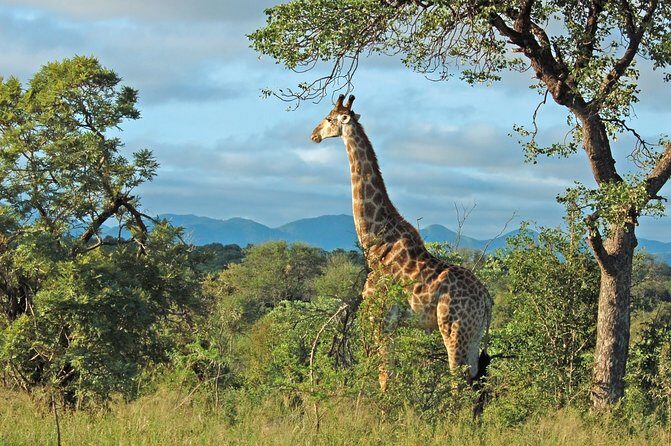
- Big Five–focused, closed-vehicle driving for better viewing and comfort while you scan and listen
- Hluhluwe-iMfolozi’s rhino stronghold makes white rhino sightings a realistic target
- Lunch is included, so you don’t lose a prime viewing window hunting food
- You’ll scan for crocs and hippos as part of the route, not as an afterthought
- Optional open-vehicle drive is extra and has age rules, so plan ahead if you want it
- Small group max (12 travelers) keeps the experience from feeling like a cattle call
Why Hluhluwe-iMfolozi Works So Well From Durban
If you’re based in Durban and want safari time without flying or changing hotels, this is a smart one-day plan. Hluhluwe-iMfolozi is known for wildlife density and protection efforts, especially for white rhinos—once considered close to extinction. That matters because your odds of seeing the animals you’re picturing are higher when the park is strongly geared to their survival.
The best part is the rhythm of the day: you leave at 6:30 am, then you’re not stuck waiting around once you reach the reserve. The closed vehicle lets you settle in and watch the way animals move through space—standing broadside, pausing as they listen, or deciding whether to bolt. Guides who do this well will point out small clues that most people miss, like how an animal reacts when other animals feel threatened.
Also, this route isn’t only about big mammals. You’ll keep your eyes and ears open for birds such as a bee-eater (that colorful little dart-and-swoop type) and other species like Klaas’s cuckoo. That bird spotting adds variety when game is quiet.
A few more Durban tours and experiences worth a look
Price and Timing: The 12-Hour Reality Check
At about $241.84 per person, you’re paying for a full, guided day that includes lunch and hotel pickup/drop-off. For safari value, those inclusions matter more than you’d think. Long-distance transport from Durban costs real money, and a guided drive is what turns random looking into better odds and smarter scanning.
Timing-wise, you should plan for a very full day. It runs roughly 12 hours total, with about 6 hours spent in the game drive portion. Some people end up returning close to the evening hour—so don’t schedule anything serious right after. Think of it like a day trip plus a half-day of sleeping late baked in.
What this day feels like in practice:
- Early start means you’re fresh when wildlife activity is often strong.
- The road time is real, so use it well—bring a hat, water, and something warm if mornings feel chilly in the vehicle.
- You’ll want your lunch planned and steady, because you’ll still be watching animals long after the meal.
Getting Ready for the Closed Vehicle Safari Drive
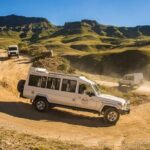
Once you reach Hluhluwe–iMfolozi Park Wilderness Area, the safari part becomes your main event. The drive is in a closed vehicle, and that design choice is practical. You can stay sheltered while watching, keep noise down, and focus your attention on movement and sound.
This safari is set up to search for Africa’s Big Five. In a perfect world, you’ll see multiple of them. In the real world, sightings depend on season and where animals are spending time that day. The good news is that the drive also prioritizes other animals that are easier to pick up than the rarest targets: elephants, buffalo, rhinos, and a host of smaller sightings. That variety is why many people feel the day is still a success even when one category of animal is missing.
Closed-vehicle driving also changes your viewing style. Instead of scanning only from one side, you learn to watch for:
- brief pauses (animals often freeze when they notice something)
- herd behavior (where heads turn first tells you what’s alerted)
- tracks and signs (if the guide points them out, you’ll look more intelligently)
Some guides are praised for exactly this kind of reading-the-moment work. For example, names like Wendy, Jan Jordaan, Prince, and Thabo show up with a common theme: the ability to spot animals early and adjust the drive if a situation feels tense.
Wildlife You’re Likely to See Beyond the Big Five
Even though Big Five spotting is the headline, the day is built around a wider menu of wildlife. Here’s what you should have on your mental checklist:
- White rhinos: this reserve is famous for them, so they’re not just a hopeful add-on.
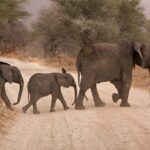
- Elephants and buffalo: both are frequently mentioned as common sightings when conditions are right.
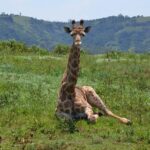
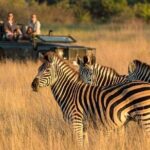
- Giraffes and zebras: often show up to keep the scenery lively even on slower big-animal days.
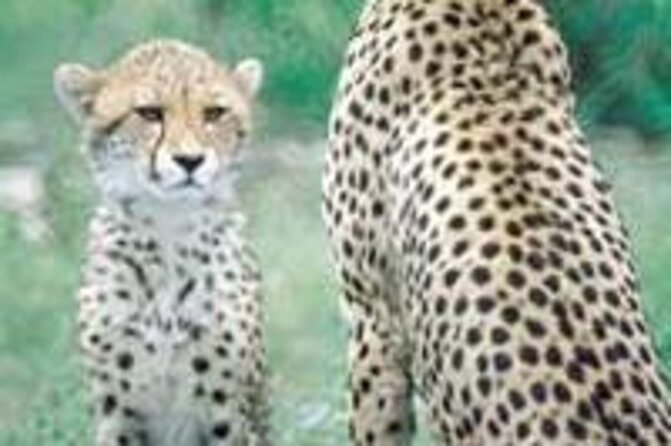
- Hyenas and cheetahs (when luck and timing line up): you’ll be scanning for these, but they’re harder and require patience.
- Smaller life: monkeys, snakes, and birds can pop up between the bigger moments.
The best way to enjoy these drives is to stop thinking of “seeing a species” as one single win. Instead, you’re looking for patterns—how animals share space, how they react to vehicles, and where they move when the light changes.
If you’re the type who wants your safari to feel like more than photo targets, this kind of scanning-and-listening approach is where the day clicks.
Water Sightings: Crocs, Hippos, and Bird Calls
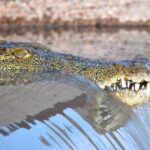
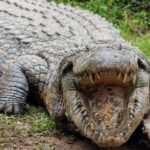
The reserve also puts attention on water zones. You’ll be scanning waters for crocodiles and hippos, which is a fun change of pace from just grassland viewing. Water areas can look calm, then suddenly you catch a head break the surface, or you notice movement that wasn’t obvious at first.
Birdlife adds another layer. A bee-eater can seem like it appears out of nowhere—fast, bright, and easy to miss unless you’re watching small perches and listening for activity. Klaas’s cuckoo is another bird mentioned as part of the experience, and it’s a reminder that a safari isn’t only about the biggest animals.
Practical tip: when your guide calls your attention to birds, don’t rush to zoom in on one thing. Watch the whole movement line—where the bird goes next usually tells you where it will return.
Lunch That Doesn’t Eat Your Best Wildlife Hours
Lunch is included, and that’s a genuine value point. Safari days are long, and missing a meal can quickly turn a good drive into a grumpy one. The included lunch means you’re not spending precious time negotiating food plans mid-day.
You’ll want to eat at a pace that keeps your energy stable for the afternoon viewing window. If you tend to get sleepy after heavy meals, choose lighter bites if the options are varied. And always treat hydration as part of the plan—especially if you’re in the sun during game drive stops.
Open Vehicle Option: When It’s Worth the Surcharge
There’s an optional open vehicle game drive available for an extra cost, subject to availability at booking. That’s important: it’s not guaranteed, and it’s not included in the base price.
This option can be worth it because open seating often changes how animals feel around you. You can get a different angle for spotting and a more direct sense of sound. It may also help if you’re tall or you just prefer less roof obstruction for watching.
But there are hard rules to know:
- Children under 8 years are not permitted on the scheduled open vehicle drives.
- For very young kids (up to 3 years), car seats are required and subject to availability.
If you’re traveling with kids, decide early whether the open vehicle is essential for your trip, because you may need to plan around what’s allowed.
Guide Quality and How They Help You Spot More
The safari runs best when your guide turns effort into results. Many of the strongest comments linked to this experience focus on guide skill: knowing when animals feel threatened, reading body language, and repositioning before things get stressful for wildlife.
That shows up in how the driver handles the vehicle. People note clean professionalism and smooth logistics, including comfortable transport (some mention air-conditioned vans). On the wildlife side, the best guides don’t just point and hope. They make quick judgment calls—adjusting distance, changing viewpoint, and moving only when it makes sense.
A small group helps too. With a maximum of 12 travelers, you’re not stuck behind ten other heads. That can make a real difference when you’re trying to see the side profile of a rhino or track a bird in flight.
Who This Safari Suits Best (and Who Might Want a Different Plan)
This tour is ideal if you:
- want a one-day safari option from Durban
- enjoy guided wildlife spotting (and want the route planned for you)
- prefer comfort over “roughing it,” since the main drive is in a closed vehicle
- care about seeing white rhinos and also want a variety of other animals
It might be less ideal if you:
- are extremely time-sensitive and can’t handle a long day starting early
- expect a guaranteed Big Five list
- want a lot more flexibility in route, since this is a scheduled, transport-heavy day
If you’re the type who loves slower travel with more than one safari window, you might eventually want a multi-day setup. But if you only have one day to spare, this is a strong way to use it.
Should You Book This Hluhluwe Safari?
I’d book it if you want an efficient, guided safari day that actually delivers on the reserve’s strengths—especially white rhinos—without needing extra planning. The hotel pickup/drop-off, included lunch, and closed-vehicle drive are practical comforts that protect your time for wildlife.
I would think twice if your trip is built around a strict checklist of specific Big Five animals. This is a search in real conditions, not a staged performance. On the flip side, even when one category is missing, the broader mix of animals, birds like bee-eaters and Klaas’s cuckoo, and the water-scanning for crocs and hippos can still make the day feel full.
If you can swing the open vehicle option and you meet the age rules, it’s worth considering—just remember it’s not guaranteed. For most people, the biggest win is the long game-drive window paired with solid guiding.