REVIEW · KWAZULU NATAL
Kosi Bay Mouth Experience – Kayaking, Snorkeling, Fish Trap Tour and Fish braai
Book on Viator →Operated by Safari And Surf · Bookable on Viator
Four lakes, one wild coast. Kosi Bay Mouth pairs snorkeling in calm Kosi aquarium water with a Thonga fish trap tour and a traditional fish braai, all in roughly six hours. It’s one of those day trips where nature and culture happen on the same shoreline, in very clear, warm water.
I also like that the day is guided end-to-end, with kit included for snorkeling and kayaking, so you can focus on the experience instead of logistics. The only real catch is that your exact flow depends on tide and weather, and the Kosi Mouth entrance permit is not included in the price.
In This Review
- Key points before you go
- Kosi Bay Mouth: why this estuary day feels different
- How the 8:00 start and tide-tuned schedule works
- Snorkeling in the Kosi aquarium: what you’ll actually see
- Kayaking through mangroves and birdlife
- Thonga fish kraal tour: culture with practical meaning
- The fish braai and palm wine taster: the meal part matters
- Price and value: what you pay for, what you still need
- Who this fits best (and who might want a different plan)
- Practical tips that keep your day smooth
- Should you book the Kosi Bay Mouth Experience?
- FAQ
- Where is the meeting point, and when does the tour start?
- How long does the Kosi Bay Mouth experience take?
- What’s included in the price?
- What is not included?
- Is snorkeling and kayaking available for everyone?
- Does the tide affect the activities?
- How many people are in a group?
- When will I receive confirmation after booking?
- What if weather is poor?
- Can I cancel for free?
Key points before you go
- Kosi aquarium snorkeling in sheltered water with over 200 recorded fish species
- Mangrove-focused kayaking with birdlife and five mangrove species
- Thonga fish kraal tour explaining how the traps are built, used, and maintained
- Fish braai + peanut sauce plus a palm wine taster at the end of the day
- Small group size with a maximum of 16 people
- Order may shift depending on tide conditions
Kosi Bay Mouth: why this estuary day feels different
If you’re picturing South Africa’s coast as just beaches and lookouts, Kosi Bay Mouth changes that mood fast. This area is made up of an estuary fed by the Indian Ocean and connected to four interlinking lakes. The result is warm water that stays calm enough for snorkeling and kayaking, without the open-ocean chaos.
What makes this trip practical is that it’s not “one activity and done.” You’re not only paddling through scenery or only floating over fish. You get three distinct views of the same ecosystem: underwater (snorkeling), at water level (kayaking), and at work level (the traditional fish traps).
Guides like Vusi, Rick, and Simon bring a strong local angle. The vibe is friendly but not vague. You learn what you’re seeing and why it matters to the people who’ve lived here for generations.
A few more KwaZulu Natal tours and experiences worth a look
How the 8:00 start and tide-tuned schedule works
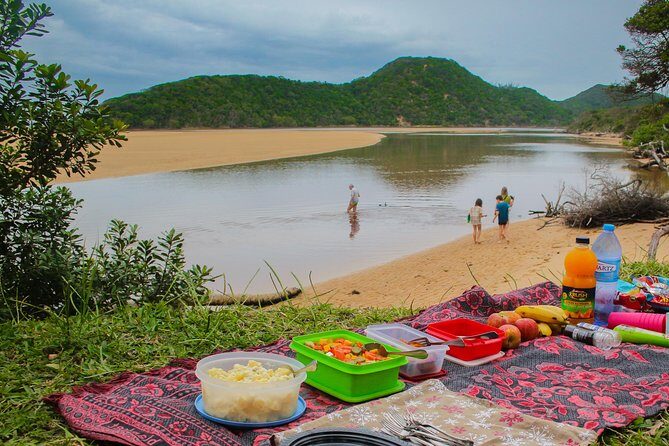
Your day starts at 8:00 am at 4V45+WJ Mahlungulu, South Africa. You drive yourself to the entrance gate, enter the park, then continue down to a wooden bridge where the guide waits.
From that point, the schedule depends on the tide. That matters because Kosi Bay Mouth can be calm, but “calm” is still a moving target in estuaries. The operator arranges the activities based on the conditions, so you get the best mix of visibility and access.
In real terms, plan for some flexibility. If you’re the type who loves tight timetables, this is not that day. But if you’re okay with letting the coast set the pace, it’s a big advantage. The goal is doing things in the right conditions, not forcing a checklist.
Snorkeling in the Kosi aquarium: what you’ll actually see
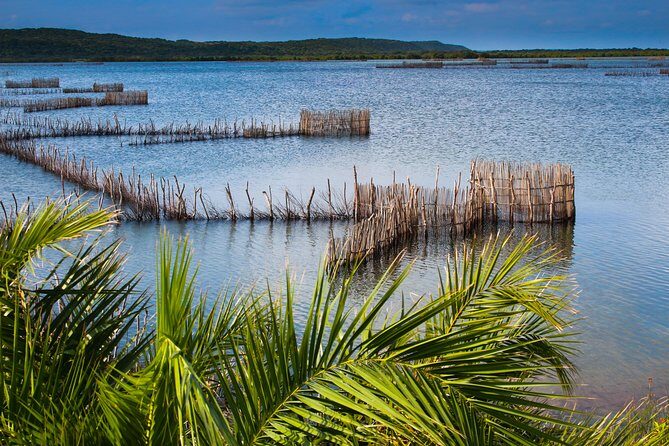
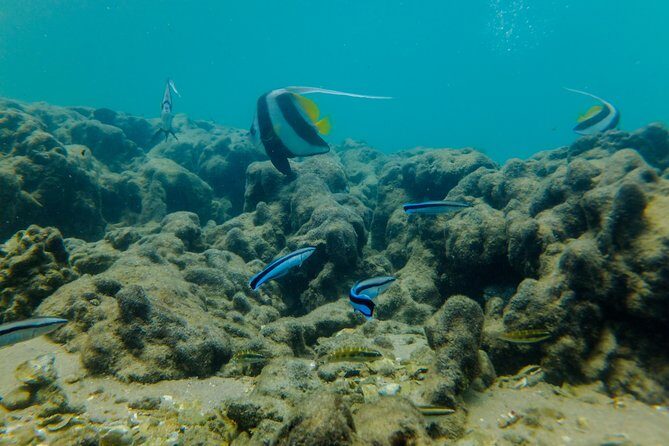
Snorkeling is one of the highlights here, and the pitch is specific: you snorkel in sheltered water known as the Kosi aquarium. The water is described as calm and clear, and the biodiversity is a big deal. The experience is tied to over 200 recorded fish species, which tells you this is not a “one or two cool sightings” kind of swim.
The equipment is included, so you’re not hunting for a mask and snorkel at the last minute. You also have a guide, which helps your confidence right away. In the Kosi Bay setting, being at ease makes a difference because you’re focusing on watching fish behavior, not fighting currents or constantly adjusting your gear.
One more thing I like: guides are set up to help people who may not feel perfectly ready. In particular, Simon has been reported as taking a supportive role when someone struggled due to fitness or tide, including helping them stay with the group. That kind of practical support is a comfort if you’re newer to snorkeling or you want to take it slow.
Kayaking through mangroves and birdlife
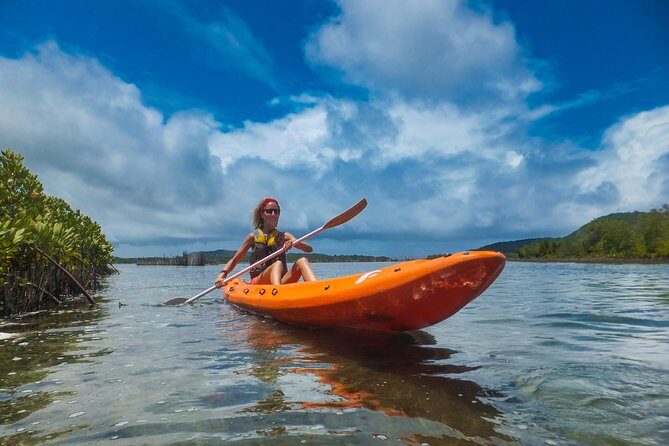
After or before snorkeling (the order can shift with tide), you’ll go out on a guided kayaking tour. This isn’t just paddling for exercise. It’s built around what the estuary supports: five species of mangrove trees and birdlife.
Mangroves matter because they act like nursery habitat. Even if you don’t identify every tree, you’ll notice the ecosystem rhythm: sheltered channels, roots and edges, and wildlife that hangs out in that structure. The guide’s job here is to point out what you’re seeing and connect it to how the system works.
You’ll also get birdlife commentary. One guide experience included showing people a Palmnut Vulture, even when conditions weren’t ideal (it was raining hard). That tells me the bird focus is real, and the guides pay attention to spotting opportunities rather than just “passing through.”
Kayaking equipment is included, and the tour is guided, which makes it easier to go at a comfortable pace. If you’re traveling with kids or you want a manageable level of effort, this format tends to work better than open-ended paddling.
Thonga fish kraal tour: culture with practical meaning
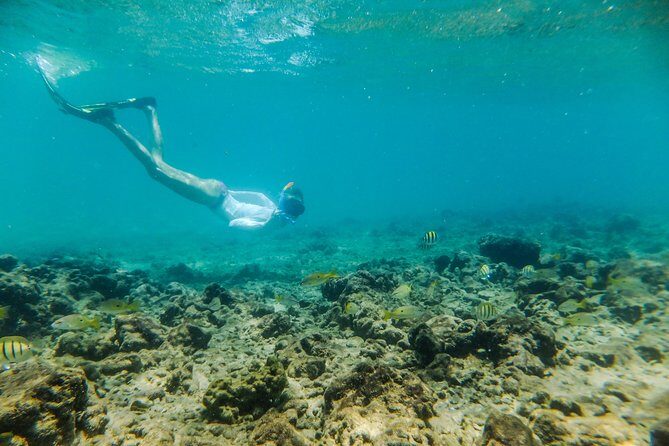
The traditional fish traps here are called Thonga fish kraals (also described as fish traps). This part of the day is one of the most interesting reasons to book, because it turns the ecosystem into a living system people rely on.
You’ll get a detailed guided tour on how the traps are built, how they function, and how they’re maintained. That’s key. Many cultural visits are “look only.” This one is about technique and upkeep, which makes the whole thing feel more grounded.
For you, the benefit is context. After snorkeling fish in clear sheltered water and paddling through mangroves, you’ll better understand why these traps exist in exactly this setting. Estuaries are productive, and the people who built these systems did it with the local water rhythm in mind.
It’s also a good reminder that “pristine” isn’t just a marketing word. It’s also a place where sustainable practice has to happen. A fish kraal isn’t decorative. It’s functional, and the tour helps you see the logic behind that.
You can also read our reviews of more snorkeling tours in KwaZulu Natal
The fish braai and palm wine taster: the meal part matters
Your day ends with a traditional fish braai. The description is clear about what you’ll eat: fresh fish served with mealie bread and peanut sauce. This is the kind of meal that fits the place. You’re not being offered a generic lunch you could get anywhere. It’s local food, served after time on the water.
There’s also a palm wine element. The guide will show you how traditional palm wine is made, with a taster included. Even if you don’t drink much, it’s a nice cultural touch that explains a tradition rather than just offering an item off a menu.
Timing-wise, this tends to be a satisfying finish after snorkeling and kayaking. You’ll likely feel the sun and water in your body, and a hot, filling meal is a smart reset. It also makes the day feel complete, not like you “work” for wildlife and skip the human part.
Price and value: what you pay for, what you still need
The price is $71.46 per person, and you’ll get lunch plus use of snorkeling and kayaking equipment. For many Kosi Bay options, the value is in having multiple activities stitched into one guided day with included gear.
Two value notes from how this tour is set up:
- You’re paying for guidance across water and shore. That reduces stress and increases your odds of enjoying the experience, especially with tide variability.
- Equipment is included for both snorkeling and kayaking, which saves time and avoids last-minute costs.
What’s not included is the Kosi Mouth entrance permit. Budget for that separately. If you forget, you’ll lose time at the start of the day, and that’s annoying when your schedule is tide-based.
Who this fits best (and who might want a different plan)
This tour is described as suitable for most travelers, and the group size is capped at 16. That usually makes for a more personal experience than mass excursions.
I think this day trip is ideal if you:
- Want a true nature-and-culture combo, not just one activity
- Like guided interpretation (mangroves, birds, and fish traps are explained, not just shown)
- Enjoy light-to-moderate outdoor time: kayaking and snorkeling without it turning into a full expedition
You might reconsider if you need a perfectly fixed timetable. Because tide and weather shape the plan, you should expect some timing adjustments. Also note that the experience requires good weather, so you’ll want to travel with flexibility.
Practical tips that keep your day smooth
These are the small things that make a Kosi Bay day trip better, based on the activities involved:
- Bring swim-ready clothes and plan on getting wet. Snorkeling and kayaking are central to the itinerary.
- Wear or bring something you can rinse off afterward. Estuary water is part of the experience, so don’t treat it like a one-and-done spray.
- If you’re not strong in water, say so early. The guides have shown support for people who struggled with snorkeling due to tide or fitness, so you’ll be taken care of.
Also, arrive with the mindset that the coast drives the schedule. You’re booking a day that depends on nature behaving well.
Should you book the Kosi Bay Mouth Experience?
I’d book it if you want one guided day that covers the big themes of Kosi Bay Mouth: snorkeling biodiversity, mangrove and birdlife kayaking, and the Thonga fish trap tradition, capped with a real fish braai meal.
It’s also good value for the structure: included lunch and equipment, small group size, and experienced local guiding. Just make sure you don’t forget the Kosi Mouth entrance permit, and plan for tide and weather to influence the exact order of activities.
If your travel style is flexible and you like understanding places instead of just passing through, this is an easy yes.
FAQ
Where is the meeting point, and when does the tour start?
The tour meets at 4V45+WJ Mahlungulu, South Africa. The start time is 8:00 am, and the activity ends back at the same meeting point.
How long does the Kosi Bay Mouth experience take?
The duration is about 6 hours.
What’s included in the price?
The tour includes lunch, use of snorkeling equipment, and use of kayaking equipment.
What is not included?
The Kosi Mouth entrance permit is not included.
Is snorkeling and kayaking available for everyone?
The activity says most travelers can participate. The day is guided, and equipment is provided.
Does the tide affect the activities?
Yes. The activities are arranged depending on the tide.
How many people are in a group?
The experience has a maximum of 16 travelers.
When will I receive confirmation after booking?
Confirmation is received within 48 hours of booking, subject to availability.
What if weather is poor?
The experience requires good weather. If it’s canceled due to poor weather, you’ll be offered a different date or a full refund.
Can I cancel for free?
You can cancel for a full refund up to 24 hours in advance of the experience start time. If you cancel less than 24 hours before, the amount paid is not refunded.