REVIEW · KWAZULU NATAL
Kosi Bay Kayaking Adventure
Book on Viator →Operated by Safari And Surf · Bookable on Viator
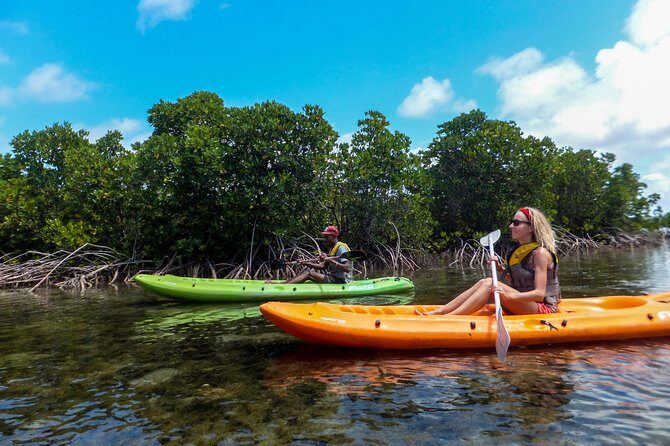
Kosi Bay by kayak is pure calm. You glide through the Kosi Bay Nature Reserve and guided mangrove channels, with fish kraals along the way and plenty of bird life to spot. I love how the guide leads you through the maze instead of you just guessing in the water, and I also love the photo-worthy serenity—then a small detail can matter: reserve permit and gate fees aren’t included, so budget a little extra.
This is a straightforward outing, about 2 hours, designed for an easygoing paddle rather than a fitness challenge. The group is capped at 16, which helps keep things peaceful, and the included life jackets and paddling gear mean you’re not scrambling for rentals. One more consideration: the experience runs on good weather, so if conditions are rough, you’ll be offered a different date or a refund.
In This Review
- Key highlights you’ll feel the moment you arrive
- Kosi Bay Estuary: why this kayaking trip feels so quiet
- Starting near Kosi Bay mouth: what happens before you even paddle
- Gear that’s actually included: kayak, paddle, life jacket
- Fish kraals: the estuary’s working side, from inside the water
- Mangrove channels and five mangrove species: your slow-motion nature moment
- Tsonga culture: how it shows up during the paddle
- Timing and energy: what a 2-hour kayak outing really means
- Price and value: what $23.39 gets you (and what it doesn’t)
- Small-group setting: comfort, pacing, and photo chances
- Weather reality: when the plan changes
- Who this Kosi Bay kayaking adventure suits best
- Should you book Kosi Bay kayaking with Safari And Surf?
- FAQ
- How long is the Kosi Bay Kayaking Adventure?
- What’s the price per person?
- What’s included in the tour?
- Are reserve permits and gate fees included?
- Where do I meet the guide?
- Where does the tour end?
- How big is the group?
- Do I need to print anything, or can I use a mobile ticket?
- When will I receive confirmation after booking?
- What happens if the weather is bad or the minimum number of travelers isn’t met?
Key highlights you’ll feel the moment you arrive
- Guided route through mangrove channels so you don’t lose time (or your sense of direction)
- Fish kraals on the paddling route for a glimpse of how the estuary is used
- Five mangrove species in one of South Africa’s most pristine east-coast estuarine systems
- Small group size (max 16) which supports that quiet, unhurried feeling
- Included kayak essentials: kayak, paddle, and life jacket
- Kosi Bay Nature Reserve setting with fish and bird life all around
Kosi Bay Estuary: why this kayaking trip feels so quiet
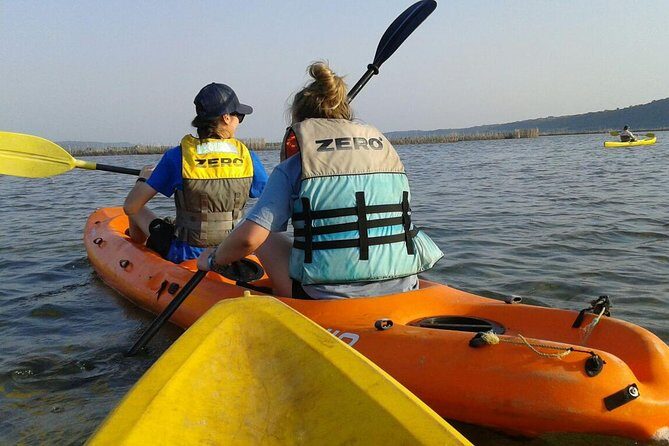
Kosi Bay sits on South Africa’s east coast in KwaZulu-Natal, and it’s known for being exceptionally well preserved. The big reason this trip stands out is the mix: mangroves, fish kraals, and a maze of channels that naturally slows you down. When the water is still and the guide is taking you route-by-route, the whole estuary feels like it has its own rhythm.
I like that the experience focuses on the “in-water” part rather than loading you up with long lectures. You’re there for the feel of the paddling, the slow scanning for birds, and the chance to photograph the mangroves without a crowd of distractions.
One more plus: you’re not just seeing nature as scenery. You’re seeing it as a living system—fish kraals and estuary channels included—so the trip has a working-meets-wildlife vibe.
A few more KwaZulu Natal tours and experiences worth a look
Starting near Kosi Bay mouth: what happens before you even paddle
You don’t start with a confusing city pickup. Your guide waits for you on the road down to Kosi Bay mouth, then directs you to a safe parking area. From there, you move as a group to the kayaks, with your guide staying close so you can get oriented fast.
This matters more than you might think. In waterways like these, the first few minutes set the tone: where you stand, how the kayak is positioned, and how you’re guided into the channels. With a guide doing that step, you spend less energy figuring things out and more energy actually enjoying the estuary.
At the end, it finishes back at the meeting point, so you’re not stuck hunting for transport after you’ve cooled off from paddling.
Gear that’s actually included: kayak, paddle, life jacket
The basics are handled for you. Your tour includes the kayak, paddles, and life jackets, so you don’t have to bring or rent the core equipment.
That said, I’d treat this like any nature paddle: you’ll be happier if you show up ready to get a little wet. The tour description doesn’t spell out clothing advice, so I won’t invent specifics—but you should assume you’ll want something comfortable and practical for a short paddle in a coastal estuary.
Also, the tour is listed as “most travelers can participate,” which is reassuring. Still, because you’re actively paddling for roughly two hours, you’ll want to be comfortable in a moving, natural-water setting—even if it’s calm.
Fish kraals: the estuary’s working side, from inside the water
One of the most interesting parts is paddling through the Kosi Bay fish kraals. These structures are part of how people interact with the estuary, and seeing them from a kayak gives you a different view than looking at them from land.
What I like here is the contrast. You’re in a natural reserve with mangroves and birds, but you’re also seeing the “human footprint” in a way that feels tied to place rather than intrusive. The guide leads you through these areas, which helps you notice what matters—how the kraals sit along the water routes and how the channels flow around them.
The setting also makes the whole trip feel more meaningful than a generic paddle. You’re not just passing through water; you’re moving through a system where fish, birds, and local use all play a role.
Mangrove channels and five mangrove species: your slow-motion nature moment
Then you glide into the mangrove channels, where the scenery does the work. The estuary is described as pristine and made famous by its mangrove diversity—five mangrove species are present here. As you paddle, you’ll pass through tight channel sections that naturally slow you down, so your attention has room for birds, shadows, and that “everything feels paused” feeling.
I also love how the guide’s job is essential here. Mangroves can look simple until you’re in them. The channels form a maze, and having someone who knows the route helps keep the experience smooth and relaxing instead of stressful.
In one past experience, the vibe was described as a timeless moment, with the group feeling like they had the water to themselves. You can’t promise solitude, but the small-group limit (max 16) and the guided pace make it a realistic possibility that you’ll experience a lot of quiet.


Tsonga culture: how it shows up during the paddle
The Kosi Bay estuary area is also connected to Tsonga culture, and that cultural layer is part of why this isn’t just a nature snapshot. In practice, you’ll likely pick up cultural context through your guide’s explanations and through what you see around the fish kraals and estuary routes.
I suggest you treat this as a “listen and look” moment. Ask the guide simple questions, and pay attention to how the estuary is described. Even if your paddle time is the main event, these details turn the trip from pretty into memorable.
And since this is a nature reserve setting, keep the tone respectful. Quiet behavior in mangroves goes a long way—less disturbance, more wildlife, better photos.
Timing and energy: what a 2-hour kayak outing really means
The duration is about 2 hours, and that’s one of the best parts for many people. It’s long enough to feel like you did something special, but short enough that you don’t need a half-day plan or a big fitness ramp.
You’ll spend time on the water paddling through fish kraals and mangrove channels, guided throughout. You’ll also have a bit of time before the paddle while you meet your guide, move from the road meeting area to parking, and get set with your kayak basics.
If you’re traveling with limited time, this fits easily. If you’re planning a bigger day in KwaZulu-Natal, it’s the kind of activity that can be slotted in without wrecking your schedule.
Price and value: what $23.39 gets you (and what it doesn’t)
At about $23.39 per person, the cost is low compared with many guided outdoor tours. The value comes from the essentials being included: kayak, paddle, and life jacket. That removes a common hidden expense, especially if you’re traveling light.
The main cost consideration is that reserve permit and gate fees are at your own expense. Since the exact amount isn’t listed here, you’ll want to check at booking or on confirmation so you don’t get surprised on the day. Still, even with that extra budget, this tends to be a solid value because you’re paying for a guided paddle through a protected estuary rather than just renting equipment.
Also note the booking behavior: this is often booked around 37 days in advance on average. That’s a hint of demand, likely because the trip is short and the group size is capped, so it’s smart to reserve early if you can.
Small-group setting: comfort, pacing, and photo chances
The tour caps at 16 travelers, which is a big deal for a kayak adventure. It helps keep the pace steady and reduces waiting time as you enter channels. It also increases your odds of getting better photos, because you’ll have space to position your kayak and capture mangrove scenes without constantly dodging other boats.
From the review vibe, the serenity is a major draw. Even when nature is busy, guided small groups usually help you settle into the moment faster. I like tours where the guide’s presence improves flow rather than turning the experience into a crowded, scripted production.
Weather reality: when the plan changes
This experience requires good weather. That’s not just a box-tick; it affects water conditions and safety in estuary channels. If it’s canceled due to poor weather, you’ll be offered a different date or a full refund.
So if you’re planning multiple days in the region, build in flexibility. If your schedule is fixed, it can still work—just understand that nature decides sometimes.
Who this Kosi Bay kayaking adventure suits best
This is a great fit if you want something calmer than a big sightseeing day. You’ll probably enjoy it most if you like wildlife spotting, photography, and moving through a protected ecosystem at a human pace.
It’s also a strong choice for couples or solo travelers who want a guided route with minimal fuss. The small-group size and the guided maze navigation are helpful if you don’t want to think about where to paddle next.
If you’re expecting extreme paddling, this likely won’t be that. It’s more about the estuary experience—mangroves, fish kraals, birds—than speed or endurance.
Should you book Kosi Bay kayaking with Safari And Surf?
I’d book this if you want a short, guided kayak trip in a place that’s actually known for its pristine estuary system. The combination of fish kraals, mangrove channels, and a guide who knows the maze makes it feel like more than a rental-and-go outing.
You should think twice if you’re budgeting tightly because permit and gate fees aren’t included, and you also need to be okay with weather dependency. If the day gets canceled for poor weather, the good news is you’re offered a different date or a full refund.
If you can spare about two hours and you want a genuinely peaceful water-based experience in KwaZulu-Natal, this one is a strong pick.
FAQ
How long is the Kosi Bay Kayaking Adventure?
It’s approximately 2 hours.
What’s the price per person?
The price is $23.39 per person.
What’s included in the tour?
The tour includes kayaks, life jackets, and paddles.
Are reserve permits and gate fees included?
No. Reserve permit and gate fees are at your own expense.
Where do I meet the guide?
You start at the unnamed road, eNkovukeni, South Africa.
Where does the tour end?
It ends back at the meeting point.
How big is the group?
The tour has a maximum of 16 travelers.
Do I need to print anything, or can I use a mobile ticket?
A mobile ticket is provided.
When will I receive confirmation after booking?
Confirmation is received within 48 hours of booking, subject to availability.
What happens if the weather is bad or the minimum number of travelers isn’t met?
The experience requires good weather. If canceled due to poor weather, you’ll be offered a different date or a full refund. If it’s canceled because the minimum number isn’t met, you’ll also be offered a different date/experience or a full refund.