REVIEW · KRUGER NATIONAL PARK
Full Day Kruger National Park Game Drive
Book on Viator →Operated by Discover Tours & Safaris · Bookable on Viator
Kruger at 5 a.m. changes everything. This full-day game drive is a smart way to tackle a huge park with a pro steering the day, so you can focus on spotting wildlife instead of figuring out roads. I especially like the private vehicle comfort at dawn and the way the guide keeps the pace steady, aiming you where sightings are most likely. One thing to plan around: food and drinks aren’t included, and you’re out for about 10 hours.
What I really love is the learning that makes the animals feel more real, not like random dotting on a map. With guides like Rufus—who was early and calm with explanations—and Daphe—who could answer anything I asked—this safari turns your drive into a mini nature class. The main consideration is simple: early start plus long driving time means you’ll want to be comfortable sitting for hours.
In This Review
- Key things that make this Kruger day trip worth it
- A 5 a.m. start inside Kruger’s big-sky calm
- Private vehicle, pro guide, and how you actually spot animals
- Stop 1 in Kruger: wildlife, birds, reptiles, and geology
- Stop 2 tied to Discover Tours: why the biome context helps your sightings
- Price and logistics: what $171.46 really buys you
- What you’ll likely see, and how guides make it feel personal
- Tips to survive (and enjoy) a 10-hour safari day
- Who should book this full-day Kruger drive?
- Should you book this full day Kruger National Park game drive?
- FAQ
- What time does the full day Kruger game drive start?
- How long is the experience?
- Does the price include Kruger National Park admission?
- Are food and drinks included?
- Is pickup offered?
- Do I get a ticket on my phone?
- Who runs the tour?
- Can I cancel and get a refund?
- About how far in advance do people book it?
Key things that make this Kruger day trip worth it
- 5:00 a.m. departure means better chances for active wildlife
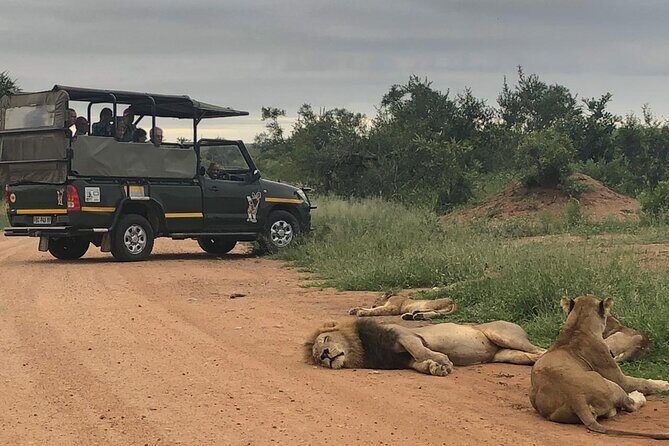
- Private vehicle keeps the day calmer and more flexible than big buses
- Professional guide helps you read animal behavior, not just spot them
- Mineral water included keeps you going through the morning drive
- Kruger stop focuses on wildlife, birds, reptiles, and even geology
- A second guided segment tied to Discover Tours adds biome context so sightings make sense
A 5 a.m. start inside Kruger’s big-sky calm
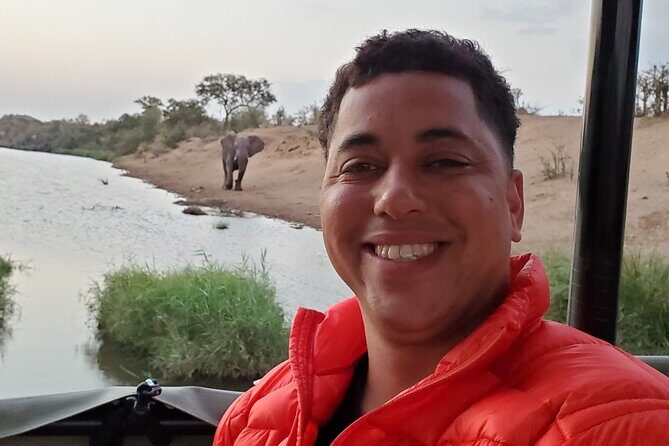
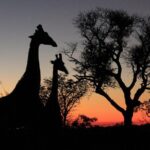
If you only do one safari day in Kruger, start early. This tour kicks off at 5:00 am and runs about 10 hours, so you’re in the park while the light is fresh and animals are more likely to be moving. Dawn in Kruger has a way of slowing your brain down. The drive feels purposeful rather than rushed, and the quiet helps you notice sounds—birds calling, insects, the occasional alarm cry.
The timing also affects what kind of sightings you’ll get. Midday can be hot and animals often hide from the sun. Morning tends to be when you get more natural behavior: feeding, walking, grooming, and other “real life” moments. Even if you’re not chasing a checklist, that’s where the safari drama lives.
One practical note: the day is long, and you’re leaving before most people have fully woken up. If you’re the type who hates early alarms, you’ll still make it—just pack your patience and dress for morning chill. Kruger mornings can feel cooler than you expect.
A few more Kruger National Park tours and experiences worth a look
Private vehicle, pro guide, and how you actually spot animals
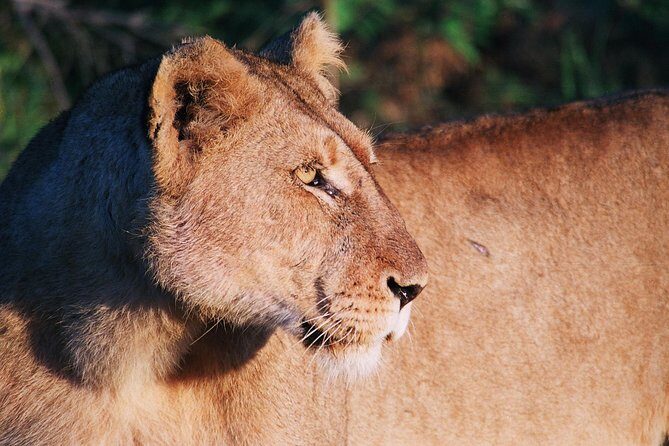
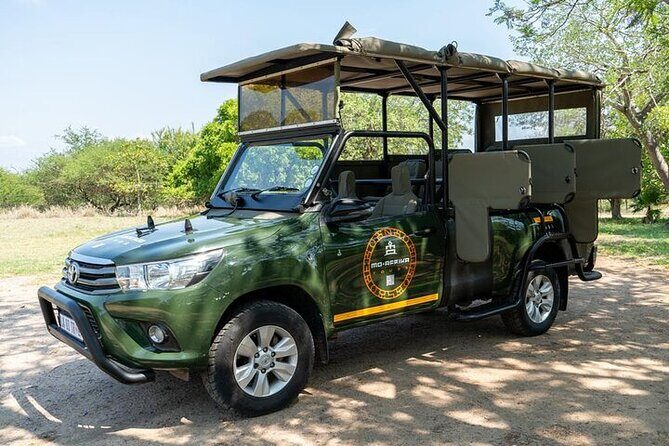
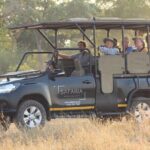
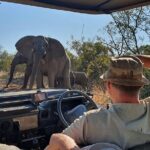
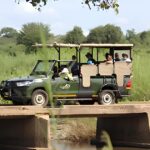
This tour includes a private vehicle and a professional guide, which matters more than it sounds. In Kruger, wildlife isn’t evenly distributed. The guide’s job isn’t just to drive; it’s to make good calls—when to slow down, where to scan, and how to respond when something interesting is happening.
That’s where your experience improves fast. On one trip, Rufus was described as on time (early, even at 5 a.m.) and extremely solid with explanations. Another guest praised Daphe for being on the ball and making the day feel special for both first-timers and repeat visitors. When you have a guide who’s attentive to details, you don’t just see an animal; you understand what it’s doing and why it’s there.
You’ll also get a guide who watches the small stuff. The Kruger experience isn’t only about big “poster animals.” The itinerary explicitly includes wildlife, birdlife, and reptiles, which usually means more than one kind of spotting during the day. Guides who are good at observation tend to notice movement you might miss from the back seat.
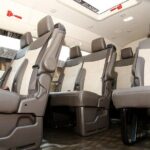
And yes, comfort matters too. A private vehicle makes the morning and midday easier on your back and legs than hopping between seats in larger groups. You’re more likely to sit still long enough to actually catch behavior.
Stop 1 in Kruger: wildlife, birds, reptiles, and geology
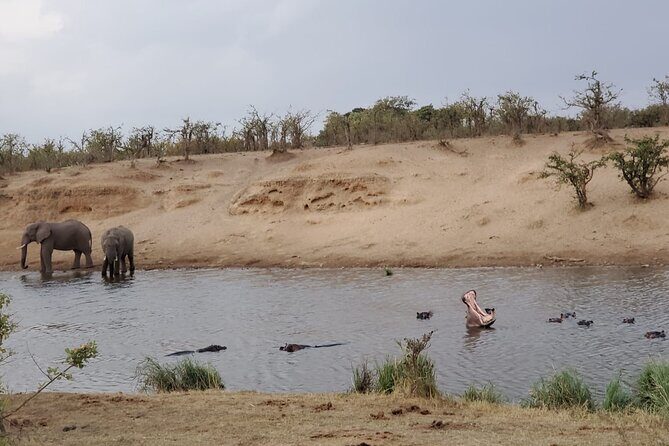
The day’s core focus is Kruger National Park, and the way the itinerary frames it is useful: it’s not just a single “animal chase.” You’ll spend time exploring wildlife and nature, with added attention to birdlife and reptiles, plus geology.
Here’s what that means for you on the ground.
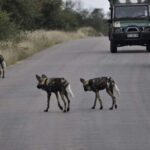
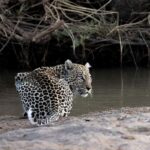
First, wildlife viewing is about patience and timing. Even when animals are around, they don’t always show themselves clearly. A guide helps you get the right perspective—often from the road position and viewing angle—so you can see the animal’s full shape and behavior. One highlight from previous guests was an especially satisfying wildlife moment—long enough to really watch a leopard without constantly losing it. That kind of stop doesn’t happen by accident; it usually comes from the guide knowing when to pause.
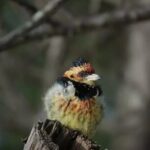
Second, birds and reptiles add variety. If you’re the kind of traveler who gets bored when you only see mammals, this portion helps keep the day interesting. Birdlife can be nonstop once you learn what to listen for and where to look. Reptiles are often easier to spot when you pay attention to edges, rocks, and sun-warmed areas—things you might ignore if your focus is only on the “big five” headline.
Third, geology might sound like a classroom extra, but it often helps you read the park. Soil, rock types, and terrain can hint at where water collects, how vegetation changes, and why animals choose certain areas. Even a basic explanation can make the scenery feel more connected, so your photos come with meaning.
Drawback? You’re in the park for hours, and wildlife viewing is never guaranteed. Weather can shift the day’s pace. One guest noted heavy rain at the start, but the guide kept expectations grounded and conditions improved later. The takeaway for you: if rain happens, it doesn’t automatically mean a bad safari, but you should dress for it and stay flexible.
Stop 2 tied to Discover Tours: why the biome context helps your sightings
Your itinerary also lists Discover Tours with a focus on wildlife, nature, and biomes. The label is brief, but the value is clear: it’s the kind of extra guidance that helps you connect what you’re seeing to where you are in the park.
Biomes are basically the park’s different “living zones.” When you understand that, you stop thinking in random wildlife moments and start thinking like the habitat. For example, the plants you notice—thicker cover versus open areas—tend to influence how easily you’ll spot animals and which species are more likely in that area. Even without a lot of technical detail, biome context makes the day feel less like a drive and more like a story you’re able to follow.
This segment can also be useful if you’re on your first visit to Kruger or if you’ve been before and feel like you’re still missing the pattern. A guide who explains biomes helps you refine your own spotting: where to look, what to watch for, and how to interpret animal movement in context.
One possible drawback: because the itinerary is structured around a long day, any “extra explanation” time still comes after early pickup. If you’re hoping for a completely hands-off, no-thinking safari, you might find the learning bits add a bit of structure. Personally, I think that’s a plus—you remember more and you get more out of each stop.
Price and logistics: what $171.46 really buys you
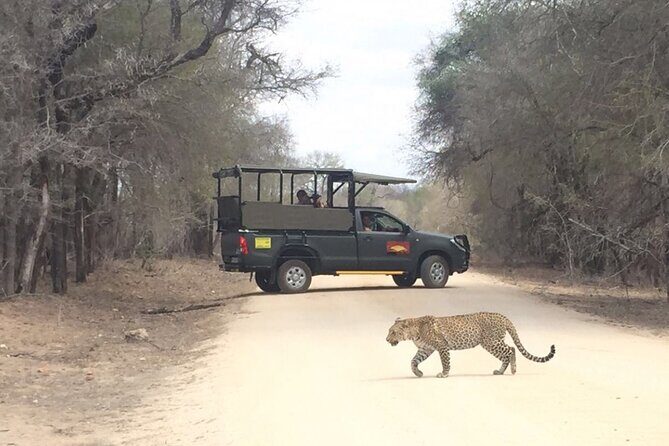
At $171.46 per person, this is priced like a serious, full-day safari experience. The real value is what’s included versus what isn’t.
Included:
- Private vehicle and professional, experienced guide
- Guided full day game drive
- Mineral water during the drive
- Pickup offered
- Mobile ticket
- Confirmation at booking time
Not included:
- Food and drinks
- Admission ticket for the park (explicitly not included)
So the best way to judge value is to add what you’ll need on top. This tour can be a great deal if you’re already planning meals or if you don’t mind keeping things simple and buying food separately. If you hate surprise costs, check how you’ll handle meals and park admission early, so you don’t end up scrambling.
There’s also a scheduling clue in the data: the tour is commonly booked around 97 days in advance on average. That suggests demand is real, especially for the early start slot. If Kruger is your main event, booking earlier tends to be the calmer approach.
Finally, there’s a maximum capacity listed as 500 travelers. That doesn’t mean you’ll be sharing your vehicle with 500 people. But it does hint that the park can be busy at entry points and popular viewing times, depending on the day. Your guide’s skill still matters most—getting you into the right rhythm.
What you’ll likely see, and how guides make it feel personal
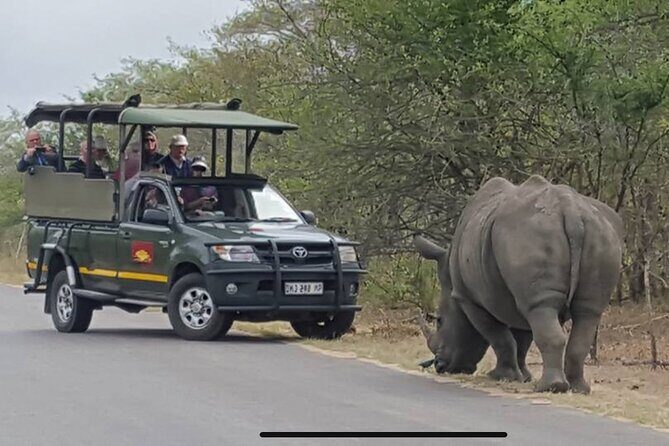
Kruger is famous for wildlife, but what turns it into a standout day is the pattern of encounters. The itinerary is designed for broad coverage—wildlife plus birds and reptiles—and the guides are tuned to finding animals and teaching you what you’re looking at.
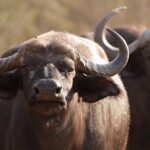
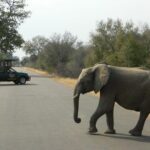
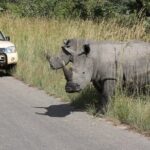
In previous experiences, guests reported seeing almost all big five, with the guide working hard to maximize sightings. That doesn’t mean you’ll guarantee the same outcome on your day. It does mean the operator aims for serious wildlife time, not just a casual drive.
The best part is the “behavior viewing” angle. One guest called out how a longer look at a leopard was the top moment. That’s the difference between seeing an animal and really watching it. When you stop long enough and you’re positioned well, you notice details: posture, direction of movement, interactions, and how the animal responds to its surroundings.
Also, guides can tailor the day to what you care about. One report highlighted how Rufus tailored the tour to what the couple wanted to see, which is the kind of personal touch you’d like on a first trip.
Tips to survive (and enjoy) a 10-hour safari day
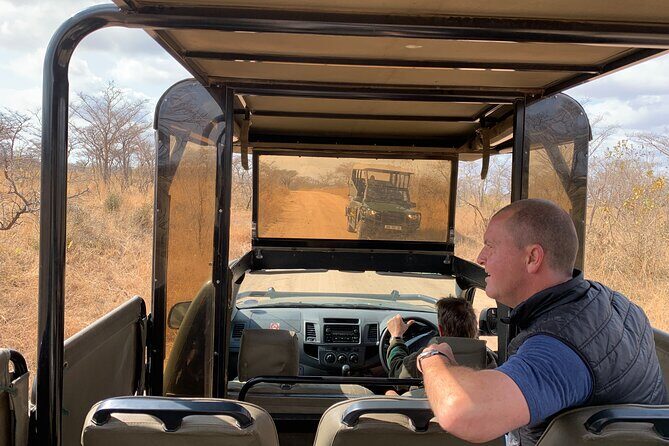
Because the tour is about comfort and spotting, a few practical steps make the day easier.
- Bring snacks and plan meals: since food and drinks aren’t included, you’ll want your own strategy so you don’t lose energy mid-drive.
- Dress in layers: morning can feel cooler, and the day warms up. Think flexible clothing.
- Use sun protection: you’re in open viewing situations for long stretches, and glare can affect both comfort and spotting.
- Bring patience for wildlife timing: the best sightings often come after waiting, not during constant driving.
- If you’re sensitive to early mornings, get sleep the night before. The 5:00 am start is the whole game.
If you’re traveling with family or students, the private setup can help the guide keep everyone engaged. One group experience mentioned having the car for their group of students and getting clear answers to questions—exactly what you want on an education-plus-adventure day.
Who should book this full-day Kruger drive?
This safari fits well if you:
- Want a guided way to see Kruger without spending your mental energy on routes
- Appreciate learning about animal behavior, not only taking photos
- Prefer a more comfortable setup with private vehicle time
- Are okay handling meals separately since food isn’t included
- Want a morning start for stronger wildlife odds
It might be less ideal if you:
- Can’t handle long early starts and prefer late mornings
- Expect meals and park admission to be included in the price
- Want a super flexible, no-structure day where you can instantly leave when you want (this tour runs as a full-day program)
Should you book this full day Kruger National Park game drive?
Yes, if you’re the type of traveler who wants your money to go toward time with a guide and high-quality wildlife viewing, not toward guesswork. The early 5:00 am departure and the private vehicle with an experienced guide are the big strengths. Just be honest with yourself about two things: you’ll need to plan for food/drinks, and wildlife sightings are never guaranteed, even with top effort.
If you’re planning a first Kruger visit (or a return trip where you want to learn more), this is a solid way to see the park in a single day—especially if you want your guide to help you watch animals like you mean it.
FAQ
What time does the full day Kruger game drive start?
The tour starts at 5:00 am.
How long is the experience?
It runs for about 10 hours.
Does the price include Kruger National Park admission?
No. The admission ticket is not included.
Are food and drinks included?
No. Food and drinks are not included (mineral water is provided during the drive).
Is pickup offered?
Yes. Pickup is offered, and the tour ends back at the meeting point.
Do I get a ticket on my phone?
Yes. This experience includes a mobile ticket.
Who runs the tour?
The experience provider is Discover Tours & Safaris, and the tour includes a professional guide and private vehicle.
Can I cancel and get a refund?
No. The experience is non-refundable and cannot be changed for any reason.
About how far in advance do people book it?
On average, this is booked about 97 days in advance.