REVIEW · KRUGER NATIONAL PARK
Kruger National Park: Wildlife-Watching Safari
Book on GetYourGuide →Operated by Inn Africa Camp & Tours- Game drives · Bookable on GetYourGuide
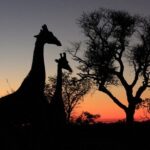
A dawn safari in Kruger feels like hitting play. You get an open-air game drive in a small vehicle, guided by an experienced instructor who helps you read what you’re seeing—animals, birds, and the plants that support them. It’s designed around early viewing, with the chance for Big Five sightings depending on conditions.
What I like most is the mix of comfort and focus: you’ll be in a small safari vehicle that’s easy to talk to your guide from, and you’ll get real explanations about fauna and flora (not just a checklist of species). One thing to plan for: gate entry fees and food aren’t included, so you’ll want to budget those plus bring your own basics.
In This Review
- Key highlights at a glance
- Kruger at first light: why this timing actually matters
- Getting on the safari: pickup, meeting, and what you’re really walking into
- The guide factor: explanations that change what you see
- Wildlife watching from an open vehicle: comfort, photos, and easier spotting
- Big Five chances: what high possibility really means
- How the half-day (or afternoon) drives typically feel
- Practical value: what you pay for at $63 per person
- What to bring (and what to skip)
- Who this safari is best for
- Quick tips to boost your chances during the drive
- Should you book this Kruger safari?
- FAQ
- What time does the safari start?
- Is hotel pickup and drop-off included?
- What is the meeting point procedure?
- What’s included in the price?
- Are gate entry fees included?
- Is food included?
- Is alcohol allowed?
- What should I bring?
- What about weather?
- Who is this tour not suitable for?
Key highlights at a glance
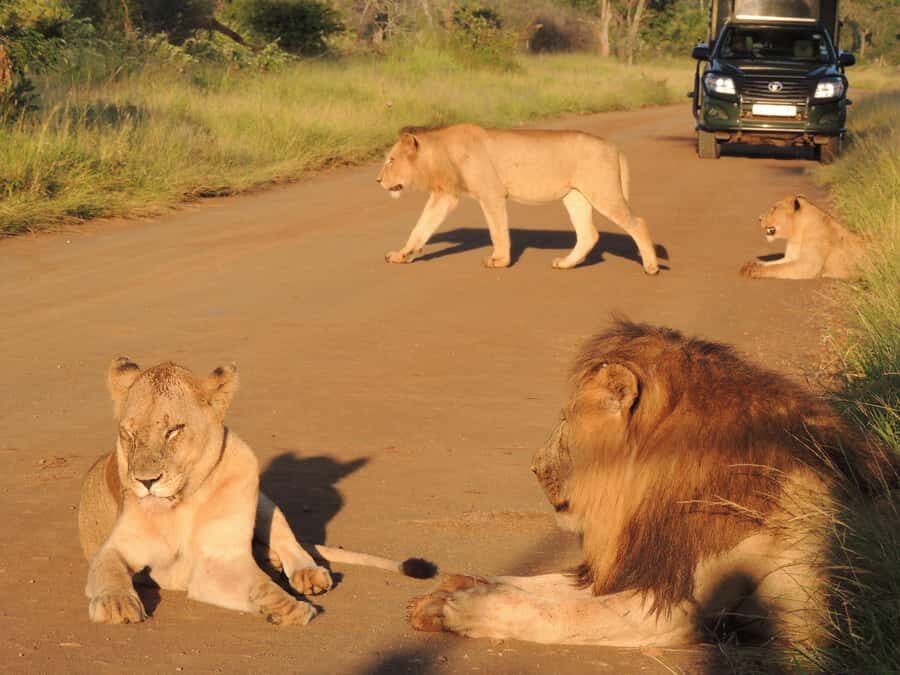
- 5:00 am start (or afternoon 14:00–18:00): built around prime animal hours and flexible timing
- Open safari vehicle: easier spotting and better photo angles in the field
- Experienced guide guidance: learns in plain language about fauna, flora, and birdlife
- Small vehicle feel: more back-and-forth, fewer barriers between you and the guide
- Big Five possibility: good odds, depending on what the reserve is doing that morning
- Hotel pickup/drop-off by arrangement: convenient if you’re near the pickup point
Kruger at first light: why this timing actually matters
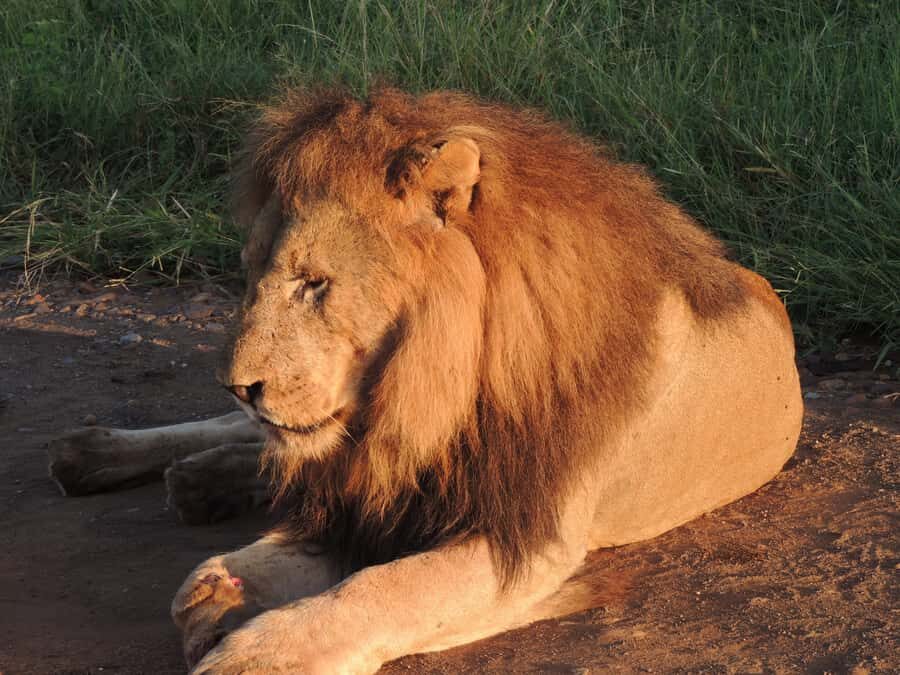
Kruger National Park is big, and animals don’t move the way they do on a late start. That’s why this safari is built around an early morning push—starting at 5:00 am and running until about 12:00 (midday). If you’re the type who hates wasting time waiting for wildlife to show up, this schedule is your friend.
The tour also runs an afternoon option from 14:00 to 18:00, so you’re not locked into a single wake-up hour. Either way, you’re aiming for the part of the day when animals are most active and when light makes everything easier to see—and photograph. That early light is especially useful for reading behavior: you can often tell what an animal is doing just by how it’s positioned and moving.
One more practical note: the drive is offered in any weather conditions. That means you should be ready for cool mornings, changing skies, and the kind of weather that makes you zip up and then un-zip a few times. Bring layers, not one outfit.
A few more Kruger National Park tours and experiences worth a look
Getting on the safari: pickup, meeting, and what you’re really walking into
This experience starts with a simple setup: you look for the company logo at the meeting point, confirm your voucher with the tour guide, and then you’re off. In many cases, pickup and drop-off are available from hotels (by prior arrangement), which can save you from the hassle of figuring out local transport before and after.
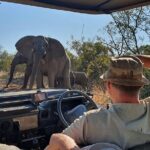
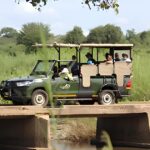
You’ll head into Kruger in an open safari vehicle, which is one of the biggest reasons this style of tour works. You don’t feel sealed off like you’re stuck in a box. You can also spot movement faster because you have a wider field of view around you, and you can get steady angles for pictures when animals come close.
The tour format also emphasizes flexible break time. That’s not just comfort—it matters for wildlife watching. If you want a better look at something, you need time to pause. If you want to move on before it gets too dark or too hot, you need flexibility. This tour allows for that.
The guide factor: explanations that change what you see
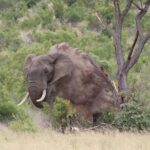
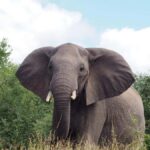
A lot of safari tours stop at, That’s an elephant. This one is different because the guide is meant to help you understand why you’re seeing what you’re seeing.
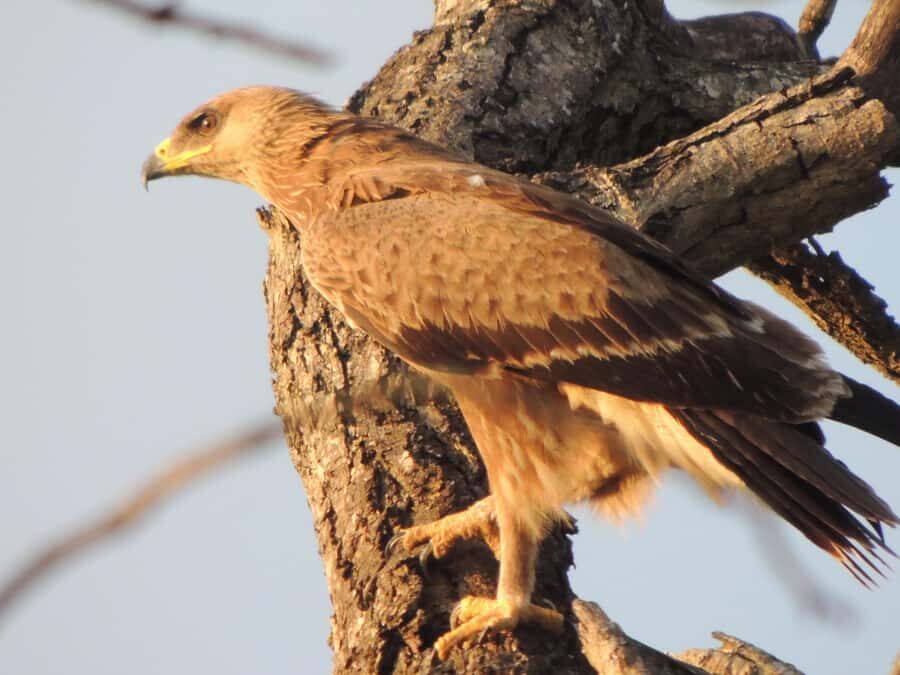
You can expect learning about fauna and flora, plus time spent focused on birdlife. That matters because Kruger isn’t only about the big animals. If you understand what plants provide food or shelter, and what birds indicate about the local conditions, you spot more—and you don’t miss the smaller action happening right under your nose.
One name that comes up in the experience feedback is Jerry. He’s highlighted for being well connected with other drivers to improve the odds of strong sightings, and for responding to a guest request to search for a particular animal (like leopard). That kind of guide skill is practical: sightings are often about timing and positioning, and a guide who’s plugged into the on-the-ground driving network can often increase your chances.
Wildlife watching from an open vehicle: comfort, photos, and easier spotting
The open safari vehicle is meant to make wildlife viewing easier. You get easy viewing and the ability to take pictures without the same angle limits you get from closed vehicles.
Here’s what to think about as you plan:
- Your camera matters, but so does how you’re positioned. In open vehicles, you’ll usually want to be ready to move your focus quickly when the guide calls attention to something.
- Birdlife can be surprisingly fast. The more you can keep your eyes scanning (not just locked on one animal), the more you’ll catch.
- You’re sharing space with other passengers, so bring an approach that keeps you from blocking someone’s view when you’re aiming.
The “fresh wildlife atmosphere” point isn’t marketing fluff. Air movement in open vehicles can make you feel more connected to the environment—especially when the temperature is cool in the early morning.
Also, since this isn’t a long marathon day, the tour tends to stay energetic. You’re out early enough that you can still enjoy the drive even if you’re not the type who wants hours of sitting.
Big Five chances: what high possibility really means
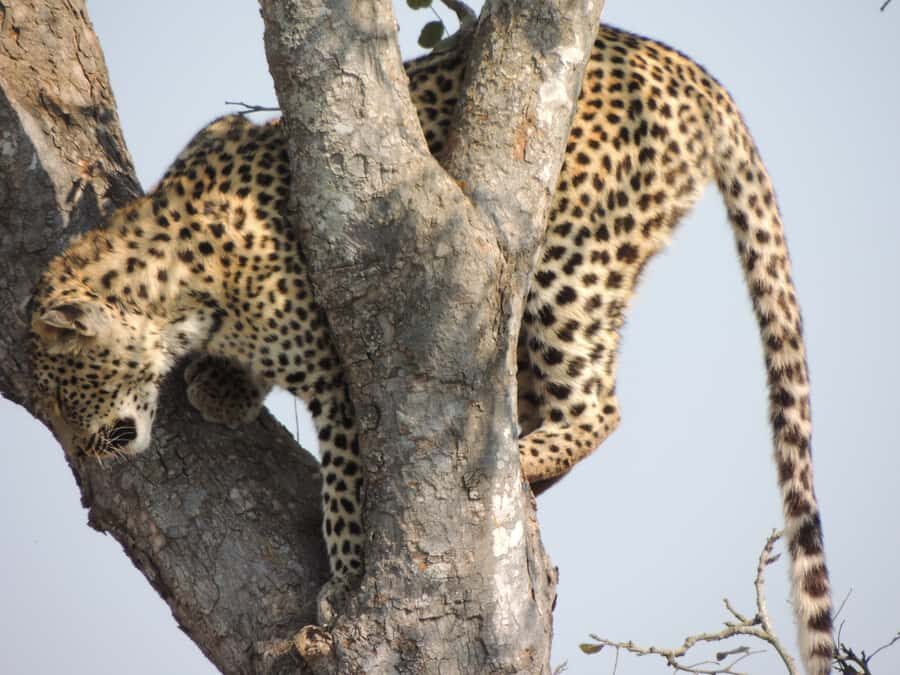
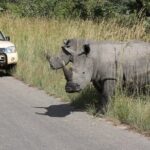
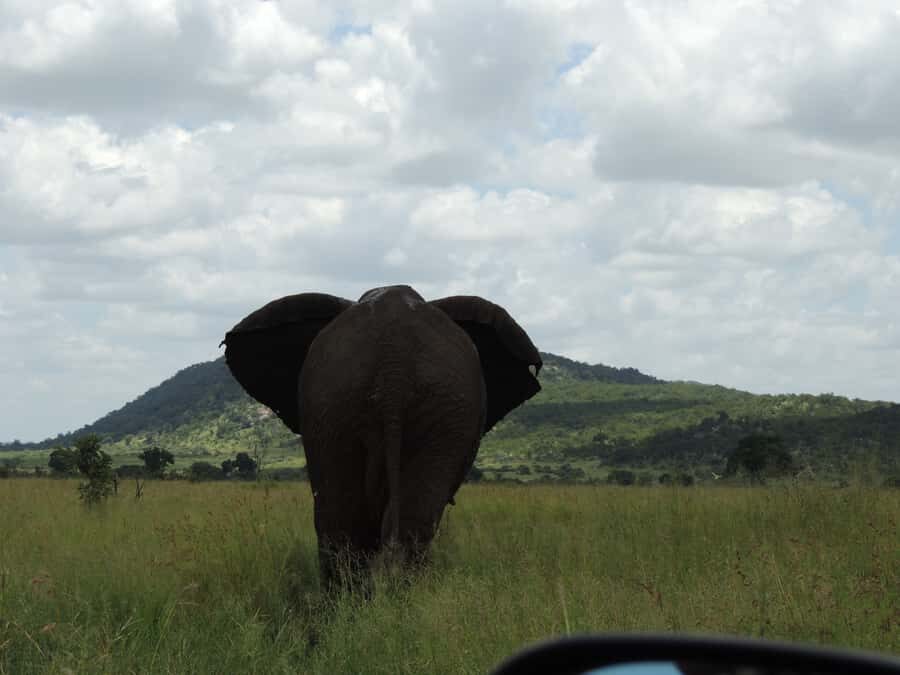
The tour info flags Big Five possibility is high. That’s a good sign, but you should interpret it correctly: in Kruger, sightings aren’t guaranteed. Animals move. The road network and sightings from other drives influence where you’ll be at any time.
So what does “high possibility” give you? It gives you a safari that’s designed to hunt for the right moments. A guide will likely adjust the route as the day unfolds. If conditions are good, you’re positioned to benefit. If conditions are quiet, you still get a strong nature experience—animals, birds, and habitat, plus expert interpretation.
If you’re hoping for the classics, keep your expectations flexible:
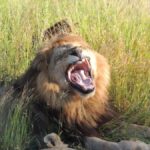
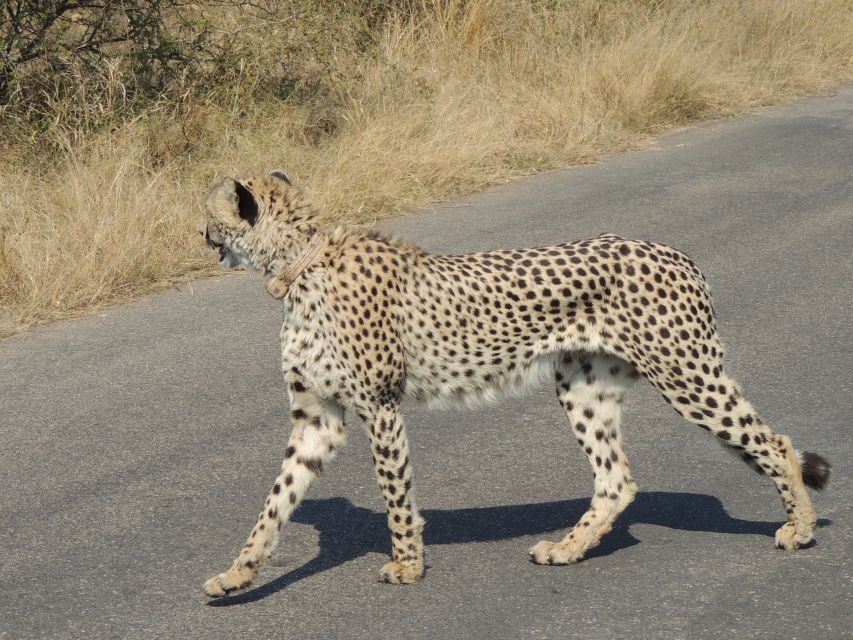
- You might find cheetah or lions on a lucky run.
- You might catch a leopard only if timing and luck line up.
- Even if a specific target doesn’t show, you’ll still learn from what you do see.
A few more Kruger National Park tours and experiences worth a look
How the half-day (or afternoon) drives typically feel
Even without a long, multi-stop itinerary, the experience can feel complete because your time is focused. You start at the morning meeting point (or pickup), then you spend the bulk of the tour on the drive itself.
In the morning slot (5:00 am–12:00), you’re usually looking at changing activity levels as the day warms. At that hour, animals often appear closer to roads and open areas, and the park feels more awake—birds calling, insects active, and bigger mammals starting to move.
In the afternoon slot (14:00–18:00), you’re watching for different behavior. Animals may shift patterns as temperatures change and light softens again. You might also find that certain species react differently later in the day.
Either way, the tour ends back at the meeting point, with hotel drop-off available by arrangement.
Practical value: what you pay for at $63 per person
At $63 per person, you’re paying for guide-led wildlife time in Kruger plus transport in an open safari vehicle. That’s generally good value compared to tours that charge more but don’t add much beyond being a driver with a headset.
Still, you should budget honestly:
- Gate entry fees are not included, so that’s an extra cost you’ll need to factor in.
- Food isn’t included, so plan snacks or a full meal outside the tour window.
- Alcohol isn’t allowed on this experience, and intoxication isn’t permitted.
So the value equation is: you’re paying for the safari experience itself, not the park access ticket and not a meal plan. If you arrive prepared—water, camera, a plan for food—you get the most out of what you paid.
What to bring (and what to skip)
You’ll have the best time if you come ready for the field. Here’s what the tour asks you to bring:
- Change of clothes
- Camera
- Biodegradable sunscreen
- Binoculars
Those last two are especially smart. Sunscreen helps because you’ll still spend time exposed to sun even early morning. Binoculars can turn a “maybe that’s a bird” moment into a “now I know what it is” moment when your guide starts pointing out birdlife.
What you shouldn’t do:
- No intoxication
- No alcohol and drugs
This is one of those tours where rules matter because wildlife viewing depends on calm, focus, and safe behavior in and around vehicles.
Who this safari is best for
This is a strong fit if you want:
- A guide-led game drive (not a DIY drive)
- A schedule built around early or late prime viewing
- An open-vehicle experience that supports easy spotting and photos
It’s also not for everyone. The tour notes it’s not suitable for people over 70 years. If that applies to you, it’s worth checking whether you can find a different style of safari that better matches your pace and comfort needs.
Quick tips to boost your chances during the drive
You can’t control what animals do, but you can control how ready you are.
- Keep your attention wide. When you stare at one patch of scrub, you miss the movement on the edges.
- Use your binoculars early, not only when something big appears.
- Ask questions when the guide offers explanations. Learning what you’re seeing helps you spot the next one faster.
- Dress for changing conditions. It can be cool at dawn and then warm later.
If you’re aiming for specific animals, ask politely when your guide can respond. The example of Jerry shows guides may try to follow requests like leopard searching when conditions allow.
Should you book this Kruger safari?
If you want a real wildlife-watching game drive with early timing, expert interpretation, and an open vehicle that supports photos, I think this is an easy yes to consider—especially at $63 per person.
Book it if:
- You’re flexible about sightings and want the guide to do the hunting for you
- You’re comfortable with an early start (or you can do the afternoon slot)
- You’ll handle your own food plan and remember gate fees are extra
Skip (or ask alternatives) if:
- You need a fully catered meal plan included in the price
- You’re looking for a late, slow sightseeing day
- Your age or mobility needs don’t match the noted suitability limits
FAQ
What time does the safari start?
The tour runs either early morning from 5:00 am to about 12:00 midday, or in the afternoon from 14:00 to 18:00.
Is hotel pickup and drop-off included?
Pickup and drop-off are available from hotels by prior arrangement. The activity ends back at the meeting point.
What is the meeting point procedure?
You should look for the company logo, then confirm your voucher booking with the tour guide.
What’s included in the price?
The safari includes a small safari vehicle, easy viewing, time with an experienced tour guide, flexible tour hours, and flexible break time.
Are gate entry fees included?
No. You’ll need to pay the gate entry fees yourself.
Is food included?
No. Food is not included.
Is alcohol allowed?
No. Alcohol is not allowed, and intoxication is not permitted.
What should I bring?
Bring a camera, binoculars, biodegradable sunscreen, and a change of clothes.
What about weather?
The tour operates in any weather conditions.
Who is this tour not suitable for?
It’s noted as not suitable for people over 70 years.