REVIEW · JOHANNESBURG
Johannesburg: Street Art and Culture in Maboneng!
Book on GetYourGuide →Operated by City Skate Tours Pty Ltd · Bookable on GetYourGuide
Street art tells Joburg’s real story. This 2-hour walk through Maboneng, meaning place of light, turns murals into lessons about the city’s past and its current creative shift.
I love the way guides like Ayanda connect each artwork to the artist’s message and Johannesburg’s changing neighborhoods. I also love the mix of street corners and real culture spots, from Maboneng Arts Village to the alleged Hide-Out Bar tied to anti-apartheid activists.
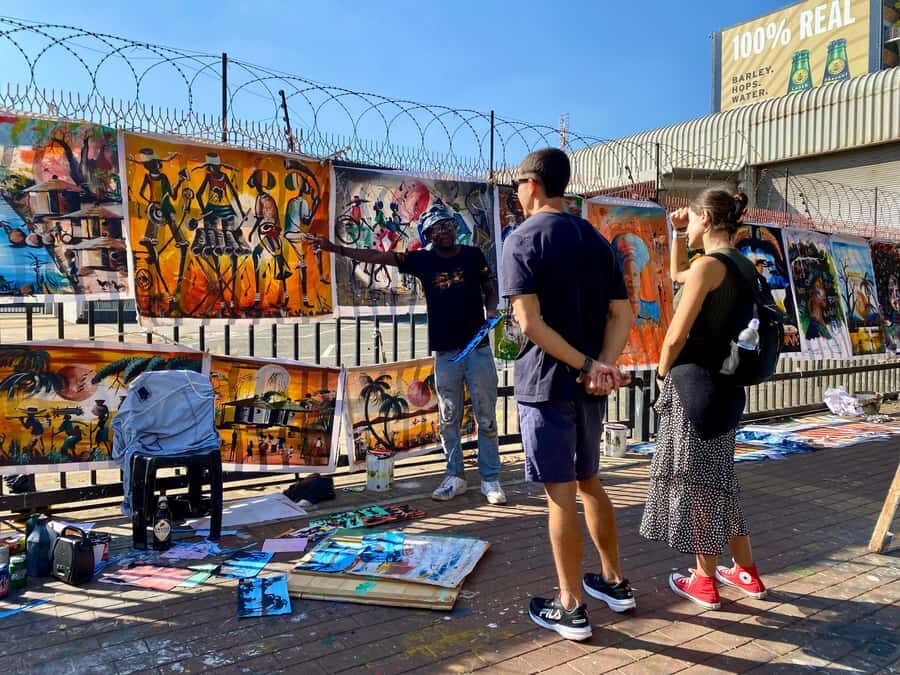
One practical catch: Maboneng has street artists and informal traders, so if you want to buy anything, bring cash/card and keep an eye on the group.
In This Review
- Key things to know before you go
- Meeting at Home of the Bean: coffee first, then street-level history
- Maboneng murals: more than decoration on the walls
- Arts Village: where creativity becomes something you can take home
- Hide-Out Bar at Curiocity Backpackers: the anti-apartheid connection on the route
- The viewpoint and the redevelopment story in plain terms
- How long is it, and what pace should you plan for?
- Price and value: what you get for $40
- Who this tour is best for (and who should skip it)
- Should you book this Maboneng Street Art and Culture tour?
- FAQ
- Where do I meet for the Maboneng street art tour?
- How long is the tour?
- Is the tour available in English?
- Is food or drink included in the tour price?
- What’s included with the tour ticket?
- Should I bring cash or a card?
- Do I need to worry about canceling?
Key things to know before you go
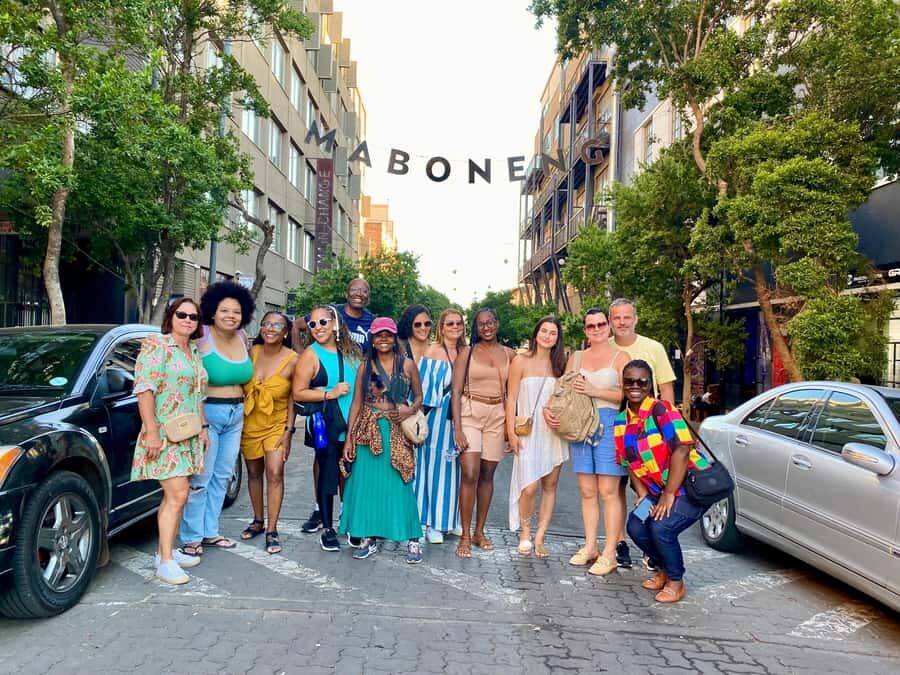
- Maboneng’s transformation (2009 to today): old industrial area to a creative inner-city neighborhood
- Murals with real names: you’ll hear about international and local artists like ESPO Powers and DBongz
- Art spaces you can actually visit: Maboneng Arts Village and a bar stop at Curiocity Backpackers
- An anti-apartheid thread in the city: the Hide-Out Bar is presented as an alleged meeting spot for activists
- Small-group feel: some bookings note groups around 2–4 people, which helps for questions
- Two hours, well-paced: a safety briefing, multiple street stops, and a scenic viewpoint
Meeting at Home of the Bean: coffee first, then street-level history
Most mornings in Maboneng start right at the practical level: meet at Home of the Bean, on the corner of Fox and Berea Street under the bridge. The building looks industrial from the outside, so arriving early and waiting inside the coffee shop is the easiest move.
Before you head out, there’s a short safety briefing (about 15 minutes). It’s not about fear-mongering. It’s about getting your bearings in an area where street life is active and you’ll be walking with local artists, curio sellers, and regular neighborhood residents. That briefing sets the tone: you’re there for art and culture, but you’re still moving through a real city street.
If you want coffee, you can grab it before the tour starts. Just plan on paying for it yourself since food and drink aren’t included in the tour price.
A few more Johannesburg tours and experiences worth a look
Maboneng murals: more than decoration on the walls
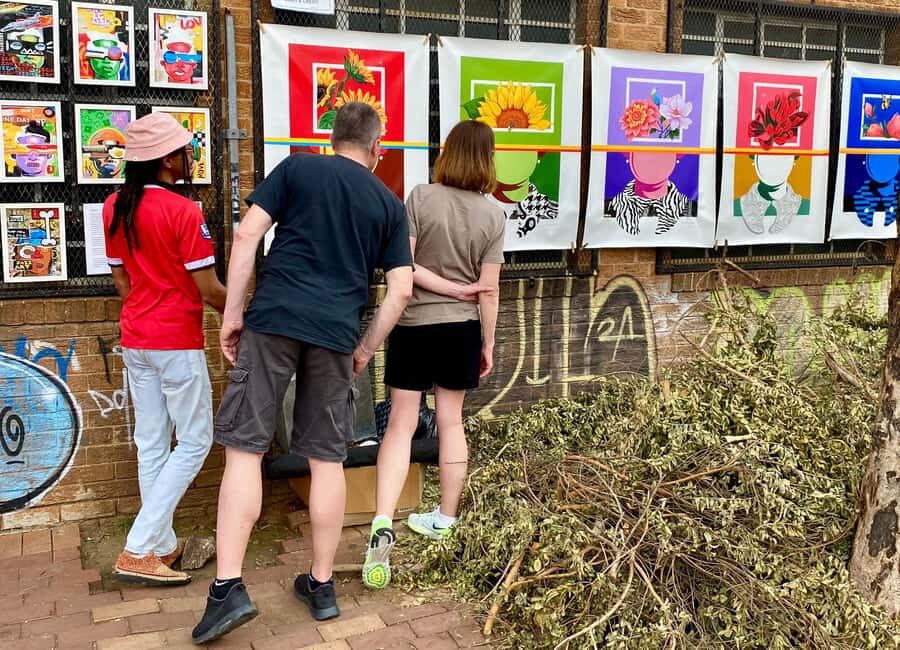
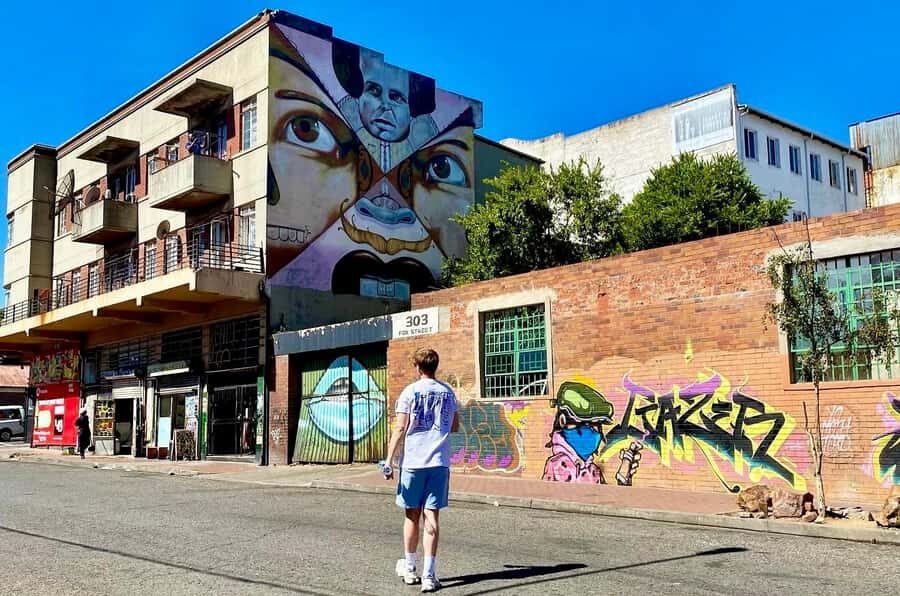
This is a street art tour, but it’s built around meaning. You’ll walk through Maboneng and stop where the murals and artworks make statements—politics, identity, pride, struggle, and everyday life.
A big part of the value here is that you’re not just seeing art. You’re learning how to read it. The guide points out iconic pieces across the precinct and explains what you’re looking at, who made it, and why that particular message shows up in this neighborhood.
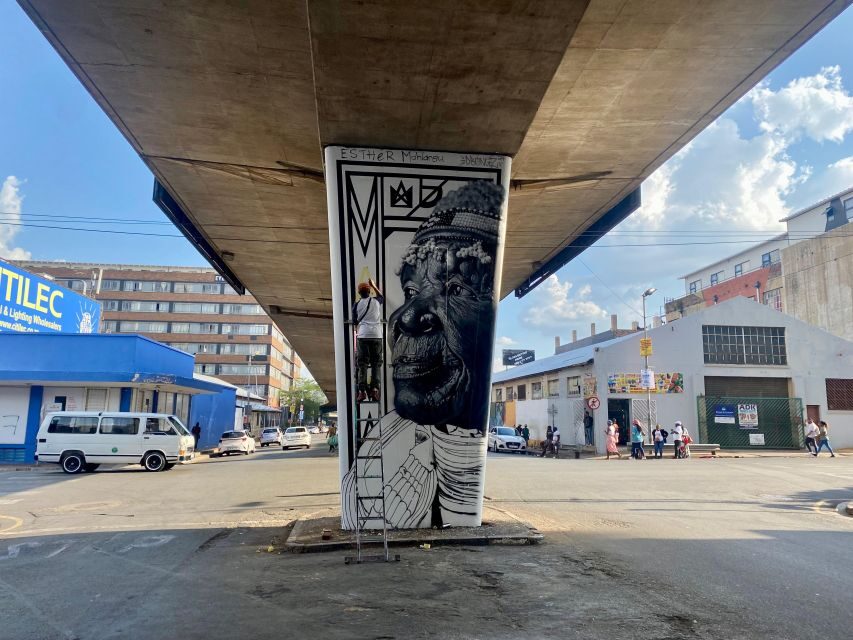
Artists come up often, including international and local names such as ESPO Powers and DBongz. The point isn’t to memorize credits. It’s to understand how artists respond to the city around them, and how the neighborhood’s change since the late 2000s has created space for that creativity.
And because you’re walking, you also get a sense of how street art sits inside daily movement—people stepping around murals, shops opening, and the neighborhood looking different from one corner to the next. That street-level context is exactly what makes this better than a photo-only experience.
Arts Village: where creativity becomes something you can take home
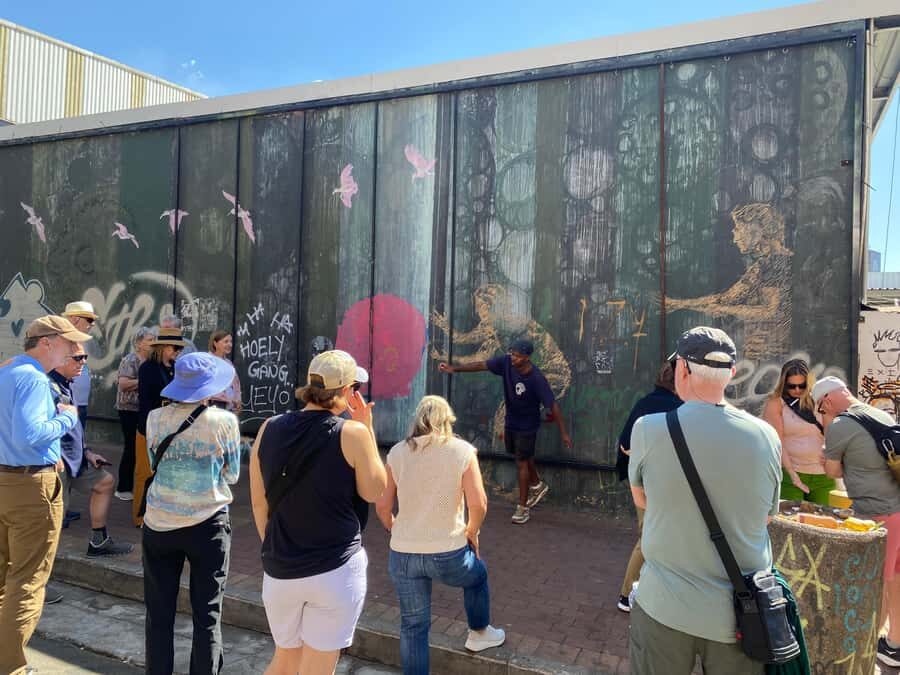
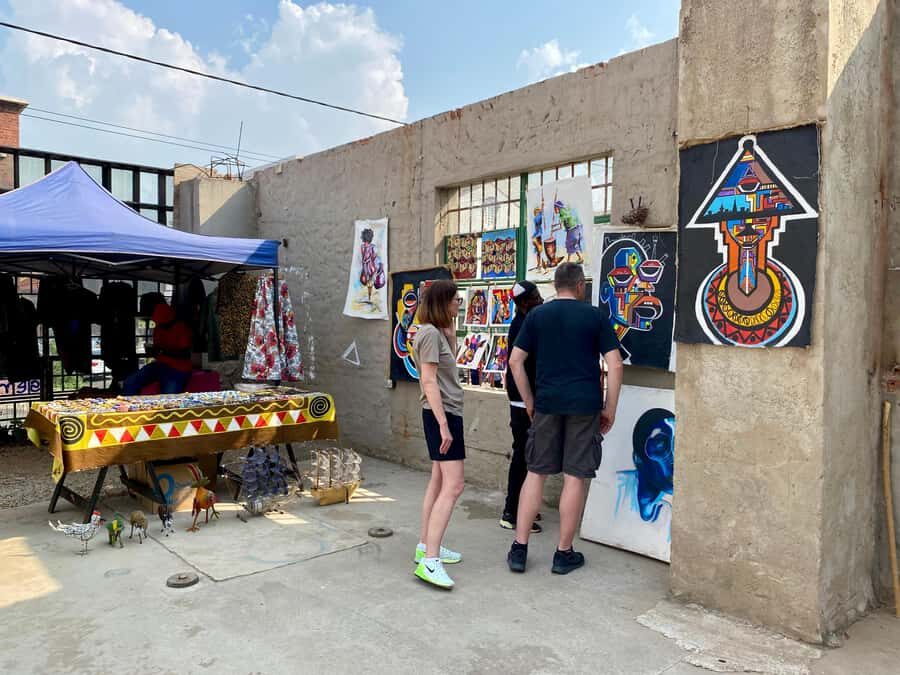
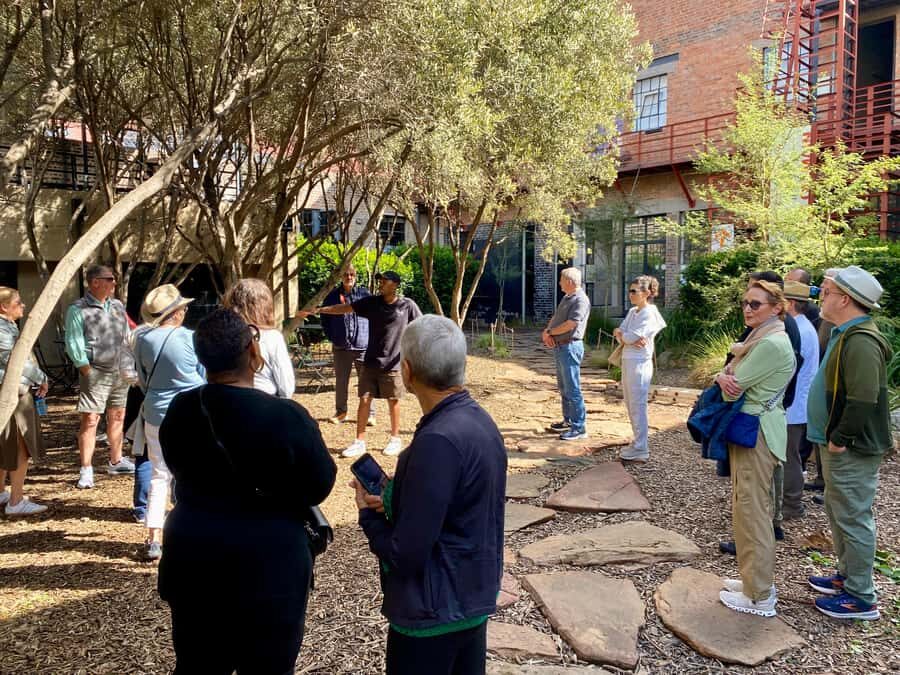
One of the stops centers on Maboneng Arts Village, a place created for artists and creatives to sell their work. This is where the tour shifts from “read the walls” to “meet the makers in the flesh.”
Why I like this part: it makes the art feel less like a gallery display and more like work that supports livelihoods. If you’re the kind of person who likes to understand how a creative scene actually functions, this stop helps.
You’ll also notice the tone changes. Street art is one thing. A small arts village is another: you’re close enough to see how people present their pieces, how the space is used, and how the neighborhood supports creative commerce.
If you’re interested in buying something, remember the earlier practical note: Maboneng includes informal traders and street-level sellers. Bring cash/card if you might want to pick up prints, small artworks, or gifts.
Hide-Out Bar at Curiocity Backpackers: the anti-apartheid connection on the route
Another standout stop is the Hide-Out Bar at Curiocity Backpackers. It’s described as an alleged hideout for anti-apartheid activists, including connections to Mandela and other activists during apartheid.
Now, “alleged” matters. This isn’t presented like an official museum plaque. Instead, the tour uses place and story together, showing how Johannesburg’s history can be carried through neighborhoods even when the buildings and the vibe change over time.
Why that’s powerful for you: it gives the street art context beyond style. You start to see murals and creative spaces not only as aesthetics, but as part of the broader conversation—about resistance, survival, and reclaiming public space.
It also helps you understand why locals treat these places with care. Even if you come for the visuals, you leave with a fuller sense of what the city has endured and what people are still building.
The viewpoint and the redevelopment story in plain terms
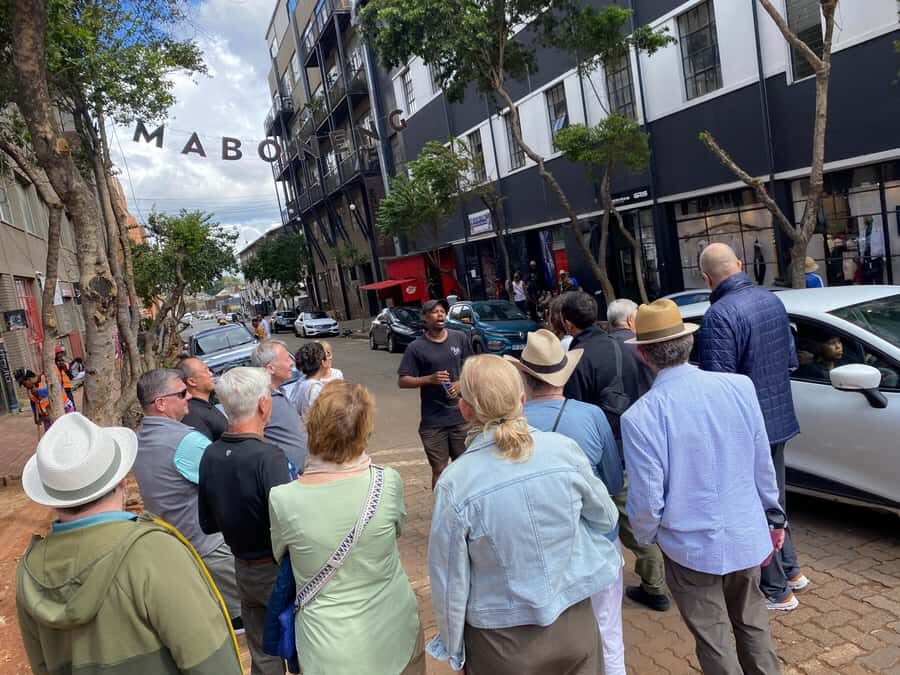
Between art stops, you’ll pause for a viewpoint with scenic views on the way. This is a useful reset. When you spend time reading walls and listening to stories, your brain starts to connect dots. A viewpoint gives you a second-by-second sense of scale.
It’s also where the bigger story lands: Maboneng evolved from an older industrial area to a cool neighborhood from 2009 onward. The tour frames that change as both opportunity and ongoing city-making—where creativity and redevelopment meet real community life.
One of the strongest themes from the way guides share this is that the neighborhood is not just “new.” It’s layered. Mining-era connections are part of the historical backdrop, and today’s Maboneng points forward to what an inner-city future can look like when creativity and commerce take hold.
Guides often speak from direct local perspective. Guides including Ayanda are noted for sharing their own experience of regeneration and for explaining how gentrification-style change can be funded and guided. That real-world framing helps you avoid the simplified version of redevelopment that only talks about shiny buildings.






How long is it, and what pace should you plan for?
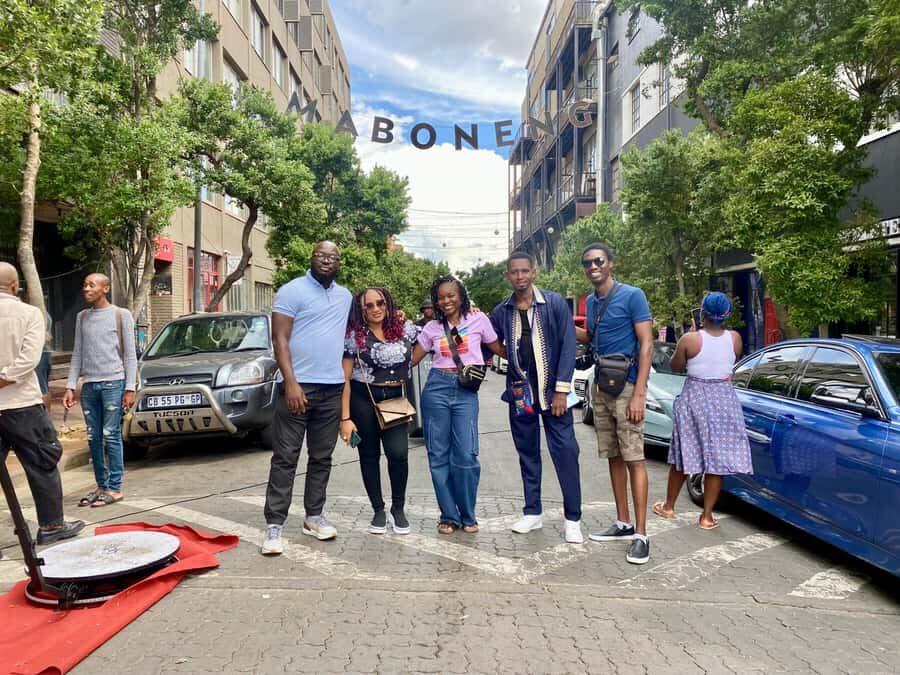
The tour runs for 2 hours, and it’s designed to pack in multiple stops without dragging you around all day. You’ll start at Home of the Bean, get the safety briefing, then move through Maboneng with several walk-and-see segments. You’ll also visit the arts-focused stop and the bar stop, plus the viewpoint before returning to the meeting point.
What you should plan for:
- You’ll be on your feet through streets and small walking segments.
- You’ll have time to ask questions and slow down at key artworks.
- The street environment is active, with artists and informal sellers.
One detail worth keeping in mind: the tour is English only. If your group has mixed language needs, this can shape who can enjoy it fully.
Price and value: what you get for $40
At $40 per person for a 2-hour guided experience, the value comes from three things that are directly supported:
- Entry to all sites visited is included.
- You’re getting a structured route with multiple meaningful stops (not just random walking).
- The guide’s role is interpretation—connecting art to place, artists, and Johannesburg’s broader story.
Food and drink are not included, so you may spend extra if you want snacks or a second coffee. But you’re not paying an extra ticket price for attractions on top of the guide fee.
In practical terms, this is a strong “first look” tour if you want to understand Johannesburg beyond main highlights. The art scene here becomes a storytelling device for the city’s past and present.
Who this tour is best for (and who should skip it)
This tour is a great fit if you:
- Want street art with context, not just pictures
- Like walking tours that explain how neighborhoods change
- Care about the connection between art, community, and political history
It may be less ideal if you:
- Want a purely entertainment-focused stroll and don’t care about artwork meaning
- Get bored when you hear repeated background points (a small number of experiences mention redundancy, so ask questions to steer the talk)
And if you’re the type who loves photos, you’ll likely enjoy the mix: murals in close-up detail, arts village scenes, and a viewpoint stop for wider shots.
Should you book this Maboneng Street Art and Culture tour?
Yes—if you want a fast, guided way to understand Johannesburg through street art plus real places. The combination of major mural explanations, an arts-focused stop (Maboneng Arts Village), and a history-linked stop (the alleged Hide-Out Bar) gives you more than a standard “see cool walls” experience.
Book it especially if you’ll be short on time. Two hours is a solid way to get your bearings and learn how to read what you see in Maboneng. If you do go, plan ahead: wear comfortable shoes, and bring cash/card in case you decide to buy art or gifts.
FAQ
Where do I meet for the Maboneng street art tour?
You meet at Home of the Bean, right at the corner of Fox and Berea Street under the bridge. Wait inside the coffee shop if you arrive early.
How long is the tour?
The tour lasts 2 hours.
Is the tour available in English?
Yes, it’s English only.
Is food or drink included in the tour price?
No. Food and drink are not included, and you’ll pay for anything you eat or drink yourself.
What’s included with the tour ticket?
Your ticket includes entry to all sites visited during the tour.
Should I bring cash or a card?
It’s a good idea to bring cash/card, because there are street artists and local informal traders on the streets and you may want to buy something.
Do I need to worry about canceling?
The tour offers free cancellation up to 24 hours in advance for a full refund.