REVIEW · JOHANNESBURG
Johannesburg: Maboneng Street Art & Culture Tour
Book on GetYourGuide →Operated by One Day Africa · Bookable on GetYourGuide
Street art here has real teeth. This Maboneng walk shows you Johannesburg’s post-apartheid reinvention through street murals with clear stories and skyline views from Hallmark House before you even hit the main blocks. You’re not just taking photos, you’re learning how art acts like a public diary for the city.
What I like most is the way the guide turns walls into context, not decoration. You’ll pause at key artworks and get the meaning behind them, plus the names of the artists and the ideas driving the work. I also like the mix of stops, from galleries to creative markets, including time around Access City and Jewel City where you can meet local vendors and other creatives.
One consideration: this is a walking tour in an inner-city area, and it’s easy to underestimate how much you’ll cover in 2 hours. If you want extra comfort, wear good shoes and stay close to your guide, especially when the route shifts from viewpoints to busier street corners.
In This Review
- Key highlights to look for
- Hallmark House Rooftop: Your First Look at Jozi’s Story
- Maboneng Precinct Murals: Reading Art Like Local History
- Cosmopolitan Lounge Photo Stop: Small Stops, Real Meaning
- Access City and Artisan Lofts: Markets Where Art Isn’t Just Displayed
- Jewel City Galleries and Creative Vendors: Johannesburg’s Art Scene, Up Close
- 264 Fox St: The Wrap-Up Walk That Helps It Click
- Price and What You Really Get for $37
- Safety and Comfort: How This Walk Works in Practice
- Who Should Book This Maboneng Street Art & Culture Tour
- Should You Book This Maboneng Street Art & Culture Tour?
- FAQ
- What’s the meeting point for the Johannesburg Maboneng Street Art & Culture Tour?
- How long is the tour?
- Is the tour guided, and what language is it in?
- Is hotel pickup or drop-off included?
- Are food and drinks included?
- Can I cancel, and is there a pay later option?
Key highlights to look for
- Hallmark House rooftop start for that quick Johannesburg skyline and sunset vibe
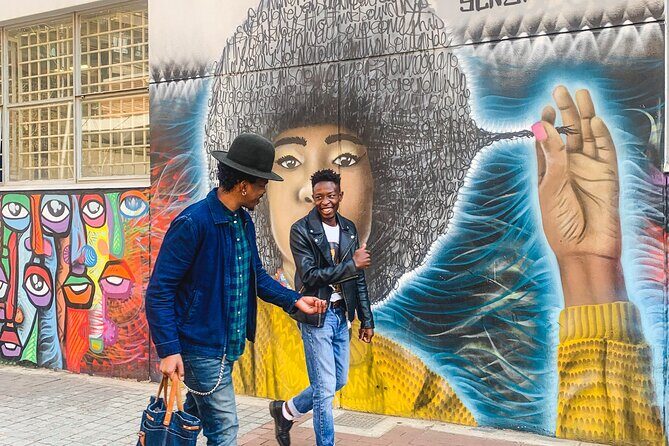
- Maboneng Precinct murals with explanations (identity, resistance, and hope themes)
- Artist-and-vendor time at places like Jewel City and the arts & crafts markets
- Short photo stops that still teach context at spots such as the Cosmopolitan lounge
- Final stretch around 264 Fox St to connect the dots after you’ve heard the stories
- A live English guide who keeps the walk engaging and question-friendly
Hallmark House Rooftop: Your First Look at Jozi’s Story
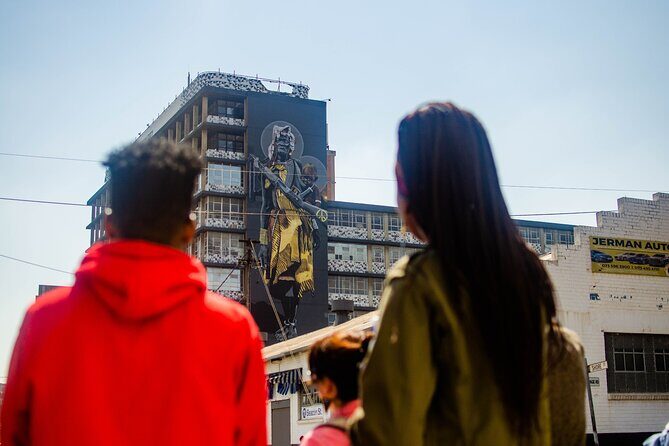
The tour kicks off at Hallmark House, specifically the rooftop area that’s famous for city views and sunset. Even before you start studying the art, you’re getting the big picture: Johannesburg doesn’t feel like one neat postcard. It feels layered, changed, and still in motion.
This first stop matters more than it sounds. Street art can look random if you only stare at color. From above, you start to understand the neighborhood structure—where the energy gathers, where the creative spaces cluster, and how the city’s transformation shows up street-by-street. That’s the mental setup you’ll want when you move into Maboneng.
You’ll also be able to get that “first wow” photo without sprinting for the best angle. Then you’re off on foot with your guide.
A few more Johannesburg tours and experiences worth a look
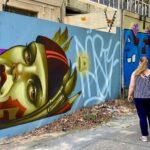
Maboneng Precinct Murals: Reading Art Like Local History
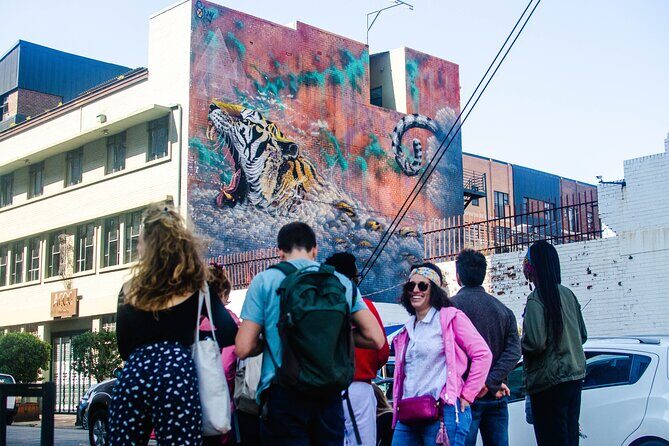
Maboneng Precinct is the heart of the experience, and it’s not hard to see why. The walls here carry bold, thought-provoking pieces that function like public statements. On your walk, you’ll pause at key artworks and get the background—what the art is saying and why it landed exactly where it did.
In my view, the best part is that you’re not taught to look at murals like wallpaper. You’re encouraged to treat them like communication. Themes mentioned for this area include identity, resistance, and hope, which can help you interpret the emotions behind the style—whether it’s graphic lettering, portrait-like figures, or broader scenes.
Guides on this tour have included people like Refiloe, Mulalo, and Clement (names you’ll see tied to the experience). They bring different delivery styles, but the common thread is the focus on connecting the art to Johannesburg’s complicated history. You’ll come away knowing that street art in Maboneng is part of the city’s post-apartheid narrative, not just “cool visuals.”
Practical tip: when your guide points out a detail—like a symbol, a color choice, or a reference—try to photograph it in context. The quick “close-up only” shots can miss the story you just learned.
Cosmopolitan Lounge Photo Stop: Small Stops, Real Meaning
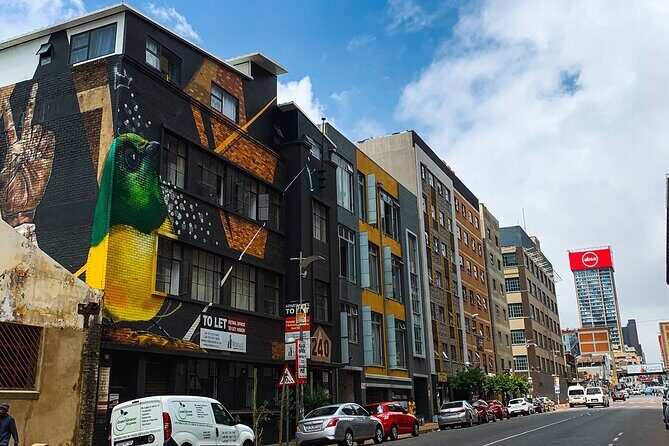
You’ll also make a short stop at the Cosmopolitan lounge area—more of a photo and orientation moment than a long visit. Even so, these tiny pauses can be useful on a street-art tour because they help you keep track of where you are and what the neighborhood rhythm looks like.
Think of it like punctuation. You’re moving through a conversation, and these quick stops keep you from losing the thread. If you like learning as you go, it’s a nice way to reset your brain before the next mural cluster.
Also, photo stops are often when your group energy calms down. That’s a good moment to ask questions, especially if there’s something you didn’t fully catch about a piece you’ve already seen.
Access City and Artisan Lofts: Markets Where Art Isn’t Just Displayed
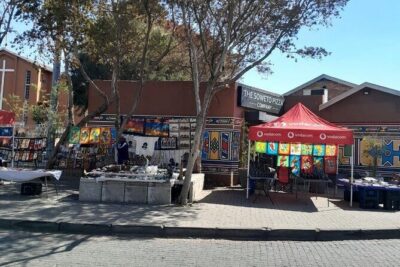
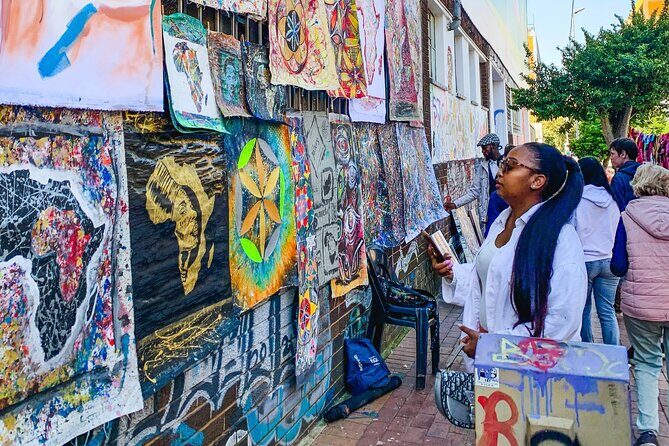
As the route continues, you’ll reach Access City and Artisan Lofts. Both are tied to browsing, guided walkthroughs, and time around an arts & crafts market.
This part is about more than shopping. It’s where the tour shifts from “look at art” to “talk with people who make it.” You can meet local creatives and vendors, ask about techniques, and see how street art culture blends into everyday artistic work—prints, objects, small-run items, and gallery-adjacent pieces.
From a value standpoint, these stops are excellent because they extend the tour’s theme beyond murals. You’re getting a sense of the creative ecosystem: the people who support it, the spaces that carry it, and the motivation behind it.
Drawback? If you’re not interested in buying anything, these market sections can feel slower than the mural portions. Still, even window-shopping is useful here, because the guide can explain what you’re seeing and why it fits the neighborhood’s regeneration story.
If you want to shop, bring small cash or a card you’re comfortable using for street-level transactions. And don’t forget: the tour includes the guide, but food and drinks are not included, so you’ll want to plan your spending.
Jewel City Galleries and Creative Vendors: Johannesburg’s Art Scene, Up Close
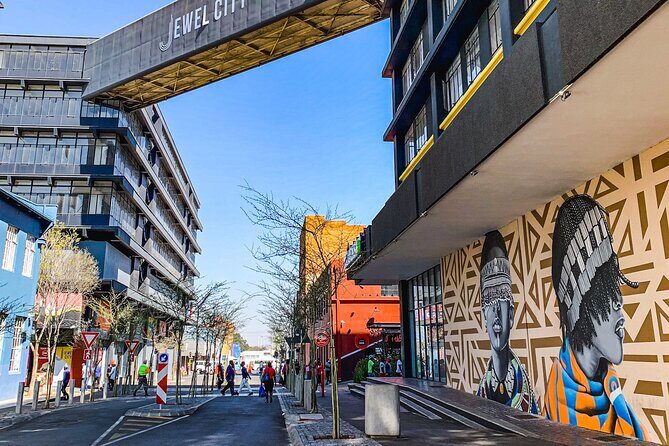
Jewel City is another major stop, and it’s positioned as a place showing South Africa’s link to modern art and urban regeneration. This is where you get a more “inside” feeling—stepping into galleries and spending time around creative vendors.
What I like about this segment is the way it complements the street murals. Street art tells one part of the story. Galleries and curated spaces give you another angle—often with different mediums, different pacing, and a slightly different relationship to the public.
You’ll also have a chance to meet local creatives. That’s where the tour goes from sightseeing to conversation. Guides tend to connect what you’re seeing to emerging artists: what motivates them and how they build visual narratives that speak locally while still working for a wider audience.
If you’re an art fan who likes context, this is the section that can change how you view the whole walk. You’ll start noticing patterns: themes repeating across murals, stylistic choices that show up in different formats, and how the community is shaping its own global image.






264 Fox St: The Wrap-Up Walk That Helps It Click
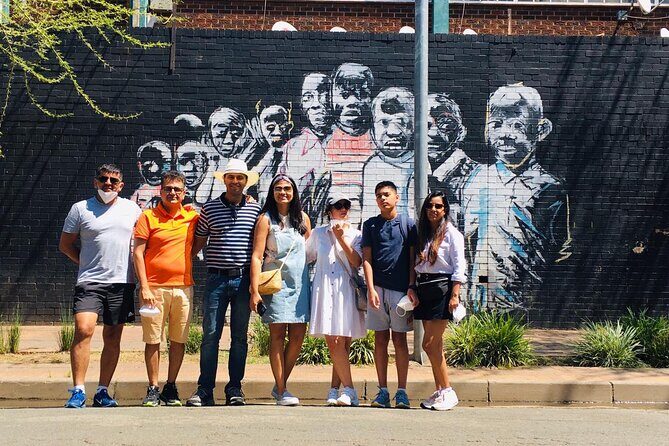
Later in the experience, you’ll spend time around 264 Fox St, including photo stops and a guided walkthrough at the same address.
When you reach a final longer segment like this, you typically get the benefit of “having learned the language.” Earlier stops taught you what to look for—identity, resistance, hope, and the story behind each piece. By the time you’re at Fox Street, you can often connect the themes across multiple artworks instead of treating each one as an isolated moment.
This is also a good place for practical questions. If something confused you earlier—like a symbol you didn’t recognize or a reference you couldn’t place—this is when your guide’s explanations tend to land best.
If you like taking photos, you’ll appreciate that the tour gives you repeated chances to pause and capture. And if you just like moving steadily, the longer guided segment helps you end with understanding rather than fatigue.
Price and What You Really Get for $37
At $37 per person for 2 hours, this tour is priced to be a solid afternoon activity rather than a luxury experience. You’re paying mainly for three things:
- a live English guide who explains the meaning behind street art
- structured route stops across Maboneng’s key art areas
- time to engage with creative vendors and gallery spaces
What’s not included is also part of the value equation: food and drinks aren’t part of the price, and there’s no hotel pickup/drop-off. So you’re responsible for getting yourself to the meeting point and handling your own snacks or water.
The good news is that the tour seems designed for learning and orientation without dragging on. Two hours is short enough to feel efficient, but long enough to include rooftop views, mural pauses, and an arts-market/galleries rhythm.
If you’re the kind of traveler who usually skips guided walks because you worry they’ll feel generic, this one has a strong chance of working. The repeated emphasis on artwork context and guide-led explanations is the differentiator.
Safety and Comfort: How This Walk Works in Practice
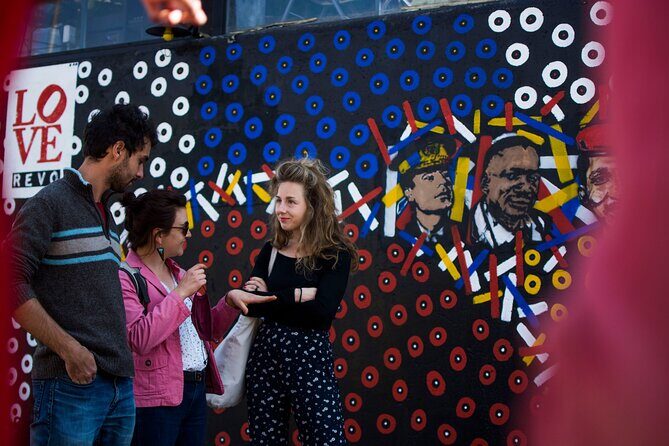
A street-art walk in a city like Johannesburg has a built-in “trust your guide” factor. In the feedback tied to this tour, people frequently mention feeling safe and supported while walking with the guide, and that the guide knows the area well and has rapport with local people.
That doesn’t mean you should ignore common sense. It does mean the guide’s role matters here. Stay grouped, follow directions, and treat the route as part of the experience, not just a way to reach murals.
For comfort, focus on the basics:
- Wear shoes you can walk in for a full 2 hours
- Bring a phone with enough storage for details shots
- Consider a light layer if you’re out near sunset viewpoints
Also, since there’s a rooftop start and later street-level movement, you’ll enjoy the tour more if you’re ready for both open-air views and sidewalk pace.
Who Should Book This Maboneng Street Art & Culture Tour
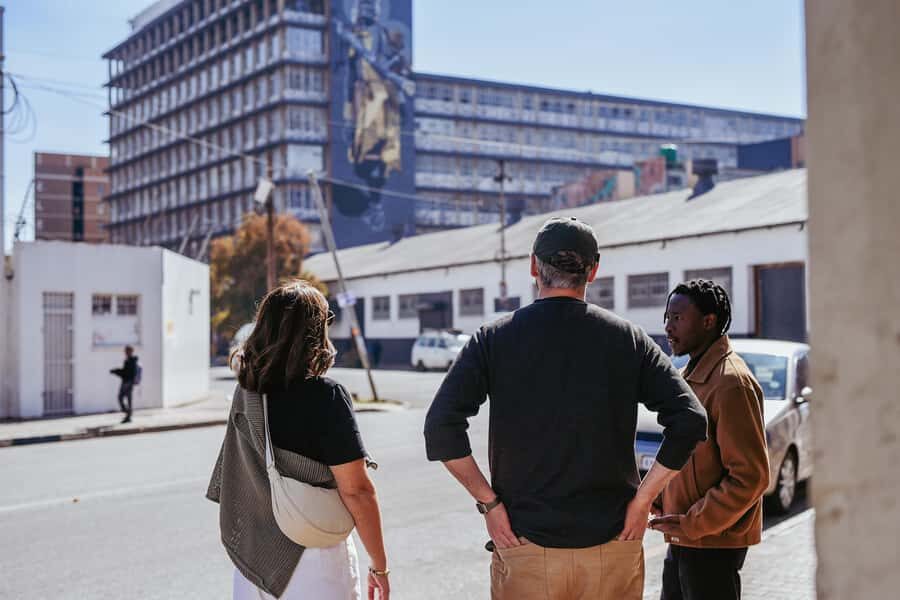
This tour fits best if you:
- want street art explained through story and context, not just aesthetics
- like meeting local creatives and vendors, not only photographing murals
- are spending a short time in Johannesburg and want an efficient “how the city changed” perspective
- enjoy walking tours where the guide keeps you engaged with stops and pauses
It’s also a great add-on if you’ve been focused on big-ticket experiences already. One of the strengths here is that it slows your pace and shifts your attention from animals and landmarks to people, identity, and creative change.
If your ideal tour is mostly indoor museums with little walking, this may feel too street-focused. But if you like art you can see from the street and stories you can hear from a real guide, you’ll probably enjoy it a lot.
Should You Book This Maboneng Street Art & Culture Tour?
Yes, I’d book it—especially if you care about the why behind the art. The combination of Hallmark House skyline views, guided stops across Maboneng’s main creative zones, and time around Jewel City and arts-and-crafts markets gives you more than a photo loop.
The only real reason to skip is if walking around an inner-city area makes you uncomfortable, even with a guide, or if you want food included and don’t want to plan for your own water/snack.
If you’re trying to understand Johannesburg through a modern cultural lens, this is one of the smarter, more engaging ways to do it in 2 hours.
FAQ
What’s the meeting point for the Johannesburg Maboneng Street Art & Culture Tour?
Please wait inside Hallmark House at the coffee shop if you arrive before your tour starts. The starting location listed is 54 Siemert Rd.
How long is the tour?
The duration is 2 hours.
Is the tour guided, and what language is it in?
Yes, it includes a live tour guide, and the tour is in English.
Is hotel pickup or drop-off included?
No. Hotel pickup and drop-off are not included.
Are food and drinks included?
No. Food and drinks are not included.
Can I cancel, and is there a pay later option?
There’s free cancellation up to 24 hours in advance for a full refund. You can also reserve now and pay later.