REVIEW · CAPE TOWN
Visit Constantia Wineries + Muzenberg Noordhoek Beaches F/D
Book on Viator →Operated by Remigeous Tsuro · Bookable on Viator
Eight hours, Cape Town, and fewer crowds. This private-group tour strings together Constantia wine farms, big beach walks, and the dramatic turns of Chapman’s Peak Drive, all with air-conditioned comfort between stops. I like how the day feels custom, not canned, and I especially enjoy the built-in photo-and-view moments that make Cape Town look like Cape Town. One thing to plan for: wine tasting fees can cost extra at some wineries, and lunch isn’t included.
You’ll start at the Silo Hotel at the V&A Waterfront and ride out with an accredited guide, plus bottled water. Most stops are admission free, with a few items called out as optional add-ons (like a boat ride to Seal Island). The rhythm works well if you want variety—wine, coastline, and viewpoints—without spending your holiday figuring out bus routes.
In This Review
- Key highlights at a glance
- Value and pacing: does $82 feel fair?
- Stop 1: Groot Constantia for wine, and the museum lesson
- Stop 2: Eagles Nest Wine for boutique tastings and outdoor calm
- Stop 3: Steenberg Vineyards at the foot of the Constantia Hills
- Stop 4: Noordhoek Beach for Blue Flag sand and the optional horse ride
- Stop 5: Chapman’s Peak Drive for 114 curves and whale-season notes
- Stop 6: Hout Bay harbor walk, seals, and fish-and-chips culture
- Stop 7: Llandudno quick look for celebrity coasts and Blue Flag beaches
- Stop 8: Camps Bay Beach for celebrity energy and classic coastal convenience
- Stop 9: Muizenberg Beach for surfers, colored houses, and smart safety
- Extra included time: Diamond Works Museum (if schedules allow)
- How to make the day feel easy (even without lunch)
- Guide and group size: why a private day changes everything
- Should you book this Cape Town Constantia + beaches tour?
- FAQ
- How long is the tour?
- Is this tour private?
- What’s included in the price?
- What is not included?
- Do I get hotel pickup and drop-off?
- Where does the tour start?
- What beaches are included?
- Do I have to pay for admission at every stop?
- Is there an option to ride a horse?
- What if the weather is bad?
Key highlights at a glance
- Constantia wineries in one day: three well-known stops with chances to taste (fees may apply)
- No public-transport slog: hotel pickup, private vehicle, and easy timing between areas
- Noordhoek Beach on a long white-sand stretch: Blue Flag beach with an optional horse ride
- Chapman’s Peak Drive with 114 curves: frequent pull-offs for ocean-and-mountain photos
- Two beach styles, back to back: celebrity-lane Camps Bay plus surfer-country Muizenberg
Value and pacing: does $82 feel fair?

At about $82 per person for roughly 8 hours, this is one of those Cape Town tours that makes sense if you want a full day without renting a car or wrestling with schedules. You’re paying for convenience (pickup and drop-off), comfort (air-conditioned transport), and a guide who keeps the route moving.
Where the value gets tricky is the “tasting” part. The itinerary includes winery visits, but it specifically notes wine tasting fees up to R120 per person per winery may not be included. Translation: if you’re the type who wants to taste at every stop, your total spend can rise. If you’re happy with a smaller tasting, you can usually control that cost.
Also, lunch isn’t included. That’s not a dealbreaker, but it does mean you should plan snacks or budget for a meal near one of the beach stops (Hout Bay, Camps Bay, or along the way).
Finally, this is a private experience for your group. That means fewer waiting games and more flexibility if you want to swap time between beaches or spend a little longer at a viewpoint.
You can also read our reviews of more tours and experiences in Cape Town.

Stop 1: Groot Constantia for wine, and the museum lesson
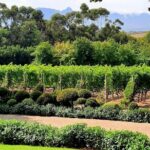
Groot Constantia is the most visited and popular winery in South Africa, and it’s a strong first stop because it gives you both the wine and the context. You get a look at the area’s roots reaching back to the Dutch arrival in the 1600s. This place isn’t just about tasting; it’s about understanding how Cape wine production grew into a major industry.
What I really like here is the museum component. You’ll see a history of wine production, including the uncomfortable truth that early winery operations relied on slave labor. The tour experience is straightforward: learn how production worked, and learn about the role slavery played in shaping South African wine.
You’ll also visit a cellar to see how wine is produced at this historic site, with access aimed at the Cape’s well-known styles (the day is geared toward getting you to sample the best reds and whites available).
What to watch: Groot Constantia can be a lot of information right up front. If you prefer a lighter start, go in ready to focus for about two hours before the sea air.
Stop 2: Eagles Nest Wine for boutique tastings and outdoor calm
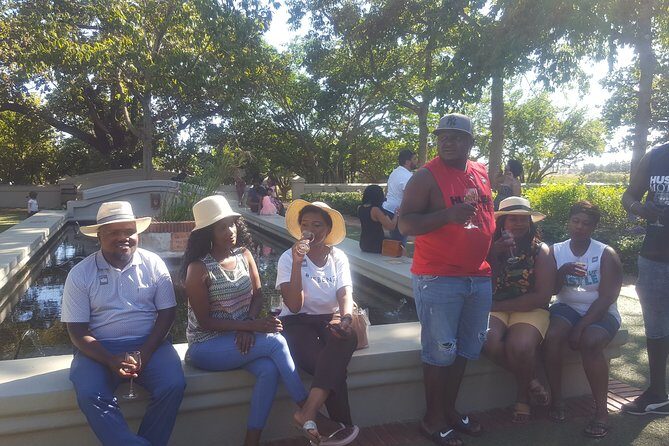
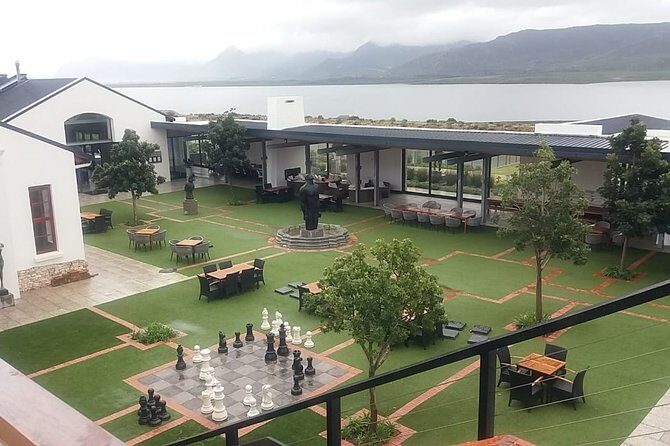
Eagles Nest Wine keeps things more intimate. This is a boutique winery in Constantia, known for producing a limited number of fine wines. The vibe is more personal than “factory tour,” which makes it a nice second act after Groot Constantia.
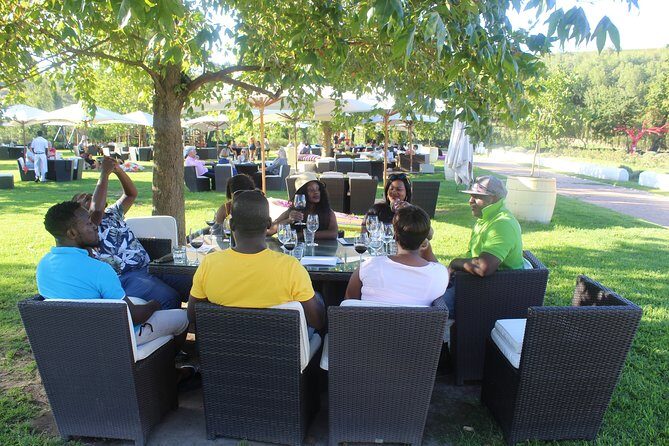
You can choose where to taste. Indoor tasting rooms are an option, but the setting also offers outdoor spots—think wooden picnic tables under the trees. That matters because it turns your tasting into a moment, not just a checklist item.
Another advantage is the visual side. The winery’s setting is photogenic, so you’re likely to get some good shots without having to chase views around the property. If your group likes landscape-free photography (people + wine + shade + trees), this stop often delivers.
Possible drawback: because it’s boutique and produces limited bottles, selection can feel more restrained than at larger estates. If you’re chasing a very specific wine style, ask during tasting rather than hoping it’s on the list.
Stop 3: Steenberg Vineyards at the foot of the Constantia Hills
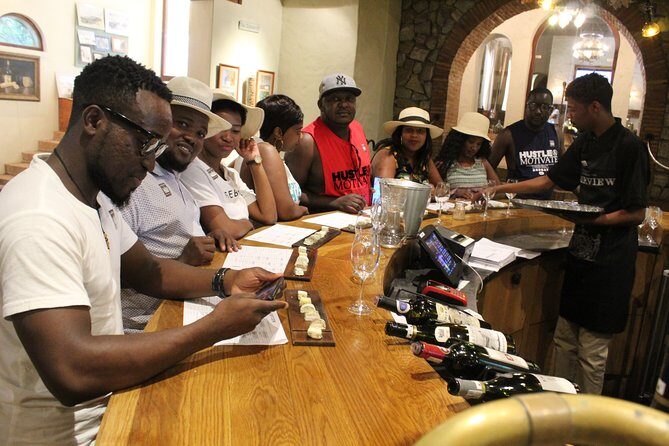
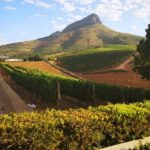
Steenberg is the type of stop that feels like a “Cape classic.” It’s described as the Cape’s first farm, established in 1682, which puts it near the start of commercial farming in the region after the Dutch arrived. You also get views around the foot of the Constantia Hills—good for photos and for just getting your bearings.
The tasting focus includes styles Cape wine lovers often look for: Sauvignon Blanc and Method Cap Classique (South Africa’s sparkling-wine category). That’s a smart mix because it gives you a contrast from the earlier stops. If you’re tasting across multiple wineries, it helps you spot differences in style rather than repeating the same flavor profile.
There’s also an 18-hole championship golf course. You don’t need to play to appreciate that Steenberg has the kind of grounds that feel like a proper destination, not a quick roadside stop.
What to watch: if your group is most interested in beach time, this is a good moment to keep tasting efficient. You’re allocated about one hour, so don’t let the wine list swallow the schedule.
Stop 4: Noordhoek Beach for Blue Flag sand and the optional horse ride
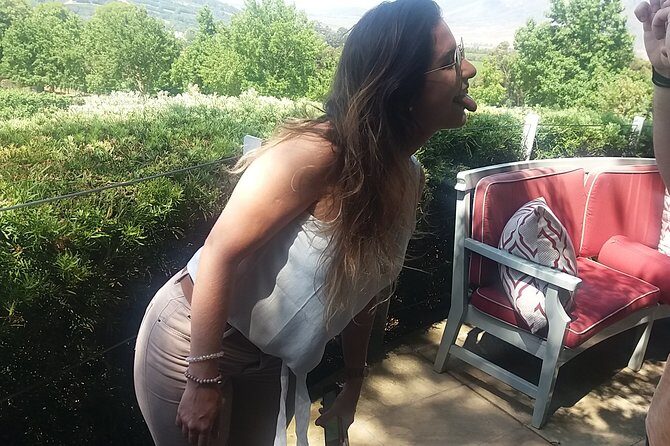
Noordhoek Beach is where the day shifts from vineyard calm to coastline drama. It’s listed as a Blue Flag beach, with almost 9 km of pure white sand and cool waves year-round. That length matters because it gives you room to walk without feeling trapped in a tight crowd.
You can spend your hour doing what Cape Town does best: walk, pause, and look. The beach is also known for a shipwreck sighting near the center, which gives your walk a specific target instead of just wandering.
One of the most memorable add-ons is an optional horse ride along the length and breadth of the beach. The best part of this kind of activity is that it turns the coastline into an experience, not just scenery. If your group likes animals and wants something active, it’s a strong option.
Possible consideration: if you dislike crowds, you’ll likely enjoy Noordhoek’s feel compared with more central beach strips. Still, the beach is long, so even busier moments can feel spread out.

Stop 5: Chapman’s Peak Drive for 114 curves and whale-season notes
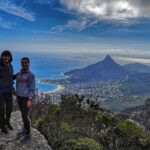
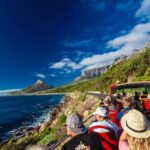
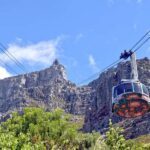
Chapman’s Peak Drive is one of those roads that makes the Cape look like a postcard—without you needing to be a photographer. You’re looking at an almost 10 km scenic stretch with 114 curves, plus frequent photo pull-offs with ocean and mountain views.
What I like about including this drive is that it breaks up the day. Instead of moving from “activity” to “activity,” you get built-in pauses for photos and just watching the coastline shift.
There’s also a history note: the drive took 7 years to build, between 1915 and 1922. That detail gives the road meaning beyond pretty scenery.
In winter, you may spot whales gliding in pairs along the coast. You can’t guarantee it, but it’s a nice seasonal thought—especially if you time your trip for the cooler months.
What to watch: schedule it as a “slow camera moments” stop. If you rush through, you’ll miss what makes Chapman’s Peak worth the time.
Stop 6: Hout Bay harbor walk, seals, and fish-and-chips culture

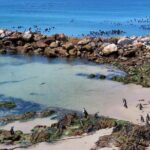
Hout Bay is a change of pace: harbor energy, craft shops, and a chance to see seals up close. The itinerary includes a walk on the harbor where you can browse art and craft, then consider a boat ride to Seal Island to encounter more than 5,000 seals at a time. The boat ride itself isn’t included, so you can decide based on your budget and energy.
Even without the boat, Hout Bay is still fun. There’s mention of domesticated seals around the area, often out of the water. That’s where you can get photos and selfies—sometimes even cheeky seal kisses—if your timing and mood line up.
Then there’s the food. Hout Bay is known for fresh fish and chips, and it’s the kind of meal that fits a coastal stop perfectly. If you’re building your day without a sit-down lunch, this is one of your best bets.
Possible drawback: Seal Island boats require extra cost. If you skip it, you’ll still get the harbor and the coastal vibe, but the “wow” scale might be smaller.
Stop 7: Llandudno quick look for celebrity coasts and Blue Flag beaches
Llandudno is short on time but interesting in contrast. You’ll stop briefly at a small village known for international celebrities, plus it has Blue Flag beaches with expensive residential properties.
The stop also includes some cultural notes: the history of the name, and how the area handles a beach associated with the nude community in the city. This is not a time sink, more like a quick “see another side of Cape Town” moment.
What to watch: this stop is about observation, not activities. If your group prefers longer walks, you might want to keep expectations aligned with the short stop duration.
Stop 8: Camps Bay Beach for celebrity energy and classic coastal convenience
Camps Bay is the Cape Town beach people recognize. It’s described as the most popular beach, linked with international celebrities and politicians. That translates into a lively scene: colorful beach umbrellas, a string of coffee shops and restaurants, and bars that keep things moving in summer.
The itinerary includes a walk on the beach and time to explore the food and coffee side of the promenade. There’s also a mention of Cafe Caprice, a spot that draws models and a bit of flash.
If you’re visiting in summer, Camps Bay is also noted as a popular film location. Even if you don’t catch filming, the vibe is the point: it’s a beach you can watch people, not just stroll beside the sea.
Possible consideration: Camps Bay can feel social and a bit “on display.” If your group prefers quieter beach time, you can still enjoy it for photos, then retreat to a calmer stretch later—like Muizenberg’s surf culture.
Stop 9: Muizenberg Beach for surfers, colored houses, and smart safety
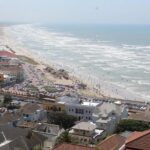
Muizenberg flips the mood again. This is considered the main surfing spot in Cape Town, centered around Surfer’s Corner. You’ll find surfers and a strong beachgoing community, including kids learning how to surf.
You’ll walk the white sand with all the action that comes with a surf area. There’s also a note about jellyfish, so keep an eye on what’s visible on the beach and in the water rather than treating every day like it’s identical.
One of the most fun parts is the set of colored houses near the beach. They’re used as change rooms by locals, and they’re perfect for a quick selfie with bright Cape Town color behind you.
Safety comes in too. Along the pavilion area, you’ll see shark alert flags raised by the City of Cape Town. The itinerary specifically says learning how to interpret these flags can save your life. That’s not something to skip—especially if you’re tempted to wander into deeper water.
What I recommend: treat Muizenberg as your “last big beach walk,” so you end the day with energy still intact.
Extra included time: Diamond Works Museum (if schedules allow)
There’s a complimentary visit to The Diamond Works – Museum included if time permits. This can be a nice break between the wine and beach sides of the day. If you enjoy South African craft or want a quick indoor stop, it’s a good add-on without needing extra planning.
If time doesn’t permit, don’t worry. The tour’s core is Constantia + the coastal route, and the day still works well even without the museum moment.
How to make the day feel easy (even without lunch)
Because lunch isn’t included, I’d treat meals and snacks like part of the itinerary.
- If you eat breakfast lightly, plan a snack around Hout Bay or the beach stops.
- Keep a small bag with water (you get bottled water in the car, but extra never hurts on sunny days).
- Wear shoes that handle sand and uneven coastal paths, especially at Noordhoek and Muizenberg.
Also, the order of stops matters. You start in Constantia (wine and inland drives), then move toward the coast and viewpoints, then finish with surf-country Muizenberg. That arc helps: you don’t finish the day tired and dehydrated with a long “one last task” sprint.
Chapman’s Peak Drive is a visual highlight, but it’s also time-sensitive with daylight. If you care about photos, don’t schedule your own extra detours that compete for the peak-view window.
Guide and group size: why a private day changes everything
This tour is private, meaning it’s only your group. That matters more than it sounds. In a place like Cape Town—where routes, viewpoints, and beach conditions shift—having a guide who can adjust pacing is a real quality-of-life upgrade.
The tour provider is Remigeous Tsuro, and you may hear him called Remmy. In the way the experience is described, the guide is set up to be friendly and flexible, and that shows in how the day can be shaped to your preferences.
If you’re the type who hates feeling rushed through tastings, this style helps. If you want more beach time and less museum time, it’s the kind of setup where you can ask for that trade.
Should you book this Cape Town Constantia + beaches tour?
I’d book it if you want one day that covers wine farms, big beach walks, and top coastal viewpoints without public transit stress. It’s also a strong match for couples and small groups who want variety but don’t want to drive.
I’d think twice if you’re trying to keep spending ultra-tight. Between potential wine tasting fees and optional add-ons like a Seal Island boat ride, your final total could climb. It’s still good value, but only if you go in with your eyes open.
This is also a good choice if you’re comfortable with the harder parts of history. Groot Constantia’s museum component includes discussion of slavery’s role in early winery production, and that adds weight to the day beyond tasting notes.
If your goal is a Cape Town highlight reel—Constantia to the Atlantic—this tour fits the bill.
FAQ
How long is the tour?
The tour runs about 8 hours.
Is this tour private?
Yes. It’s a private tour/activity, so only your group participates.
What’s included in the price?
Included items are air-conditioned vehicle, hotel pickup and drop-off, an accredited tourist guide, bottled water, and a complimentary Diamond Works Museum visit if time permits.
What is not included?
Lunch is not included. Wine tasting fees up to R120 per winery may not be included, and the boat ride to Seal Island is not included.
Do I get hotel pickup and drop-off?
Yes. Pickup is offered from your hotel, and you’ll be dropped off back after the tour.
Where does the tour start?
The meeting point is the Silo Hotel, Silo Square, Victoria & Alfred Waterfront, Cape Town.
What beaches are included?
Noordhoek Beach, Chapman’s Peak Drive (a scenic drive), Hout Bay area, Llandudno, Camps Bay Beach, and Muizenberg Beach.
Do I have to pay for admission at every stop?
Most stops list admission as free, but some activities like wine tastings may have fees, and the Seal Island boat ride is not included.
Is there an option to ride a horse?
Yes. Horse riding is an option on Noordhoek Beach.
What if the weather is bad?
This experience requires good weather. If it’s canceled due to poor weather, you’ll be offered a different date or a full refund.