REVIEW · SOUTH AFRICA
Kruger National Park: Full-Day Game Drive with Pickup
Book on GetYourGuide →Operated by Inn Africa Camp & Tours- Game drives · Bookable on GetYourGuide
Big cats start with an early cold drive. This full-day Kruger National Park safari puts you in an open 4×4 game-viewing vehicle with an expert guide, so wildlife feels close and real, not distant. One catch: you’ll pay extra for the Kruger conservation fee and your breakfast/lunch (included as stops, not as food).
What I really like is how much effort the guide puts into finding sightings and positioning. You’re not just driving roads at random. The plan is to explore gravel roads when it makes sense, scan for the Big 5, and also slow down for birdlife and park stories that turn passing moments into something you can actually explain later.
In This Review
- Key highlights at a glance
- Your day in Kruger starts with pickup, paperwork, and a mission
- Open 4×4 spotting: what it’s like when wildlife pops up
- The Big Five hunt: how this route is built for better odds
- Gravel roads and why the guide may leave the main track
- Breakfast stop: fuel, regrouping, and a natural reset
- Lunch stop and the afternoon push for cats and surprises
- Wildlife viewing that goes beyond the Big Five
- What’s included, what isn’t, and the real value of $109
- Practical tips that make a difference on safari morning
- Who this tour suits best
- Should you book this Kruger full-day game drive with pickup?
- FAQ
- How long is the Kruger National Park full-day game drive?
- Is pickup and drop-off included?
- What animals can I expect to look for?
- Are breakfast and lunch included in the price?
- Do I need to pay a conservation fee?
- What should I bring, and what’s not allowed?
Key highlights at a glance
- Open 4×4 wildlife viewing gives you a clear view over the scrub and a real sense of speed when animals appear
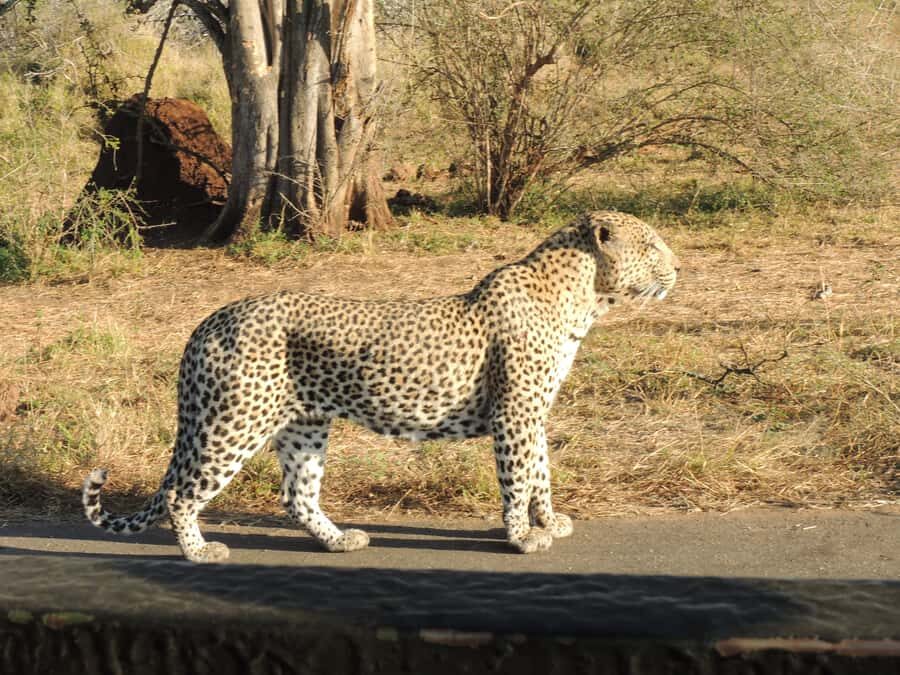
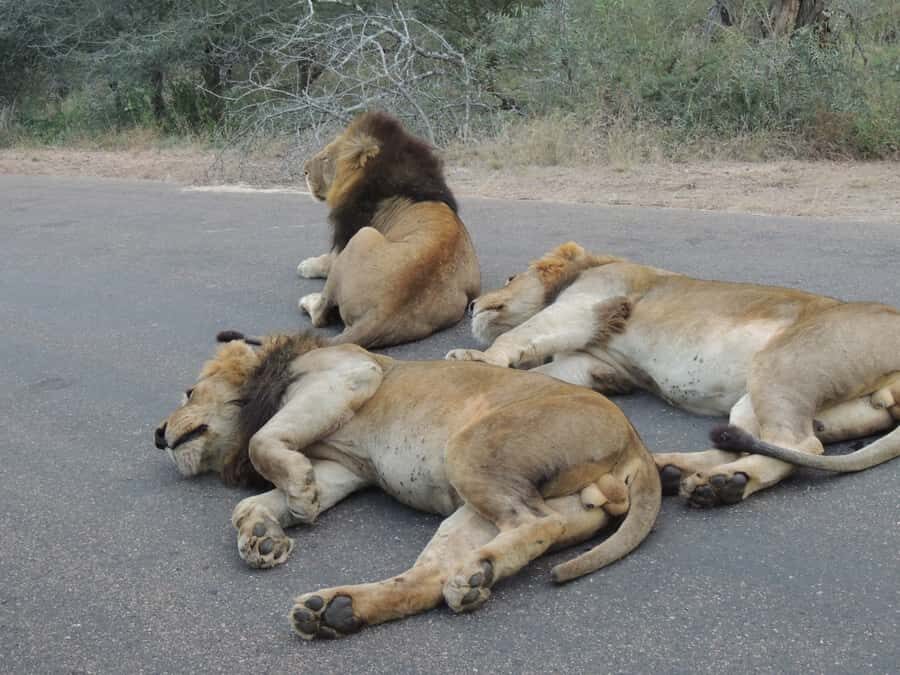
- Big Five focus (lion, leopard, rhino, elephant, buffalo) built into a full-day schedule
- Guide-driven spotting with the goal of better angles, not just more driving
- Gravel-road detours that can improve your chances when main roads don’t pay off
- Breakfast and lunch stops inside Kruger so the day doesn’t feel like a rushed cattle run
- Real-time coordination is part of the game, with at least one guide using WhatsApp-style updates to line up sightings
Your day in Kruger starts with pickup, paperwork, and a mission
This is a true full-day Kruger experience in an open safari vehicle, starting early and running rain or shine. Your day begins with pickup either from your hotel or from one of the park’s gates (choose what fits your base). Plan to be ready about 10 minutes early. Right after pickup, you’ll sort out an indemnity form before you enter the park.
That small step matters because it keeps the day moving. In Kruger, timing is everything. The best sightings often happen when the light is right and animals are active before the heat flattens the day. The early start is not about romance. It’s about giving the guide enough time to work a route and adjust when animals show up where you least expect.
You’ll be in an open 4×4 throughout the safari portion, with bottled water included. The open design is the whole point here: you get fewer barriers between you and what’s out there, and you’ll feel the park’s sounds more clearly. That said, the ride can be chilly right before sunrise. Bring layers and expect wind when you’re moving.
A few more South Africa tours and experiences worth a look
Open 4×4 spotting: what it’s like when wildlife pops up
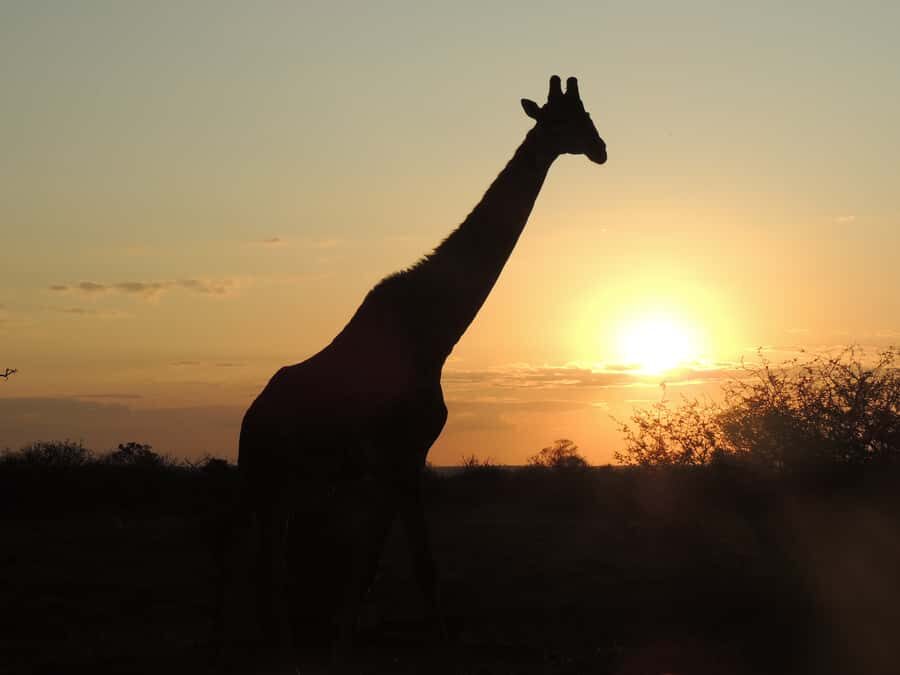
Once you’re inside Kruger, the day becomes a rhythm: drive, scan, stop, watch, reposition, repeat. The guide’s job is to read the landscape fast and use the vehicle strategically. Open vehicles also mean you need to be alert with your hands and gear. Cameras and phones come out quickly, but you don’t want to juggle them during sudden stops.
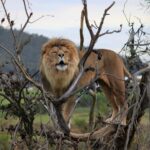
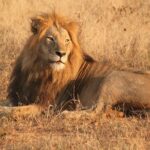
The guide leads you along park roads with the goal of seeing large animals and the Big 5. In the best-case scenario, the day flows like a highlight reel: elephants close enough that you can really see behavior, lions that don’t just appear on a distant horizon, and maybe a leopard sighting that feels like a small miracle because leopards can be so easy to miss.
And even when you’re not staring at the Big 5, you’ll usually get plenty of other life. Kruger is full of birdlife, and you may spot species named in the tour info like the African fish eagle, hornbill, and kingfisher. That’s a nice reminder: you’re not only chasing mammals. If you look across the branches and along the water edges, the day adds up.
The Big Five hunt: how this route is built for better odds
A full-day drive matters because it gives the guide time to keep hunting. In a shorter safari, you can be “done” before sightings line up. Here, you’re doing a real stretch in the park, with a structure that includes two meal breaks, so the guide can keep pushing the search without everyone collapsing from hunger.
Here’s what the Big Five focus translates to for you on the ground:
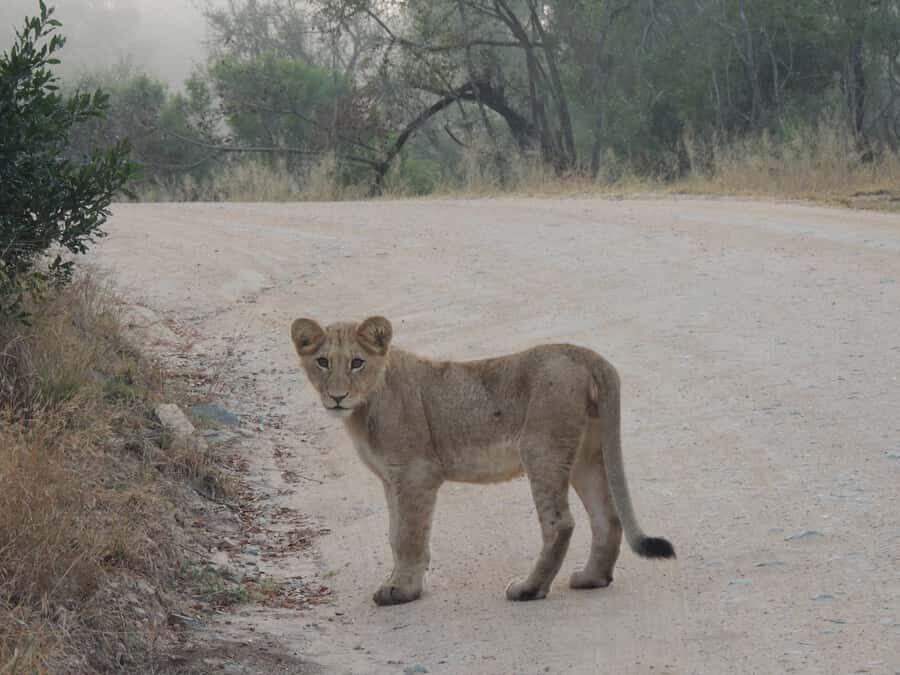
- Lion and leopard often require patience and the ability to wait without getting frustrated. Your guide should know where to look and when to stop.
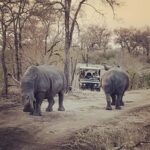
- Rhino can be elusive, and one review highlighted the search for hard-to-find rhinos and even included a white rhino sighting.
- Elephant and buffalo are often more reliable, but “seeing them” can still mean very different things depending on distance and angle.
One particularly strong theme in the guides’ reviews is persistence plus smart positioning. You can feel the difference between a guide who just drives and a guide who actively tries to put you where you’ll get the best view. Several guides named in the reviews were described as going above and beyond, using humor, and answering questions in a way that makes animal behavior click.
There’s also evidence of real-time strategy. At least one guide coordinated with other drivers using WhatsApp updates to find lions. That’s a big reason a guide-led safari can outperform a self-drive, especially for sightings that depend on where a pride or animal was last seen.
Gravel roads and why the guide may leave the main track
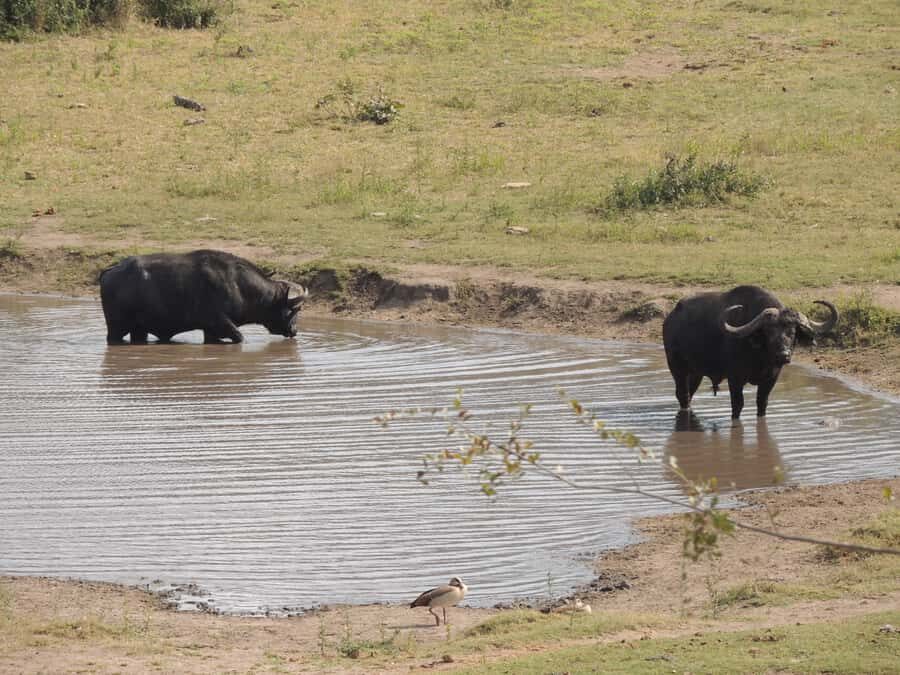
The tour isn’t only about staying on main roads. It includes exploring gravel roads when that improves your chances for sightings. That’s important because animal movement isn’t obligated to match the easiest route. Sometimes the best sightings come from backing into an area where tracks, food, or cover suggest something is nearby.
This is where the guide’s experience turns practical. You want someone who can weigh:
- where you can safely stop,
- how much time a detour will cost,
- and whether the potential payoff is worth it.
It also helps explain why reviews often sound like the guide “knows Kruger like the back of his hand.” In a place that size, confidence comes from pattern recognition: where certain habitats tend to concentrate wildlife, and how to time your approach.
Breakfast stop: fuel, regrouping, and a natural reset
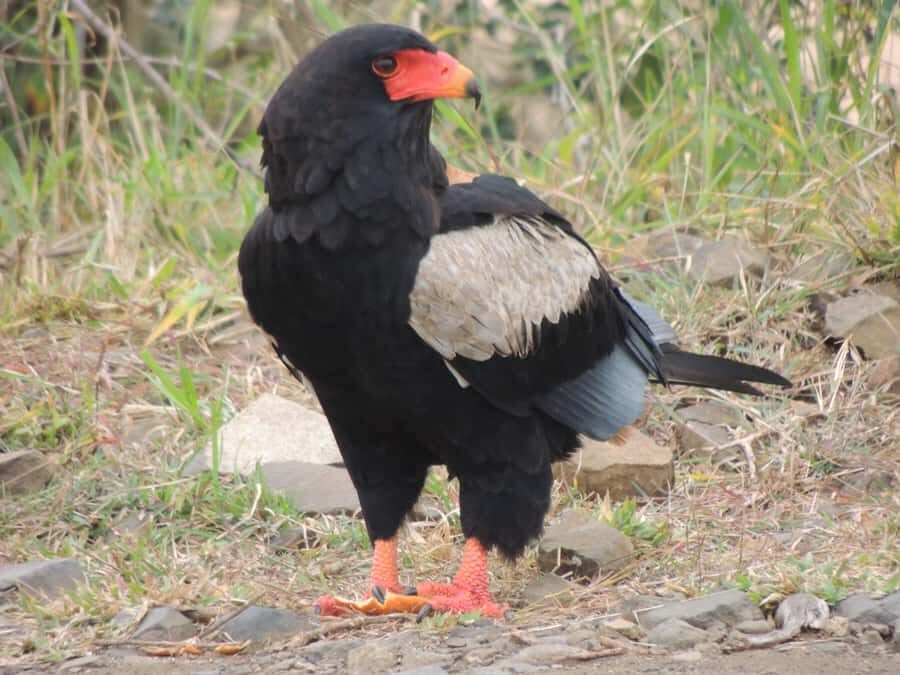
Mid-morning, you’ll make a breakfast stop inside the park. The food itself isn’t included in the price, but the stop is built into the day so you can eat without rushing and without losing the rhythm of the safari.
In practice, the breakfast break has two jobs:
- It keeps you comfortable enough to stay engaged during the heavier search period later.
- It gives you a chance to look around, stretch, and reset your expectations if the morning wasn’t an animal parade.
Some reviews mention specific rest camp areas like Lower Sabie, and other parts of the park like Skukuza show up in guide pickup notes. That means your exact rest camp might vary by route, but the pattern is the same: breakfast at a park facility where you can refuel and take in the surroundings.
If you’re the type who gets cold easily before the day warms up, breakfast is often when you’ll start layering back in your comfort. Just don’t plan on eating so fast that you miss the next segment. The guide usually wants you ready to go again quickly.
Lunch stop and the afternoon push for cats and surprises
Later, you’ll stop for lunch inside Kruger. Again, lunch costs are not included, but you’re given a chance to eat at one of the park’s rest camps.
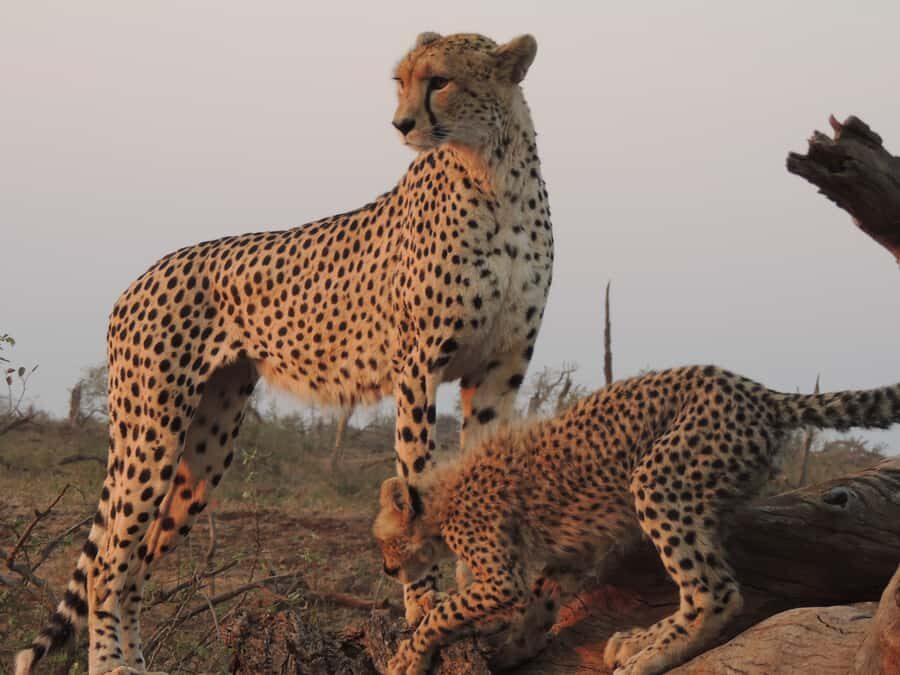
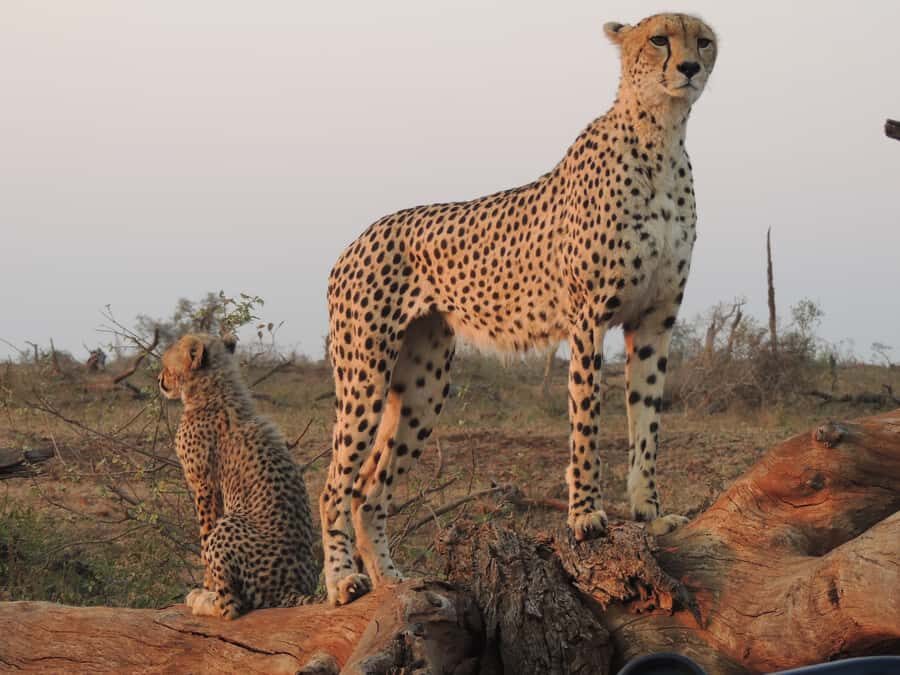
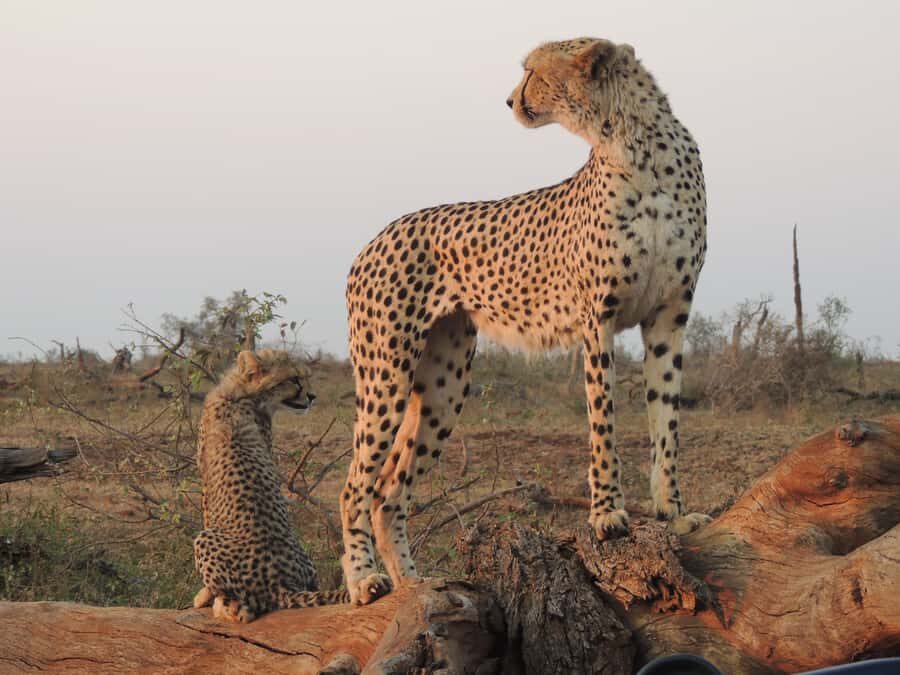
For you, lunch is the turning point between “morning scanning” and “afternoon chances.” This is also when the day can produce your biggest surprise. Cats and other harder-to-find animals can show up when people assume the day is winding down.
A strong guide will use the afternoon well:
- by continuing to look for lions and leopards,
- by adjusting route plans based on what was seen earlier,
- and by making sure everyone gets reasonable photo angles before moving on.
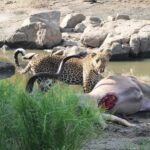
One review specifically praised good viewing positions for animal activity, like a leopard hunting behavior. You can’t guarantee those moments, but you can book a safari with a guide who tries.
Wildlife viewing that goes beyond the Big Five
Even if your goal is the Big Five, the best safari days usually feel bigger than one checkbox. That’s because Kruger’s small stuff and birdlife add texture.
In the reviews, guides named like Jerry, Advocat/Advocate, Rodger, Louis, and Mbosu came up repeatedly with themes like:
- humor during drives,
- clear explanations of what you’re seeing,
- and respectful attention to how animals behave in context.
That kind of guiding makes a difference. Watching an elephant is one thing. Understanding why it’s moving and what you’re seeing in its behavior is another.
Also, if you enjoy variety, you’ll likely appreciate the mix of large mammals with birds like hornbills and kingfishers. If you only focus on the biggest names, you can miss the quieter moments that make Kruger feel like a living system.
What’s included, what isn’t, and the real value of $109
The headline price is $109 per person for a full day. Included are pickup and drop-off, transport in an open vehicle, an experienced guide, and bottled water.
Not included:
- food and drinks,
- and the Kruger National Park conservation fee (listed as R454 per adult, R230 per child).
South African citizens pay reduced rates (R115 adult, R57 child), which is useful if it applies to you.
So is $109 good value? For a full-day guided safari in an open vehicle with hotel or gate pickup, it often compares well, especially because your guide is working the problem for you. In Kruger, the most valuable part isn’t the vehicle alone. It’s the guide’s ability to find and position you. Reviews repeatedly highlight tracking skill, good spots, and guides who coordinate to improve the odds.
Your personal budget should account for:
- conservation fee,
- breakfast and lunch purchase at rest camps,
- and any tips or extra snacks you want between stops.
If you want the day to feel smooth, don’t wait until the last minute to figure out how you’ll pay for those meals.
Practical tips that make a difference on safari morning
Here’s what I’d do to set yourself up for a better day, based on the details you’ll be dealing with:
- Bring your passport or ID card for park entry.
- Pack a camera and binoculars. When you’re stopped, having binoculars can make distant animals feel close.
- Bring cash for on-site purchases and anything the camps charge.
- Dress in layers. Mornings can be chilly, and open vehicles can add wind chill.
- Expect an early start. Even if you’ve planned around it before, the first hour feels sharper when you’re out in the open.
- Don’t bring alcohol or drugs, and you won’t be allowed to feed animals. The rules are there for animal safety and your safety.
One small detail from the reviews: some guides provided blankets for warmth during chilly early hours. You can’t count on that for every departure, but if you run hot-and-cold, plan to be comfortable without relying on it.
Who this tour suits best
This works well if you:
- want a structured, guide-led Kruger day without the stress of route planning,
- care about maximizing sightings within limited time,
- enjoy learning what you’re seeing (not just collecting photos),
- and want the open-vehicle feeling up close.
It may not be the best fit if you:
- struggle with altitude sickness (the tour isn’t suitable for people with altitude sickness),
- have mobility concerns beyond what’s supported (the tour is listed as wheelchair accessible, but an open-vehicle safari still comes with terrain considerations),
- or are older than 95 years (not suitable per the tour info).
Also, if your only goal is guaranteeing all Big Five species, no safari can promise that. What you can book is a guide who tries hard, uses smart stopping patterns, and makes the day feel productive even when wildlife is elusive.
Should you book this Kruger full-day game drive with pickup?
If you want a full-day Kruger safari with hotel or gate pickup, an open safari vehicle, and a guide who’s actively hunting for sightings, I think this is an easy yes—especially if you’re focused on better odds and better explanations.
Book it if:
- you’re okay paying the conservation fee and buying breakfast/lunch at the park facilities,
- you’re prepared for an early morning start,
- and you like guided driving that includes detours and smart repositioning.
Skip or reconsider if:
- you dislike cold mornings and don’t plan for layers,
- you need total control over meal inclusions and total cost,
- or you’re looking for a guaranteed checklist of every Big Five animal.
If you pick the right day, bring a camera, and show up ready to scan for animals, this is the kind of Kruger experience that can leave you talking about behavior, not just species names.
FAQ
How long is the Kruger National Park full-day game drive?
It runs for 1 day.
Is pickup and drop-off included?
Yes. Pickup and drop-off are included, either from your hotel or from your chosen Kruger Park entrance gate.
What animals can I expect to look for?
The focus is on Africa’s Big 5: lion, leopard, rhino, elephant, and buffalo, plus many other species and birdlife.
Are breakfast and lunch included in the price?
Breakfast and lunch stops are included in the schedule, but food and drinks are not included in the price.
Do I need to pay a conservation fee?
Yes. The Kruger National Park conservation fee is not included. It’s listed as R454 per adult and R230 per child.
What should I bring, and what’s not allowed?
Bring your passport or ID card, camera, cash, and binoculars. Alcohol and drugs are not allowed, and you can’t feed animals or bring alcoholic drinks in the vehicle.