REVIEW · SOUTH AFRICA
Private Full Day Safari (10 hours) in Kruger National Park
Book on Viator →Operated by Kedibone Safaris · Bookable on Viator
Big cats, elephants, and a long day done right. This private Kruger safari runs from Phalaborwa Gate and keeps you fed all day, so you can focus on wildlife instead of logistics. You’ll ride an open vehicle in prime viewing zones and stop for key sights like Letaba.
What I love most is the combination of a real wildlife rhythm—game drives plus short, well-timed breaks—and the built-in comfort of breakfast and a light lunch. You’re also not stuck in a chaotic crowd, since it’s your group only on a private outing.
One thing to consider: it’s a long day (about 10 to 11 hours), and Kruger is weather-driven, so expect an early start and plan for delays if conditions don’t cooperate.
In This Review
- Key things to know before you go
- Why starting at Phalaborwa Gate makes the day feel smoother
- Private safari value: why your guide time feels different
- Morning at Letaba: breakfast, elephants, and an early wildlife focus
- Satara Camp Road: where big cats get the spotlight
- Olifants River late-afternoon: calmer driving, better bird chances
- The day’s rhythm: what 10–11 hours really feels like
- Food, tickets, and what’s included (so you don’t do math mid-safari)
- Price and value: is $172.25 per person fair?
- Who this safari fits best
- Should you book this private full-day safari?
- FAQ
- How long is the Private Full Day Safari in Kruger?
- Where does the safari start?
- Is pickup available?
- Is this a private tour?
- What animal viewing should I expect?
- Are meals included?
- Are conservation fees and tickets included?
- What comfort items come with the safari?
- Are children allowed?
- What is the cancellation policy?
Key things to know before you go
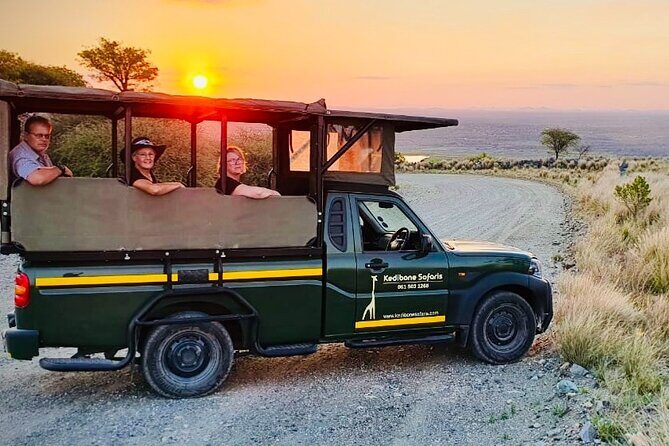
- Private, open-vehicle safari time focused on wildlife viewing, not waiting around
- Breakfast, light lunch, and snacks to keep energy steady for long drives
- Letaba Elephant Hall stop plus time to explore around the Letaba area
- Satara savanna search in a region known for lion, leopard, and cheetah chances
- Olifants River bridge and birding during the quieter late-afternoon stretch
- Ponchos and beanbags for comfort and easier photo support in the vehicle
Why starting at Phalaborwa Gate makes the day feel smoother
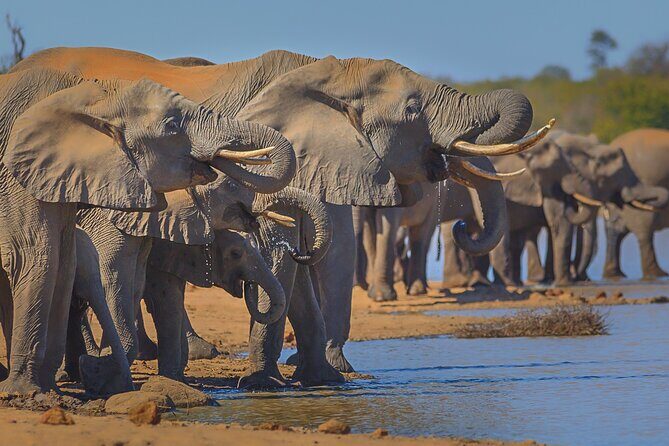
Kruger is huge, so where you enter matters. This safari starts at Phalaborwa Gate, which sets the tone for the whole day: you’re not just doing a token loop. You begin with driving time right away, then you layer in specific stops that break up the day into natural chapters.
You get a full-day pace without turning it into a marathon of sitting still. The day flows from the bush around Letaba, into the savanna plains toward the Satara area, and then back again with a late-day focus near the Olifants River. That back-and-forth pattern matters because wildlife movement changes across the day, especially early morning versus late afternoon.
For me, the biggest benefit is that it feels efficient. You’re not guessing what’s worth seeing next. The route is built to give you repeated chances at sighting, plus a couple of “why we’re here” stops—like Letaba and its elephant-focused visit.
You can also read our reviews of more private tours in South Africa
Private safari value: why your guide time feels different
This is a private full day, meaning only your group participates. That changes everything, from pacing to photo stops to how questions land. A guide can slow down when you need a better look, or move quickly when a sighting pops up. With a group tour, you often get one speed. With private, you can match the speed to what’s happening right then.
The guide is described as friendly and qualified, and the reviews back up the “guide makes the day” idea. One memorable example from a guide named Renata: she’s known for knowing Kruger like it’s personal and for having a large store of animal knowledge. Another review mentions an “animals seem to attract” kind of day with Renate from Kedibone Safaris—exactly the sort of energy you want when the goal is your special moment, not just a checklist.
You’ll also be on an open vehicle for the safari, which is a big deal for sighting and photos. Windows are great for comfort, but they can rob you of a clear view. Open vehicles give you better angles—especially at eye level when animals are close enough to matter.
Morning at Letaba: breakfast, elephants, and an early wildlife focus
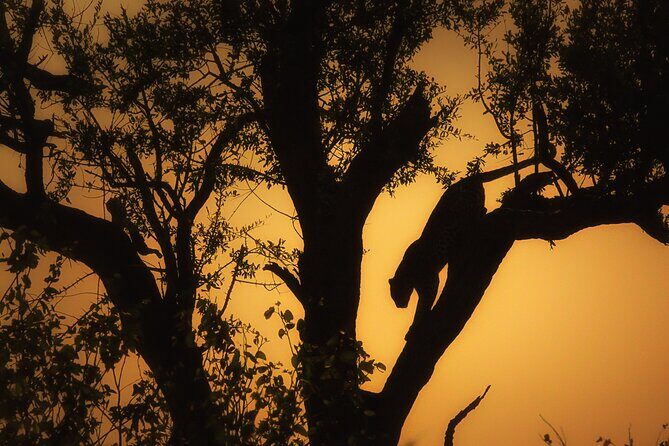
Your first game-drive stretch starts at Phalaborwa Gate, with an initial stop around the Letaba area. This is smart timing. Morning light and active animals are often where Kruger feels most alive.
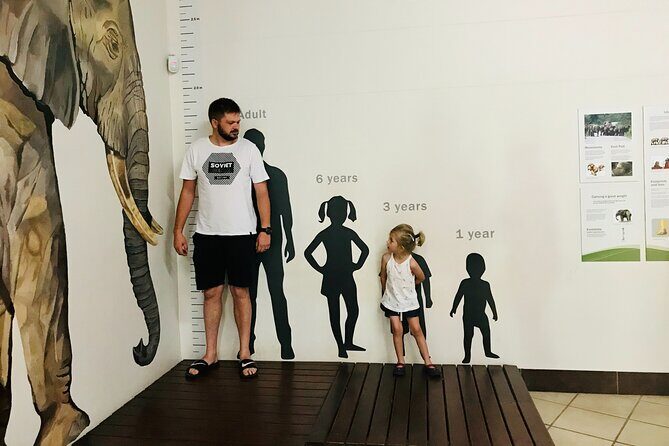
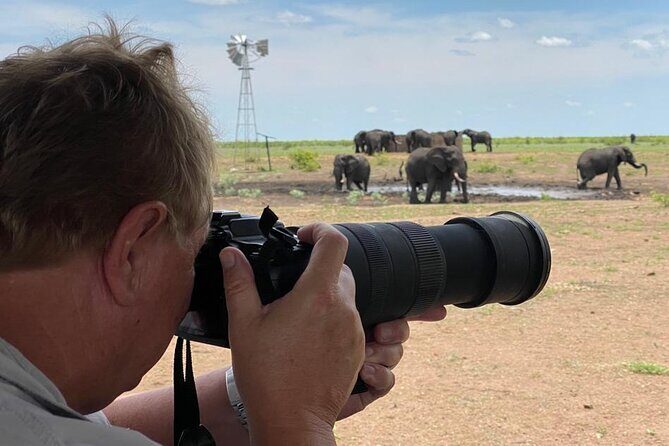
After that drive, the plan includes breakfast served to you before you head to Letaba Elephant Hall. This is a great move for two reasons. First, it gives your brain a break after morning driving. Second, it helps you see elephants as something more than random large animals you might spot. You’ll learn through the elephant-focused museum stop, and then you go back out with more context for what you’re seeing on the ground.
Letaba Elephant Hall is specifically listed as a stop with free admission. That’s a small detail, but it matters for value—your day isn’t just “pay and go.” It’s pay for the safari, then add in worthwhile, on-topic stops.
I also like how Letaba builds confidence for the rest of the day. If your first sightings land here, the later savanna searching feels exciting instead of stressful. And if sightings don’t land yet, you’ve still had an anchor stop that makes the morning feel productive.
Satara Camp Road: where big cats get the spotlight
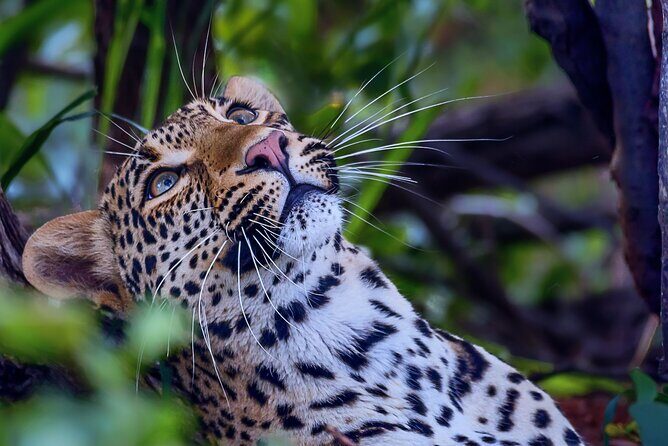
After exploring the bush near Letaba, you move out into another ecosystem: the savanna plains. That switch matters because different animals use different habitats. In practical terms, this is when your odds for predators can change, and the day shifts into a “hunt with patience” mode.
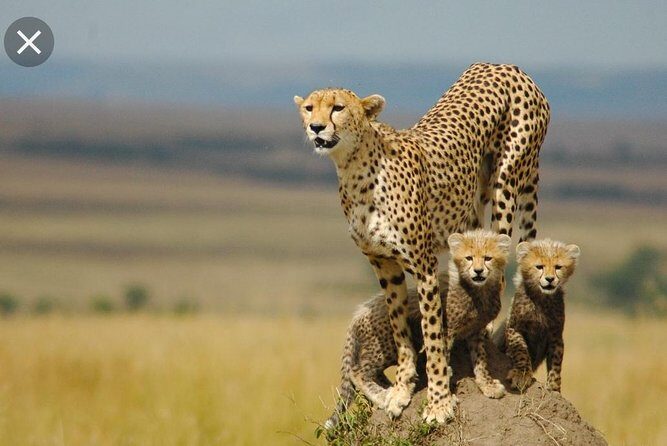
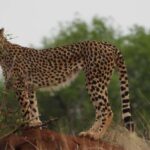
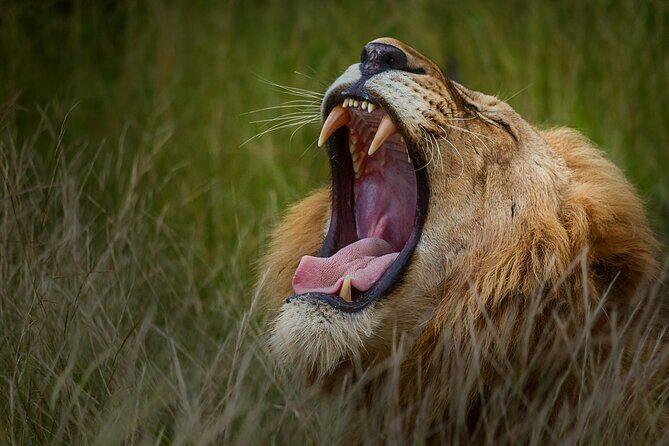
The Satara area is called out as a region with high populations of lion, leopard, and cheetah. That doesn’t mean you’ll definitely see all three—Kruger never promises that—but it does tell you the route is targeting areas where predators are more likely to show themselves. Predators often reveal themselves as a result of timing: the right light, the right temperatures, and the right animal behavior that day.
There’s also a light lunch at Satara where you can reset. For a long day, lunch isn’t a break from the safari—it’s part of making the safari possible. You’re fueled, your camera hands feel less like they’re on strike, and you’re ready for the next few hours of driving and scanning.
If you’re the type who gets cranky when you haven’t eaten, this lunch stop is worth its weight in snacks. It helps keep your attention on spotting, not on hunger.
Olifants River late-afternoon: calmer driving, better bird chances
As you head back toward Phalaborwa Gate, you’re given time to slow down and focus along the Olifants River high water bridge. This is the kind of stop that can feel simple—just a bridge and a river—but it’s one of the best moments in many safaris because rivers bring life in predictable ways.
Rivers pull in birds and wildlife to drink, hunt, and move along the banks. Even when you’re not seeing a dramatic cat moment, you can still get great sightings: birds perched in the edges, smaller animals moving near cover, and larger animals passing through when the light changes.
The itinerary also notes several hours of traveling on the safari vehicle during the late afternoon breeze. That’s a practical detail that often gets ignored: the direction of the day (morning intensity to late-afternoon calm) affects what animals do and how visible they are.
This is also when I’d expect people to find that “we’re not rushing, and then something happens” feeling. Late day in Kruger can be soft in sound and sharp in sight—quiet enough to hear birds, but alert enough to notice movement.
A few more South Africa tours and experiences worth a look
The day’s rhythm: what 10–11 hours really feels like
This safari runs about 10 to 11 hours, and the active part is a mix of driving, scanning, short stops, and meals. So yes, it’s a long day—but it’s structured. You’re not stuck on the same stretch of road the entire time.
Your start time sits within Kruger’s operating window listed for the activity: Monday to Sunday, 5:30 AM to 6:30 PM. Realistically, safaris like this are designed to get you onto the roads early enough to maximize morning viewing.
Also included are bottled water, plus ponchos and beanbags. That’s not just “nice to have.” Ponchos help when mist, drizzle, or unpredictable weather hits. Beanbags are a small luxury for photography because they help you steady your camera or lens against vehicle movement.
If you’re planning your outfit, think layers. Even in warm seasons, safari days can get cooler with shade and wind, and you’ll be sitting and scanning for long stretches.
One more practical point: it’s listed that most travelers can participate, but no children under 3 are allowed. If you’re traveling with little ones, you’ll need to check age fit before booking.
Food, tickets, and what’s included (so you don’t do math mid-safari)
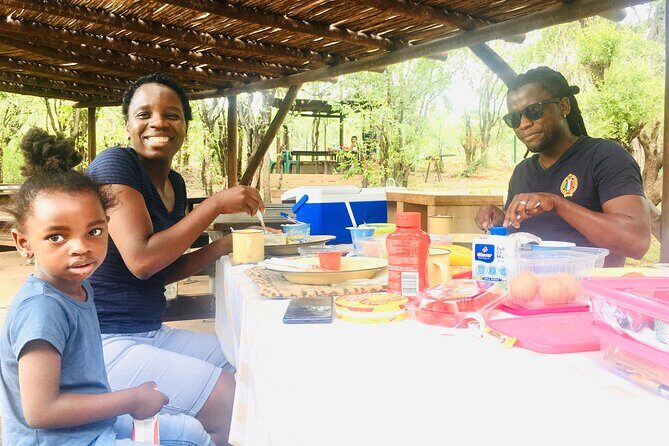
The value of this tour isn’t only the wildlife. It’s also the fact that you’re fed like someone planned the day properly. This private experience includes breakfast, light lunch, and snacks along the way, plus bottled water.
For a safari, meals aren’t a side benefit. They protect your stamina. You’ll spend hours scanning—standing up a bit, sitting back down, taking photos, maybe getting out briefly at stops. If you’ve had to buy snacks yourself, you know how fast that eats into your mental energy.
On top of food, you’re covered with SANPARKS conservation fees and you’ll have a friendly, qualified nature guide. Admission tickets are also part of the plan at key points—for example, the stop at Phalaborwa Gate includes an admission ticket, while Letaba Elephant Hall is listed as free admission.
There’s also a mobile ticket listed, plus pickup offered in Phalaborwa town for free. If you’re staying in or near Phalaborwa, this is an easy way to avoid extra transport hassles and time waste.
Price and value: is $172.25 per person fair?
At $172.25 per person, this isn’t the cheapest way to do Kruger, but it also isn’t priced like a luxury-only outing. The value comes from a few clear ingredients:
- Private guiding time instead of sharing attention with strangers
- Open-vehicle safari plus conservation fees handled
- Food included (breakfast, lunch, snacks, water)
- Multiple structured stops across different ecosystems, including Letaba and the Elephant Hall focus
If you’re comparing it to a cheaper option that leaves you to manage food or travel, this one often wins on “time and stress.” You pay for convenience and for fewer gaps in the day. And with a private safari, you’re paying for your group’s flexibility—stopping when it matters, moving when the guide thinks it matters.
If you’re comfortable budgeting for a high-impact wildlife day, this price sits in a reasonable zone given what’s included and how long you’re out.
Who this safari fits best
This is a strong match if you:
- Want a private experience and don’t want to negotiate the pace with a larger group
- Like the idea of balancing game drives with focused educational stops
- Care about photography and would appreciate beanbags for steadier shots
- Prefer a guided day with meals already sorted
It’s also a good pick if you’re doing Kruger for the first time and want a full-day route that hits multiple zones: Letaba, Satara savanna plains, and the Olifants River area.
Should you book this private full-day safari?
If your priority is a long, well-fed, well-guided Kruger day without crowds, I’d book it. The structure makes sense: Letaba in the morning with breakfast and elephant learning, Satara for predator-focused searching, then the Olifants River for calmer, river-driven wildlife and birds.
Two reasons I’d feel confident for you: the route targets different ecosystems through the day, and the inclusion of meals and comfort items keeps the experience smooth. If you can handle a 10–11 hour day and you’re traveling when weather cooperation is likely, this private safari is the kind of Kruger outing that turns into a story you’ll tell later.
FAQ
How long is the Private Full Day Safari in Kruger?
The safari lasts about 10 to 11 hours.
Where does the safari start?
It starts at Phalaborwa Gate in Kruger National Park, with the activity ending back at the meeting point.
Is pickup available?
Yes. Pickup and drop-off in Phalaborwa town are offered for free, and transfers from Phalaborwa gate are available on request.
Is this a private tour?
Yes. Only your group participates.
What animal viewing should I expect?
The tour highlights viewing the Big Five. It also focuses on areas where predators like lion, leopard, and cheetah are known to be present.
Are meals included?
Yes. Breakfast, light lunch, and snacks are included, along with bottled water.
Are conservation fees and tickets included?
SANPARKS conservation fees are included. An admission ticket is included for the first stop, and Letaba Elephant Hall admission is listed as free.
What comfort items come with the safari?
Ponchos and beanbags are provided.
Are children allowed?
No children under age 3 are allowed.
What is the cancellation policy?
You can cancel for free up to 24 hours in advance for a full refund. If canceled less than 24 hours before the start time, the amount paid is not refunded. If the experience is canceled due to poor weather, you’ll be offered a different date or a full refund.