REVIEW · HAZYVIEW
Kruger National Park Afternoon Safari
Book on GetYourGuide →Operated by GAP Tours & Transfers · Bookable on GetYourGuide
Afternoon light changes Kruger fast. In just 5 hours, this safari gives you expert spotting help and real odds for the Big Five—but it’s also short, so you might miss some animals if sightings don’t line up. I like the way the guides explain what you’re seeing, from mammal behavior to bird calls. I also like that you can choose between an open safari experience and a closed, air-conditioned vehicle for comfort.
You’ll start with hotel pickup in Hazyview, then head into Kruger during the afternoon hours when the park feels warm, loud, and alive. Expect that classic open-vehicle sensory package—dust in the air, sun-warmed grass, cicadas buzzing, and the cry of fish eagles—plus the option of AC if heat and comfort matter more to you.
There’s also a cultural layer. If time permits, your route may include conservation spots tied to the presence of people long ago, such as Bushman rock paintings or archaeological sites. That adds meaning beyond the wildlife, but it won’t always happen, so don’t plan your day around it.
In This Review
- Key highlights that matter on the ground
- From Hazyview To Kruger: how the 5 hours actually feel
- The guide makes it: Vusi, Edward, and the art of slowing down
- Open safari vs air-conditioned comfort: choose your Kruger style
- Wildlife expectations: Big Five odds, plus the animals that show up anyway
- Afternoon timing and the road strategy: why you may only cover part of Kruger
- Beyond animals: Bushman rock paintings and archaeology if time permits
- What the $100 price gets you—and the fees that can change the math
- Who this half-day safari suits best (and who might want longer)
- Should you book this Kruger afternoon safari?
- FAQ
- FAQ
- How long is the Kruger National Park Afternoon Safari?
- Where is hotel pick-up and drop-off provided?
- What’s included in the price?
- Are meals included?
- Are there extra fees besides the $100 price?
- What conservation fees are listed for adults?
- What conservation fees are listed for children under 12?
- Do I ride in an open vehicle or a closed vehicle?
- Is there a live guide, and what language do they speak?
- Is free cancellation available?
Key highlights that matter on the ground
- 5-hour timing from Hazyview: hotel pickup and drop-off built in, so you don’t waste half a day on logistics
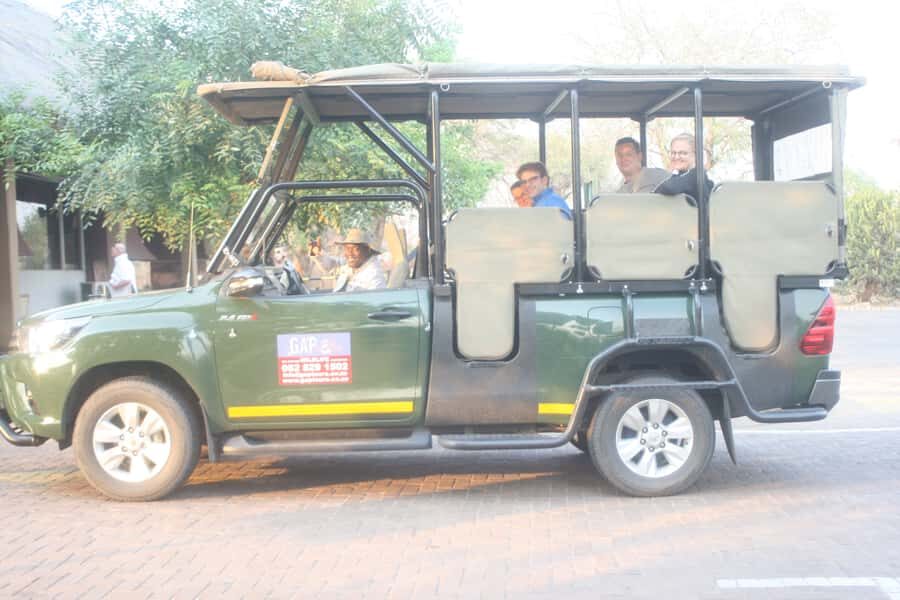
- Open or closed safari vehicle: choose open for full sights-and-sounds, or AC for hot weather and comfort
- Big Five viewing chance: you’re aiming for close wildlife encounters, even though sightings are never guaranteed
- Guides who read the bush: real animal knowledge plus lots of time spent stopping for photos
- Birds and mammals are a big focus: you’ll learn what to listen for, not just what to look at
- Possible Bushman art and archaeology: if the schedule allows, it adds a human story to the safari
From Hazyview To Kruger: how the 5 hours actually feel
This is a half-day safari, not a full-day marathon. The duration is listed as 5 hours, and the practical result is simple: you’ll get one afternoon window to search for wildlife, then you’re back out. That works well if you’re based in the Hazyview area and want Kruger without burning an entire day.
What you can expect is a steady flow: pickup from your Hazyview hotel, then travel to the park, then a chunk of safari driving once you’re inside. One timing example from an actual experience reads like pickup around 13:00, starting safari around 14:00, and leaving the park about 17:20. Your exact times can vary, but the lesson stays the same. With an afternoon start, you usually cover only part of the park road network. You’ll likely get good sightings from specific areas your guide targets, rather than trying to “touch everything.”
This is also why the guide’s strategy matters so much. When time is tight, you want someone who’s comfortable making smart bets—like where animals tend to move, where birds gather, and how to adapt when one sighting doesn’t deliver. If you’re the kind of person who likes a plan but also enjoys going with what nature gives you, this format can be a sweet spot.
A few more Hazyview tours and experiences worth a look
The guide makes it: Vusi, Edward, and the art of slowing down
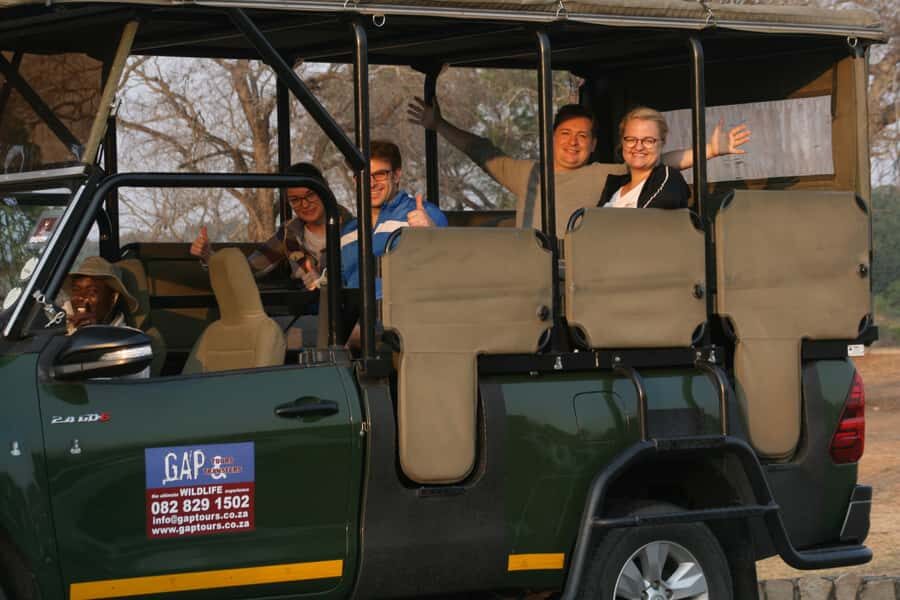
Kruger is big. You can drive around on your own, sure—but the value here is the person sitting in front of you with eyes trained on the bush. This safari is led by a live English-speaking guide, and the whole point is that they share what they know about the animals and the environment.
In real experiences tied to this safari, guides like Vusi and Edward came up more than once. People specifically noted Vusi’s broad knowledge and the way conversations made the ride more engaging, not just a checklist of animals. Others mentioned Edward being punctual and friendly, with a focus that includes birds as well as mammals.
What I’d watch for, and what you should lean into, is the guide’s habit of pausing. One experience highlighted how the guide took time to stop calmly so everyone could take photos and get better views. That’s more than courtesy—it’s a spotting technique. When animals sense constant movement, they don’t always cooperate. A short still moment can be the difference between a brief glimpse and a readable scene.
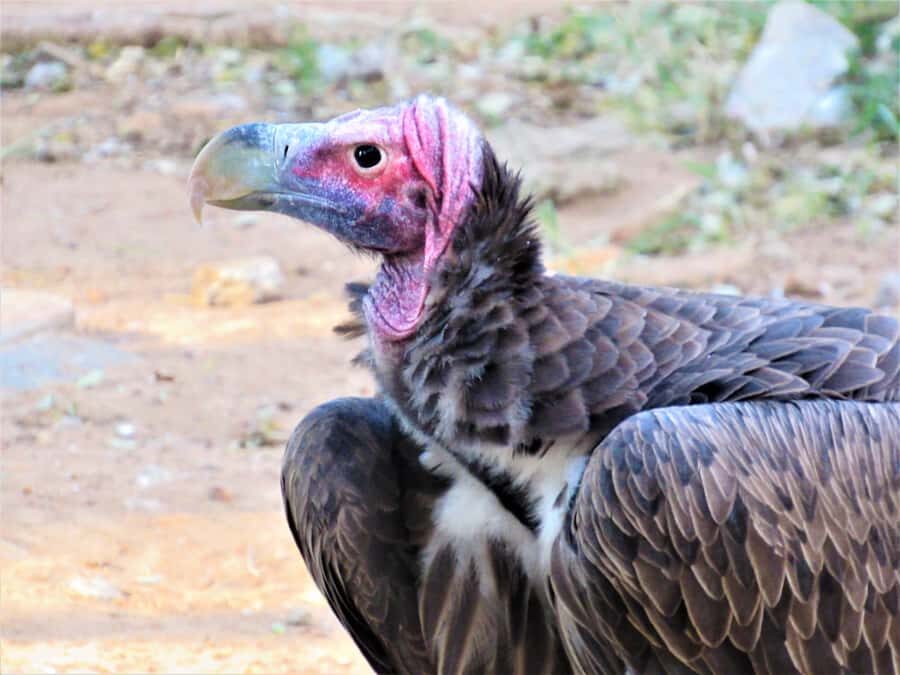
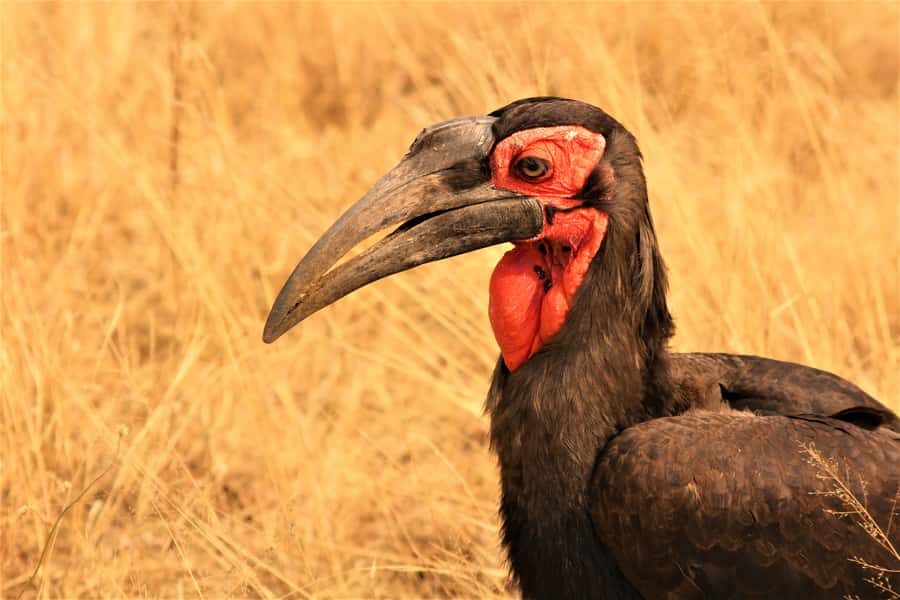
Also, your learning won’t be limited to big animals. The park is home to 147 species of mammals, 500+ bird species, and 336 species of trees. On an afternoon drive, guides often use that diversity to help you notice smaller moments: feeding behavior, flight paths, calls in the canopy, and how different species share the same patch of habitat.
Open safari vs air-conditioned comfort: choose your Kruger style
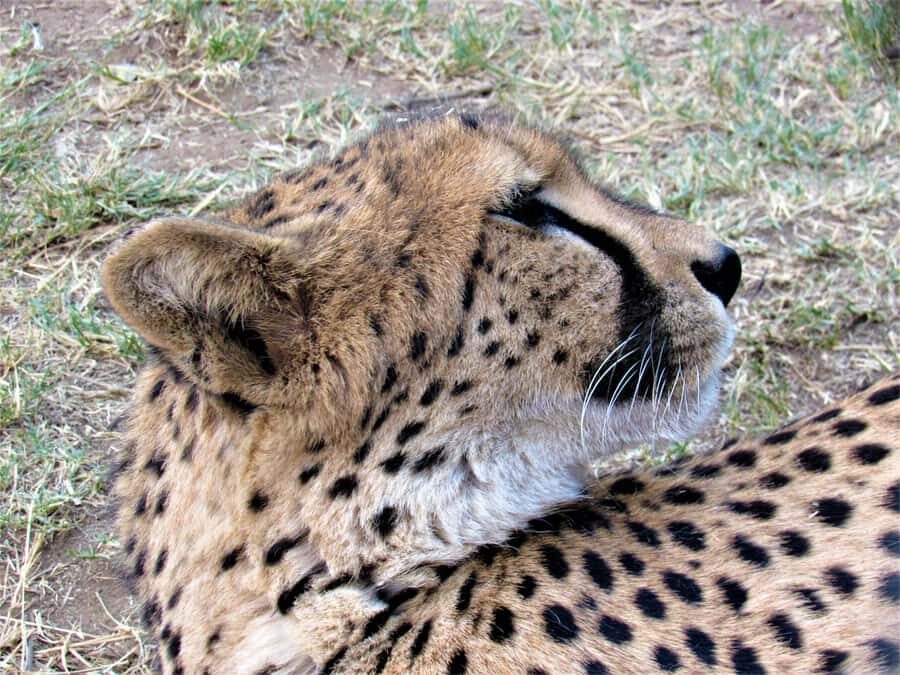
You have two vehicle options: an open safari vehicle and a closed, air-conditioned vehicle. That choice changes the feel of the safari.
With the open vehicle, you get the full Kruger sensory package: dust in the air, sun-warmed grass under the breeze, cicadas overhead, and the sound of fish eagles when they call. You’ll also likely feel more directly connected to what’s happening around you. If you love photography, open vehicles can help you react fast when an animal appears near the road.
With the closed, air-conditioned vehicle, the experience shifts toward comfort. This is listed as a pleasant option in very hot weather, especially for older visitors and families traveling with young children. Even if you’re physically fine in the sun, AC can help you stay sharp and comfortable for the entire 5-hour window. Less heat fatigue often means better attention when wildlife finally shows up.
So how do you pick? If your priority is atmosphere, sound, and maximum “on the ground” feeling, the open vehicle is the choice. If your priority is comfort—especially in peak heat or if you’re traveling with kids—the closed AC vehicle is a smart move. Either way, you’re still on a safari vehicle inside the park, so you’re not giving up the core wildlife experience.
Wildlife expectations: Big Five odds, plus the animals that show up anyway
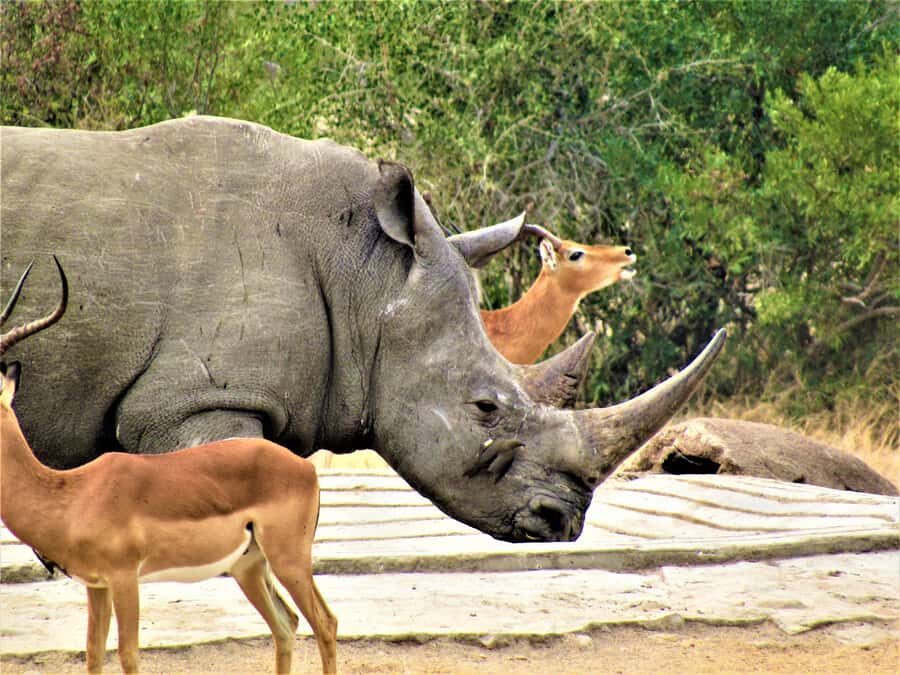
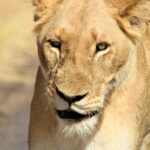
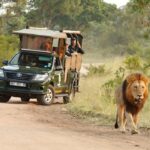
The highlight is straightforward: you’re taking a shot at the Big Five up close. But in Kruger, the important word is chance. The Big Five are legendary—lion, leopard, rhino, elephant, and buffalo—and this safari is designed to put you in position to see them. Still, short-safari timing and animal behavior mean not every Big Five animal is guaranteed.
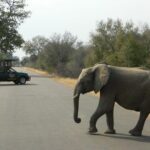
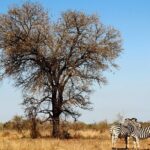
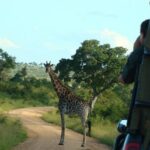
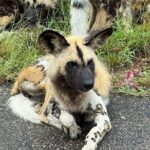
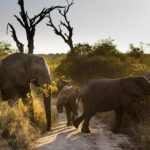
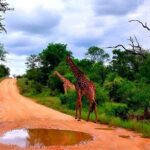
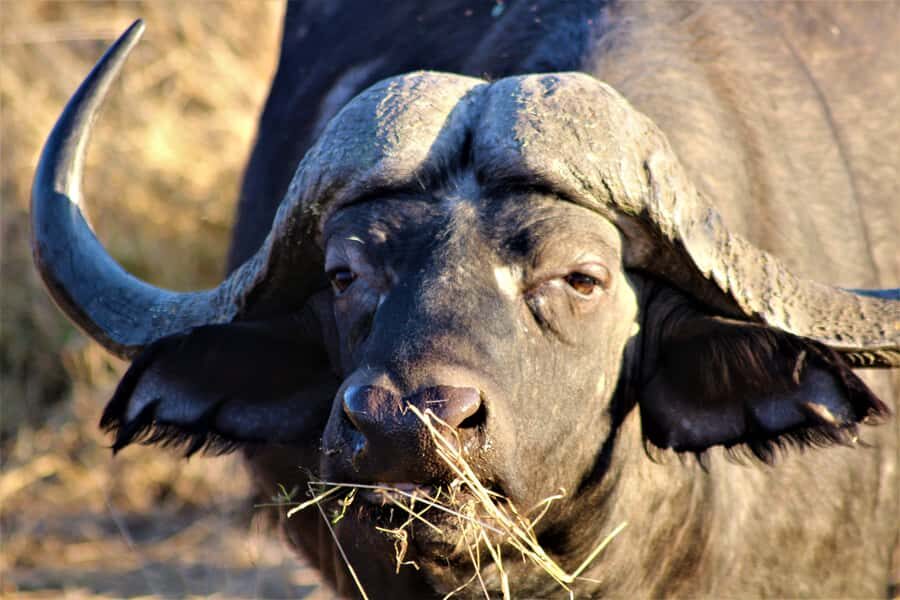
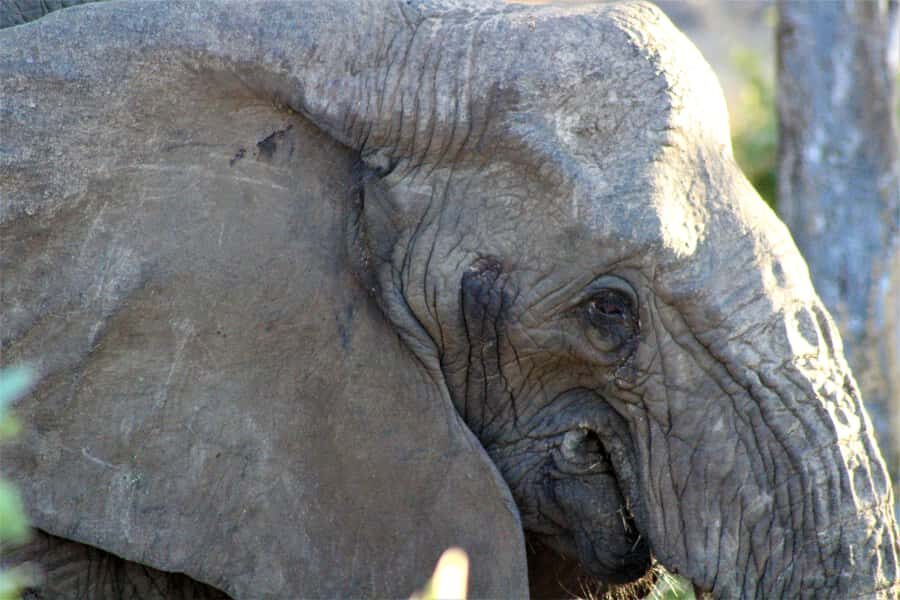
What you can count on more than a specific species is variety. Experiences tied to this safari included sightings like elephants, giraffes, zebras, hippo, and impala. Buffalo sightings showed up as well, including a herd described as about 500 animals crossing nearby. Hyenas also appeared in one experience, sleeping close to the road edge. Birds were a big part of the ride too, with guides tracking species by call and movement.
One key takeaway from these experiences is how sightings can swing. In one case, rhinoceros and lion were missing from the Big Five, even though other big mammals were seen well. That’s not a “failure.” It’s Kruger doing Kruger. The value is that you’ll be with a guide who can quickly redirect focus toward what’s actually happening right then.
For you, the practical advice is simple:
- Keep your eyes scanning both distance and road-edge areas; smaller movements often start the story.
- Listen for birds, not just for silence. If you hear activity, your guide usually has a reason.
- Don’t fixate on one animal category. When the park gives you something unexpected, it often turns into the memory you keep.
Afternoon timing and the road strategy: why you may only cover part of Kruger
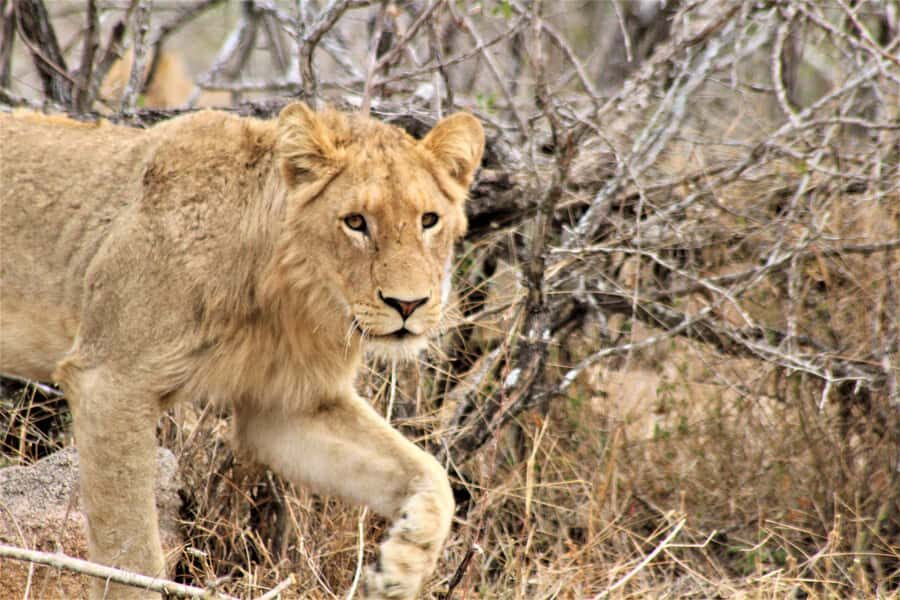
Afternoon safaris come with a natural rhythm. The heat can affect animal movement, and the light changes how you spot shapes against grass and trees. That’s why guides focus on being strategic rather than driving endlessly.
Some experiences mention that within the time available, the safari covered one road segment “up and down,” rather than multiple areas across the park. Again, your exact route can vary, but the logic is consistent: with limited hours, you’re usually assigned a driving plan that maximizes the probability of sightings within that slice of time.
This is also where “the guide’s brain” becomes your advantage. A good guide doesn’t just look for animals; they look for patterns—where animals are likely to be, how they might respond to nearby water or cover, and how bird activity can hint at larger movements.
If you’re the kind of traveler who wants a long list of sightings, you might feel the time pressure. If you’re the kind of person who values guided focus and the thrill of seeing real wildlife up close, this afternoon format can be a good fit. It’s not designed to replace a full-day safari, but it can absolutely deliver a strong wildlife hit.
Beyond animals: Bushman rock paintings and archaeology if time permits
Kruger isn’t only about wildlife. The park also conserves evidence of people who lived in and around these lands long ago, including Bushman rock paintings and archaeological sites.
The tour information specifically notes that recorded presence of man is conserved along with the park’s natural assets, and that if time permits, at least one of these conservation points may be included. The phrase if time permits is important. You shouldn’t count on it every day, especially if wildlife sightings run long or if road timing shifts.
Still, when it does happen, it adds a powerful perspective shift. You stop seeing Kruger only as a nature machine producing animals and start understanding it as a place with deep human connection too. Even if you only get a short stop, it gives your safari meaning beyond the immediate thrill of a sighting.
For practical planning, treat this as a bonus. Your main event is the wildlife safari. If you also want cultural context, you’ll appreciate that the option exists rather than Kruger being reduced to only game drives.
What the $100 price gets you—and the fees that can change the math
The advertised price is $100 per person, for a 5-hour safari. That’s the base cost, and what you should look at is what’s included and what’s not.
Included:
- Bottled water
- Hotel pick-up and drop-off in Hazyview
Not included:
- Meals
- An additional Kruger National Park entrance fee
- Conservation fees per person (different amounts depending on citizenship/residency)
Conservation fees are listed clearly by category. For kids under 12:
- South African citizens and residents (with ID): R 64
- SADC nationals (with passport): R 128
- International conservation fee: R 267
For adults:
- South African citizens and residents (with ID): R 128
- SADC nationals (with passport): R 257
- International conservation fee: R 535
What this means for your value decision: the safari itself includes the most expensive part—people and expertise plus a vehicle safari inside the park. But if you’re paying international conservation fees (and the entrance fee is separate), the all-in cost can be noticeably higher than the $100 headline.
So I’d frame it like this:
- If you want a guided Kruger introduction without a full-day commitment, the base price makes sense.
- If you’re traveling internationally, budget for the added fees so you’re not surprised on arrival.
If meals aren’t included, plan to eat before pickup or after drop-off. An afternoon safari can push you hungry, especially if you’re focused on spotting rather than snacking.
Who this half-day safari suits best (and who might want longer)
This safari is built for people who have limited time or want an afternoon Kruger visit. If that describes you, you’re in the sweet spot.
Best fit if you:
- Want a guided introduction to Kruger without spending the whole day in the park
- Like the idea of learning as you go, not just driving for pictures
- Care about comfort options (open vehicle for full atmosphere, or closed AC for heat and families)
You might want a longer experience if you:
- Have your heart set on seeing all Big Five species in one go
- Prefer a wider park coverage because you don’t want to feel time pressure
- Are the type who wants lots of time for stops, birding, and slower pacing
One experience described a small group size (about 6 people), and that kind of setup usually helps everyone stay attentive and get better guide interaction. Even if you don’t get a tiny group every day, you should still expect a safari that feels more guided than chaotic.
Should you book this Kruger afternoon safari?
Yes—if you approach it like an afternoon safari mission, not a guaranteed Big Five factory. The biggest reason I’d book it for you is the combination of an expert guide and a realistic 5-hour window. That mix is perfect when you want wildlife up close with context, plus the option of open-air excitement or AC comfort.
Book it especially if you want:
- Guided stopping and explanation (including birds)
- A chance at Big Five sightings, knowing it’s chance-based
- A plan that works from Hazyview without extra hassle
Skip it only if you need full-day coverage or you feel you’ll be disappointed by missing one or more Big Five animals. Kruger doesn’t run on calendars. A shorter safari can still deliver a memorable afternoon, but it won’t promise every headline animal.
FAQ
FAQ
How long is the Kruger National Park Afternoon Safari?
It runs for 5 hours.
Where is hotel pick-up and drop-off provided?
Pick-up and drop-off are included for any hotel in Hazyview.
What’s included in the price?
Bottled water and hotel pick-up/drop-off in Hazyview are included.
Are meals included?
No. Meals are not included.
Are there extra fees besides the $100 price?
Yes. There is an additional Kruger National Park entrance fee, plus conservation fees depending on your category.
What conservation fees are listed for adults?
For adults: South African citizens and residents with ID pay R 128; SADC nationals with passport pay R 257; international conservation fee is R 535.
What conservation fees are listed for children under 12?
For children under 12: South African citizens and residents with ID pay R 64; SADC nationals with passport pay R 128; international conservation fee is R 267.
Do I ride in an open vehicle or a closed vehicle?
Both are offered: an open safari vehicle and a closed, air-conditioned vehicle.
Is there a live guide, and what language do they speak?
Yes, there is a live tour guide who speaks English.
Is free cancellation available?
Yes. You can cancel up to 24 hours in advance for a full refund.