REVIEW · KRUGER NATIONAL PARK
Kruger National Park Full Day Safari Tour
Book on Viator →Operated by Safaria · Bookable on Viator
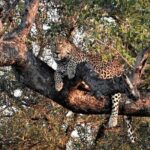
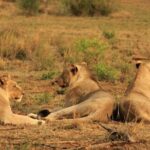
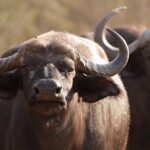
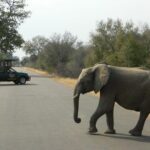
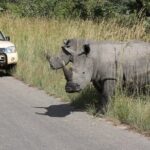
Big Five hunting begins before sunrise. This full-day Kruger National Park safari is built around getting into the park shortly after opening, so you spend more time on the hunt and less time waiting. I like how the tour pairs an open-safari vehicle with a morning start, plus a guide who reads animal behavior the way other people read a map.
I especially like two things: the tour hands you binoculars so you can actually track distance movements, and the bush guide keeps the day practical with wildlife and habitat commentary, with guides like Andrew showing you birds, flora, and even geology in plain language. The one real drawback to plan for is cost beyond the tour price: Kruger conservation/entrance fees are not included, and breakfast and lunch stops mean you pay your own meals.
In This Review
- Quick Reasons This Full-Day Kruger Safari Works
- Dawn Entry at Kruger: Why the First Hours Matter
- The Breakfast Camp Stop (8h30 to 9h15): Fuel and a Reset
- Lunch at Skukuza Around 12h00: Midday Timing for Better Sightings
- Open Safari Vehicle Tips: How to Get Better Photos and Spots
- The Guide Moment: Commentary That Turns Sightings Into Meaning
- What You Get Included (and What You Pay Separately)
- Included
- Not included (budget for these)
- Weather and Clothing: Heat, Thunder, and Winter Cold
- Your Booking Reality: Private Tour, Minimum Numbers
- Who Should Book This Full-Day Kruger Safari?
- Should You Book This Kruger Full-Day Safari?
- FAQ
- What time does the safari start?
- How long is the safari day?
- Are meals included?
- Do I pay Kruger park fees on top of the tour price?
- What wildlife-spotting gear is provided?
- Is this tour private?
- What documents do I need?
- Is the booking refundable if plans change?
Quick Reasons This Full-Day Kruger Safari Works
- You enter right after park opening for better odds when animals are most active
- Binoculars and an open-safari vehicle help you spot more than you’d see from the road
- A professional bush guide turns sightings into real understanding, not just a drive
- Plenty of weather support with blankets and rain ponchos on the vehicle
- Photo and spotting rhythm with morning, breakfast stop, and lunch timing built in
Dawn Entry at Kruger: Why the First Hours Matter
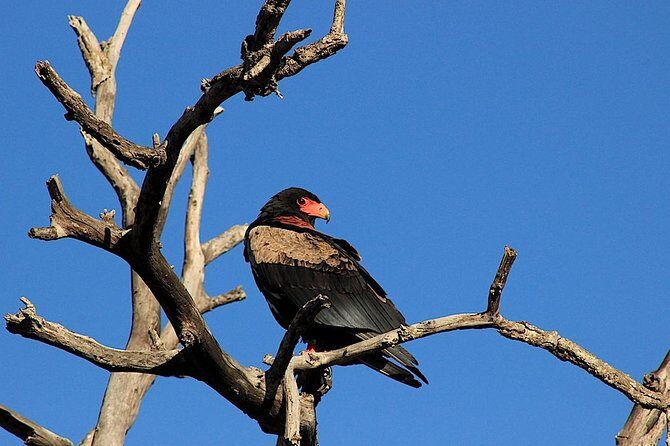
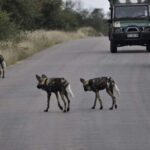
This is a full-day safari designed around the best odds of seeing wildlife. Your day starts early, and the logic is simple: animals are usually up and moving at first light, and the light makes it easier to spot movement in the bush.
In summer, the dawn chorus is around 05h30 and the gates open shortly after at about 05h45. In winter, you’re looking at a later start, with gates opening around 06h15. Either way, the goal is the same: get you into Kruger soon after it opens, so your guide can start scanning for tracks, feeding activity, and the kinds of sightings that tend to cluster around the early hours.
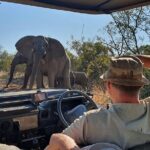
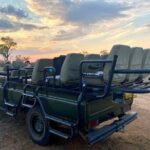
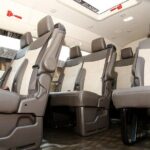
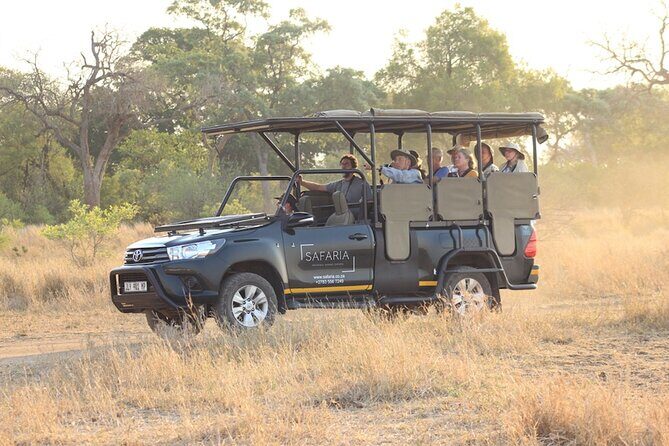
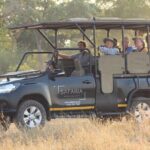
You’re in an open vehicle, which matters more than it sounds. It’s not just for views. It also means you can watch animals’ body language closely, and you can photograph without the glare you sometimes get through enclosed windows.
If you’re trying to do Kruger with limited time, this kind of start is the difference between a “nice drive” and a day that feels like a real safari.
A few more Kruger National Park tours and experiences worth a look
The Breakfast Camp Stop (8h30 to 9h15): Fuel and a Reset
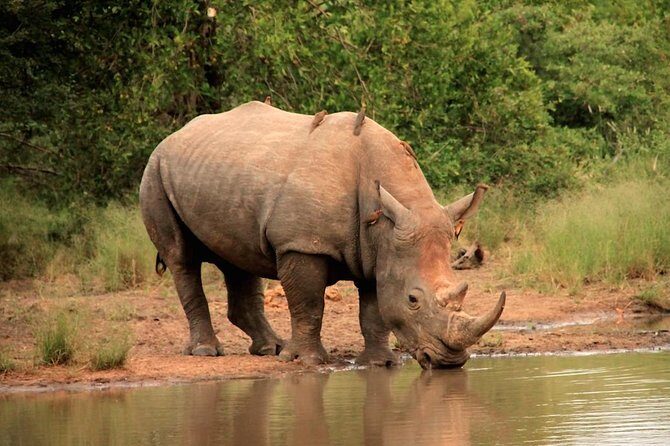
Between roughly 08h30 and 09h15, you’ll stop at one of the camps for breakfast. This is more than food. It’s your reset point, and it helps you survive the long day without rushing or running on empty.
Two key practical notes:
- Breakfast is for your own account, so bring cash/card expectations into your planning.
- You’re not stuck sitting in one place for long. After breakfast, you head back out into the bush again.
This break also gives you a moment to recalibrate your spotting. Early morning sightings can come fast, then your brain needs a tiny pause to keep pattern-matching when the pace slows. That short camp stop helps.
Also, don’t underestimate the value of watching camp life for a few minutes. Even if your main goal is Big Five sightings, a guide can use that time to talk about the local environment and how the area supports different animals.
Lunch at Skukuza Around 12h00: Midday Timing for Better Sightings
Lunch is usually around 12h00, often at Skukuza. Midday is when many people start thinking the safari is done. That’s usually wrong. Yes, it can get hot, and animal movement can slow down, but this is exactly when smart guides adjust their scanning strategy.
Here’s how you can think about it:
- In the morning, you watch for movement and feeding.
- At midday, you watch for the signs animals give off when they’re conserving energy, like where shade is available, how water sources pull wildlife in, and what tracks say about recent activity.
As with breakfast, lunch is also not included. You’ll stop, eat on your own, and then get back to the driving and spotting.
If you want an easy win: pack light snacks or plan your lunch timing carefully. The tour provides bottled water, coffee, and/or tea, but you still have control over how you handle energy so you can stay focused during the hottest part of the day.
Open Safari Vehicle Tips: How to Get Better Photos and Spots
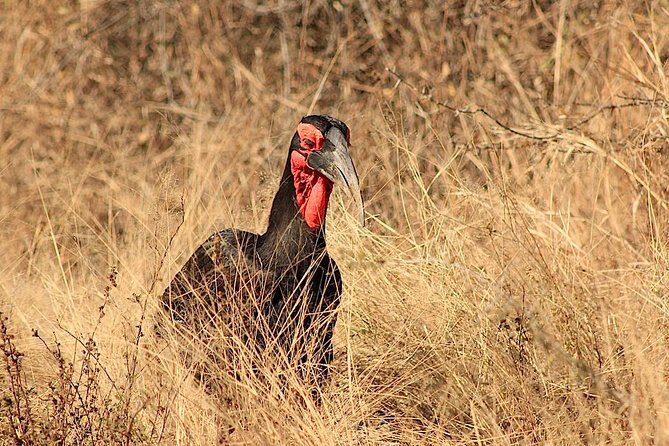
The open-safari format is one of the main reasons this tour feels like a real safari. Still, to get the most from it, you need to treat it like a photography and spotting setup, not just a ride.
A few practical tips:
- Keep your camera ready early. Your first sightings often happen before you’ve fully relaxed into the day.
- Use the provided binoculars right away. They’re complimentary, and they help you lock onto movement you might otherwise miss.
- Wear clothing that won’t scream for attention. The tour recommends cool, functional attire in dull darker shades so you don’t stand out visually to game species. That also helps you feel less like a tourist and more like part of the day.
Photo-wise, you’ll likely find the best results when you’re photographing through quick bursts rather than trying to capture everything at once. When your guide spots something, the animal’s behavior often changes quickly—so having your camera set and ready is what saves your best shot.
Also, because you’re open-air, you’ll want sunglasses. Sun glare can be intense, especially when the sky is clear.
The Guide Moment: Commentary That Turns Sightings Into Meaning
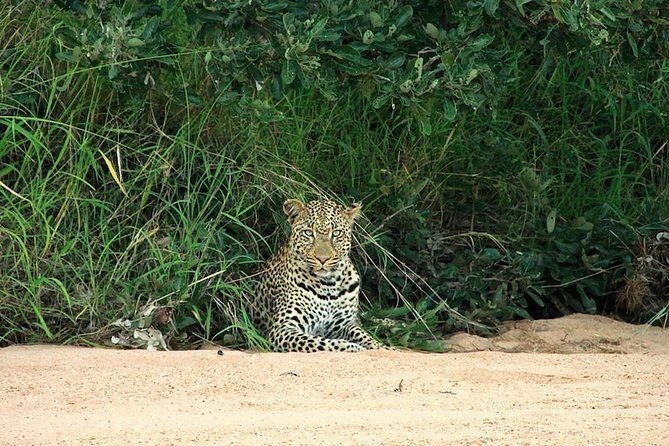
This tour’s biggest “feel-good” ingredient is the guide. Kruger is huge, and a self-drive day can be hit-or-miss unless you already know what you’re looking at. Here, your professional bush guide turns the drive into a learning experience you can actually use.
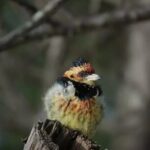
The best part is how the guide communicates. In the days led by guides like Andrew, the talk isn’t limited to big animals. You’ll get wildlife discussion plus birds and flora, and sometimes even history and geology framed in a way that sticks. That combination matters because it trains your eyes.
Once you start paying attention to small clues—calls, movement patterns, where tracks lead, and how vegetation signals water or cover—you tend to see more. And you enjoy what you see more, too.
You also get useful timing updates. The guide updates you on plans so you’re not guessing why you’re suddenly stopped, turning, or taking a slower stretch. Stops are often about sighting opportunities, and understanding that keeps you patient instead of restless.
At the end of the day, you also get a safari sightings journal. Even if you don’t treat it like a “scrapbook,” it’s handy for remembering what you saw and when, especially if you’re doing more than one activity in the region.
A few more Kruger National Park tours and experiences worth a look
What You Get Included (and What You Pay Separately)
Let’s talk value, because Kruger days can get expensive fast.
Included
You’re covered for the safari experience basics:
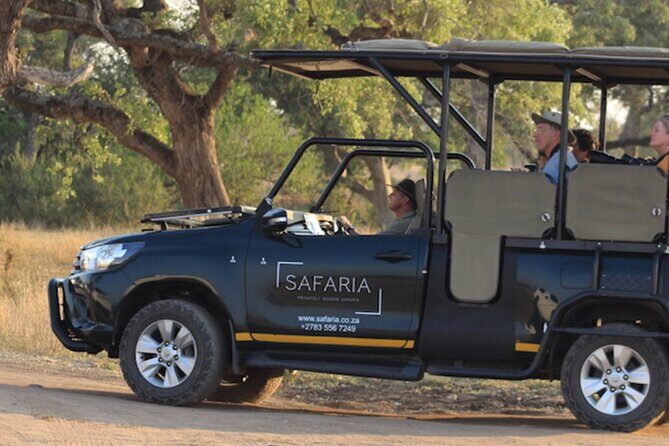
- Professional bush guide with an open safari vehicle
- Blankets and rain ponchos on the vehicle if weather shifts
- Bottled water
- Coffee and/or tea
- Complimentary binoculars
- Safari sightings journal
- Mobile ticket
Not included (budget for these)
- Kruger National Park conservation and entrance fee: KNP International fee listed as R400 per person
- Guide gratuity
- Travel insurance
- Meals during the camp stops: breakfast and lunch are paid on your own account
That’s the key budgeting reality: the headline price is for the guiding and vehicle experience, not for park fees and meals. If you plan for those upfront, the day feels fair. If you don’t, it can feel like money leaks out during the morning.
Weather and Clothing: Heat, Thunder, and Winter Cold
Kruger weather has a personality. Even in the middle of the day, conditions can change fast. The tour gives you some protection, but you still need to dress for the day you’ll actually have.
For summer months (September to April):
- Midday temperatures can reach upward of 40°C
- Afternoons can bring thunder showers
- Wear cool, functional attire in dull darker shades
- Bring a hat and sunscreen
For winter months (May to August):
- Expect blue skies and daily averages around 20–25°C
- Early mornings and late afternoons feel cooler, and it’s amplified on an open vehicle
- Warm layers help: long pants, jacket, and a beanie are recommended
- The tour provides blankets, but cold can still sneak in at the start if you show up underprepared
Either season: comfortable shoes matter. You’ll be moving around at camp stops and doing the quick in-and-out moments that go with wildlife spotting.
If you want to avoid discomfort, pack like you’re dressing for layers and moving air: hat or beanie, sunglasses, sunscreen, and a jacket that you can actually wear, not just carry.
Your Booking Reality: Private Tour, Minimum Numbers
This is listed as a private tour/activity, meaning only your group participates. That’s a nice setup if you want a more personal pace and fewer people competing for attention when the guide spots something important.
There is also a minimum of 2 people per booking. So if you’re traveling solo, you may need to check how that’s handled for your date.
Pickup is offered, which helps if you don’t want to coordinate your own transport to the meeting point. The exact meeting point details aren’t specified here, so plan to confirm it once your booking is confirmed.
You should also expect a full day: the duration is about 8 to 10 hours. This isn’t a quick morning loop; it’s a proper outing.
Who Should Book This Full-Day Kruger Safari?
This tour fits best if you want to maximize wildlife time and you value guidance over guessing.
You’ll likely love it if:
- You have limited time in South Africa and want one “big” Kruger day
- You like photography and want an open vehicle with the right spotting tools
- You prefer a guide who answers questions and gives context, not just a driving schedule
- You’re traveling with kids aged 3 and older (children must be accompanied by an adult)
It’s also a good choice for families and groups who want the structure of breakfast and lunch stops without spending the whole day planning.
If you’re the type who likes to be extremely independent all day, you might compare this with self-drive safari options. But if your goal is seeing more through better timing and interpretation, the guided format is the advantage.
Should You Book This Kruger Full-Day Safari?
Book it if you want a strong shot at wildlife within one day. The early entry timing, open vehicle, complimentary binoculars, and a guide who can talk birds, flora, and animal behavior are a solid combo. It’s especially worth it when you don’t have days to spare for trial-and-error driving.
Think twice or plan carefully if:
- You’re trying to keep costs ultra-tight, since park conservation/entrance fees and meals aren’t included
- You dislike very early mornings, since the day starts well before average wake-up time
- You’re not ready for hot weather (summer) or cold early air (winter). Bring the right layers and sun protection
Overall, this is a well-structured way to do Kruger when you want the Big Five hunt to feel real, not random.
FAQ
What time does the safari start?
The tour start time is listed as 6:00 am, and it enters the park shortly after opening. In summer, the gates open around 05h45, and in winter, around 06h15.
How long is the safari day?
The duration is approximately 8 to 10 hours.
Are meals included?
No. Breakfast (between about 08h30 and 09h15) and lunch (around 12h00, often at Skukuza) are stops where meals are for your own account.
Do I pay Kruger park fees on top of the tour price?
Yes. The Kruger National Park conservation and entrance fee is listed as not included, with KNP International fee given as R400 per person.
What wildlife-spotting gear is provided?
You’ll have an open safari vehicle with a professional bush guide. You also get complimentary binoculars, bottled water, and coffee and/or tea. You’re given blankets and rain ponchos on the vehicle if the weather changes.
Is this tour private?
Yes. It’s listed as a private tour/activity, meaning only your group participates, with a minimum of 2 people per booking.
What documents do I need?
You’ll need a current valid passport on the day of travel, and your passport name, number, expiry, and country are required at booking.
Is the booking refundable if plans change?
The experience is non-refundable and cannot be changed for any reason. If it’s canceled because the minimum number of travelers isn’t met, you’ll be offered a different date/experience or a full refund.