REVIEW · PLETTENBERG BAY
Kwano Lifestyle Day Tour – Be a local for a day
Book on GetYourGuide →Operated by Idinga Tours · Bookable on GetYourGuide
A day in KwaNokuthula feels personal and real. What I like most is the community-led pace and the chance to hear Xhosa language details right in the street, including those famous click sounds. I also appreciate that the day ends at Mila’s kitchen, so the welcome doesn’t feel like a quick photo stop and disappear.
One thing to keep in mind: it’s a true day out, not a packaged show. Some places like the creche may not be available on weekends, and while you’ll stop at a tavern, the info also says food and drinks aren’t included, so bring extra cash for anything you want along the way.
In This Review
- Kwano Lifestyle Day Tour: Key things to know first
- Where the tour starts: meeting Mila’s kitchen in Plettenberg Bay
- The local taxi ride to KwaNokuthula: how the day gets going
- Creche mornings and weekend street walks: seeing community life up close
- Siya’s dreadlock salon: natural hair as culture, not costume
- Spaza shop stop: daily essentials, draws, and Lion matches
- The tavern moment: local beer and mingling at eye level
- Lunch at Mila’s kitchen: where the welcome lingers
- Ubuntu, community support, and what your $35 buys in real life
- Practical tips: what to bring, what to wear, and how to be respectful
- Who this tour suits best (and who might want another option)
- Should you book the Kwano Lifestyle Day Tour?
- FAQ
- Where is the tour meeting point?
- What does the tour include?
- Is lunch included?
- Is food and drink included during the day?
- What should I bring?
- What shoes are not allowed?
- Do I need to know Xhosa?
- Is the creche visit always available?
- Is the tour wheelchair accessible?
- What’s the minimum group size?
Kwano Lifestyle Day Tour: Key things to know first
- Community-led, not scripted: your route is guided by local people and daily life
- Xhosa language in context: you’ll hear street talk and the idea of the language’s click sounds
- Siya’s dreadlock salon: natural hair has cultural meaning, explained in person
- Spaza shop reality check: you see everyday essentials in a real community hub
- Ends at Mila’s kitchen: you can stick around for lunch if you want
Where the tour starts: meeting Mila’s kitchen in Plettenberg Bay

I like tours that start with a human address, not a parking lot. Here, you meet at Mila’s Kitchen, with your guide greeting you right there. If you arrive early, the plan includes the option to grab breakfast beforehand, and if you arrive later or want a calmer start, you can return after the tour for a traditional Xhosa lunch.
This matters because it shifts the vibe from sightseeing to hanging out with a host community. You’re not rushing from one location to the next; you’re building trust first. And since the tour ends back at the same meeting point, you avoid that awkward scramble of trying to figure out where to go next.
It also helps that the tour is conducted in English, which makes the cultural explanations easier to follow. You can ask questions without playing guessing games about what something means.
If you’re coming with limited time in the area, this setup is friendly too: you’re using one base location for the whole experience.
You can also read our reviews of more tours and experiences in Plettenberg Bay.



The local taxi ride to KwaNokuthula: how the day gets going

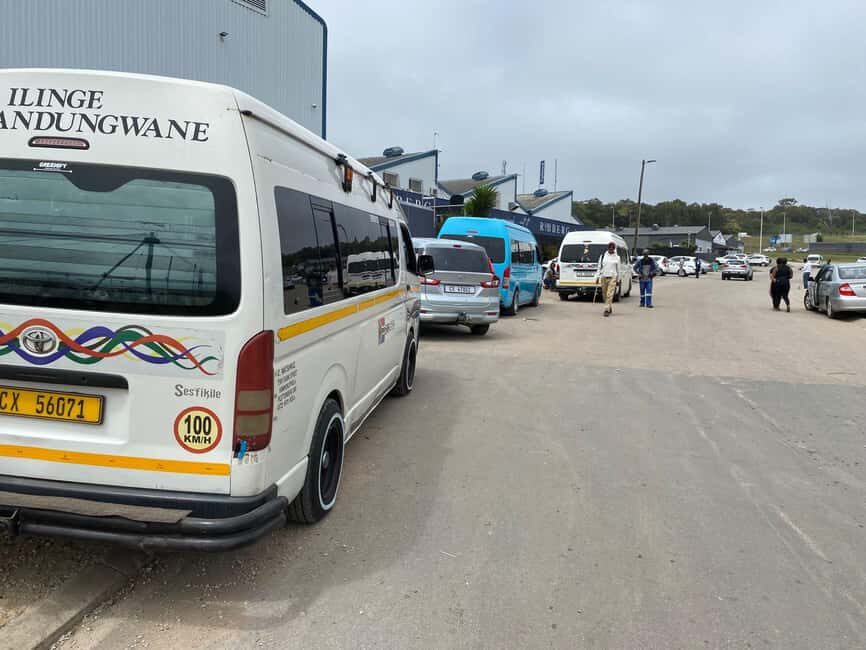
Next you’ll hop into a local taxi with your guide and head to KwaNokuthula in Plettenberg Bay. This is more than just transport. Taxi travel is often where you pick up context fast: how people talk, how they move, and how the neighborhood feels before you even step out.
If you’re used to private transfers and controlled schedules, this is a good reminder that travel can be more about rhythm than route. Expect the day to feel flexible and community-paced, not like a checklist you can race through.
Since the tour is for a minimum of two guests, you’re likely not in a huge group. That tends to make questions more natural, especially when the guide is explaining what you’re about to see and why it matters day-to-day.
And yes, comfortable shoes matter here. You’ll be walking parts of the route, and you’ll want to move easily when you’re inside shops and around the street life.
Creche mornings and weekend street walks: seeing community life up close

During the week, the tour visits a local creche, a childcare center. If you’re there on a weekday, you’ll join the kids for songs in their native language. What I take from the way this is described is that the sound and smiles are the point, not a performance staged for visitors. The experience is about watching children engage in daily life, with that mixture of joy and innocence that makes you realize how much community caretaking means.
On weekends, the plan shifts. Instead of the creche, you’ll walk the streets and experience the Ubuntu spirit of the Xhosa community through everyday interaction. You may also notice language details, including the concept of 15 distinct clicks in Xhosa and how they show up in speech. It’s one of those cultural “you don’t understand it from a guidebook” moments.
A practical consideration: the info notes that some venues may not be available on weekends, like the creche. So if you’re booking for a weekend day, come with the mindset that street life will be the focus. That’s not a downgrade—it’s just a different way of seeing the same community values.
Siya’s dreadlock salon: natural hair as culture, not costume
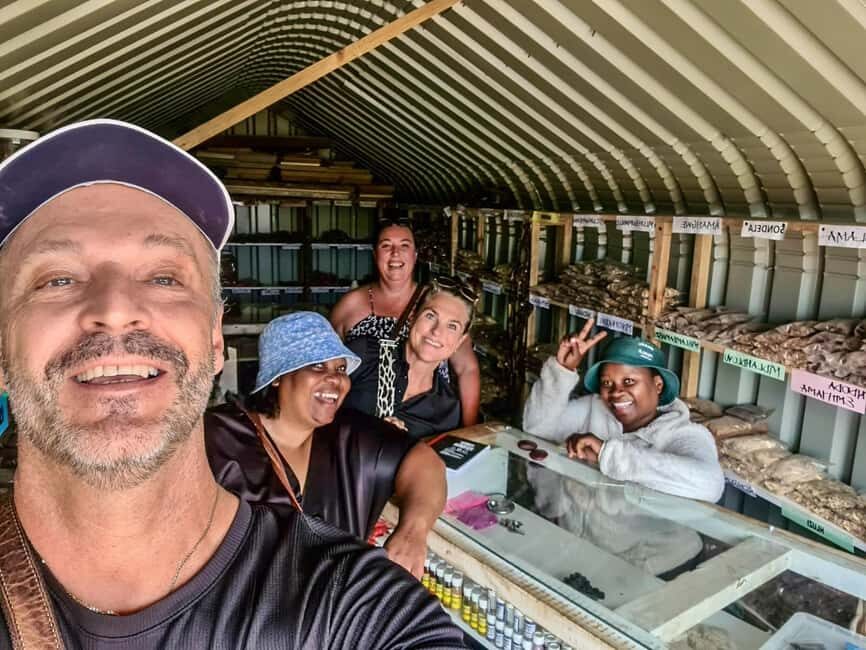
One of the stops I’d plan around is Siya’s dreadlock salon. The tour includes a story session where Siya explains the significance of natural hair in Xhosa culture. This is the kind of explanation that changes how you see things you might otherwise treat as style.
If you’ve ever wondered whether traditional styles have deeper meaning, this is your chance to ask directly. The salon stop is also a reminder that craft and identity are linked. Hair care and hair styling can be community knowledge, passed along with respect and pride.
You might even get the chance to try a hairstyle, depending on what’s happening during your visit. Even if you don’t change your look, you’ll still walk away with a clearer understanding of why certain choices matter.
Also, because salons are personal spaces, this stop works best if you treat it like a conversation. That means listening, keeping your questions kind, and respecting boundaries when you’re photographing.
Spaza shop stop: daily essentials, draws, and Lion matches

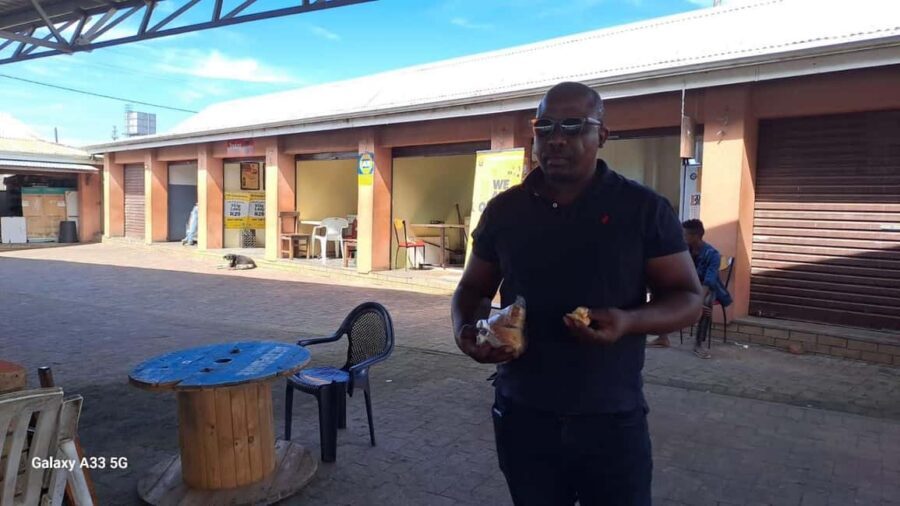
After the salon, you’ll visit a spaza shop—a small neighborhood store that’s often one of the busiest spots in a community. The tour includes a look at how locals buy daily essentials and how the shop acts like a social hub.
Here’s where you’ll see the real texture of daily life. The info specifically mentions items like loose cigarettes, called draws, and boxes of Lion matches. You’re not going there to buy souvenirs. You’re going there to understand how people get what they need, in the way they actually live.
There’s also an included component that’s important to know for your budget. The tour notes a stop for a loose draw and a box of Lion matches as part of the experience. At the same time, purchases and any extra items are on your own expense. So if you don’t want to buy things, you can still watch, ask, and learn about what people rely on.
If you’re the kind of traveler who likes learning from the mundane—how a community supplies itself—this stop is worth your attention. It’s also one of the easiest places to ask about daily habits, because you’re standing in the middle of them.


The tavern moment: local beer and mingling at eye level
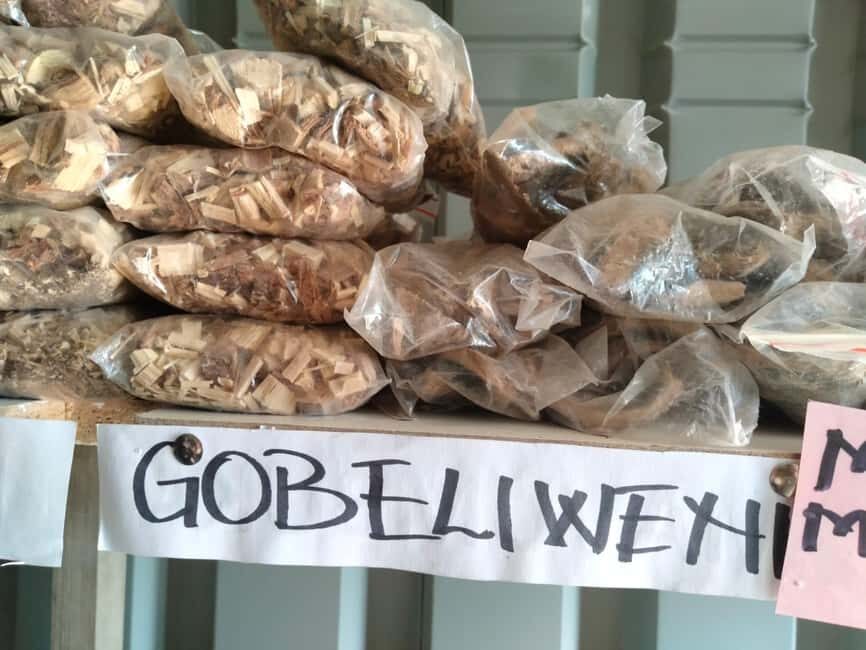
Next comes a pause at a tavern, where you can sample local beers. The tour says you’ll stop there to quench your thirst, but the info also says food and drinks aren’t included. So plan for this as a chance to socialize, and be ready to pay for what you order if the drink isn’t actually covered.
This stop is valuable for a simple reason: it keeps the day from feeling like a museum tour. You’ll mingle with friendly locals in a setting where people go to relax, not to perform.
A lot of travel experiences fail when they keep you on the outside. The tavern stop helps bridge that gap because it’s one of the few moments where you’re sharing space, not just passing through it.
Keep your expectations realistic. This isn’t a high-end venue with polished service. It’s a local gathering place. Show respect, speak gently, and let the moment unfold without treating it like a checklist photo.
Lunch at Mila’s kitchen: where the welcome lingers
The tour ends back at Mila’s Kitchen, and you’re welcome to stay for lunch. The key word here is option. The day tour itself doesn’t include lunch, but your host keeps the door open afterward.
I like this design because it solves the one problem most day tours have: you finish, you’re hungry, and you still have to figure out where to go. Here, you can extend the connection and eat something local at a place that already feels familiar.
If you took photos during the day, this is also a good moment to be thoughtful. The tour info suggests bringing small change for donations if you photograph people, and small cash can also help when you want to buy small arts and crafts in support of local businesses.
That’s one of the best ways to convert an experience into support. You’re not just consuming culture—you’re participating in a fair exchange.
Ubuntu, community support, and what your $35 buys in real life

The tour price is listed as $35 per person, and that’s where value depends on your expectations. You’re not paying for a luxury vehicle or a buffet. You are paying for:
- a personal guided tour with a local guide
- local taxi transport
- specific access stops like Siya’s dreadlock salon
- visits to places that show community life, including a creche during the week
- curated moments like the spaza shop and the tavern stop
In plain terms, your money is supporting local people directly and helping keep small community businesses and services visible. This is the heart of the day’s theme: Ubuntu, described here as humanity towards others.
And I picked up a clear clue about how people tend to feel after this tour from the accounts tied to the experience. One person, Toine, said it was the best tour they’d had in South Africa because they felt genuinely welcomed and met awesome people. Another account focused on kids smiling in the creche despite limited resources, with the strong feeling of receiving love from people who didn’t know them before that day. That’s the kind of emotional value you can’t price like a museum ticket.
So if your idea of value is only comfort and convenience, this tour might feel too real. But if you want a day with people, questions, and daily-life context, $35 is a reasonable way to do that.
Practical tips: what to bring, what to wear, and how to be respectful
This is where you can make the whole day smoother. I’d pack with the tour rules in mind.
Bring:
- passport or ID card
- comfortable shoes
- sun hat
- camera
- credit card
- sunscreen
- cash
Wear:
- avoid high-heeled shoes
- don’t go bare feet
A few smart behavior tips from the guidance:
- If you plan to take photos of people, bring small change for donations.
- If you shop, keep it small and intentional. The tour encourages purchasing small arts and crafts to support small businesses.
- Comfortable shoes and a sun hat aren’t optional. You’ll be walking in community areas and you’ll want to stay comfortable.
Also note: the tour is not suitable for wheelchair users. If mobility is a concern, it’s best to check with the operator before booking since walking is part of the weekend route and likely parts of the day overall.
Finally, you’ll want your mindset set to learn. This isn’t a silent sightseeing loop. You’re joining people for songs, talk, local explanations, and everyday errands.
Who this tour suits best (and who might want another option)
This tour fits best if you want:
- a short, guided day focused on local life in the Xhosa community
- real conversation with a local guide (English is supported)
- cultural meaning explained in person, like the salon discussion on natural hair
- hands-on, everyday context, including a look at how a spaza shop functions
It’s also a good pick if you’re staying in or near Plettenberg Bay and want something beyond the usual scenic stops.
You may want to think twice if you dislike spontaneous-feeling travel. Some weekend venues may not be available, and the day is shaped by community access and local timing. Also, if you’re expecting food to be included, the info says food and drinks are not included, even though you stop at the tavern. Plan for that so there are no surprises.
Should you book the Kwano Lifestyle Day Tour?
I’d book it if you want a day that’s built around people, language, and everyday community stops, not just photos and landmarks. The combination of a community-led route, Siya’s natural hair story, the spaza shop view into daily essentials, and the Ubuntu-centered ending at Mila’s kitchen makes it feel more like being welcomed than being toured.
Book with a realistic budget: the tour is $35, but you’ll likely want extra cash for lunch, drinks, and any small purchases. Bring ID, wear comfortable shoes, and keep your expectations aligned with daily life.
If that sounds like your kind of travel, this is the sort of day you’ll remember long after you’ve left KwaNokuthula.
FAQ
Where is the tour meeting point?
The tour meets at Mila’s Kitchen. The guide will meet you there, and the tour ends back at the same meeting point.
What does the tour include?
It includes a personal guided tour with a local guide, travel by local taxi, stops at Siya’s dreadlock salon, a creche during the week (or weekend street walking), a stop at a spaza shop (including a loose draw and Lion match box), a stop at the tavern for a drink, and the tour ends at Mila’s kitchen where lunch is an option.
Is lunch included?
Lunch is not included, but Mila’s is happy to welcome you for lunch after the tour.
Is food and drink included during the day?
The info says no food and drinks are included. At the same time, the day includes a stop at the tavern for a drink, so budget for what you might order there.
What should I bring?
Bring your passport or ID, comfortable shoes, sun hat, camera, credit card, sunscreen, and cash.
What shoes are not allowed?
High-heeled shoes are not allowed, and bare feet are not allowed.
Do I need to know Xhosa?
No. The tour is conducted in English, and you’ll get explanations as you go, including language context on weekends.
Is the creche visit always available?
No. Some venues like the creche may not be available on weekends, when the tour focuses more on walking the streets.
Is the tour wheelchair accessible?
No, it is not suitable for wheelchair users.
What’s the minimum group size?
The tour requires a minimum of two guests.