REVIEW · PLETTENBERG BAY
Cats in Conservation
Book on Viator →Operated by Tenikwa Wildlife Rehabilitation and Awareness NPC · Bookable on Viator
Cat conservation with breakfast and backstage access.
This Tenikwa tour in the Western Cape focuses on how injured wild cats get cared for, and it gives you a rare look at daily rehab work at their Wildlife Awareness Centre in The Crags near Plettenberg Bay.
What I like most is the private, only-your-group format, so you can ask questions and move at a pace that feels calm (not rushed). I also love that your ticket includes breakfast, lunch, snacks, coffee/tea, and bottled water, plus transportation—so you’re not hunting for food mid-day.
One thing to factor in: cat sightings aren’t guaranteed. Some days animals rest in shelter, and you might come away seeing more of the environment and rehab process than a long parade of every species.
In This Review
- Key highlights worth planning around
- Tenikwa in The Crags: the day starts calm, not chaotic
- Cats in Conservation: what you’re really paying for
- A quick note on animal sightings
- The rare part: seeing Tenikwa’s wildlife rehabilitation facilities
- A typical rhythm: breakfast, walks, lunch, and downtime
- Your guide matters: Msizi and Boniwe in the mix
- Photography and the rules that keep the day respectful
- When animals hide: how the tour handles slower cat days
- Price at about $87.71: is it good value?
- Who should book Cats in Conservation (and who might not)
- Weather and timing: plan for a flexible outdoor day
- Should you book Cats in Conservation at Tenikwa?
- FAQ
- What does the Cats in Conservation tour include?
- How long is the tour?
- Is this tour private?
- What should I wear or bring?
- Are there age limits for children?
- Can I get a refund if I cancel?
Key highlights worth planning around
- Private tour with your party only: a real conservation-day feel, not a bus-load vibe.
- Behind-the-scenes wildlife rehabilitation access: this specific viewing is called out as the only program that lets you see the rehab facilities.
- Meals and drinks are included: breakfast, lunch, refreshments, and water keep the day easy.
- You get guided commentary plus time for questions: the whole point is understanding conservation, not just looking.
- Rules that protect the animals: no touching, and dress guidance helps you blend in.
- It runs in all weather: bring gear for sun and rain and accept the day’s timing may flex.
Tenikwa in The Crags: the day starts calm, not chaotic
Tenikwa Wildlife Rehabilitation & Awareness Centre is based in The Crags, just outside Plettenberg Bay in the Western Cape. The tour begins right at the centre, so you’re not losing time to a long drive before you even get started.
This is an 8-hour style experience (listed as about 7–8 hours), and that matters. You’re given enough time to learn, walk, eat, and still have moments where the guide can slow down and answer your questions without turning it into a cattle-line schedule.
Also, you’re not stuck with other groups. This is a private tour for your party only, which usually means the staff can tailor the day a bit better to what you care about—rehab work, species facts, threats facing wild cats, or simply how Tenikwa manages day-to-day care.
You can also read our reviews of more tours and experiences in Plettenberg Bay.
Cats in Conservation: what you’re really paying for
On paper, it’s a wildlife experience. In practice, it’s a conservation lesson you can see with your own eyes.
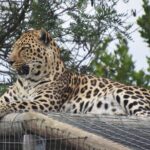
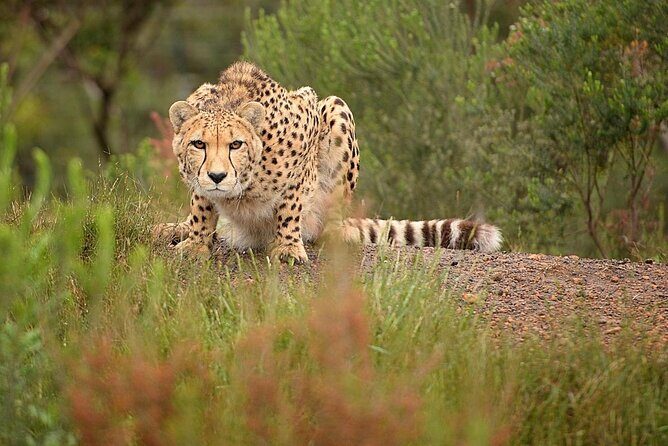
Tenikwa focuses on wildlife rehabilitation and awareness. The centre keeps a small number of wild cats in larger enclosures for awareness purposes (so you’re not just passing rows of the same animal like a traditional zoo visit). That difference is meaningful for your expectations. You’ll spend more time observing and understanding individual animals and the care behind them, not just ticking off species.
The tour is built around daily activities at Tenikwa, with guided commentary as you move through the centre. You’re not just wandering. You get “why” as well as “what.” And if your idea of a great day is being close to animals while also learning how people can reduce harm, this fits that mindset.
A quick note on animal sightings
Even in conservation-focused places, animal behavior sets the pace. One review story included seeing a leopard, cheetahs, and lions (plus glimpses of other cats), while another described only a leopard in a bush and a few other sightings. That variance isn’t a flaw—it’s just nature and how the animals use shade.
If you’re the type who wants constant action, you’ll need to enjoy the slow moments too. The upside is that when you do spot an animal, it often feels more real because it’s not guaranteed and it’s happening on the animals’ terms.
The rare part: seeing Tenikwa’s wildlife rehabilitation facilities
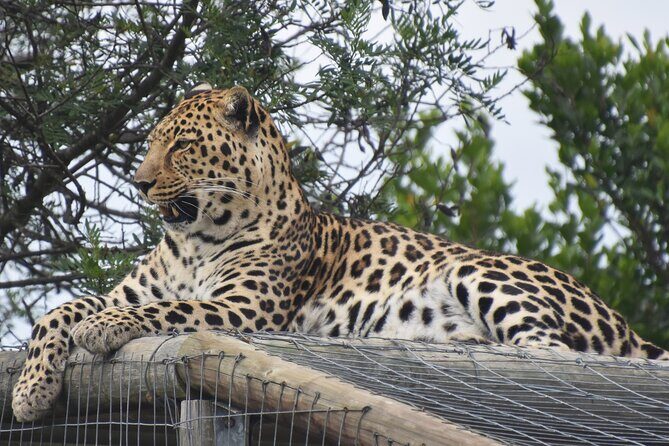
The standout feature here is the chance to spend time behind the scenes with staff and get an overview and observation of the Wildlife Rehabilitation facilities.
Tenikwa specifically highlights that this program is the only one that allows guests to view the rehabilitation facilities. That’s the key difference between a standard “wildlife viewing” day and a deeper conservation experience where you learn what happens when a cat needs help.
You can expect to learn about the centre’s approach to rescue and rehabilitation through guided explanation, with plenty of time to ask questions. It’s the kind of access that helps you connect conservation talk to real-world operations—care routines, the challenges of working with injured animals, and how awareness supports better outcomes for wild cats over time.
One more rule you should know upfront: touching the animals isn’t allowed. That’s not just for safety; it also protects the animals and keeps the experience ethical.
A typical rhythm: breakfast, walks, lunch, and downtime
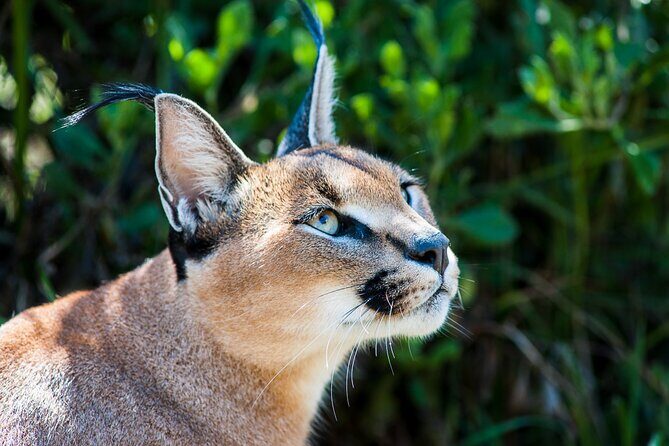
Your day is structured so you don’t get cranky halfway through.
Food is included: breakfast, lunch, snacks, coffee and/or tea, and bottled water. That matters in South Africa’s coastal weather, where you can go from cool to warm fast. Having drinks and meals handled means you can focus on the program instead of planning around it.
The day is described as a full, adventure-tinged experience, with an on-site walk and time with resident animals. Reviews also mention a forest walk led by a guide—so expect time outdoors, not just seated explanations.
The best part of the pacing is that it leaves room to ask questions. This isn’t a “watch this, move on” format. If you’re trying to understand conservation rather than collect photos, that’s a win.

Your guide matters: Msizi and Boniwe in the mix
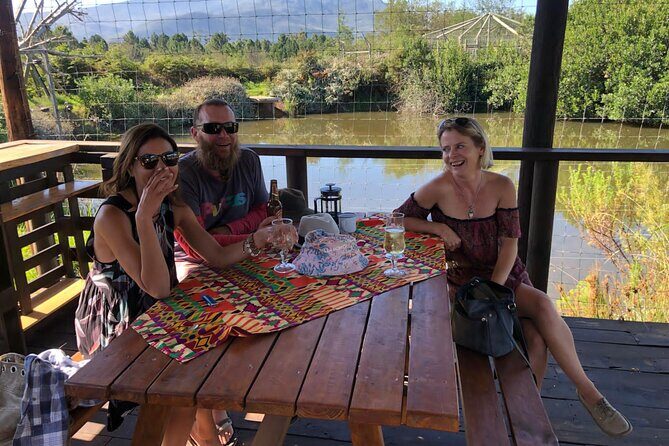
Guides can make or break a conservation day, and Tenikwa’s staff show up in reviews as patient and invested.
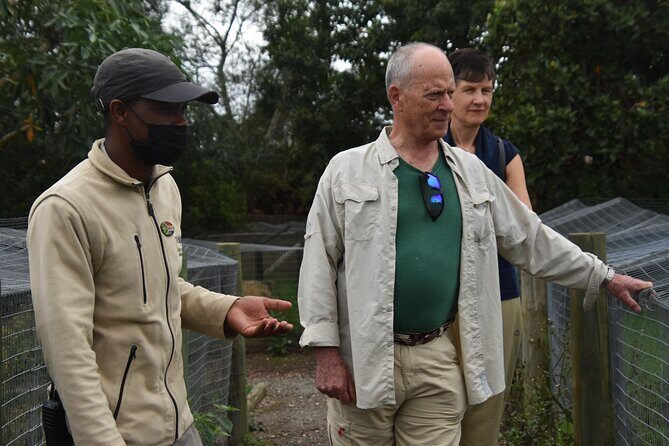
One mention that came through clearly: Msizi is the head guide, and he’s described as part of a second generation of Tenikwa staff, with his father working there for over 35 years. That kind of continuity tends to matter because you’re not just hearing facts—you’re hearing how the place operates and why it has the rules it has.
Another named staff member in a review was Boniwe, described as a dedicated guide for the day. The common theme across accounts: guides focus on care, conservation issues, and showing animals in a way that respects their comfort.
If you want the most out of the day, ask the questions that connect animal behavior to conservation. Things like what rehab work looks like for different injuries, why enclosures are designed the way they are, and what threats the cats face because of people.
Photography and the rules that keep the day respectful
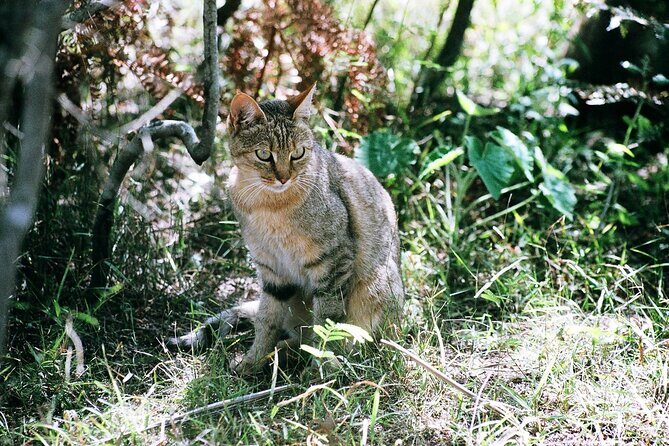
If you like taking wildlife photos, you’ll appreciate that this tour is built for observation and close viewing within safe boundaries.
But do plan for rules:
- No touching the animals
- Dress expectations are practical: neutral colours, and no fur or scarves
- You’ll want comfortable clothing
- Sunblock and a hat are advisable
Those dress guidelines aren’t picky for no reason. Neutral colours help you blend in, and avoiding fur/scarves reduces the chance of weird scent or material distractions.
Also, operate with the reality that some animals may retreat to shade on hot days or during rain. The tour runs in all weather, so you’ll still get the day—but your photo opportunities may shift.
When animals hide: how the tour handles slower cat days
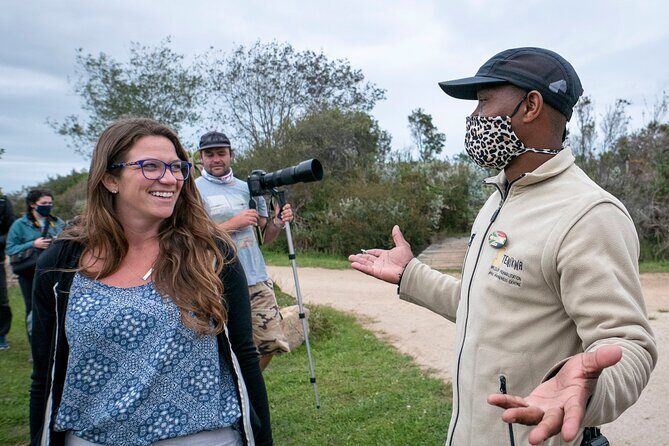
Here’s the unglamorous truth about cat encounters: sometimes they choose to be difficult.
One review outcome pointed out that if animals seek shelter from sun or rain, you might not see everything you hoped for right away. The good part is that Tenikwa says they can take you around again if you don’t see a particular animal the first time, after you’re finished with the tour.
So if your heart is set on seeing a specific species, manage your expectations like a pro:
- Think of it as an access-and-understanding day first
- Let the sightings be a bonus, not the whole mission
- Bring your curiosity and patience, not just your wish list
That’s also why private format helps. The guide can adjust pacing and focus without the pressure of a larger group schedule.
Price at about $87.71: is it good value?
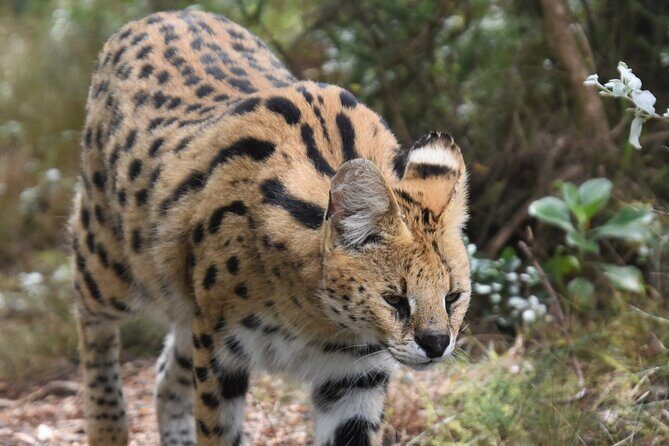
At $87.71 per person, the cost can look modest or steep depending on what you compare it to. Here’s the fair way to judge value: you’re not only paying for admission and guiding.
Your ticket includes:
- Private tour for your party
- Admission
- Transportation
- Breakfast, lunch, snacks
- Coffee/tea and bottled water
- Time with staff and access to wildlife rehabilitation facilities
- Guided commentary throughout the day
If you’ve ever bought separate admission + meals + local transport + a tour guide, you know the total usually climbs fast. This is priced like a packaged day, and the “extras” (food and transport) are part of why it feels practical rather than just scenic.
Also, this is popular enough that it’s commonly booked about 28 days in advance. If you’re traveling near peak season, it’s smart to plan earlier rather than waiting for last-minute luck.
Who should book Cats in Conservation (and who might not)
This tour fits best if you care about conservation and want more than a quick wildlife glance.
You’ll likely enjoy it if you:
- Love wildlife but prefer ethical, educational conservation work over generic zoo time
- Want a guide to answer questions and explain what rehab does
- Enjoy slower, observation-driven outings
- Appreciate a day with food already handled
It may not fit if:
- You’re traveling with kids who are very young. It’s not suitable for children under 9 years of age.
- You’re expecting a guaranteed checklist of species. Sightings can vary based on animal behavior and weather.
Family note: children under 18 must be accompanied by at least one parent. If you’re bringing teens or older kids who can handle the rules (like no touching and neutral clothing), they’ll probably get more out of the conservation angle.
Good to know for animal-service situations: service animals are allowed.
Weather and timing: plan for a flexible outdoor day
The tour operates in all weather conditions, so you should dress for that. Even when it’s “just” clouds or a light mist, expect outdoor walking and time outdoors around the enclosures.
A practical approach:
- Wear comfortable clothes that can handle sun and wet patches
- Bring sun protection even if it looks mixed
- Keep an extra layer handy if the coastal air cools down
If you’re doing this during a grey, cooler day, you might find the cats more active than you’d expect—while sunny heat can push them into shade. The day’s pace is never totally under human control, but the tour still keeps moving with activities and learning.
Should you book Cats in Conservation at Tenikwa?
If you want a wildlife day with real conservation substance, I think this tour is a strong choice. The biggest reason: the rehab facilities access and the time to learn how Tenikwa’s work connects to the survival story of wild cats.
Book it if your ideal outing includes:
- Private attention
- Meals included (breakfast + lunch + refreshments)
- Behind-the-scenes conservation learning
- A guide who can talk through both animals and conservation issues
Skip it (or at least adjust your expectations) if your top priority is guaranteed sightings of every big cat species on your mental checklist. This is about care, awareness, and respectful observation—some of the best moments come from patience, not from forcing action.
In short: if you like the idea of supporting wildlife rehab and understanding conservation while still getting plenty of close animal time, Cats in Conservation at Tenikwa is the kind of day you’ll remember for more than just photos.
FAQ
What does the Cats in Conservation tour include?
The tour includes a private tour to see and photograph wild cats and local wildlife, plus breakfast, lunch, snacks, bottled water, coffee and/or tea, transportation, and time behind the scenes learning about conservation issues, including observation of the wildlife rehabilitation facilities.
How long is the tour?
The experience runs about 7 to 8 hours.
Is this tour private?
Yes. It’s a private tour/activity, meaning only your group participates.
What should I wear or bring?
Wear comfortable clothing in neutral colours, and avoid fur or scarves. Bring sunblock and a hat. Dress for the weather since it operates in all conditions.
Are there age limits for children?
Yes. It is not suitable for children under 9 years of age. Also, children under 18 must be accompanied by at least one parent.
Can I get a refund if I cancel?
No. This experience is non-refundable and cannot be changed for any reason.